

Evaluating Regulatory Compliance in Nuclear Battery Development
JAN 29, 20269 MIN READ
Generate Your Research Report Instantly with AI Agent
PatSnap Eureka helps you evaluate technical feasibility & market potential.
Nuclear Battery Tech Background and Compliance Goals
Nuclear battery technology, also known as radioisotope power systems, represents a specialized energy conversion approach that harnesses energy from radioactive decay to generate electricity. This technology traces its origins to the 1950s when early prototypes were developed for space exploration and remote terrestrial applications. The fundamental principle involves converting radiation energy, typically from alpha or beta decay, into electrical power through thermoelectric conversion or direct charge collection mechanisms. Over subsequent decades, nuclear batteries have evolved from bulky radioisotope thermoelectric generators used in spacecraft like Voyager and Curiosity rovers to miniaturized designs targeting medical implants, remote sensors, and autonomous systems.
The evolution of nuclear battery technology has been characterized by progressive improvements in energy conversion efficiency, miniaturization capabilities, and safety encapsulation methods. Early systems achieved conversion efficiencies below five percent, while contemporary designs incorporating advanced semiconductor materials and nanostructured interfaces have pushed theoretical limits toward fifteen to twenty percent. Parallel developments in isotope selection have shifted focus from traditional plutonium-238 sources toward alternative radioisotopes including nickel-63, tritium, and americium-241, each offering distinct advantages in half-life duration, radiation profiles, and regulatory accessibility.
Current development objectives center on achieving commercially viable power densities exceeding ten microwatts per cubic centimeter while maintaining operational lifespans of twenty to fifty years. Technical goals emphasize enhancing energy conversion efficiency through innovative transduction mechanisms, reducing manufacturing costs through scalable production processes, and establishing robust safety protocols that address radiation containment throughout product lifecycles. The integration of advanced materials such as diamond semiconductors, silicon carbide structures, and metamaterial radiation shields represents critical pathways toward these performance targets.
Regulatory compliance goals constitute a fundamental dimension of nuclear battery development, encompassing radiation safety standards, environmental protection requirements, and international nuclear material controls. Developers must navigate complex regulatory frameworks established by agencies including the Nuclear Regulatory Commission, International Atomic Energy Agency, and national radiation protection authorities. Compliance objectives require demonstrating containment integrity under extreme conditions, establishing clear protocols for manufacturing, transportation, usage, and end-of-life disposal, and ensuring traceability of radioactive materials throughout supply chains. These regulatory imperatives directly influence design choices, material selection, and commercialization strategies, making compliance evaluation an essential component of technology development rather than a downstream consideration.
The evolution of nuclear battery technology has been characterized by progressive improvements in energy conversion efficiency, miniaturization capabilities, and safety encapsulation methods. Early systems achieved conversion efficiencies below five percent, while contemporary designs incorporating advanced semiconductor materials and nanostructured interfaces have pushed theoretical limits toward fifteen to twenty percent. Parallel developments in isotope selection have shifted focus from traditional plutonium-238 sources toward alternative radioisotopes including nickel-63, tritium, and americium-241, each offering distinct advantages in half-life duration, radiation profiles, and regulatory accessibility.
Current development objectives center on achieving commercially viable power densities exceeding ten microwatts per cubic centimeter while maintaining operational lifespans of twenty to fifty years. Technical goals emphasize enhancing energy conversion efficiency through innovative transduction mechanisms, reducing manufacturing costs through scalable production processes, and establishing robust safety protocols that address radiation containment throughout product lifecycles. The integration of advanced materials such as diamond semiconductors, silicon carbide structures, and metamaterial radiation shields represents critical pathways toward these performance targets.
Regulatory compliance goals constitute a fundamental dimension of nuclear battery development, encompassing radiation safety standards, environmental protection requirements, and international nuclear material controls. Developers must navigate complex regulatory frameworks established by agencies including the Nuclear Regulatory Commission, International Atomic Energy Agency, and national radiation protection authorities. Compliance objectives require demonstrating containment integrity under extreme conditions, establishing clear protocols for manufacturing, transportation, usage, and end-of-life disposal, and ensuring traceability of radioactive materials throughout supply chains. These regulatory imperatives directly influence design choices, material selection, and commercialization strategies, making compliance evaluation an essential component of technology development rather than a downstream consideration.
Market Demand for Nuclear Battery Applications
The market demand for nuclear battery applications is experiencing significant growth driven by the expanding need for long-lasting, maintenance-free power sources across multiple sectors. Space exploration represents one of the most established markets, where nuclear batteries have powered deep-space missions for decades. As commercial space activities intensify and plans for lunar bases and Mars missions advance, the demand for reliable power systems capable of operating in extreme environments without solar dependency continues to escalate.
The medical device sector presents substantial opportunities, particularly for implantable devices such as pacemakers and neurostimulators. Current lithium-ion batteries require surgical replacement every few years, creating patient risks and healthcare costs. Nuclear batteries offering multi-decade operational lifespans could revolutionize this market by eliminating replacement surgeries and improving patient quality of life. The aging global population and rising prevalence of chronic conditions requiring continuous monitoring further amplify this demand.
Remote sensing and monitoring applications constitute another growing market segment. Environmental monitoring stations, seismic sensors, oceanographic equipment, and infrastructure monitoring systems deployed in inaccessible locations require power sources that can operate autonomously for extended periods. Nuclear batteries address the limitations of solar panels in polar regions, deep ocean environments, and underground installations where conventional power solutions prove impractical.
The Internet of Things and edge computing infrastructure are emerging as potential high-volume markets. As billions of sensors and devices require deployment in locations where battery replacement is economically unfeasible, nuclear micro-batteries could provide sustainable solutions. Smart city infrastructure, industrial automation systems, and distributed sensor networks represent substantial future demand drivers.
Defense and security applications maintain steady demand for nuclear battery technology. Military communication systems, surveillance equipment, and remote installations require reliable power sources that resist tampering and operate independently of supply chains. The strategic value of energy-independent systems in contested or denied environments ensures continued investment in this sector.
However, market penetration faces challenges including regulatory barriers, public perception concerns, and cost competitiveness compared to advancing conventional battery technologies. Market growth trajectories depend heavily on successful navigation of regulatory frameworks and demonstration of safety standards that satisfy both governmental authorities and end-users across different application domains.
The medical device sector presents substantial opportunities, particularly for implantable devices such as pacemakers and neurostimulators. Current lithium-ion batteries require surgical replacement every few years, creating patient risks and healthcare costs. Nuclear batteries offering multi-decade operational lifespans could revolutionize this market by eliminating replacement surgeries and improving patient quality of life. The aging global population and rising prevalence of chronic conditions requiring continuous monitoring further amplify this demand.
Remote sensing and monitoring applications constitute another growing market segment. Environmental monitoring stations, seismic sensors, oceanographic equipment, and infrastructure monitoring systems deployed in inaccessible locations require power sources that can operate autonomously for extended periods. Nuclear batteries address the limitations of solar panels in polar regions, deep ocean environments, and underground installations where conventional power solutions prove impractical.
The Internet of Things and edge computing infrastructure are emerging as potential high-volume markets. As billions of sensors and devices require deployment in locations where battery replacement is economically unfeasible, nuclear micro-batteries could provide sustainable solutions. Smart city infrastructure, industrial automation systems, and distributed sensor networks represent substantial future demand drivers.
Defense and security applications maintain steady demand for nuclear battery technology. Military communication systems, surveillance equipment, and remote installations require reliable power sources that resist tampering and operate independently of supply chains. The strategic value of energy-independent systems in contested or denied environments ensures continued investment in this sector.
However, market penetration faces challenges including regulatory barriers, public perception concerns, and cost competitiveness compared to advancing conventional battery technologies. Market growth trajectories depend heavily on successful navigation of regulatory frameworks and demonstration of safety standards that satisfy both governmental authorities and end-users across different application domains.
Regulatory Status and Compliance Challenges
Nuclear battery development operates within a complex regulatory landscape that varies significantly across jurisdictions. In the United States, the Nuclear Regulatory Commission maintains primary oversight authority, requiring manufacturers to navigate stringent licensing procedures under 10 CFR Part 30 for byproduct material usage. The European Union implements a fragmented approach, where individual member states retain regulatory sovereignty over radioactive materials, creating inconsistent approval pathways. China has established dedicated frameworks through the National Nuclear Safety Administration, while other emerging markets often lack comprehensive regulatory structures specifically addressing nuclear battery technologies.
The classification challenge represents a fundamental compliance obstacle. Regulatory bodies struggle to categorize nuclear batteries within existing frameworks designed primarily for traditional nuclear reactors or medical isotope applications. This ambiguity creates uncertainty regarding which specific regulations apply, particularly for low-power devices utilizing tritium or nickel-63. Manufacturers face difficulties determining whether products fall under nuclear material regulations, consumer electronics standards, or hybrid categories requiring multiple approvals.
Transportation and distribution present critical compliance barriers. International shipping of nuclear batteries must satisfy IAEA Transport Regulations, DOT hazardous materials requirements, and ICAO dangerous goods provisions simultaneously. These overlapping mandates impose strict packaging specifications, documentation requirements, and handling protocols that significantly increase commercialization costs. Cross-border movement remains particularly problematic, as harmonization efforts have achieved limited success in standardizing approval processes.
End-of-life management regulations create additional complexity. Most jurisdictions lack clear guidelines for nuclear battery disposal, recycling, or decommissioning. Manufacturers bear extended producer responsibility without established infrastructure for radioactive waste collection from distributed consumer applications. This regulatory gap generates liability concerns that discourage market entry and investment.
Emerging compliance challenges include cybersecurity requirements for smart nuclear batteries and environmental impact assessments for large-scale deployment. Regulatory agencies increasingly demand comprehensive safety analyses addressing scenarios beyond traditional nuclear incidents, including tampering risks and cumulative environmental effects. The absence of internationally recognized testing standards further complicates demonstration of compliance, as manufacturers must satisfy divergent technical requirements across target markets.
The classification challenge represents a fundamental compliance obstacle. Regulatory bodies struggle to categorize nuclear batteries within existing frameworks designed primarily for traditional nuclear reactors or medical isotope applications. This ambiguity creates uncertainty regarding which specific regulations apply, particularly for low-power devices utilizing tritium or nickel-63. Manufacturers face difficulties determining whether products fall under nuclear material regulations, consumer electronics standards, or hybrid categories requiring multiple approvals.
Transportation and distribution present critical compliance barriers. International shipping of nuclear batteries must satisfy IAEA Transport Regulations, DOT hazardous materials requirements, and ICAO dangerous goods provisions simultaneously. These overlapping mandates impose strict packaging specifications, documentation requirements, and handling protocols that significantly increase commercialization costs. Cross-border movement remains particularly problematic, as harmonization efforts have achieved limited success in standardizing approval processes.
End-of-life management regulations create additional complexity. Most jurisdictions lack clear guidelines for nuclear battery disposal, recycling, or decommissioning. Manufacturers bear extended producer responsibility without established infrastructure for radioactive waste collection from distributed consumer applications. This regulatory gap generates liability concerns that discourage market entry and investment.
Emerging compliance challenges include cybersecurity requirements for smart nuclear batteries and environmental impact assessments for large-scale deployment. Regulatory agencies increasingly demand comprehensive safety analyses addressing scenarios beyond traditional nuclear incidents, including tampering risks and cumulative environmental effects. The absence of internationally recognized testing standards further complicates demonstration of compliance, as manufacturers must satisfy divergent technical requirements across target markets.
Current Compliance Assessment Solutions
01 Regulatory framework and compliance systems for nuclear batteries
Establishing comprehensive regulatory frameworks and compliance systems specifically designed for nuclear battery technology. This includes developing standards for safety protocols, licensing procedures, and regulatory oversight mechanisms to ensure nuclear batteries meet all necessary legal and safety requirements. The frameworks address unique challenges posed by nuclear battery deployment in various applications and jurisdictions.- Regulatory framework and compliance systems for nuclear batteries: Establishing comprehensive regulatory frameworks and compliance systems specifically designed for nuclear battery technology. This includes developing standards for safety protocols, licensing procedures, and regulatory oversight mechanisms to ensure nuclear batteries meet governmental and international safety requirements. The frameworks address unique challenges of nuclear battery deployment including radiation safety, environmental protection, and operational standards.
- Safety monitoring and radiation control systems: Implementation of advanced monitoring systems and radiation control mechanisms for nuclear battery operations. These systems provide real-time tracking of radiation levels, automated safety shutdowns, and continuous compliance verification. The technology ensures that nuclear batteries operate within prescribed safety limits and enables immediate response to any anomalies or regulatory violations.
- Documentation and reporting systems for regulatory compliance: Development of comprehensive documentation and automated reporting systems to maintain regulatory compliance records for nuclear battery operations. These systems track operational parameters, maintenance schedules, safety inspections, and incident reports. The technology facilitates transparent communication with regulatory bodies and ensures all required documentation is properly maintained and submitted according to regulatory timelines.
- Certification and testing protocols for nuclear batteries: Establishment of standardized certification processes and testing protocols to verify nuclear battery compliance with regulatory requirements. This includes pre-deployment testing, periodic performance evaluations, and quality assurance procedures. The protocols ensure that nuclear batteries meet all technical specifications and safety standards before approval for commercial or industrial use.
- Environmental impact assessment and waste management compliance: Systems and methodologies for assessing environmental impact and managing nuclear waste in compliance with regulatory standards. This encompasses lifecycle analysis of nuclear batteries, proper disposal procedures, decommissioning protocols, and environmental monitoring. The approach ensures that nuclear battery operations minimize environmental risks and adhere to waste management regulations throughout the entire operational lifecycle.
02 Safety monitoring and radiation control systems
Implementation of advanced safety monitoring systems and radiation control measures for nuclear batteries. These systems include real-time monitoring of radiation levels, containment integrity verification, and automated safety shutdown mechanisms. The technology ensures continuous compliance with radiation safety standards and provides early warning systems for potential safety issues.Expand Specific Solutions03 Documentation and reporting systems for regulatory compliance
Development of comprehensive documentation and reporting systems to maintain regulatory compliance throughout the nuclear battery lifecycle. This includes automated record-keeping, compliance tracking, incident reporting mechanisms, and audit trail systems. These systems facilitate transparent communication with regulatory authorities and ensure all required documentation is maintained and accessible.Expand Specific Solutions04 Testing and certification protocols for nuclear batteries
Establishment of standardized testing and certification protocols to verify nuclear battery compliance with regulatory requirements. This encompasses performance testing, safety validation, environmental impact assessment, and quality assurance procedures. The protocols ensure that nuclear batteries meet all technical specifications and safety standards before deployment and during operational life.Expand Specific Solutions05 Transportation and disposal compliance for nuclear batteries
Regulatory compliance systems addressing the transportation, storage, and disposal of nuclear batteries. This includes packaging requirements, transportation safety protocols, secure storage solutions, and end-of-life disposal procedures that comply with nuclear waste management regulations. The systems ensure safe handling throughout the entire supply chain and proper decommissioning processes.Expand Specific Solutions
Key Players in Nuclear Battery Industry
The nuclear battery development sector is experiencing early-stage growth with increasing regulatory scrutiny as the technology transitions from research to commercialization. The competitive landscape is dominated by established nuclear energy corporations and automotive manufacturers exploring alternative power sources. Major players include Westinghouse Electric Co., China Nuclear Power Engineering Co., and Commissariat à l'énergie atomique, who possess mature nuclear engineering capabilities and regulatory expertise. Automotive giants like Toyota Motor Corp., Panasonic Holdings Corp., and DENSO Corp. are leveraging their battery technology experience to enter this emerging market. Companies such as LG Energy Solution Ltd., Samsung SDI Co., and Robert Bosch GmbH bring advanced energy storage knowledge, while traditional nuclear operators including Korea Electric Power Corp. and Atomic Energy of Canada Ltd. contribute established compliance frameworks. The market remains fragmented with varying technological maturity levels across participants, reflecting the nascent stage of commercial nuclear battery applications and evolving international safety standards.
Westinghouse Electric Co. LLC
Technical Solution: Westinghouse has established a comprehensive regulatory compliance framework for nuclear battery development that aligns with NRC (Nuclear Regulatory Commission) standards and international IAEA guidelines. Their approach includes rigorous quality assurance programs implementing 10 CFR Part 50 Appendix B requirements, systematic safety analysis reports (SAR) preparation, and continuous monitoring protocols for radiation safety compliance. The company maintains detailed documentation systems for material traceability, conducts regular third-party audits, and implements design control processes that address both nuclear safety and environmental protection regulations. Their compliance strategy encompasses pre-licensing engagement with regulatory bodies, phased approval processes, and post-market surveillance programs to ensure ongoing adherence to evolving regulatory standards in nuclear technology deployment.
Strengths: Extensive experience with NRC regulatory processes, established relationships with international regulatory bodies, robust quality management systems. Weaknesses: High compliance costs, lengthy approval timelines, complex documentation requirements that may slow innovation cycles.
China Nuclear Power Engineering Co., Ltd.
Technical Solution: CNPE has established a regulatory compliance system for nuclear battery development that adheres to China's National Nuclear Safety Administration (NNSA) regulations and incorporates international best practices from IAEA safety standards. Their compliance framework includes comprehensive licensing procedures covering design approval, manufacturing oversight, and operational safety assessments. The company implements a three-stage regulatory review process: preliminary safety evaluation, detailed design verification, and pre-deployment inspection protocols. CNPE maintains dedicated compliance teams that coordinate with HAF (Nuclear Safety Regulations) requirements, conduct regular safety culture assessments, and ensure proper handling, storage, and disposal protocols for radioactive materials used in nuclear batteries. Their approach emphasizes proactive risk management, continuous improvement through feedback loops, and integration of digital monitoring systems for real-time compliance tracking throughout the product lifecycle.
Strengths: Strong alignment with Chinese regulatory framework, government support for nuclear technology development, cost-effective compliance processes. Weaknesses: Limited international regulatory recognition, potential challenges in meeting Western regulatory standards, less transparency in compliance documentation for global markets.
Core Regulatory Standards Analysis
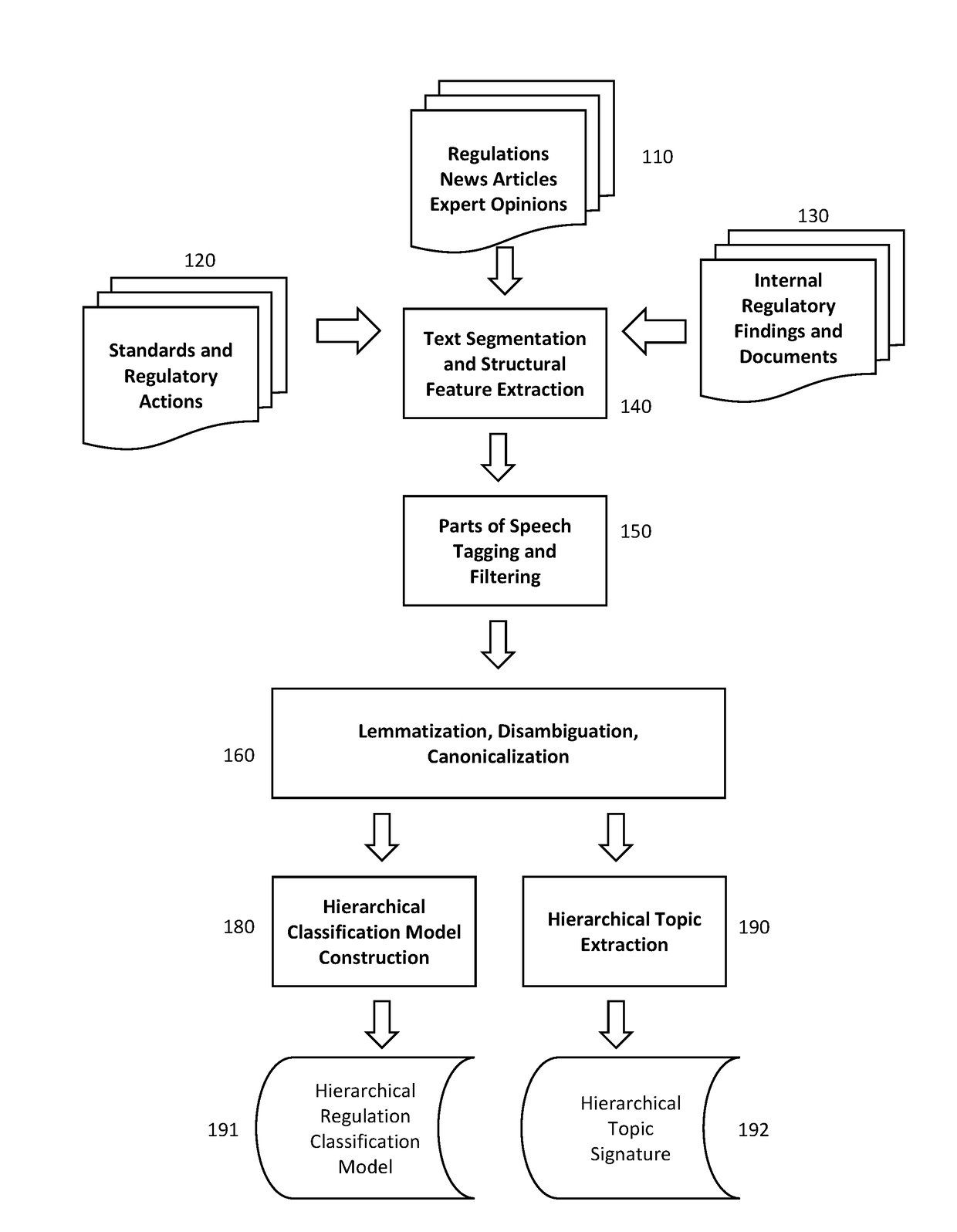
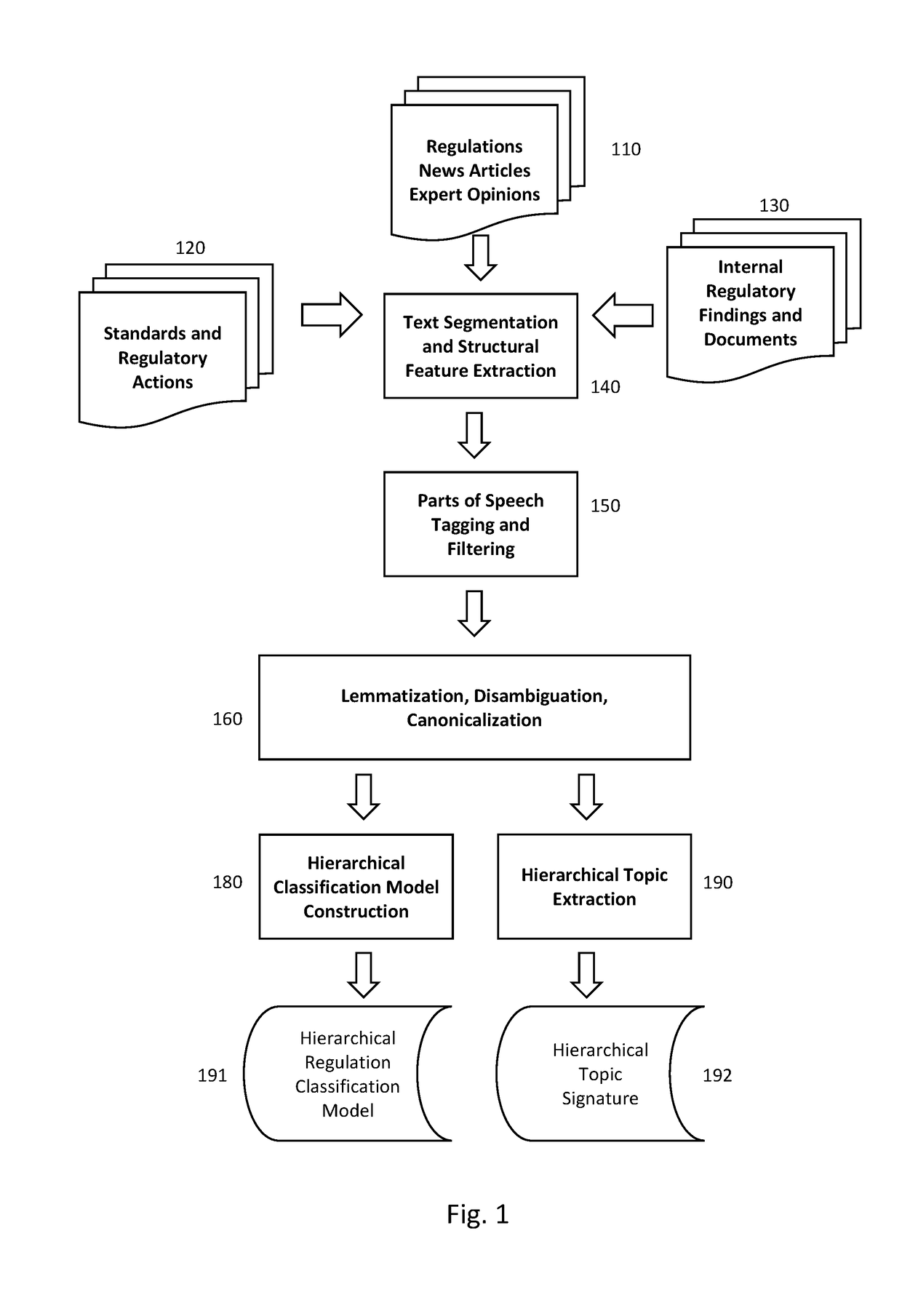
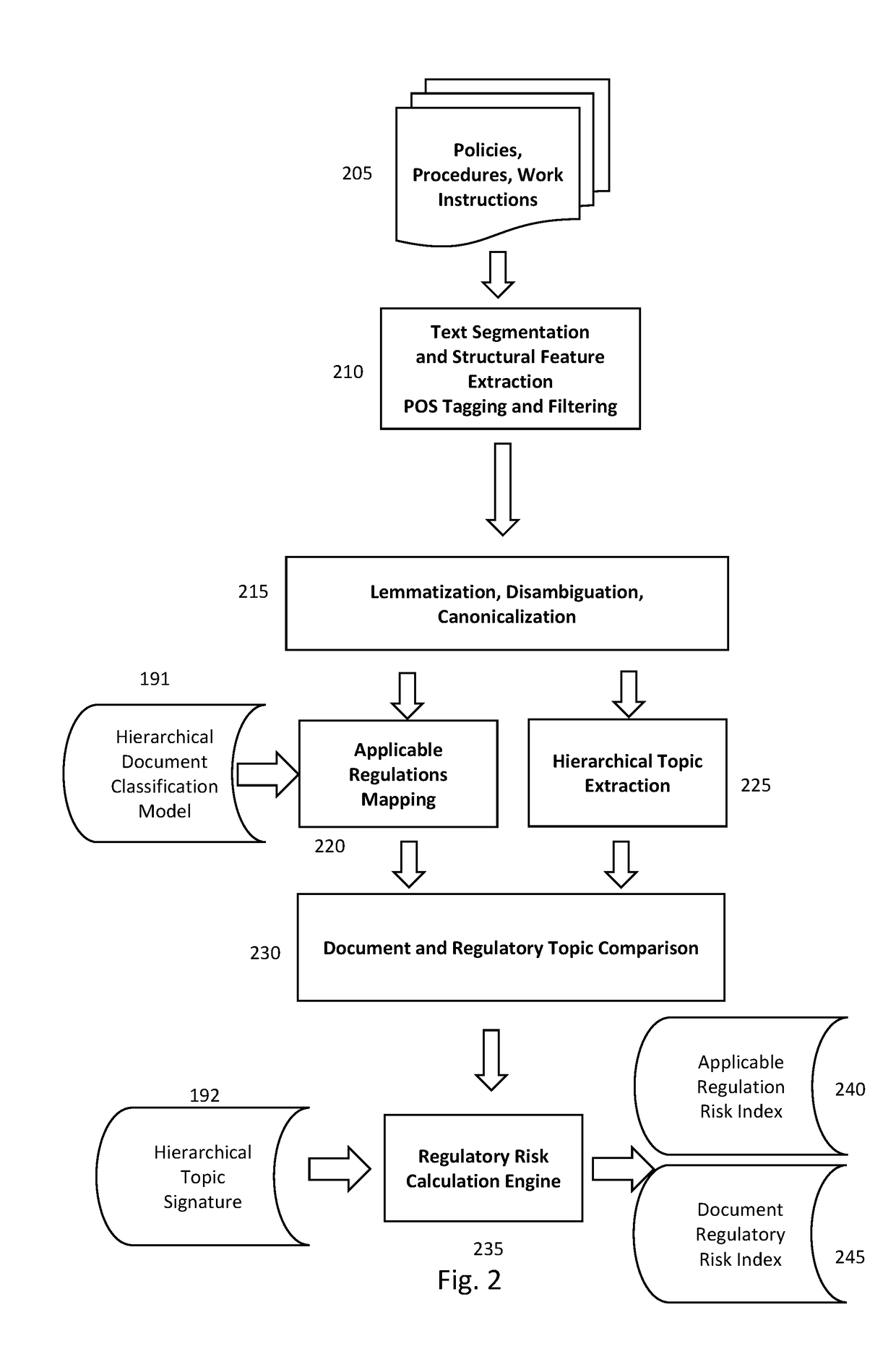
System and method for automated discovery and ranking of regulatory compliance risks
PatentInactiveUS20180053128A1
Innovation
- An automated system using machine learning and natural language processing to analyze documents and determine regulatory compliance, providing risk ratings and highlighting areas of non-compliance, which can be integrated with document management systems and regulatory frameworks.

Chargeable atomic battery and activation charging production methods
PatentWO2021159043A1
Innovation
- A chargeable atomic battery system using precursor material particles embedded in an encapsulation material, initially non-radioactive and convertible to a radioactive state via particle radiation, allowing for rechargeable energy production and extended mission duration without the need for secure facilities during initial charging.


Safety and Environmental Regulations
Nuclear battery development operates within a stringent regulatory framework designed to protect public health and environmental integrity. The regulatory landscape encompasses multiple layers of oversight, including international standards established by the International Atomic Energy Agency (IAEA) and national regulations enforced by bodies such as the U.S. Nuclear Regulatory Commission (NRC), European Atomic Energy Community (EURATOM), and equivalent agencies worldwide. These regulations mandate comprehensive safety assessments throughout the entire lifecycle of nuclear batteries, from material sourcing and manufacturing to deployment, operation, and eventual decommissioning.
Safety regulations primarily focus on radiation protection standards, requiring nuclear battery designs to maintain radiation exposure levels well below established thresholds for both occupational workers and the general public. Manufacturers must demonstrate compliance with dose limits typically measured in millisieverts per year, ensuring adequate shielding effectiveness and containment integrity under normal operating conditions and potential accident scenarios. Regulatory frameworks also mandate rigorous testing protocols to verify structural stability, thermal management capabilities, and resistance to mechanical stress, environmental extremes, and potential tampering or unauthorized access.
Environmental regulations address the complete environmental footprint of nuclear battery technology. This includes strict controls on radioactive material handling, transportation requirements under international conventions such as the IAEA Transport Regulations, and waste management protocols for both manufacturing byproducts and end-of-life disposal. Regulatory compliance necessitates detailed environmental impact assessments that evaluate potential contamination pathways, long-term radionuclide migration risks, and ecosystem effects. Additionally, emerging regulations increasingly emphasize circular economy principles, requiring manufacturers to develop comprehensive decommissioning plans and material recovery strategies.
The regulatory approval process for nuclear batteries involves extensive documentation, including safety analysis reports, quality assurance programs, and emergency response procedures. Compliance verification typically requires independent third-party testing, continuous monitoring systems, and periodic regulatory audits. As nuclear battery applications expand into consumer electronics, medical devices, and remote sensing equipment, regulatory frameworks continue evolving to address novel deployment scenarios while maintaining uncompromising safety and environmental protection standards.
Safety regulations primarily focus on radiation protection standards, requiring nuclear battery designs to maintain radiation exposure levels well below established thresholds for both occupational workers and the general public. Manufacturers must demonstrate compliance with dose limits typically measured in millisieverts per year, ensuring adequate shielding effectiveness and containment integrity under normal operating conditions and potential accident scenarios. Regulatory frameworks also mandate rigorous testing protocols to verify structural stability, thermal management capabilities, and resistance to mechanical stress, environmental extremes, and potential tampering or unauthorized access.
Environmental regulations address the complete environmental footprint of nuclear battery technology. This includes strict controls on radioactive material handling, transportation requirements under international conventions such as the IAEA Transport Regulations, and waste management protocols for both manufacturing byproducts and end-of-life disposal. Regulatory compliance necessitates detailed environmental impact assessments that evaluate potential contamination pathways, long-term radionuclide migration risks, and ecosystem effects. Additionally, emerging regulations increasingly emphasize circular economy principles, requiring manufacturers to develop comprehensive decommissioning plans and material recovery strategies.
The regulatory approval process for nuclear batteries involves extensive documentation, including safety analysis reports, quality assurance programs, and emergency response procedures. Compliance verification typically requires independent third-party testing, continuous monitoring systems, and periodic regulatory audits. As nuclear battery applications expand into consumer electronics, medical devices, and remote sensing equipment, regulatory frameworks continue evolving to address novel deployment scenarios while maintaining uncompromising safety and environmental protection standards.
International Licensing Framework
The international licensing framework for nuclear battery development represents a complex regulatory landscape that spans multiple jurisdictions and international organizations. At the global level, the International Atomic Energy Agency (IAEA) serves as the primary coordinating body, establishing safety standards and guidelines that member states typically adopt or adapt into their national regulations. The IAEA's Safety Standards Series provides fundamental principles for radiation protection and nuclear safety that directly impact nuclear battery design, manufacturing, and deployment processes.
Regional regulatory bodies add additional layers of oversight, with organizations such as the European Atomic Energy Community (EURATOM) in Europe and various bilateral agreements between nations creating harmonized yet distinct regulatory environments. These regional frameworks often establish mutual recognition agreements that can streamline the licensing process for manufacturers seeking to operate across multiple markets, though significant variations in technical requirements and approval timelines persist.
The licensing process itself typically involves multiple stages, beginning with preliminary design approval, followed by manufacturing authorization, and culminating in deployment permits. Each stage requires extensive documentation demonstrating compliance with radiation safety limits, environmental protection standards, and security protocols. Manufacturers must navigate varying definitions of nuclear materials, with some jurisdictions classifying certain isotopes used in nuclear batteries differently, thereby triggering distinct regulatory pathways.
Export control regimes, particularly the Nuclear Suppliers Group guidelines and national export control lists, significantly influence international trade in nuclear battery technologies. These controls aim to prevent proliferation while facilitating peaceful uses of nuclear technology, creating a delicate balance that manufacturers must carefully navigate. The dual-use nature of certain nuclear battery components further complicates cross-border technology transfer and collaborative development efforts.
Emerging international initiatives seek to modernize these frameworks to accommodate innovative nuclear technologies, including nuclear batteries. However, the pace of regulatory adaptation varies considerably across jurisdictions, creating both opportunities and challenges for developers seeking global market access.
Regional regulatory bodies add additional layers of oversight, with organizations such as the European Atomic Energy Community (EURATOM) in Europe and various bilateral agreements between nations creating harmonized yet distinct regulatory environments. These regional frameworks often establish mutual recognition agreements that can streamline the licensing process for manufacturers seeking to operate across multiple markets, though significant variations in technical requirements and approval timelines persist.
The licensing process itself typically involves multiple stages, beginning with preliminary design approval, followed by manufacturing authorization, and culminating in deployment permits. Each stage requires extensive documentation demonstrating compliance with radiation safety limits, environmental protection standards, and security protocols. Manufacturers must navigate varying definitions of nuclear materials, with some jurisdictions classifying certain isotopes used in nuclear batteries differently, thereby triggering distinct regulatory pathways.
Export control regimes, particularly the Nuclear Suppliers Group guidelines and national export control lists, significantly influence international trade in nuclear battery technologies. These controls aim to prevent proliferation while facilitating peaceful uses of nuclear technology, creating a delicate balance that manufacturers must carefully navigate. The dual-use nature of certain nuclear battery components further complicates cross-border technology transfer and collaborative development efforts.
Emerging international initiatives seek to modernize these frameworks to accommodate innovative nuclear technologies, including nuclear batteries. However, the pace of regulatory adaptation varies considerably across jurisdictions, creating both opportunities and challenges for developers seeking global market access.
Unlock deeper insights with PatSnap Eureka Quick Research — get a full tech report to explore trends and direct your research. Try now!
Generate Your Research Report Instantly with AI Agent
Supercharge your innovation with PatSnap Eureka AI Agent Platform!