
Evaluating Triethanolamine Efficacy in Polymeric Barrier Layers
APR 3, 20269 MIN READ
Generate Your Research Report Instantly with AI Agent
Patsnap Eureka helps you evaluate technical feasibility & market potential.
TEA Polymeric Barrier Technology Background and Objectives
Triethanolamine (TEA) has emerged as a critical component in the development of advanced polymeric barrier systems, representing a significant evolution in materials science applications. The integration of TEA into polymeric matrices addresses fundamental challenges in barrier performance, particularly in applications requiring enhanced chemical resistance, improved mechanical properties, and superior environmental stability. This technology builds upon decades of research in polymer chemistry and barrier science, where traditional approaches often fell short of meeting increasingly demanding industrial requirements.
The historical development of polymeric barrier layers has been marked by continuous efforts to overcome permeability limitations and structural weaknesses. Early barrier systems relied primarily on physical barriers and simple polymer compositions, which frequently exhibited inadequate performance under harsh environmental conditions. The introduction of TEA as a functional additive represents a paradigm shift toward chemically enhanced barrier systems, where molecular-level interactions contribute to overall barrier efficacy.
TEA's unique chemical structure, featuring three hydroxyl groups attached to a tertiary amine, provides multiple reactive sites that can interact with polymer chains through hydrogen bonding, coordination complexes, and potential crosslinking mechanisms. These interactions fundamentally alter the polymer matrix's microstructure, creating more tortuous pathways for permeant molecules and enhancing the overall barrier properties. The technology has gained particular attention in applications where conventional barrier materials fail to provide adequate protection against aggressive chemicals, moisture, or gas permeation.
The primary objective of evaluating TEA efficacy in polymeric barrier layers centers on establishing quantitative relationships between TEA concentration, processing conditions, and resulting barrier performance. This evaluation encompasses multiple performance metrics, including permeability coefficients, mechanical strength retention, thermal stability, and long-term durability under service conditions. Understanding these relationships is crucial for optimizing formulations and processing parameters to achieve desired barrier properties.
Secondary objectives include developing predictive models for TEA-enhanced barrier performance, establishing standardized testing protocols for efficacy assessment, and identifying optimal TEA loading levels for specific applications. The technology aims to provide cost-effective solutions for industries requiring high-performance barrier systems, including packaging, automotive, aerospace, and chemical processing sectors, where barrier failure can result in significant economic and safety consequences.
The historical development of polymeric barrier layers has been marked by continuous efforts to overcome permeability limitations and structural weaknesses. Early barrier systems relied primarily on physical barriers and simple polymer compositions, which frequently exhibited inadequate performance under harsh environmental conditions. The introduction of TEA as a functional additive represents a paradigm shift toward chemically enhanced barrier systems, where molecular-level interactions contribute to overall barrier efficacy.
TEA's unique chemical structure, featuring three hydroxyl groups attached to a tertiary amine, provides multiple reactive sites that can interact with polymer chains through hydrogen bonding, coordination complexes, and potential crosslinking mechanisms. These interactions fundamentally alter the polymer matrix's microstructure, creating more tortuous pathways for permeant molecules and enhancing the overall barrier properties. The technology has gained particular attention in applications where conventional barrier materials fail to provide adequate protection against aggressive chemicals, moisture, or gas permeation.
The primary objective of evaluating TEA efficacy in polymeric barrier layers centers on establishing quantitative relationships between TEA concentration, processing conditions, and resulting barrier performance. This evaluation encompasses multiple performance metrics, including permeability coefficients, mechanical strength retention, thermal stability, and long-term durability under service conditions. Understanding these relationships is crucial for optimizing formulations and processing parameters to achieve desired barrier properties.
Secondary objectives include developing predictive models for TEA-enhanced barrier performance, establishing standardized testing protocols for efficacy assessment, and identifying optimal TEA loading levels for specific applications. The technology aims to provide cost-effective solutions for industries requiring high-performance barrier systems, including packaging, automotive, aerospace, and chemical processing sectors, where barrier failure can result in significant economic and safety consequences.
Market Demand for Enhanced Polymeric Barrier Solutions
The global packaging industry faces mounting pressure to develop advanced barrier solutions that can effectively protect products while meeting increasingly stringent environmental and performance requirements. Enhanced polymeric barrier layers have emerged as a critical technology area, driven by the need to extend shelf life, maintain product integrity, and reduce material waste across multiple sectors including food and beverage, pharmaceuticals, electronics, and consumer goods.
Food packaging represents the largest market segment demanding improved barrier performance. Consumer expectations for fresh, preservative-free products with extended shelf life create substantial demand for polymeric barriers that can effectively block oxygen, moisture, and other permeants. The shift toward sustainable packaging solutions further intensifies this demand, as manufacturers seek bio-based and recyclable barrier materials that maintain superior protective properties.
Pharmaceutical packaging applications require exceptionally high barrier performance to ensure drug stability and efficacy throughout extended storage periods. Regulatory requirements for pharmaceutical packaging continue to tighten globally, driving demand for advanced polymeric barrier solutions that can meet stringent moisture and oxygen transmission rate specifications while maintaining compatibility with various drug formulations.
The electronics industry presents another significant market driver, where polymeric barrier layers protect sensitive components from environmental degradation. Flexible electronics, organic photovoltaics, and OLED displays require ultra-high barrier performance that traditional materials struggle to achieve, creating opportunities for innovative polymeric solutions enhanced with additives like triethanolamine.
Emerging market trends indicate growing demand for multifunctional barrier layers that provide not only permeation resistance but also additional properties such as antimicrobial activity, UV protection, and enhanced mechanical performance. This trend toward multifunctionality drives research into barrier enhancement additives and surface modification techniques.
Regional market dynamics show particularly strong growth in Asia-Pacific markets, where expanding middle-class populations and increasing quality expectations fuel demand for premium packaging solutions. Regulatory pressures in developed markets regarding food safety and pharmaceutical integrity continue to push barrier performance requirements higher, creating sustained demand for technological advancement in this field.
Food packaging represents the largest market segment demanding improved barrier performance. Consumer expectations for fresh, preservative-free products with extended shelf life create substantial demand for polymeric barriers that can effectively block oxygen, moisture, and other permeants. The shift toward sustainable packaging solutions further intensifies this demand, as manufacturers seek bio-based and recyclable barrier materials that maintain superior protective properties.
Pharmaceutical packaging applications require exceptionally high barrier performance to ensure drug stability and efficacy throughout extended storage periods. Regulatory requirements for pharmaceutical packaging continue to tighten globally, driving demand for advanced polymeric barrier solutions that can meet stringent moisture and oxygen transmission rate specifications while maintaining compatibility with various drug formulations.
The electronics industry presents another significant market driver, where polymeric barrier layers protect sensitive components from environmental degradation. Flexible electronics, organic photovoltaics, and OLED displays require ultra-high barrier performance that traditional materials struggle to achieve, creating opportunities for innovative polymeric solutions enhanced with additives like triethanolamine.
Emerging market trends indicate growing demand for multifunctional barrier layers that provide not only permeation resistance but also additional properties such as antimicrobial activity, UV protection, and enhanced mechanical performance. This trend toward multifunctionality drives research into barrier enhancement additives and surface modification techniques.
Regional market dynamics show particularly strong growth in Asia-Pacific markets, where expanding middle-class populations and increasing quality expectations fuel demand for premium packaging solutions. Regulatory pressures in developed markets regarding food safety and pharmaceutical integrity continue to push barrier performance requirements higher, creating sustained demand for technological advancement in this field.
Current TEA Integration Challenges in Barrier Applications
The integration of triethanolamine (TEA) into polymeric barrier systems faces significant technical challenges that limit its widespread adoption and optimal performance. One of the primary obstacles is the inherent incompatibility between TEA's hydrophilic nature and the predominantly hydrophobic polymer matrices used in barrier applications. This fundamental mismatch leads to poor dispersion, phase separation, and compromised mechanical properties of the final barrier layer.
Processing temperature constraints represent another critical challenge in TEA integration. Many barrier polymers require high-temperature processing conditions that can cause TEA degradation, volatilization, or unwanted chemical reactions. The thermal instability of TEA at elevated temperatures results in inconsistent barrier performance and potential formation of degradation byproducts that may compromise the integrity of the barrier system.
Migration and leaching issues pose substantial concerns for long-term barrier effectiveness. TEA's relatively low molecular weight and polar characteristics make it susceptible to migration within the polymer matrix and potential extraction by external media. This phenomenon is particularly problematic in applications requiring sustained barrier performance over extended periods, as TEA loss directly correlates with diminished barrier efficacy.
The challenge of achieving uniform distribution throughout the polymer matrix remains a persistent technical hurdle. Conventional mixing and blending techniques often fail to achieve homogeneous TEA dispersion, resulting in localized concentration variations that create weak points in the barrier structure. These heterogeneities can lead to preferential permeation pathways and compromised overall barrier performance.
Chemical compatibility issues extend beyond simple miscibility concerns to include potential adverse reactions between TEA and other additives commonly used in barrier formulations. Interactions with stabilizers, plasticizers, and processing aids can lead to unexpected chemical transformations that negatively impact both TEA functionality and overall system performance.
Scalability challenges in manufacturing processes present additional obstacles for commercial implementation. Laboratory-scale successes often fail to translate effectively to industrial production due to mixing limitations, residence time constraints, and equipment compatibility issues. The development of robust, scalable processing methods that maintain TEA efficacy while ensuring consistent product quality remains a significant technical challenge requiring innovative approaches and specialized equipment modifications.
Processing temperature constraints represent another critical challenge in TEA integration. Many barrier polymers require high-temperature processing conditions that can cause TEA degradation, volatilization, or unwanted chemical reactions. The thermal instability of TEA at elevated temperatures results in inconsistent barrier performance and potential formation of degradation byproducts that may compromise the integrity of the barrier system.
Migration and leaching issues pose substantial concerns for long-term barrier effectiveness. TEA's relatively low molecular weight and polar characteristics make it susceptible to migration within the polymer matrix and potential extraction by external media. This phenomenon is particularly problematic in applications requiring sustained barrier performance over extended periods, as TEA loss directly correlates with diminished barrier efficacy.
The challenge of achieving uniform distribution throughout the polymer matrix remains a persistent technical hurdle. Conventional mixing and blending techniques often fail to achieve homogeneous TEA dispersion, resulting in localized concentration variations that create weak points in the barrier structure. These heterogeneities can lead to preferential permeation pathways and compromised overall barrier performance.
Chemical compatibility issues extend beyond simple miscibility concerns to include potential adverse reactions between TEA and other additives commonly used in barrier formulations. Interactions with stabilizers, plasticizers, and processing aids can lead to unexpected chemical transformations that negatively impact both TEA functionality and overall system performance.
Scalability challenges in manufacturing processes present additional obstacles for commercial implementation. Laboratory-scale successes often fail to translate effectively to industrial production due to mixing limitations, residence time constraints, and equipment compatibility issues. The development of robust, scalable processing methods that maintain TEA efficacy while ensuring consistent product quality remains a significant technical challenge requiring innovative approaches and specialized equipment modifications.
Existing TEA-Polymer Integration Solutions
01 Triethanolamine as pH adjuster and emulsifier in cosmetic formulations
Triethanolamine is widely used as a pH adjusting agent and emulsifier in various cosmetic and personal care formulations. It helps to stabilize emulsions and maintain optimal pH levels for product efficacy and skin compatibility. The compound acts as a neutralizing agent for acidic ingredients and enhances the overall stability of formulations.- Triethanolamine as pH adjuster and emulsifier in cosmetic formulations: Triethanolamine is widely used as a pH adjusting agent and emulsifier in various cosmetic and personal care formulations. It helps to stabilize emulsions and maintain optimal pH levels for product efficacy and skin compatibility. The compound acts as an alkalizing agent that can neutralize acidic components and improve the overall stability of formulations.
- Triethanolamine in pharmaceutical compositions for enhanced drug delivery: Triethanolamine serves as an effective excipient in pharmaceutical formulations to enhance drug solubility and bioavailability. It can function as a penetration enhancer and solubilizing agent, improving the delivery of active pharmaceutical ingredients through various administration routes. The compound's buffering capacity also contributes to maintaining drug stability in formulations.
- Triethanolamine in metalworking fluids and industrial applications: Triethanolamine demonstrates significant efficacy in metalworking fluids and industrial lubricants as a corrosion inhibitor and emulsifying agent. It provides effective protection against metal corrosion while maintaining fluid stability under various operating conditions. The compound also enhances the performance of cutting fluids and grinding operations by improving lubricity and cooling properties.
- Triethanolamine in agricultural formulations and pesticide compositions: Triethanolamine is utilized in agricultural formulations as a surfactant and pH regulator to improve the efficacy of pesticides and herbicides. It enhances the spreading and wetting properties of spray solutions, leading to better coverage and absorption of active ingredients on plant surfaces. The compound also helps in formulating stable concentrated solutions that can be diluted for field application.
- Triethanolamine in cleaning and detergent formulations: Triethanolamine exhibits excellent efficacy in cleaning products and detergent formulations as a surfactant booster and soil dispersant. It enhances the cleaning performance by improving the solubility of surfactants and helping to remove oils and greases. The compound also contributes to the formulation stability and provides effective pH control in various cleaning applications.
02 Triethanolamine in pharmaceutical compositions for enhanced drug delivery
Triethanolamine serves as an effective excipient in pharmaceutical formulations to improve drug solubility and bioavailability. It functions as a penetration enhancer and helps in the formation of stable drug delivery systems. The compound can facilitate transdermal absorption and improve the therapeutic efficacy of active pharmaceutical ingredients.Expand Specific Solutions03 Triethanolamine as corrosion inhibitor in metalworking fluids
Triethanolamine demonstrates significant efficacy as a corrosion inhibitor in industrial metalworking fluids and cutting oils. It provides protective coating on metal surfaces and prevents oxidation during machining operations. The compound also contributes to improved lubricity and extended tool life in metal processing applications.Expand Specific Solutions04 Triethanolamine in agricultural formulations for improved pesticide performance
Triethanolamine is utilized in agricultural formulations to enhance the efficacy of pesticides and herbicides. It acts as a surfactant and adjuvant that improves the spreading and adhesion of active ingredients on plant surfaces. The compound helps in optimizing the pH of spray solutions and increases the overall effectiveness of crop protection products.Expand Specific Solutions05 Triethanolamine in cleaning and detergent compositions
Triethanolamine functions as an effective alkaline agent and surfactant booster in cleaning and detergent formulations. It enhances the cleaning performance by improving soil removal and grease dissolution. The compound also acts as a builder and helps maintain solution stability while providing effective cleaning across various surfaces and applications.Expand Specific Solutions
Key Players in TEA and Polymeric Barrier Industries
The triethanolamine efficacy in polymeric barrier layers represents a mature but evolving market segment within the broader chemical additives industry. The sector is experiencing steady growth driven by automotive, packaging, and industrial applications, with market expansion particularly strong in Asia-Pacific regions. Technology maturity varies significantly across players, with established chemical giants like ExxonMobil Chemical Patents, BASF Corp., and DuPont de Nemours leading in advanced formulation technologies and comprehensive barrier solutions. Japanese companies including Kuraray, Sumitomo Chemical, and Mitsubishi Gas Chemical demonstrate strong technical capabilities in specialized polymer applications. Meanwhile, Chinese players such as China Petroleum & Chemical Corp. and Wanhua Chemical Group are rapidly advancing their technological competencies through substantial R&D investments. The competitive landscape shows consolidation around companies with integrated polymer production capabilities and specialized barrier technology expertise, indicating the industry's transition toward more sophisticated, application-specific solutions.
Dow Global Technologies LLC
Technical Solution: Dow has developed advanced polymeric barrier layer technologies incorporating triethanolamine as a key additive for enhanced barrier performance. Their approach focuses on using triethanolamine as a crosslinking agent and adhesion promoter in multilayer barrier films, particularly for packaging applications. The company's technology utilizes triethanolamine's amine functionality to create chemical bonds with polymer chains, improving interlayer adhesion and reducing permeability to gases and moisture. Their formulations typically incorporate 0.1-2.0% triethanolamine by weight, optimized through extensive rheological and barrier property testing. Dow's barrier systems demonstrate significant improvements in oxygen transmission rates and water vapor permeability when triethanolamine is properly integrated into the polymer matrix.
Strengths: Extensive R&D capabilities and proven track record in barrier technology development. Weaknesses: High development costs and complex manufacturing processes requiring precise control.
Kuraray Co., Ltd.
Technical Solution: Kuraray has established expertise in triethanolamine applications for barrier enhancement through their specialty polymer and chemical divisions. Their technology focuses on incorporating triethanolamine into ethylene vinyl alcohol (EVOH) copolymer systems and other high-barrier materials to achieve superior gas barrier properties. Kuraray's approach utilizes triethanolamine's hydrogen bonding capabilities to enhance intermolecular interactions within polymer matrices, resulting in reduced free volume and improved barrier performance. The company's formulations typically incorporate 0.1-1.0% triethanolamine by weight, optimized through comprehensive structure-property relationship studies. Their barrier systems demonstrate excellent performance in oxygen-sensitive applications, with particular strength in food packaging and industrial protective films. Kuraray's technology platform emphasizes the synergistic effects between triethanolamine and their proprietary polymer systems, achieving barrier improvements that exceed simple additive effects.
Strengths: Specialized expertise in barrier polymers and strong position in Asian markets. Weaknesses: Limited global manufacturing footprint and dependence on specific polymer platforms.
Core Patents in TEA Barrier Enhancement Technologies
Moisture and ion barrier for protection of devices and interconnect structures
PatentInactiveUS6423566B1
Innovation
- A polymeric barrier layer comprising fluoropolymers, polychlorofluoropolymers, or hydrocarbons is applied to IC interconnect structures to prevent moisture and ion penetration, replacing inorganic capping layers and providing flexibility and hermetic protection.


Triethylamine Functionalized Elastomer in Barrier Applications
PatentActiveUS20100210779A1
Innovation
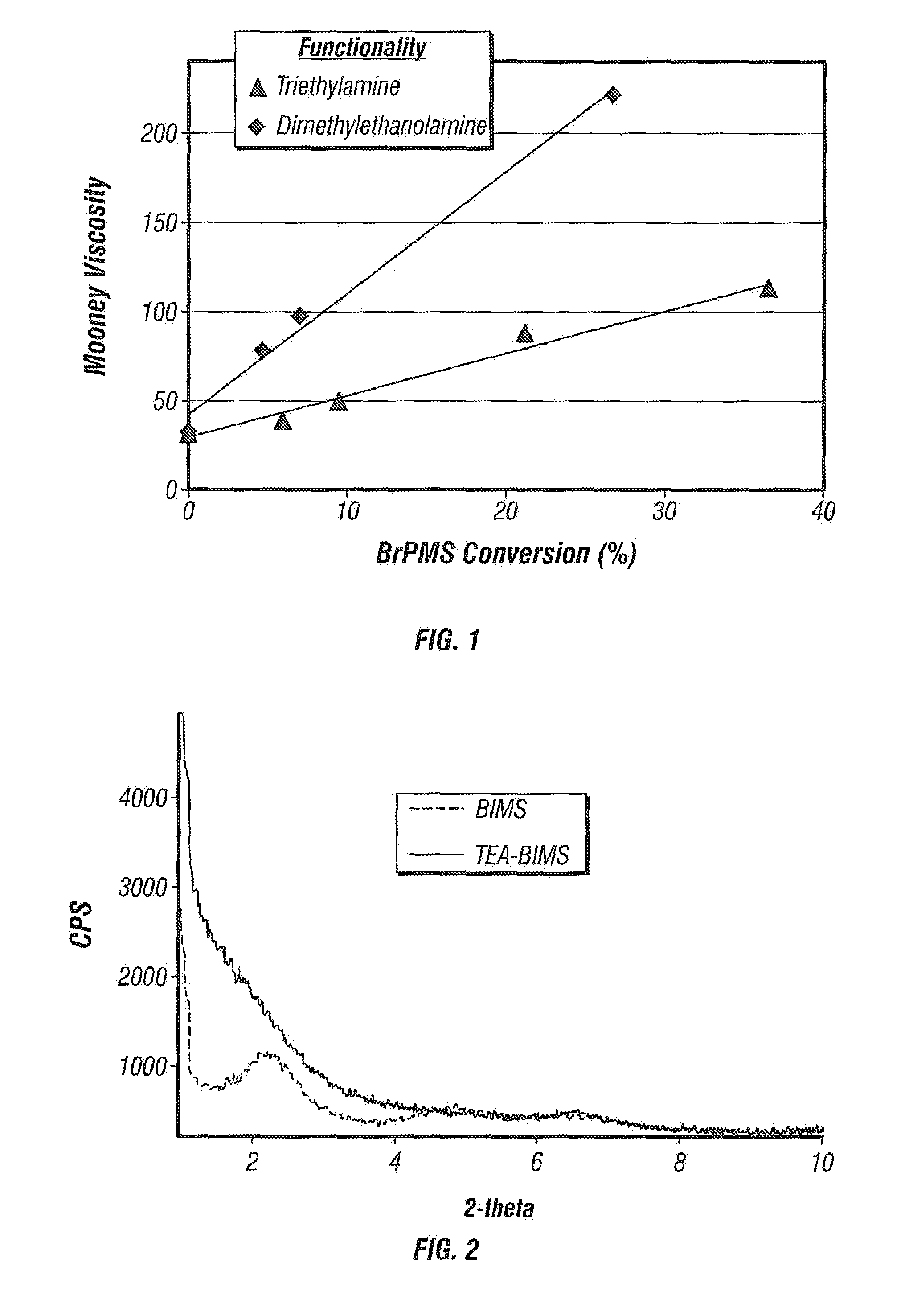
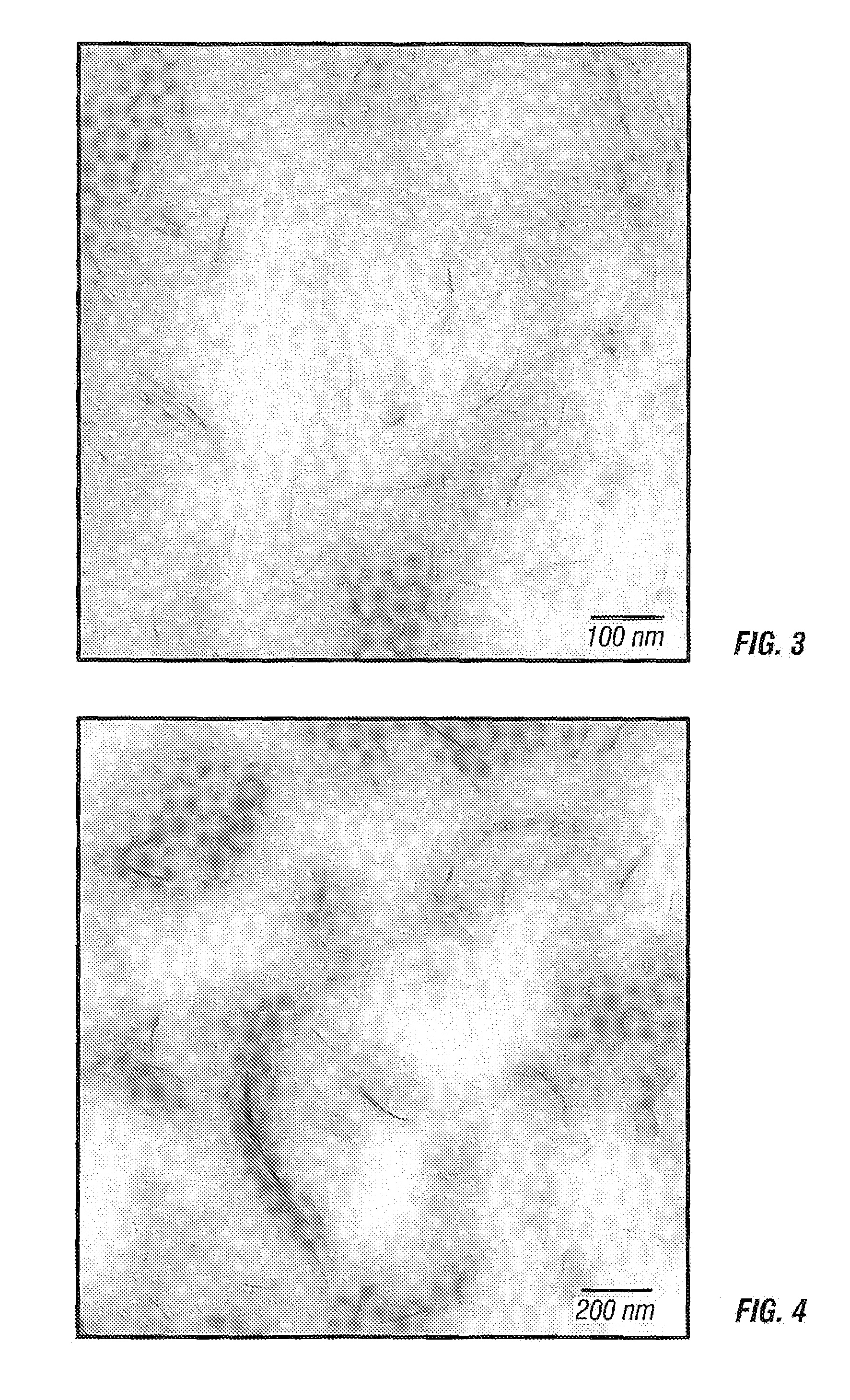
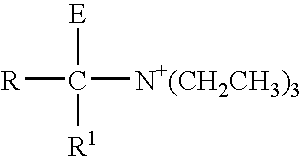
- Partial triethylamine functionalization of halogenated elastomers, such as BIMS polymers, which shields ionic interactions, allowing for improved clay dispersion and barrier properties while maintaining low viscosity for processability, by controlling the amount of triethylamine functionality.

Environmental Impact of TEA in Polymer Applications
The environmental implications of triethanolamine (TEA) utilization in polymeric barrier applications present a complex landscape of considerations spanning from production to end-of-life disposal. As regulatory frameworks increasingly emphasize sustainable chemical practices, the assessment of TEA's environmental footprint becomes critical for polymer manufacturers seeking to balance performance requirements with ecological responsibility.
TEA's biodegradability profile represents both an advantage and a concern in environmental assessment. While TEA demonstrates moderate biodegradation rates under aerobic conditions, its persistence in anaerobic environments, such as landfill conditions, raises questions about long-term environmental accumulation. Studies indicate that TEA can undergo biotransformation to form secondary metabolites, some of which may exhibit different toxicity profiles than the parent compound.
Aquatic ecosystem impact assessments reveal that TEA exhibits low to moderate toxicity to freshwater organisms, with LC50 values for fish species typically ranging from 100-1000 mg/L. However, the formation of nitrosamines through reaction with nitrites in aquatic environments presents a more significant concern, as these compounds demonstrate higher toxicity and potential carcinogenic properties.
The manufacturing phase environmental burden includes energy-intensive synthesis processes and the generation of process wastewater containing TEA residues. Life cycle assessments indicate that TEA production contributes approximately 2.3 kg CO2 equivalent per kilogram of product, primarily attributed to the energy requirements for ethylene oxide and ammonia processing.
Waste management challenges emerge during polymer recycling processes, where TEA-containing barrier layers may complicate material recovery streams. Thermal decomposition during recycling can release nitrogen oxides and other volatile compounds, necessitating specialized emission control systems. Additionally, the presence of TEA can affect the quality of recycled polymer streams, potentially limiting their applications in food-contact materials.
Regulatory compliance considerations encompass multiple jurisdictions, with the European Union's REACH regulation requiring comprehensive environmental risk assessments for TEA applications exceeding specific tonnage thresholds. The U.S. EPA has classified TEA under moderate concern categories, while emerging regulations in Asia-Pacific markets are increasingly scrutinizing amine-based additives in polymer applications.
Alternative assessment frameworks are driving research toward bio-based and less environmentally persistent barrier enhancement technologies, positioning TEA applications within a transitional phase toward more sustainable polymer formulations.
TEA's biodegradability profile represents both an advantage and a concern in environmental assessment. While TEA demonstrates moderate biodegradation rates under aerobic conditions, its persistence in anaerobic environments, such as landfill conditions, raises questions about long-term environmental accumulation. Studies indicate that TEA can undergo biotransformation to form secondary metabolites, some of which may exhibit different toxicity profiles than the parent compound.
Aquatic ecosystem impact assessments reveal that TEA exhibits low to moderate toxicity to freshwater organisms, with LC50 values for fish species typically ranging from 100-1000 mg/L. However, the formation of nitrosamines through reaction with nitrites in aquatic environments presents a more significant concern, as these compounds demonstrate higher toxicity and potential carcinogenic properties.
The manufacturing phase environmental burden includes energy-intensive synthesis processes and the generation of process wastewater containing TEA residues. Life cycle assessments indicate that TEA production contributes approximately 2.3 kg CO2 equivalent per kilogram of product, primarily attributed to the energy requirements for ethylene oxide and ammonia processing.
Waste management challenges emerge during polymer recycling processes, where TEA-containing barrier layers may complicate material recovery streams. Thermal decomposition during recycling can release nitrogen oxides and other volatile compounds, necessitating specialized emission control systems. Additionally, the presence of TEA can affect the quality of recycled polymer streams, potentially limiting their applications in food-contact materials.
Regulatory compliance considerations encompass multiple jurisdictions, with the European Union's REACH regulation requiring comprehensive environmental risk assessments for TEA applications exceeding specific tonnage thresholds. The U.S. EPA has classified TEA under moderate concern categories, while emerging regulations in Asia-Pacific markets are increasingly scrutinizing amine-based additives in polymer applications.
Alternative assessment frameworks are driving research toward bio-based and less environmentally persistent barrier enhancement technologies, positioning TEA applications within a transitional phase toward more sustainable polymer formulations.
Performance Testing Standards for TEA-Enhanced Barriers
The establishment of comprehensive performance testing standards for TEA-enhanced barrier layers requires a multi-faceted approach that addresses both fundamental material properties and real-world application scenarios. Current industry practices rely heavily on adapted standards from conventional polymer testing, which may not adequately capture the unique characteristics introduced by triethanolamine incorporation.
Barrier performance evaluation must encompass permeability testing using standardized gas transmission rate measurements, particularly for oxygen and water vapor. The ASTM D3985 and ASTM F1249 protocols serve as foundational frameworks, though modifications are necessary to account for TEA's hygroscopic nature and potential plasticization effects. Temperature and humidity cycling tests become particularly critical, as TEA can exhibit different behaviors under varying environmental conditions.
Mechanical property assessment requires specialized protocols that evaluate tensile strength, elongation at break, and puncture resistance under conditions that simulate actual packaging environments. The integration of TEA often alters the polymer matrix's mechanical response, necessitating extended conditioning periods and multiple test atmospheres to capture performance variations accurately.
Chemical compatibility testing represents another crucial dimension, particularly for food contact applications where TEA migration potential must be quantified. Established migration testing protocols from FDA and EU regulations provide guidance, but specific analytical methods for TEA detection and quantification require validation and standardization across testing laboratories.
Accelerated aging protocols must be developed to predict long-term performance degradation patterns. Traditional thermal aging approaches may not adequately represent TEA's behavior over extended periods, particularly considering its potential for oxidative degradation and interaction with other package components.
Standardization efforts should also address sample preparation consistency, as TEA distribution within the polymer matrix can significantly influence test results. Uniform mixing protocols, processing parameter specifications, and quality control measures for test specimen preparation are essential for reproducible results across different testing facilities and research institutions.
Barrier performance evaluation must encompass permeability testing using standardized gas transmission rate measurements, particularly for oxygen and water vapor. The ASTM D3985 and ASTM F1249 protocols serve as foundational frameworks, though modifications are necessary to account for TEA's hygroscopic nature and potential plasticization effects. Temperature and humidity cycling tests become particularly critical, as TEA can exhibit different behaviors under varying environmental conditions.
Mechanical property assessment requires specialized protocols that evaluate tensile strength, elongation at break, and puncture resistance under conditions that simulate actual packaging environments. The integration of TEA often alters the polymer matrix's mechanical response, necessitating extended conditioning periods and multiple test atmospheres to capture performance variations accurately.
Chemical compatibility testing represents another crucial dimension, particularly for food contact applications where TEA migration potential must be quantified. Established migration testing protocols from FDA and EU regulations provide guidance, but specific analytical methods for TEA detection and quantification require validation and standardization across testing laboratories.
Accelerated aging protocols must be developed to predict long-term performance degradation patterns. Traditional thermal aging approaches may not adequately represent TEA's behavior over extended periods, particularly considering its potential for oxidative degradation and interaction with other package components.
Standardization efforts should also address sample preparation consistency, as TEA distribution within the polymer matrix can significantly influence test results. Uniform mixing protocols, processing parameter specifications, and quality control measures for test specimen preparation are essential for reproducible results across different testing facilities and research institutions.
Unlock deeper insights with Patsnap Eureka Quick Research — get a full tech report to explore trends and direct your research. Try now!
Generate Your Research Report Instantly with AI Agent
Supercharge your innovation with Patsnap Eureka AI Agent Platform!