Examining Ethyl Propanoate Toxicology in Human Exposure Scenarios
JUL 22, 20259 MIN READ
Generate Your Research Report Instantly with AI Agent
Patsnap Eureka helps you evaluate technical feasibility & market potential.
Ethyl Propanoate Background and Research Objectives
Ethyl propanoate, also known as ethyl propionate, is an organic compound with the molecular formula C5H10O2. It is a colorless liquid with a fruity odor, commonly used as a flavoring agent in the food industry and as a solvent in various industrial applications. The compound belongs to the ester family and is produced through the esterification of propionic acid with ethanol.
The historical development of ethyl propanoate can be traced back to the early 20th century when synthetic organic chemistry began to flourish. Its production and use have steadily increased over the decades, particularly in the food and fragrance industries. As research into chemical safety and toxicology advanced, the need for a comprehensive understanding of ethyl propanoate's effects on human health became more apparent.
In recent years, there has been a growing interest in examining the toxicological profile of ethyl propanoate, especially in the context of human exposure scenarios. This interest stems from the compound's widespread use and the potential for human contact through various routes, including inhalation, dermal absorption, and ingestion. The increasing focus on consumer safety and occupational health has further driven the need for in-depth toxicological studies.
The primary objective of this research is to conduct a comprehensive examination of ethyl propanoate toxicology in human exposure scenarios. This involves evaluating the compound's acute and chronic effects, determining safe exposure limits, and assessing potential risks associated with its use in different applications. The study aims to provide a solid scientific foundation for regulatory decisions and industry practices.
Key areas of investigation include the compound's toxicokinetics, metabolism, and potential for bioaccumulation in the human body. Additionally, the research seeks to identify any specific organ toxicity, carcinogenic potential, or reproductive effects that may be associated with ethyl propanoate exposure. Understanding these aspects is crucial for developing appropriate safety measures and guidelines for its use in various industries.
The technological evolution in analytical chemistry and toxicology testing methods plays a significant role in this research. Advanced techniques such as high-resolution mass spectrometry, in vitro toxicity assays, and computational toxicology models are being employed to gain deeper insights into the compound's behavior and effects at the molecular level. These technological advancements are expected to provide more accurate and comprehensive data on ethyl propanoate's toxicological profile.
As the research progresses, it is anticipated that the findings will contribute to the refinement of safety standards and exposure limits for ethyl propanoate. This, in turn, will inform regulatory policies and industry practices, ensuring the safe use of the compound while maximizing its benefits in various applications. The ultimate goal is to strike a balance between the utility of ethyl propanoate and the protection of human health in diverse exposure scenarios.
The historical development of ethyl propanoate can be traced back to the early 20th century when synthetic organic chemistry began to flourish. Its production and use have steadily increased over the decades, particularly in the food and fragrance industries. As research into chemical safety and toxicology advanced, the need for a comprehensive understanding of ethyl propanoate's effects on human health became more apparent.
In recent years, there has been a growing interest in examining the toxicological profile of ethyl propanoate, especially in the context of human exposure scenarios. This interest stems from the compound's widespread use and the potential for human contact through various routes, including inhalation, dermal absorption, and ingestion. The increasing focus on consumer safety and occupational health has further driven the need for in-depth toxicological studies.
The primary objective of this research is to conduct a comprehensive examination of ethyl propanoate toxicology in human exposure scenarios. This involves evaluating the compound's acute and chronic effects, determining safe exposure limits, and assessing potential risks associated with its use in different applications. The study aims to provide a solid scientific foundation for regulatory decisions and industry practices.
Key areas of investigation include the compound's toxicokinetics, metabolism, and potential for bioaccumulation in the human body. Additionally, the research seeks to identify any specific organ toxicity, carcinogenic potential, or reproductive effects that may be associated with ethyl propanoate exposure. Understanding these aspects is crucial for developing appropriate safety measures and guidelines for its use in various industries.
The technological evolution in analytical chemistry and toxicology testing methods plays a significant role in this research. Advanced techniques such as high-resolution mass spectrometry, in vitro toxicity assays, and computational toxicology models are being employed to gain deeper insights into the compound's behavior and effects at the molecular level. These technological advancements are expected to provide more accurate and comprehensive data on ethyl propanoate's toxicological profile.
As the research progresses, it is anticipated that the findings will contribute to the refinement of safety standards and exposure limits for ethyl propanoate. This, in turn, will inform regulatory policies and industry practices, ensuring the safe use of the compound while maximizing its benefits in various applications. The ultimate goal is to strike a balance between the utility of ethyl propanoate and the protection of human health in diverse exposure scenarios.
Market Analysis of Ethyl Propanoate Usage
The market for ethyl propanoate has shown steady growth in recent years, driven by its versatile applications across various industries. As a fruity ester with a pineapple-like odor, ethyl propanoate finds extensive use in the food and beverage sector, particularly in flavoring and fragrance applications. The compound's pleasant aroma and low toxicity make it a popular choice for manufacturers seeking to enhance the sensory profile of their products.
In the food industry, ethyl propanoate is widely used as a flavoring agent in confectionery, baked goods, and beverages. Its ability to impart a fruity essence has led to increased demand from producers of fruit-flavored products. The beverage sector, especially in the production of non-alcoholic drinks and flavored waters, has also contributed significantly to the market growth of ethyl propanoate.
The personal care and cosmetics industry represents another major market for ethyl propanoate. Its incorporation in perfumes, lotions, and other beauty products has risen due to consumer preferences for natural and fruit-inspired scents. This trend aligns with the broader shift towards natural and organic ingredients in personal care formulations.
The pharmaceutical sector has also shown interest in ethyl propanoate, primarily for its potential as an excipient in drug formulations. Its use as a solvent and in the synthesis of certain pharmaceutical compounds has opened new avenues for market expansion.
Geographically, North America and Europe have been the leading consumers of ethyl propanoate, owing to their well-established food, beverage, and personal care industries. However, the Asia-Pacific region is emerging as a rapidly growing market, driven by increasing disposable incomes, changing consumer preferences, and the expansion of multinational companies into these markets.
The global ethyl propanoate market is characterized by a mix of large multinational chemical companies and smaller, specialized manufacturers. Key players in the market have been focusing on expanding their production capacities and developing innovative applications to maintain their competitive edge.
Despite the positive growth trajectory, the ethyl propanoate market faces challenges related to regulatory compliance and the increasing demand for natural alternatives. Stringent food safety regulations and the growing consumer preference for all-natural products have prompted manufacturers to explore bio-based production methods for ethyl propanoate.
Looking ahead, the market for ethyl propanoate is expected to continue its growth, albeit at a moderate pace. Factors such as the expanding food processing industry, the rising demand for natural flavors and fragrances, and the increasing applications in pharmaceuticals are likely to drive market growth. However, the industry will need to address concerns regarding synthetic chemicals and invest in sustainable production methods to ensure long-term market stability and growth.
In the food industry, ethyl propanoate is widely used as a flavoring agent in confectionery, baked goods, and beverages. Its ability to impart a fruity essence has led to increased demand from producers of fruit-flavored products. The beverage sector, especially in the production of non-alcoholic drinks and flavored waters, has also contributed significantly to the market growth of ethyl propanoate.
The personal care and cosmetics industry represents another major market for ethyl propanoate. Its incorporation in perfumes, lotions, and other beauty products has risen due to consumer preferences for natural and fruit-inspired scents. This trend aligns with the broader shift towards natural and organic ingredients in personal care formulations.
The pharmaceutical sector has also shown interest in ethyl propanoate, primarily for its potential as an excipient in drug formulations. Its use as a solvent and in the synthesis of certain pharmaceutical compounds has opened new avenues for market expansion.
Geographically, North America and Europe have been the leading consumers of ethyl propanoate, owing to their well-established food, beverage, and personal care industries. However, the Asia-Pacific region is emerging as a rapidly growing market, driven by increasing disposable incomes, changing consumer preferences, and the expansion of multinational companies into these markets.
The global ethyl propanoate market is characterized by a mix of large multinational chemical companies and smaller, specialized manufacturers. Key players in the market have been focusing on expanding their production capacities and developing innovative applications to maintain their competitive edge.
Despite the positive growth trajectory, the ethyl propanoate market faces challenges related to regulatory compliance and the increasing demand for natural alternatives. Stringent food safety regulations and the growing consumer preference for all-natural products have prompted manufacturers to explore bio-based production methods for ethyl propanoate.
Looking ahead, the market for ethyl propanoate is expected to continue its growth, albeit at a moderate pace. Factors such as the expanding food processing industry, the rising demand for natural flavors and fragrances, and the increasing applications in pharmaceuticals are likely to drive market growth. However, the industry will need to address concerns regarding synthetic chemicals and invest in sustainable production methods to ensure long-term market stability and growth.
Current Toxicological Knowledge and Challenges
The current toxicological knowledge of ethyl propanoate in human exposure scenarios is limited, presenting several challenges for comprehensive risk assessment. While this compound is widely used in the food and fragrance industries, its potential health effects on humans through various exposure routes remain incompletely understood.
Acute toxicity studies in animal models have shown that ethyl propanoate has relatively low toxicity when ingested orally or applied dermally. However, inhalation exposure data is scarce, which is a significant gap considering its volatile nature and potential for occupational exposure. The compound's low molecular weight and lipophilicity suggest it may be readily absorbed through the skin and respiratory tract, necessitating further investigation into these exposure pathways.
One of the primary challenges in assessing ethyl propanoate toxicology is the lack of long-term exposure studies. Most available data focus on acute effects, leaving uncertainties about potential chronic health impacts. This gap is particularly concerning for workers in industries where repeated exposure may occur over extended periods.
Another critical area of limited knowledge is the compound's metabolism and pharmacokinetics in humans. While it is generally believed that ethyl propanoate is rapidly hydrolyzed to propionic acid and ethanol in the body, the exact metabolic pathways, rates of elimination, and potential for bioaccumulation are not fully elucidated. This information is crucial for understanding the compound's toxicokinetics and developing accurate risk models.
The potential for ethyl propanoate to cause sensitization or allergic reactions is another area requiring further investigation. Some studies have suggested that it may act as a respiratory irritant, but the threshold for such effects and the potential for long-term respiratory damage remain unclear. Additionally, its interaction with other chemicals in complex exposure scenarios, such as in industrial settings or consumer products, is not well-characterized.
Reproductive and developmental toxicity data for ethyl propanoate are also limited. While some animal studies have not shown significant effects, the extrapolation of these results to human reproductive health is challenging due to species differences and varying exposure conditions. This gap in knowledge is particularly important given the compound's widespread use in consumer products that may lead to exposure in sensitive populations, including pregnant women and children.
In conclusion, while ethyl propanoate is generally considered to have low toxicity based on available data, significant challenges remain in fully understanding its toxicological profile in human exposure scenarios. These challenges include the need for more comprehensive inhalation toxicity studies, long-term exposure assessments, detailed metabolic investigations, and evaluations of potential sensitization and reproductive effects. Addressing these knowledge gaps is crucial for developing evidence-based safety guidelines and ensuring the protection of human health in various exposure contexts.
Acute toxicity studies in animal models have shown that ethyl propanoate has relatively low toxicity when ingested orally or applied dermally. However, inhalation exposure data is scarce, which is a significant gap considering its volatile nature and potential for occupational exposure. The compound's low molecular weight and lipophilicity suggest it may be readily absorbed through the skin and respiratory tract, necessitating further investigation into these exposure pathways.
One of the primary challenges in assessing ethyl propanoate toxicology is the lack of long-term exposure studies. Most available data focus on acute effects, leaving uncertainties about potential chronic health impacts. This gap is particularly concerning for workers in industries where repeated exposure may occur over extended periods.
Another critical area of limited knowledge is the compound's metabolism and pharmacokinetics in humans. While it is generally believed that ethyl propanoate is rapidly hydrolyzed to propionic acid and ethanol in the body, the exact metabolic pathways, rates of elimination, and potential for bioaccumulation are not fully elucidated. This information is crucial for understanding the compound's toxicokinetics and developing accurate risk models.
The potential for ethyl propanoate to cause sensitization or allergic reactions is another area requiring further investigation. Some studies have suggested that it may act as a respiratory irritant, but the threshold for such effects and the potential for long-term respiratory damage remain unclear. Additionally, its interaction with other chemicals in complex exposure scenarios, such as in industrial settings or consumer products, is not well-characterized.
Reproductive and developmental toxicity data for ethyl propanoate are also limited. While some animal studies have not shown significant effects, the extrapolation of these results to human reproductive health is challenging due to species differences and varying exposure conditions. This gap in knowledge is particularly important given the compound's widespread use in consumer products that may lead to exposure in sensitive populations, including pregnant women and children.
In conclusion, while ethyl propanoate is generally considered to have low toxicity based on available data, significant challenges remain in fully understanding its toxicological profile in human exposure scenarios. These challenges include the need for more comprehensive inhalation toxicity studies, long-term exposure assessments, detailed metabolic investigations, and evaluations of potential sensitization and reproductive effects. Addressing these knowledge gaps is crucial for developing evidence-based safety guidelines and ensuring the protection of human health in various exposure contexts.
Existing Toxicological Assessment Methods
01 Toxicological assessment of ethyl propanoate
Ethyl propanoate undergoes toxicological evaluation to determine its safety for various applications. This includes assessing acute toxicity, chronic effects, and potential carcinogenicity. Studies are conducted to establish safe exposure limits and identify any potential health risks associated with its use in different industries.- Toxicological assessment of ethyl propanoate: Ethyl propanoate, also known as ethyl propionate, undergoes toxicological evaluation to determine its safety for various applications. This includes assessing acute and chronic toxicity, potential carcinogenicity, and effects on different organ systems. Studies are conducted to establish safe exposure limits and potential health risks associated with its use in industrial and consumer products.
- Environmental impact and biodegradation: Research focuses on the environmental fate and biodegradation of ethyl propanoate. Studies examine its persistence in different environmental compartments, potential for bioaccumulation, and effects on aquatic and terrestrial ecosystems. Biodegradation pathways and rates are investigated to assess the compound's environmental sustainability and potential ecological risks.
- Occupational exposure and safety measures: Occupational health and safety aspects of ethyl propanoate are evaluated, particularly in industrial settings where exposure may occur. This includes developing appropriate handling procedures, personal protective equipment recommendations, and exposure limits. Risk assessments are conducted to identify potential hazards and implement necessary control measures to protect workers.
- Metabolic fate and toxicokinetics: Studies investigate the metabolic pathways and toxicokinetics of ethyl propanoate in biological systems. This includes examining its absorption, distribution, metabolism, and excretion (ADME) profile. Understanding these processes helps in assessing potential toxic effects and determining appropriate safety measures for its use in various applications.
- Regulatory compliance and safety data sheets: Efforts are made to ensure regulatory compliance for ethyl propanoate use in different industries. This involves compiling comprehensive safety data sheets, conducting required toxicological tests, and adhering to relevant guidelines and standards. The information gathered is used to support product registrations and ensure safe handling and use of the compound in various applications.
02 Environmental impact and biodegradation
Research focuses on the environmental fate of ethyl propanoate, including its biodegradability and potential ecological effects. Studies examine its persistence in soil, water, and air, as well as its impact on aquatic and terrestrial organisms. This information is crucial for assessing the compound's overall environmental safety profile.Expand Specific Solutions03 Occupational exposure and safety measures
Investigations into occupational exposure to ethyl propanoate are conducted to establish safe handling procedures and protective measures. This includes determining appropriate personal protective equipment, ventilation requirements, and exposure limits in workplace settings where the compound is used or produced.Expand Specific Solutions04 Metabolic pathways and toxicokinetics
Studies examine the metabolic fate of ethyl propanoate in living organisms, including its absorption, distribution, metabolism, and excretion. Understanding these processes helps in assessing potential toxic effects and determining the compound's behavior in biological systems.Expand Specific Solutions05 Regulatory compliance and safety standards
Efforts are made to ensure ethyl propanoate meets regulatory requirements and safety standards across different jurisdictions. This involves compiling toxicological data, conducting risk assessments, and preparing safety documentation to comply with chemical regulations and industry-specific guidelines.Expand Specific Solutions
Key Stakeholders in Ethyl Propanoate Research
The field of ethyl propanoate toxicology in human exposure scenarios is in its early developmental stages, with a growing market driven by increasing awareness of chemical safety. The global market for toxicology testing is expected to expand significantly in the coming years. While the technology is still evolving, several key players are contributing to its advancement. Companies like Fred Hutchinson Cancer Research Center, Zydus Lifesciences, and Samsung Electronics are investing in research and development to improve understanding of ethyl propanoate's effects on human health. Academic institutions such as Peking University and Zhejiang University are also conducting studies to enhance the knowledge base. As the field matures, collaboration between industry and academia will likely accelerate progress in developing more accurate and efficient toxicology assessment methods for ethyl propanoate and similar compounds.
Fred Hutchinson Cancer Research Center
Technical Solution: Fred Hutchinson Cancer Research Center has developed a comprehensive approach to examining ethyl propanoate toxicology in human exposure scenarios. Their research utilizes advanced in vitro and in vivo models to assess the potential health effects of ethyl propanoate exposure. The center employs high-throughput screening techniques to evaluate cellular responses to various concentrations of ethyl propanoate, including changes in gene expression, metabolic alterations, and oxidative stress markers[1]. Additionally, they have implemented state-of-the-art metabolomics and proteomics analyses to identify potential biomarkers of exposure and effect[3]. The center also conducts long-term animal studies to assess chronic exposure effects and potential carcinogenicity of ethyl propanoate[5].
Strengths: Comprehensive approach combining in vitro and in vivo studies, advanced analytical techniques, and long-term exposure assessments. Weaknesses: Limited human data, potential challenges in extrapolating animal study results to human risk assessment.
The Regents of the University of California
Technical Solution: The Regents of the University of California have developed a multi-faceted approach to examining ethyl propanoate toxicology in human exposure scenarios. Their research combines computational toxicology, experimental studies, and human biomonitoring. The university's team has created advanced physiologically-based pharmacokinetic (PBPK) models to predict the absorption, distribution, metabolism, and excretion of ethyl propanoate in humans[2]. These models are validated using controlled human exposure studies, where volunteers are exposed to low levels of ethyl propanoate under carefully monitored conditions[4]. Additionally, the university conducts epidemiological studies in populations with potential occupational exposure to ethyl propanoate, assessing both acute and chronic health effects[6]. The research also includes the development of novel biomarkers for ethyl propanoate exposure and effect, utilizing advanced 'omics' technologies.
Strengths: Comprehensive approach combining computational modeling, controlled human studies, and epidemiological research. Integration of advanced technologies for biomarker discovery. Weaknesses: Ethical limitations on human exposure studies, potential confounding factors in epidemiological research.
Critical Studies on Ethyl Propanoate Toxicity
Synthesis of dabigatran
PatentActiveIN1117MUM2013A
Innovation
- A novel synthetic route for Ethyl-3-{[(2-formyl-1-methyl-1H-benzimidazole-5-yl)carbonyl]-(2-pyridinyl)amino}propanoate, a key intermediate in dabigatran synthesis.
- Flexibility in the synthesis pathway, allowing for optional halogenation step before oxidation.
- Optimized reaction conditions, including temperature range and solvent selection, for the initial benzimidazole formation step.


MicroRNAs for confirming human exposure to ethylbenzene and method of confirming exposure using same
PatentActiveCN106854675A
Innovation
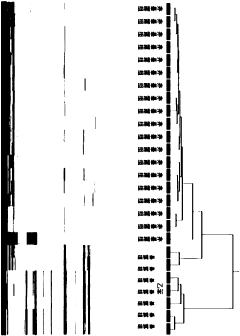
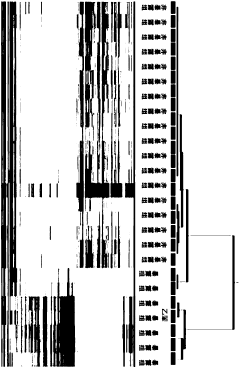
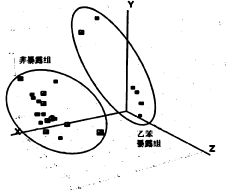
- By identifying microRNAs that specifically change expression due to exposure to ethylbenzene, using these microRNAs as biomarkers, and combining microarray chips and real-time RT-PCR technology, a quick and easy method is developed to confirm whether humans are exposed. in ethylbenzene.

Regulatory Framework for Chemical Exposure
The regulatory framework for chemical exposure plays a crucial role in safeguarding human health and the environment from potential risks associated with substances like ethyl propanoate. In the United States, the primary regulatory bodies overseeing chemical exposure include the Environmental Protection Agency (EPA), the Occupational Safety and Health Administration (OSHA), and the Food and Drug Administration (FDA).
The EPA, under the authority of the Toxic Substances Control Act (TSCA), regulates the production, importation, use, and disposal of chemical substances. For ethyl propanoate, the EPA would assess its potential environmental and health impacts, determining if any restrictions or reporting requirements are necessary. The agency may also set permissible exposure limits for air and water quality to protect public health.
OSHA, responsible for workplace safety, establishes permissible exposure limits (PELs) for various chemicals in occupational settings. While ethyl propanoate does not have a specific OSHA standard, it falls under the general duty clause, which requires employers to provide a workplace free from recognized hazards. OSHA may also enforce hazard communication standards, ensuring workers are informed about the potential risks associated with ethyl propanoate exposure.
The FDA regulates ethyl propanoate as a food additive, as it is commonly used as a flavoring agent. The agency evaluates its safety for consumption and sets acceptable daily intake levels. The FDA's Generally Recognized as Safe (GRAS) list includes ethyl propanoate, indicating its acceptance for use in food products within specified limits.
Internationally, organizations such as the World Health Organization (WHO) and the European Chemicals Agency (ECHA) provide guidelines and regulations that influence global standards for chemical exposure. The WHO's International Programme on Chemical Safety (IPCS) offers risk assessment methodologies and exposure guidelines that countries may adopt or reference in their regulatory frameworks.
The European Union's Registration, Evaluation, Authorization and Restriction of Chemicals (REACH) regulation serves as a comprehensive framework for chemical management, potentially affecting the use and distribution of ethyl propanoate in EU member states. This regulation requires manufacturers and importers to register chemicals and provide safety data, ensuring a high level of protection for human health and the environment.
In examining the toxicology of ethyl propanoate in human exposure scenarios, these regulatory frameworks provide the foundation for assessing and managing potential risks. They guide the development of exposure limits, safety protocols, and risk mitigation strategies across various sectors where ethyl propanoate may be encountered, from industrial settings to consumer products.
The EPA, under the authority of the Toxic Substances Control Act (TSCA), regulates the production, importation, use, and disposal of chemical substances. For ethyl propanoate, the EPA would assess its potential environmental and health impacts, determining if any restrictions or reporting requirements are necessary. The agency may also set permissible exposure limits for air and water quality to protect public health.
OSHA, responsible for workplace safety, establishes permissible exposure limits (PELs) for various chemicals in occupational settings. While ethyl propanoate does not have a specific OSHA standard, it falls under the general duty clause, which requires employers to provide a workplace free from recognized hazards. OSHA may also enforce hazard communication standards, ensuring workers are informed about the potential risks associated with ethyl propanoate exposure.
The FDA regulates ethyl propanoate as a food additive, as it is commonly used as a flavoring agent. The agency evaluates its safety for consumption and sets acceptable daily intake levels. The FDA's Generally Recognized as Safe (GRAS) list includes ethyl propanoate, indicating its acceptance for use in food products within specified limits.
Internationally, organizations such as the World Health Organization (WHO) and the European Chemicals Agency (ECHA) provide guidelines and regulations that influence global standards for chemical exposure. The WHO's International Programme on Chemical Safety (IPCS) offers risk assessment methodologies and exposure guidelines that countries may adopt or reference in their regulatory frameworks.
The European Union's Registration, Evaluation, Authorization and Restriction of Chemicals (REACH) regulation serves as a comprehensive framework for chemical management, potentially affecting the use and distribution of ethyl propanoate in EU member states. This regulation requires manufacturers and importers to register chemicals and provide safety data, ensuring a high level of protection for human health and the environment.
In examining the toxicology of ethyl propanoate in human exposure scenarios, these regulatory frameworks provide the foundation for assessing and managing potential risks. They guide the development of exposure limits, safety protocols, and risk mitigation strategies across various sectors where ethyl propanoate may be encountered, from industrial settings to consumer products.
Risk Assessment and Mitigation Strategies
Risk assessment for ethyl propanoate exposure in human scenarios involves a comprehensive evaluation of potential hazards and the likelihood of adverse effects. The process begins with hazard identification, where the inherent toxicological properties of ethyl propanoate are thoroughly examined. This includes reviewing existing literature, toxicological studies, and regulatory assessments to determine the compound's potential for acute and chronic health effects.
Dose-response assessment follows, establishing the relationship between exposure levels and the severity of health impacts. This step is crucial for determining safe exposure limits and understanding the threshold at which ethyl propanoate may cause harm. Exposure assessment then quantifies the extent, frequency, and duration of human contact with ethyl propanoate in various scenarios, such as occupational settings, consumer product use, and environmental exposure.
Risk characterization integrates the findings from hazard identification, dose-response assessment, and exposure assessment to estimate the overall risk to human health. This step considers both the probability and severity of potential adverse effects, providing a basis for risk management decisions.
Mitigation strategies are developed based on the risk assessment outcomes. These may include engineering controls to reduce exposure, such as improved ventilation systems in industrial settings or redesigned packaging for consumer products. Administrative controls, like workplace policies and procedures, can limit exposure duration and frequency. Personal protective equipment (PPE) recommendations may be implemented for scenarios where exposure cannot be adequately controlled through other means.
Regulatory measures play a crucial role in risk mitigation. Establishing or revising occupational exposure limits, consumer product safety standards, and environmental regulations can significantly reduce population-wide exposure risks. Product labeling requirements and safety data sheets ensure that users are informed about potential hazards and proper handling procedures.
Ongoing monitoring and surveillance programs are essential components of an effective risk management strategy. These programs track exposure levels, health outcomes, and the effectiveness of implemented mitigation measures, allowing for adaptive management and continuous improvement of safety protocols.
Public education and risk communication strategies are vital for ensuring that individuals understand the potential risks associated with ethyl propanoate exposure and can take appropriate precautions. This may include targeted outreach to high-risk populations, such as workers in industries where ethyl propanoate is commonly used.
Dose-response assessment follows, establishing the relationship between exposure levels and the severity of health impacts. This step is crucial for determining safe exposure limits and understanding the threshold at which ethyl propanoate may cause harm. Exposure assessment then quantifies the extent, frequency, and duration of human contact with ethyl propanoate in various scenarios, such as occupational settings, consumer product use, and environmental exposure.
Risk characterization integrates the findings from hazard identification, dose-response assessment, and exposure assessment to estimate the overall risk to human health. This step considers both the probability and severity of potential adverse effects, providing a basis for risk management decisions.
Mitigation strategies are developed based on the risk assessment outcomes. These may include engineering controls to reduce exposure, such as improved ventilation systems in industrial settings or redesigned packaging for consumer products. Administrative controls, like workplace policies and procedures, can limit exposure duration and frequency. Personal protective equipment (PPE) recommendations may be implemented for scenarios where exposure cannot be adequately controlled through other means.
Regulatory measures play a crucial role in risk mitigation. Establishing or revising occupational exposure limits, consumer product safety standards, and environmental regulations can significantly reduce population-wide exposure risks. Product labeling requirements and safety data sheets ensure that users are informed about potential hazards and proper handling procedures.
Ongoing monitoring and surveillance programs are essential components of an effective risk management strategy. These programs track exposure levels, health outcomes, and the effectiveness of implemented mitigation measures, allowing for adaptive management and continuous improvement of safety protocols.
Public education and risk communication strategies are vital for ensuring that individuals understand the potential risks associated with ethyl propanoate exposure and can take appropriate precautions. This may include targeted outreach to high-risk populations, such as workers in industries where ethyl propanoate is commonly used.
Unlock deeper insights with Patsnap Eureka Quick Research — get a full tech report to explore trends and direct your research. Try now!
Generate Your Research Report Instantly with AI Agent
Supercharge your innovation with Patsnap Eureka AI Agent Platform!