

Flywheel vs Solid State Batteries: Space Efficiency
MAR 12, 20269 MIN READ
Generate Your Research Report Instantly with AI Agent
PatSnap Eureka helps you evaluate technical feasibility & market potential.
Flywheel vs SSD Battery Space Tech Background and Goals
The evolution of energy storage technologies in space applications has been driven by the fundamental constraints of mass, volume, and reliability in extraterrestrial environments. Traditional chemical batteries dominated early space missions due to their proven reliability and relatively simple implementation. However, as mission durations extended and power requirements increased, the limitations of conventional battery systems became apparent, particularly regarding energy density, cycle life, and thermal management challenges.
The emergence of solid-state batteries represents a significant advancement in electrochemical energy storage, addressing many limitations of traditional lithium-ion systems. These devices eliminate liquid electrolytes in favor of solid ionic conductors, offering enhanced safety, improved energy density, and better performance across extreme temperature ranges typical in space environments. The solid-state architecture enables more compact packaging while reducing the risk of thermal runaway and electrolyte leakage that could compromise mission integrity.
Flywheel energy storage systems have evolved from terrestrial applications into sophisticated space-qualified devices. Modern flywheel systems utilize advanced composite materials and magnetic bearing technologies to achieve high rotational speeds while maintaining structural integrity in vacuum conditions. The mechanical nature of energy storage in flywheels provides inherent advantages in terms of cycle life and power delivery characteristics, making them particularly suitable for applications requiring frequent charge-discharge cycles.
The space efficiency challenge has become increasingly critical as spacecraft designs trend toward miniaturization while demanding higher power densities. Mission planners must optimize every cubic centimeter of available volume, making the volumetric energy density a primary selection criterion. This constraint has driven innovations in both flywheel and solid-state battery technologies, with manufacturers focusing on maximizing energy storage capacity within minimal spatial footprints.
Current technological objectives center on achieving optimal space utilization while maintaining operational reliability over extended mission durations. For solid-state batteries, development goals include increasing volumetric energy density beyond 800 Wh/L while ensuring stable performance across temperature ranges from -40°C to +85°C. Flywheel systems target similar energy densities while leveraging their superior power density capabilities for applications requiring rapid energy discharge or absorption.
The integration of these technologies into spacecraft systems requires careful consideration of mechanical interfaces, thermal management, and electromagnetic compatibility. Both technologies must demonstrate long-term stability in radiation environments while providing predictable performance characteristics throughout mission lifecycles that may span decades.
The emergence of solid-state batteries represents a significant advancement in electrochemical energy storage, addressing many limitations of traditional lithium-ion systems. These devices eliminate liquid electrolytes in favor of solid ionic conductors, offering enhanced safety, improved energy density, and better performance across extreme temperature ranges typical in space environments. The solid-state architecture enables more compact packaging while reducing the risk of thermal runaway and electrolyte leakage that could compromise mission integrity.
Flywheel energy storage systems have evolved from terrestrial applications into sophisticated space-qualified devices. Modern flywheel systems utilize advanced composite materials and magnetic bearing technologies to achieve high rotational speeds while maintaining structural integrity in vacuum conditions. The mechanical nature of energy storage in flywheels provides inherent advantages in terms of cycle life and power delivery characteristics, making them particularly suitable for applications requiring frequent charge-discharge cycles.
The space efficiency challenge has become increasingly critical as spacecraft designs trend toward miniaturization while demanding higher power densities. Mission planners must optimize every cubic centimeter of available volume, making the volumetric energy density a primary selection criterion. This constraint has driven innovations in both flywheel and solid-state battery technologies, with manufacturers focusing on maximizing energy storage capacity within minimal spatial footprints.
Current technological objectives center on achieving optimal space utilization while maintaining operational reliability over extended mission durations. For solid-state batteries, development goals include increasing volumetric energy density beyond 800 Wh/L while ensuring stable performance across temperature ranges from -40°C to +85°C. Flywheel systems target similar energy densities while leveraging their superior power density capabilities for applications requiring rapid energy discharge or absorption.
The integration of these technologies into spacecraft systems requires careful consideration of mechanical interfaces, thermal management, and electromagnetic compatibility. Both technologies must demonstrate long-term stability in radiation environments while providing predictable performance characteristics throughout mission lifecycles that may span decades.
Market Demand for Space-Efficient Energy Storage Systems
The global energy storage market is experiencing unprecedented growth driven by the critical need for space-efficient solutions across multiple sectors. Aerospace applications represent one of the most demanding segments, where every gram and cubic centimeter directly impacts mission success and operational costs. Satellites, space stations, and deep space missions require energy storage systems that maximize power density while minimizing volume and weight constraints.
Electric vehicle manufacturers are increasingly prioritizing space efficiency as they strive to optimize passenger compartment space while extending driving range. The automotive sector's transition toward electrification has created substantial demand for compact energy storage solutions that can fit within existing vehicle architectures without compromising safety or performance standards.
Data centers and telecommunications infrastructure face mounting pressure to reduce physical footprint while maintaining reliable power backup capabilities. Urban real estate costs and environmental regulations are driving facility operators to seek energy storage technologies that deliver maximum capacity within minimal floor space. Grid-scale applications in densely populated areas similarly require compact solutions that can be deployed in constrained urban environments.
The renewable energy integration challenge has intensified market demand for space-efficient storage systems. Wind and solar installations, particularly in offshore and rooftop applications, require energy storage solutions that can be co-located without excessive land use or structural modifications. Industrial facilities operating in expensive urban locations are seeking energy storage systems that provide peak shaving and load balancing capabilities within existing building footprints.
Portable electronics and consumer devices continue pushing boundaries for miniaturization while demanding longer operational periods. Military and defense applications require ruggedized energy storage solutions that maintain high energy density under extreme conditions while fitting within strict size and weight specifications.
The convergence of these market drivers has created a competitive landscape where space efficiency often determines technology adoption rates. Organizations are increasingly evaluating energy storage solutions based on volumetric energy density metrics rather than solely considering cost per kilowatt-hour, reflecting the premium value placed on spatial optimization across diverse application domains.
Electric vehicle manufacturers are increasingly prioritizing space efficiency as they strive to optimize passenger compartment space while extending driving range. The automotive sector's transition toward electrification has created substantial demand for compact energy storage solutions that can fit within existing vehicle architectures without compromising safety or performance standards.
Data centers and telecommunications infrastructure face mounting pressure to reduce physical footprint while maintaining reliable power backup capabilities. Urban real estate costs and environmental regulations are driving facility operators to seek energy storage technologies that deliver maximum capacity within minimal floor space. Grid-scale applications in densely populated areas similarly require compact solutions that can be deployed in constrained urban environments.
The renewable energy integration challenge has intensified market demand for space-efficient storage systems. Wind and solar installations, particularly in offshore and rooftop applications, require energy storage solutions that can be co-located without excessive land use or structural modifications. Industrial facilities operating in expensive urban locations are seeking energy storage systems that provide peak shaving and load balancing capabilities within existing building footprints.
Portable electronics and consumer devices continue pushing boundaries for miniaturization while demanding longer operational periods. Military and defense applications require ruggedized energy storage solutions that maintain high energy density under extreme conditions while fitting within strict size and weight specifications.
The convergence of these market drivers has created a competitive landscape where space efficiency often determines technology adoption rates. Organizations are increasingly evaluating energy storage solutions based on volumetric energy density metrics rather than solely considering cost per kilowatt-hour, reflecting the premium value placed on spatial optimization across diverse application domains.
Current State and Space Constraints of Energy Storage Tech
Energy storage technologies face increasingly stringent space constraints across aerospace, automotive, and grid applications. Current flywheel energy storage systems typically achieve energy densities ranging from 5-100 Wh/kg, with mechanical limitations imposed by rotor material strength and containment requirements. Advanced carbon fiber composite flywheels represent the upper boundary, while steel-based systems occupy the lower range due to material density constraints.
Solid-state batteries demonstrate superior theoretical energy density potential, with current commercial implementations reaching 300-500 Wh/kg and laboratory prototypes exceeding 800 Wh/kg. However, practical deployment faces significant volumetric challenges due to manufacturing tolerances, thermal management requirements, and safety containment systems that reduce effective energy density by 20-40%.
Space utilization efficiency varies dramatically between technologies based on application requirements. Flywheel systems require substantial containment volumes for vacuum chambers and magnetic bearings, typically consuming 2-3 times the rotor volume for safety and operational infrastructure. The cylindrical geometry of flywheels creates packaging inefficiencies in rectangular enclosures, leading to 30-50% volume utilization rates in practical installations.
Contemporary solid-state battery architectures achieve higher volumetric efficiency through modular cell arrangements and flexible form factors. Prismatic and pouch cell configurations enable 70-85% space utilization within battery packs, though thermal management systems and structural supports reduce overall system-level efficiency to 60-75%.
Manufacturing constraints significantly impact space efficiency for both technologies. Flywheel systems require precision machining and assembly tolerances that limit miniaturization below certain thresholds, typically constraining minimum viable systems to 1-5 kWh capacities. Solid-state batteries face different scaling challenges, with current production methods limiting cell thickness and creating dead space between layers that reduces volumetric energy density.
Thermal management represents a critical space constraint for both technologies. Flywheel systems generate heat through bearing friction and aerodynamic losses, requiring cooling systems that consume additional volume. Solid-state batteries, while generating less heat than liquid electrolyte systems, still require thermal regulation infrastructure that impacts overall system compactness, particularly in high-power applications where heat generation becomes significant.
Solid-state batteries demonstrate superior theoretical energy density potential, with current commercial implementations reaching 300-500 Wh/kg and laboratory prototypes exceeding 800 Wh/kg. However, practical deployment faces significant volumetric challenges due to manufacturing tolerances, thermal management requirements, and safety containment systems that reduce effective energy density by 20-40%.
Space utilization efficiency varies dramatically between technologies based on application requirements. Flywheel systems require substantial containment volumes for vacuum chambers and magnetic bearings, typically consuming 2-3 times the rotor volume for safety and operational infrastructure. The cylindrical geometry of flywheels creates packaging inefficiencies in rectangular enclosures, leading to 30-50% volume utilization rates in practical installations.
Contemporary solid-state battery architectures achieve higher volumetric efficiency through modular cell arrangements and flexible form factors. Prismatic and pouch cell configurations enable 70-85% space utilization within battery packs, though thermal management systems and structural supports reduce overall system-level efficiency to 60-75%.
Manufacturing constraints significantly impact space efficiency for both technologies. Flywheel systems require precision machining and assembly tolerances that limit miniaturization below certain thresholds, typically constraining minimum viable systems to 1-5 kWh capacities. Solid-state batteries face different scaling challenges, with current production methods limiting cell thickness and creating dead space between layers that reduces volumetric energy density.
Thermal management represents a critical space constraint for both technologies. Flywheel systems generate heat through bearing friction and aerodynamic losses, requiring cooling systems that consume additional volume. Solid-state batteries, while generating less heat than liquid electrolyte systems, still require thermal regulation infrastructure that impacts overall system compactness, particularly in high-power applications where heat generation becomes significant.
Existing Space-Optimized Energy Storage Solutions
01 Compact flywheel energy storage system design
Flywheel energy storage systems can be designed with optimized geometries and configurations to maximize space efficiency. These designs focus on reducing the overall footprint while maintaining or improving energy storage capacity through advanced rotor designs, magnetic bearing systems, and vacuum containment structures. Compact arrangements allow for integration into space-constrained applications such as vehicles, spacecraft, and grid storage facilities.- Compact solid-state battery cell design and packaging: Solid-state batteries utilize advanced cell architectures and packaging techniques to maximize volumetric energy density. These designs focus on minimizing dead space through optimized electrode stacking, thin-film configurations, and integrated structural components. The elimination of liquid electrolytes allows for more compact cell geometries and higher packing efficiency compared to conventional battery technologies.
- Flywheel energy storage system spatial optimization: Flywheel systems employ compact rotor designs with high-strength materials and magnetic bearing configurations to achieve superior power density in limited volumes. Advanced containment structures and vacuum housings are engineered to minimize the overall footprint while maintaining safety and performance. Integration of power electronics within the housing further enhances space utilization.
- Hybrid energy storage system integration: Combined flywheel and solid-state battery systems utilize modular architectures that optimize the spatial arrangement of both technologies. These hybrid configurations leverage the complementary characteristics of each storage method while minimizing total system volume through shared power management electronics and thermal management systems. Intelligent packaging strategies enable flexible deployment in space-constrained applications.
- Three-dimensional electrode structures for solid-state batteries: Advanced solid-state battery designs incorporate three-dimensional electrode architectures that significantly increase active material loading per unit volume. These structures utilize vertical channels, pillar arrays, or porous scaffolds to maximize the electrode-electrolyte interface area while maintaining compact form factors. Such configurations enable higher energy density without increasing the overall battery footprint.
- Thermal management integration for space efficiency: Integrated thermal management solutions for both flywheel and solid-state battery systems utilize compact heat dissipation structures that are embedded within the energy storage device housing. These designs employ phase-change materials, micro-channel cooling, or advanced heat spreaders that minimize additional volume requirements while maintaining optimal operating temperatures. The integration approach reduces overall system size compared to external thermal management components.
02 High energy density solid-state battery architectures
Solid-state batteries utilize advanced electrode and electrolyte configurations to achieve superior volumetric energy density compared to conventional batteries. These architectures employ thin-film solid electrolytes, dense electrode materials, and optimized cell stacking arrangements that minimize inactive components and dead space. The resulting compact designs enable more efficient use of available volume in applications where space is at a premium.Expand Specific Solutions03 Integrated hybrid energy storage systems
Hybrid systems combining flywheel and solid-state battery technologies can be configured to optimize overall space utilization. These integrated designs leverage the complementary characteristics of both storage methods, with control systems managing power distribution between the two technologies. Modular packaging approaches allow for flexible arrangement and scaling while maximizing the use of available volume.Expand Specific Solutions04 Advanced packaging and thermal management solutions
Space-efficient packaging techniques incorporate integrated thermal management systems that minimize the volume required for cooling components. These solutions include compact heat dissipation structures, phase-change materials, and optimized airflow designs that maintain operational temperatures while reducing overall system size. Multi-functional structural elements serve both mechanical and thermal management purposes to improve space utilization.Expand Specific Solutions05 Modular and scalable energy storage configurations
Modular design approaches enable flexible arrangement of energy storage units to fit various spatial constraints. These configurations allow for standardized components that can be assembled in different arrangements depending on available space and energy requirements. Scalable architectures support both small-scale and large-scale applications while maintaining consistent space efficiency metrics across different deployment sizes.Expand Specific Solutions
Key Players in Space Energy Storage Industry
The flywheel versus solid-state battery space efficiency competition represents an emerging energy storage market experiencing rapid technological evolution. The industry is transitioning from early-stage development to commercial deployment, with market size expanding significantly driven by grid modernization and renewable energy integration demands. Flywheel technology demonstrates mature commercial readiness through established players like Beacon Power LLC, Amber Kinetics, Torus Inc., Helix Power Corp., and Revterra Corp., who have deployed utility-scale systems with proven operational track records. Meanwhile, solid-state battery technology remains in advanced development phases, with major corporations like Siemens AG, Boeing, and BASF Corp. investing heavily in research alongside academic institutions including North China Electric Power University and Jiangsu University. The competitive landscape shows flywheel systems currently offering superior space efficiency for high-power, short-duration applications, while solid-state batteries target longer-duration storage with higher energy density potential, creating distinct market segments rather than direct competition.
Beacon Power LLC
Technical Solution: Beacon Power specializes in flywheel energy storage systems with advanced magnetic bearing technology and composite rotors that achieve energy densities of 5-10 Wh/kg. Their Smart Energy 25 flywheel systems are designed for grid-scale applications with compact modular designs that maximize space utilization through vertical stacking configurations. The company's flywheel technology operates at speeds up to 16,000 RPM in vacuum chambers, enabling high power density while maintaining a relatively small footprint compared to traditional battery installations.
Strengths: High power density, long cycle life (20+ years), rapid response time. Weaknesses: Lower energy density compared to solid-state batteries, higher initial cost per kWh stored.
Siemens AG
Technical Solution: Siemens offers flywheel energy storage solutions through their SITRAS SES system, utilizing magnetic bearing technology and composite rotors for railway and industrial applications. Their flywheel systems achieve power densities of 1-2 kW/kg with compact designs suitable for space-constrained environments. The technology incorporates advanced power electronics and control systems that optimize space utilization through integrated designs. Siemens' flywheel solutions are designed for high-frequency cycling applications with minimal maintenance requirements and operational lifespans exceeding 20 years.
Strengths: Industrial-grade reliability, proven track record in transportation, integrated power electronics. Weaknesses: Focus primarily on power applications rather than energy storage, limited energy density.
Core Innovations in Compact Energy Storage Design
Composite Hub for High Energy-Density Flywheel
PatentInactiveUS20100018344A1
Innovation
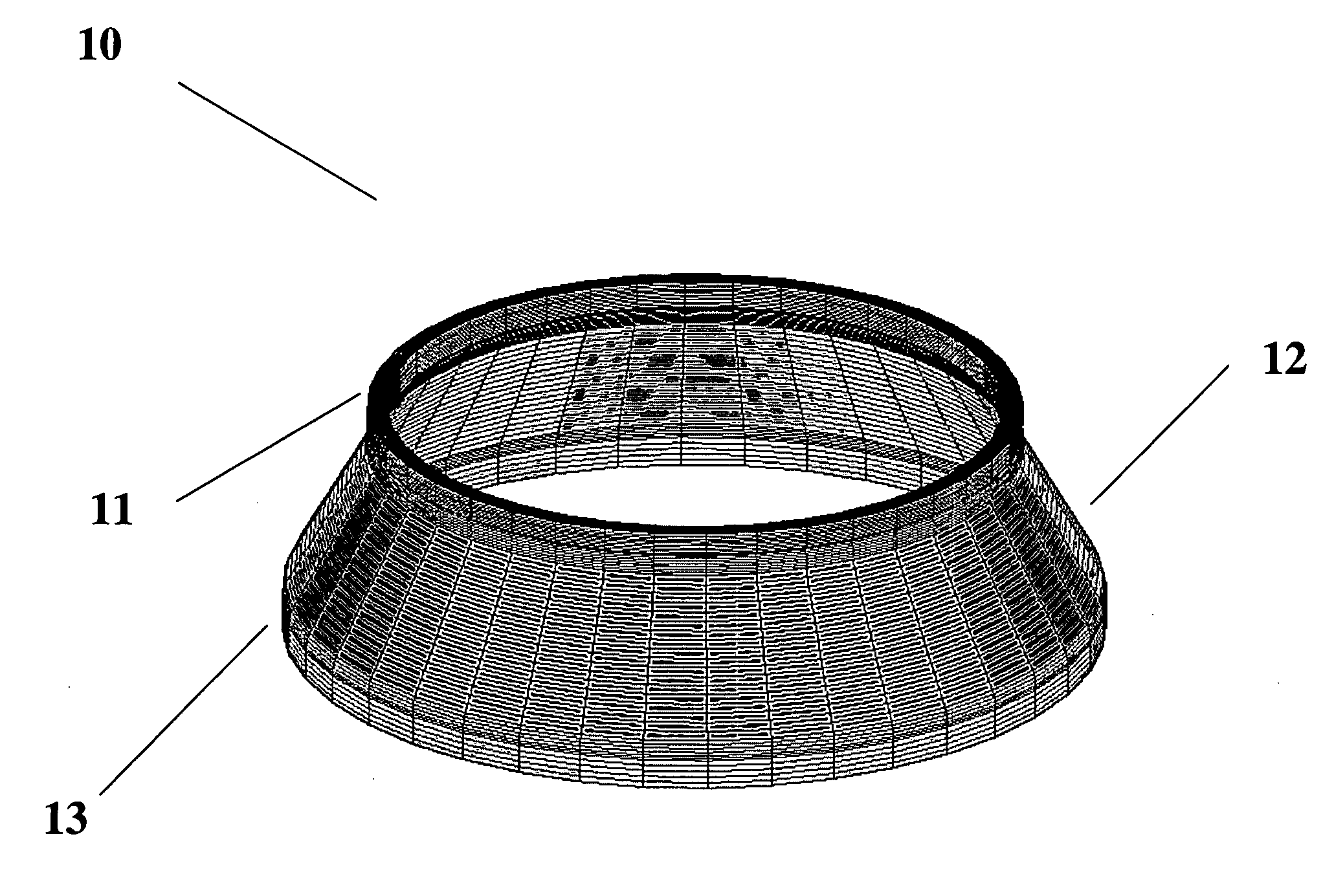
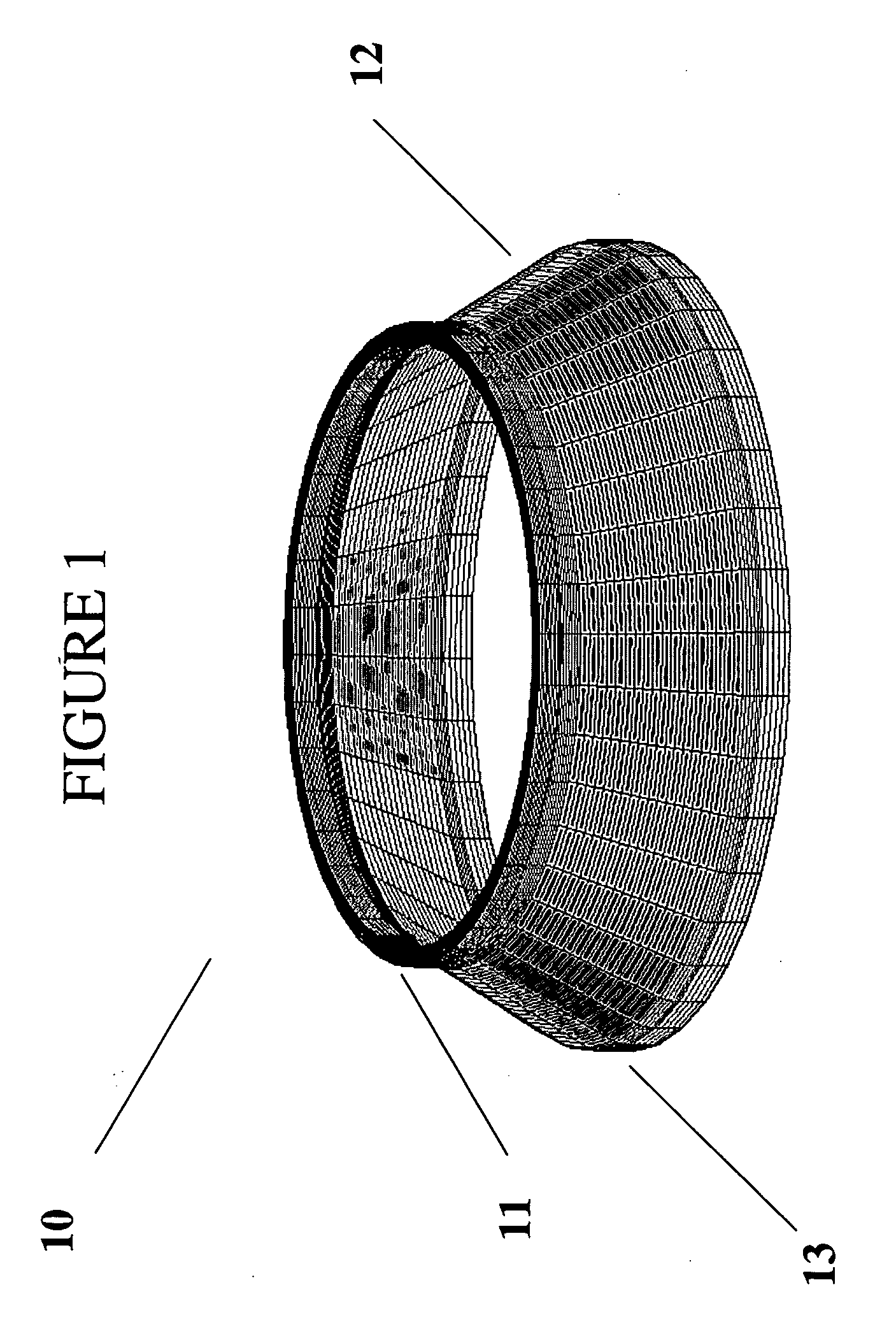
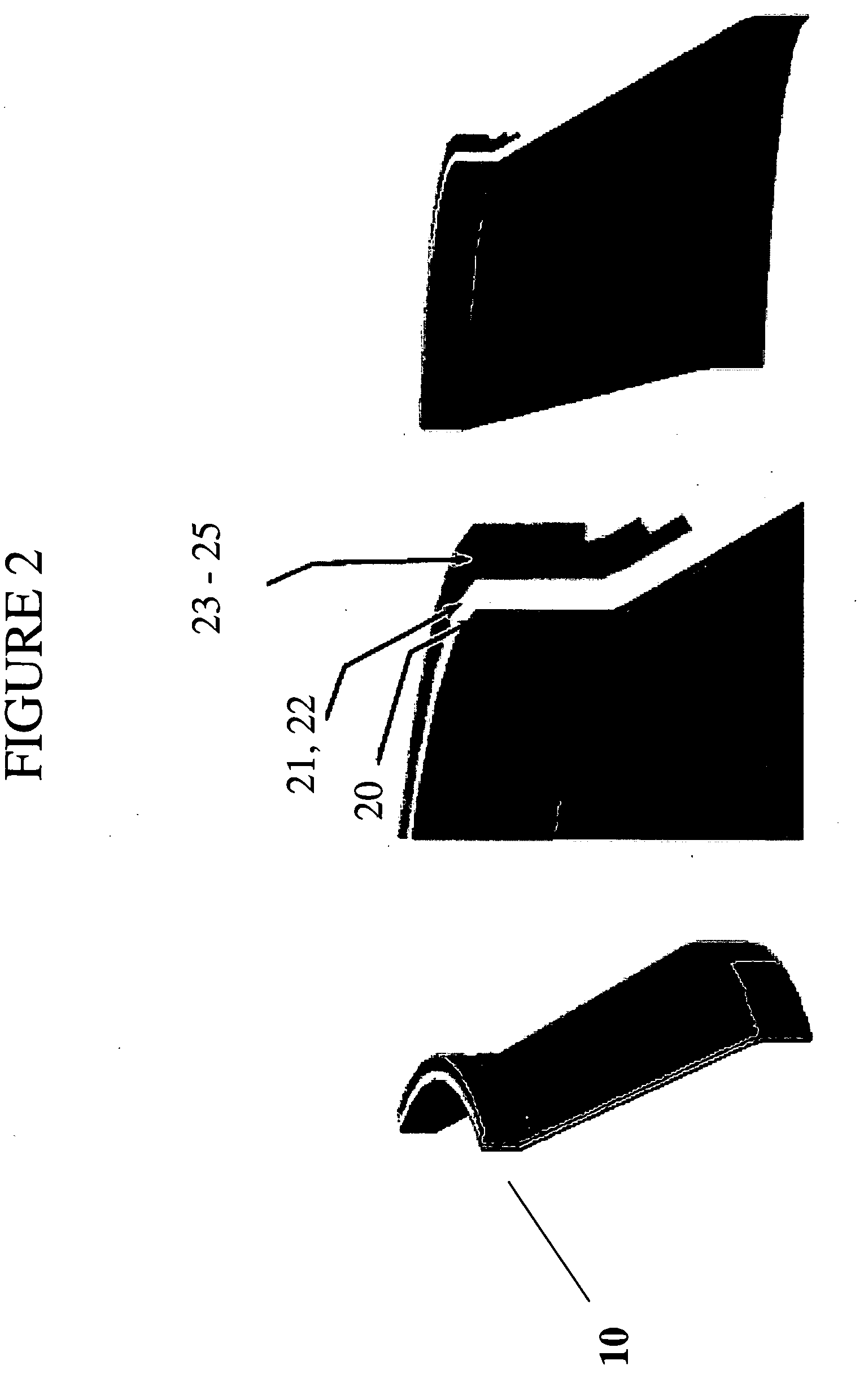
- A composite hub design capable of supporting an optimized high-speed composite rim, utilizing a non-geodesic filament wound hub with specific fiber layers and polyurethane resin, and incorporating a switched reluctance motor system, to enhance energy storage and power delivery while meeting rotor-dynamic requirements.

Constant stress solid disk rotor of flywheel for flywheel energy storage system and design method thereof
PatentActiveUS12119730B2
Innovation
- A constant stress solid disk rotor design with specific shape parameters and equations that determine the thickness distribution and rotation angular velocity, ensuring a plane-symmetric shape and invariant in-plane stress, allowing for the calculation of limit energy density and mass.


Space Mission Regulatory and Safety Requirements
Space missions involving energy storage systems must comply with stringent regulatory frameworks established by national and international space agencies. NASA's safety standards, outlined in NASA-STD-5001 and NASA-STD-5002, provide comprehensive guidelines for spacecraft electrical systems and energy storage devices. The European Space Agency (ESA) maintains parallel requirements through ECSS standards, particularly ECSS-E-ST-20C for electrical and electronic engineering. These regulations mandate rigorous testing protocols, including thermal cycling, vibration resistance, and electromagnetic compatibility assessments for both flywheel and solid-state battery systems.
Safety requirements for space-based energy storage systems emphasize fault tolerance and containment mechanisms. Flywheel systems must incorporate robust containment structures to prevent catastrophic failure in the event of rotor disintegration, with containment vessels designed to withstand debris impact energies exceeding operational limits by significant safety margins. The magnetic bearing systems require redundant control circuits and backup mechanical bearings to ensure safe shutdown procedures. Solid-state batteries face different safety challenges, primarily related to thermal runaway prevention and outgassing control in vacuum environments.
Certification processes for space missions typically require extensive ground testing and qualification programs spanning 18-24 months. Both flywheel and solid-state battery systems must demonstrate operational reliability through accelerated life testing, simulating mission duration under extreme temperature variations ranging from -150°C to +120°C. Radiation hardness testing ensures components can withstand cumulative radiation doses encountered in various orbital environments, with requirements varying from 10 krad for low Earth orbit missions to over 100 krad for deep space applications.
Mission-specific regulatory considerations include launch vehicle integration requirements and orbital debris mitigation protocols. Energy storage systems must comply with launch provider specifications, such as SpaceX's Falcon 9 Payload User's Guide or ULA's Atlas V requirements, which dictate mechanical interface standards and safety interlocks. End-of-mission disposal regulations, particularly for missions in protected orbital regions, influence system design choices and operational procedures.
International regulatory harmonization efforts, led by the Inter-Agency Space Debris Coordination Committee (IADC), establish common safety standards for space missions. These guidelines increasingly emphasize sustainable space practices, requiring energy storage systems to support controlled deorbiting or graveyard orbit insertion capabilities, directly impacting the selection criteria between flywheel and solid-state battery technologies based on their operational longevity and controllability characteristics.
Safety requirements for space-based energy storage systems emphasize fault tolerance and containment mechanisms. Flywheel systems must incorporate robust containment structures to prevent catastrophic failure in the event of rotor disintegration, with containment vessels designed to withstand debris impact energies exceeding operational limits by significant safety margins. The magnetic bearing systems require redundant control circuits and backup mechanical bearings to ensure safe shutdown procedures. Solid-state batteries face different safety challenges, primarily related to thermal runaway prevention and outgassing control in vacuum environments.
Certification processes for space missions typically require extensive ground testing and qualification programs spanning 18-24 months. Both flywheel and solid-state battery systems must demonstrate operational reliability through accelerated life testing, simulating mission duration under extreme temperature variations ranging from -150°C to +120°C. Radiation hardness testing ensures components can withstand cumulative radiation doses encountered in various orbital environments, with requirements varying from 10 krad for low Earth orbit missions to over 100 krad for deep space applications.
Mission-specific regulatory considerations include launch vehicle integration requirements and orbital debris mitigation protocols. Energy storage systems must comply with launch provider specifications, such as SpaceX's Falcon 9 Payload User's Guide or ULA's Atlas V requirements, which dictate mechanical interface standards and safety interlocks. End-of-mission disposal regulations, particularly for missions in protected orbital regions, influence system design choices and operational procedures.
International regulatory harmonization efforts, led by the Inter-Agency Space Debris Coordination Committee (IADC), establish common safety standards for space missions. These guidelines increasingly emphasize sustainable space practices, requiring energy storage systems to support controlled deorbiting or graveyard orbit insertion capabilities, directly impacting the selection criteria between flywheel and solid-state battery technologies based on their operational longevity and controllability characteristics.
Environmental Impact of Space Energy Storage Systems
The environmental implications of space energy storage systems represent a critical consideration in the selection between flywheel and solid-state battery technologies. Both systems present distinct environmental profiles that extend beyond their operational efficiency to encompass manufacturing processes, material sourcing, and end-of-life disposal considerations.
Flywheel energy storage systems demonstrate relatively favorable environmental characteristics due to their material composition and longevity. These systems primarily utilize steel, carbon fiber, and magnetic bearings, materials that can be recycled effectively at the end of their operational life. The manufacturing process generates moderate carbon emissions, but the extended operational lifespan of 20-25 years significantly reduces the environmental impact per unit of energy stored over time.
Solid-state batteries present more complex environmental challenges despite their technological advantages. The production of solid electrolytes requires rare earth elements and specialized lithium compounds, creating supply chain dependencies on environmentally sensitive mining operations. Manufacturing processes involve high-temperature sintering and precision coating techniques that consume substantial energy and generate chemical waste streams requiring careful management.
The space environment introduces unique environmental considerations for both technologies. Flywheel systems operate without chemical degradation, eliminating concerns about toxic material leakage in the vacuum of space. However, their mechanical nature raises questions about debris generation in case of catastrophic failure, potentially contributing to space pollution.
Solid-state batteries offer superior containment of hazardous materials compared to traditional liquid electrolyte systems, reducing risks of environmental contamination during launch or operational phases. Their sealed construction prevents outgassing, which could interfere with sensitive space instrumentation or contribute to spacecraft contamination.
Life cycle assessments reveal that flywheel systems typically demonstrate lower overall environmental impact when evaluated across their entire operational lifespan. The recyclability of mechanical components and absence of chemical degradation products contribute to this advantage. Conversely, solid-state batteries face challenges in space-based recycling and material recovery, though their compact form factor reduces launch-related environmental costs through improved payload efficiency.
Flywheel energy storage systems demonstrate relatively favorable environmental characteristics due to their material composition and longevity. These systems primarily utilize steel, carbon fiber, and magnetic bearings, materials that can be recycled effectively at the end of their operational life. The manufacturing process generates moderate carbon emissions, but the extended operational lifespan of 20-25 years significantly reduces the environmental impact per unit of energy stored over time.
Solid-state batteries present more complex environmental challenges despite their technological advantages. The production of solid electrolytes requires rare earth elements and specialized lithium compounds, creating supply chain dependencies on environmentally sensitive mining operations. Manufacturing processes involve high-temperature sintering and precision coating techniques that consume substantial energy and generate chemical waste streams requiring careful management.
The space environment introduces unique environmental considerations for both technologies. Flywheel systems operate without chemical degradation, eliminating concerns about toxic material leakage in the vacuum of space. However, their mechanical nature raises questions about debris generation in case of catastrophic failure, potentially contributing to space pollution.
Solid-state batteries offer superior containment of hazardous materials compared to traditional liquid electrolyte systems, reducing risks of environmental contamination during launch or operational phases. Their sealed construction prevents outgassing, which could interfere with sensitive space instrumentation or contribute to spacecraft contamination.
Life cycle assessments reveal that flywheel systems typically demonstrate lower overall environmental impact when evaluated across their entire operational lifespan. The recyclability of mechanical components and absence of chemical degradation products contribute to this advantage. Conversely, solid-state batteries face challenges in space-based recycling and material recovery, though their compact form factor reduces launch-related environmental costs through improved payload efficiency.
Unlock deeper insights with PatSnap Eureka Quick Research — get a full tech report to explore trends and direct your research. Try now!
Generate Your Research Report Instantly with AI Agent
Supercharge your innovation with PatSnap Eureka AI Agent Platform!