

Frameless Torque Motors for Conveyor Systems: Torque Performance
MAY 25, 20269 MIN READ
Generate Your Research Report Instantly with AI Agent
PatSnap Eureka helps you evaluate technical feasibility & market potential.
Frameless Torque Motor Technology Background and Objectives
Frameless torque motors represent a revolutionary advancement in direct-drive motor technology, emerging from the need to eliminate mechanical transmission components in precision motion control applications. These motors consist of a rotor and stator assembly without an integrated housing or bearings, allowing for direct integration into the driven mechanism. The technology evolved from traditional servo motors as industries demanded higher precision, reduced maintenance, and improved system reliability.
The development trajectory of frameless torque motors spans several decades, beginning with early direct-drive concepts in the 1970s and gaining significant momentum in the 1990s with advances in permanent magnet materials and power electronics. The integration of rare-earth magnets, particularly neodymium-iron-boron compounds, enabled the creation of compact, high-torque-density motors suitable for space-constrained applications.
In conveyor system applications, frameless torque motors address critical limitations of conventional drive systems, including backlash, wear, and maintenance requirements associated with gearboxes and belt drives. The direct-drive approach eliminates mechanical transmission losses while providing precise speed and position control essential for modern automated material handling systems.
Current technological trends focus on enhancing torque performance through advanced magnetic circuit design, optimized winding configurations, and sophisticated control algorithms. The integration of high-resolution feedback systems and advanced motor control techniques enables precise torque regulation across varying load conditions, making these motors particularly suitable for applications requiring consistent material flow and positioning accuracy.
The primary technical objectives driving frameless torque motor development for conveyor systems center on maximizing torque density while maintaining thermal stability and control precision. Engineers seek to achieve higher continuous torque output within compact form factors, enabling direct integration into conveyor rollers and drums without compromising system performance.
Thermal management represents another critical objective, as increased power density demands efficient heat dissipation strategies to maintain consistent performance and extend operational life. Advanced cooling techniques and materials science innovations contribute to achieving these thermal objectives while preserving the compact advantages of frameless designs.
Control precision objectives focus on minimizing torque ripple and achieving rapid dynamic response to load variations. This involves optimizing magnetic pole configurations, implementing advanced commutation strategies, and developing sophisticated feedback control systems that can maintain consistent conveyor speeds under varying load conditions.
The development trajectory of frameless torque motors spans several decades, beginning with early direct-drive concepts in the 1970s and gaining significant momentum in the 1990s with advances in permanent magnet materials and power electronics. The integration of rare-earth magnets, particularly neodymium-iron-boron compounds, enabled the creation of compact, high-torque-density motors suitable for space-constrained applications.
In conveyor system applications, frameless torque motors address critical limitations of conventional drive systems, including backlash, wear, and maintenance requirements associated with gearboxes and belt drives. The direct-drive approach eliminates mechanical transmission losses while providing precise speed and position control essential for modern automated material handling systems.
Current technological trends focus on enhancing torque performance through advanced magnetic circuit design, optimized winding configurations, and sophisticated control algorithms. The integration of high-resolution feedback systems and advanced motor control techniques enables precise torque regulation across varying load conditions, making these motors particularly suitable for applications requiring consistent material flow and positioning accuracy.
The primary technical objectives driving frameless torque motor development for conveyor systems center on maximizing torque density while maintaining thermal stability and control precision. Engineers seek to achieve higher continuous torque output within compact form factors, enabling direct integration into conveyor rollers and drums without compromising system performance.
Thermal management represents another critical objective, as increased power density demands efficient heat dissipation strategies to maintain consistent performance and extend operational life. Advanced cooling techniques and materials science innovations contribute to achieving these thermal objectives while preserving the compact advantages of frameless designs.
Control precision objectives focus on minimizing torque ripple and achieving rapid dynamic response to load variations. This involves optimizing magnetic pole configurations, implementing advanced commutation strategies, and developing sophisticated feedback control systems that can maintain consistent conveyor speeds under varying load conditions.
Market Demand Analysis for Conveyor System Torque Solutions
The global conveyor system market demonstrates robust growth driven by expanding industrial automation across manufacturing, logistics, and material handling sectors. Traditional conveyor systems increasingly face limitations in torque delivery efficiency, particularly in applications requiring precise speed control and high-density installations. These constraints create substantial demand for advanced torque solutions that can deliver superior performance while minimizing spatial requirements.
Manufacturing industries, especially automotive, electronics, and food processing, require conveyor systems capable of handling varying load conditions with consistent torque output. The shift toward lean manufacturing principles intensifies the need for compact, high-performance torque solutions that maximize throughput while reducing energy consumption. Frameless torque motors address these requirements by eliminating traditional gearboxes and coupling mechanisms that introduce mechanical inefficiencies.
E-commerce growth significantly amplifies demand for sophisticated material handling systems in distribution centers and fulfillment facilities. These environments require conveyor systems with rapid acceleration capabilities, precise positioning, and minimal maintenance downtime. The ability to integrate multiple conveyor segments with independent torque control becomes critical for optimizing sorting and routing operations.
Industrial automation trends toward modular system architectures create opportunities for frameless torque motor solutions. System integrators increasingly seek components that enable flexible conveyor configurations without compromising torque performance. The elimination of mechanical transmission components reduces system complexity while improving reliability and reducing total cost of ownership.
Energy efficiency regulations and sustainability initiatives drive demand for torque solutions with improved power-to-weight ratios and reduced energy consumption. Frameless torque motors offer direct-drive capabilities that eliminate energy losses associated with mechanical transmission systems, aligning with corporate sustainability goals and operational cost reduction objectives.
Emerging applications in cleanroom environments, pharmaceutical manufacturing, and precision assembly operations require torque solutions with minimal contamination risk and exceptional cleanliness standards. The sealed, compact design of frameless torque motors addresses these specialized requirements while maintaining high torque density performance characteristics essential for demanding industrial applications.
Manufacturing industries, especially automotive, electronics, and food processing, require conveyor systems capable of handling varying load conditions with consistent torque output. The shift toward lean manufacturing principles intensifies the need for compact, high-performance torque solutions that maximize throughput while reducing energy consumption. Frameless torque motors address these requirements by eliminating traditional gearboxes and coupling mechanisms that introduce mechanical inefficiencies.
E-commerce growth significantly amplifies demand for sophisticated material handling systems in distribution centers and fulfillment facilities. These environments require conveyor systems with rapid acceleration capabilities, precise positioning, and minimal maintenance downtime. The ability to integrate multiple conveyor segments with independent torque control becomes critical for optimizing sorting and routing operations.
Industrial automation trends toward modular system architectures create opportunities for frameless torque motor solutions. System integrators increasingly seek components that enable flexible conveyor configurations without compromising torque performance. The elimination of mechanical transmission components reduces system complexity while improving reliability and reducing total cost of ownership.
Energy efficiency regulations and sustainability initiatives drive demand for torque solutions with improved power-to-weight ratios and reduced energy consumption. Frameless torque motors offer direct-drive capabilities that eliminate energy losses associated with mechanical transmission systems, aligning with corporate sustainability goals and operational cost reduction objectives.
Emerging applications in cleanroom environments, pharmaceutical manufacturing, and precision assembly operations require torque solutions with minimal contamination risk and exceptional cleanliness standards. The sealed, compact design of frameless torque motors addresses these specialized requirements while maintaining high torque density performance characteristics essential for demanding industrial applications.
Current State and Challenges of Frameless Motor Torque Performance
Frameless torque motors for conveyor systems currently represent a mature yet evolving technology segment within the industrial automation landscape. These motors, characterized by their hollow-shaft design and direct-drive capabilities, have gained significant traction in material handling applications due to their ability to eliminate mechanical transmission components while providing precise torque control. The current market penetration shows strong adoption in high-precision conveyor systems, particularly in semiconductor manufacturing, pharmaceutical production, and automated warehousing facilities.
The torque performance characteristics of contemporary frameless motors demonstrate substantial improvements over previous generations, with typical continuous torque ratings ranging from 5 to 500 Nm depending on motor diameter and design specifications. Modern implementations achieve torque densities of approximately 15-25 Nm per kilogram of motor weight, representing a significant advancement from earlier designs. However, peak torque capabilities often exceed continuous ratings by factors of 2-3, enabling effective handling of dynamic loading conditions common in conveyor applications.
Current technological limitations primarily center around thermal management challenges that directly impact sustained torque output. Heat dissipation constraints force derating of continuous torque performance, particularly in enclosed conveyor drum installations where ambient temperatures can exceed 60°C. This thermal bottleneck represents the most significant barrier to achieving optimal torque density in practical applications.
Cogging torque remains another persistent challenge, with typical values ranging from 2-8% of rated torque in current designs. While acceptable for many applications, this level of torque ripple can cause positioning inaccuracies and vibration issues in precision conveyor systems, particularly during low-speed operations or precise indexing movements.
Manufacturing tolerances and magnetic material consistency present ongoing technical hurdles. Variations in permanent magnet properties and air gap uniformity can result in torque output variations of ±5-10% between nominally identical motors. This inconsistency complicates system design and requires individual motor characterization for high-precision applications.
Control system integration challenges also persist, as frameless motors require sophisticated drive electronics capable of managing the unique electromagnetic characteristics inherent to these designs. The absence of integrated feedback systems in many frameless configurations necessitates external sensing solutions, adding complexity to overall system architecture and potentially impacting torque control precision.
The torque performance characteristics of contemporary frameless motors demonstrate substantial improvements over previous generations, with typical continuous torque ratings ranging from 5 to 500 Nm depending on motor diameter and design specifications. Modern implementations achieve torque densities of approximately 15-25 Nm per kilogram of motor weight, representing a significant advancement from earlier designs. However, peak torque capabilities often exceed continuous ratings by factors of 2-3, enabling effective handling of dynamic loading conditions common in conveyor applications.
Current technological limitations primarily center around thermal management challenges that directly impact sustained torque output. Heat dissipation constraints force derating of continuous torque performance, particularly in enclosed conveyor drum installations where ambient temperatures can exceed 60°C. This thermal bottleneck represents the most significant barrier to achieving optimal torque density in practical applications.
Cogging torque remains another persistent challenge, with typical values ranging from 2-8% of rated torque in current designs. While acceptable for many applications, this level of torque ripple can cause positioning inaccuracies and vibration issues in precision conveyor systems, particularly during low-speed operations or precise indexing movements.
Manufacturing tolerances and magnetic material consistency present ongoing technical hurdles. Variations in permanent magnet properties and air gap uniformity can result in torque output variations of ±5-10% between nominally identical motors. This inconsistency complicates system design and requires individual motor characterization for high-precision applications.
Control system integration challenges also persist, as frameless motors require sophisticated drive electronics capable of managing the unique electromagnetic characteristics inherent to these designs. The absence of integrated feedback systems in many frameless configurations necessitates external sensing solutions, adding complexity to overall system architecture and potentially impacting torque control precision.
Current Torque Enhancement Solutions for Frameless Motors
01 Motor structure design and configuration optimization
Frameless torque motors utilize specific structural designs and configurations to optimize torque performance. These designs focus on the arrangement of magnetic components, stator configurations, and rotor assemblies to maximize torque output while maintaining compact form factors. The structural optimization includes considerations for magnetic flux distribution, air gap dimensions, and component positioning to achieve enhanced torque characteristics.- Motor structure design and configuration optimization: Frameless torque motors utilize specific structural designs and configurations to optimize torque performance. These designs focus on the arrangement of magnetic components, stator configurations, and rotor assemblies to maximize torque output while maintaining compact form factors. The structural optimization includes considerations for magnetic flux distribution and mechanical integration aspects that directly impact torque generation capabilities.
- Magnetic field enhancement and control systems: Advanced magnetic field control systems are employed to enhance torque performance in frameless motors. These systems utilize sophisticated control algorithms and magnetic field optimization techniques to improve torque density and precision. The control mechanisms focus on real-time adjustment of magnetic fields to achieve optimal torque characteristics under varying operational conditions.
- Torque measurement and feedback mechanisms: Precision torque measurement systems and feedback mechanisms are integrated into frameless torque motors to monitor and optimize performance. These systems provide real-time torque data and enable closed-loop control for enhanced accuracy and responsiveness. The feedback systems contribute to improved torque stability and dynamic performance characteristics.
- Power electronics and drive optimization: Specialized power electronics and drive systems are designed to maximize torque output efficiency in frameless motors. These systems incorporate advanced switching techniques, current control methods, and power management strategies to optimize torque performance while minimizing losses. The drive optimization focuses on achieving high torque-to-power ratios and improved dynamic response.
- Thermal management and performance stability: Effective thermal management solutions are implemented to maintain consistent torque performance under various operating conditions. These solutions include heat dissipation strategies, temperature monitoring systems, and thermal protection mechanisms that prevent performance degradation due to overheating. The thermal management directly impacts the motor's ability to sustain high torque output over extended periods.
02 Magnetic field enhancement and control systems
Advanced magnetic field control systems are employed to improve torque performance in frameless motors. These systems utilize sophisticated magnetic field generation and control techniques to optimize the interaction between stator and rotor magnetic fields. The control mechanisms include feedback systems, field orientation control, and magnetic flux optimization to achieve superior torque output and precision.Expand Specific Solutions03 Winding design and electrical configuration
Specialized winding designs and electrical configurations are critical for maximizing torque performance in frameless motors. These approaches involve optimized coil arrangements, multi-phase winding systems, and advanced electrical connection schemes. The winding optimization focuses on current distribution, electromagnetic efficiency, and thermal management to enhance overall torque capabilities.Expand Specific Solutions04 Torque measurement and performance monitoring
Integrated torque measurement systems and performance monitoring technologies are essential for evaluating and optimizing frameless motor torque performance. These systems incorporate sensors, feedback mechanisms, and real-time monitoring capabilities to assess torque output, efficiency, and operational characteristics. The monitoring systems enable continuous performance optimization and quality control.Expand Specific Solutions05 Thermal management and cooling solutions
Effective thermal management and cooling solutions are crucial for maintaining optimal torque performance in frameless motors. These solutions address heat dissipation challenges that can affect motor efficiency and torque output. The thermal management approaches include advanced cooling systems, heat sink designs, and thermal interface materials to ensure consistent performance under various operating conditions.Expand Specific Solutions
Major Players in Frameless Torque Motor Industry
The frameless torque motor market for conveyor systems is experiencing significant growth driven by increasing automation demands across manufacturing and logistics sectors. The industry is in a mature development stage with established players like ABB Ltd., Mitsubishi Electric Corp., and DENSO Corp. leading technological advancement. Market size continues expanding as companies seek higher precision and energy efficiency in material handling applications. Technology maturity varies significantly among market participants - industrial giants such as ABB and Mitsubishi Heavy Industries demonstrate advanced motor control technologies, while specialized firms like Etel SA and NIDEK Advanced Motor focus on precision applications. Automotive sector players including Nissan Motor, Continental Automotive, and JATCO Ltd. contribute drive system expertise, enhancing torque performance capabilities. The competitive landscape shows consolidation around companies with strong R&D capabilities and manufacturing scale, positioning the market for continued innovation in direct-drive conveyor solutions.
ABB Ltd.
Technical Solution: ABB develops frameless torque motors utilizing advanced permanent magnet synchronous motor technology with integrated encoder systems for precise position control. Their motors feature high torque density designs with rare earth magnets, achieving torque outputs ranging from 0.5 to 500 Nm while maintaining compact form factors. The company implements sophisticated control algorithms including field-oriented control (FOC) and direct torque control (DTC) to optimize torque performance. ABB's frameless motors incorporate thermal management systems with integrated cooling channels and temperature monitoring to ensure consistent performance under varying load conditions.
Strengths: Industry-leading torque density, robust thermal management, comprehensive control systems. Weaknesses: Higher cost due to premium components, complex installation requirements.
Etel SA
Technical Solution: Etel specializes in direct drive frameless torque motors featuring ironless stator designs that eliminate cogging torque and provide smooth motion profiles essential for conveyor applications. Their motors utilize high-energy neodymium magnets arranged in Halbach arrays to maximize magnetic flux density and torque output. The company's proprietary winding techniques and advanced magnetic circuit optimization enable torque densities exceeding 15 Nm/kg. Etel's motors incorporate integrated absolute encoders with sub-arc second resolution for precise positioning and velocity control in demanding conveyor systems.
Strengths: Zero cogging torque, exceptional precision, lightweight design. Weaknesses: Limited to specialized applications, higher maintenance requirements for ironless designs.
Core Technologies for Optimizing Frameless Motor Torque
Frameless torque motor with a transport securing device
PatentInactiveUS20060145566A1
Innovation
- A ferromagnetic spacer is used in the air gap between the rotor and stator, fixed by magnetic force, eliminating the need for screw connections and allowing for easier alignment and removal, with a design that includes a PVC-coated magnetic foil for enhanced sliding and tear resistance.


Method for lateral adjustment of a directly driven load without shifting the entire drive assembly
PatentInactiveUS20050257704A1
Innovation
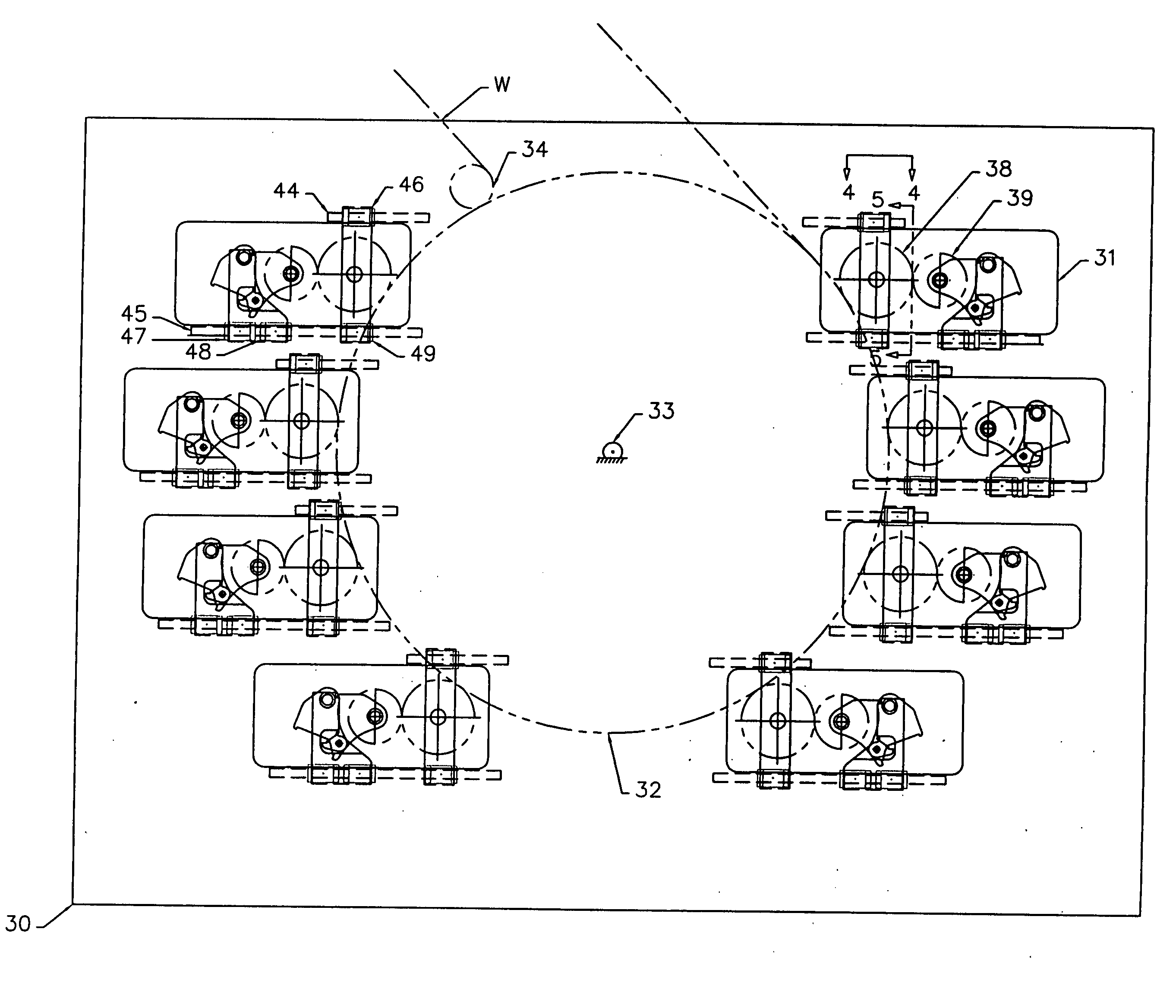
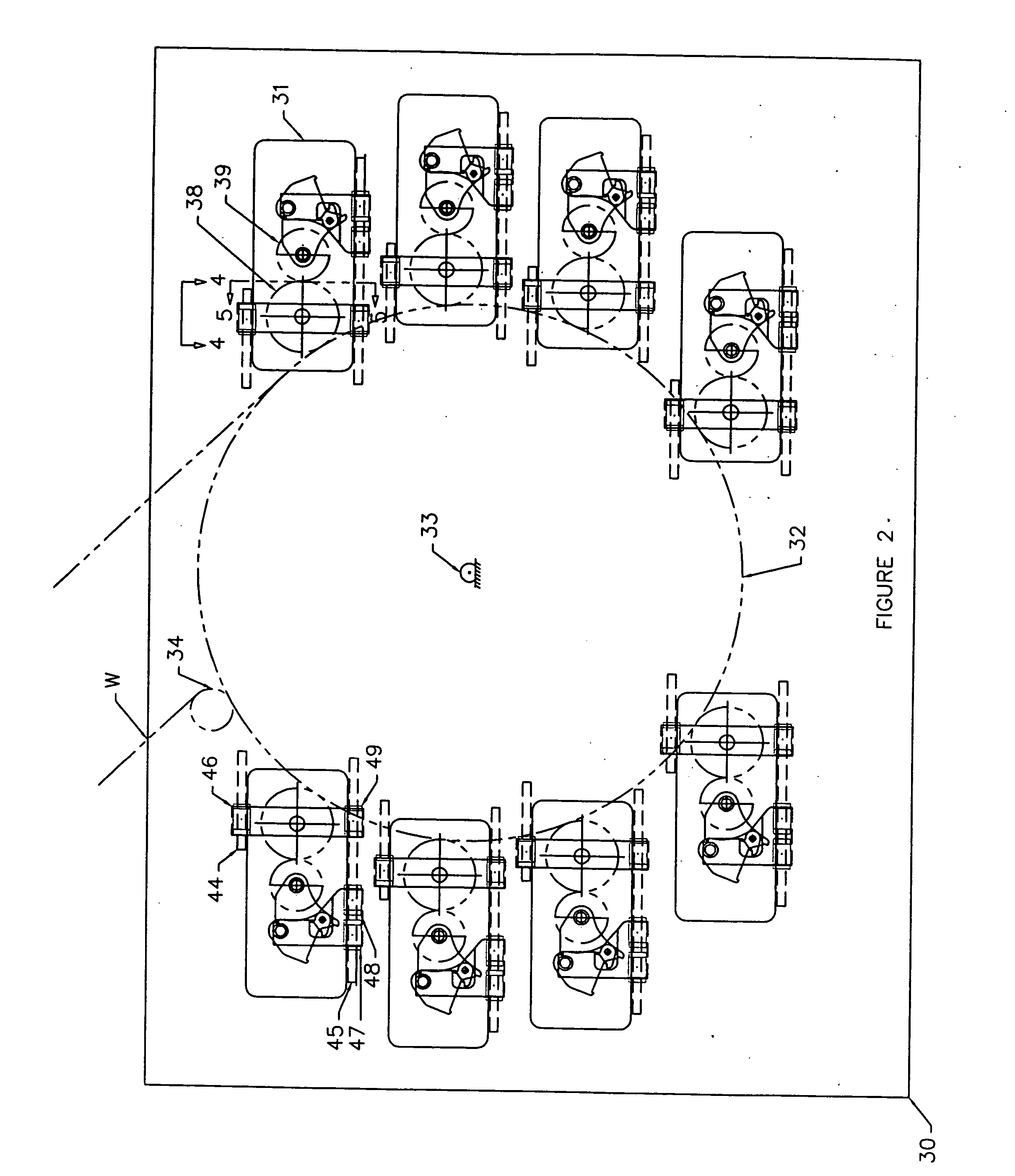
- Integration of frame-less motor technology, where the rotor is directly connected to the load and inserted into the stator, allowing for axial translation of the load without moving the entire motor, utilizing an oversized rotor or stator to enhance mechanical rigidity and flexibility, enabling independent axial shifting of the rotor and load within the stator.

Industrial Safety Standards for Conveyor Motor Systems
Industrial safety standards for conveyor motor systems represent a critical framework governing the deployment and operation of frameless torque motors in material handling applications. These standards encompass multiple regulatory bodies and certification requirements that directly impact torque performance specifications and operational parameters.
The International Electrotechnical Commission (IEC) 60204-1 standard establishes fundamental electrical safety requirements for industrial machinery, including conveyor systems utilizing frameless torque motors. This standard mandates specific torque monitoring capabilities and emergency stop functionalities that can affect continuous torque delivery. Additionally, the Machinery Directive 2006/42/EC requires comprehensive risk assessment protocols for conveyor installations, particularly focusing on unexpected torque variations that could pose operational hazards.
ANSI/ASME B20.1 safety standards specifically address conveyor safety requirements in North American markets, establishing minimum torque control precision levels and fail-safe mechanisms. These regulations require frameless torque motors to maintain consistent performance within defined torque bands, typically ±5% of rated output, while incorporating redundant safety systems that can immediately halt operation upon detecting torque anomalies.
Functional safety standards, particularly IEC 61508 and its machinery-specific derivative ISO 13849, impose stringent requirements on torque monitoring systems. These standards mandate Safety Integrity Level (SIL) ratings for critical conveyor applications, requiring frameless torque motors to incorporate advanced diagnostic capabilities that continuously monitor torque output against predetermined safety thresholds.
Electromagnetic compatibility (EMC) standards, including IEC 61000 series, significantly influence frameless torque motor design by limiting electromagnetic emissions that could interfere with safety systems. These requirements often necessitate additional shielding and filtering components that can impact overall torque density and thermal management characteristics.
Compliance with these industrial safety standards requires manufacturers to implement comprehensive testing protocols, including accelerated life testing under various torque loading conditions, environmental stress testing, and electromagnetic interference validation. The certification process typically involves third-party verification of torque performance consistency across operational temperature ranges and duty cycles, ensuring reliable operation within safety-critical conveyor applications while maintaining optimal torque delivery characteristics.
The International Electrotechnical Commission (IEC) 60204-1 standard establishes fundamental electrical safety requirements for industrial machinery, including conveyor systems utilizing frameless torque motors. This standard mandates specific torque monitoring capabilities and emergency stop functionalities that can affect continuous torque delivery. Additionally, the Machinery Directive 2006/42/EC requires comprehensive risk assessment protocols for conveyor installations, particularly focusing on unexpected torque variations that could pose operational hazards.
ANSI/ASME B20.1 safety standards specifically address conveyor safety requirements in North American markets, establishing minimum torque control precision levels and fail-safe mechanisms. These regulations require frameless torque motors to maintain consistent performance within defined torque bands, typically ±5% of rated output, while incorporating redundant safety systems that can immediately halt operation upon detecting torque anomalies.
Functional safety standards, particularly IEC 61508 and its machinery-specific derivative ISO 13849, impose stringent requirements on torque monitoring systems. These standards mandate Safety Integrity Level (SIL) ratings for critical conveyor applications, requiring frameless torque motors to incorporate advanced diagnostic capabilities that continuously monitor torque output against predetermined safety thresholds.
Electromagnetic compatibility (EMC) standards, including IEC 61000 series, significantly influence frameless torque motor design by limiting electromagnetic emissions that could interfere with safety systems. These requirements often necessitate additional shielding and filtering components that can impact overall torque density and thermal management characteristics.
Compliance with these industrial safety standards requires manufacturers to implement comprehensive testing protocols, including accelerated life testing under various torque loading conditions, environmental stress testing, and electromagnetic interference validation. The certification process typically involves third-party verification of torque performance consistency across operational temperature ranges and duty cycles, ensuring reliable operation within safety-critical conveyor applications while maintaining optimal torque delivery characteristics.
Energy Efficiency Requirements in Industrial Automation
Energy efficiency has become a paramount concern in industrial automation, driven by escalating energy costs, stringent environmental regulations, and corporate sustainability initiatives. Modern manufacturing facilities face increasing pressure to reduce their carbon footprint while maintaining operational excellence. The integration of energy-efficient technologies is no longer optional but essential for competitive advantage in global markets.
Industrial automation systems typically consume 30-40% of total facility energy, with motor-driven equipment accounting for the largest portion. Traditional conveyor systems, often powered by conventional AC motors with gearboxes, exhibit significant energy losses through mechanical transmission components. These inefficiencies manifest as heat generation, vibration, and reduced overall system performance, directly impacting operational costs and environmental compliance.
Regulatory frameworks worldwide are establishing increasingly stringent energy efficiency standards. The European Union's EcoDesign Directive mandates minimum efficiency levels for industrial motors, while similar regulations in North America and Asia-Pacific regions are driving adoption of high-efficiency drive systems. These standards specifically target motor efficiency ratings, requiring IE3 or higher classifications for new installations above certain power thresholds.
Frameless torque motors present a compelling solution to these energy efficiency challenges in conveyor applications. By eliminating mechanical transmission components such as gearboxes, belts, and couplings, these direct-drive systems achieve efficiency levels exceeding 95% compared to 80-85% for conventional motor-gearbox combinations. The absence of mechanical losses translates directly into reduced energy consumption and lower operational costs.
The torque performance characteristics of frameless motors align perfectly with energy efficiency objectives. Their ability to deliver precise torque control at variable speeds enables optimal energy utilization across different operational conditions. Advanced control algorithms can dynamically adjust motor performance based on load requirements, further enhancing energy savings through intelligent power management.
Implementation of energy-efficient frameless torque motors in conveyor systems requires careful consideration of system-level optimization. Proper sizing, control strategy selection, and integration with facility energy management systems are critical factors. The initial investment in high-efficiency motor technology typically achieves payback within 18-24 months through reduced energy costs and maintenance savings.
Future energy efficiency requirements will likely become more stringent, emphasizing not only motor efficiency but total system performance including regenerative capabilities and smart grid integration. Frameless torque motors are well-positioned to meet these evolving demands through their inherent design advantages and compatibility with advanced control technologies.
Industrial automation systems typically consume 30-40% of total facility energy, with motor-driven equipment accounting for the largest portion. Traditional conveyor systems, often powered by conventional AC motors with gearboxes, exhibit significant energy losses through mechanical transmission components. These inefficiencies manifest as heat generation, vibration, and reduced overall system performance, directly impacting operational costs and environmental compliance.
Regulatory frameworks worldwide are establishing increasingly stringent energy efficiency standards. The European Union's EcoDesign Directive mandates minimum efficiency levels for industrial motors, while similar regulations in North America and Asia-Pacific regions are driving adoption of high-efficiency drive systems. These standards specifically target motor efficiency ratings, requiring IE3 or higher classifications for new installations above certain power thresholds.
Frameless torque motors present a compelling solution to these energy efficiency challenges in conveyor applications. By eliminating mechanical transmission components such as gearboxes, belts, and couplings, these direct-drive systems achieve efficiency levels exceeding 95% compared to 80-85% for conventional motor-gearbox combinations. The absence of mechanical losses translates directly into reduced energy consumption and lower operational costs.
The torque performance characteristics of frameless motors align perfectly with energy efficiency objectives. Their ability to deliver precise torque control at variable speeds enables optimal energy utilization across different operational conditions. Advanced control algorithms can dynamically adjust motor performance based on load requirements, further enhancing energy savings through intelligent power management.
Implementation of energy-efficient frameless torque motors in conveyor systems requires careful consideration of system-level optimization. Proper sizing, control strategy selection, and integration with facility energy management systems are critical factors. The initial investment in high-efficiency motor technology typically achieves payback within 18-24 months through reduced energy costs and maintenance savings.
Future energy efficiency requirements will likely become more stringent, emphasizing not only motor efficiency but total system performance including regenerative capabilities and smart grid integration. Frameless torque motors are well-positioned to meet these evolving demands through their inherent design advantages and compatibility with advanced control technologies.
Unlock deeper insights with PatSnap Eureka Quick Research — get a full tech report to explore trends and direct your research. Try now!
Generate Your Research Report Instantly with AI Agent
Supercharge your innovation with PatSnap Eureka AI Agent Platform!