
Galvanic Isolation Vs Optical Isolation: Cost-Benefit Analysis
MAY 11, 202610 MIN READ
Generate Your Research Report Instantly with AI Agent
Patsnap Eureka helps you evaluate technical feasibility & market potential.
Galvanic vs Optical Isolation Background and Objectives
Isolation technology has emerged as a fundamental requirement in modern electronic systems, serving as a critical safety and performance enhancement mechanism across diverse industrial applications. The evolution of isolation techniques has been driven by the increasing complexity of electronic circuits, stringent safety regulations, and the growing demand for reliable signal transmission in harsh electromagnetic environments. Two primary isolation methodologies have dominated the landscape: galvanic isolation and optical isolation, each offering distinct advantages and limitations that significantly impact system design decisions.
Galvanic isolation, also known as electrical isolation, represents the traditional approach to preventing unwanted current flow between circuit sections while maintaining signal integrity. This technology has evolved from basic transformer-based solutions to sophisticated capacitive and magnetic coupling mechanisms. The development trajectory spans several decades, beginning with bulky transformer isolators in the 1960s and progressing to modern integrated solutions that combine multiple isolation functions within compact semiconductor packages.
Optical isolation technology emerged as an alternative approach, leveraging light transmission to achieve complete electrical separation between input and output circuits. The foundational concept dates back to the early 1970s with the introduction of optocouplers, which utilized LED-photodetector pairs encapsulated within single packages. This technology has undergone significant refinement, incorporating advanced semiconductor materials and sophisticated optical coupling mechanisms to enhance performance characteristics.
The primary objective of comparing these isolation technologies centers on establishing a comprehensive cost-benefit framework that enables informed decision-making for specific application requirements. This analysis aims to quantify the total cost of ownership implications, including initial component costs, implementation complexity, long-term reliability considerations, and maintenance requirements. Additionally, the evaluation seeks to identify performance trade-offs related to signal integrity, bandwidth limitations, power consumption, and environmental resilience.
Contemporary market demands have intensified the need for precise isolation technology selection, particularly in applications involving renewable energy systems, electric vehicle charging infrastructure, industrial automation, and medical devices. The regulatory landscape continues to evolve, imposing stricter safety standards that directly influence isolation technology requirements and implementation strategies.
The technological advancement trajectory indicates convergence toward hybrid solutions that combine benefits from both galvanic and optical isolation approaches. Understanding the fundamental principles, cost structures, and performance characteristics of each technology becomes essential for developing future-oriented product strategies and maintaining competitive advantages in rapidly evolving markets.
Galvanic isolation, also known as electrical isolation, represents the traditional approach to preventing unwanted current flow between circuit sections while maintaining signal integrity. This technology has evolved from basic transformer-based solutions to sophisticated capacitive and magnetic coupling mechanisms. The development trajectory spans several decades, beginning with bulky transformer isolators in the 1960s and progressing to modern integrated solutions that combine multiple isolation functions within compact semiconductor packages.
Optical isolation technology emerged as an alternative approach, leveraging light transmission to achieve complete electrical separation between input and output circuits. The foundational concept dates back to the early 1970s with the introduction of optocouplers, which utilized LED-photodetector pairs encapsulated within single packages. This technology has undergone significant refinement, incorporating advanced semiconductor materials and sophisticated optical coupling mechanisms to enhance performance characteristics.
The primary objective of comparing these isolation technologies centers on establishing a comprehensive cost-benefit framework that enables informed decision-making for specific application requirements. This analysis aims to quantify the total cost of ownership implications, including initial component costs, implementation complexity, long-term reliability considerations, and maintenance requirements. Additionally, the evaluation seeks to identify performance trade-offs related to signal integrity, bandwidth limitations, power consumption, and environmental resilience.
Contemporary market demands have intensified the need for precise isolation technology selection, particularly in applications involving renewable energy systems, electric vehicle charging infrastructure, industrial automation, and medical devices. The regulatory landscape continues to evolve, imposing stricter safety standards that directly influence isolation technology requirements and implementation strategies.
The technological advancement trajectory indicates convergence toward hybrid solutions that combine benefits from both galvanic and optical isolation approaches. Understanding the fundamental principles, cost structures, and performance characteristics of each technology becomes essential for developing future-oriented product strategies and maintaining competitive advantages in rapidly evolving markets.
Market Demand Analysis for Isolation Technologies
The global isolation technology market demonstrates robust growth driven by increasing demand for electrical safety, signal integrity, and system reliability across multiple industries. Industrial automation represents the largest application segment, where galvanic and optical isolation technologies ensure safe operation of control systems, motor drives, and power conversion equipment. The automotive sector shows particularly strong growth momentum, fueled by electric vehicle adoption and advanced driver assistance systems requiring reliable isolation between high-voltage and low-voltage circuits.
Healthcare and medical device manufacturing constitutes another significant demand driver, where patient safety regulations mandate strict electrical isolation in diagnostic equipment, patient monitoring systems, and surgical instruments. The renewable energy sector, including solar inverters and wind power systems, increasingly relies on isolation technologies to protect sensitive control electronics from high-voltage power circuits while maintaining system efficiency.
Telecommunications infrastructure modernization, particularly with 5G network deployment, creates substantial demand for high-speed optical isolation solutions that can handle increased data rates while providing electromagnetic immunity. Data centers and cloud computing facilities require isolation technologies to ensure reliable operation of power management systems and protect against ground loops and voltage transients.
Regional market dynamics reveal North America and Europe as mature markets with steady demand driven by stringent safety standards and industrial automation upgrades. Asia-Pacific emerges as the fastest-growing region, propelled by manufacturing expansion, infrastructure development, and increasing adoption of electric vehicles in China, Japan, and South Korea.
Market segmentation analysis indicates that while galvanic isolation maintains dominance in traditional applications due to cost advantages, optical isolation experiences accelerated adoption in high-performance applications requiring superior noise immunity and faster switching speeds. The medical and automotive sectors show particular preference for optical isolation despite higher costs, driven by enhanced safety margins and regulatory compliance requirements.
Emerging applications in Internet of Things devices, smart grid infrastructure, and industrial robotics create new market opportunities for both isolation technologies. The trend toward miniaturization and integration drives demand for compact isolation solutions with improved power efficiency and reduced electromagnetic interference characteristics.
Healthcare and medical device manufacturing constitutes another significant demand driver, where patient safety regulations mandate strict electrical isolation in diagnostic equipment, patient monitoring systems, and surgical instruments. The renewable energy sector, including solar inverters and wind power systems, increasingly relies on isolation technologies to protect sensitive control electronics from high-voltage power circuits while maintaining system efficiency.
Telecommunications infrastructure modernization, particularly with 5G network deployment, creates substantial demand for high-speed optical isolation solutions that can handle increased data rates while providing electromagnetic immunity. Data centers and cloud computing facilities require isolation technologies to ensure reliable operation of power management systems and protect against ground loops and voltage transients.
Regional market dynamics reveal North America and Europe as mature markets with steady demand driven by stringent safety standards and industrial automation upgrades. Asia-Pacific emerges as the fastest-growing region, propelled by manufacturing expansion, infrastructure development, and increasing adoption of electric vehicles in China, Japan, and South Korea.
Market segmentation analysis indicates that while galvanic isolation maintains dominance in traditional applications due to cost advantages, optical isolation experiences accelerated adoption in high-performance applications requiring superior noise immunity and faster switching speeds. The medical and automotive sectors show particular preference for optical isolation despite higher costs, driven by enhanced safety margins and regulatory compliance requirements.
Emerging applications in Internet of Things devices, smart grid infrastructure, and industrial robotics create new market opportunities for both isolation technologies. The trend toward miniaturization and integration drives demand for compact isolation solutions with improved power efficiency and reduced electromagnetic interference characteristics.
Current State and Challenges of Isolation Methods
The isolation technology landscape currently presents a complex dichotomy between galvanic and optical isolation methods, each dominating specific application segments based on their inherent characteristics and performance capabilities. Galvanic isolation, primarily implemented through transformers and capacitive coupling, maintains its stronghold in power electronics and industrial applications where high current handling and robust electromagnetic interference immunity are paramount. Meanwhile, optical isolation has established dominance in high-speed digital communications and precision measurement systems where signal integrity and electrical noise elimination are critical requirements.
Contemporary galvanic isolation implementations face significant challenges in miniaturization and high-frequency performance. Traditional transformer-based solutions struggle with parasitic capacitances and leakage inductances that limit bandwidth and introduce signal distortion at frequencies above several megahertz. Capacitive isolation methods, while offering improved frequency response, encounter difficulties in maintaining consistent performance across temperature variations and aging effects, particularly in harsh industrial environments.
Optical isolation technology confronts distinct technical hurdles centered around component reliability and environmental sensitivity. Light-emitting diodes and photodetectors within optocouplers exhibit degradation over time, leading to current transfer ratio drift and potential system failures. Temperature coefficients significantly impact performance stability, requiring complex compensation circuits that increase overall system complexity and cost. Additionally, optical isolation components demonstrate vulnerability to radiation exposure and mechanical stress, limiting their applicability in aerospace and automotive sectors.
Manufacturing scalability represents a critical challenge for both isolation approaches. Galvanic isolation components require precise magnetic core materials and specialized winding techniques that limit production volumes and increase unit costs. Optical isolation faces semiconductor fabrication constraints, particularly in achieving consistent LED-photodetector matching and maintaining optical coupling efficiency across production batches.
Integration density poses another significant constraint in modern electronic systems. Galvanic isolation transformers occupy substantial board space and height, conflicting with miniaturization trends in portable electronics and high-density server applications. Optical isolation, while more compact, requires additional driver and receiver circuitry that negates some space advantages and introduces power consumption penalties.
Power efficiency considerations create divergent optimization paths for each technology. Galvanic isolation exhibits superior efficiency in high-power applications but suffers from core losses and copper losses that become problematic in battery-powered systems. Optical isolation demonstrates excellent efficiency at low power levels but faces LED forward voltage drops and photodetector bias current requirements that impact overall system power budgets.
Current technological development efforts focus on hybrid approaches combining both isolation methods to leverage complementary advantages while mitigating individual weaknesses, though these solutions introduce additional complexity and cost considerations that challenge widespread adoption.
Contemporary galvanic isolation implementations face significant challenges in miniaturization and high-frequency performance. Traditional transformer-based solutions struggle with parasitic capacitances and leakage inductances that limit bandwidth and introduce signal distortion at frequencies above several megahertz. Capacitive isolation methods, while offering improved frequency response, encounter difficulties in maintaining consistent performance across temperature variations and aging effects, particularly in harsh industrial environments.
Optical isolation technology confronts distinct technical hurdles centered around component reliability and environmental sensitivity. Light-emitting diodes and photodetectors within optocouplers exhibit degradation over time, leading to current transfer ratio drift and potential system failures. Temperature coefficients significantly impact performance stability, requiring complex compensation circuits that increase overall system complexity and cost. Additionally, optical isolation components demonstrate vulnerability to radiation exposure and mechanical stress, limiting their applicability in aerospace and automotive sectors.
Manufacturing scalability represents a critical challenge for both isolation approaches. Galvanic isolation components require precise magnetic core materials and specialized winding techniques that limit production volumes and increase unit costs. Optical isolation faces semiconductor fabrication constraints, particularly in achieving consistent LED-photodetector matching and maintaining optical coupling efficiency across production batches.
Integration density poses another significant constraint in modern electronic systems. Galvanic isolation transformers occupy substantial board space and height, conflicting with miniaturization trends in portable electronics and high-density server applications. Optical isolation, while more compact, requires additional driver and receiver circuitry that negates some space advantages and introduces power consumption penalties.
Power efficiency considerations create divergent optimization paths for each technology. Galvanic isolation exhibits superior efficiency in high-power applications but suffers from core losses and copper losses that become problematic in battery-powered systems. Optical isolation demonstrates excellent efficiency at low power levels but faces LED forward voltage drops and photodetector bias current requirements that impact overall system power budgets.
Current technological development efforts focus on hybrid approaches combining both isolation methods to leverage complementary advantages while mitigating individual weaknesses, though these solutions introduce additional complexity and cost considerations that challenge widespread adoption.
Current Galvanic and Optical Isolation Solutions
01 Galvanic isolation techniques using transformers and magnetic coupling
Galvanic isolation can be achieved through transformer-based solutions and magnetic coupling methods that provide electrical separation between circuits while maintaining signal transmission. These techniques offer cost-effective isolation with good performance characteristics for various applications including power supplies and communication systems.- Optical isolation techniques for signal transmission: Optical isolation methods utilize light-based transmission to provide electrical isolation between circuits while maintaining signal integrity. These techniques employ optocouplers, photodiodes, and LED-based components to achieve galvanic separation. The approach offers high-speed data transmission capabilities with excellent noise immunity and can handle both digital and analog signals effectively.
- Magnetic and transformer-based galvanic isolation: Magnetic isolation employs transformers, inductors, and magnetic coupling to achieve electrical separation between circuit domains. This method provides robust isolation barriers while enabling power and signal transfer across the isolation boundary. The technique offers advantages in terms of integration density and can support bidirectional communication with high reliability.
- Cost optimization strategies for isolation implementations: Various approaches focus on reducing the overall cost of isolation systems through integrated circuit design, manufacturing process optimization, and component consolidation. These strategies include single-chip solutions, reduced external component requirements, and simplified assembly processes that maintain isolation performance while minimizing production expenses.
- Performance comparison and selection criteria: Evaluation methodologies for comparing different isolation technologies consider factors such as bandwidth, power consumption, size constraints, and environmental requirements. The analysis includes trade-offs between isolation voltage ratings, data rates, latency, and long-term reliability to determine optimal solutions for specific applications.
- Hybrid isolation architectures and advanced implementations: Advanced isolation systems combine multiple isolation techniques or incorporate novel materials and structures to achieve enhanced performance characteristics. These implementations may integrate both optical and magnetic isolation elements, utilize advanced semiconductor processes, or employ innovative packaging technologies to optimize the cost-benefit ratio.
02 Optical isolation using optocouplers and photonic devices
Optical isolation employs light-based transmission through optocouplers, photodiodes, and other photonic components to achieve electrical isolation. This method provides excellent noise immunity and high-speed data transmission capabilities, though typically at higher component costs compared to magnetic isolation methods.Expand Specific Solutions03 Cost optimization strategies for isolation circuit design
Various design approaches focus on reducing overall system costs while maintaining isolation performance requirements. These strategies include component integration, simplified circuit topologies, and manufacturing process optimizations that balance performance with economic considerations.Expand Specific Solutions04 Performance comparison and selection criteria for isolation methods
Technical evaluation frameworks help determine the most suitable isolation approach based on factors such as bandwidth requirements, power consumption, reliability, and environmental conditions. These assessments guide engineers in making cost-benefit decisions between galvanic and optical isolation solutions.Expand Specific Solutions05 Hybrid isolation systems combining multiple technologies
Advanced isolation architectures integrate both galvanic and optical isolation techniques to optimize performance and cost characteristics. These hybrid approaches leverage the advantages of each method while mitigating individual limitations, providing flexible solutions for complex system requirements.Expand Specific Solutions
Major Players in Isolation Component Industry
The galvanic versus optical isolation technology landscape represents a mature market experiencing steady growth driven by increasing demand for electrical safety and signal integrity across industrial, automotive, and telecommunications sectors. The industry has reached technological maturity with well-established players dominating different segments. Market leaders include Texas Instruments, Analog Devices, and Skyworks Solutions specializing in galvanic isolation solutions, while companies like Avago Technologies (Broadcom) and NXP Semiconductors lead in optical isolation technologies. The competitive environment features significant differentiation based on cost-performance trade-offs, with galvanic isolation offering cost advantages for lower-speed applications and optical isolation commanding premium pricing for high-speed, high-reliability applications. Samsung Electronics and Applied Materials contribute through advanced manufacturing capabilities, while research institutions like Stanford University and Max Planck Society drive innovation in next-generation isolation technologies.
AVAGO TECHNOLOGIES INTERNATIONAL SALES PTE LTD
Technical Solution: Avago Technologies specializes in optocoupler solutions that provide optical isolation using LED-photodetector pairs. Their portfolio includes high-speed digital optocouplers, analog optocouplers, and gate drive optocouplers with isolation voltages up to 5kV. The company's optical isolation technology offers excellent noise immunity and complete electrical separation between input and output circuits. Their products feature fast switching speeds up to 25 Mbps and low power consumption designs. Avago's optocouplers are widely used in industrial automation, motor drives, and power supply applications where reliable signal transmission across isolation barriers is critical.
Strengths: High-speed performance, excellent noise immunity, proven reliability in harsh environments. Weaknesses: Higher cost compared to galvanic isolation, temperature sensitivity, limited lifespan due to LED degradation.
STMicroelectronics Srl
Technical Solution: STMicroelectronics offers both galvanic and optical isolation solutions with a focus on cost-effective implementations. Their galvanic isolation products utilize transformer-based and capacitive coupling technologies, providing isolation voltages up to 5kV with data rates exceeding 150 Mbps. The company's digital isolators feature low power consumption below 10mA and operate across wide temperature ranges from -40°C to +125°C. STMicroelectronics also produces optocouplers for applications requiring absolute electrical separation. Their isolation solutions are optimized for automotive, industrial, and consumer applications with integrated safety features and EMI immunity.
Strengths: Cost-effective solutions, wide temperature range operation, integrated safety features, low power consumption. Weaknesses: Limited bandwidth compared to some optical solutions, potential EMI susceptibility in harsh environments.
Core Patents in Advanced Isolation Technologies
Signal isolation and conversion circuit and control apparatus
PatentActiveUS20210399730A1
Innovation
- A signal isolation and conversion circuit that employs a pulse signal generating circuit and an optical coupling complementary isolation circuit with multiple photocouplers, current limiting circuits, and voltage dividing circuits to ensure timely and accurate signal transmission, reducing costs and addressing the limitations of single optocouplers.


Galvanic isolator
PatentInactiveUS20080061631A1
Innovation
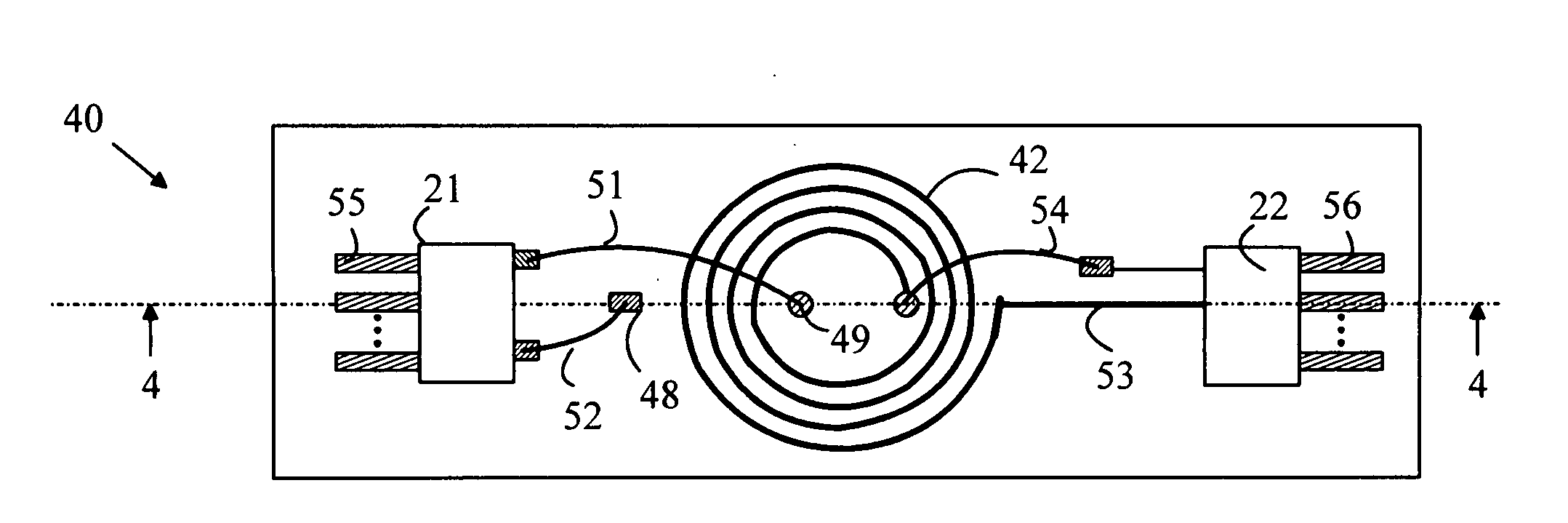
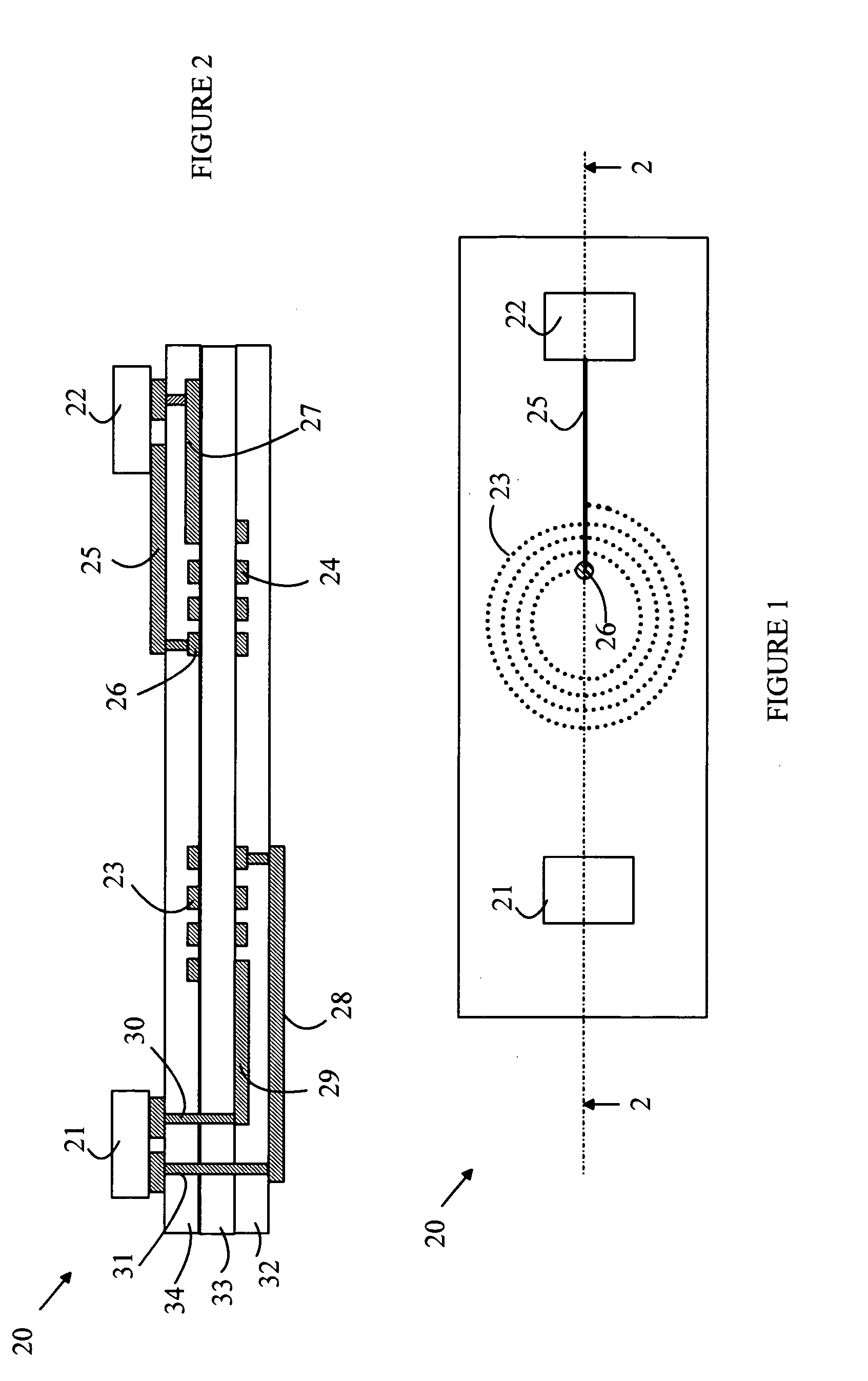
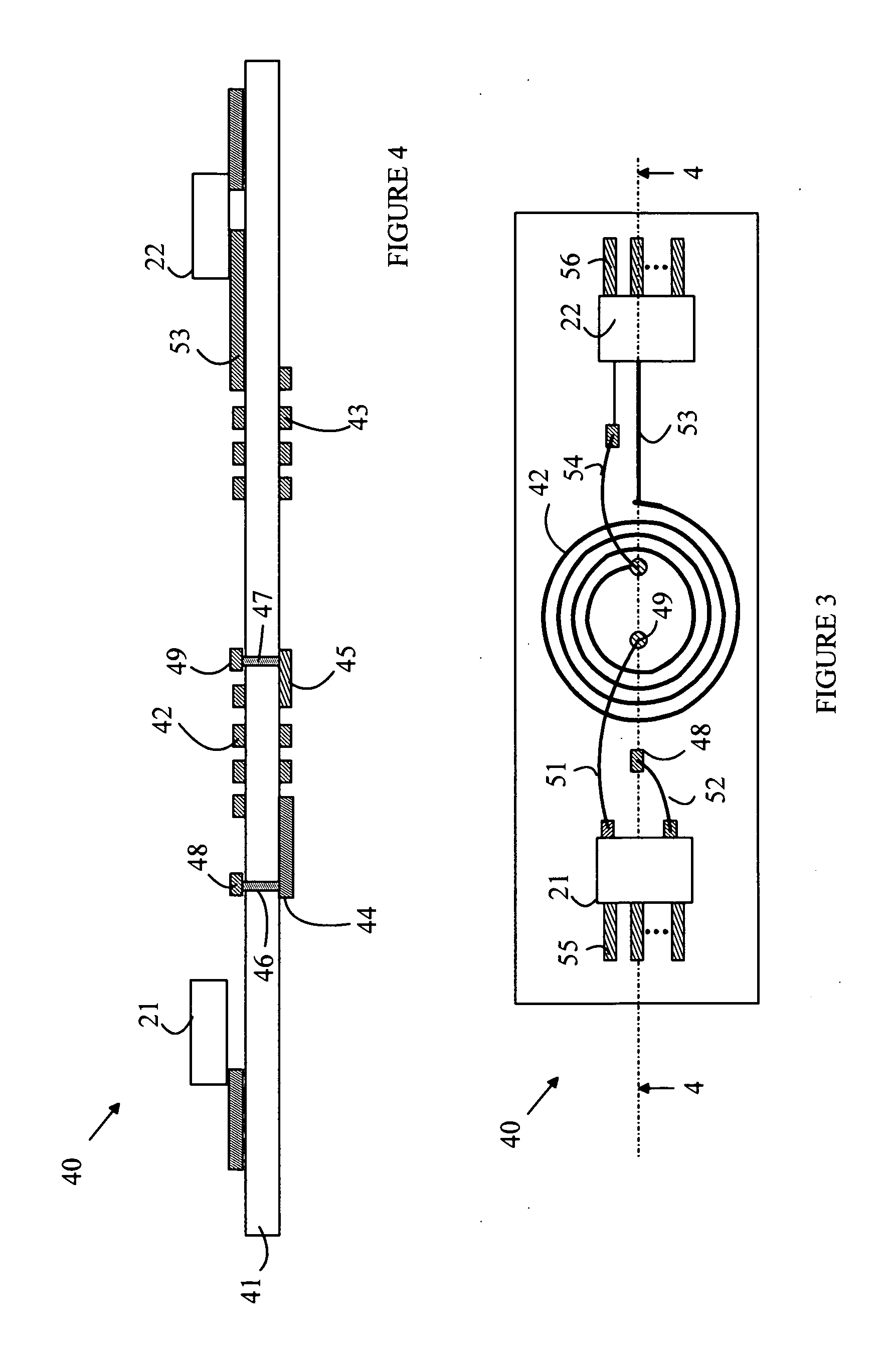
- A galvanic isolator design utilizing a split circuit element on a polymeric or polymeric/inorganic substrate with transformer, capacitor, or antenna configurations, fabricated using conventional printed circuit board techniques, allowing for flexible substrate use and reduced silicon waste, with enhanced insulation and cost-effectiveness.

Safety Standards and Regulatory Requirements
Both galvanic and optical isolation technologies must comply with stringent safety standards and regulatory requirements across various industries and geographical regions. These standards ensure reliable protection against electrical hazards, electromagnetic interference, and system failures in critical applications.
International safety standards form the foundation for isolation technology implementation. IEC 60950-1 and its successor IEC 62368-1 establish fundamental safety requirements for information technology equipment, defining creepage distances, clearance requirements, and insulation coordination principles. For medical applications, IEC 60601-1 mandates specific isolation requirements with enhanced safety margins, while industrial applications follow IEC 61010-1 standards for measurement and control equipment.
Regional regulatory frameworks add additional compliance layers. In North America, UL recognition and CSA certification are essential for market access, with UL 1577 specifically addressing optocoupler safety requirements. European markets require CE marking compliance, incorporating EN standards that align with IEC specifications but may include additional regional requirements. Asian markets, particularly China and Japan, maintain their own certification processes through CCC and JIS standards respectively.
Functional safety standards introduce performance-based requirements beyond basic electrical safety. IEC 61508 establishes the framework for functional safety in electrical systems, defining Safety Integrity Levels that directly impact isolation technology selection. Automotive applications must meet ISO 26262 standards, which specify isolation requirements for different Automotive Safety Integrity Levels, influencing both galvanic and optical isolation implementations.
Industry-specific regulations create additional compliance challenges. Medical device regulations under FDA 21 CFR Part 820 and EU MDR require extensive documentation and validation processes. Aerospace applications must comply with DO-160 environmental standards, while railway systems follow EN 50155 requirements. Each sector demands specific isolation performance characteristics, testing protocols, and documentation standards.
Testing and certification processes vary significantly between isolation technologies. Galvanic isolation typically requires high-voltage testing, partial discharge measurements, and long-term reliability assessments. Optical isolation demands photometric characterization, temperature cycling validation, and LED degradation analysis. Both technologies must demonstrate compliance through accredited testing laboratories, with certification costs and timelines varying based on target markets and application requirements.
Regulatory compliance costs represent a significant factor in technology selection decisions. Initial certification expenses, ongoing compliance monitoring, and periodic recertification requirements must be evaluated against the specific regulatory landscape of target markets and applications.
International safety standards form the foundation for isolation technology implementation. IEC 60950-1 and its successor IEC 62368-1 establish fundamental safety requirements for information technology equipment, defining creepage distances, clearance requirements, and insulation coordination principles. For medical applications, IEC 60601-1 mandates specific isolation requirements with enhanced safety margins, while industrial applications follow IEC 61010-1 standards for measurement and control equipment.
Regional regulatory frameworks add additional compliance layers. In North America, UL recognition and CSA certification are essential for market access, with UL 1577 specifically addressing optocoupler safety requirements. European markets require CE marking compliance, incorporating EN standards that align with IEC specifications but may include additional regional requirements. Asian markets, particularly China and Japan, maintain their own certification processes through CCC and JIS standards respectively.
Functional safety standards introduce performance-based requirements beyond basic electrical safety. IEC 61508 establishes the framework for functional safety in electrical systems, defining Safety Integrity Levels that directly impact isolation technology selection. Automotive applications must meet ISO 26262 standards, which specify isolation requirements for different Automotive Safety Integrity Levels, influencing both galvanic and optical isolation implementations.
Industry-specific regulations create additional compliance challenges. Medical device regulations under FDA 21 CFR Part 820 and EU MDR require extensive documentation and validation processes. Aerospace applications must comply with DO-160 environmental standards, while railway systems follow EN 50155 requirements. Each sector demands specific isolation performance characteristics, testing protocols, and documentation standards.
Testing and certification processes vary significantly between isolation technologies. Galvanic isolation typically requires high-voltage testing, partial discharge measurements, and long-term reliability assessments. Optical isolation demands photometric characterization, temperature cycling validation, and LED degradation analysis. Both technologies must demonstrate compliance through accredited testing laboratories, with certification costs and timelines varying based on target markets and application requirements.
Regulatory compliance costs represent a significant factor in technology selection decisions. Initial certification expenses, ongoing compliance monitoring, and periodic recertification requirements must be evaluated against the specific regulatory landscape of target markets and applications.
Cost-Performance Optimization Strategies
The optimization of cost-performance ratios in isolation technologies requires a systematic approach that balances initial investment, operational efficiency, and long-term reliability. Organizations must develop comprehensive strategies that consider both immediate financial constraints and future scalability requirements when selecting between galvanic and optical isolation solutions.
Performance-driven optimization begins with establishing clear metrics for evaluation, including signal integrity, bandwidth requirements, power consumption, and environmental resilience. Galvanic isolation typically offers superior cost-effectiveness for low-frequency applications where transformer-based solutions can deliver adequate performance at minimal expense. However, optical isolation becomes increasingly attractive as frequency requirements exceed several megahertz, where its inherent advantages justify higher initial costs through superior signal fidelity and reduced electromagnetic interference.
Cost reduction strategies should focus on volume procurement, standardization across product lines, and strategic supplier partnerships. Implementing modular design approaches allows organizations to leverage common isolation platforms across multiple applications, reducing both development costs and inventory complexity. Additionally, early supplier engagement during the design phase can identify cost-optimization opportunities that maintain performance specifications while reducing material expenses.
Lifecycle cost analysis reveals that optical isolation often provides better long-term value despite higher upfront costs. The enhanced reliability, reduced maintenance requirements, and extended operational lifespan of optical isolators can offset initial price premiums over typical product lifecycles. Organizations should calculate total cost of ownership including failure rates, replacement costs, and system downtime to make informed decisions.
Technology roadmap alignment ensures that current isolation choices support future product evolution. As digital systems continue advancing toward higher speeds and greater integration density, optical isolation's scalability advantages become increasingly valuable. Strategic planning should anticipate future performance requirements and select isolation technologies that can accommodate growth without requiring complete redesign.
Risk mitigation strategies must balance cost constraints with reliability requirements. Dual-sourcing critical isolation components, maintaining appropriate safety margins in performance specifications, and establishing clear qualification criteria help minimize both technical and supply chain risks while controlling costs.
Performance-driven optimization begins with establishing clear metrics for evaluation, including signal integrity, bandwidth requirements, power consumption, and environmental resilience. Galvanic isolation typically offers superior cost-effectiveness for low-frequency applications where transformer-based solutions can deliver adequate performance at minimal expense. However, optical isolation becomes increasingly attractive as frequency requirements exceed several megahertz, where its inherent advantages justify higher initial costs through superior signal fidelity and reduced electromagnetic interference.
Cost reduction strategies should focus on volume procurement, standardization across product lines, and strategic supplier partnerships. Implementing modular design approaches allows organizations to leverage common isolation platforms across multiple applications, reducing both development costs and inventory complexity. Additionally, early supplier engagement during the design phase can identify cost-optimization opportunities that maintain performance specifications while reducing material expenses.
Lifecycle cost analysis reveals that optical isolation often provides better long-term value despite higher upfront costs. The enhanced reliability, reduced maintenance requirements, and extended operational lifespan of optical isolators can offset initial price premiums over typical product lifecycles. Organizations should calculate total cost of ownership including failure rates, replacement costs, and system downtime to make informed decisions.
Technology roadmap alignment ensures that current isolation choices support future product evolution. As digital systems continue advancing toward higher speeds and greater integration density, optical isolation's scalability advantages become increasingly valuable. Strategic planning should anticipate future performance requirements and select isolation technologies that can accommodate growth without requiring complete redesign.
Risk mitigation strategies must balance cost constraints with reliability requirements. Dual-sourcing critical isolation components, maintaining appropriate safety margins in performance specifications, and establishing clear qualification criteria help minimize both technical and supply chain risks while controlling costs.
Unlock deeper insights with Patsnap Eureka Quick Research — get a full tech report to explore trends and direct your research. Try now!
Generate Your Research Report Instantly with AI Agent
Supercharge your innovation with Patsnap Eureka AI Agent Platform!