Gel Electrophoresis Applications in Drug Discovery
JUN 30, 20259 MIN READ
Generate Your Research Report Instantly with AI Agent
Patsnap Eureka helps you evaluate technical feasibility & market potential.
Gel Electrophoresis in Drug Discovery: Background and Objectives
Gel electrophoresis has been a cornerstone technique in molecular biology and biochemistry for decades, playing a crucial role in drug discovery processes. This method, which separates molecules based on their size and electrical charge, has evolved significantly since its inception in the 1930s. The technique's ability to analyze DNA, RNA, and proteins has made it an indispensable tool in pharmaceutical research and development.
The primary objective of utilizing gel electrophoresis in drug discovery is to accelerate and enhance the identification, characterization, and validation of potential drug candidates. This technique enables researchers to analyze the purity and composition of compounds, study protein-drug interactions, and assess the effects of drugs on gene expression patterns. By providing a visual representation of molecular interactions and modifications, gel electrophoresis offers valuable insights into drug mechanisms and efficacy.
In recent years, the application of gel electrophoresis in drug discovery has expanded beyond traditional uses. Advanced techniques such as two-dimensional gel electrophoresis and capillary electrophoresis have emerged, offering higher resolution and sensitivity. These innovations have allowed researchers to detect subtle changes in protein expression and post-translational modifications, which are critical in understanding drug responses at the molecular level.
The integration of gel electrophoresis with other analytical techniques, such as mass spectrometry and Western blotting, has further enhanced its utility in drug discovery. This combination of methods enables more comprehensive analysis of drug targets, biomarkers, and potential side effects. As a result, researchers can make more informed decisions in the early stages of drug development, potentially reducing the time and cost associated with bringing new therapeutics to market.
Looking ahead, the role of gel electrophoresis in drug discovery is expected to evolve alongside advancements in genomics, proteomics, and personalized medicine. The technique's ability to provide high-resolution molecular profiles aligns well with the growing trend towards precision medicine, where treatments are tailored to individual genetic and molecular characteristics. This synergy positions gel electrophoresis as a key technology in the development of targeted therapies and biomarker-based drug discovery approaches.
As the pharmaceutical industry continues to face challenges in developing novel and effective drugs, the importance of robust analytical techniques like gel electrophoresis becomes increasingly apparent. The ongoing refinement of this method, coupled with its integration into broader analytical workflows, promises to enhance our understanding of disease mechanisms and drug interactions at the molecular level, ultimately leading to more efficient and successful drug discovery processes.
The primary objective of utilizing gel electrophoresis in drug discovery is to accelerate and enhance the identification, characterization, and validation of potential drug candidates. This technique enables researchers to analyze the purity and composition of compounds, study protein-drug interactions, and assess the effects of drugs on gene expression patterns. By providing a visual representation of molecular interactions and modifications, gel electrophoresis offers valuable insights into drug mechanisms and efficacy.
In recent years, the application of gel electrophoresis in drug discovery has expanded beyond traditional uses. Advanced techniques such as two-dimensional gel electrophoresis and capillary electrophoresis have emerged, offering higher resolution and sensitivity. These innovations have allowed researchers to detect subtle changes in protein expression and post-translational modifications, which are critical in understanding drug responses at the molecular level.
The integration of gel electrophoresis with other analytical techniques, such as mass spectrometry and Western blotting, has further enhanced its utility in drug discovery. This combination of methods enables more comprehensive analysis of drug targets, biomarkers, and potential side effects. As a result, researchers can make more informed decisions in the early stages of drug development, potentially reducing the time and cost associated with bringing new therapeutics to market.
Looking ahead, the role of gel electrophoresis in drug discovery is expected to evolve alongside advancements in genomics, proteomics, and personalized medicine. The technique's ability to provide high-resolution molecular profiles aligns well with the growing trend towards precision medicine, where treatments are tailored to individual genetic and molecular characteristics. This synergy positions gel electrophoresis as a key technology in the development of targeted therapies and biomarker-based drug discovery approaches.
As the pharmaceutical industry continues to face challenges in developing novel and effective drugs, the importance of robust analytical techniques like gel electrophoresis becomes increasingly apparent. The ongoing refinement of this method, coupled with its integration into broader analytical workflows, promises to enhance our understanding of disease mechanisms and drug interactions at the molecular level, ultimately leading to more efficient and successful drug discovery processes.
Market Demand Analysis for Gel Electrophoresis in Pharmaceuticals
The pharmaceutical industry's demand for gel electrophoresis has been steadily increasing, driven by the critical role this technique plays in drug discovery and development processes. Gel electrophoresis serves as a fundamental tool for analyzing and separating biomolecules, particularly proteins and nucleic acids, which are essential in identifying potential drug targets and evaluating drug efficacy.
In recent years, the global market for gel electrophoresis in pharmaceuticals has experienced significant growth. This expansion is primarily attributed to the rising investments in research and development activities by pharmaceutical companies, coupled with the increasing prevalence of chronic diseases that necessitate novel therapeutic interventions. The technique's versatility in applications such as protein characterization, DNA fragment analysis, and quality control of biopharmaceuticals has further bolstered its market demand.
The pharmaceutical sector's shift towards personalized medicine and biologics has also contributed to the increased adoption of gel electrophoresis. As these areas require more sophisticated molecular analysis, the demand for advanced gel electrophoresis systems and consumables has surged. Additionally, the growing focus on proteomics and genomics research in drug discovery has created new opportunities for gel electrophoresis applications, further expanding its market potential.
Geographically, North America and Europe continue to dominate the gel electrophoresis market in pharmaceuticals, owing to the presence of major pharmaceutical companies and research institutions. However, emerging markets in Asia-Pacific, particularly China and India, are witnessing rapid growth due to increasing investments in life sciences research and the expansion of pharmaceutical manufacturing capabilities.
The COVID-19 pandemic has also influenced the market dynamics, with a temporary surge in demand for gel electrophoresis in vaccine development and diagnostic applications. This unexpected boost has highlighted the technique's importance in addressing global health challenges and is likely to have a lasting impact on its market growth.
Looking ahead, the market for gel electrophoresis in pharmaceuticals is expected to continue its upward trajectory. Factors such as technological advancements in gel electrophoresis systems, the integration of automation and high-throughput capabilities, and the development of more sensitive and specific reagents are anticipated to drive further market expansion. Moreover, the increasing focus on biomarker discovery and validation in drug development processes is likely to create sustained demand for gel electrophoresis techniques in the pharmaceutical industry.
In recent years, the global market for gel electrophoresis in pharmaceuticals has experienced significant growth. This expansion is primarily attributed to the rising investments in research and development activities by pharmaceutical companies, coupled with the increasing prevalence of chronic diseases that necessitate novel therapeutic interventions. The technique's versatility in applications such as protein characterization, DNA fragment analysis, and quality control of biopharmaceuticals has further bolstered its market demand.
The pharmaceutical sector's shift towards personalized medicine and biologics has also contributed to the increased adoption of gel electrophoresis. As these areas require more sophisticated molecular analysis, the demand for advanced gel electrophoresis systems and consumables has surged. Additionally, the growing focus on proteomics and genomics research in drug discovery has created new opportunities for gel electrophoresis applications, further expanding its market potential.
Geographically, North America and Europe continue to dominate the gel electrophoresis market in pharmaceuticals, owing to the presence of major pharmaceutical companies and research institutions. However, emerging markets in Asia-Pacific, particularly China and India, are witnessing rapid growth due to increasing investments in life sciences research and the expansion of pharmaceutical manufacturing capabilities.
The COVID-19 pandemic has also influenced the market dynamics, with a temporary surge in demand for gel electrophoresis in vaccine development and diagnostic applications. This unexpected boost has highlighted the technique's importance in addressing global health challenges and is likely to have a lasting impact on its market growth.
Looking ahead, the market for gel electrophoresis in pharmaceuticals is expected to continue its upward trajectory. Factors such as technological advancements in gel electrophoresis systems, the integration of automation and high-throughput capabilities, and the development of more sensitive and specific reagents are anticipated to drive further market expansion. Moreover, the increasing focus on biomarker discovery and validation in drug development processes is likely to create sustained demand for gel electrophoresis techniques in the pharmaceutical industry.
Current Challenges in Gel Electrophoresis for Drug Research
Gel electrophoresis remains a cornerstone technique in drug discovery, yet it faces several challenges that limit its effectiveness in modern research environments. One of the primary issues is the time-consuming nature of the process, which can significantly slow down high-throughput screening efforts. Traditional gel electrophoresis methods often require hours to complete, creating bottlenecks in drug development pipelines where rapid analysis is crucial.
Another challenge lies in the resolution and sensitivity of gel electrophoresis, particularly when dealing with complex biological samples. As drug candidates become more sophisticated and targeted, the ability to detect and separate minute quantities of compounds or subtle structural differences becomes increasingly important. Current gel electrophoresis techniques may struggle to provide the level of detail required for advanced drug research, especially when analyzing large biomolecules or closely related compounds.
Reproducibility is also a significant concern in gel electrophoresis for drug research. Variations in gel preparation, running conditions, and sample loading can lead to inconsistent results across experiments or between different laboratories. This lack of standardization can hinder the validation of drug candidates and complicate regulatory approval processes, which rely heavily on reproducible and reliable data.
The limited sample capacity of traditional gel electrophoresis systems poses another challenge. In drug discovery, where large libraries of compounds need to be screened, the ability to analyze multiple samples simultaneously is crucial. Current gel systems often have restrictions on the number of samples that can be run concurrently, limiting throughput and efficiency.
Additionally, the qualitative nature of many gel electrophoresis techniques presents difficulties in drug research, where quantitative data is often required. While densitometry can provide some level of quantification, it may not offer the precision needed for detailed pharmacokinetic or pharmacodynamic studies. This limitation can impact the accuracy of drug potency assessments and dose-response analyses.
Environmental concerns and safety issues associated with certain gel electrophoresis reagents, such as ethidium bromide, also present challenges. As research institutions and pharmaceutical companies strive for more sustainable and safer practices, finding alternatives that maintain performance while reducing environmental impact and health risks becomes increasingly important.
Lastly, the integration of gel electrophoresis data with other analytical techniques and bioinformatics platforms remains a challenge. In modern drug discovery, the ability to seamlessly combine data from multiple sources is crucial for comprehensive analysis. Improving data compatibility and developing more sophisticated software tools for gel electrophoresis analysis and integration are areas that require further advancement to enhance its utility in drug research.
Another challenge lies in the resolution and sensitivity of gel electrophoresis, particularly when dealing with complex biological samples. As drug candidates become more sophisticated and targeted, the ability to detect and separate minute quantities of compounds or subtle structural differences becomes increasingly important. Current gel electrophoresis techniques may struggle to provide the level of detail required for advanced drug research, especially when analyzing large biomolecules or closely related compounds.
Reproducibility is also a significant concern in gel electrophoresis for drug research. Variations in gel preparation, running conditions, and sample loading can lead to inconsistent results across experiments or between different laboratories. This lack of standardization can hinder the validation of drug candidates and complicate regulatory approval processes, which rely heavily on reproducible and reliable data.
The limited sample capacity of traditional gel electrophoresis systems poses another challenge. In drug discovery, where large libraries of compounds need to be screened, the ability to analyze multiple samples simultaneously is crucial. Current gel systems often have restrictions on the number of samples that can be run concurrently, limiting throughput and efficiency.
Additionally, the qualitative nature of many gel electrophoresis techniques presents difficulties in drug research, where quantitative data is often required. While densitometry can provide some level of quantification, it may not offer the precision needed for detailed pharmacokinetic or pharmacodynamic studies. This limitation can impact the accuracy of drug potency assessments and dose-response analyses.
Environmental concerns and safety issues associated with certain gel electrophoresis reagents, such as ethidium bromide, also present challenges. As research institutions and pharmaceutical companies strive for more sustainable and safer practices, finding alternatives that maintain performance while reducing environmental impact and health risks becomes increasingly important.
Lastly, the integration of gel electrophoresis data with other analytical techniques and bioinformatics platforms remains a challenge. In modern drug discovery, the ability to seamlessly combine data from multiple sources is crucial for comprehensive analysis. Improving data compatibility and developing more sophisticated software tools for gel electrophoresis analysis and integration are areas that require further advancement to enhance its utility in drug research.
Existing Gel Electrophoresis Methods in Drug Development
01 Gel composition and preparation
Various gel compositions and preparation methods are used in gel electrophoresis. These include specific formulations of agarose or polyacrylamide gels, as well as techniques for creating gradient gels. The composition and preparation of the gel matrix are crucial for achieving optimal separation of molecules based on their size and charge.- Gel composition and preparation: Various gel compositions and preparation methods are used in gel electrophoresis. These include specific formulations of polyacrylamide gels, agarose gels, and other polymer-based gels. The composition and preparation of these gels are crucial for achieving optimal separation of biomolecules based on their size and charge.
- Electrophoresis apparatus design: Innovations in electrophoresis apparatus design focus on improving efficiency, resolution, and ease of use. These designs may include novel electrode configurations, buffer systems, and sample loading mechanisms. Some apparatus designs also incorporate features for temperature control and real-time monitoring of the separation process.
- Detection and analysis methods: Advanced detection and analysis methods are developed to enhance the visualization and quantification of separated biomolecules. These may include fluorescence-based detection, chemiluminescence, and various staining techniques. Some methods also incorporate image analysis software for automated data interpretation and result reporting.
- Microfluidic and miniaturized systems: Miniaturized gel electrophoresis systems, including microfluidic devices, are developed to reduce sample volume requirements and increase throughput. These systems often integrate sample preparation, separation, and detection steps into a single device, offering advantages in terms of speed, sensitivity, and automation.
- Specialized applications and modifications: Specialized gel electrophoresis techniques are developed for specific applications, such as DNA sequencing, protein analysis, and clinical diagnostics. These may involve modifications to the gel composition, running conditions, or detection methods to optimize separation and analysis for particular types of biomolecules or sample matrices.
02 Electrophoresis apparatus design
Innovations in electrophoresis apparatus design focus on improving efficiency, resolution, and ease of use. These designs may include novel electrode configurations, buffer circulation systems, or integrated cooling mechanisms to enhance separation quality and reduce run times.Expand Specific Solutions03 Detection and analysis methods
Advanced detection and analysis methods are developed to visualize and quantify separated molecules in gel electrophoresis. These may include fluorescence-based detection, image analysis software, or integration with mass spectrometry for more detailed molecular characterization.Expand Specific Solutions04 Microfluidic and miniaturized systems
Miniaturized gel electrophoresis systems, often integrated into microfluidic devices, are developed for rapid and high-throughput analysis. These systems may incorporate novel fabrication techniques, on-chip sample preparation, or integration with other analytical methods.Expand Specific Solutions05 Sample preparation and loading techniques
Improved methods for sample preparation and loading are developed to enhance the resolution and reproducibility of gel electrophoresis. These may include novel buffer formulations, sample concentration techniques, or automated loading systems to minimize human error and increase throughput.Expand Specific Solutions
Key Players in Gel Electrophoresis and Pharmaceutical Industry
The gel electrophoresis market for drug discovery applications is in a mature growth phase, with a global market size estimated to exceed $1 billion. The technology's maturity is evident from its widespread adoption across pharmaceutical and biotechnology industries. Key players like Life Technologies Corp., Agilent Technologies, and Bio-Rad Laboratories have established strong market positions, offering advanced systems and consumables. These companies, along with others such as Sage Science and Beckman Coulter, continue to innovate, focusing on improving resolution, automation, and integration with other analytical techniques. The competitive landscape is characterized by ongoing R&D efforts to enhance efficiency and accuracy in drug discovery processes, with emerging players like Cytiva Sweden AB also making significant contributions to the field.
Agilent Technologies, Inc.
Technical Solution: Agilent Technologies has developed advanced gel electrophoresis systems specifically tailored for drug discovery applications. Their 2100 Bioanalyzer system utilizes microfluidic chip-based technology to perform automated electrophoresis, enabling high-resolution separation of nucleic acids and proteins[1]. This system integrates sample loading, separation, staining, destaining, detection, and data analysis into a single platform. For drug discovery, Agilent's technology allows for rapid screening of potential drug candidates by analyzing their interactions with target proteins or nucleic acids. The company has also introduced the TapeStation system, which uses pre-packaged gel cartridges for even faster and more convenient electrophoretic analysis[2]. These innovations significantly streamline the drug discovery process by providing quick, accurate, and reproducible results for compound screening and characterization.
Strengths: High-throughput capability, automation, and integration of multiple steps. Weaknesses: Higher initial cost compared to traditional gel electrophoresis systems, and potential limitations in analyzing very large molecules.
Bio-Rad Laboratories, Inc.
Technical Solution: Bio-Rad Laboratories has developed innovative gel electrophoresis technologies for drug discovery applications. Their CHEF (Contour-clamped Homogeneous Electric Field) system allows for the separation of large DNA molecules, which is crucial for genomic analysis in drug target identification[3]. Bio-Rad's V3 Western Workflow combines traditional gel electrophoresis with their proprietary stain-free technology and chemiluminescence detection, enabling rapid and sensitive protein analysis for drug screening and validation[4]. The company's Mini-PROTEAN precast gels and buffer systems offer standardized, reproducible results for protein separation, essential for consistent drug candidate evaluation. Additionally, Bio-Rad's Digital Droplet PCR (ddPCR) technology, while not strictly gel-based, complements gel electrophoresis by providing absolute quantification of nucleic acids, enhancing the accuracy of drug target analysis and validation studies[5].
Strengths: Wide range of specialized electrophoresis products, high reproducibility, and integration with other analytical techniques. Weaknesses: Some systems may require significant technical expertise to operate effectively.
Innovative Gel Electrophoresis Technologies for Drug Screening
Gelling Electrophoresis Loading Buffer
PatentInactiveUS20070240991A1
Innovation
- A sample buffer comprising a macromolecule, solvent, and solute is used, which remains in a liquid state until converted to a gel upon contact with the electrophoresis device, eliminating mixing with the running buffer and allowing for sharper, more concentrated sample application, especially suitable for multiple tray gel electrophoresis devices.
Multichannel preparative electrophoresis system
PatentActiveUS20100126862A1
Innovation
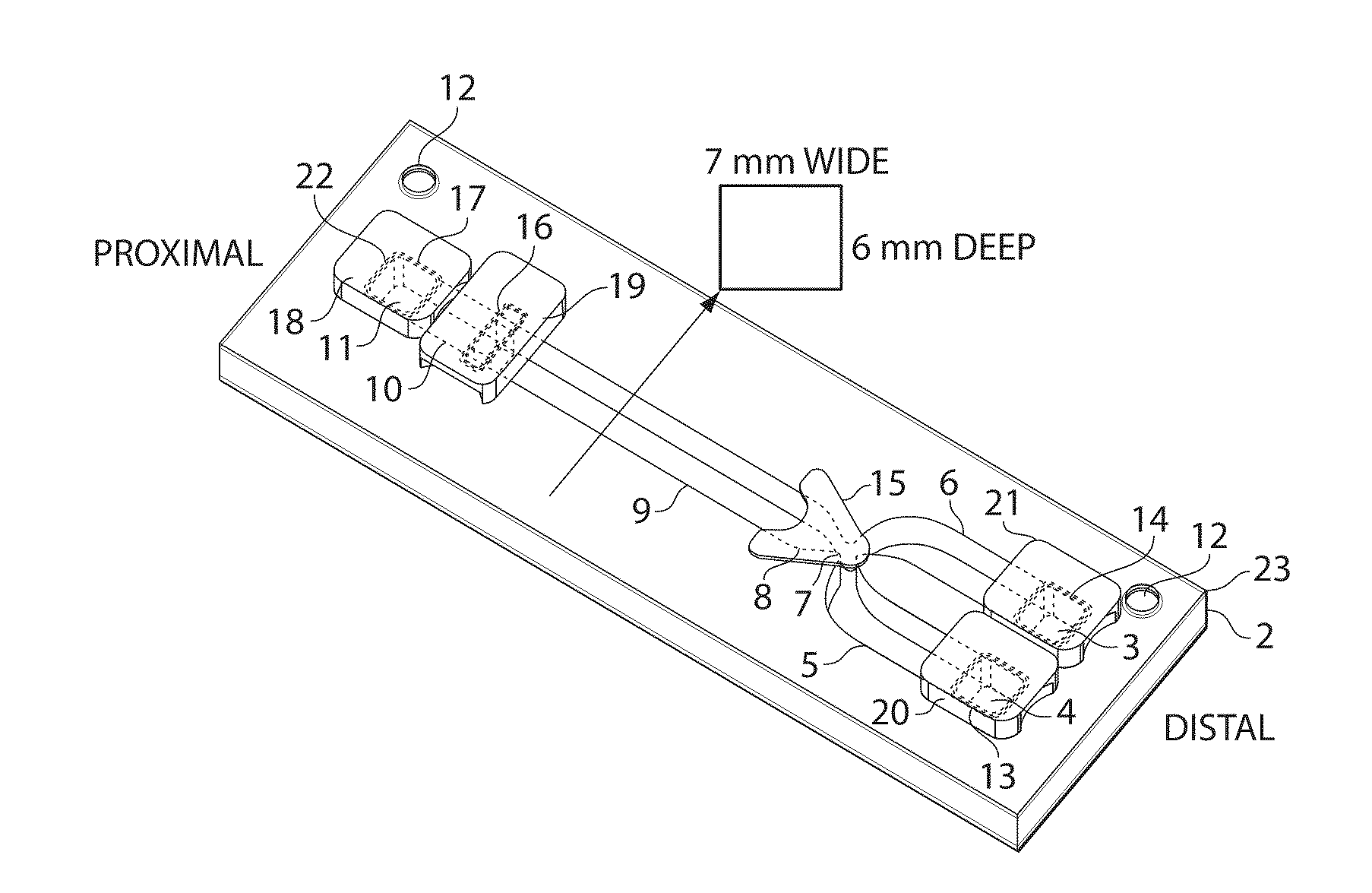
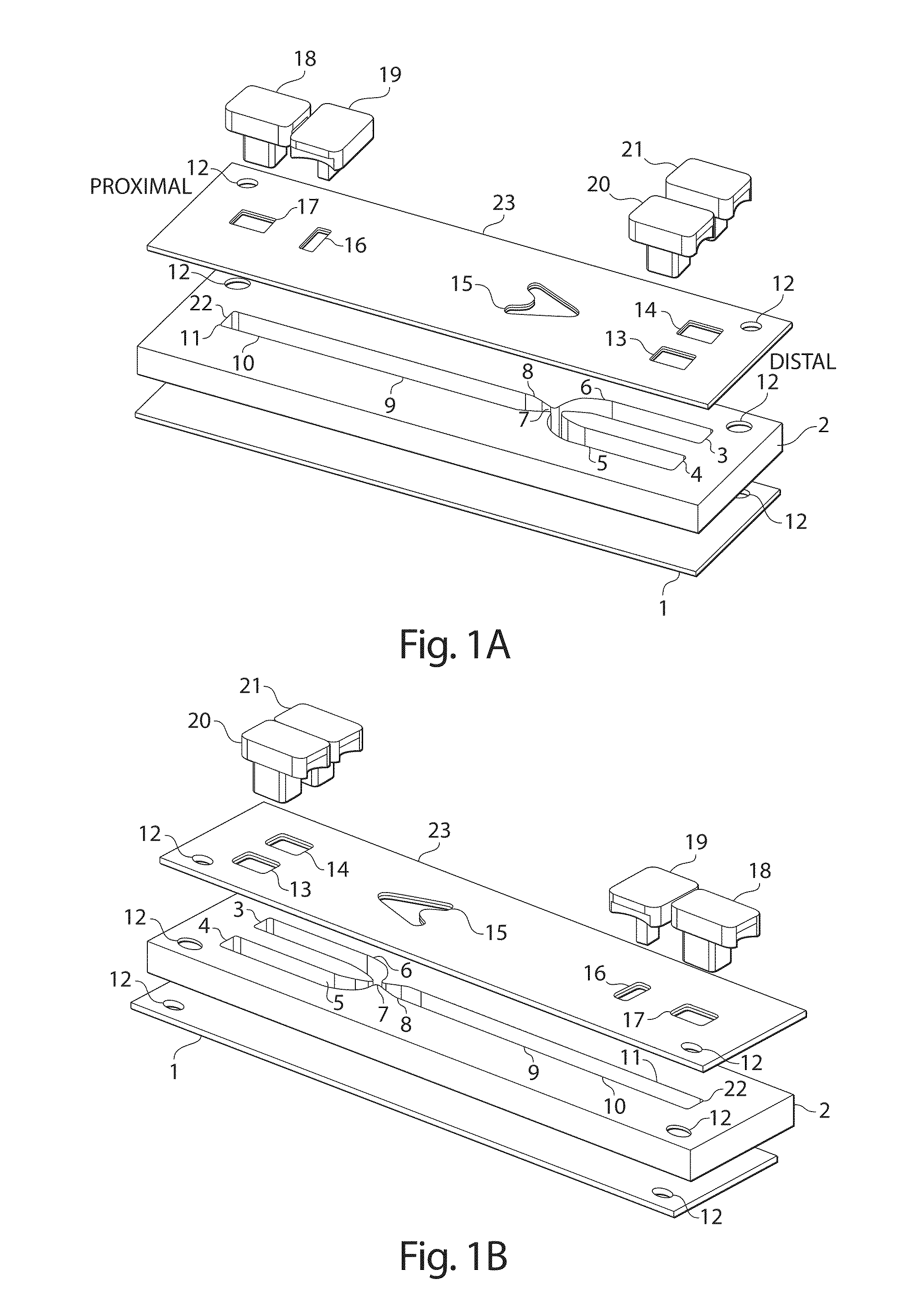
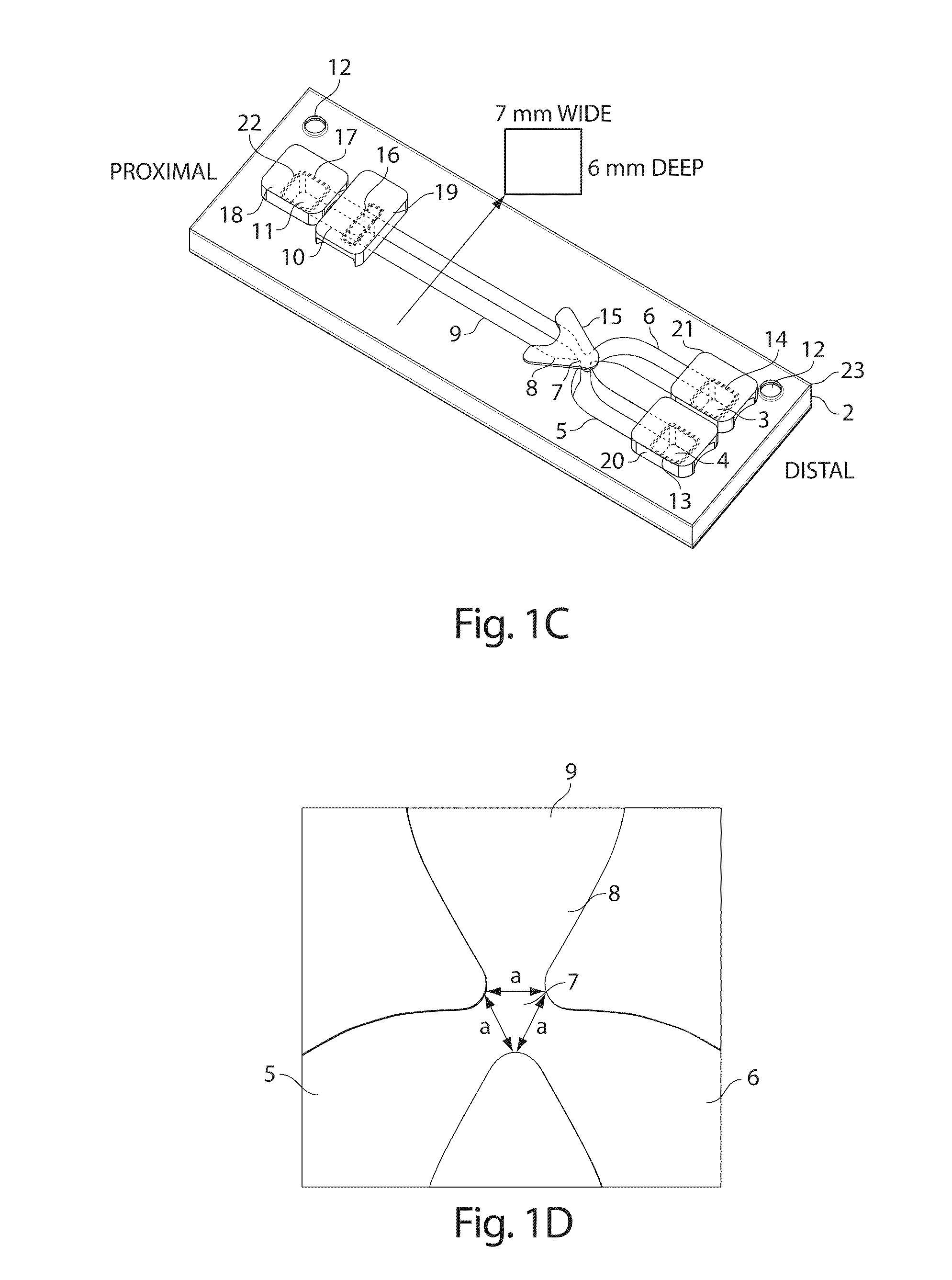
- The development of electrophoresis cassettes with macrofluidic separation channels and an integrated elution chamber system that allows for the fractionation and extraction of nucleic acids or proteins by drawing them across an analyte-permeable barrier into an elution chamber, using a gel matrix and buffer compositions that solidify within the cassette.
Regulatory Considerations for Gel Electrophoresis in Drug Research
Regulatory considerations play a crucial role in the application of gel electrophoresis in drug research and development. As this technique is widely used in various stages of drug discovery, it is subject to stringent regulatory oversight to ensure the reliability, reproducibility, and safety of the results obtained.
The U.S. Food and Drug Administration (FDA) and the European Medicines Agency (EMA) have established guidelines for the use of gel electrophoresis in drug research. These guidelines emphasize the importance of method validation, quality control, and documentation throughout the drug development process.
One key regulatory aspect is the validation of gel electrophoresis methods. Researchers must demonstrate that their chosen method is suitable for its intended purpose, providing accurate and consistent results. This includes establishing parameters such as specificity, linearity, precision, and robustness. Additionally, the validation process should address potential sources of variability, such as differences in gel composition, running conditions, and staining techniques.
Quality control measures are another critical regulatory consideration. Laboratories must implement and maintain a comprehensive quality management system that covers all aspects of gel electrophoresis, from sample preparation to data analysis. This includes regular calibration and maintenance of equipment, use of certified reference materials, and implementation of standard operating procedures (SOPs) to ensure consistency across experiments.
Data integrity and traceability are paramount in regulatory compliance. Researchers must maintain detailed records of all gel electrophoresis experiments, including raw data, analysis methods, and results interpretation. Electronic data management systems should be validated and comply with 21 CFR Part 11 requirements for electronic records and signatures.
The use of gel electrophoresis in Good Laboratory Practice (GLP) and Good Manufacturing Practice (GMP) environments requires additional considerations. These include personnel training and qualification, equipment qualification, and the establishment of formal change control procedures.
As gel electrophoresis is often used in the characterization of biopharmaceuticals, regulatory bodies have specific guidelines for its application in this context. For instance, the International Conference on Harmonisation (ICH) guideline Q6B addresses the use of electrophoretic techniques for the characterization of biotechnology products.
Regulatory agencies also emphasize the importance of using appropriate controls and standards in gel electrophoresis experiments. This includes the use of molecular weight markers, positive and negative controls, and internal standards to ensure the validity and comparability of results across different experiments and laboratories.
The U.S. Food and Drug Administration (FDA) and the European Medicines Agency (EMA) have established guidelines for the use of gel electrophoresis in drug research. These guidelines emphasize the importance of method validation, quality control, and documentation throughout the drug development process.
One key regulatory aspect is the validation of gel electrophoresis methods. Researchers must demonstrate that their chosen method is suitable for its intended purpose, providing accurate and consistent results. This includes establishing parameters such as specificity, linearity, precision, and robustness. Additionally, the validation process should address potential sources of variability, such as differences in gel composition, running conditions, and staining techniques.
Quality control measures are another critical regulatory consideration. Laboratories must implement and maintain a comprehensive quality management system that covers all aspects of gel electrophoresis, from sample preparation to data analysis. This includes regular calibration and maintenance of equipment, use of certified reference materials, and implementation of standard operating procedures (SOPs) to ensure consistency across experiments.
Data integrity and traceability are paramount in regulatory compliance. Researchers must maintain detailed records of all gel electrophoresis experiments, including raw data, analysis methods, and results interpretation. Electronic data management systems should be validated and comply with 21 CFR Part 11 requirements for electronic records and signatures.
The use of gel electrophoresis in Good Laboratory Practice (GLP) and Good Manufacturing Practice (GMP) environments requires additional considerations. These include personnel training and qualification, equipment qualification, and the establishment of formal change control procedures.
As gel electrophoresis is often used in the characterization of biopharmaceuticals, regulatory bodies have specific guidelines for its application in this context. For instance, the International Conference on Harmonisation (ICH) guideline Q6B addresses the use of electrophoretic techniques for the characterization of biotechnology products.
Regulatory agencies also emphasize the importance of using appropriate controls and standards in gel electrophoresis experiments. This includes the use of molecular weight markers, positive and negative controls, and internal standards to ensure the validity and comparability of results across different experiments and laboratories.
Cost-Benefit Analysis of Gel Electrophoresis in Drug Discovery
Gel electrophoresis has become an indispensable tool in drug discovery, offering significant benefits in various stages of the drug development process. However, its implementation also comes with associated costs that must be carefully considered. This cost-benefit analysis aims to provide a comprehensive evaluation of gel electrophoresis in drug discovery.
The primary benefit of gel electrophoresis lies in its ability to separate and analyze complex mixtures of biomolecules, such as proteins and nucleic acids. This capability is crucial for identifying potential drug targets, screening compound libraries, and assessing drug-target interactions. The technique's high resolution and sensitivity allow researchers to detect even minor changes in molecular composition, which is essential for understanding drug mechanisms and optimizing lead compounds.
Furthermore, gel electrophoresis offers excellent reproducibility and reliability, ensuring consistent results across multiple experiments. This reliability is particularly valuable in the drug discovery process, where accurate and repeatable data are essential for making informed decisions about which compounds to pursue further.
The technique's versatility is another significant advantage. Various types of gel electrophoresis, such as polyacrylamide gel electrophoresis (PAGE) and agarose gel electrophoresis, can be employed depending on the specific requirements of the drug discovery project. This flexibility allows researchers to adapt their approach to different molecular targets and stages of the drug development pipeline.
However, the implementation of gel electrophoresis in drug discovery also incurs substantial costs. The initial investment in equipment, including electrophoresis apparatus, power supplies, and imaging systems, can be significant. Additionally, ongoing expenses for consumables such as gels, buffers, and staining reagents must be factored into the overall cost.
Labor costs associated with gel electrophoresis can also be considerable. The technique requires skilled personnel to prepare samples, run gels, and interpret results. Training staff and maintaining their expertise adds to the overall expense of implementing this technology in drug discovery programs.
Time is another critical factor to consider. While gel electrophoresis can provide valuable data, the process can be time-consuming, potentially slowing down the drug discovery pipeline. This time investment must be weighed against the quality and relevance of the information obtained.
Despite these costs, the benefits of gel electrophoresis in drug discovery often outweigh the expenses. The technique's ability to provide crucial insights into molecular interactions and drug behavior can significantly reduce the risk of failure in later stages of drug development. By identifying promising candidates and eliminating unsuitable compounds early in the process, gel electrophoresis can ultimately save time and resources in the long run.
In conclusion, while gel electrophoresis requires substantial investment in equipment, consumables, and personnel, its contributions to the drug discovery process are invaluable. The technique's ability to provide high-quality, reliable data on molecular interactions and drug behavior makes it a cost-effective tool in the long-term perspective of drug development.
The primary benefit of gel electrophoresis lies in its ability to separate and analyze complex mixtures of biomolecules, such as proteins and nucleic acids. This capability is crucial for identifying potential drug targets, screening compound libraries, and assessing drug-target interactions. The technique's high resolution and sensitivity allow researchers to detect even minor changes in molecular composition, which is essential for understanding drug mechanisms and optimizing lead compounds.
Furthermore, gel electrophoresis offers excellent reproducibility and reliability, ensuring consistent results across multiple experiments. This reliability is particularly valuable in the drug discovery process, where accurate and repeatable data are essential for making informed decisions about which compounds to pursue further.
The technique's versatility is another significant advantage. Various types of gel electrophoresis, such as polyacrylamide gel electrophoresis (PAGE) and agarose gel electrophoresis, can be employed depending on the specific requirements of the drug discovery project. This flexibility allows researchers to adapt their approach to different molecular targets and stages of the drug development pipeline.
However, the implementation of gel electrophoresis in drug discovery also incurs substantial costs. The initial investment in equipment, including electrophoresis apparatus, power supplies, and imaging systems, can be significant. Additionally, ongoing expenses for consumables such as gels, buffers, and staining reagents must be factored into the overall cost.
Labor costs associated with gel electrophoresis can also be considerable. The technique requires skilled personnel to prepare samples, run gels, and interpret results. Training staff and maintaining their expertise adds to the overall expense of implementing this technology in drug discovery programs.
Time is another critical factor to consider. While gel electrophoresis can provide valuable data, the process can be time-consuming, potentially slowing down the drug discovery pipeline. This time investment must be weighed against the quality and relevance of the information obtained.
Despite these costs, the benefits of gel electrophoresis in drug discovery often outweigh the expenses. The technique's ability to provide crucial insights into molecular interactions and drug behavior can significantly reduce the risk of failure in later stages of drug development. By identifying promising candidates and eliminating unsuitable compounds early in the process, gel electrophoresis can ultimately save time and resources in the long run.
In conclusion, while gel electrophoresis requires substantial investment in equipment, consumables, and personnel, its contributions to the drug discovery process are invaluable. The technique's ability to provide high-quality, reliable data on molecular interactions and drug behavior makes it a cost-effective tool in the long-term perspective of drug development.
Unlock deeper insights with Patsnap Eureka Quick Research — get a full tech report to explore trends and direct your research. Try now!
Generate Your Research Report Instantly with AI Agent
Supercharge your innovation with Patsnap Eureka AI Agent Platform!