

Grid-forming Inverter vs SCR: Controlling Grid Dynamics
APR 7, 20269 MIN READ
Generate Your Research Report Instantly with AI Agent
PatSnap Eureka helps you evaluate technical feasibility & market potential.
Grid-forming Inverter Technology Background and Objectives
Grid-forming inverters represent a paradigm shift in power electronics technology, emerging from the fundamental need to address grid stability challenges in modern electrical systems. Unlike traditional grid-following inverters that rely on a strong grid reference for synchronization, grid-forming inverters possess the capability to independently establish and maintain voltage and frequency references, effectively creating their own grid parameters.
The evolution of grid-forming technology stems from the increasing penetration of renewable energy sources and the gradual retirement of conventional synchronous generators. Traditional power systems relied heavily on the inherent inertia and stability characteristics of rotating machines, which naturally provided grid support through their physical properties. As these conventional sources are replaced by inverter-based resources, the grid loses its natural stability mechanisms, creating a critical need for advanced inverter technologies.
Grid-forming inverters address this challenge by emulating the behavior of synchronous machines through sophisticated control algorithms. They can operate in islanded conditions, provide voltage and frequency support, and contribute to grid stability through virtual inertia and damping characteristics. This capability positions them as essential components for future power systems with high renewable energy penetration.
The primary technical objectives of grid-forming inverter development focus on several key areas. First, achieving seamless transition between grid-connected and islanded operation modes without compromising system stability. Second, providing robust voltage and frequency regulation capabilities that can respond to grid disturbances faster than traditional mechanical systems. Third, implementing advanced control strategies that can coordinate with other grid-forming units to maintain system-wide stability.
Another critical objective involves developing standardized control frameworks that ensure interoperability between different manufacturers' equipment. This includes establishing common communication protocols and control interfaces that enable coordinated operation of multiple grid-forming inverters within the same network.
The technology also aims to enhance grid resilience by providing black-start capabilities, enabling power system restoration after complete blackouts without relying on external grid references. This autonomous operation capability represents a significant advancement over conventional inverter technologies and addresses critical infrastructure reliability concerns.
Current development efforts concentrate on optimizing the balance between stability and performance, ensuring that grid-forming inverters can maintain stable operation under various grid conditions while providing the necessary dynamic response characteristics required for modern power system operation.
The evolution of grid-forming technology stems from the increasing penetration of renewable energy sources and the gradual retirement of conventional synchronous generators. Traditional power systems relied heavily on the inherent inertia and stability characteristics of rotating machines, which naturally provided grid support through their physical properties. As these conventional sources are replaced by inverter-based resources, the grid loses its natural stability mechanisms, creating a critical need for advanced inverter technologies.
Grid-forming inverters address this challenge by emulating the behavior of synchronous machines through sophisticated control algorithms. They can operate in islanded conditions, provide voltage and frequency support, and contribute to grid stability through virtual inertia and damping characteristics. This capability positions them as essential components for future power systems with high renewable energy penetration.
The primary technical objectives of grid-forming inverter development focus on several key areas. First, achieving seamless transition between grid-connected and islanded operation modes without compromising system stability. Second, providing robust voltage and frequency regulation capabilities that can respond to grid disturbances faster than traditional mechanical systems. Third, implementing advanced control strategies that can coordinate with other grid-forming units to maintain system-wide stability.
Another critical objective involves developing standardized control frameworks that ensure interoperability between different manufacturers' equipment. This includes establishing common communication protocols and control interfaces that enable coordinated operation of multiple grid-forming inverters within the same network.
The technology also aims to enhance grid resilience by providing black-start capabilities, enabling power system restoration after complete blackouts without relying on external grid references. This autonomous operation capability represents a significant advancement over conventional inverter technologies and addresses critical infrastructure reliability concerns.
Current development efforts concentrate on optimizing the balance between stability and performance, ensuring that grid-forming inverters can maintain stable operation under various grid conditions while providing the necessary dynamic response characteristics required for modern power system operation.
Market Demand for Advanced Grid Control Solutions
The global energy landscape is experiencing unprecedented transformation driven by the urgent need for grid modernization and renewable energy integration. Traditional power grids, designed for centralized fossil fuel generation, face mounting challenges in accommodating distributed renewable resources while maintaining stability and reliability. This fundamental shift has created substantial market demand for advanced grid control solutions that can effectively manage bidirectional power flows, voltage regulation, and frequency stability.
Grid-forming inverters represent a critical technology advancement addressing the limitations of conventional grid-following systems. Unlike traditional inverters that require a stable grid reference, grid-forming inverters can independently establish voltage and frequency references, enabling autonomous operation during grid disturbances. This capability is particularly valuable in microgrids, islanded operations, and weak grid conditions where conventional solutions struggle to maintain stability.
The market demand for sophisticated grid control technologies has intensified as renewable energy penetration increases globally. Wind and solar installations create inherent variability and reduced system inertia, challenging traditional grid stability mechanisms. Utilities and grid operators increasingly require solutions that can provide synthetic inertia, fast frequency response, and seamless transitions between grid-connected and islanded modes of operation.
Silicon Controlled Rectifiers have historically served as fundamental power control devices in high-voltage transmission systems and industrial applications. However, their limitations in providing rapid dynamic response and bidirectional power flow control have become apparent in modern grid applications. The market increasingly demands more flexible and responsive control solutions capable of millisecond-level adjustments to maintain grid stability.
Industrial and commercial sectors are driving significant demand for advanced grid control solutions to ensure power quality and operational continuity. Data centers, manufacturing facilities, and critical infrastructure require uninterrupted power supply with precise voltage and frequency control. These applications necessitate sophisticated control systems that can seamlessly manage multiple power sources and loads while maintaining optimal power quality standards.
The emergence of electric vehicle charging infrastructure and energy storage systems has further amplified market demand for advanced grid control technologies. These applications require bidirectional power flow management, peak shaving capabilities, and grid support services that traditional control methods cannot adequately provide. Grid-forming inverters offer superior performance in these applications through their ability to provide ancillary services and maintain grid stability during dynamic loading conditions.
Regulatory frameworks and grid codes worldwide are evolving to mandate enhanced grid support capabilities from distributed energy resources. These requirements are creating substantial market opportunities for advanced control solutions that can provide fault ride-through capabilities, voltage support, and frequency regulation services, positioning grid-forming inverter technology as a critical component in future grid infrastructure development.
Grid-forming inverters represent a critical technology advancement addressing the limitations of conventional grid-following systems. Unlike traditional inverters that require a stable grid reference, grid-forming inverters can independently establish voltage and frequency references, enabling autonomous operation during grid disturbances. This capability is particularly valuable in microgrids, islanded operations, and weak grid conditions where conventional solutions struggle to maintain stability.
The market demand for sophisticated grid control technologies has intensified as renewable energy penetration increases globally. Wind and solar installations create inherent variability and reduced system inertia, challenging traditional grid stability mechanisms. Utilities and grid operators increasingly require solutions that can provide synthetic inertia, fast frequency response, and seamless transitions between grid-connected and islanded modes of operation.
Silicon Controlled Rectifiers have historically served as fundamental power control devices in high-voltage transmission systems and industrial applications. However, their limitations in providing rapid dynamic response and bidirectional power flow control have become apparent in modern grid applications. The market increasingly demands more flexible and responsive control solutions capable of millisecond-level adjustments to maintain grid stability.
Industrial and commercial sectors are driving significant demand for advanced grid control solutions to ensure power quality and operational continuity. Data centers, manufacturing facilities, and critical infrastructure require uninterrupted power supply with precise voltage and frequency control. These applications necessitate sophisticated control systems that can seamlessly manage multiple power sources and loads while maintaining optimal power quality standards.
The emergence of electric vehicle charging infrastructure and energy storage systems has further amplified market demand for advanced grid control technologies. These applications require bidirectional power flow management, peak shaving capabilities, and grid support services that traditional control methods cannot adequately provide. Grid-forming inverters offer superior performance in these applications through their ability to provide ancillary services and maintain grid stability during dynamic loading conditions.
Regulatory frameworks and grid codes worldwide are evolving to mandate enhanced grid support capabilities from distributed energy resources. These requirements are creating substantial market opportunities for advanced control solutions that can provide fault ride-through capabilities, voltage support, and frequency regulation services, positioning grid-forming inverter technology as a critical component in future grid infrastructure development.
Current State of Grid-forming vs SCR Technologies
Grid-forming inverters represent a paradigm shift in power electronics technology, fundamentally altering how distributed energy resources interact with electrical grids. Unlike traditional grid-following inverters that require a stable grid reference, grid-forming inverters can independently establish voltage and frequency references, enabling them to operate in islanded conditions and provide essential grid services. Current implementations utilize advanced control algorithms including droop control, virtual synchronous machine concepts, and voltage source control to mimic the behavior of conventional synchronous generators.
Silicon Controlled Rectifiers continue to serve as the backbone for high-power grid control applications, particularly in HVDC transmission systems and large-scale industrial drives. Modern SCR-based systems incorporate sophisticated firing control circuits, phase-locked loops, and harmonic mitigation techniques. Recent developments have enhanced their dynamic response capabilities through improved gate control units and real-time monitoring systems, though fundamental switching limitations remain inherent to the thyristor technology.
The technological maturity levels differ significantly between these approaches. SCR technology has reached full commercial maturity with decades of proven field experience in utility-scale applications. Grid-forming inverters, while rapidly advancing, are still in the deployment and optimization phase, with ongoing research addressing challenges in stability margins, fault ride-through capabilities, and grid code compliance. Current grid-forming solutions demonstrate successful operation in microgrids and smaller distribution networks, with utility-scale implementations gaining momentum.
Integration challenges persist in both technologies. Grid-forming inverters face issues related to synchronization with weak grids, harmonic distortion management, and coordination with existing protection schemes. SCR systems encounter limitations in dynamic response speed and bidirectional power flow capabilities, particularly relevant as renewable energy penetration increases. Modern grid codes are evolving to accommodate grid-forming capabilities while maintaining compatibility with existing SCR-based infrastructure.
Performance characteristics reveal distinct operational profiles. Grid-forming inverters excel in providing fast frequency response, voltage support, and seamless transitions between grid-connected and islanded modes. Their modular architecture enables scalable deployment and distributed control strategies. SCR systems maintain advantages in handling high fault currents, providing robust operation under extreme conditions, and delivering proven reliability in critical transmission applications, though with slower dynamic response compared to modern power electronic alternatives.
Silicon Controlled Rectifiers continue to serve as the backbone for high-power grid control applications, particularly in HVDC transmission systems and large-scale industrial drives. Modern SCR-based systems incorporate sophisticated firing control circuits, phase-locked loops, and harmonic mitigation techniques. Recent developments have enhanced their dynamic response capabilities through improved gate control units and real-time monitoring systems, though fundamental switching limitations remain inherent to the thyristor technology.
The technological maturity levels differ significantly between these approaches. SCR technology has reached full commercial maturity with decades of proven field experience in utility-scale applications. Grid-forming inverters, while rapidly advancing, are still in the deployment and optimization phase, with ongoing research addressing challenges in stability margins, fault ride-through capabilities, and grid code compliance. Current grid-forming solutions demonstrate successful operation in microgrids and smaller distribution networks, with utility-scale implementations gaining momentum.
Integration challenges persist in both technologies. Grid-forming inverters face issues related to synchronization with weak grids, harmonic distortion management, and coordination with existing protection schemes. SCR systems encounter limitations in dynamic response speed and bidirectional power flow capabilities, particularly relevant as renewable energy penetration increases. Modern grid codes are evolving to accommodate grid-forming capabilities while maintaining compatibility with existing SCR-based infrastructure.
Performance characteristics reveal distinct operational profiles. Grid-forming inverters excel in providing fast frequency response, voltage support, and seamless transitions between grid-connected and islanded modes. Their modular architecture enables scalable deployment and distributed control strategies. SCR systems maintain advantages in handling high fault currents, providing robust operation under extreme conditions, and delivering proven reliability in critical transmission applications, though with slower dynamic response compared to modern power electronic alternatives.
Existing Grid Dynamic Control Solutions
01 Grid-forming inverter control strategies for weak grid stability
Grid-forming inverters employ advanced control strategies to maintain voltage and frequency stability in weak grids with low short circuit ratio (SCR). These control methods include virtual synchronous machine (VSM) control, droop control, and voltage-source control techniques that enable the inverter to establish grid voltage and frequency independently. The control strategies focus on providing inertia emulation and damping characteristics to improve system stability during grid disturbances and transient conditions.- Grid-forming inverter control strategies for weak grid stability: Grid-forming inverters employ advanced control strategies to maintain voltage and frequency stability in weak grids with low short circuit ratio (SCR). These control methods include virtual synchronous machine (VSM) control, droop control, and virtual impedance techniques that enable the inverter to establish grid voltage and frequency references independently. The control strategies help mitigate oscillations and improve dynamic response during grid disturbances, ensuring stable operation even when connected to grids with limited short circuit capacity.
- Phase-locked loop (PLL) and synchronization methods for low SCR grids: Synchronization techniques are critical for grid-forming inverters operating in low SCR environments. Enhanced phase-locked loop designs and grid synchronization algorithms enable robust tracking of grid voltage phase and frequency under weak grid conditions. These methods address challenges such as phase jumps, frequency deviations, and voltage fluctuations that are common in grids with low short circuit capacity, ensuring reliable power transfer and system stability.
- Impedance modeling and resonance damping in grid-forming systems: Impedance-based analysis and resonance damping techniques are employed to characterize and stabilize the interaction between grid-forming inverters and weak grids. These approaches involve modeling the output impedance of inverters and grid impedance to identify potential resonance points and instability regions. Active damping methods and impedance reshaping strategies are implemented to suppress harmonic resonances and improve the damping characteristics of the system, particularly important in low SCR scenarios where grid impedance is relatively high.
- Power quality and harmonic management in weak grid connections: Grid-forming inverters incorporate power quality enhancement features to address harmonic distortion and voltage quality issues in low SCR grids. These include active filtering capabilities, harmonic compensation algorithms, and voltage support functions that maintain power quality standards despite weak grid conditions. The techniques help reduce total harmonic distortion, mitigate voltage sags and swells, and ensure compliance with grid codes even when the short circuit capacity is limited.
- Fault ride-through and transient stability enhancement: Advanced fault ride-through capabilities enable grid-forming inverters to maintain stable operation during grid faults and transient events in low SCR environments. These features include voltage and current limiting strategies, dynamic reactive power support, and fast fault detection and response mechanisms. The technologies ensure that inverters can remain connected and support the grid during disturbances, contributing to overall system resilience and preventing cascading failures in weak grid scenarios.
02 SCR assessment and grid strength analysis methods
Methods for evaluating short circuit ratio and grid strength characteristics are essential for determining the compatibility of grid-forming inverters with existing power systems. These techniques involve impedance measurement, harmonic analysis, and dynamic grid strength assessment to characterize the electrical properties of the connection point. The analysis helps identify potential stability issues and determines appropriate inverter control parameters for safe and reliable operation in various grid conditions.Expand Specific Solutions03 Phase-locked loop and synchronization techniques for grid-forming systems
Synchronization mechanisms are critical for grid-forming inverters to maintain stable operation and proper phase alignment with the grid. Advanced phase-locked loop designs and synchronization algorithms enable robust tracking of grid voltage angle and frequency even under distorted or weak grid conditions. These techniques incorporate filtering methods, adaptive algorithms, and enhanced detection capabilities to ensure reliable synchronization during grid faults and voltage variations.Expand Specific Solutions04 Harmonic mitigation and power quality improvement in low SCR grids
Power quality enhancement techniques address harmonic distortion and voltage fluctuations that occur when grid-forming inverters operate in weak grid environments. These solutions include active filtering, selective harmonic compensation, and resonance damping methods to reduce total harmonic distortion and improve voltage quality. The techniques also encompass impedance reshaping and virtual impedance control to minimize interactions between the inverter and grid impedance that can lead to instability.Expand Specific Solutions05 Fault ride-through and transient stability enhancement for grid-forming inverters
Fault ride-through capabilities enable grid-forming inverters to remain connected and support the grid during voltage sags and fault conditions in low SCR environments. These methods include current limiting strategies, voltage support functions, and dynamic reactive power injection to maintain stability during disturbances. The techniques also incorporate fast fault detection, coordinated control responses, and recovery mechanisms to ensure smooth transition back to normal operation after fault clearance.Expand Specific Solutions
Key Players in Grid-forming Inverter Industry
The grid-forming inverter versus SCR technology landscape represents a rapidly evolving sector within power electronics and grid stability management. The industry is transitioning from traditional grid-following to grid-forming capabilities, driven by increasing renewable energy integration requirements. Market growth is substantial, with significant investments in grid modernization and energy storage systems. Technology maturity varies considerably across players: established industrial giants like General Electric, Siemens Energy, and ABB possess advanced SCR and conventional inverter technologies, while specialized companies such as Sungrow Power Supply, SMA Solar Technology, and Pion Electric are pioneering grid-forming inverter solutions. Academic institutions including ETH Zurich, North Carolina State University, and various Chinese universities are advancing fundamental research. The competitive landscape shows convergence between traditional power equipment manufacturers and emerging power electronics specialists, indicating a market in transition toward more sophisticated grid management solutions.
General Electric Company
Technical Solution: GE has developed advanced grid-forming inverter technology that enables renewable energy sources to provide grid stabilization services traditionally performed by synchronous generators. Their GridOS software platform integrates with grid-forming inverters to provide real-time grid monitoring and control capabilities. The technology utilizes virtual synchronous machine (VSM) algorithms to emulate the inertial response of conventional generators, helping maintain grid frequency stability during disturbances. GE's grid-forming inverters can operate in both grid-connected and islanded modes, providing seamless transitions during grid events. The system incorporates advanced control algorithms that can dynamically adjust reactive power output to support voltage regulation and improve overall grid resilience.
Strengths: Extensive experience in power systems and established market presence in utility-scale applications. Weaknesses: Higher implementation costs compared to traditional grid-following inverters and complexity in integration with existing grid infrastructure.
Hitachi Energy Ltd.
Technical Solution: Hitachi Energy has developed PowerStore grid-forming inverter solutions that provide enhanced grid stability through advanced control algorithms. Their technology focuses on improving short-circuit ratio (SCR) performance in weak grid conditions by providing synthetic inertia and voltage support. The system utilizes machine learning algorithms to predict grid disturbances and proactively adjust inverter parameters to maintain stability. Their grid-forming inverters incorporate black-start capabilities, enabling grid restoration without external power sources. The technology includes advanced harmonic filtering and power quality improvement features, making it suitable for integration with various renewable energy sources including solar and wind power systems.
Strengths: Strong focus on grid stability solutions and comprehensive power quality management capabilities. Weaknesses: Limited market penetration in some regions and requires specialized training for operation and maintenance personnel.
Core Patents in Grid-forming Control Algorithms
Grid-connection control method considering seasonal transition for the dual-nature (following-grid and forming-grid) of renewable energy transmission
PatentPendingUS20260088615A1
Innovation
- A grid-connection control method for renewable energy sources that combines grid-following and grid-forming control strategies, using short-circuit ratio to switch between variable coefficient additional frequency control and virtual synchronous generator control based on seasonal variations, enhancing frequency support under strong and weak grid conditions.


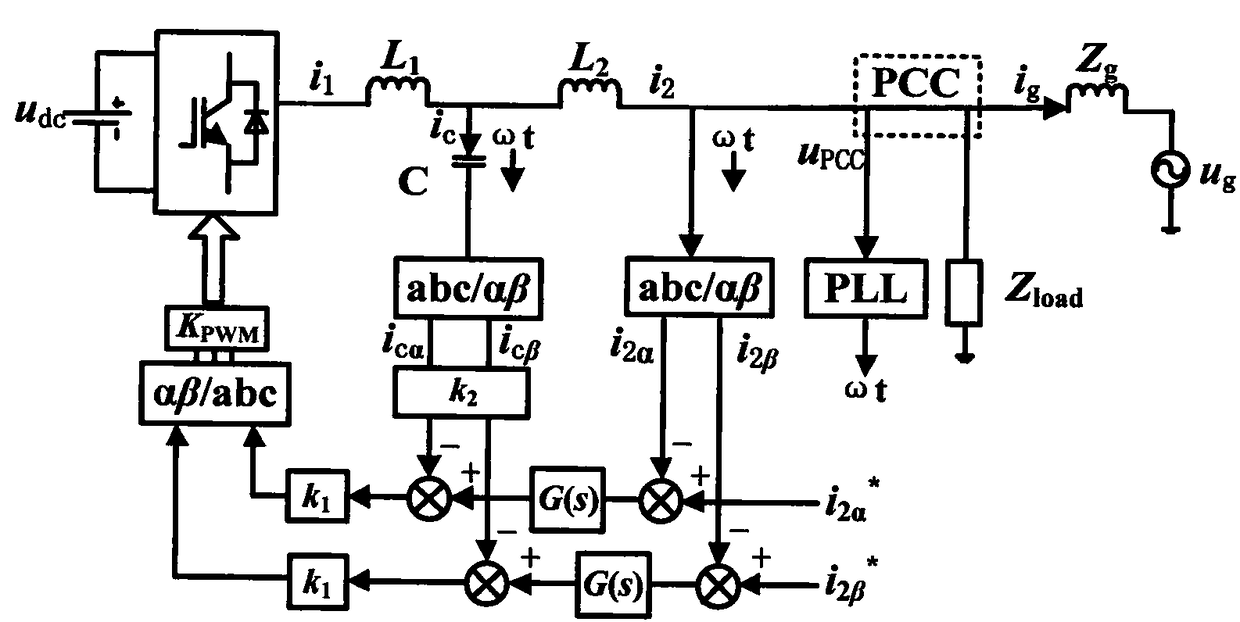
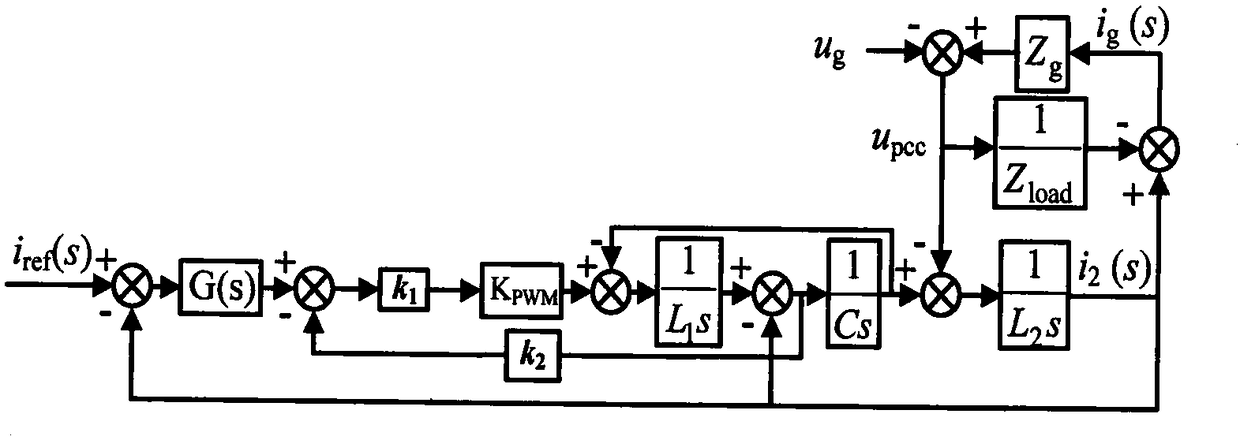
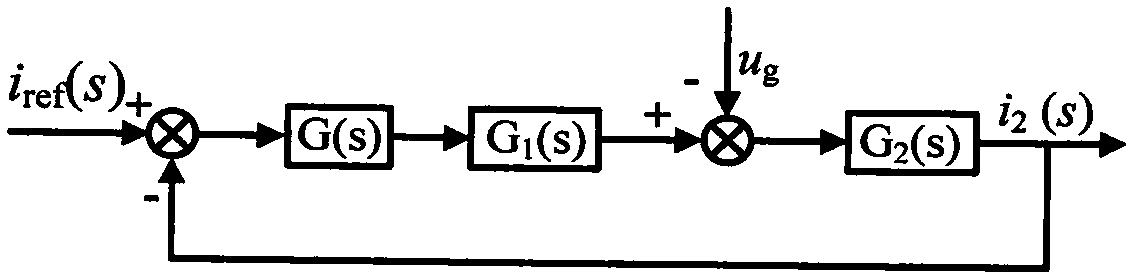
LCL-type grid-connected inverter parallel connection virtual impedance control method
PatentActiveCN108429281A
Innovation
- The LCL type grid-connected inverter parallel virtual impedance control method is used to adjust the input impedance on the inverter side by setting a parallel virtual impedance in front of the grid connection point to improve the phase margin and anti-disturbance capability of the system and ensure that the system operates under high grid impedance conditions. The system operates stably.

Grid Code Compliance and Standards
Grid code compliance represents a fundamental requirement for both grid-forming inverters and synchronous condensing reactors (SCRs) when deployed for grid dynamics control. Modern grid codes have evolved significantly to accommodate the increasing penetration of renewable energy sources and power electronic devices, establishing stringent performance criteria that these technologies must satisfy to ensure grid stability and reliability.
The IEEE 1547 standard series provides comprehensive guidelines for distributed energy resources, including grid-forming inverters, specifying requirements for voltage regulation, frequency response, and fault ride-through capabilities. Grid-forming inverters must demonstrate compliance with voltage regulation requirements, typically maintaining voltage within ±5% of nominal values during normal operations. Additionally, they must exhibit appropriate frequency response characteristics, including primary frequency control with droop settings typically ranging from 3% to 5%.
For SCRs, compliance frameworks are primarily governed by transmission system operator requirements and regional grid codes such as NERC standards in North America and ENTSO-E codes in Europe. These standards emphasize reactive power capability, with SCRs required to provide continuous reactive power output within their rated capacity and demonstrate rapid response times typically under 100 milliseconds for voltage control applications.
Fault ride-through requirements present distinct challenges for both technologies. Grid-forming inverters must maintain operation during voltage sags down to 50% of nominal voltage for specified durations, while providing controlled current injection during fault conditions. SCRs, conversely, must demonstrate robust performance during system disturbances without compromising their synchronous operation or causing additional system instability.
Emerging grid codes increasingly emphasize grid services provision, requiring both technologies to support system inertia, voltage control, and black-start capabilities. Grid-forming inverters face particular scrutiny regarding their synthetic inertia provision and ability to maintain stable operation during islanding conditions. SCRs must demonstrate their contribution to system strength and short-circuit capacity enhancement.
Certification processes involve extensive testing protocols, including hardware-in-the-loop simulations and field demonstrations, ensuring compliance verification before commercial deployment. These standards continue evolving to address emerging grid challenges and technological capabilities.
The IEEE 1547 standard series provides comprehensive guidelines for distributed energy resources, including grid-forming inverters, specifying requirements for voltage regulation, frequency response, and fault ride-through capabilities. Grid-forming inverters must demonstrate compliance with voltage regulation requirements, typically maintaining voltage within ±5% of nominal values during normal operations. Additionally, they must exhibit appropriate frequency response characteristics, including primary frequency control with droop settings typically ranging from 3% to 5%.
For SCRs, compliance frameworks are primarily governed by transmission system operator requirements and regional grid codes such as NERC standards in North America and ENTSO-E codes in Europe. These standards emphasize reactive power capability, with SCRs required to provide continuous reactive power output within their rated capacity and demonstrate rapid response times typically under 100 milliseconds for voltage control applications.
Fault ride-through requirements present distinct challenges for both technologies. Grid-forming inverters must maintain operation during voltage sags down to 50% of nominal voltage for specified durations, while providing controlled current injection during fault conditions. SCRs, conversely, must demonstrate robust performance during system disturbances without compromising their synchronous operation or causing additional system instability.
Emerging grid codes increasingly emphasize grid services provision, requiring both technologies to support system inertia, voltage control, and black-start capabilities. Grid-forming inverters face particular scrutiny regarding their synthetic inertia provision and ability to maintain stable operation during islanding conditions. SCRs must demonstrate their contribution to system strength and short-circuit capacity enhancement.
Certification processes involve extensive testing protocols, including hardware-in-the-loop simulations and field demonstrations, ensuring compliance verification before commercial deployment. These standards continue evolving to address emerging grid challenges and technological capabilities.
System Integration Challenges
The integration of grid-forming inverters alongside synchronous condensing reactors (SCRs) presents multifaceted challenges that require careful consideration of both technical and operational aspects. These challenges stem from the fundamental differences in how these technologies interact with grid infrastructure and respond to system disturbances.
Compatibility issues arise when attempting to coordinate grid-forming inverters with existing SCR installations. Grid-forming inverters operate through sophisticated control algorithms that establish voltage and frequency references, while SCRs provide mechanical inertia and reactive power support through rotating machinery. The disparate response times and control characteristics of these technologies can lead to conflicting operational behaviors during transient events.
Communication and coordination protocols represent another significant integration hurdle. Grid-forming inverters rely on digital communication systems for real-time monitoring and control, whereas traditional SCR systems often operate with legacy control interfaces. Establishing seamless data exchange between these systems requires substantial infrastructure upgrades and the development of standardized communication protocols that can bridge the gap between modern digital systems and conventional electromechanical equipment.
Protection system coordination poses complex challenges when integrating these technologies. Grid-forming inverters and SCRs exhibit different fault response characteristics, requiring protection schemes that can distinguish between normal operational variations and actual system faults. The fast-acting nature of inverter-based systems can conflict with the slower response times of traditional protection equipment designed for SCR operations.
Operational complexity increases significantly when managing hybrid systems containing both technologies. Grid operators must develop new operational procedures and training programs to effectively manage the interaction between grid-forming inverters and SCRs. This includes understanding how changes in one system affect the other and developing contingency plans for various operational scenarios.
Economic considerations also present integration challenges, as the deployment of both technologies requires substantial capital investment while ensuring optimal utilization of each system's capabilities. The cost-benefit analysis becomes more complex when evaluating the combined performance versus individual technology deployment, particularly in terms of maintenance requirements and operational lifespan differences.
Compatibility issues arise when attempting to coordinate grid-forming inverters with existing SCR installations. Grid-forming inverters operate through sophisticated control algorithms that establish voltage and frequency references, while SCRs provide mechanical inertia and reactive power support through rotating machinery. The disparate response times and control characteristics of these technologies can lead to conflicting operational behaviors during transient events.
Communication and coordination protocols represent another significant integration hurdle. Grid-forming inverters rely on digital communication systems for real-time monitoring and control, whereas traditional SCR systems often operate with legacy control interfaces. Establishing seamless data exchange between these systems requires substantial infrastructure upgrades and the development of standardized communication protocols that can bridge the gap between modern digital systems and conventional electromechanical equipment.
Protection system coordination poses complex challenges when integrating these technologies. Grid-forming inverters and SCRs exhibit different fault response characteristics, requiring protection schemes that can distinguish between normal operational variations and actual system faults. The fast-acting nature of inverter-based systems can conflict with the slower response times of traditional protection equipment designed for SCR operations.
Operational complexity increases significantly when managing hybrid systems containing both technologies. Grid operators must develop new operational procedures and training programs to effectively manage the interaction between grid-forming inverters and SCRs. This includes understanding how changes in one system affect the other and developing contingency plans for various operational scenarios.
Economic considerations also present integration challenges, as the deployment of both technologies requires substantial capital investment while ensuring optimal utilization of each system's capabilities. The cost-benefit analysis becomes more complex when evaluating the combined performance versus individual technology deployment, particularly in terms of maintenance requirements and operational lifespan differences.
Unlock deeper insights with PatSnap Eureka Quick Research — get a full tech report to explore trends and direct your research. Try now!
Generate Your Research Report Instantly with AI Agent
Supercharge your innovation with PatSnap Eureka AI Agent Platform!