

How AI Graphics Influence Robot Vision Systems
MAR 30, 20269 MIN READ
Generate Your Research Report Instantly with AI Agent
Patsnap Eureka helps you evaluate technical feasibility & market potential.
AI Graphics in Robot Vision Background and Objectives
The integration of artificial intelligence graphics with robot vision systems represents a transformative convergence that has evolved significantly over the past decade. Traditional robot vision relied heavily on conventional computer vision algorithms and basic image processing techniques, which often struggled with complex real-world scenarios involving variable lighting conditions, occlusions, and dynamic environments. The emergence of AI-powered graphics processing has fundamentally altered this landscape by introducing sophisticated neural network architectures capable of real-time scene understanding and interpretation.
The historical development of this field traces back to early machine learning applications in computer vision during the 2010s, when convolutional neural networks began demonstrating superior performance in image recognition tasks. The subsequent integration of graphics processing units optimized for AI workloads marked a pivotal moment, enabling robots to process visual information with unprecedented speed and accuracy. This evolution has been further accelerated by advances in deep learning frameworks and the availability of large-scale training datasets.
Current technological objectives center on achieving human-level visual perception capabilities in robotic systems through AI graphics enhancement. Primary goals include developing real-time object detection and classification systems that can operate reliably across diverse environmental conditions. Advanced depth perception and spatial reasoning capabilities represent another critical objective, enabling robots to navigate complex three-dimensional spaces and manipulate objects with precision.
The pursuit of semantic scene understanding constitutes a fundamental target, where AI graphics systems must not only identify objects but comprehend their relationships, functions, and contextual significance within the environment. This capability is essential for autonomous decision-making in applications ranging from industrial automation to service robotics.
Edge computing integration represents an increasingly important objective, as the industry seeks to minimize latency and reduce dependency on cloud-based processing. This involves optimizing AI graphics algorithms for deployment on resource-constrained robotic platforms while maintaining performance standards. Additionally, the development of adaptive learning systems that can continuously improve their visual processing capabilities through operational experience remains a key technological aspiration.
The overarching vision encompasses creating robust, intelligent vision systems that can seamlessly integrate AI graphics processing to enable robots to perceive, understand, and interact with their environments as effectively as biological vision systems.
The historical development of this field traces back to early machine learning applications in computer vision during the 2010s, when convolutional neural networks began demonstrating superior performance in image recognition tasks. The subsequent integration of graphics processing units optimized for AI workloads marked a pivotal moment, enabling robots to process visual information with unprecedented speed and accuracy. This evolution has been further accelerated by advances in deep learning frameworks and the availability of large-scale training datasets.
Current technological objectives center on achieving human-level visual perception capabilities in robotic systems through AI graphics enhancement. Primary goals include developing real-time object detection and classification systems that can operate reliably across diverse environmental conditions. Advanced depth perception and spatial reasoning capabilities represent another critical objective, enabling robots to navigate complex three-dimensional spaces and manipulate objects with precision.
The pursuit of semantic scene understanding constitutes a fundamental target, where AI graphics systems must not only identify objects but comprehend their relationships, functions, and contextual significance within the environment. This capability is essential for autonomous decision-making in applications ranging from industrial automation to service robotics.
Edge computing integration represents an increasingly important objective, as the industry seeks to minimize latency and reduce dependency on cloud-based processing. This involves optimizing AI graphics algorithms for deployment on resource-constrained robotic platforms while maintaining performance standards. Additionally, the development of adaptive learning systems that can continuously improve their visual processing capabilities through operational experience remains a key technological aspiration.
The overarching vision encompasses creating robust, intelligent vision systems that can seamlessly integrate AI graphics processing to enable robots to perceive, understand, and interact with their environments as effectively as biological vision systems.
Market Demand for AI-Enhanced Robot Vision Systems
The global market for AI-enhanced robot vision systems is experiencing unprecedented growth driven by the convergence of artificial intelligence and computer vision technologies. Manufacturing industries represent the largest demand segment, where precision assembly, quality inspection, and defect detection require sophisticated visual processing capabilities. Automotive manufacturers increasingly deploy these systems for automated quality control, component verification, and assembly line optimization, creating substantial market pull for advanced AI graphics processing solutions.
Healthcare and medical robotics constitute another rapidly expanding market segment. Surgical robots equipped with AI-enhanced vision systems enable minimally invasive procedures with enhanced precision, while diagnostic robots utilize advanced image processing for medical imaging analysis. The aging global population and increasing demand for precision medicine drive continuous investment in these technologies, establishing a robust foundation for sustained market growth.
Logistics and warehousing operations demonstrate significant adoption rates for AI-powered robot vision systems. E-commerce expansion necessitates automated sorting, packaging, and inventory management solutions that rely heavily on sophisticated visual recognition capabilities. These applications require real-time object identification, spatial reasoning, and adaptive learning algorithms that leverage advanced AI graphics processing architectures.
Agricultural automation presents an emerging high-growth market segment where robot vision systems enable precision farming, crop monitoring, and automated harvesting. Environmental sustainability concerns and labor shortage challenges accelerate adoption of AI-enhanced agricultural robots capable of plant recognition, disease detection, and selective harvesting operations.
Service robotics markets, including cleaning, security, and hospitality applications, increasingly demand sophisticated visual perception capabilities. These robots must navigate complex environments, recognize objects and people, and adapt to dynamic conditions, requiring robust AI graphics processing systems that can handle diverse visual inputs and environmental variations.
The defense and aerospace sectors maintain steady demand for advanced robot vision systems, particularly for surveillance, reconnaissance, and autonomous vehicle applications. These applications often require the highest performance standards and cutting-edge AI graphics capabilities, driving innovation and technological advancement across the entire market ecosystem.
Market growth is further accelerated by decreasing hardware costs, improved processing power, and the availability of comprehensive AI development frameworks that reduce implementation barriers for system integrators and end-users across various industry verticals.
Healthcare and medical robotics constitute another rapidly expanding market segment. Surgical robots equipped with AI-enhanced vision systems enable minimally invasive procedures with enhanced precision, while diagnostic robots utilize advanced image processing for medical imaging analysis. The aging global population and increasing demand for precision medicine drive continuous investment in these technologies, establishing a robust foundation for sustained market growth.
Logistics and warehousing operations demonstrate significant adoption rates for AI-powered robot vision systems. E-commerce expansion necessitates automated sorting, packaging, and inventory management solutions that rely heavily on sophisticated visual recognition capabilities. These applications require real-time object identification, spatial reasoning, and adaptive learning algorithms that leverage advanced AI graphics processing architectures.
Agricultural automation presents an emerging high-growth market segment where robot vision systems enable precision farming, crop monitoring, and automated harvesting. Environmental sustainability concerns and labor shortage challenges accelerate adoption of AI-enhanced agricultural robots capable of plant recognition, disease detection, and selective harvesting operations.
Service robotics markets, including cleaning, security, and hospitality applications, increasingly demand sophisticated visual perception capabilities. These robots must navigate complex environments, recognize objects and people, and adapt to dynamic conditions, requiring robust AI graphics processing systems that can handle diverse visual inputs and environmental variations.
The defense and aerospace sectors maintain steady demand for advanced robot vision systems, particularly for surveillance, reconnaissance, and autonomous vehicle applications. These applications often require the highest performance standards and cutting-edge AI graphics capabilities, driving innovation and technological advancement across the entire market ecosystem.
Market growth is further accelerated by decreasing hardware costs, improved processing power, and the availability of comprehensive AI development frameworks that reduce implementation barriers for system integrators and end-users across various industry verticals.
Current State of AI Graphics Integration in Robotics
The integration of AI graphics technologies into robotic vision systems has reached a significant maturity level, with multiple technological approaches demonstrating practical applications across various industries. Current implementations primarily leverage deep learning-based computer vision algorithms combined with advanced graphics processing capabilities to enhance robot perception and decision-making processes.
Modern robotic systems extensively utilize convolutional neural networks (CNNs) and transformer-based architectures for visual processing tasks. These AI graphics solutions enable robots to perform complex operations such as object detection, semantic segmentation, and scene understanding in real-time environments. The integration typically involves specialized hardware configurations including GPU clusters, dedicated AI chips, and optimized software frameworks that bridge graphics processing with robotic control systems.
Several established technological frameworks currently dominate the landscape. OpenCV combined with deep learning libraries like TensorFlow and PyTorch provides foundational capabilities for basic vision tasks. More advanced implementations incorporate NVIDIA's Isaac platform, which offers comprehensive AI graphics tools specifically designed for robotics applications. ROS (Robot Operating System) integration with AI graphics modules has become standard practice, enabling seamless communication between vision processing and robotic actuators.
Real-time performance remains a critical challenge in current implementations. While laboratory environments demonstrate impressive capabilities, industrial applications often require significant computational resources to maintain acceptable processing speeds. Edge computing solutions are increasingly adopted to address latency issues, with specialized AI accelerators being integrated directly into robotic platforms.
The current state reveals notable disparities in implementation quality across different application domains. Manufacturing and logistics sectors have achieved relatively mature integration levels, with AI graphics enabling precise quality control and autonomous navigation. However, more complex environments such as healthcare and domestic service robotics still face substantial technical hurdles related to environmental variability and safety requirements.
Standardization efforts are gradually emerging, with industry consortiums working to establish common protocols for AI graphics integration. However, the field remains fragmented with proprietary solutions dominating specific market segments, creating interoperability challenges that limit widespread adoption and technology transfer between different robotic platforms.
Modern robotic systems extensively utilize convolutional neural networks (CNNs) and transformer-based architectures for visual processing tasks. These AI graphics solutions enable robots to perform complex operations such as object detection, semantic segmentation, and scene understanding in real-time environments. The integration typically involves specialized hardware configurations including GPU clusters, dedicated AI chips, and optimized software frameworks that bridge graphics processing with robotic control systems.
Several established technological frameworks currently dominate the landscape. OpenCV combined with deep learning libraries like TensorFlow and PyTorch provides foundational capabilities for basic vision tasks. More advanced implementations incorporate NVIDIA's Isaac platform, which offers comprehensive AI graphics tools specifically designed for robotics applications. ROS (Robot Operating System) integration with AI graphics modules has become standard practice, enabling seamless communication between vision processing and robotic actuators.
Real-time performance remains a critical challenge in current implementations. While laboratory environments demonstrate impressive capabilities, industrial applications often require significant computational resources to maintain acceptable processing speeds. Edge computing solutions are increasingly adopted to address latency issues, with specialized AI accelerators being integrated directly into robotic platforms.
The current state reveals notable disparities in implementation quality across different application domains. Manufacturing and logistics sectors have achieved relatively mature integration levels, with AI graphics enabling precise quality control and autonomous navigation. However, more complex environments such as healthcare and domestic service robotics still face substantial technical hurdles related to environmental variability and safety requirements.
Standardization efforts are gradually emerging, with industry consortiums working to establish common protocols for AI graphics integration. However, the field remains fragmented with proprietary solutions dominating specific market segments, creating interoperability challenges that limit widespread adoption and technology transfer between different robotic platforms.
Existing AI Graphics Solutions for Robot Vision
01 AI-based image recognition and object detection systems
Advanced vision systems utilize artificial intelligence algorithms to identify, classify, and detect objects within images or video streams. These systems employ deep learning models, convolutional neural networks, and machine learning techniques to process visual data in real-time. The technology enables automated recognition of patterns, features, and objects with high accuracy, supporting applications in surveillance, quality control, and autonomous systems.- AI-based image recognition and object detection systems: Vision systems utilizing artificial intelligence algorithms for identifying, classifying, and detecting objects within images or video streams. These systems employ deep learning models, convolutional neural networks, and machine learning techniques to analyze visual data and recognize patterns, enabling automated object detection, classification, and tracking in various applications.
- Graphics processing and rendering optimization using AI: Systems that leverage artificial intelligence to enhance graphics processing, rendering performance, and visual quality. These technologies utilize neural networks and machine learning algorithms to optimize rendering pipelines, improve image quality, reduce computational overhead, and accelerate graphics generation for real-time applications.
- Computer vision systems for autonomous navigation and control: Vision-based systems that enable autonomous vehicles, robots, and devices to perceive and interpret their environment. These systems integrate camera sensors, image processing algorithms, and artificial intelligence to perform tasks such as obstacle detection, path planning, scene understanding, and decision-making for autonomous operation.
- AI-powered visual inspection and quality control systems: Automated inspection systems that employ artificial intelligence and computer vision to detect defects, anomalies, and quality issues in manufacturing and production processes. These systems analyze visual data from cameras to identify imperfections, measure dimensions, verify assembly correctness, and ensure product quality standards are met.
- Neural network-based image enhancement and reconstruction: Technologies that apply artificial intelligence and neural networks to improve image quality, resolution, and clarity. These systems perform tasks such as image super-resolution, denoising, restoration, and enhancement by learning from training data to reconstruct or enhance visual information, producing higher quality output images from lower quality inputs.
02 Graphics processing and rendering optimization for AI applications
Specialized graphics processing architectures are designed to accelerate artificial intelligence computations for vision tasks. These systems optimize rendering pipelines, utilize parallel processing capabilities, and implement hardware acceleration to handle complex visual data processing. The technology focuses on efficient resource allocation and computational performance enhancement for real-time graphics and vision applications.Expand Specific Solutions03 Neural network-based visual data analysis and interpretation
Vision systems incorporate neural network architectures specifically designed for analyzing and interpreting visual information. These implementations use trained models to extract meaningful insights from images, perform semantic segmentation, and understand scene context. The technology enables automated decision-making based on visual inputs through sophisticated pattern recognition and feature extraction methods.Expand Specific Solutions04 Integrated AI vision systems for industrial and commercial applications
Comprehensive vision systems combine artificial intelligence with graphics processing for practical deployment in various industries. These integrated solutions provide end-to-end capabilities including image acquisition, processing, analysis, and output generation. The systems are designed for scalability, reliability, and adaptability to different operational environments and use cases.Expand Specific Solutions05 Real-time vision processing with AI-enhanced graphics interfaces
Advanced systems enable real-time processing of visual data through AI-enhanced graphics interfaces that provide immediate feedback and visualization. These technologies incorporate low-latency processing pipelines, optimized data flow architectures, and interactive display capabilities. The focus is on delivering instantaneous visual analysis results while maintaining high-quality graphics output for user interaction and monitoring.Expand Specific Solutions
Key Players in AI Graphics and Robot Vision Industry
The AI graphics influence on robot vision systems represents a rapidly evolving technological landscape currently in its growth phase, with significant market expansion driven by increasing automation demands across industries. The market demonstrates substantial scale potential, particularly in manufacturing, healthcare, and autonomous systems sectors. Technology maturity varies considerably among key players: established industrial leaders like ABB Ltd., KUKA Deutschland, and Honda Motor demonstrate advanced integration capabilities, while specialized vision companies such as Cognex Corp. and emerging AI-focused entities like Sanctuary Cognitive Systems and Dexterity Inc. are pushing cutting-edge boundaries. Academic institutions including Columbia University and Duke University contribute foundational research, while companies like NEC Corp. and C3.ai provide essential AI infrastructure. The competitive landscape shows a convergence of traditional robotics manufacturers, AI software developers, and vision system specialists, indicating a maturing but still rapidly innovating market with significant growth opportunities.
ABB Ltd.
Technical Solution: ABB integrates AI graphics processing into their robotic vision systems through their RobotStudio software and IRC5 controllers. Their approach combines 3D vision sensors with AI-enhanced image processing algorithms to enable robots to perform complex tasks like bin picking, welding guidance, and assembly operations. The system uses GPU-accelerated neural networks for real-time object recognition and pose estimation, allowing robots to adapt to varying lighting conditions and object orientations. ABB's vision systems can process multiple camera feeds simultaneously, providing comprehensive spatial awareness for collaborative robots working alongside humans in manufacturing environments.
Strengths: Comprehensive robotics ecosystem, strong integration capabilities, proven industrial reliability. Weaknesses: Limited flexibility for custom applications, higher implementation complexity for smaller operations.
Cognex Corp.
Technical Solution: Cognex develops advanced AI-powered vision systems that integrate deep learning algorithms with traditional machine vision technologies. Their vision systems utilize convolutional neural networks (CNNs) for object detection, classification, and defect inspection in robotic applications. The company's ViDi software suite combines AI graphics processing with real-time image analysis, enabling robots to perform complex visual tasks such as part identification, quality control, and navigation. Their systems process high-resolution images at speeds up to 1000 frames per second while maintaining sub-pixel accuracy for precise robotic positioning and manipulation tasks.
Strengths: Industry-leading accuracy in machine vision applications, robust software ecosystem, extensive industrial automation experience. Weaknesses: Higher cost compared to generic solutions, primarily focused on industrial applications rather than general robotics.
Core AI Graphics Innovations for Vision Enhancement
Machine-Learned Robot Fleet Management for Value Chain Networks
PatentActiveUS20230339108A1
Innovation
- A robot fleet management platform with a governance library and intelligence layer that includes AI services for decision-making, machine learning, and digital twins, integrated with a cloud-based management platform for optimizing additive manufacturing and supply chain operations.


Intelligent visual humanoid robot and computer vision system programmed to perform visual artificial intelligence processes
PatentInactiveUS20170008174A1
Innovation
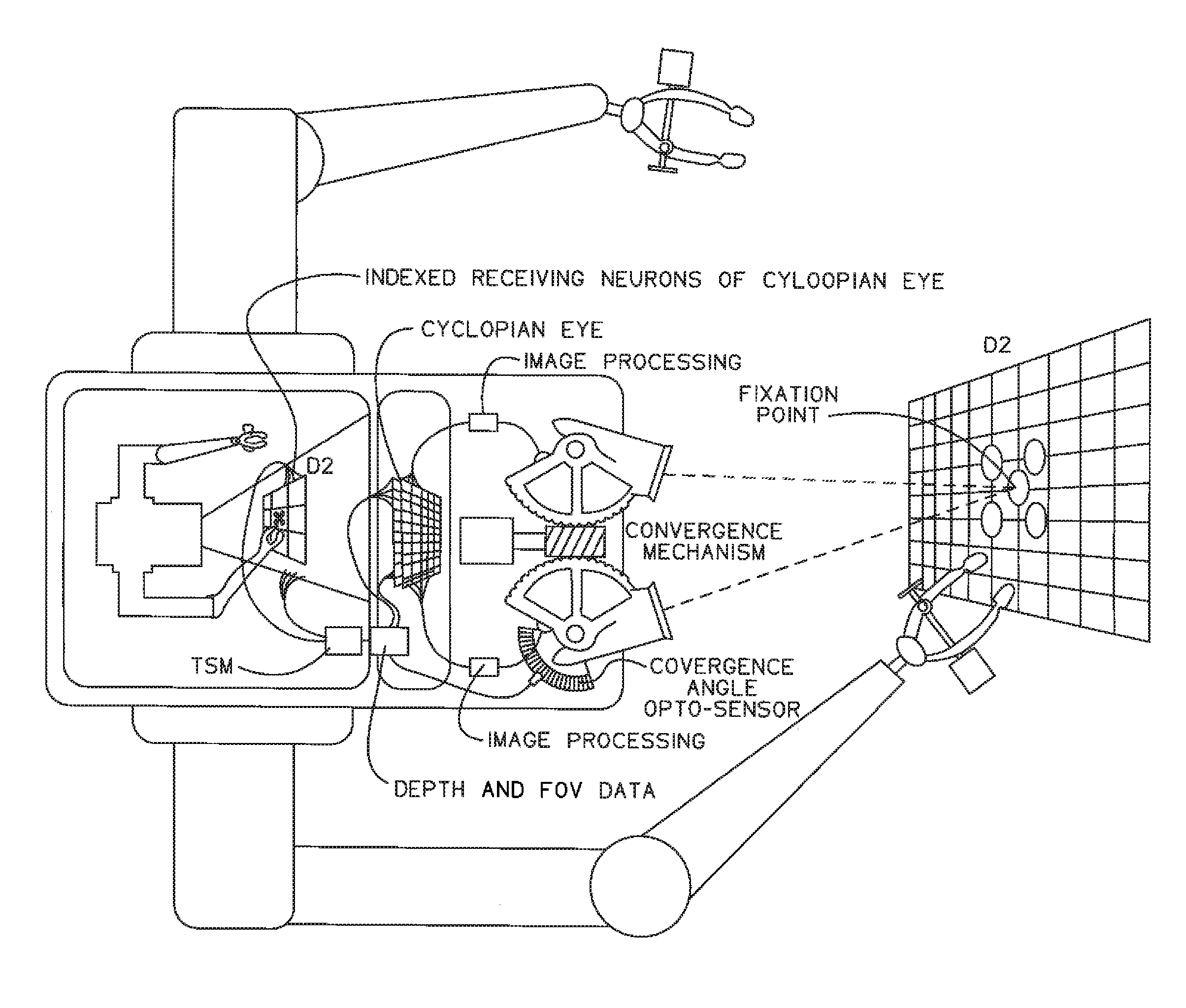
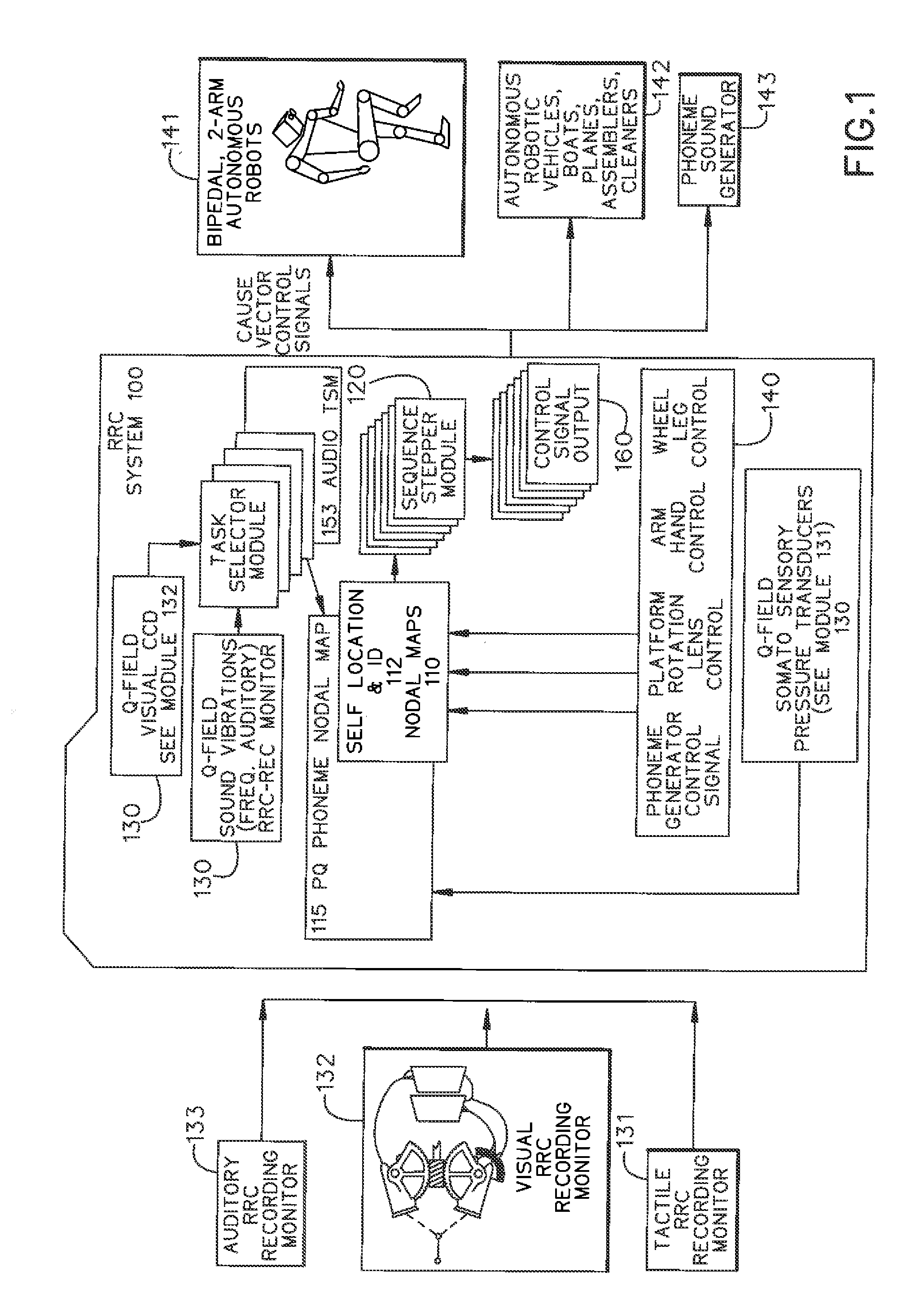
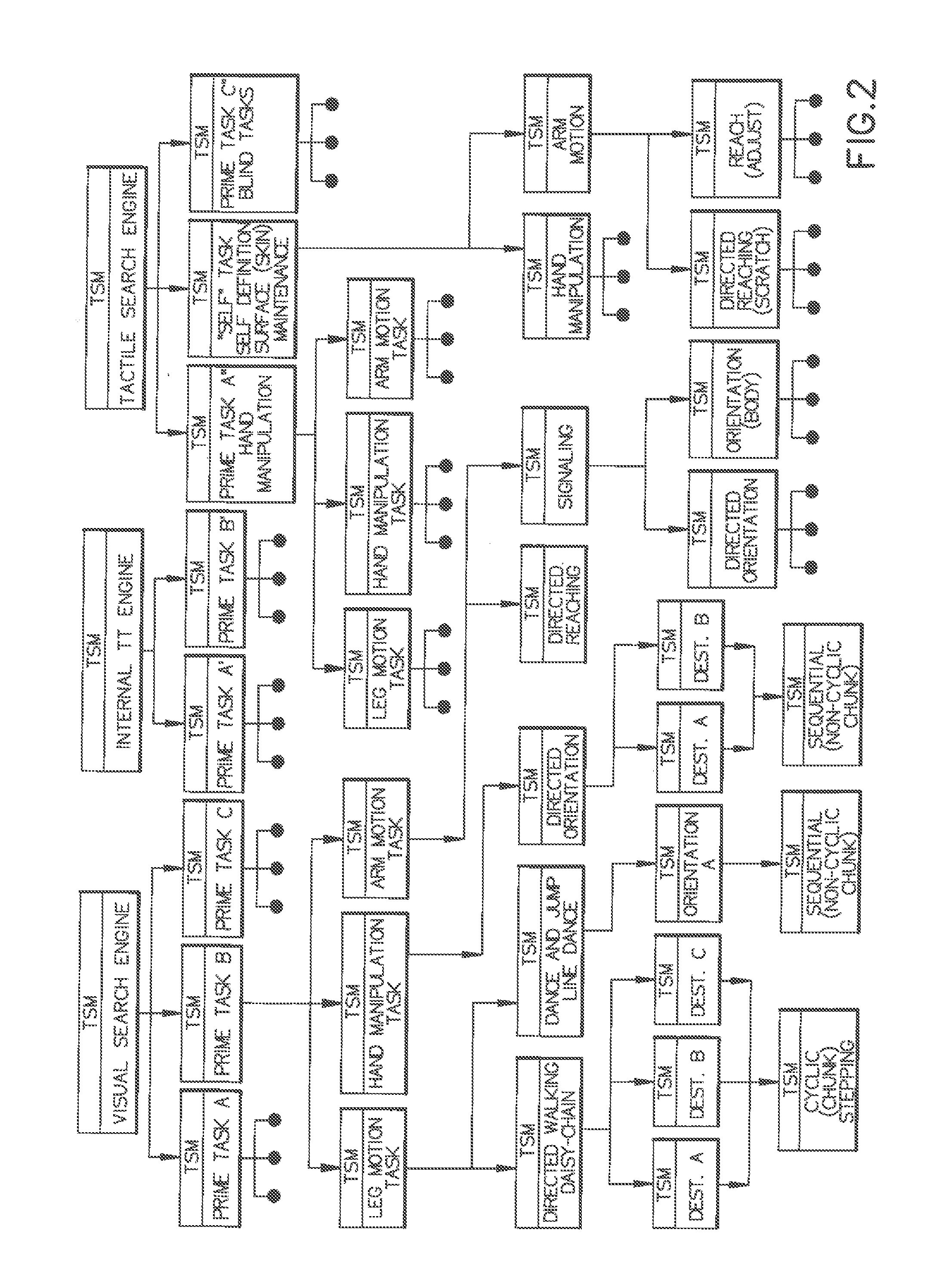
- The development of a Visual Relational Robotic Controller (RRC)-Humanoid Robot system that incorporates human-like sensors and a proprietary robotic controller to relate, correlate, and prioritize sensory input data, creating a centralized 'self' coordinate frame for contextual knowledge and experiential intelligence, allowing the robot to visualize and comprehend its environment.

Safety Standards for AI-Powered Robot Vision Systems
The integration of AI graphics processing in robot vision systems necessitates comprehensive safety standards to ensure reliable and secure operation across diverse applications. Current safety frameworks must address the unique challenges posed by AI-driven visual perception, where traditional deterministic approaches are replaced by probabilistic machine learning models that can exhibit unpredictable behaviors under certain conditions.
Existing safety standards such as ISO 13482 for personal care robots and IEC 61508 for functional safety provide foundational frameworks, but require significant adaptation for AI-powered vision systems. The probabilistic nature of neural networks introduces uncertainty quantification challenges that traditional safety assessment methods struggle to address effectively. Key safety considerations include robustness against adversarial inputs, graceful degradation under sensor failures, and maintaining performance boundaries within acceptable risk levels.
Critical safety requirements for AI-powered robot vision systems encompass real-time performance guarantees, fail-safe mechanisms for vision system failures, and comprehensive validation protocols for diverse operating environments. These systems must demonstrate consistent performance across varying lighting conditions, weather scenarios, and unexpected visual obstacles while maintaining predetermined safety margins.
Emerging regulatory frameworks are beginning to address AI-specific safety concerns through standards like ISO/IEC 23053 for AI risk management and IEEE 2857 for privacy engineering in AI systems. These standards emphasize the importance of explainable AI decisions, continuous monitoring of system performance, and robust testing methodologies that account for edge cases and distribution shifts in visual data.
Implementation challenges include establishing quantitative safety metrics for AI vision systems, developing standardized testing protocols for adversarial robustness, and creating certification processes that can adapt to evolving AI technologies. The dynamic nature of machine learning models requires ongoing safety validation throughout the system lifecycle, moving beyond traditional one-time certification approaches toward continuous safety assurance frameworks.
Future safety standard development must address the convergence of multiple AI technologies within robot vision systems, including sensor fusion, predictive analytics, and autonomous decision-making capabilities, ensuring comprehensive protection across all operational scenarios.
Existing safety standards such as ISO 13482 for personal care robots and IEC 61508 for functional safety provide foundational frameworks, but require significant adaptation for AI-powered vision systems. The probabilistic nature of neural networks introduces uncertainty quantification challenges that traditional safety assessment methods struggle to address effectively. Key safety considerations include robustness against adversarial inputs, graceful degradation under sensor failures, and maintaining performance boundaries within acceptable risk levels.
Critical safety requirements for AI-powered robot vision systems encompass real-time performance guarantees, fail-safe mechanisms for vision system failures, and comprehensive validation protocols for diverse operating environments. These systems must demonstrate consistent performance across varying lighting conditions, weather scenarios, and unexpected visual obstacles while maintaining predetermined safety margins.
Emerging regulatory frameworks are beginning to address AI-specific safety concerns through standards like ISO/IEC 23053 for AI risk management and IEEE 2857 for privacy engineering in AI systems. These standards emphasize the importance of explainable AI decisions, continuous monitoring of system performance, and robust testing methodologies that account for edge cases and distribution shifts in visual data.
Implementation challenges include establishing quantitative safety metrics for AI vision systems, developing standardized testing protocols for adversarial robustness, and creating certification processes that can adapt to evolving AI technologies. The dynamic nature of machine learning models requires ongoing safety validation throughout the system lifecycle, moving beyond traditional one-time certification approaches toward continuous safety assurance frameworks.
Future safety standard development must address the convergence of multiple AI technologies within robot vision systems, including sensor fusion, predictive analytics, and autonomous decision-making capabilities, ensuring comprehensive protection across all operational scenarios.
Real-time Processing Challenges in AI Graphics Robotics
Real-time processing represents one of the most critical bottlenecks in AI graphics-enabled robotic vision systems. The computational demands of simultaneously rendering high-quality graphics while processing visual data create unprecedented challenges for system architects. Modern robotic applications require processing latencies below 10-50 milliseconds to maintain effective real-time operation, yet AI graphics processing can introduce delays of 100-500 milliseconds depending on complexity and hardware configuration.
The primary challenge stems from the computational intensity of neural rendering algorithms. Techniques such as neural radiance fields (NeRFs) and differentiable rendering require substantial GPU resources, often competing with simultaneous vision processing tasks. This resource contention creates processing bottlenecks that can severely impact robot response times, particularly in dynamic environments where rapid decision-making is crucial.
Memory bandwidth limitations further compound these challenges. AI graphics systems typically require high-resolution texture data, 3D model information, and intermediate rendering buffers, while vision systems simultaneously demand access to camera feeds, feature maps, and neural network weights. The resulting memory access patterns can create significant performance degradation when both systems operate concurrently.
Synchronization between graphics rendering and vision processing pipelines presents another layer of complexity. Traditional graphics rendering operates on fixed frame rates, while robotic vision systems often require variable processing frequencies based on environmental conditions. Achieving temporal alignment between these disparate processing paradigms requires sophisticated scheduling algorithms and buffer management strategies.
Hardware acceleration approaches, including specialized AI chips and dedicated graphics processing units, offer potential solutions but introduce integration complexities. Multi-GPU configurations can distribute computational loads but require careful workload balancing to prevent processing imbalances. Edge computing architectures present additional opportunities for distributed processing, though they introduce network latency considerations that must be carefully managed to maintain real-time performance requirements.
The primary challenge stems from the computational intensity of neural rendering algorithms. Techniques such as neural radiance fields (NeRFs) and differentiable rendering require substantial GPU resources, often competing with simultaneous vision processing tasks. This resource contention creates processing bottlenecks that can severely impact robot response times, particularly in dynamic environments where rapid decision-making is crucial.
Memory bandwidth limitations further compound these challenges. AI graphics systems typically require high-resolution texture data, 3D model information, and intermediate rendering buffers, while vision systems simultaneously demand access to camera feeds, feature maps, and neural network weights. The resulting memory access patterns can create significant performance degradation when both systems operate concurrently.
Synchronization between graphics rendering and vision processing pipelines presents another layer of complexity. Traditional graphics rendering operates on fixed frame rates, while robotic vision systems often require variable processing frequencies based on environmental conditions. Achieving temporal alignment between these disparate processing paradigms requires sophisticated scheduling algorithms and buffer management strategies.
Hardware acceleration approaches, including specialized AI chips and dedicated graphics processing units, offer potential solutions but introduce integration complexities. Multi-GPU configurations can distribute computational loads but require careful workload balancing to prevent processing imbalances. Edge computing architectures present additional opportunities for distributed processing, though they introduce network latency considerations that must be carefully managed to maintain real-time performance requirements.
Unlock deeper insights with Patsnap Eureka Quick Research — get a full tech report to explore trends and direct your research. Try now!
Generate Your Research Report Instantly with AI Agent
Supercharge your innovation with Patsnap Eureka AI Agent Platform!