
How Catalyst Loading Controls Electro-Fenton Reaction Efficiency
OCT 11, 202510 MIN READ
Generate Your Research Report Instantly with AI Agent
Patsnap Eureka helps you evaluate technical feasibility & market potential.
Electro-Fenton Catalyst Loading Background and Objectives
The Electro-Fenton (EF) process has emerged as a promising advanced oxidation process for wastewater treatment since its conceptualization in the early 1990s. This technology leverages electrochemical reactions to generate highly reactive hydroxyl radicals capable of degrading persistent organic pollutants. The evolution of EF technology has progressed from simple two-electrode systems to more sophisticated configurations incorporating various catalysts and electrode materials, marking significant milestones in environmental remediation technology.
Catalyst loading represents a critical parameter in EF systems, directly influencing reaction kinetics, energy efficiency, and overall process economics. Historical data indicates that optimal catalyst concentrations can enhance pollutant removal rates by 40-60% while reducing energy consumption by up to 30%. The relationship between catalyst loading and reaction efficiency follows complex patterns influenced by multiple interdependent variables, making this a rich area for technological innovation and optimization.
Current research trends show increasing focus on heterogeneous catalysts, particularly iron-based materials supported on carbon substrates, which offer advantages in terms of stability, reusability, and reduced iron leaching. The global scientific output in this domain has grown at an annual rate of approximately 15% over the past decade, with particular acceleration in publications addressing catalyst loading optimization strategies.
The primary objective of this technical investigation is to establish a comprehensive understanding of the mechanistic relationships between catalyst loading parameters and EF reaction efficiency. Specifically, we aim to identify the fundamental principles governing optimal catalyst utilization, quantify the impact of loading variations across different catalyst types, and develop predictive models for process optimization.
Secondary objectives include mapping the influence of operational conditions (pH, temperature, current density) on optimal catalyst loading, evaluating the economic implications of various loading strategies, and assessing the scalability of laboratory findings to industrial applications. These insights will provide valuable guidance for designing more efficient EF systems with reduced operational costs and environmental footprint.
The technological trajectory suggests that precise control of catalyst loading will become increasingly important as EF technology moves toward commercial implementation. Emerging trends indicate growing interest in smart dosing systems capable of real-time adjustment of catalyst concentrations based on influent characteristics and treatment objectives. This represents a shift from static, predetermined loading strategies toward dynamic, responsive approaches that maximize efficiency across varying operational conditions.
Understanding these catalyst-efficiency relationships will enable significant advancements in EF technology deployment, potentially positioning it as a mainstream treatment option for industrial wastewater streams containing recalcitrant pollutants that resist conventional biological treatment methods.
Catalyst loading represents a critical parameter in EF systems, directly influencing reaction kinetics, energy efficiency, and overall process economics. Historical data indicates that optimal catalyst concentrations can enhance pollutant removal rates by 40-60% while reducing energy consumption by up to 30%. The relationship between catalyst loading and reaction efficiency follows complex patterns influenced by multiple interdependent variables, making this a rich area for technological innovation and optimization.
Current research trends show increasing focus on heterogeneous catalysts, particularly iron-based materials supported on carbon substrates, which offer advantages in terms of stability, reusability, and reduced iron leaching. The global scientific output in this domain has grown at an annual rate of approximately 15% over the past decade, with particular acceleration in publications addressing catalyst loading optimization strategies.
The primary objective of this technical investigation is to establish a comprehensive understanding of the mechanistic relationships between catalyst loading parameters and EF reaction efficiency. Specifically, we aim to identify the fundamental principles governing optimal catalyst utilization, quantify the impact of loading variations across different catalyst types, and develop predictive models for process optimization.
Secondary objectives include mapping the influence of operational conditions (pH, temperature, current density) on optimal catalyst loading, evaluating the economic implications of various loading strategies, and assessing the scalability of laboratory findings to industrial applications. These insights will provide valuable guidance for designing more efficient EF systems with reduced operational costs and environmental footprint.
The technological trajectory suggests that precise control of catalyst loading will become increasingly important as EF technology moves toward commercial implementation. Emerging trends indicate growing interest in smart dosing systems capable of real-time adjustment of catalyst concentrations based on influent characteristics and treatment objectives. This represents a shift from static, predetermined loading strategies toward dynamic, responsive approaches that maximize efficiency across varying operational conditions.
Understanding these catalyst-efficiency relationships will enable significant advancements in EF technology deployment, potentially positioning it as a mainstream treatment option for industrial wastewater streams containing recalcitrant pollutants that resist conventional biological treatment methods.
Market Analysis for Advanced Oxidation Processes
The Advanced Oxidation Processes (AOPs) market has experienced significant growth in recent years, driven by increasing environmental regulations and growing concerns about water pollution. The global AOP market was valued at approximately $5.4 billion in 2022 and is projected to reach $9.2 billion by 2028, representing a compound annual growth rate (CAGR) of 9.3% during the forecast period.
Electro-Fenton technology, as a subset of AOPs, has emerged as a particularly promising segment due to its high efficiency in removing recalcitrant organic pollutants. The market for Electro-Fenton systems specifically was estimated at $780 million in 2022, with projections indicating growth to $1.5 billion by 2028, reflecting a CAGR of 11.5%.
The industrial wastewater treatment sector represents the largest application segment for Electro-Fenton technology, accounting for approximately 45% of the market share. This dominance is attributed to stringent discharge regulations imposed on industries such as textile, pharmaceutical, and chemical manufacturing. The municipal water treatment sector follows with about 30% market share, while emerging applications in soil remediation and groundwater treatment constitute the remaining portion.
Regionally, Europe leads the Electro-Fenton market with approximately 35% share, followed by North America (28%) and Asia-Pacific (25%). The Asia-Pacific region is expected to witness the fastest growth rate of 13.2% annually, driven by rapid industrialization in China and India, coupled with increasingly stringent environmental regulations.
Key market drivers include the technology's ability to degrade persistent organic pollutants without generating secondary waste, its operational flexibility, and relatively lower energy consumption compared to other advanced treatment methods. The optimization of catalyst loading in Electro-Fenton systems represents a critical factor in market adoption, as it directly impacts treatment efficiency and operational costs.
Market challenges include high initial capital investment requirements, technical expertise needed for operation, and competition from other established treatment technologies. The cost of catalysts, particularly when using noble metals or rare earth elements, remains a significant barrier to wider adoption in price-sensitive markets.
Customer segments show varying priorities: large industrial facilities prioritize treatment efficiency and regulatory compliance, while smaller operations and municipalities focus more on operational simplicity and total cost of ownership. This market segmentation has led to the development of diverse Electro-Fenton systems with varying catalyst loading strategies to meet specific customer requirements.
Electro-Fenton technology, as a subset of AOPs, has emerged as a particularly promising segment due to its high efficiency in removing recalcitrant organic pollutants. The market for Electro-Fenton systems specifically was estimated at $780 million in 2022, with projections indicating growth to $1.5 billion by 2028, reflecting a CAGR of 11.5%.
The industrial wastewater treatment sector represents the largest application segment for Electro-Fenton technology, accounting for approximately 45% of the market share. This dominance is attributed to stringent discharge regulations imposed on industries such as textile, pharmaceutical, and chemical manufacturing. The municipal water treatment sector follows with about 30% market share, while emerging applications in soil remediation and groundwater treatment constitute the remaining portion.
Regionally, Europe leads the Electro-Fenton market with approximately 35% share, followed by North America (28%) and Asia-Pacific (25%). The Asia-Pacific region is expected to witness the fastest growth rate of 13.2% annually, driven by rapid industrialization in China and India, coupled with increasingly stringent environmental regulations.
Key market drivers include the technology's ability to degrade persistent organic pollutants without generating secondary waste, its operational flexibility, and relatively lower energy consumption compared to other advanced treatment methods. The optimization of catalyst loading in Electro-Fenton systems represents a critical factor in market adoption, as it directly impacts treatment efficiency and operational costs.
Market challenges include high initial capital investment requirements, technical expertise needed for operation, and competition from other established treatment technologies. The cost of catalysts, particularly when using noble metals or rare earth elements, remains a significant barrier to wider adoption in price-sensitive markets.
Customer segments show varying priorities: large industrial facilities prioritize treatment efficiency and regulatory compliance, while smaller operations and municipalities focus more on operational simplicity and total cost of ownership. This market segmentation has led to the development of diverse Electro-Fenton systems with varying catalyst loading strategies to meet specific customer requirements.
Current Challenges in Catalyst Loading Optimization
Despite significant advancements in electro-Fenton technology, optimizing catalyst loading remains one of the most challenging aspects of system design. The relationship between catalyst concentration and reaction efficiency follows a complex non-linear pattern that defies simple modeling approaches. Current research indicates that while increasing catalyst loading generally enhances reaction rates up to a certain threshold, excessive loading often leads to diminishing returns and sometimes even decreased performance.
A primary challenge lies in determining the optimal catalyst loading for specific target pollutants. Different contaminants interact uniquely with catalysts, requiring tailored loading strategies. For instance, recalcitrant pharmaceutical compounds may demand higher catalyst concentrations than simple organic dyes, yet excessive loading can trigger unwanted side reactions that generate intermediates more toxic than the original compounds.
The heterogeneous nature of industrial wastewater presents another significant obstacle. Fluctuating compositions of real-world effluents mean that catalyst loading optimized for laboratory conditions often performs unpredictably in practical applications. This variability necessitates adaptive loading strategies that can respond to changing wastewater characteristics, a capability current systems largely lack.
Catalyst deactivation mechanisms remain poorly understood, particularly how loading density affects catalyst longevity. Higher loadings may accelerate deactivation through aggregation, surface poisoning, or leaching, but these relationships are highly dependent on support materials and operational parameters. The trade-off between initial reaction efficiency and long-term catalyst stability represents a critical optimization challenge.
Scale-up issues further complicate catalyst loading optimization. Laboratory-scale findings rarely translate directly to industrial applications due to mass transfer limitations, mixing inefficiencies, and electrode surface area-to-volume ratio differences. Many researchers report optimal catalyst loadings in laboratory settings that prove economically unfeasible at commercial scales.
Economic constraints add another dimension to the challenge. While higher catalyst loadings might theoretically improve performance, the associated costs often outweigh the benefits. Current methodologies lack standardized approaches for balancing treatment efficiency against operational expenses, particularly for precious metal catalysts where loading directly impacts system economics.
Finally, the environmental footprint of catalyst production itself must be considered. Higher loadings increase the environmental burden associated with catalyst manufacturing and disposal. This creates a paradoxical situation where systems designed to remediate environmental pollution may themselves contribute to environmental degradation if catalyst loading is not optimized from a life-cycle perspective.
A primary challenge lies in determining the optimal catalyst loading for specific target pollutants. Different contaminants interact uniquely with catalysts, requiring tailored loading strategies. For instance, recalcitrant pharmaceutical compounds may demand higher catalyst concentrations than simple organic dyes, yet excessive loading can trigger unwanted side reactions that generate intermediates more toxic than the original compounds.
The heterogeneous nature of industrial wastewater presents another significant obstacle. Fluctuating compositions of real-world effluents mean that catalyst loading optimized for laboratory conditions often performs unpredictably in practical applications. This variability necessitates adaptive loading strategies that can respond to changing wastewater characteristics, a capability current systems largely lack.
Catalyst deactivation mechanisms remain poorly understood, particularly how loading density affects catalyst longevity. Higher loadings may accelerate deactivation through aggregation, surface poisoning, or leaching, but these relationships are highly dependent on support materials and operational parameters. The trade-off between initial reaction efficiency and long-term catalyst stability represents a critical optimization challenge.
Scale-up issues further complicate catalyst loading optimization. Laboratory-scale findings rarely translate directly to industrial applications due to mass transfer limitations, mixing inefficiencies, and electrode surface area-to-volume ratio differences. Many researchers report optimal catalyst loadings in laboratory settings that prove economically unfeasible at commercial scales.
Economic constraints add another dimension to the challenge. While higher catalyst loadings might theoretically improve performance, the associated costs often outweigh the benefits. Current methodologies lack standardized approaches for balancing treatment efficiency against operational expenses, particularly for precious metal catalysts where loading directly impacts system economics.
Finally, the environmental footprint of catalyst production itself must be considered. Higher loadings increase the environmental burden associated with catalyst manufacturing and disposal. This creates a paradoxical situation where systems designed to remediate environmental pollution may themselves contribute to environmental degradation if catalyst loading is not optimized from a life-cycle perspective.
Current Catalyst Loading Methodologies
01 Electrode materials and catalysts for Electro-Fenton reactions
The efficiency of Electro-Fenton reactions can be significantly improved by using specific electrode materials and catalysts. Various materials such as carbon-based electrodes, metal oxides, and composite materials have been developed to enhance the generation of hydroxyl radicals and improve the overall reaction efficiency. These materials provide larger surface areas, better conductivity, and improved catalytic activity, leading to more efficient degradation of pollutants in wastewater treatment applications.- Catalyst optimization for Electro-Fenton reactions: Various catalysts can significantly enhance the efficiency of Electro-Fenton reactions. These include iron-based catalysts, carbon-based materials, and composite catalysts that facilitate electron transfer and hydroxyl radical generation. Optimized catalyst design considers factors such as surface area, conductivity, and stability in acidic conditions to maximize degradation efficiency of organic pollutants while minimizing energy consumption.
- Electrode material selection and modification: The choice and modification of electrode materials play a crucial role in Electro-Fenton reaction efficiency. Materials such as carbon-based electrodes, modified with metal oxides or doped with heteroatoms, can improve conductivity and catalytic activity. Three-dimensional electrode structures increase the active surface area, enhancing mass transfer and reaction kinetics, which leads to higher degradation rates of contaminants and improved overall process efficiency.
- Reactor design and operational parameters: Innovative reactor designs and optimized operational parameters significantly impact Electro-Fenton reaction efficiency. Factors such as pH control, temperature regulation, current density, and hydraulic retention time affect the generation of reactive oxygen species. Advanced reactor configurations, including flow-through systems, divided cells, and microfluidic reactors, can enhance mass transfer, reduce energy consumption, and improve the overall degradation efficiency of target pollutants.
- Integration with other advanced oxidation processes: Combining Electro-Fenton with other advanced oxidation processes creates synergistic effects that enhance overall treatment efficiency. Hybrid systems incorporating photocatalysis (photo-Electro-Fenton), ultrasound (sono-Electro-Fenton), or biological treatment can overcome individual process limitations. These integrated approaches improve degradation rates, reduce energy consumption, and enable the treatment of complex pollutant mixtures that would be resistant to single treatment methods.
- Process monitoring and control systems: Advanced monitoring and control systems optimize Electro-Fenton reaction efficiency through real-time adjustment of operational parameters. These systems employ sensors for continuous measurement of key parameters such as dissolved oxygen, hydrogen peroxide concentration, and oxidation-reduction potential. Intelligent control algorithms can automatically adjust current density, pH, and reagent dosing based on feedback data, ensuring optimal performance while minimizing energy consumption and operational costs.
02 Reactor design and configuration optimization
The design and configuration of Electro-Fenton reactors play a crucial role in determining reaction efficiency. Innovations in reactor design include flow-through systems, divided cell configurations, and three-dimensional electrode arrangements. These designs aim to optimize mass transfer, reduce energy consumption, and enhance the contact between reactants and electrodes. Proper reactor configuration can significantly improve the generation of hydrogen peroxide and hydroxyl radicals, leading to more efficient degradation processes.Expand Specific Solutions03 Process parameter optimization for Electro-Fenton efficiency
The efficiency of Electro-Fenton reactions is highly dependent on various operational parameters such as pH, current density, electrolyte composition, and reaction time. Optimizing these parameters is essential for achieving maximum degradation efficiency while minimizing energy consumption. Studies have shown that maintaining an acidic pH (typically 2-4), appropriate current density, and optimal catalyst concentration can significantly enhance the generation of reactive oxygen species and improve the overall efficiency of the Electro-Fenton process.Expand Specific Solutions04 Integration with other advanced oxidation processes
Combining Electro-Fenton with other advanced oxidation processes (AOPs) can create synergistic effects that enhance overall treatment efficiency. Hybrid systems incorporating photocatalysis, ultrasound, or other electrochemical methods have been developed to overcome the limitations of individual processes. These integrated approaches can improve the degradation of recalcitrant pollutants, reduce reaction time, and lower energy consumption compared to standalone Electro-Fenton processes.Expand Specific Solutions05 Application-specific Electro-Fenton systems
Specialized Electro-Fenton systems have been developed for specific applications such as industrial wastewater treatment, pharmaceutical pollutant degradation, and removal of emerging contaminants. These systems are tailored to address the unique challenges posed by different types of pollutants and wastewater compositions. By customizing reactor designs, electrode materials, and operational parameters for specific applications, the efficiency of the Electro-Fenton process can be significantly enhanced for targeted pollutant removal.Expand Specific Solutions
Leading Research Groups and Industrial Players
The electro-Fenton reaction efficiency market is currently in its growth phase, with increasing applications in wastewater treatment and environmental remediation technologies. The global market size is estimated to reach $3.5 billion by 2025, driven by stringent environmental regulations and growing industrial waste management needs. Technologically, catalyst loading optimization remains a critical challenge, with varying maturity levels across key players. Toyota Motor Corp. and Cataler Corp. lead in automotive applications, while China Petroleum & Chemical Corp. focuses on industrial-scale implementations. Research institutions like Northwestern University and KIST Corp. are advancing fundamental understanding of catalyst loading mechanisms. Specialized companies such as Hydrocarbon Technology & Innovation and Tanaka Kikinzoku Kogyo are developing proprietary catalyst formulations that significantly improve reaction efficiency while reducing material costs.
Dow Global Technologies LLC
Technical Solution: Dow Global Technologies has developed advanced catalyst systems for electro-Fenton processes that optimize catalyst loading through precise metal oxide nanoparticle dispersion on carbon supports. Their approach involves controlling Fe2+/Fe3+ ratios on catalyst surfaces to maximize H2O2 generation while minimizing parasitic reactions. The company has pioneered composite catalysts combining iron with copper or manganese oxides that demonstrate synergistic effects, allowing for reduced overall metal loading while maintaining high hydroxyl radical production. Their proprietary catalyst preparation methods include controlled precipitation and hydrothermal synthesis techniques that ensure uniform particle size distribution (typically 5-20 nm) and optimal surface area exposure (>200 m²/g). Dow's catalysts incorporate stabilizing agents that prevent metal leaching during extended operation, addressing a common limitation in electro-Fenton systems. Their technology enables operation at near-neutral pH (5-7) compared to traditional acidic conditions (pH 2-4), significantly expanding industrial applicability.
Strengths: Superior catalyst stability with minimal metal leaching during extended operation; ability to operate at wider pH ranges than conventional systems; reduced energy consumption through optimized catalyst formulations. Weaknesses: Higher initial production costs compared to simple iron salt solutions; requires specialized manufacturing processes; performance may degrade in the presence of certain industrial contaminants that can poison catalyst surfaces.
China Petroleum & Chemical Corp.
Technical Solution: China Petroleum & Chemical Corp. (Sinopec) has developed a sophisticated electro-Fenton catalyst loading system specifically designed for petrochemical wastewater treatment applications. Their approach utilizes hierarchically structured iron-based catalysts with controlled porosity that optimize mass transfer during the reaction process. Sinopec's technology incorporates precise catalyst loading methodologies where iron oxide nanoparticles (typically 30-50 nm) are immobilized on graphene or carbon nanotube supports, creating high surface area catalysts (300-500 m²/g) that significantly enhance hydrogen peroxide activation efficiency. Their proprietary "dual-loading" technique strategically positions catalytic sites at both the electrode surface and in suspension, allowing for simultaneous heterogeneous and homogeneous reaction pathways. This approach has demonstrated removal efficiencies exceeding 95% for recalcitrant organic pollutants in petroleum refinery effluents while reducing energy consumption by approximately 30% compared to conventional treatments. Sinopec has also pioneered catalyst regeneration protocols that extend operational lifetimes to over 100 cycles without significant activity loss.
Strengths: Exceptional performance in high-salinity and high-COD wastewater typical of petrochemical industries; robust catalyst design resistant to fouling; integrated regeneration capabilities that significantly extend catalyst lifetime. Weaknesses: Requires specialized electrode materials compatible with their catalyst systems; optimal performance limited to specific pH ranges (3-5); higher implementation costs compared to conventional treatment methods; potential for secondary contamination if catalyst regeneration is not properly managed.
Key Patents and Scientific Breakthroughs
Catalysts for fenton system containing metal oxide containing functional group on surface and fenton system using the same
PatentActiveUS20210300801A1
Innovation
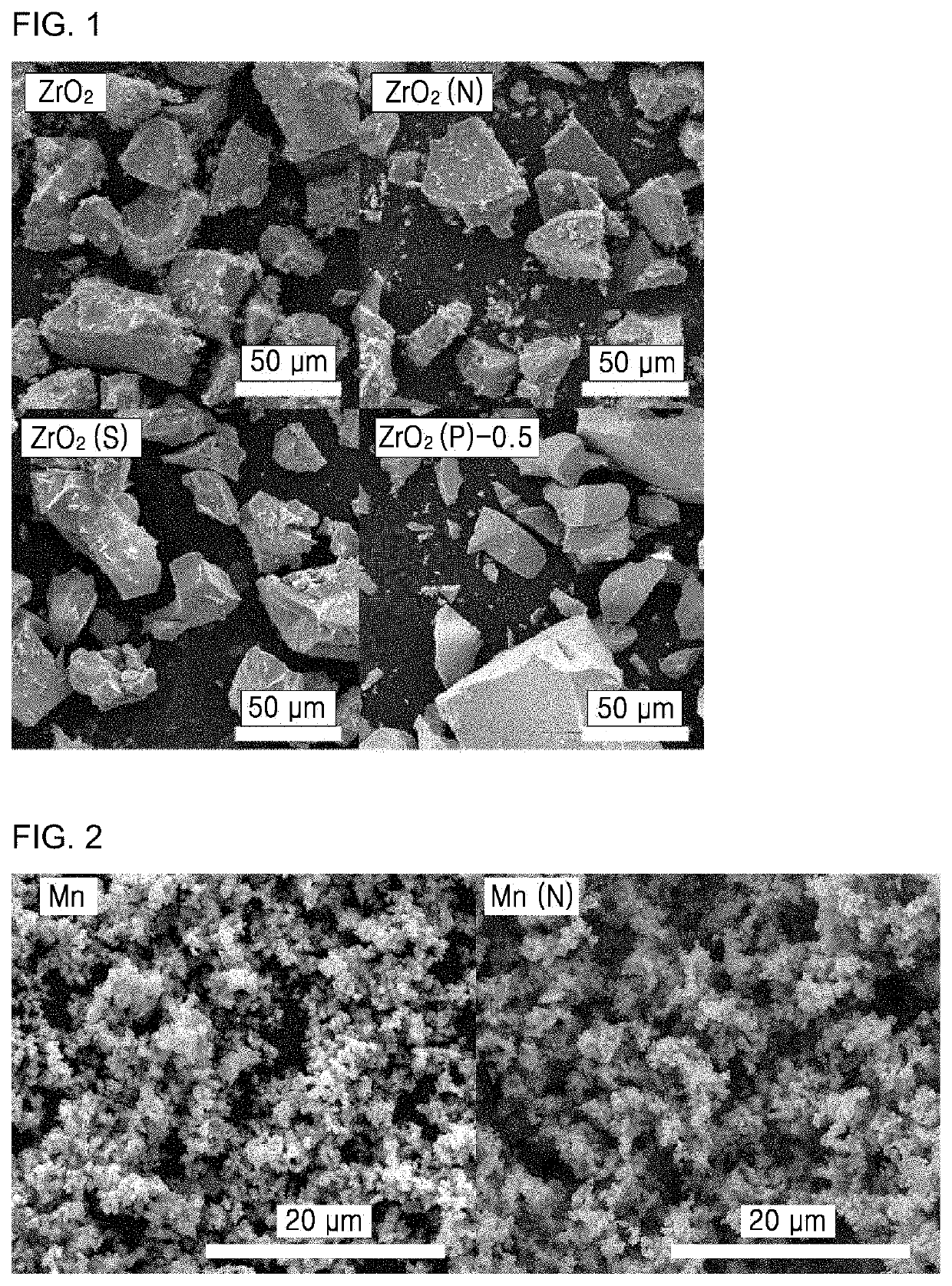
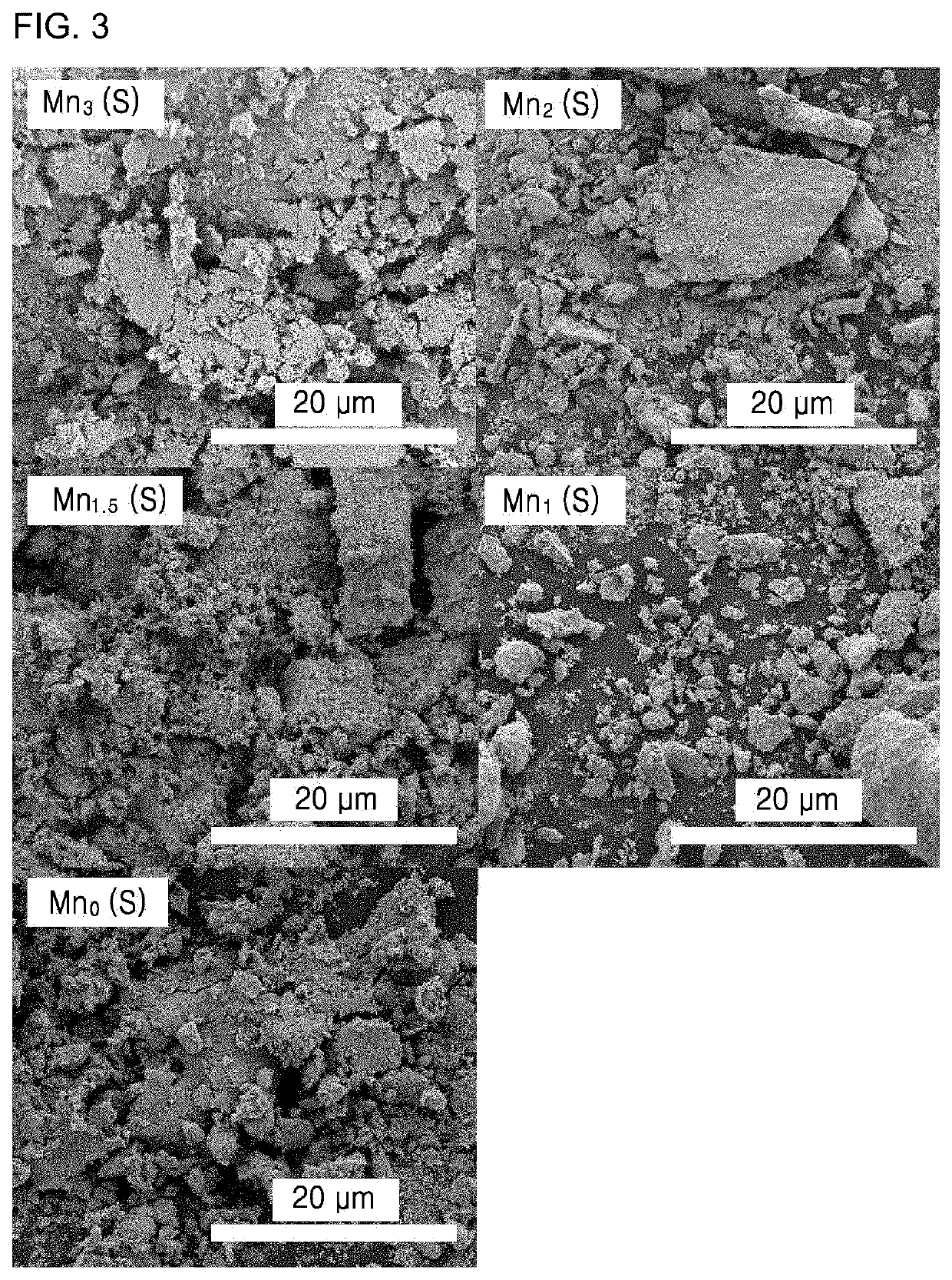
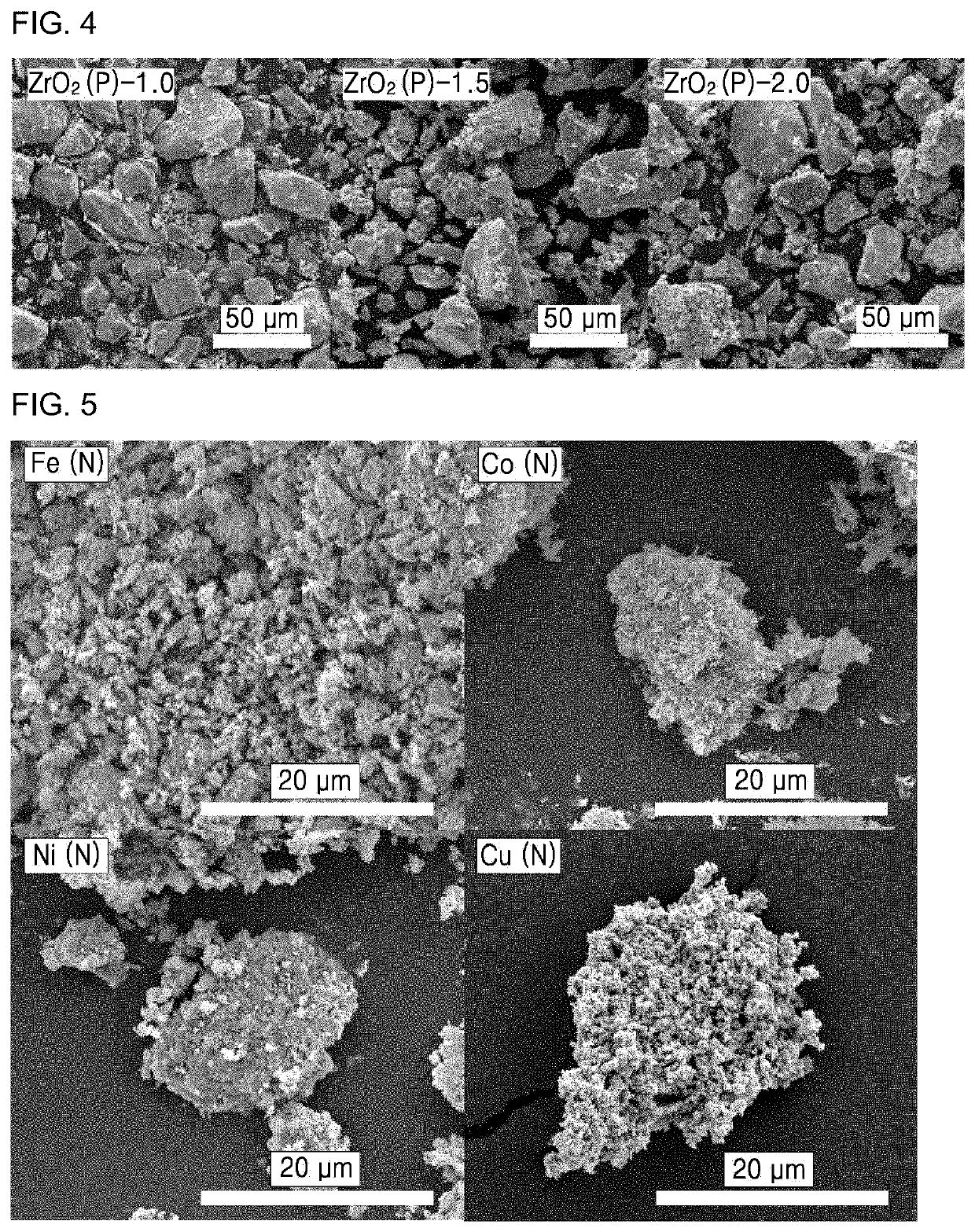
- Development of a catalyst system using d0-orbital or non-d0-orbital transition metal oxide grains functionalized with NO3−, SO42−, H2PO4−, HPO42−, or PO43− species, which have a longer half-life, wider pH range, and similar oxidizing power to •OH, for continuous production of •OH and enhanced decomposition of non-degradable organic materials.

System and method for enhancing electro-Fenton reaction energy efficiency through multifunctional electrode and pulse alternating current
PatentPendingCN118183955A
Innovation
- Using multi-functional electrodes and programmable AC power supply, the electrodes alternately undergo oxygen evolution reaction and electro-Fenton reaction through pulse AC voltage, generating a local oxygen-rich atmosphere and in-situ generation of hydroxyl radicals, degrading organic pollutants and eliminating the need for an aeration device. , improve energy efficiency.


Environmental Impact Assessment
The Electro-Fenton process, while offering significant advantages in wastewater treatment, carries various environmental implications that must be carefully assessed. Catalyst loading, as a critical parameter controlling reaction efficiency, directly influences these environmental impacts. When optimized, appropriate catalyst loading can minimize energy consumption by reducing the required electrical input while maximizing pollutant degradation rates. This energy efficiency translates to lower carbon footprints associated with the treatment process, particularly when the electricity source derives from fossil fuels.
Catalyst loading also affects the production and utilization of hydrogen peroxide during the reaction. Excessive catalyst concentrations may lead to parasitic reactions that decompose H₂O₂ unproductively, resulting in wasted resources and reduced treatment efficiency. Conversely, optimized catalyst loading ensures maximum utilization of generated H₂O₂, minimizing chemical waste and improving the overall environmental footprint of the process.
The fate of catalysts themselves presents another environmental consideration. Iron-based catalysts, commonly used in Electro-Fenton systems, may be released into treated effluent if not properly managed. Higher catalyst loadings increase this risk, potentially contributing to metal contamination in receiving water bodies. However, recent advances in heterogeneous catalysts and immobilization techniques have significantly mitigated this concern, allowing for catalyst recovery and reuse while preventing environmental discharge.
Sludge generation represents a significant downstream environmental impact of wastewater treatment processes. The relationship between catalyst loading and sludge production is complex - while higher catalyst concentrations may accelerate pollutant degradation, they might also contribute to increased sludge volume requiring disposal. Optimized catalyst loading can minimize sludge production while maintaining treatment efficacy, reducing the environmental burden associated with sludge management.
From a life cycle perspective, catalyst loading influences the overall sustainability of the Electro-Fenton process. Lower catalyst requirements reduce resource extraction impacts associated with catalyst production, particularly important for catalysts containing precious or rare earth metals. Additionally, optimized loading extends catalyst lifetime, decreasing replacement frequency and associated environmental impacts from manufacturing and transportation.
Water quality of the treated effluent is ultimately the most direct environmental impact. Proper catalyst loading ensures complete mineralization of organic pollutants rather than partial degradation, preventing the formation of potentially harmful intermediates that could pose ecological risks when discharged into natural water systems.
Catalyst loading also affects the production and utilization of hydrogen peroxide during the reaction. Excessive catalyst concentrations may lead to parasitic reactions that decompose H₂O₂ unproductively, resulting in wasted resources and reduced treatment efficiency. Conversely, optimized catalyst loading ensures maximum utilization of generated H₂O₂, minimizing chemical waste and improving the overall environmental footprint of the process.
The fate of catalysts themselves presents another environmental consideration. Iron-based catalysts, commonly used in Electro-Fenton systems, may be released into treated effluent if not properly managed. Higher catalyst loadings increase this risk, potentially contributing to metal contamination in receiving water bodies. However, recent advances in heterogeneous catalysts and immobilization techniques have significantly mitigated this concern, allowing for catalyst recovery and reuse while preventing environmental discharge.
Sludge generation represents a significant downstream environmental impact of wastewater treatment processes. The relationship between catalyst loading and sludge production is complex - while higher catalyst concentrations may accelerate pollutant degradation, they might also contribute to increased sludge volume requiring disposal. Optimized catalyst loading can minimize sludge production while maintaining treatment efficacy, reducing the environmental burden associated with sludge management.
From a life cycle perspective, catalyst loading influences the overall sustainability of the Electro-Fenton process. Lower catalyst requirements reduce resource extraction impacts associated with catalyst production, particularly important for catalysts containing precious or rare earth metals. Additionally, optimized loading extends catalyst lifetime, decreasing replacement frequency and associated environmental impacts from manufacturing and transportation.
Water quality of the treated effluent is ultimately the most direct environmental impact. Proper catalyst loading ensures complete mineralization of organic pollutants rather than partial degradation, preventing the formation of potentially harmful intermediates that could pose ecological risks when discharged into natural water systems.
Scale-up Considerations for Industrial Applications
The transition from laboratory-scale Electro-Fenton processes to industrial applications requires careful consideration of catalyst loading dynamics. When scaling up, the relationship between catalyst concentration and reaction efficiency becomes more complex due to increased volumes and surface areas. Industrial reactors must maintain optimal catalyst distribution throughout larger reaction chambers, necessitating advanced mixing technologies and flow dynamics calculations to prevent catalyst sedimentation or uneven distribution.
Electrode surface area to volume ratio decreases significantly in larger systems, affecting the efficiency of catalyst interaction with the electrode surface. This challenge requires redesigned electrode configurations that maximize contact opportunities while maintaining structural integrity under industrial operating conditions. Manufacturers typically employ specialized electrode arrays or three-dimensional electrode structures to compensate for this scaling effect.
Catalyst recovery and recycling become economically critical at industrial scale. The implementation of magnetic separation systems for iron-based catalysts or membrane filtration technologies for homogeneous catalysts can significantly reduce operational costs. These recovery systems must be integrated into the process flow without disrupting continuous operation, often requiring parallel processing lines or buffer tanks.
Energy consumption optimization presents another scaling challenge, as the power requirements for maintaining efficient catalyst activity increase non-linearly with system size. Industrial implementations frequently incorporate energy recovery systems and precise power management controls to maintain reaction efficiency while minimizing operational costs. Advanced power electronics that deliver precisely controlled current densities across larger electrode surfaces are essential for maintaining catalyst activation efficiency.
Monitoring and control systems must be more sophisticated in industrial applications, with real-time sensors tracking catalyst concentration, activity, and distribution throughout the reaction vessel. These systems often employ artificial intelligence algorithms to predict optimal catalyst loading adjustments based on incoming wastewater composition variations, ensuring consistent treatment efficiency despite fluctuating input conditions.
Material compatibility becomes more critical at industrial scale due to longer operational periods and higher cumulative exposure to oxidative conditions. Catalyst formulations may require modification with stabilizing agents or protective coatings to maintain longevity in continuous industrial operation. Additionally, reactor materials must withstand both the catalytic activity and the aggressive oxidizing environment without contributing to catalyst deactivation or contamination.
Regulatory compliance and safety considerations also influence industrial scale-up, particularly regarding catalyst handling, storage, and potential environmental release. Closed-loop catalyst management systems with redundant containment measures are typically required to meet industrial safety standards and environmental regulations governing the use of transition metal catalysts in water treatment applications.
Electrode surface area to volume ratio decreases significantly in larger systems, affecting the efficiency of catalyst interaction with the electrode surface. This challenge requires redesigned electrode configurations that maximize contact opportunities while maintaining structural integrity under industrial operating conditions. Manufacturers typically employ specialized electrode arrays or three-dimensional electrode structures to compensate for this scaling effect.
Catalyst recovery and recycling become economically critical at industrial scale. The implementation of magnetic separation systems for iron-based catalysts or membrane filtration technologies for homogeneous catalysts can significantly reduce operational costs. These recovery systems must be integrated into the process flow without disrupting continuous operation, often requiring parallel processing lines or buffer tanks.
Energy consumption optimization presents another scaling challenge, as the power requirements for maintaining efficient catalyst activity increase non-linearly with system size. Industrial implementations frequently incorporate energy recovery systems and precise power management controls to maintain reaction efficiency while minimizing operational costs. Advanced power electronics that deliver precisely controlled current densities across larger electrode surfaces are essential for maintaining catalyst activation efficiency.
Monitoring and control systems must be more sophisticated in industrial applications, with real-time sensors tracking catalyst concentration, activity, and distribution throughout the reaction vessel. These systems often employ artificial intelligence algorithms to predict optimal catalyst loading adjustments based on incoming wastewater composition variations, ensuring consistent treatment efficiency despite fluctuating input conditions.
Material compatibility becomes more critical at industrial scale due to longer operational periods and higher cumulative exposure to oxidative conditions. Catalyst formulations may require modification with stabilizing agents or protective coatings to maintain longevity in continuous industrial operation. Additionally, reactor materials must withstand both the catalytic activity and the aggressive oxidizing environment without contributing to catalyst deactivation or contamination.
Regulatory compliance and safety considerations also influence industrial scale-up, particularly regarding catalyst handling, storage, and potential environmental release. Closed-loop catalyst management systems with redundant containment measures are typically required to meet industrial safety standards and environmental regulations governing the use of transition metal catalysts in water treatment applications.
Unlock deeper insights with Patsnap Eureka Quick Research — get a full tech report to explore trends and direct your research. Try now!
Generate Your Research Report Instantly with AI Agent
Supercharge your innovation with Patsnap Eureka AI Agent Platform!