

How Control Engineering Enhances Load Balancing in Data Centers
MAR 27, 20269 MIN READ
Generate Your Research Report Instantly with AI Agent
PatSnap Eureka helps you evaluate technical feasibility & market potential.
Control Engineering Background and Data Center Load Balancing Goals
Control engineering emerged as a distinct discipline in the early 20th century, initially focused on regulating industrial processes through feedback mechanisms and mathematical modeling. The field evolved from classical control theory, which emphasized linear systems and frequency domain analysis, to modern control theory incorporating state-space methods and optimal control strategies. This evolution has been driven by advances in computational capabilities, sensor technologies, and the increasing complexity of systems requiring precise regulation.
The fundamental principles of control engineering center on maintaining desired system behavior through continuous monitoring, analysis, and adjustment. These principles include feedback control loops, system identification, stability analysis, and performance optimization. Traditional applications spanned manufacturing automation, aerospace systems, and process industries, where maintaining precise operational parameters was critical for safety and efficiency.
The digital transformation of the late 20th and early 21st centuries created new opportunities for control engineering applications. As computing systems became more complex and interconnected, the need for sophisticated resource management and performance optimization grew exponentially. This shift coincided with the emergence of large-scale data centers as critical infrastructure supporting cloud computing, web services, and digital applications.
Data center load balancing represents a contemporary challenge that aligns perfectly with control engineering principles. Modern data centers face the complex task of distributing computational workloads across thousands of servers while maintaining optimal performance, minimizing energy consumption, and ensuring service reliability. These objectives mirror traditional control engineering goals of stability, efficiency, and robustness.
The primary goals of applying control engineering to data center load balancing include achieving dynamic resource allocation that responds to varying demand patterns, maintaining system stability under fluctuating loads, and optimizing multiple performance metrics simultaneously. These goals encompass minimizing response times, maximizing throughput, reducing energy consumption, and preventing system overload conditions that could lead to service degradation or failures.
Contemporary data centers operate as complex distributed systems where traditional static load balancing approaches prove insufficient. The integration of control engineering methodologies offers sophisticated solutions for real-time adaptation to changing conditions, predictive resource management, and multi-objective optimization that addresses the evolving demands of modern digital infrastructure.
The fundamental principles of control engineering center on maintaining desired system behavior through continuous monitoring, analysis, and adjustment. These principles include feedback control loops, system identification, stability analysis, and performance optimization. Traditional applications spanned manufacturing automation, aerospace systems, and process industries, where maintaining precise operational parameters was critical for safety and efficiency.
The digital transformation of the late 20th and early 21st centuries created new opportunities for control engineering applications. As computing systems became more complex and interconnected, the need for sophisticated resource management and performance optimization grew exponentially. This shift coincided with the emergence of large-scale data centers as critical infrastructure supporting cloud computing, web services, and digital applications.
Data center load balancing represents a contemporary challenge that aligns perfectly with control engineering principles. Modern data centers face the complex task of distributing computational workloads across thousands of servers while maintaining optimal performance, minimizing energy consumption, and ensuring service reliability. These objectives mirror traditional control engineering goals of stability, efficiency, and robustness.
The primary goals of applying control engineering to data center load balancing include achieving dynamic resource allocation that responds to varying demand patterns, maintaining system stability under fluctuating loads, and optimizing multiple performance metrics simultaneously. These goals encompass minimizing response times, maximizing throughput, reducing energy consumption, and preventing system overload conditions that could lead to service degradation or failures.
Contemporary data centers operate as complex distributed systems where traditional static load balancing approaches prove insufficient. The integration of control engineering methodologies offers sophisticated solutions for real-time adaptation to changing conditions, predictive resource management, and multi-objective optimization that addresses the evolving demands of modern digital infrastructure.
Market Demand for Efficient Data Center Load Management
The global data center market continues to experience unprecedented growth driven by digital transformation initiatives, cloud computing adoption, and the exponential increase in data generation. Organizations across industries are migrating their operations to digital platforms, creating substantial demand for reliable and efficient data center infrastructure. This digital shift has intensified the need for sophisticated load management solutions that can handle varying computational demands while maintaining optimal performance levels.
Energy efficiency has emerged as a critical concern for data center operators facing rising electricity costs and environmental regulations. Traditional load balancing approaches often result in suboptimal resource utilization, leading to energy waste and increased operational expenses. The market increasingly demands intelligent load management systems that can dynamically adjust resource allocation based on real-time demand patterns, thereby reducing energy consumption and operational costs.
The proliferation of edge computing and Internet of Things applications has created new challenges for data center load management. These technologies generate diverse workload patterns with varying latency requirements, necessitating more sophisticated load balancing mechanisms. Organizations require solutions that can seamlessly handle both traditional batch processing and real-time applications while maintaining service quality standards.
Cloud service providers face intense competition and pressure to deliver consistent performance while managing costs effectively. The market demands load management solutions that can automatically scale resources up or down based on demand fluctuations, ensuring optimal resource utilization without compromising service availability. This requirement has driven significant investment in advanced control systems that can predict and respond to load variations proactively.
Regulatory compliance and data sovereignty requirements have added complexity to data center operations, creating demand for load management systems that can ensure data remains within specified geographical boundaries while maintaining performance standards. Organizations need solutions that can balance workloads across multiple data centers while adhering to regulatory constraints.
The increasing adoption of artificial intelligence and machine learning workloads has created demand for specialized load management capabilities. These applications require different resource allocation patterns compared to traditional workloads, driving the need for adaptive load balancing systems that can optimize performance for diverse computational requirements while maintaining overall system stability and efficiency.
Energy efficiency has emerged as a critical concern for data center operators facing rising electricity costs and environmental regulations. Traditional load balancing approaches often result in suboptimal resource utilization, leading to energy waste and increased operational expenses. The market increasingly demands intelligent load management systems that can dynamically adjust resource allocation based on real-time demand patterns, thereby reducing energy consumption and operational costs.
The proliferation of edge computing and Internet of Things applications has created new challenges for data center load management. These technologies generate diverse workload patterns with varying latency requirements, necessitating more sophisticated load balancing mechanisms. Organizations require solutions that can seamlessly handle both traditional batch processing and real-time applications while maintaining service quality standards.
Cloud service providers face intense competition and pressure to deliver consistent performance while managing costs effectively. The market demands load management solutions that can automatically scale resources up or down based on demand fluctuations, ensuring optimal resource utilization without compromising service availability. This requirement has driven significant investment in advanced control systems that can predict and respond to load variations proactively.
Regulatory compliance and data sovereignty requirements have added complexity to data center operations, creating demand for load management systems that can ensure data remains within specified geographical boundaries while maintaining performance standards. Organizations need solutions that can balance workloads across multiple data centers while adhering to regulatory constraints.
The increasing adoption of artificial intelligence and machine learning workloads has created demand for specialized load management capabilities. These applications require different resource allocation patterns compared to traditional workloads, driving the need for adaptive load balancing systems that can optimize performance for diverse computational requirements while maintaining overall system stability and efficiency.
Current State and Challenges in Data Center Load Balancing
Data center load balancing has evolved significantly over the past decade, driven by the exponential growth in cloud computing, big data analytics, and distributed applications. Traditional load balancing approaches primarily relied on simple round-robin algorithms and basic health checks to distribute incoming requests across server pools. However, these methods have proven inadequate for handling the complexity and scale of modern data center operations.
Current load balancing implementations predominantly utilize Layer 4 and Layer 7 load balancers, which operate at the transport and application layers respectively. Layer 4 load balancers make routing decisions based on IP addresses and port numbers, while Layer 7 load balancers can examine application-specific data such as HTTP headers and content. Software-defined networking (SDN) has introduced programmable load balancing capabilities, enabling more dynamic and flexible traffic distribution strategies.
Despite these advancements, several critical challenges persist in contemporary data center load balancing. Resource heterogeneity represents a fundamental obstacle, as modern data centers contain servers with varying computational capabilities, memory configurations, and network connectivity. Traditional load balancing algorithms often fail to account for these differences, leading to suboptimal resource utilization and performance degradation.
Dynamic workload characteristics pose another significant challenge. Application traffic patterns exhibit high variability, with sudden spikes, seasonal fluctuations, and unpredictable demand surges. Conventional static load balancing approaches cannot adapt quickly enough to these changes, resulting in server overload or underutilization. The increasing prevalence of microservices architectures has further complicated load balancing, as applications now consist of numerous interconnected services with complex dependency relationships.
Latency optimization remains a persistent challenge, particularly for latency-sensitive applications such as real-time analytics and interactive services. Geographic distribution of users and data centers creates additional complexity in routing decisions, requiring consideration of network topology, bandwidth limitations, and regional performance variations. Energy efficiency concerns have also emerged as a critical factor, as data centers consume substantial amounts of electricity, and inefficient load balancing can exacerbate energy waste.
The integration of containerized workloads and orchestration platforms like Kubernetes has introduced new load balancing requirements. Container lifecycles are typically shorter and more dynamic than traditional virtual machines, necessitating rapid adaptation of load balancing configurations. Service mesh technologies have attempted to address some of these challenges but have introduced additional complexity in terms of configuration management and performance overhead.
Current load balancing implementations predominantly utilize Layer 4 and Layer 7 load balancers, which operate at the transport and application layers respectively. Layer 4 load balancers make routing decisions based on IP addresses and port numbers, while Layer 7 load balancers can examine application-specific data such as HTTP headers and content. Software-defined networking (SDN) has introduced programmable load balancing capabilities, enabling more dynamic and flexible traffic distribution strategies.
Despite these advancements, several critical challenges persist in contemporary data center load balancing. Resource heterogeneity represents a fundamental obstacle, as modern data centers contain servers with varying computational capabilities, memory configurations, and network connectivity. Traditional load balancing algorithms often fail to account for these differences, leading to suboptimal resource utilization and performance degradation.
Dynamic workload characteristics pose another significant challenge. Application traffic patterns exhibit high variability, with sudden spikes, seasonal fluctuations, and unpredictable demand surges. Conventional static load balancing approaches cannot adapt quickly enough to these changes, resulting in server overload or underutilization. The increasing prevalence of microservices architectures has further complicated load balancing, as applications now consist of numerous interconnected services with complex dependency relationships.
Latency optimization remains a persistent challenge, particularly for latency-sensitive applications such as real-time analytics and interactive services. Geographic distribution of users and data centers creates additional complexity in routing decisions, requiring consideration of network topology, bandwidth limitations, and regional performance variations. Energy efficiency concerns have also emerged as a critical factor, as data centers consume substantial amounts of electricity, and inefficient load balancing can exacerbate energy waste.
The integration of containerized workloads and orchestration platforms like Kubernetes has introduced new load balancing requirements. Container lifecycles are typically shorter and more dynamic than traditional virtual machines, necessitating rapid adaptation of load balancing configurations. Service mesh technologies have attempted to address some of these challenges but have introduced additional complexity in terms of configuration management and performance overhead.
Current Control-Based Load Balancing Approaches
01 Dynamic load distribution in control systems
Control engineering systems can implement dynamic load balancing by distributing computational tasks and control operations across multiple processing units or controllers. This approach monitors system load in real-time and redistributes tasks to prevent overload conditions and maintain optimal performance. The load balancing mechanism can adjust resource allocation based on current demand, ensuring efficient utilization of available control resources and preventing bottlenecks in the control system.- Dynamic load distribution in distributed control systems: Methods and systems for dynamically distributing computational loads across multiple control nodes or processors in distributed control environments. This approach monitors system performance and workload metrics in real-time, then redistributes tasks among available control units to optimize resource utilization and prevent bottlenecks. The techniques enable adaptive load balancing that responds to changing operational conditions and ensures efficient processing across the control infrastructure.
- Load balancing for industrial automation and manufacturing systems: Techniques specifically designed for balancing computational and control loads in industrial automation environments, including manufacturing execution systems and process control applications. These methods coordinate multiple control devices, programmable logic controllers, and automation equipment to distribute control tasks efficiently. The approach ensures stable operation during peak production periods and maintains system responsiveness across distributed manufacturing operations.
- Network-based load balancing for control systems: Systems that implement load balancing across networked control architectures, managing data traffic and processing demands across communication networks connecting control devices. These solutions handle the distribution of control signals, sensor data, and command messages across network infrastructure to prevent congestion and ensure timely delivery of critical control information. The methods incorporate network topology awareness and bandwidth management to optimize control system performance.
- Power and energy load balancing in control engineering: Approaches focused on balancing electrical loads and energy distribution in power systems and energy management applications. These techniques manage power consumption across multiple loads, coordinate energy sources, and optimize power distribution to maintain system stability. The methods include algorithms for demand response, peak shaving, and efficient energy allocation across controlled electrical systems.
- Cloud and edge computing load balancing for control applications: Solutions that balance computational loads between cloud-based control platforms and edge computing devices in modern control architectures. These systems determine optimal placement and execution of control algorithms across distributed computing resources, considering factors such as latency requirements, bandwidth constraints, and processing capabilities. The approach enables scalable control systems that leverage both centralized cloud resources and local edge computing power.
02 Network-based load balancing for distributed control
Load balancing in control engineering can be achieved through network-based architectures where control tasks are distributed across multiple networked devices or nodes. This method involves intelligent routing of control signals and data processing tasks to balance the computational load across the network. The system can dynamically select optimal paths and processing nodes based on network conditions, latency requirements, and available resources to maintain system stability and responsiveness.Expand Specific Solutions03 Power system load balancing and management
In power control engineering, load balancing involves managing electrical loads across multiple power sources or distribution networks to optimize energy consumption and prevent system overload. This includes techniques for monitoring power demand, switching between power sources, and redistributing electrical loads to maintain grid stability. The system can incorporate predictive algorithms to anticipate load changes and proactively adjust power distribution to ensure continuous and efficient operation.Expand Specific Solutions04 Multi-controller coordination and task scheduling
Load balancing in control systems can be implemented through coordinated operation of multiple controllers with intelligent task scheduling mechanisms. This approach involves dividing control responsibilities among several controllers and implementing scheduling algorithms that optimize task allocation based on controller capacity, priority levels, and real-time performance metrics. The coordination mechanism ensures that no single controller becomes overloaded while maintaining overall system performance and reliability.Expand Specific Solutions05 Adaptive load balancing with feedback control
Advanced control engineering systems employ adaptive load balancing techniques that use feedback mechanisms to continuously monitor and adjust load distribution. This method incorporates sensors and monitoring systems that track performance metrics, resource utilization, and system health indicators. Based on this feedback, the system automatically adjusts load distribution parameters to optimize performance, prevent failures, and maintain desired control objectives under varying operational conditions.Expand Specific Solutions
Key Players in Control Engineering and Data Center Solutions
The control engineering landscape for data center load balancing is experiencing rapid evolution driven by increasing computational demands and energy efficiency requirements. The market has reached significant scale with hyperscale data centers becoming critical infrastructure, representing a multi-billion dollar industry segment. Technology maturity varies considerably across key players, with established cloud giants like Microsoft Technology Licensing LLC, Google LLC, and Amazon Technologies Inc. leading in advanced algorithmic approaches and AI-driven optimization. Hardware specialists including NVIDIA Corp., Intel Corp., and Cisco Technology Inc. provide foundational infrastructure enabling sophisticated control systems. Traditional telecommunications companies such as NTT Inc., Deutsche Telekom AG, and Verizon Patent & Licensing Inc. contribute network-level load balancing expertise. Asian technology leaders like Huawei Technologies Co. Ltd., Fujitsu Ltd., and NEC Corp. are advancing integrated solutions combining hardware and software control mechanisms. The competitive landscape shows convergence toward intelligent, automated load balancing systems incorporating machine learning and predictive analytics for optimal resource allocation.
Microsoft Technology Licensing LLC
Technical Solution: Microsoft implements intelligent load balancing through Azure Load Balancer with advanced control algorithms that utilize real-time telemetry and predictive analytics. Their system employs machine learning-based traffic prediction models to anticipate load patterns and proactively adjust resource allocation. The control engineering approach includes feedback control loops that monitor server health, response times, and resource utilization metrics to dynamically distribute workloads across multiple data center regions. Microsoft's Global Load Balancer uses sophisticated algorithms to route traffic based on geographic proximity, server capacity, and network latency, ensuring optimal performance and fault tolerance through automated failover mechanisms.
Strengths: Comprehensive global infrastructure with intelligent predictive capabilities and seamless integration with cloud services. Weaknesses: High complexity requiring specialized expertise and significant computational overhead for control algorithms.
Google LLC
Technical Solution: Google's load balancing architecture leverages control engineering principles through their Maglev load balancer system, which uses consistent hashing algorithms and real-time health monitoring. The system implements closed-loop control mechanisms that continuously monitor backend server performance, automatically adjusting traffic distribution based on server capacity and response metrics. Google's approach includes sophisticated traffic shaping algorithms that can handle millions of queries per second while maintaining sub-millisecond latency. Their control system integrates machine learning models to predict traffic patterns and preemptively scale resources, utilizing advanced feedback control systems that monitor network congestion, server utilization, and application performance to optimize load distribution across their global data center infrastructure.
Strengths: Exceptional scalability handling massive traffic volumes with advanced ML-driven optimization and global reach. Weaknesses: Proprietary technology with limited customization options and high implementation complexity for enterprise adoption.
Core Control Algorithms for Dynamic Load Distribution
Method and apparatus for global server load balancing
PatentInactiveUS7305429B2
Innovation
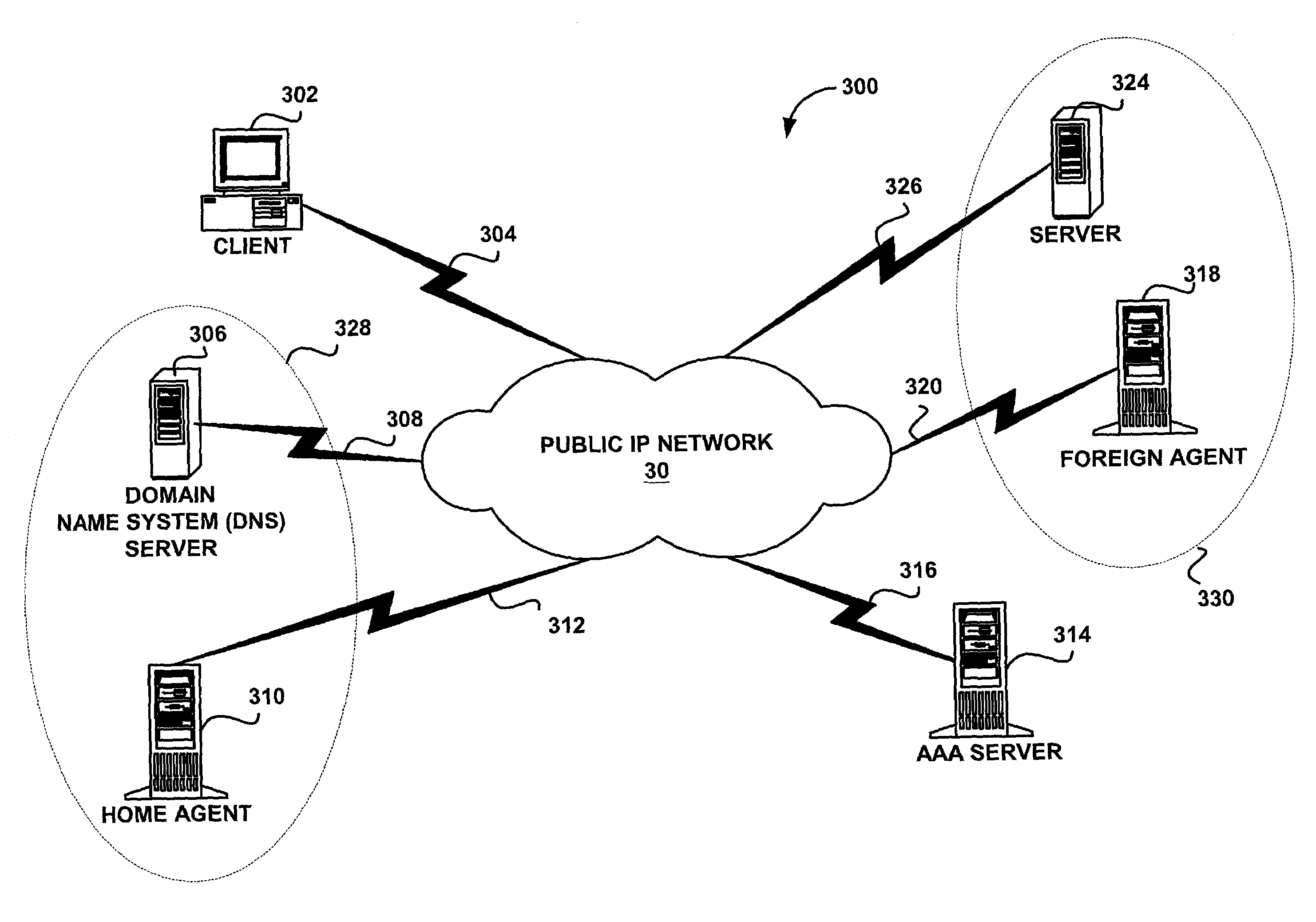
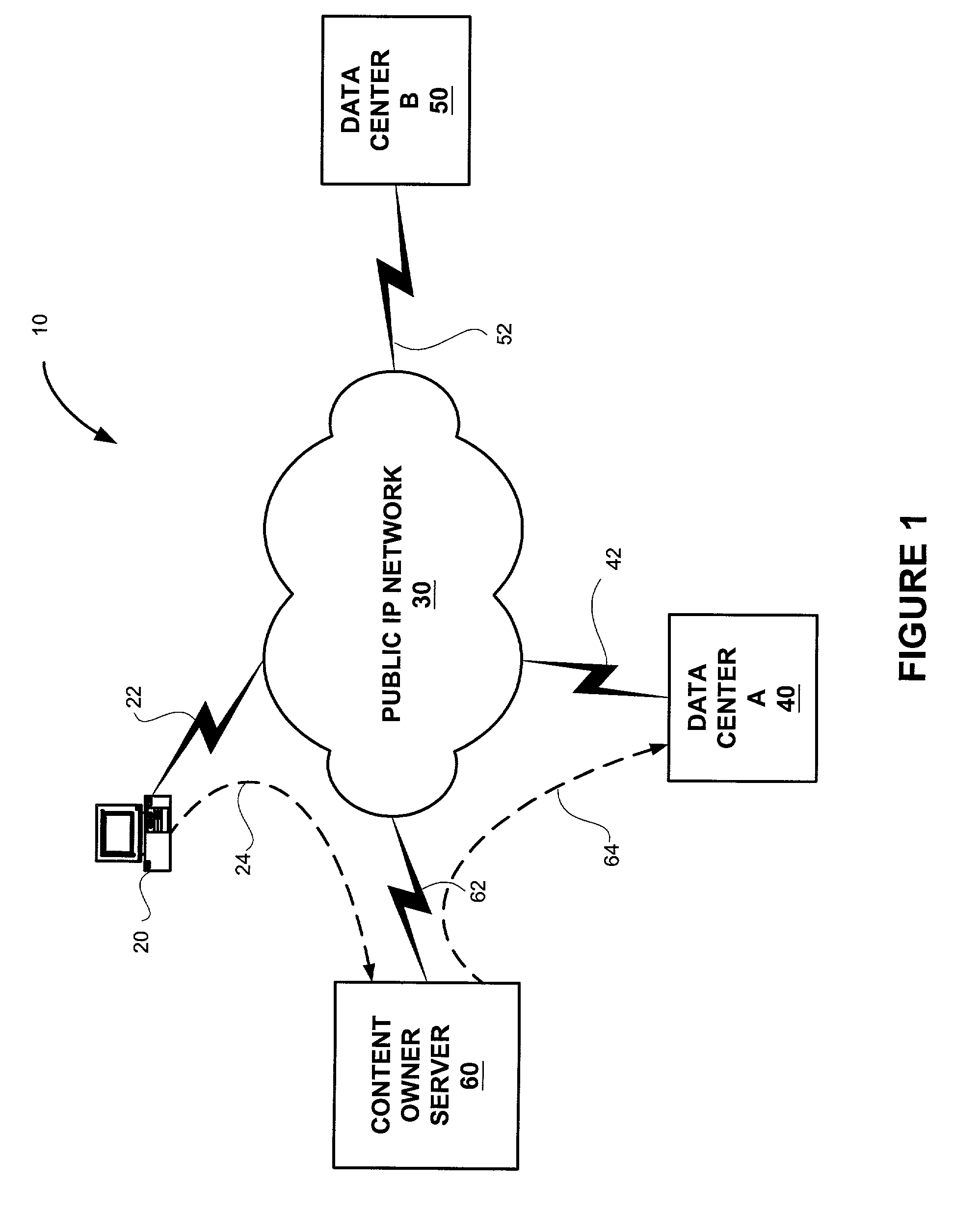
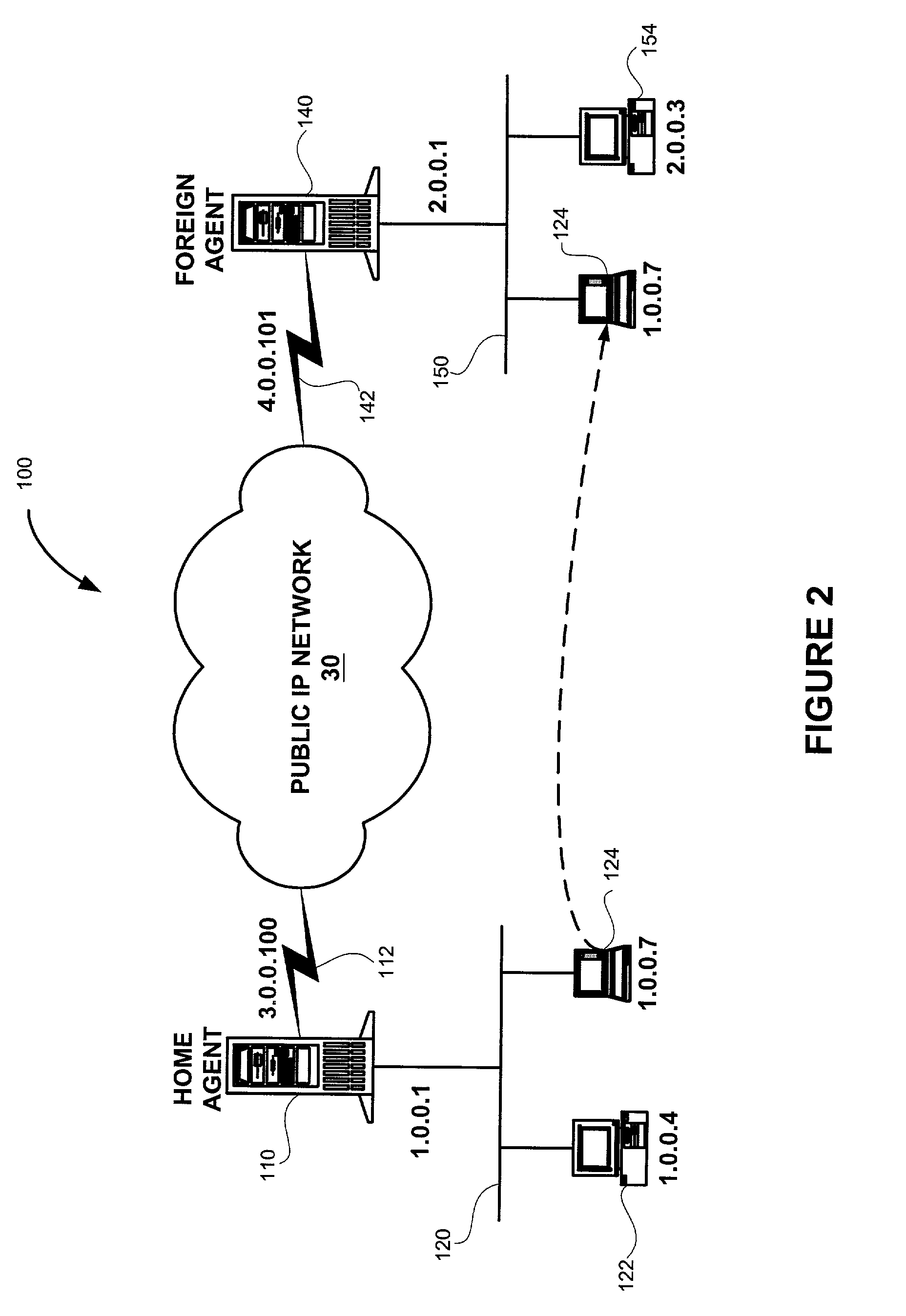
- The implementation of Mobile Internet Protocol (Mobile IP) for dynamic network address assignment to servers at data centers, utilizing foreign and home agents to redirect routing and optimize load balancing by dynamically assigning network addresses based on load data, thereby enhancing server selection and response efficiency.

Automatic discovery, scaling, and load balancing of multiple cloud data centers in a software-defined network environment
PatentActiveUS10567288B1
Innovation
- Implementing a global load balancing (GLB) device that automatically discovers virtual service instances, receives configuration information from an SDN controller, and applies load balancing algorithms to network traffic, enabling dynamic scaling and load balancing across multiple cloud data centers through integration with DNS and BGP protocols.


Energy Efficiency Standards and Data Center Regulations
Energy efficiency standards and regulations have become critical drivers in shaping how control engineering approaches load balancing in modern data centers. The implementation of stringent energy consumption requirements has fundamentally transformed the operational paradigms that govern distributed computing infrastructure.
The Energy Star program for data centers, established by the EPA, sets baseline efficiency metrics that directly influence load balancing algorithms. These standards mandate Power Usage Effectiveness (PUE) ratios below 1.5 for new facilities, compelling control systems to integrate energy consumption as a primary optimization parameter alongside traditional performance metrics. This regulatory framework has accelerated the adoption of predictive control mechanisms that anticipate workload patterns while maintaining compliance with energy efficiency thresholds.
European Union regulations, particularly the Code of Conduct for Data Centre Energy Efficiency, have established comprehensive guidelines that affect load distribution strategies. These regulations require continuous monitoring and reporting of energy consumption patterns, necessitating control systems that can dynamically adjust load allocation based on real-time efficiency measurements. The regulatory emphasis on renewable energy integration has also influenced control engineering approaches, requiring load balancing systems to consider carbon intensity and grid stability factors.
Recent legislative developments in California's Title 24 Building Energy Efficiency Standards have introduced mandatory energy management requirements for data centers exceeding specific capacity thresholds. These regulations mandate the implementation of automated control systems capable of optimizing energy consumption through intelligent load distribution, effectively making advanced control engineering solutions a compliance necessity rather than an optional enhancement.
The emerging trend toward carbon neutrality commitments has prompted regulatory bodies to develop more sophisticated energy efficiency frameworks. These evolving standards increasingly require data centers to demonstrate not only energy efficiency but also adaptive load management capabilities that respond to grid conditions and renewable energy availability. This regulatory evolution continues to drive innovation in control engineering methodologies, pushing the boundaries of traditional load balancing approaches toward more holistic, energy-aware optimization strategies.
The Energy Star program for data centers, established by the EPA, sets baseline efficiency metrics that directly influence load balancing algorithms. These standards mandate Power Usage Effectiveness (PUE) ratios below 1.5 for new facilities, compelling control systems to integrate energy consumption as a primary optimization parameter alongside traditional performance metrics. This regulatory framework has accelerated the adoption of predictive control mechanisms that anticipate workload patterns while maintaining compliance with energy efficiency thresholds.
European Union regulations, particularly the Code of Conduct for Data Centre Energy Efficiency, have established comprehensive guidelines that affect load distribution strategies. These regulations require continuous monitoring and reporting of energy consumption patterns, necessitating control systems that can dynamically adjust load allocation based on real-time efficiency measurements. The regulatory emphasis on renewable energy integration has also influenced control engineering approaches, requiring load balancing systems to consider carbon intensity and grid stability factors.
Recent legislative developments in California's Title 24 Building Energy Efficiency Standards have introduced mandatory energy management requirements for data centers exceeding specific capacity thresholds. These regulations mandate the implementation of automated control systems capable of optimizing energy consumption through intelligent load distribution, effectively making advanced control engineering solutions a compliance necessity rather than an optional enhancement.
The emerging trend toward carbon neutrality commitments has prompted regulatory bodies to develop more sophisticated energy efficiency frameworks. These evolving standards increasingly require data centers to demonstrate not only energy efficiency but also adaptive load management capabilities that respond to grid conditions and renewable energy availability. This regulatory evolution continues to drive innovation in control engineering methodologies, pushing the boundaries of traditional load balancing approaches toward more holistic, energy-aware optimization strategies.
Sustainability Impact of Control-Enhanced Load Balancing
Control-enhanced load balancing represents a paradigm shift toward sustainable data center operations, fundamentally transforming how computational resources are allocated while minimizing environmental impact. Traditional load balancing approaches often prioritize performance metrics without considering energy consumption patterns, leading to inefficient resource utilization and increased carbon footprints. The integration of advanced control engineering principles enables data centers to achieve optimal performance while simultaneously reducing energy consumption by up to 30% through intelligent workload distribution and dynamic resource allocation.
The environmental benefits of control-enhanced load balancing extend beyond immediate energy savings to encompass comprehensive sustainability improvements. Advanced control algorithms can dynamically adjust server utilization rates based on real-time energy pricing, renewable energy availability, and thermal conditions. This intelligent orchestration reduces peak power demands and enables better integration with renewable energy sources, particularly solar and wind power systems that exhibit variable output patterns.
Carbon footprint reduction emerges as a primary sustainability outcome through sophisticated predictive control mechanisms. These systems analyze historical usage patterns, weather forecasts, and energy grid conditions to optimize workload scheduling during periods of low-carbon electricity generation. Data centers implementing such control strategies have demonstrated significant reductions in Scope 2 emissions, with some facilities achieving carbon neutrality during peak renewable energy production periods.
Resource efficiency improvements manifest through enhanced server lifecycle management and reduced hardware redundancy requirements. Control-enhanced systems can maintain service quality with fewer active servers by optimizing load distribution algorithms, thereby extending equipment lifespan and reducing electronic waste generation. This approach also minimizes the need for oversized infrastructure, leading to more sustainable capital expenditure patterns.
The economic sustainability aspects complement environmental benefits through reduced operational costs and improved energy procurement strategies. Advanced control systems enable participation in demand response programs and dynamic electricity markets, generating additional revenue streams while supporting grid stability. These financial incentives create positive feedback loops that encourage further investment in sustainable technologies and practices within data center operations.
The environmental benefits of control-enhanced load balancing extend beyond immediate energy savings to encompass comprehensive sustainability improvements. Advanced control algorithms can dynamically adjust server utilization rates based on real-time energy pricing, renewable energy availability, and thermal conditions. This intelligent orchestration reduces peak power demands and enables better integration with renewable energy sources, particularly solar and wind power systems that exhibit variable output patterns.
Carbon footprint reduction emerges as a primary sustainability outcome through sophisticated predictive control mechanisms. These systems analyze historical usage patterns, weather forecasts, and energy grid conditions to optimize workload scheduling during periods of low-carbon electricity generation. Data centers implementing such control strategies have demonstrated significant reductions in Scope 2 emissions, with some facilities achieving carbon neutrality during peak renewable energy production periods.
Resource efficiency improvements manifest through enhanced server lifecycle management and reduced hardware redundancy requirements. Control-enhanced systems can maintain service quality with fewer active servers by optimizing load distribution algorithms, thereby extending equipment lifespan and reducing electronic waste generation. This approach also minimizes the need for oversized infrastructure, leading to more sustainable capital expenditure patterns.
The economic sustainability aspects complement environmental benefits through reduced operational costs and improved energy procurement strategies. Advanced control systems enable participation in demand response programs and dynamic electricity markets, generating additional revenue streams while supporting grid stability. These financial incentives create positive feedback loops that encourage further investment in sustainable technologies and practices within data center operations.
Unlock deeper insights with PatSnap Eureka Quick Research — get a full tech report to explore trends and direct your research. Try now!
Generate Your Research Report Instantly with AI Agent
Supercharge your innovation with PatSnap Eureka AI Agent Platform!