

How Increased Stack Pressure Impacts Component Durability Metrics
MAY 15, 20269 MIN READ
Generate Your Research Report Instantly with AI Agent
PatSnap Eureka helps you evaluate technical feasibility & market potential.
Stack Pressure Technology Background and Durability Goals
Stack pressure technology has emerged as a critical engineering parameter in various industrial applications, particularly in fuel cell systems, battery assemblies, and mechanical compression devices. The fundamental principle involves applying controlled compressive forces to multi-layered components to ensure optimal contact resistance, sealing effectiveness, and structural integrity. This technology has evolved significantly since the early 2000s, driven by the growing demand for high-performance energy storage and conversion systems.
The historical development of stack pressure optimization began with early fuel cell research in the 1960s, where scientists recognized that inadequate compression led to poor electrical conductivity and gas leakage. As fuel cell technology matured through the 1990s and 2000s, researchers systematically investigated the relationship between applied pressure and system performance. The advent of advanced materials and precision manufacturing techniques has enabled more sophisticated pressure distribution strategies.
Current technological objectives focus on achieving optimal balance between performance enhancement and component longevity. The primary goal involves determining the precise pressure ranges that maximize electrical conductivity and sealing effectiveness while minimizing mechanical stress-induced degradation. Modern systems target pressure uniformity across the entire stack surface, typically maintaining variations within 5-10% of the nominal value.
Contemporary research emphasizes developing predictive models that correlate stack pressure with long-term durability metrics. These models incorporate material properties, environmental conditions, and operational cycles to forecast component lifespan under various pressure scenarios. Advanced monitoring systems now enable real-time pressure adjustment based on performance feedback and degradation indicators.
The integration of smart materials and adaptive pressure control systems represents the current frontier in stack pressure technology. These innovations aim to maintain optimal compression throughout the component lifecycle, compensating for material creep, thermal expansion, and mechanical settling. The ultimate technological goal involves achieving autonomous pressure management that maximizes both immediate performance and long-term reliability while minimizing maintenance requirements and operational costs.
The historical development of stack pressure optimization began with early fuel cell research in the 1960s, where scientists recognized that inadequate compression led to poor electrical conductivity and gas leakage. As fuel cell technology matured through the 1990s and 2000s, researchers systematically investigated the relationship between applied pressure and system performance. The advent of advanced materials and precision manufacturing techniques has enabled more sophisticated pressure distribution strategies.
Current technological objectives focus on achieving optimal balance between performance enhancement and component longevity. The primary goal involves determining the precise pressure ranges that maximize electrical conductivity and sealing effectiveness while minimizing mechanical stress-induced degradation. Modern systems target pressure uniformity across the entire stack surface, typically maintaining variations within 5-10% of the nominal value.
Contemporary research emphasizes developing predictive models that correlate stack pressure with long-term durability metrics. These models incorporate material properties, environmental conditions, and operational cycles to forecast component lifespan under various pressure scenarios. Advanced monitoring systems now enable real-time pressure adjustment based on performance feedback and degradation indicators.
The integration of smart materials and adaptive pressure control systems represents the current frontier in stack pressure technology. These innovations aim to maintain optimal compression throughout the component lifecycle, compensating for material creep, thermal expansion, and mechanical settling. The ultimate technological goal involves achieving autonomous pressure management that maximizes both immediate performance and long-term reliability while minimizing maintenance requirements and operational costs.
Market Demand for High-Pressure Resistant Components
The global market for high-pressure resistant components is experiencing unprecedented growth driven by the increasing recognition that elevated stack pressures significantly impact component durability metrics across multiple industrial sectors. This demand surge stems from industries' urgent need to address premature component failures, reduced operational efficiency, and escalating maintenance costs associated with inadequate pressure resistance capabilities.
Aerospace and defense sectors represent the most demanding market segment, where components must withstand extreme pressure variations while maintaining structural integrity over extended operational periods. The industry's stringent safety requirements and zero-tolerance approach to component failure have created substantial demand for advanced pressure-resistant materials and designs. Commercial aviation's expansion and military modernization programs continue to drive specifications for components capable of operating under increasingly severe pressure conditions.
Energy sector applications, particularly in oil and gas exploration, nuclear power generation, and renewable energy systems, constitute another major demand driver. Deep-sea drilling operations and high-pressure pipeline systems require components that can maintain performance under sustained pressure loads without degradation. The transition toward cleaner energy sources has intensified requirements for pressure-resistant components in hydrogen storage systems, compressed air energy storage, and advanced battery technologies.
Automotive industry transformation toward electric vehicles and hydrogen fuel cells has generated new market segments for pressure-resistant components. Battery pack assemblies, fuel cell stacks, and high-pressure hydrogen storage systems demand components with superior pressure tolerance characteristics. The industry's shift toward lightweight yet durable materials has created opportunities for innovative pressure-resistant solutions that balance weight reduction with enhanced durability metrics.
Manufacturing and process industries increasingly recognize the economic benefits of investing in high-pressure resistant components. Equipment downtime reduction, extended maintenance intervals, and improved operational reliability justify premium pricing for components with superior pressure resistance capabilities. Chemical processing, pharmaceutical manufacturing, and food processing industries particularly value components that maintain performance under varying pressure conditions while meeting strict regulatory requirements.
Emerging applications in semiconductor manufacturing, where ultra-clean environments and precise pressure control are critical, represent growing market opportunities. The miniaturization trend in electronics demands components capable of maintaining dimensional stability and performance under microscopic pressure variations that can significantly impact manufacturing yields and product quality.
Market demand patterns indicate strong preference for components offering predictable durability metrics under defined pressure conditions, comprehensive testing documentation, and long-term performance guarantees. This trend reflects industries' increasing sophistication in understanding the relationship between stack pressure and component longevity, driving procurement decisions toward solutions with proven pressure resistance capabilities.
Aerospace and defense sectors represent the most demanding market segment, where components must withstand extreme pressure variations while maintaining structural integrity over extended operational periods. The industry's stringent safety requirements and zero-tolerance approach to component failure have created substantial demand for advanced pressure-resistant materials and designs. Commercial aviation's expansion and military modernization programs continue to drive specifications for components capable of operating under increasingly severe pressure conditions.
Energy sector applications, particularly in oil and gas exploration, nuclear power generation, and renewable energy systems, constitute another major demand driver. Deep-sea drilling operations and high-pressure pipeline systems require components that can maintain performance under sustained pressure loads without degradation. The transition toward cleaner energy sources has intensified requirements for pressure-resistant components in hydrogen storage systems, compressed air energy storage, and advanced battery technologies.
Automotive industry transformation toward electric vehicles and hydrogen fuel cells has generated new market segments for pressure-resistant components. Battery pack assemblies, fuel cell stacks, and high-pressure hydrogen storage systems demand components with superior pressure tolerance characteristics. The industry's shift toward lightweight yet durable materials has created opportunities for innovative pressure-resistant solutions that balance weight reduction with enhanced durability metrics.
Manufacturing and process industries increasingly recognize the economic benefits of investing in high-pressure resistant components. Equipment downtime reduction, extended maintenance intervals, and improved operational reliability justify premium pricing for components with superior pressure resistance capabilities. Chemical processing, pharmaceutical manufacturing, and food processing industries particularly value components that maintain performance under varying pressure conditions while meeting strict regulatory requirements.
Emerging applications in semiconductor manufacturing, where ultra-clean environments and precise pressure control are critical, represent growing market opportunities. The miniaturization trend in electronics demands components capable of maintaining dimensional stability and performance under microscopic pressure variations that can significantly impact manufacturing yields and product quality.
Market demand patterns indicate strong preference for components offering predictable durability metrics under defined pressure conditions, comprehensive testing documentation, and long-term performance guarantees. This trend reflects industries' increasing sophistication in understanding the relationship between stack pressure and component longevity, driving procurement decisions toward solutions with proven pressure resistance capabilities.
Current State of Stack Pressure Impact on Component Life
The current understanding of stack pressure effects on component durability reveals a complex interplay between mechanical stress distribution and material degradation mechanisms. Research indicates that elevated stack pressure creates non-uniform stress fields within fuel cell components, particularly affecting membrane electrode assemblies and gas diffusion layers. These stress concentrations lead to accelerated aging processes, including membrane thinning, catalyst layer delamination, and microporous layer compression.
Contemporary studies demonstrate that stack pressure beyond optimal thresholds significantly reduces component operational lifespan. The membrane experiences increased mechanical stress that promotes pinhole formation and ionic conductivity degradation. Simultaneously, excessive compression of gas diffusion media alters pore structure distribution, impacting mass transport properties and creating localized hot spots that further compromise material integrity.
Current measurement methodologies for assessing pressure-induced durability impacts rely primarily on accelerated stress testing protocols and in-situ diagnostic techniques. Electrochemical impedance spectroscopy serves as the primary tool for monitoring membrane resistance changes, while mechanical testing evaluates gasket compression set and seal integrity over extended pressure exposure periods.
The relationship between stack pressure and component life exhibits threshold behavior rather than linear correlation. Below critical pressure levels, insufficient sealing leads to reactant crossover and performance degradation. However, pressure levels exceeding material elastic limits trigger irreversible deformation and accelerated failure modes. This narrow operational window presents significant challenges for system optimization.
Geographic distribution of research efforts shows concentrated activity in automotive fuel cell development regions, particularly Germany, Japan, and South Korea. These research centers focus on developing pressure-resistant materials and optimized clamping strategies to extend component durability while maintaining performance targets.
Recent findings indicate that pressure-induced stress relaxation in polymeric components creates time-dependent durability challenges. Initial high-pressure applications may appear successful, but long-term exposure reveals gradual performance degradation as materials undergo creep deformation and stress redistribution. This temporal aspect complicates durability prediction models and necessitates extended validation testing protocols.
Current technical limitations include insufficient understanding of multi-physics interactions between thermal cycling, humidity variations, and mechanical stress effects. The synergistic impact of these factors on component durability remains inadequately characterized, limiting the development of comprehensive lifetime prediction models for stack pressure optimization strategies.
Contemporary studies demonstrate that stack pressure beyond optimal thresholds significantly reduces component operational lifespan. The membrane experiences increased mechanical stress that promotes pinhole formation and ionic conductivity degradation. Simultaneously, excessive compression of gas diffusion media alters pore structure distribution, impacting mass transport properties and creating localized hot spots that further compromise material integrity.
Current measurement methodologies for assessing pressure-induced durability impacts rely primarily on accelerated stress testing protocols and in-situ diagnostic techniques. Electrochemical impedance spectroscopy serves as the primary tool for monitoring membrane resistance changes, while mechanical testing evaluates gasket compression set and seal integrity over extended pressure exposure periods.
The relationship between stack pressure and component life exhibits threshold behavior rather than linear correlation. Below critical pressure levels, insufficient sealing leads to reactant crossover and performance degradation. However, pressure levels exceeding material elastic limits trigger irreversible deformation and accelerated failure modes. This narrow operational window presents significant challenges for system optimization.
Geographic distribution of research efforts shows concentrated activity in automotive fuel cell development regions, particularly Germany, Japan, and South Korea. These research centers focus on developing pressure-resistant materials and optimized clamping strategies to extend component durability while maintaining performance targets.
Recent findings indicate that pressure-induced stress relaxation in polymeric components creates time-dependent durability challenges. Initial high-pressure applications may appear successful, but long-term exposure reveals gradual performance degradation as materials undergo creep deformation and stress redistribution. This temporal aspect complicates durability prediction models and necessitates extended validation testing protocols.
Current technical limitations include insufficient understanding of multi-physics interactions between thermal cycling, humidity variations, and mechanical stress effects. The synergistic impact of these factors on component durability remains inadequately characterized, limiting the development of comprehensive lifetime prediction models for stack pressure optimization strategies.
Existing Solutions for Stack Pressure Durability Enhancement
01 Pressure measurement and monitoring systems for stack components
Systems and methods for measuring and monitoring pressure in stack components to assess durability performance. These systems utilize various sensors and monitoring devices to continuously track pressure variations and detect potential failure points. The monitoring data helps in evaluating component reliability and predicting maintenance requirements.- Pressure measurement and monitoring systems for stack components: Systems and methods for measuring and monitoring pressure in stack components to assess durability. These systems utilize various sensors and monitoring devices to continuously track pressure variations and detect potential failure points. The monitoring systems can provide real-time data on pressure distribution and help predict component lifespan based on pressure-related stress patterns.
- Durability testing methodologies for pressurized stack systems: Testing protocols and methodologies specifically designed to evaluate the durability of stack components under various pressure conditions. These methods include accelerated aging tests, cyclic pressure testing, and long-term durability assessments. The testing approaches help establish reliability metrics and predict component performance over extended operational periods.
- Material characterization and failure analysis for stack components: Techniques for analyzing material properties and failure mechanisms in stack components subjected to pressure stress. This includes methods for evaluating material degradation, crack propagation, and structural integrity under pressure loading conditions. The analysis helps identify critical failure modes and optimize material selection for improved durability.
- Predictive modeling and lifetime estimation algorithms: Computational models and algorithms for predicting the remaining useful life of stack components based on pressure-related parameters. These models incorporate various factors such as operating conditions, material properties, and historical performance data to generate durability metrics. The predictive approaches enable proactive maintenance scheduling and component replacement strategies.
- Design optimization and structural reinforcement methods: Engineering approaches for optimizing stack component design to enhance durability under pressure loading. This includes structural modifications, reinforcement techniques, and geometric optimization strategies that improve pressure resistance and extend component lifespan. The methods focus on reducing stress concentrations and improving overall structural integrity.
02 Structural design optimization for enhanced pressure resistance
Design methodologies and structural configurations that improve the pressure resistance and durability of stack components. These approaches focus on material selection, geometric optimization, and reinforcement strategies to withstand high pressure conditions while maintaining long-term performance stability.Expand Specific Solutions03 Testing protocols and evaluation methods for durability assessment
Standardized testing procedures and evaluation methodologies for assessing the durability of stack components under various pressure conditions. These protocols include accelerated aging tests, cyclic pressure testing, and performance validation methods to determine component lifespan and reliability metrics.Expand Specific Solutions04 Material characterization and failure analysis techniques
Advanced techniques for characterizing materials used in stack components and analyzing failure modes under pressure stress. These methods involve microscopic analysis, stress-strain evaluation, and degradation assessment to understand material behavior and improve component durability.Expand Specific Solutions05 Predictive modeling and lifetime estimation algorithms
Computational models and algorithms for predicting the lifetime and durability of stack components based on pressure exposure history and operating conditions. These predictive tools utilize machine learning, statistical analysis, and physics-based models to forecast component performance and optimize maintenance schedules.Expand Specific Solutions
Key Players in High-Pressure Component Manufacturing
The competitive landscape for increased stack pressure impacts on component durability metrics represents a mature technology domain spanning multiple industrial sectors. The market encompasses semiconductor manufacturing, automotive systems, and industrial equipment, with significant scale driven by growing demands for miniaturization and performance optimization. Technology maturity varies considerably across applications, with semiconductor leaders like Intel Corp., Taiwan Semiconductor Manufacturing Co., and Micron Technology demonstrating advanced capabilities in high-pressure environments. Traditional industrial players including Hitachi Ltd., Toshiba Corp., and Kyocera Corp. leverage decades of materials science expertise, while specialized manufacturers like Senju Metal Industry and IBIDEN focus on component-level solutions. Research institutions such as Beijing University of Technology and Naval Research Laboratory contribute fundamental understanding, indicating ongoing innovation potential. The competitive dynamics reflect a consolidating market where established players with deep R&D capabilities maintain advantages through proprietary materials and process technologies.
Intel Corp.
Technical Solution: Intel has developed advanced thermal interface materials and stack pressure optimization techniques for their multi-die packaging solutions. Their approach involves precise pressure distribution analysis using finite element modeling to predict component stress patterns under varying stack pressures. The company implements adaptive pressure control mechanisms in their packaging processes, utilizing pressure-sensitive adhesives and compliant underfill materials to mitigate stress concentration. Intel's thermal and mechanical co-design methodology incorporates real-time pressure monitoring during assembly to ensure optimal component reliability while maintaining thermal performance targets.
Strengths: Extensive experience in high-performance processor packaging with proven reliability metrics. Weaknesses: Solutions primarily optimized for high-end applications with higher cost structures.
Taiwan Semiconductor Manufacturing Co., Ltd.
Technical Solution: TSMC has developed comprehensive stack pressure management solutions for advanced semiconductor packaging, particularly focusing on 3D IC integration and chiplet architectures. Their methodology includes pressure-aware design rules that account for coefficient of thermal expansion mismatches between different materials in the stack. TSMC employs specialized bonding techniques with controlled pressure application profiles, utilizing advanced simulation tools to predict long-term reliability under mechanical stress. The company has established industry-leading standards for pressure-induced stress testing and has developed proprietary materials that maintain structural integrity under high stack pressures while preserving electrical performance.
Strengths: Industry-leading advanced packaging capabilities with extensive reliability data. Weaknesses: Limited accessibility for smaller volume applications due to high minimum order requirements.
Core Innovations in Pressure-Durability Correlation Analysis
Reinforced structure for a stack of layers in a semiconductor component
PatentWO2009013678A2
Innovation
- Incorporating reinforcing elements, such as plugs or vias, into the stack of layers to enhance mechanical strength, specifically making the interconnect structure harder below the UBM and anchoring layers to each other, while using separate stress buffering elements for each solder ball to absorb thermal expansion differences, thereby reducing the risk of cracking and delamination.


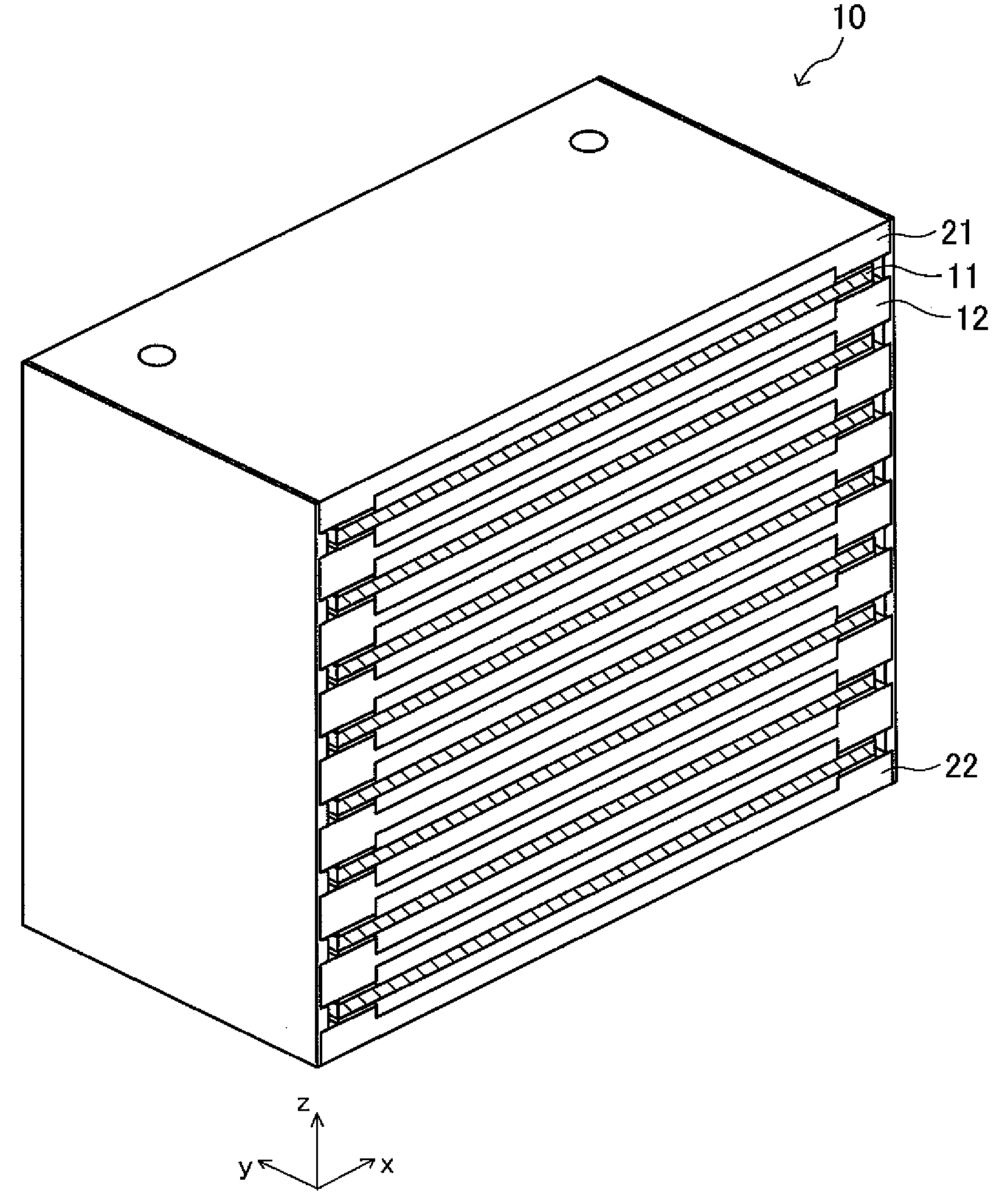
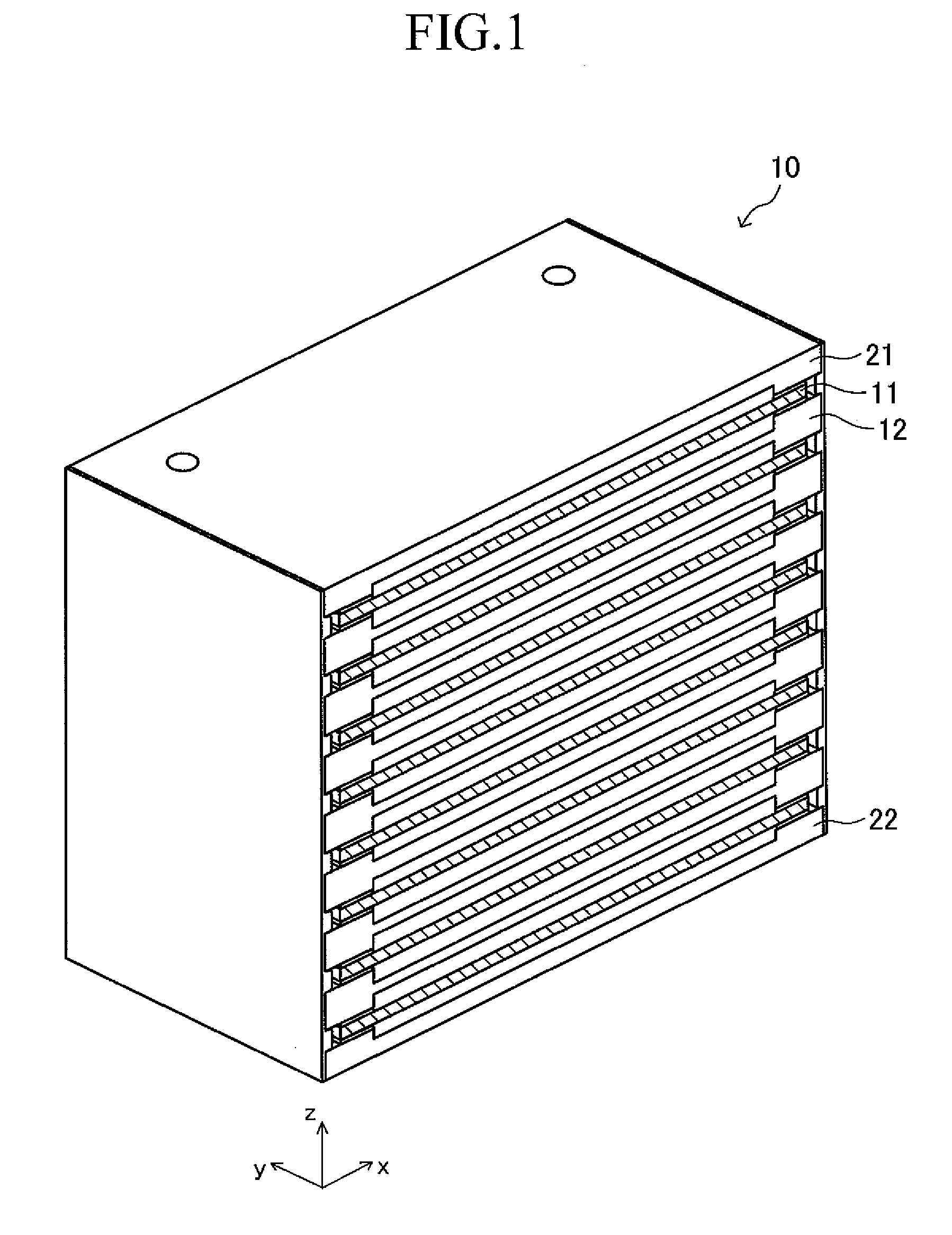
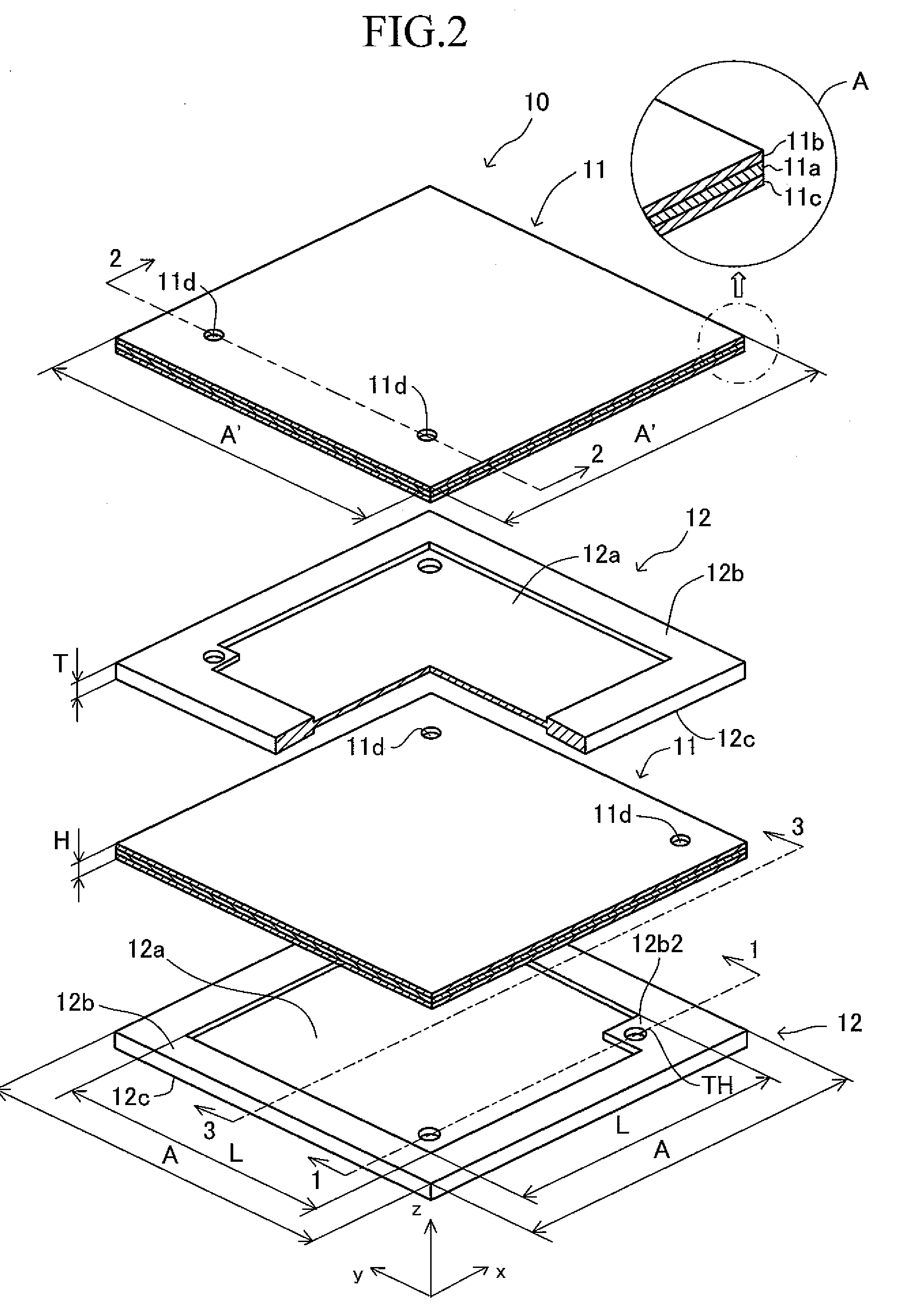
reactor
PatentInactiveUS20090169940A1
Innovation
- The configuration includes a mix of high-rigidity and low-rigidity separators, with the high-rigidity separators having a thicker plane portion and frame, and strategically placing them to reduce stress concentration, while maintaining a uniform thickness of sheet bodies to prevent excessive size and cost increases.

Safety Standards for High-Pressure Component Systems
High-pressure component systems operating under elevated stack pressures require comprehensive safety standards to mitigate risks associated with component failure and ensure operational reliability. These standards establish critical thresholds for pressure ratings, material specifications, and design margins that directly correlate with component durability performance. The development of such standards involves extensive collaboration between regulatory bodies, industry associations, and engineering organizations to address the unique challenges posed by increased operational pressures.
International standards such as ASME Boiler and Pressure Vessel Code Section VIII and ISO 14579 provide foundational frameworks for high-pressure system design and operation. These standards mandate specific safety factors ranging from 2.5 to 4.0 depending on material properties and operating conditions. Additionally, they establish requirements for pressure testing protocols, including hydrostatic testing at 1.5 times the maximum allowable working pressure, which serves as a critical validation method for component integrity under elevated stack pressures.
Material certification standards play a crucial role in ensuring component durability under high-pressure conditions. Standards like ASTM A516 and EN 10028 specify chemical composition limits, mechanical property requirements, and heat treatment procedures for pressure vessel steels. These specifications directly impact how components respond to increased stack pressures, with particular emphasis on yield strength, ultimate tensile strength, and fracture toughness parameters that influence long-term durability metrics.
Design verification standards require comprehensive finite element analysis and fatigue life assessments to predict component behavior under cyclic pressure loading. API 579 Fitness-for-Service standards provide methodologies for evaluating existing components operating under increased pressure conditions, establishing acceptance criteria for crack growth rates and remaining life calculations. These analytical approaches enable quantitative assessment of how elevated stack pressures affect component durability over extended operational periods.
Quality assurance standards encompass manufacturing processes, inspection procedures, and documentation requirements essential for high-pressure applications. Non-destructive testing standards such as ASNT SNT-TC-1A mandate specific qualification requirements for personnel conducting ultrasonic, radiographic, and magnetic particle inspections. These quality control measures ensure that manufacturing defects that could compromise component durability under increased stack pressures are identified and addressed before system deployment.
International standards such as ASME Boiler and Pressure Vessel Code Section VIII and ISO 14579 provide foundational frameworks for high-pressure system design and operation. These standards mandate specific safety factors ranging from 2.5 to 4.0 depending on material properties and operating conditions. Additionally, they establish requirements for pressure testing protocols, including hydrostatic testing at 1.5 times the maximum allowable working pressure, which serves as a critical validation method for component integrity under elevated stack pressures.
Material certification standards play a crucial role in ensuring component durability under high-pressure conditions. Standards like ASTM A516 and EN 10028 specify chemical composition limits, mechanical property requirements, and heat treatment procedures for pressure vessel steels. These specifications directly impact how components respond to increased stack pressures, with particular emphasis on yield strength, ultimate tensile strength, and fracture toughness parameters that influence long-term durability metrics.
Design verification standards require comprehensive finite element analysis and fatigue life assessments to predict component behavior under cyclic pressure loading. API 579 Fitness-for-Service standards provide methodologies for evaluating existing components operating under increased pressure conditions, establishing acceptance criteria for crack growth rates and remaining life calculations. These analytical approaches enable quantitative assessment of how elevated stack pressures affect component durability over extended operational periods.
Quality assurance standards encompass manufacturing processes, inspection procedures, and documentation requirements essential for high-pressure applications. Non-destructive testing standards such as ASNT SNT-TC-1A mandate specific qualification requirements for personnel conducting ultrasonic, radiographic, and magnetic particle inspections. These quality control measures ensure that manufacturing defects that could compromise component durability under increased stack pressures are identified and addressed before system deployment.
Material Science Breakthroughs in Pressure Resistance
Recent advances in material science have revolutionized the understanding of pressure resistance mechanisms at the molecular and structural levels. Breakthrough research in nanocomposite materials has demonstrated exceptional performance under extreme pressure conditions, with carbon nanotube-reinforced polymers showing up to 300% improvement in compressive strength compared to conventional materials. These developments directly address the critical challenge of maintaining component integrity under increased stack pressures.
The emergence of metamaterials with programmable mechanical properties represents a paradigm shift in pressure-resistant design. These artificially engineered structures can be tailored to exhibit specific deformation patterns under load, enabling controlled failure modes that preserve overall system functionality. Advanced lattice structures, particularly those manufactured through additive manufacturing techniques, have shown remarkable ability to distribute stress uniformly while maintaining lightweight characteristics.
Significant progress in high-entropy alloys has opened new possibilities for pressure-resistant applications. These multi-principal element alloys demonstrate superior mechanical properties due to their unique microstructural characteristics, including enhanced yield strength and exceptional resistance to pressure-induced deformation. Research indicates that certain high-entropy alloy compositions can maintain structural integrity at pressures exceeding 2 GPa while exhibiting minimal creep behavior.
Smart materials incorporating shape memory effects and self-healing capabilities have emerged as game-changing solutions for pressure-sensitive applications. These materials can autonomously respond to pressure variations, adapting their mechanical properties in real-time to optimize performance. Polymer-based systems with embedded microcapsules containing healing agents have demonstrated the ability to repair pressure-induced microcracks automatically, significantly extending component lifespan.
Surface engineering breakthroughs, particularly in the development of ultra-hard coatings and gradient materials, have enhanced pressure resistance at critical interfaces. Diamond-like carbon coatings and ceramic matrix composites provide exceptional hardness while maintaining flexibility at the substrate level. These multi-layered approaches effectively distribute pressure loads across different material zones, preventing localized failure points that typically compromise component durability under sustained high-pressure conditions.
The emergence of metamaterials with programmable mechanical properties represents a paradigm shift in pressure-resistant design. These artificially engineered structures can be tailored to exhibit specific deformation patterns under load, enabling controlled failure modes that preserve overall system functionality. Advanced lattice structures, particularly those manufactured through additive manufacturing techniques, have shown remarkable ability to distribute stress uniformly while maintaining lightweight characteristics.
Significant progress in high-entropy alloys has opened new possibilities for pressure-resistant applications. These multi-principal element alloys demonstrate superior mechanical properties due to their unique microstructural characteristics, including enhanced yield strength and exceptional resistance to pressure-induced deformation. Research indicates that certain high-entropy alloy compositions can maintain structural integrity at pressures exceeding 2 GPa while exhibiting minimal creep behavior.
Smart materials incorporating shape memory effects and self-healing capabilities have emerged as game-changing solutions for pressure-sensitive applications. These materials can autonomously respond to pressure variations, adapting their mechanical properties in real-time to optimize performance. Polymer-based systems with embedded microcapsules containing healing agents have demonstrated the ability to repair pressure-induced microcracks automatically, significantly extending component lifespan.
Surface engineering breakthroughs, particularly in the development of ultra-hard coatings and gradient materials, have enhanced pressure resistance at critical interfaces. Diamond-like carbon coatings and ceramic matrix composites provide exceptional hardness while maintaining flexibility at the substrate level. These multi-layered approaches effectively distribute pressure loads across different material zones, preventing localized failure points that typically compromise component durability under sustained high-pressure conditions.
Unlock deeper insights with PatSnap Eureka Quick Research — get a full tech report to explore trends and direct your research. Try now!
Generate Your Research Report Instantly with AI Agent
Supercharge your innovation with PatSnap Eureka AI Agent Platform!