How Innovative Sorbent Designs Affect Regeneration Efficacy
APR 23, 20269 MIN READ
Generate Your Research Report Instantly with AI Agent
PatSnap Eureka helps you evaluate technical feasibility & market potential.
Sorbent Technology Background and Regeneration Goals
Sorbent technology has emerged as a critical component in various industrial applications, particularly in gas separation, purification processes, and environmental remediation. The fundamental principle involves the selective adsorption of target molecules onto porous materials, followed by regeneration cycles that restore the sorbent's capacity for continued use. This cyclical process forms the backbone of numerous industrial operations, from carbon capture and storage systems to natural gas purification and air quality control applications.
The evolution of sorbent materials has progressed from traditional activated carbons and zeolites to advanced engineered materials including metal-organic frameworks (MOFs), porous organic polymers, and hybrid composite structures. Each generation of sorbent development has focused on enhancing selectivity, capacity, and operational stability while addressing the critical challenge of efficient regeneration. The regeneration process, which involves desorbing captured molecules to restore the sorbent's active sites, represents a significant operational cost and energy consumption factor in industrial implementations.
Contemporary sorbent design strategies increasingly emphasize the integration of regeneration considerations into the initial material development phase. This approach recognizes that optimal adsorption capacity alone is insufficient for practical applications; the ease and efficiency of regeneration directly impact the economic viability and environmental sustainability of sorbent-based processes. Advanced design methodologies now incorporate computational modeling to predict regeneration behavior, enabling the development of materials with tailored desorption characteristics.
The primary regeneration goals in modern sorbent technology encompass multiple performance criteria. Energy efficiency remains paramount, as regeneration processes typically require thermal, pressure, or chemical treatments that consume significant energy. Minimizing regeneration energy while maintaining complete desorption represents a fundamental design challenge. Additionally, regeneration speed affects process throughput and equipment sizing, making rapid desorption kinetics a critical performance metric.
Long-term stability during repeated adsorption-regeneration cycles constitutes another essential goal. Sorbent materials must maintain their structural integrity, surface area, and selectivity properties through hundreds or thousands of regeneration cycles to achieve acceptable operational lifetimes. This requirement drives the development of robust materials with enhanced thermal and chemical stability, as well as regeneration protocols that minimize material degradation while ensuring complete restoration of adsorption capacity.
The evolution of sorbent materials has progressed from traditional activated carbons and zeolites to advanced engineered materials including metal-organic frameworks (MOFs), porous organic polymers, and hybrid composite structures. Each generation of sorbent development has focused on enhancing selectivity, capacity, and operational stability while addressing the critical challenge of efficient regeneration. The regeneration process, which involves desorbing captured molecules to restore the sorbent's active sites, represents a significant operational cost and energy consumption factor in industrial implementations.
Contemporary sorbent design strategies increasingly emphasize the integration of regeneration considerations into the initial material development phase. This approach recognizes that optimal adsorption capacity alone is insufficient for practical applications; the ease and efficiency of regeneration directly impact the economic viability and environmental sustainability of sorbent-based processes. Advanced design methodologies now incorporate computational modeling to predict regeneration behavior, enabling the development of materials with tailored desorption characteristics.
The primary regeneration goals in modern sorbent technology encompass multiple performance criteria. Energy efficiency remains paramount, as regeneration processes typically require thermal, pressure, or chemical treatments that consume significant energy. Minimizing regeneration energy while maintaining complete desorption represents a fundamental design challenge. Additionally, regeneration speed affects process throughput and equipment sizing, making rapid desorption kinetics a critical performance metric.
Long-term stability during repeated adsorption-regeneration cycles constitutes another essential goal. Sorbent materials must maintain their structural integrity, surface area, and selectivity properties through hundreds or thousands of regeneration cycles to achieve acceptable operational lifetimes. This requirement drives the development of robust materials with enhanced thermal and chemical stability, as well as regeneration protocols that minimize material degradation while ensuring complete restoration of adsorption capacity.
Market Demand for Advanced Sorbent Materials
The global market for advanced sorbent materials is experiencing unprecedented growth driven by increasingly stringent environmental regulations and the urgent need for sustainable industrial processes. Industries ranging from petrochemicals and natural gas processing to carbon capture and air purification are actively seeking high-performance sorbent solutions that can deliver superior regeneration efficiency while maintaining operational cost-effectiveness.
Environmental compliance requirements have become a primary market driver, particularly in regions with strict emission standards. The implementation of carbon neutrality targets across major economies has intensified demand for sorbent materials capable of efficient CO2 capture and release cycles. Industrial facilities are prioritizing sorbent technologies that can maintain consistent performance across multiple regeneration cycles while minimizing energy consumption during the desorption process.
The natural gas industry represents a significant market segment, where the removal of impurities such as H2S, CO2, and water vapor requires sorbents with exceptional regeneration characteristics. Process efficiency improvements directly translate to reduced operational costs, making innovative sorbent designs with enhanced regeneration efficacy highly valuable. Similarly, the petrochemical sector demands sorbent materials that can withstand harsh operating conditions while maintaining their adsorption capacity over extended periods.
Emerging applications in renewable energy storage and hydrogen purification are creating new market opportunities for advanced sorbent materials. The hydrogen economy's development has generated substantial demand for sorbents capable of selective gas separation with minimal energy requirements for regeneration. Energy storage applications, particularly those involving gas-phase reactions, require sorbent materials with rapid and complete regeneration capabilities.
Market dynamics indicate a clear preference for sorbent materials that offer improved regeneration kinetics, reduced regeneration temperatures, and enhanced durability. End-users are increasingly willing to invest in premium sorbent solutions that demonstrate superior lifecycle performance, even at higher initial costs. The total cost of ownership considerations, including regeneration energy requirements and material replacement frequency, have become critical factors in purchasing decisions.
The pharmaceutical and biotechnology sectors are emerging as high-value market segments, where precise control over regeneration processes is essential for maintaining product purity and process reliability. These applications often require specialized sorbent designs that can achieve complete regeneration without degradation of the active sites or structural integrity.
Environmental compliance requirements have become a primary market driver, particularly in regions with strict emission standards. The implementation of carbon neutrality targets across major economies has intensified demand for sorbent materials capable of efficient CO2 capture and release cycles. Industrial facilities are prioritizing sorbent technologies that can maintain consistent performance across multiple regeneration cycles while minimizing energy consumption during the desorption process.
The natural gas industry represents a significant market segment, where the removal of impurities such as H2S, CO2, and water vapor requires sorbents with exceptional regeneration characteristics. Process efficiency improvements directly translate to reduced operational costs, making innovative sorbent designs with enhanced regeneration efficacy highly valuable. Similarly, the petrochemical sector demands sorbent materials that can withstand harsh operating conditions while maintaining their adsorption capacity over extended periods.
Emerging applications in renewable energy storage and hydrogen purification are creating new market opportunities for advanced sorbent materials. The hydrogen economy's development has generated substantial demand for sorbents capable of selective gas separation with minimal energy requirements for regeneration. Energy storage applications, particularly those involving gas-phase reactions, require sorbent materials with rapid and complete regeneration capabilities.
Market dynamics indicate a clear preference for sorbent materials that offer improved regeneration kinetics, reduced regeneration temperatures, and enhanced durability. End-users are increasingly willing to invest in premium sorbent solutions that demonstrate superior lifecycle performance, even at higher initial costs. The total cost of ownership considerations, including regeneration energy requirements and material replacement frequency, have become critical factors in purchasing decisions.
The pharmaceutical and biotechnology sectors are emerging as high-value market segments, where precise control over regeneration processes is essential for maintaining product purity and process reliability. These applications often require specialized sorbent designs that can achieve complete regeneration without degradation of the active sites or structural integrity.
Current Sorbent Design Limitations and Regeneration Challenges
Traditional sorbent materials face significant structural and compositional constraints that fundamentally limit their regeneration performance. Conventional activated carbons and zeolites typically exhibit rigid pore structures with fixed pore size distributions, creating bottlenecks during desorption processes. These materials often suffer from pore blockage and mass transfer limitations, particularly when dealing with larger molecular adsorbates or complex mixtures. The uniform pore architecture, while beneficial for initial adsorption capacity, becomes a liability during regeneration as it creates uniform resistance pathways that impede efficient desorption.
Thermal regeneration processes reveal critical weaknesses in current sorbent designs. Most commercial sorbents require elevated temperatures ranging from 200-400°C for effective regeneration, leading to substantial energy consumption and potential thermal degradation. The heat transfer characteristics of conventional sorbent beds are often poor due to low thermal conductivity and non-optimized particle arrangements. This results in temperature gradients within the sorbent bed, creating hot spots that can damage the material structure while leaving cooler regions incompletely regenerated.
Chemical stability represents another fundamental challenge limiting regeneration efficacy. Many sorbents experience gradual degradation through repeated adsorption-desorption cycles, manifesting as pore collapse, surface area reduction, and active site deactivation. Silica-based materials are particularly susceptible to hydrothermal instability, while carbon-based sorbents may undergo oxidation at elevated regeneration temperatures. These degradation mechanisms progressively reduce both adsorption capacity and regeneration efficiency over operational lifetimes.
Mass transfer limitations constitute a critical bottleneck in regeneration processes. Conventional sorbent particles often feature torturous diffusion pathways that create significant resistance to molecular transport during desorption. The lack of hierarchical pore structures means that molecules must traverse the same constrained pathways during both adsorption and desorption, leading to asymmetric kinetics that favor adsorption over regeneration. This phenomenon is particularly pronounced for larger molecules or in applications involving competitive adsorption scenarios.
Energy integration challenges further compound regeneration difficulties. Current sorbent designs rarely incorporate features that facilitate energy recovery or minimize regeneration energy requirements. The absence of integrated heat management systems means that thermal energy input during regeneration is largely wasted, contributing to poor overall process economics and environmental impact.
Thermal regeneration processes reveal critical weaknesses in current sorbent designs. Most commercial sorbents require elevated temperatures ranging from 200-400°C for effective regeneration, leading to substantial energy consumption and potential thermal degradation. The heat transfer characteristics of conventional sorbent beds are often poor due to low thermal conductivity and non-optimized particle arrangements. This results in temperature gradients within the sorbent bed, creating hot spots that can damage the material structure while leaving cooler regions incompletely regenerated.
Chemical stability represents another fundamental challenge limiting regeneration efficacy. Many sorbents experience gradual degradation through repeated adsorption-desorption cycles, manifesting as pore collapse, surface area reduction, and active site deactivation. Silica-based materials are particularly susceptible to hydrothermal instability, while carbon-based sorbents may undergo oxidation at elevated regeneration temperatures. These degradation mechanisms progressively reduce both adsorption capacity and regeneration efficiency over operational lifetimes.
Mass transfer limitations constitute a critical bottleneck in regeneration processes. Conventional sorbent particles often feature torturous diffusion pathways that create significant resistance to molecular transport during desorption. The lack of hierarchical pore structures means that molecules must traverse the same constrained pathways during both adsorption and desorption, leading to asymmetric kinetics that favor adsorption over regeneration. This phenomenon is particularly pronounced for larger molecules or in applications involving competitive adsorption scenarios.
Energy integration challenges further compound regeneration difficulties. Current sorbent designs rarely incorporate features that facilitate energy recovery or minimize regeneration energy requirements. The absence of integrated heat management systems means that thermal energy input during regeneration is largely wasted, contributing to poor overall process economics and environmental impact.
Existing Solutions for Enhanced Sorbent Regeneration
01 Thermal regeneration methods for sorbent materials
Thermal regeneration involves heating the saturated sorbent material to elevated temperatures to desorb the adsorbed substances and restore the sorbent's adsorption capacity. This method is widely used for various types of sorbents including activated carbon, zeolites, and molecular sieves. The regeneration temperature, heating rate, and duration are critical parameters that affect the efficacy of the regeneration process. Proper thermal treatment can restore a significant portion of the original adsorption capacity while maintaining the structural integrity of the sorbent material.- Thermal regeneration methods for sorbent materials: Thermal regeneration involves heating the saturated sorbent material to elevated temperatures to desorb the captured substances and restore the sorbent's adsorption capacity. This method is widely used for various types of sorbents including activated carbon, zeolites, and molecular sieves. The regeneration temperature, heating rate, and duration are critical parameters that affect the efficacy of the regeneration process. Proper thermal treatment can restore a significant portion of the original adsorption capacity while maintaining the structural integrity of the sorbent material.
- Chemical regeneration and solvent-based desorption techniques: Chemical regeneration utilizes specific solvents or chemical agents to desorb the adsorbed materials from the sorbent surface. This approach is particularly effective for sorbents that have captured organic compounds or specific target molecules. The selection of appropriate regeneration agents, contact time, and concentration are key factors influencing the regeneration efficiency. This method can achieve high recovery rates and may be combined with other regeneration techniques to enhance overall performance.
- Pressure swing and vacuum regeneration processes: Pressure swing regeneration involves reducing the pressure or applying vacuum conditions to facilitate the desorption of captured substances from the sorbent material. This method is energy-efficient and particularly suitable for gas-phase adsorption applications. The regeneration efficacy depends on the pressure differential, cycle time, and the physical properties of both the sorbent and the adsorbed species. This technique can be operated continuously and is often integrated into industrial separation processes.
- Steam and moisture-assisted regeneration methods: Steam or moisture-assisted regeneration employs water vapor or humid conditions to enhance the desorption process and restore sorbent capacity. This method is effective for hydrophilic sorbents and can help remove strongly bound adsorbates. The steam temperature, flow rate, and exposure time are important operational parameters. This approach can also help clean the sorbent surface and remove accumulated impurities that may hinder subsequent adsorption cycles.
- Microwave and electromagnetic field-enhanced regeneration: Advanced regeneration techniques utilizing microwave or electromagnetic fields provide rapid and uniform heating of sorbent materials, leading to improved regeneration efficiency. These methods offer advantages such as reduced regeneration time, lower energy consumption, and selective heating of the sorbent material. The electromagnetic properties of the sorbent and the frequency of the applied field are critical factors affecting the regeneration performance. This technology represents an innovative approach to enhance sorbent reusability in various applications.
02 Chemical regeneration and solvent-based desorption techniques
Chemical regeneration utilizes specific solvents or chemical agents to desorb the adsorbed contaminants from the sorbent surface. This approach is particularly effective for sorbents that have captured organic compounds or specific target molecules. The selection of appropriate regeneration agents, contact time, and concentration are key factors influencing the regeneration efficiency. This method can achieve high recovery rates and may be combined with other regeneration techniques to enhance overall performance.Expand Specific Solutions03 Pressure swing and vacuum regeneration processes
Pressure swing regeneration involves reducing the pressure or applying vacuum conditions to facilitate the desorption of adsorbed species from the sorbent material. This method is energy-efficient and particularly suitable for gas-phase adsorption applications. The regeneration efficacy depends on the degree of pressure reduction, cycle time, and the physical properties of both the sorbent and the adsorbed substances. This technique can be operated continuously and is often integrated into industrial adsorption systems.Expand Specific Solutions04 Steam and moisture-assisted regeneration methods
Steam or moisture-assisted regeneration employs water vapor or humid conditions to enhance the desorption process and restore sorbent capacity. This method is effective for hydrophilic sorbents and can help remove polar contaminants. The steam temperature, flow rate, and exposure time are important operational parameters. This approach can also help in cleaning the sorbent pores and removing residual deposits that may accumulate during repeated adsorption cycles.Expand Specific Solutions05 Microwave and electromagnetic field-enhanced regeneration
Advanced regeneration techniques utilizing microwave or electromagnetic fields provide rapid and uniform heating of sorbent materials, leading to improved regeneration efficiency. These methods offer advantages such as reduced regeneration time, lower energy consumption, and selective heating of the sorbent material. The electromagnetic energy can penetrate the sorbent structure more effectively, facilitating faster desorption of adsorbed species while minimizing thermal degradation of the sorbent material.Expand Specific Solutions
Key Players in Sorbent Materials and Regeneration Industry
The innovative sorbent designs for regeneration efficacy represent a rapidly evolving technological landscape spanning multiple industrial sectors. The industry is currently in a growth phase, driven by increasing environmental regulations and carbon capture demands, with significant market expansion expected across petrochemicals, power generation, and industrial gas processing. Technology maturity varies considerably among market players, with established companies like Air Products & Chemicals, Pall Corp., and UOP LLC demonstrating advanced commercial-scale sorbent technologies, while energy giants such as Saudi Arabian Oil Co. and China Petroleum & Chemical Corp. are integrating these solutions into large-scale operations. Research institutions like Huaneng Clean Energy Research Institute and Fraunhofer-Gesellschaft are pushing technological boundaries, while specialized firms like Susteon focus on next-generation carbon capture applications. The competitive landscape shows a mix of mature industrial gas companies with proven regeneration technologies and emerging players developing novel sorbent materials for enhanced efficiency.
China Petroleum & Chemical Corp.
Technical Solution: Sinopec has developed novel composite sorbent materials combining activated carbon with metal oxide nanoparticles to enhance regeneration performance in petrochemical applications. Their innovative design incorporates hierarchical pore networks with tailored surface functionalization that facilitates rapid desorption under mild regeneration conditions. The company's technology features steam-assisted regeneration processes that reduce energy consumption by 20% while maintaining high adsorption capacity. Sinopec's sorbents demonstrate excellent chemical stability and resistance to fouling, with regeneration temperatures reduced from 400°C to 300°C through optimized material composition and process integration.
Strengths: Cost-effective manufacturing, excellent chemical stability, reduced regeneration temperature requirements. Weaknesses: Limited application scope primarily focused on hydrocarbon separations, slower regeneration rates compared to advanced MOF materials.
Air Products & Chemicals, Inc.
Technical Solution: Air Products has pioneered structured sorbent designs featuring engineered contact geometries that optimize both adsorption capacity and regeneration kinetics. Their innovative approach utilizes metal-organic framework (MOF) materials integrated with heat exchanger configurations to enable rapid temperature cycling. The company's proprietary sorbent coatings on metallic substrates provide enhanced heat transfer characteristics, reducing regeneration times by up to 40%. Their systems incorporate advanced process control algorithms that optimize regeneration parameters in real-time, maximizing energy efficiency while maintaining high separation performance across multiple cycles.
Strengths: Superior heat transfer design, proven MOF technology expertise, comprehensive process optimization. Weaknesses: Limited to specific gas separation applications, high sensitivity to impurities affecting MOF stability.
Core Innovations in Sorbent Structure and Regeneration
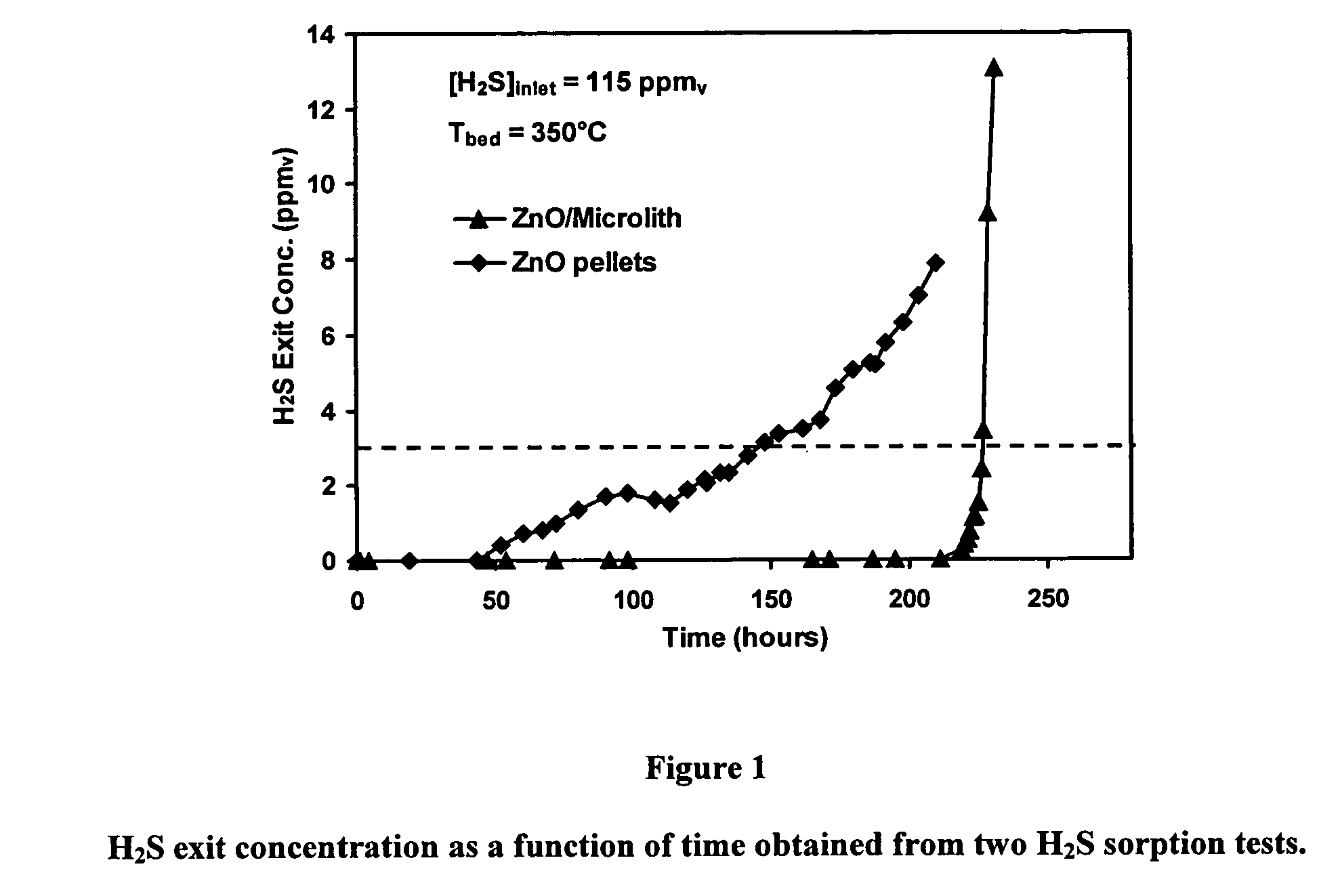
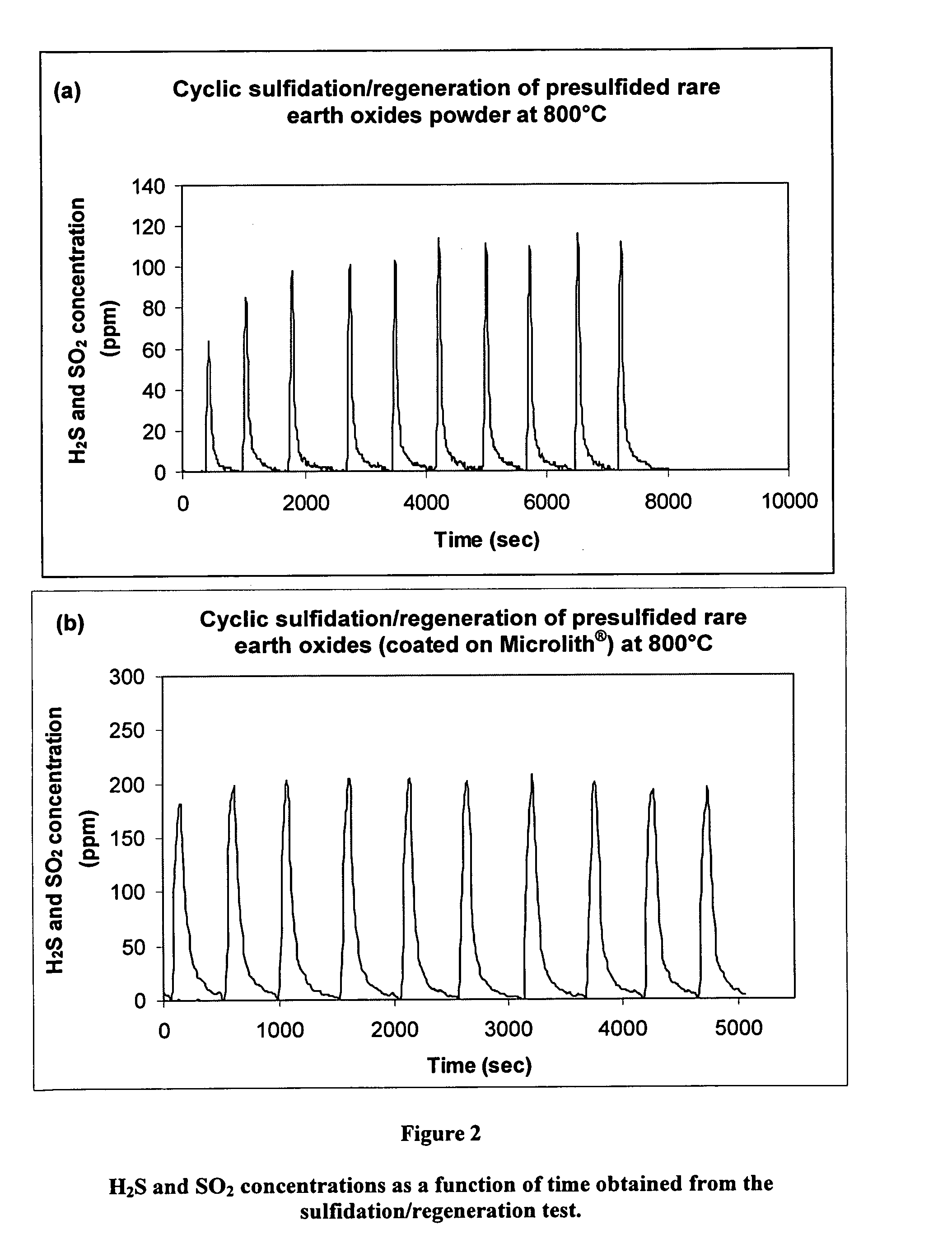
Regenerative sulfur sorption
PatentActiveUS7964023B2
Innovation
- Coating ultra-short channel length metal meshes with a sulfur-sorbent formulation, like Microlith®, which provides high surface area and pore volume, enabling direct electrical heating and efficient sorbent regeneration, resulting in a more energy-efficient and lightweight sulfur removal system.
High capacity regenerable graphene-based sorbent
PatentActiveUS20200001269A1
Innovation
- A novel process utilizing functionalized graphene as a sorbent, prepared by reacting graphene oxide with amines, offering improved sorbent capacity, thermal and attrition resistance, and regenerability at lower temperatures, allowing for efficient removal and recycling of VOCs without significant energy consumption or safety risks.


Environmental Regulations for Sorbent Applications
Environmental regulations governing sorbent applications have become increasingly stringent across global jurisdictions, directly influencing how innovative sorbent designs must balance regeneration efficacy with compliance requirements. The regulatory landscape encompasses multiple frameworks including air quality standards, waste management protocols, and industrial emission limits that collectively shape the operational parameters within which sorbent technologies must function.
The Clean Air Act in the United States, along with corresponding regulations in the European Union such as the Industrial Emissions Directive, establishes specific performance criteria for sorbent-based pollution control systems. These regulations mandate minimum removal efficiencies for various contaminants while simultaneously imposing restrictions on the regeneration processes themselves, particularly regarding energy consumption and secondary waste generation.
Regulatory bodies have increasingly focused on the lifecycle environmental impact of sorbent materials, extending beyond primary capture efficiency to encompass regeneration energy requirements and waste stream characteristics. This regulatory evolution has prompted the development of innovative sorbent designs that optimize regeneration efficacy while minimizing environmental footprint, creating a complex optimization challenge for technology developers.
Recent regulatory trends emphasize circular economy principles, requiring sorbent systems to demonstrate sustainable regeneration cycles with minimal material degradation. The European Green Deal and similar initiatives worldwide have introduced performance standards that favor sorbent technologies capable of maintaining high regeneration efficacy over extended operational periods, thereby reducing material replacement frequency and associated environmental impacts.
Compliance monitoring requirements have also evolved to include real-time assessment of regeneration efficiency, necessitating innovative sorbent designs that incorporate sensing capabilities or predictable performance characteristics. These regulatory demands have accelerated the development of smart sorbent materials that can provide continuous feedback on their regeneration status and remaining capacity.
The intersection of environmental regulations and innovative sorbent design continues to drive technological advancement, as regulatory frameworks increasingly recognize the importance of regeneration efficacy in achieving overall environmental protection objectives while maintaining economic viability for industrial applications.
The Clean Air Act in the United States, along with corresponding regulations in the European Union such as the Industrial Emissions Directive, establishes specific performance criteria for sorbent-based pollution control systems. These regulations mandate minimum removal efficiencies for various contaminants while simultaneously imposing restrictions on the regeneration processes themselves, particularly regarding energy consumption and secondary waste generation.
Regulatory bodies have increasingly focused on the lifecycle environmental impact of sorbent materials, extending beyond primary capture efficiency to encompass regeneration energy requirements and waste stream characteristics. This regulatory evolution has prompted the development of innovative sorbent designs that optimize regeneration efficacy while minimizing environmental footprint, creating a complex optimization challenge for technology developers.
Recent regulatory trends emphasize circular economy principles, requiring sorbent systems to demonstrate sustainable regeneration cycles with minimal material degradation. The European Green Deal and similar initiatives worldwide have introduced performance standards that favor sorbent technologies capable of maintaining high regeneration efficacy over extended operational periods, thereby reducing material replacement frequency and associated environmental impacts.
Compliance monitoring requirements have also evolved to include real-time assessment of regeneration efficiency, necessitating innovative sorbent designs that incorporate sensing capabilities or predictable performance characteristics. These regulatory demands have accelerated the development of smart sorbent materials that can provide continuous feedback on their regeneration status and remaining capacity.
The intersection of environmental regulations and innovative sorbent design continues to drive technological advancement, as regulatory frameworks increasingly recognize the importance of regeneration efficacy in achieving overall environmental protection objectives while maintaining economic viability for industrial applications.
Energy Efficiency Considerations in Regeneration Processes
Energy efficiency represents a critical factor in determining the commercial viability and environmental sustainability of sorbent-based separation processes. The relationship between innovative sorbent designs and energy consumption during regeneration cycles directly impacts operational costs and overall process economics. Advanced sorbent materials with optimized pore structures and surface chemistries can significantly reduce the energy requirements for desorption, making processes more competitive against conventional separation technologies.
Temperature swing adsorption (TSA) processes benefit substantially from sorbents designed with lower heat capacities and enhanced thermal conductivity. Novel composite materials incorporating graphene or carbon nanotube networks facilitate rapid heat transfer, reducing the time and energy required to reach desorption temperatures. These materials enable more uniform temperature distribution throughout the sorbent bed, minimizing energy losses and improving regeneration efficiency.
Pressure swing adsorption (PSA) systems gain energy advantages through sorbents with steep adsorption isotherms and rapid kinetics. Materials exhibiting sharp selectivity transitions at specific pressure ranges allow for effective regeneration with minimal pressure reductions. This characteristic reduces compression energy requirements and enables more frequent cycling without significant energy penalties.
Microwave-assisted regeneration represents an emerging approach where sorbent materials are engineered with dielectric properties that enable selective heating. Carbon-based sorbents and metal-organic frameworks with incorporated conductive elements can be rapidly heated through microwave irradiation, achieving localized desorption while minimizing bulk heating of the system infrastructure.
Heat integration strategies become more effective with sorbents designed for optimal thermal management. Materials with predictable heat release patterns during adsorption enable better heat recovery system design. The stored thermal energy can be captured and utilized during subsequent regeneration cycles, creating closed-loop energy systems that dramatically improve overall process efficiency.
Hybrid regeneration approaches combining multiple energy inputs show promise for reducing overall consumption. Sorbents designed to respond to combined thermal and electrical stimuli, or materials that enable photochemical desorption under specific wavelengths, offer pathways to utilize renewable energy sources and reduce dependence on conventional heating methods.
Temperature swing adsorption (TSA) processes benefit substantially from sorbents designed with lower heat capacities and enhanced thermal conductivity. Novel composite materials incorporating graphene or carbon nanotube networks facilitate rapid heat transfer, reducing the time and energy required to reach desorption temperatures. These materials enable more uniform temperature distribution throughout the sorbent bed, minimizing energy losses and improving regeneration efficiency.
Pressure swing adsorption (PSA) systems gain energy advantages through sorbents with steep adsorption isotherms and rapid kinetics. Materials exhibiting sharp selectivity transitions at specific pressure ranges allow for effective regeneration with minimal pressure reductions. This characteristic reduces compression energy requirements and enables more frequent cycling without significant energy penalties.
Microwave-assisted regeneration represents an emerging approach where sorbent materials are engineered with dielectric properties that enable selective heating. Carbon-based sorbents and metal-organic frameworks with incorporated conductive elements can be rapidly heated through microwave irradiation, achieving localized desorption while minimizing bulk heating of the system infrastructure.
Heat integration strategies become more effective with sorbents designed for optimal thermal management. Materials with predictable heat release patterns during adsorption enable better heat recovery system design. The stored thermal energy can be captured and utilized during subsequent regeneration cycles, creating closed-loop energy systems that dramatically improve overall process efficiency.
Hybrid regeneration approaches combining multiple energy inputs show promise for reducing overall consumption. Sorbents designed to respond to combined thermal and electrical stimuli, or materials that enable photochemical desorption under specific wavelengths, offer pathways to utilize renewable energy sources and reduce dependence on conventional heating methods.
Unlock deeper insights with PatSnap Eureka Quick Research — get a full tech report to explore trends and direct your research. Try now!
Generate Your Research Report Instantly with AI Agent
Supercharge your innovation with PatSnap Eureka AI Agent Platform!