How Luminol Shapes Next-Gen Analytical Solutions?
AUG 19, 20259 MIN READ
Generate Your Research Report Instantly with AI Agent
Patsnap Eureka helps you evaluate technical feasibility & market potential.
Luminol Technology Evolution and Objectives
Luminol, a chemiluminescent compound, has been a cornerstone in forensic science and analytical chemistry for decades. Its journey from a niche chemical to a pivotal component in next-generation analytical solutions is marked by continuous innovation and expanding applications. The evolution of luminol technology has been driven by the increasing demand for more sensitive, specific, and versatile detection methods across various fields.
Initially discovered in the early 20th century, luminol's unique property of emitting light when oxidized in the presence of an appropriate catalyst quickly found its place in forensic investigations, particularly in the detection of blood traces. As research progressed, scientists began to explore its potential beyond crime scene analysis, leading to its integration into broader analytical frameworks.
The objectives of luminol technology have significantly expanded over time. While maintaining its crucial role in forensics, researchers are now focusing on enhancing its sensitivity, developing more stable formulations, and exploring novel applications in biomedical research, environmental monitoring, and industrial quality control. The goal is to create more robust, user-friendly, and versatile luminol-based analytical tools that can address complex challenges across multiple disciplines.
One of the primary technological objectives is to improve the specificity of luminol reactions. This involves developing advanced catalysts and reaction conditions that can differentiate between various analytes, reducing false positives and enhancing the reliability of test results. Another key aim is to increase the longevity and stability of luminol solutions, enabling their use in field conditions and prolonged storage without compromising performance.
In the realm of biomedical research, luminol technology is being tailored to detect specific biomarkers, potentially revolutionizing early disease diagnosis and monitoring. Environmental scientists are exploring its use in detecting pollutants and assessing water quality, aiming to create rapid, on-site testing capabilities. In industrial settings, luminol-based systems are being developed for real-time quality control and contamination detection in manufacturing processes.
The future trajectory of luminol technology is focused on miniaturization and integration with other analytical techniques. Researchers are working on incorporating luminol-based detection into microfluidic devices and portable analytical systems, paving the way for point-of-care diagnostics and on-site environmental monitoring. The convergence of luminol chemistry with nanotechnology and advanced imaging techniques is expected to yield highly sensitive and selective analytical tools capable of detecting trace amounts of target substances in complex matrices.
Initially discovered in the early 20th century, luminol's unique property of emitting light when oxidized in the presence of an appropriate catalyst quickly found its place in forensic investigations, particularly in the detection of blood traces. As research progressed, scientists began to explore its potential beyond crime scene analysis, leading to its integration into broader analytical frameworks.
The objectives of luminol technology have significantly expanded over time. While maintaining its crucial role in forensics, researchers are now focusing on enhancing its sensitivity, developing more stable formulations, and exploring novel applications in biomedical research, environmental monitoring, and industrial quality control. The goal is to create more robust, user-friendly, and versatile luminol-based analytical tools that can address complex challenges across multiple disciplines.
One of the primary technological objectives is to improve the specificity of luminol reactions. This involves developing advanced catalysts and reaction conditions that can differentiate between various analytes, reducing false positives and enhancing the reliability of test results. Another key aim is to increase the longevity and stability of luminol solutions, enabling their use in field conditions and prolonged storage without compromising performance.
In the realm of biomedical research, luminol technology is being tailored to detect specific biomarkers, potentially revolutionizing early disease diagnosis and monitoring. Environmental scientists are exploring its use in detecting pollutants and assessing water quality, aiming to create rapid, on-site testing capabilities. In industrial settings, luminol-based systems are being developed for real-time quality control and contamination detection in manufacturing processes.
The future trajectory of luminol technology is focused on miniaturization and integration with other analytical techniques. Researchers are working on incorporating luminol-based detection into microfluidic devices and portable analytical systems, paving the way for point-of-care diagnostics and on-site environmental monitoring. The convergence of luminol chemistry with nanotechnology and advanced imaging techniques is expected to yield highly sensitive and selective analytical tools capable of detecting trace amounts of target substances in complex matrices.
Market Demand for Advanced Analytical Solutions
The market demand for advanced analytical solutions has been experiencing significant growth, driven by the increasing complexity of scientific research, industrial processes, and environmental monitoring. Luminol, a chemiluminescent compound, is poised to play a crucial role in shaping the next generation of analytical tools and techniques.
In the healthcare sector, there is a growing need for more sensitive and accurate diagnostic methods. Luminol-based assays offer enhanced detection capabilities for various biomarkers, potentially revolutionizing early disease detection and monitoring. The global in vitro diagnostics market, which heavily relies on advanced analytical solutions, is projected to expand substantially in the coming years, creating a fertile ground for luminol-based technologies.
Forensic science is another field where the demand for advanced analytical solutions is surging. Law enforcement agencies and forensic laboratories are constantly seeking more reliable and efficient methods for crime scene investigation. Luminol's ability to detect trace amounts of blood, even in cleaned or concealed areas, makes it an invaluable tool in this domain. As crime rates and the sophistication of criminal activities increase, the market for luminol-based forensic solutions is expected to grow correspondingly.
Environmental monitoring and water quality assessment represent another significant market opportunity for luminol-enhanced analytical solutions. With growing concerns about pollution and its impact on ecosystems and human health, there is an increasing demand for rapid, sensitive, and cost-effective methods to detect and quantify contaminants in water bodies. Luminol-based sensors and analytical techniques can provide real-time monitoring capabilities, addressing the need for more efficient environmental protection measures.
The food and beverage industry is also driving demand for advanced analytical solutions. As food safety regulations become more stringent and consumers demand higher quality products, manufacturers require more sophisticated tools for quality control and contamination detection. Luminol-based assays can offer rapid and sensitive detection of foodborne pathogens and chemical contaminants, potentially streamlining quality assurance processes and enhancing food safety.
In the pharmaceutical and biotechnology sectors, the demand for high-throughput screening and drug discovery tools continues to grow. Luminol-based chemiluminescence assays provide a powerful platform for screening large libraries of compounds, accelerating the drug discovery process. This aligns with the industry's push for more efficient and cost-effective research and development methodologies.
As industries across various sectors increasingly adopt automation and high-throughput processes, the demand for analytical solutions that can keep pace with these advancements is rising. Luminol-based technologies, with their potential for rapid and sensitive detection, are well-positioned to meet this growing market need, offering opportunities for integration with robotics and artificial intelligence-driven analytical systems.
In the healthcare sector, there is a growing need for more sensitive and accurate diagnostic methods. Luminol-based assays offer enhanced detection capabilities for various biomarkers, potentially revolutionizing early disease detection and monitoring. The global in vitro diagnostics market, which heavily relies on advanced analytical solutions, is projected to expand substantially in the coming years, creating a fertile ground for luminol-based technologies.
Forensic science is another field where the demand for advanced analytical solutions is surging. Law enforcement agencies and forensic laboratories are constantly seeking more reliable and efficient methods for crime scene investigation. Luminol's ability to detect trace amounts of blood, even in cleaned or concealed areas, makes it an invaluable tool in this domain. As crime rates and the sophistication of criminal activities increase, the market for luminol-based forensic solutions is expected to grow correspondingly.
Environmental monitoring and water quality assessment represent another significant market opportunity for luminol-enhanced analytical solutions. With growing concerns about pollution and its impact on ecosystems and human health, there is an increasing demand for rapid, sensitive, and cost-effective methods to detect and quantify contaminants in water bodies. Luminol-based sensors and analytical techniques can provide real-time monitoring capabilities, addressing the need for more efficient environmental protection measures.
The food and beverage industry is also driving demand for advanced analytical solutions. As food safety regulations become more stringent and consumers demand higher quality products, manufacturers require more sophisticated tools for quality control and contamination detection. Luminol-based assays can offer rapid and sensitive detection of foodborne pathogens and chemical contaminants, potentially streamlining quality assurance processes and enhancing food safety.
In the pharmaceutical and biotechnology sectors, the demand for high-throughput screening and drug discovery tools continues to grow. Luminol-based chemiluminescence assays provide a powerful platform for screening large libraries of compounds, accelerating the drug discovery process. This aligns with the industry's push for more efficient and cost-effective research and development methodologies.
As industries across various sectors increasingly adopt automation and high-throughput processes, the demand for analytical solutions that can keep pace with these advancements is rising. Luminol-based technologies, with their potential for rapid and sensitive detection, are well-positioned to meet this growing market need, offering opportunities for integration with robotics and artificial intelligence-driven analytical systems.
Current Luminol Applications and Challenges
Luminol, a chemiluminescent compound, has been widely used in forensic science and analytical chemistry for decades. Its ability to emit light when oxidized in the presence of an appropriate catalyst has made it invaluable in detecting trace amounts of blood and other substances. However, the current applications of luminol face several challenges that limit its effectiveness and potential for next-generation analytical solutions.
One of the primary applications of luminol is in crime scene investigation, where it is used to detect and visualize blood traces that are invisible to the naked eye. While this application has proven invaluable, it is not without limitations. The sensitivity of luminol can be affected by various environmental factors, such as temperature, humidity, and the presence of interfering substances. This can lead to false positives or reduced effectiveness in certain conditions, potentially compromising the reliability of evidence collection.
In the field of analytical chemistry, luminol-based assays are employed for detecting and quantifying various analytes, including proteins, enzymes, and metal ions. These applications have found use in environmental monitoring, food safety testing, and medical diagnostics. However, the specificity of luminol reactions can be a double-edged sword. While it allows for highly sensitive detection of certain substances, it may also limit the range of analytes that can be detected using a single luminol-based system.
Another challenge facing current luminol applications is the need for improved stability and longevity of the chemiluminescent reaction. The light emission from luminol is typically short-lived, which can make it difficult to capture and analyze in some situations. This limitation has prompted researchers to explore ways to enhance the duration and intensity of the luminol reaction, potentially opening up new avenues for continuous monitoring and real-time analysis.
The integration of luminol-based detection systems with modern technologies presents both opportunities and challenges. While there is potential for combining luminol with advanced imaging techniques, microfluidic devices, and portable sensors, achieving seamless integration and maintaining the sensitivity and specificity of luminol reactions in these new formats can be technically challenging.
Furthermore, the environmental impact and safety concerns associated with luminol and its reagents pose challenges for widespread adoption in certain applications. Developing more environmentally friendly formulations and safer handling protocols is crucial for expanding the use of luminol-based analytical solutions across various industries and research fields.
As we look towards next-generation analytical solutions, addressing these challenges will be critical in unlocking the full potential of luminol. Innovations in formulation, detection methods, and integration with emerging technologies will play a key role in shaping the future of luminol-based analytical tools and expanding their applications beyond traditional forensic and laboratory settings.
One of the primary applications of luminol is in crime scene investigation, where it is used to detect and visualize blood traces that are invisible to the naked eye. While this application has proven invaluable, it is not without limitations. The sensitivity of luminol can be affected by various environmental factors, such as temperature, humidity, and the presence of interfering substances. This can lead to false positives or reduced effectiveness in certain conditions, potentially compromising the reliability of evidence collection.
In the field of analytical chemistry, luminol-based assays are employed for detecting and quantifying various analytes, including proteins, enzymes, and metal ions. These applications have found use in environmental monitoring, food safety testing, and medical diagnostics. However, the specificity of luminol reactions can be a double-edged sword. While it allows for highly sensitive detection of certain substances, it may also limit the range of analytes that can be detected using a single luminol-based system.
Another challenge facing current luminol applications is the need for improved stability and longevity of the chemiluminescent reaction. The light emission from luminol is typically short-lived, which can make it difficult to capture and analyze in some situations. This limitation has prompted researchers to explore ways to enhance the duration and intensity of the luminol reaction, potentially opening up new avenues for continuous monitoring and real-time analysis.
The integration of luminol-based detection systems with modern technologies presents both opportunities and challenges. While there is potential for combining luminol with advanced imaging techniques, microfluidic devices, and portable sensors, achieving seamless integration and maintaining the sensitivity and specificity of luminol reactions in these new formats can be technically challenging.
Furthermore, the environmental impact and safety concerns associated with luminol and its reagents pose challenges for widespread adoption in certain applications. Developing more environmentally friendly formulations and safer handling protocols is crucial for expanding the use of luminol-based analytical solutions across various industries and research fields.
As we look towards next-generation analytical solutions, addressing these challenges will be critical in unlocking the full potential of luminol. Innovations in formulation, detection methods, and integration with emerging technologies will play a key role in shaping the future of luminol-based analytical tools and expanding their applications beyond traditional forensic and laboratory settings.
Existing Luminol-enhanced Detection Methods
01 Luminol in forensic applications
Luminol is widely used in forensic science for detecting trace amounts of blood at crime scenes. When mixed with an oxidizing agent, it produces a blue chemiluminescence in the presence of hemoglobin, allowing investigators to identify blood stains that are not visible to the naked eye.- Luminol in chemiluminescence detection: Luminol is widely used in chemiluminescence detection methods for various applications. It produces a bright blue light when oxidized, making it useful for detecting trace amounts of blood in forensic investigations, as well as in analytical chemistry for detecting metal ions and other substances.
- Luminol-based biosensors and immunoassays: Luminol is incorporated into biosensors and immunoassays for detecting specific biological molecules or pathogens. These systems often combine luminol with enzymes or other reagents to create highly sensitive and selective detection methods for medical diagnostics and environmental monitoring.
- Enhanced luminol formulations: Researchers have developed enhanced luminol formulations by combining it with other compounds or modifying its structure. These improvements aim to increase sensitivity, stability, or specificity of luminol-based detection systems, leading to more efficient and reliable analytical methods.
- Luminol in environmental monitoring: Luminol-based systems are used for environmental monitoring applications, such as detecting pollutants in water or air. These methods often involve integrating luminol into portable devices or automated systems for real-time monitoring of environmental contaminants.
- Industrial applications of luminol: Luminol finds applications in various industrial processes, including quality control in manufacturing, leak detection in pipelines, and monitoring of chemical reactions. These applications often involve specialized equipment or techniques to harness the chemiluminescent properties of luminol for specific industrial needs.
02 Luminol-based detection systems
Various detection systems incorporate luminol for its chemiluminescent properties. These systems are used in environmental monitoring, food safety testing, and medical diagnostics. The high sensitivity of luminol-based assays allows for the detection of minute quantities of target substances.Expand Specific Solutions03 Luminol derivatives and modifications
Researchers have developed modified versions of luminol to enhance its properties or tailor it for specific applications. These modifications can improve sensitivity, stability, or selectivity of the luminol reaction, expanding its utility in various fields.Expand Specific Solutions04 Luminol in biomedical research
Luminol is used in biomedical research for studying cellular processes, particularly those involving reactive oxygen species. It can be used to measure oxidative burst in neutrophils and other immune cells, providing insights into immune system function and inflammatory responses.Expand Specific Solutions05 Luminol-based imaging techniques
Advanced imaging techniques utilize luminol's chemiluminescent properties for visualizing biological processes or detecting specific substances. These techniques can be applied in medical imaging, environmental monitoring, and materials science to provide real-time, non-invasive visualization of chemical reactions or molecular interactions.Expand Specific Solutions
Key Players in Luminol-based Analytics
The luminol-based analytical solutions market is in a growth phase, driven by increasing demand for advanced detection technologies across various industries. The market size is expanding, with significant potential in forensic science, medical diagnostics, and environmental monitoring. Technologically, the field is evolving rapidly, with companies like Samsung Display, LG Electronics, and BOE Technology Group leading innovations in display technologies that could integrate luminol-based sensors. Research institutions such as Washington University in St. Louis and Shandong University are contributing to advancements in luminol applications. Specialized firms like Cyanagen and Alverix are developing novel luminol-based diagnostic tools, while established players like Olympus Corp. and FUJIFILM Corp. are incorporating this technology into their analytical instruments, indicating a maturing but still dynamic competitive landscape.
Cyanagen Srl
Technical Solution: Cyanagen Srl has developed advanced luminol-based chemiluminescence reagents for next-generation analytical solutions. Their proprietary technology, SYBR® Luminol Reagent, offers enhanced sensitivity and longer-lasting light emission compared to traditional luminol[1]. This reagent is optimized for Western blotting and other immunodetection techniques, providing up to 10 times higher sensitivity than conventional ECL substrates[2]. Cyanagen's luminol derivatives are designed with specific functional groups to improve solubility, stability, and quantum yield, resulting in brighter and more sustained chemiluminescence signals[3]. The company has also developed a range of luminol-based kits for various applications, including forensic blood detection and environmental contaminant analysis.
Strengths: High sensitivity, long-lasting signal, versatile applications. Weaknesses: May require specialized equipment, potential cost considerations for high-end reagents.
Alverix, Inc.
Technical Solution: Alverix, Inc. has pioneered the integration of luminol-based chemiluminescence detection into portable, point-of-care diagnostic devices. Their proprietary technology combines microfluidics, advanced optics, and sensitive photodetectors to create compact analyzers capable of detecting low concentrations of analytes in biological samples[4]. Alverix's platform utilizes enhanced luminol formulations to achieve high signal-to-noise ratios, enabling rapid and accurate quantitative measurements for a wide range of biomarkers[5]. The company's devices incorporate smart algorithms that process chemiluminescence signals in real-time, providing results within minutes. Alverix has also developed multiplexing capabilities, allowing simultaneous detection of multiple analytes using different luminol derivatives with distinct emission profiles[6].
Strengths: Portable, rapid results, multiplexing capabilities. Weaknesses: Limited to specific biomarker panels, may have higher per-test costs compared to laboratory-based methods.
Breakthrough Luminol Formulations and Techniques
Method of detecting and locating traces of blood and a compound for detecting traces of blood
PatentWO2003091687A2
Innovation
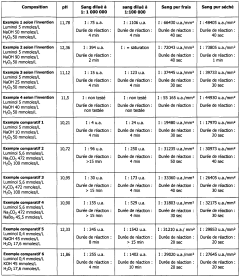
- A composition comprising 1 to 20 mmol/L of luminol, 25 to 100 mmol/L of hydrogen peroxide, and 25 to 500 mmoles/L of sodium hydroxide, diluted in an aqueous solvent, which enhances light intensity and visibility of blood traces even in total darkness or reduced light conditions.
Method for producing a crystalline form of 5-amino-2,3-dihydrophthalazine-1,4-dione
PatentWO2017140422A1
Innovation
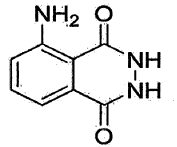
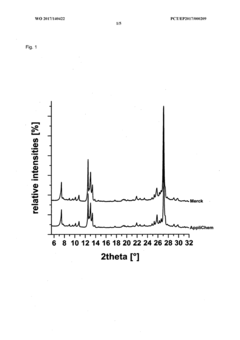
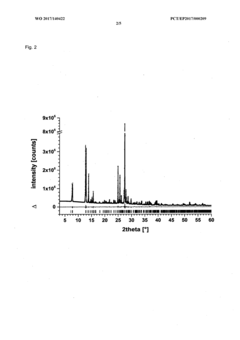
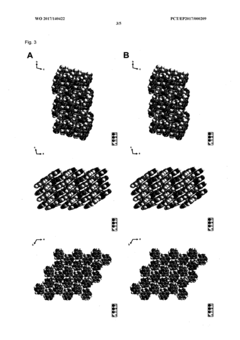
- A method involving dissolving 5-amino-2,3-dihydrophthalazine-1,4-dione in a refluxing ethanol-water solution, cooling, separating the precipitated crystals, and drying to produce a phase-pure crystalline form of luminol, which can be resuspended and washed for enhanced purity.
Regulatory Framework for Luminol Use
The regulatory framework for luminol use is a critical aspect of its application in next-generation analytical solutions. As luminol becomes increasingly prevalent in forensic science, environmental monitoring, and medical diagnostics, governments and regulatory bodies worldwide are developing comprehensive guidelines to ensure its safe and effective use.
In the United States, the Environmental Protection Agency (EPA) has established specific protocols for luminol-based testing in environmental applications. These regulations outline proper handling procedures, disposal methods, and concentration limits for luminol and its byproducts. The Occupational Safety and Health Administration (OSHA) has also implemented safety standards for laboratory personnel working with luminol, mandating proper training and protective equipment.
The European Union, through its REACH (Registration, Evaluation, Authorization, and Restriction of Chemicals) regulation, has imposed strict controls on the production, import, and use of luminol. Manufacturers and importers must register luminol with the European Chemicals Agency (ECHA) and provide detailed safety information. The EU has also set maximum residue limits for luminol in various matrices, ensuring minimal environmental impact.
In the field of forensic science, organizations such as the International Association for Identification (IAI) have developed best practice guidelines for luminol use in crime scene investigations. These guidelines address issues such as contamination prevention, evidence preservation, and documentation standards. Many countries have incorporated these recommendations into their national forensic protocols.
The medical sector faces particularly stringent regulations regarding luminol use in diagnostic applications. The U.S. Food and Drug Administration (FDA) requires extensive clinical trials and safety assessments before approving luminol-based diagnostic tools. Similar regulatory bodies in other countries, such as Japan's Pharmaceuticals and Medical Devices Agency (PMDA), have established parallel approval processes.
As luminol finds new applications in emerging fields like nanotechnology and biosensors, regulatory frameworks are evolving to keep pace. International collaborations, such as the OECD's Working Party on Manufactured Nanomaterials, are working to develop harmonized approaches to regulating luminol-based nanomaterials.
The global nature of luminol research and application necessitates international cooperation in regulatory efforts. Organizations like the International Organization for Standardization (ISO) are developing universal standards for luminol use across various industries, aiming to facilitate cross-border research and commerce while maintaining rigorous safety and quality controls.
In the United States, the Environmental Protection Agency (EPA) has established specific protocols for luminol-based testing in environmental applications. These regulations outline proper handling procedures, disposal methods, and concentration limits for luminol and its byproducts. The Occupational Safety and Health Administration (OSHA) has also implemented safety standards for laboratory personnel working with luminol, mandating proper training and protective equipment.
The European Union, through its REACH (Registration, Evaluation, Authorization, and Restriction of Chemicals) regulation, has imposed strict controls on the production, import, and use of luminol. Manufacturers and importers must register luminol with the European Chemicals Agency (ECHA) and provide detailed safety information. The EU has also set maximum residue limits for luminol in various matrices, ensuring minimal environmental impact.
In the field of forensic science, organizations such as the International Association for Identification (IAI) have developed best practice guidelines for luminol use in crime scene investigations. These guidelines address issues such as contamination prevention, evidence preservation, and documentation standards. Many countries have incorporated these recommendations into their national forensic protocols.
The medical sector faces particularly stringent regulations regarding luminol use in diagnostic applications. The U.S. Food and Drug Administration (FDA) requires extensive clinical trials and safety assessments before approving luminol-based diagnostic tools. Similar regulatory bodies in other countries, such as Japan's Pharmaceuticals and Medical Devices Agency (PMDA), have established parallel approval processes.
As luminol finds new applications in emerging fields like nanotechnology and biosensors, regulatory frameworks are evolving to keep pace. International collaborations, such as the OECD's Working Party on Manufactured Nanomaterials, are working to develop harmonized approaches to regulating luminol-based nanomaterials.
The global nature of luminol research and application necessitates international cooperation in regulatory efforts. Organizations like the International Organization for Standardization (ISO) are developing universal standards for luminol use across various industries, aiming to facilitate cross-border research and commerce while maintaining rigorous safety and quality controls.
Environmental Impact of Luminol Applications
The environmental impact of luminol applications is a critical consideration as this chemiluminescent compound gains prominence in next-generation analytical solutions. Luminol's widespread use in forensic science, medical diagnostics, and environmental monitoring has raised questions about its potential effects on ecosystems and human health.
In forensic applications, luminol is extensively used to detect trace amounts of blood at crime scenes. While its effectiveness is undisputed, concerns have been raised about the chemical's persistence in the environment after use. Studies have shown that luminol can remain active in soil and water for extended periods, potentially affecting microbial communities and aquatic organisms. However, the concentrations typically used in forensic investigations are generally considered too low to cause significant environmental harm.
Medical diagnostics represent another major area of luminol application, particularly in immunoassays and enzyme activity tests. The increasing use of luminol-based techniques in clinical laboratories has led to discussions about proper disposal methods for reagents and waste products. Improper handling and disposal of luminol-containing materials could potentially lead to contamination of water sources, although strict laboratory protocols and waste management practices largely mitigate this risk.
Environmental monitoring itself benefits from luminol-based techniques, ironically raising questions about the environmental impact of these monitoring methods. Luminol is used to detect pollutants and heavy metals in water and soil samples. While these applications contribute to environmental protection efforts, they also introduce small amounts of luminol into the tested environments. Research is ongoing to determine the long-term effects of repeated luminol exposure in monitored ecosystems.
The production and synthesis of luminol also warrant consideration from an environmental perspective. Industrial-scale manufacturing of luminol involves chemical processes that may generate hazardous by-products. Efforts are underway to develop greener synthesis methods and to optimize production processes to minimize environmental impact. Additionally, the sourcing of raw materials for luminol production raises questions about resource sustainability and supply chain environmental footprints.
As luminol shapes next-generation analytical solutions, the scientific community is increasingly focusing on developing more environmentally friendly alternatives or modifications to traditional luminol formulations. These efforts aim to maintain or enhance the compound's analytical capabilities while reducing its potential environmental impact. Biodegradable variants and encapsulation techniques to limit environmental dispersion are among the promising avenues being explored.
In forensic applications, luminol is extensively used to detect trace amounts of blood at crime scenes. While its effectiveness is undisputed, concerns have been raised about the chemical's persistence in the environment after use. Studies have shown that luminol can remain active in soil and water for extended periods, potentially affecting microbial communities and aquatic organisms. However, the concentrations typically used in forensic investigations are generally considered too low to cause significant environmental harm.
Medical diagnostics represent another major area of luminol application, particularly in immunoassays and enzyme activity tests. The increasing use of luminol-based techniques in clinical laboratories has led to discussions about proper disposal methods for reagents and waste products. Improper handling and disposal of luminol-containing materials could potentially lead to contamination of water sources, although strict laboratory protocols and waste management practices largely mitigate this risk.
Environmental monitoring itself benefits from luminol-based techniques, ironically raising questions about the environmental impact of these monitoring methods. Luminol is used to detect pollutants and heavy metals in water and soil samples. While these applications contribute to environmental protection efforts, they also introduce small amounts of luminol into the tested environments. Research is ongoing to determine the long-term effects of repeated luminol exposure in monitored ecosystems.
The production and synthesis of luminol also warrant consideration from an environmental perspective. Industrial-scale manufacturing of luminol involves chemical processes that may generate hazardous by-products. Efforts are underway to develop greener synthesis methods and to optimize production processes to minimize environmental impact. Additionally, the sourcing of raw materials for luminol production raises questions about resource sustainability and supply chain environmental footprints.
As luminol shapes next-generation analytical solutions, the scientific community is increasingly focusing on developing more environmentally friendly alternatives or modifications to traditional luminol formulations. These efforts aim to maintain or enhance the compound's analytical capabilities while reducing its potential environmental impact. Biodegradable variants and encapsulation techniques to limit environmental dispersion are among the promising avenues being explored.
Unlock deeper insights with Patsnap Eureka Quick Research — get a full tech report to explore trends and direct your research. Try now!
Generate Your Research Report Instantly with AI Agent
Supercharge your innovation with Patsnap Eureka AI Agent Platform!