How Sulphanilic Acid Improves the Performance of Pesticide Formulations
JUL 21, 20259 MIN READ
Generate Your Research Report Instantly with AI Agent
Patsnap Eureka helps you evaluate technical feasibility & market potential.
Sulphanilic Acid in Pesticides: Background and Objectives
Sulphanilic acid, a versatile organic compound, has emerged as a significant player in the realm of pesticide formulations. The evolution of this technology can be traced back to the early 20th century when the potential of sulphanilic acid in various industrial applications was first recognized. Over the decades, its role in enhancing pesticide performance has become increasingly prominent, driven by the growing demand for more effective and environmentally friendly agricultural solutions.
The primary objective of incorporating sulphanilic acid into pesticide formulations is to improve their overall efficacy and stability. This compound acts as a crucial intermediary in the synthesis of various pesticide active ingredients, contributing to the development of more potent and targeted formulations. Additionally, sulphanilic acid serves as a key component in the production of surfactants and dispersants, which are essential for optimizing the spreading and adhesion properties of pesticides on plant surfaces.
The technological progression in this field has been marked by continuous efforts to enhance the synergistic effects between sulphanilic acid and other pesticide components. Researchers have focused on understanding the molecular interactions and mechanisms by which sulphanilic acid influences the performance of different classes of pesticides, including herbicides, insecticides, and fungicides.
One of the key trends in the evolution of this technology is the shift towards more sustainable and eco-friendly pesticide formulations. Sulphanilic acid has played a crucial role in this transition, as it enables the development of pesticides with reduced environmental impact while maintaining high efficacy. This aligns with the growing global emphasis on sustainable agriculture and the need to minimize the ecological footprint of crop protection products.
The integration of sulphanilic acid in pesticide formulations also addresses several technical challenges faced by the agricultural industry. These include improving the solubility and dispersion of active ingredients, enhancing the stability of formulations under various environmental conditions, and reducing the required application rates of pesticides. By tackling these issues, sulphanilic acid contributes to the development of more cost-effective and efficient crop protection solutions.
Looking ahead, the technological goals in this field are centered around further optimizing the use of sulphanilic acid in pesticide formulations. This includes exploring novel synthesis methods to increase the purity and yield of sulphanilic acid, investigating its potential in new classes of pesticides, and developing advanced formulation techniques that maximize its performance-enhancing properties. Additionally, there is a growing focus on understanding the long-term environmental impact of sulphanilic acid-enhanced pesticides and developing strategies to mitigate any potential risks.
The primary objective of incorporating sulphanilic acid into pesticide formulations is to improve their overall efficacy and stability. This compound acts as a crucial intermediary in the synthesis of various pesticide active ingredients, contributing to the development of more potent and targeted formulations. Additionally, sulphanilic acid serves as a key component in the production of surfactants and dispersants, which are essential for optimizing the spreading and adhesion properties of pesticides on plant surfaces.
The technological progression in this field has been marked by continuous efforts to enhance the synergistic effects between sulphanilic acid and other pesticide components. Researchers have focused on understanding the molecular interactions and mechanisms by which sulphanilic acid influences the performance of different classes of pesticides, including herbicides, insecticides, and fungicides.
One of the key trends in the evolution of this technology is the shift towards more sustainable and eco-friendly pesticide formulations. Sulphanilic acid has played a crucial role in this transition, as it enables the development of pesticides with reduced environmental impact while maintaining high efficacy. This aligns with the growing global emphasis on sustainable agriculture and the need to minimize the ecological footprint of crop protection products.
The integration of sulphanilic acid in pesticide formulations also addresses several technical challenges faced by the agricultural industry. These include improving the solubility and dispersion of active ingredients, enhancing the stability of formulations under various environmental conditions, and reducing the required application rates of pesticides. By tackling these issues, sulphanilic acid contributes to the development of more cost-effective and efficient crop protection solutions.
Looking ahead, the technological goals in this field are centered around further optimizing the use of sulphanilic acid in pesticide formulations. This includes exploring novel synthesis methods to increase the purity and yield of sulphanilic acid, investigating its potential in new classes of pesticides, and developing advanced formulation techniques that maximize its performance-enhancing properties. Additionally, there is a growing focus on understanding the long-term environmental impact of sulphanilic acid-enhanced pesticides and developing strategies to mitigate any potential risks.
Market Analysis of Enhanced Pesticide Formulations
The market for enhanced pesticide formulations has been experiencing significant growth in recent years, driven by the increasing demand for more effective and environmentally friendly crop protection solutions. Sulphanilic acid, as a key component in improving pesticide performance, has played a crucial role in this market expansion.
The global pesticide market is projected to reach a substantial value in the coming years, with enhanced formulations accounting for a growing share. This growth is primarily attributed to the rising need for higher agricultural productivity to meet the food demands of a growing global population. Farmers are increasingly seeking pesticide products that offer superior efficacy, longer-lasting effects, and reduced environmental impact.
Enhanced pesticide formulations incorporating sulphanilic acid have shown promising results in addressing these market demands. These formulations demonstrate improved stability, increased solubility, and enhanced penetration capabilities, leading to better overall performance in pest control. As a result, there has been a noticeable shift in consumer preferences towards these advanced products.
The market for sulphanilic acid-enhanced pesticides has seen particularly strong growth in regions with intensive agricultural practices, such as North America, Europe, and parts of Asia. These regions have stringent regulations on pesticide use, driving the adoption of more efficient and environmentally friendly formulations. Developing countries are also showing increased interest in these advanced products as they seek to modernize their agricultural practices and boost crop yields.
Several key factors are influencing the market dynamics of enhanced pesticide formulations. The growing awareness of environmental issues and the need for sustainable agriculture practices have led to a demand for pesticides with reduced ecological footprints. Additionally, the development of resistance in pests to conventional pesticides has created a need for more innovative and effective solutions.
The market is also being shaped by regulatory pressures and changing consumer preferences. Stricter regulations on pesticide residues in food products and environmental protection measures are pushing manufacturers to develop formulations that are both highly effective and compliant with safety standards. Consumers, particularly in developed markets, are showing a preference for food products grown with minimal pesticide use, further driving the demand for more efficient and targeted pesticide formulations.
In terms of market segmentation, the enhanced pesticide formulations sector can be divided based on crop types, pest targets, and application methods. Herbicides, insecticides, and fungicides enhanced with sulphanilic acid are all seeing increased adoption across various crop categories, including cereals, fruits and vegetables, and oilseeds.
The global pesticide market is projected to reach a substantial value in the coming years, with enhanced formulations accounting for a growing share. This growth is primarily attributed to the rising need for higher agricultural productivity to meet the food demands of a growing global population. Farmers are increasingly seeking pesticide products that offer superior efficacy, longer-lasting effects, and reduced environmental impact.
Enhanced pesticide formulations incorporating sulphanilic acid have shown promising results in addressing these market demands. These formulations demonstrate improved stability, increased solubility, and enhanced penetration capabilities, leading to better overall performance in pest control. As a result, there has been a noticeable shift in consumer preferences towards these advanced products.
The market for sulphanilic acid-enhanced pesticides has seen particularly strong growth in regions with intensive agricultural practices, such as North America, Europe, and parts of Asia. These regions have stringent regulations on pesticide use, driving the adoption of more efficient and environmentally friendly formulations. Developing countries are also showing increased interest in these advanced products as they seek to modernize their agricultural practices and boost crop yields.
Several key factors are influencing the market dynamics of enhanced pesticide formulations. The growing awareness of environmental issues and the need for sustainable agriculture practices have led to a demand for pesticides with reduced ecological footprints. Additionally, the development of resistance in pests to conventional pesticides has created a need for more innovative and effective solutions.
The market is also being shaped by regulatory pressures and changing consumer preferences. Stricter regulations on pesticide residues in food products and environmental protection measures are pushing manufacturers to develop formulations that are both highly effective and compliant with safety standards. Consumers, particularly in developed markets, are showing a preference for food products grown with minimal pesticide use, further driving the demand for more efficient and targeted pesticide formulations.
In terms of market segmentation, the enhanced pesticide formulations sector can be divided based on crop types, pest targets, and application methods. Herbicides, insecticides, and fungicides enhanced with sulphanilic acid are all seeing increased adoption across various crop categories, including cereals, fruits and vegetables, and oilseeds.
Current Challenges in Pesticide Efficacy and Stability
The pesticide industry faces significant challenges in maintaining and improving the efficacy and stability of its formulations. One of the primary issues is the degradation of active ingredients over time, which can lead to reduced effectiveness and shorter shelf life. Environmental factors such as temperature, humidity, and light exposure can accelerate this degradation process, making it difficult to ensure consistent performance across various storage and application conditions.
Another major challenge is the development of resistance in target pests. As pests evolve and adapt to existing pesticide formulations, the efficacy of these products diminishes over time. This necessitates continuous innovation in formulation techniques to overcome resistance mechanisms and maintain pest control effectiveness.
The solubility and dispersion of active ingredients in various carrier systems pose additional challenges. Many pesticide compounds have low water solubility, which can limit their bioavailability and overall efficacy. Improving the solubility and dispersion of these active ingredients without compromising their stability is a complex task that requires advanced formulation strategies.
Compatibility issues between different components in pesticide formulations also present significant hurdles. The interaction between active ingredients, adjuvants, and other additives can sometimes lead to unexpected chemical reactions or physical changes that negatively impact the product's performance or stability.
Environmental concerns and regulatory pressures add another layer of complexity to pesticide formulation development. There is an increasing demand for more environmentally friendly and safer pesticide products, which often requires reformulation to reduce toxicity and environmental persistence while maintaining efficacy.
The challenge of achieving uniform coverage and adherence to target surfaces is crucial for pesticide performance. Formulations must be designed to ensure proper spreading, wetting, and adhesion to plant surfaces or other target areas, even under adverse weather conditions such as rain or high temperatures.
Lastly, the stability of pesticide formulations during application is a critical concern. Issues such as nozzle clogging, foaming, or separation of components during spraying can significantly reduce the effectiveness of the product and lead to uneven distribution of the active ingredients.
Addressing these challenges requires innovative approaches in formulation science, including the exploration of novel additives and technologies that can enhance the performance and stability of pesticide products. The use of sulphanilic acid as a potential solution to some of these issues represents an exciting avenue for research and development in the field of pesticide formulations.
Another major challenge is the development of resistance in target pests. As pests evolve and adapt to existing pesticide formulations, the efficacy of these products diminishes over time. This necessitates continuous innovation in formulation techniques to overcome resistance mechanisms and maintain pest control effectiveness.
The solubility and dispersion of active ingredients in various carrier systems pose additional challenges. Many pesticide compounds have low water solubility, which can limit their bioavailability and overall efficacy. Improving the solubility and dispersion of these active ingredients without compromising their stability is a complex task that requires advanced formulation strategies.
Compatibility issues between different components in pesticide formulations also present significant hurdles. The interaction between active ingredients, adjuvants, and other additives can sometimes lead to unexpected chemical reactions or physical changes that negatively impact the product's performance or stability.
Environmental concerns and regulatory pressures add another layer of complexity to pesticide formulation development. There is an increasing demand for more environmentally friendly and safer pesticide products, which often requires reformulation to reduce toxicity and environmental persistence while maintaining efficacy.
The challenge of achieving uniform coverage and adherence to target surfaces is crucial for pesticide performance. Formulations must be designed to ensure proper spreading, wetting, and adhesion to plant surfaces or other target areas, even under adverse weather conditions such as rain or high temperatures.
Lastly, the stability of pesticide formulations during application is a critical concern. Issues such as nozzle clogging, foaming, or separation of components during spraying can significantly reduce the effectiveness of the product and lead to uneven distribution of the active ingredients.
Addressing these challenges requires innovative approaches in formulation science, including the exploration of novel additives and technologies that can enhance the performance and stability of pesticide products. The use of sulphanilic acid as a potential solution to some of these issues represents an exciting avenue for research and development in the field of pesticide formulations.
Existing Applications of Sulphanilic Acid in Pesticides
01 Synthesis and purification of sulphanilic acid
Various methods for synthesizing and purifying sulphanilic acid are described, including reduction processes, crystallization techniques, and filtration methods. These processes aim to improve the yield and purity of the final product.- Synthesis and purification of sulphanilic acid: Various methods for synthesizing and purifying sulphanilic acid are described, including reduction of nitrobenzene sulfonic acid, sulfonation of aniline, and crystallization techniques. These processes aim to improve the yield and purity of sulphanilic acid for industrial applications.
- Applications in dye and pigment production: Sulphanilic acid serves as a key intermediate in the production of various dyes and pigments. It is used in the synthesis of azo dyes, coupling components, and color-forming agents, contributing to the development of a wide range of colorants for different industries.
- Use in pharmaceutical and medicinal compounds: Sulphanilic acid and its derivatives find applications in the pharmaceutical industry. They are used as building blocks for the synthesis of various drugs, including antibacterial agents, anti-inflammatory compounds, and other medicinal products.
- Performance in water treatment and environmental applications: Sulphanilic acid and its derivatives are utilized in water treatment processes and environmental applications. They can act as chelating agents, pH indicators, and components in water purification systems, contributing to improved water quality and environmental protection.
- Industrial applications and performance enhancements: Sulphanilic acid is employed in various industrial processes to enhance performance. It is used in the production of concrete additives, rubber chemicals, and as a component in electroplating baths. Its properties contribute to improved product quality and process efficiency in multiple industries.
02 Applications in dye and pigment industry
Sulphanilic acid is widely used in the production of dyes and pigments. It serves as an important intermediate in the synthesis of various colorants, particularly azo dyes. The performance of sulphanilic acid in these applications is crucial for achieving desired color properties and stability.Expand Specific Solutions03 Use in pharmaceutical and medicinal preparations
Sulphanilic acid and its derivatives find applications in the pharmaceutical industry. They are used in the synthesis of various drugs and medicinal compounds, contributing to their therapeutic properties and overall performance.Expand Specific Solutions04 Environmental and wastewater treatment applications
Sulphanilic acid is utilized in environmental remediation processes, particularly in wastewater treatment. Its performance in removing contaminants and pollutants from water sources is explored, along with its potential for degradation of harmful substances.Expand Specific Solutions05 Performance enhancement in industrial processes
Various industrial applications of sulphanilic acid are investigated, focusing on its performance-enhancing properties. This includes its use as a corrosion inhibitor, pH regulator, and in the production of specialty chemicals for diverse industries.Expand Specific Solutions
Key Players in Agrochemical and Sulphanilic Acid Industries
The competition landscape for sulphanilic acid in pesticide formulations is characterized by a mature market with established players and ongoing innovation. The global agrochemical industry, valued at over $200 billion, is in a consolidation phase, with major companies like Bayer, BASF, and Syngenta dominating. These firms, along with regional players such as Kumiai Chemical and Nihon Nohyaku, are investing heavily in R&D to improve pesticide efficacy and sustainability. The technology's maturity is evident in its widespread adoption, but there's continuous research to enhance performance and reduce environmental impact, as seen in the efforts of companies like Valent BioSciences and Terramera focusing on biopesticides and eco-friendly solutions.
BASF Corp.
Technical Solution: BASF Corp. has pioneered the use of sulphanilic acid in their pesticide formulations to enhance solubility and bioavailability of active ingredients. Their proprietary technology involves creating sulphanilic acid-based adjuvants that significantly improve the uptake of pesticides by target organisms[4]. BASF's approach includes the development of micro-emulsion concentrates where sulphanilic acid acts as a co-solvent, allowing for higher concentrations of active ingredients in the final formulation[5]. This results in reduced application rates while maintaining efficacy. Additionally, BASF has incorporated sulphanilic acid derivatives in their controlled-release formulations, providing a sustained release of active ingredients over time[6].
Strengths: Improved solubility and bioavailability of active ingredients, reduced application rates, and controlled-release capabilities. Weaknesses: Potential higher costs associated with advanced formulation technologies.
Bayer AG
Technical Solution: Bayer AG has developed innovative pesticide formulations incorporating sulphanilic acid as a key component. Their approach involves using sulphanilic acid as a stabilizing agent in suspension concentrates, improving the dispersion and stability of active ingredients. The company has patented a method where sulphanilic acid is combined with specific surfactants to create a synergistic effect, enhancing the overall efficacy of the pesticide formulation[1]. This technology allows for better adherence to plant surfaces and improved resistance to environmental factors such as rain and UV radiation[2]. Bayer's formulations also demonstrate extended shelf life and reduced crystallization of active ingredients, addressing common challenges in pesticide storage and application[3].
Strengths: Enhanced stability and efficacy of pesticide formulations, improved environmental resistance, and extended product shelf life. Weaknesses: Potential increased production costs and complexity in formulation process.
Core Innovations in Sulphanilic Acid-Enhanced Formulations
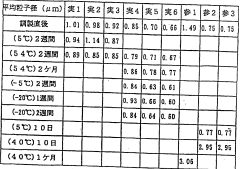
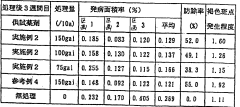
Pesticide preparations in the form of aqueous suspension
PatentWO1999066792A1
Innovation
- Incorporating sulfonic acid surfactants, specifically arylsulfonic acid condensates and lignin sulfonates, into the aqueous medium to disperse pesticidal active ingredients, along with a polymer or inorganic thickener, to maintain particle size and stability.

Compositions of PPO-inhibiting compounds and n-alkylpyrrolidones
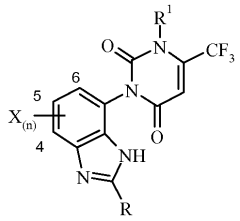
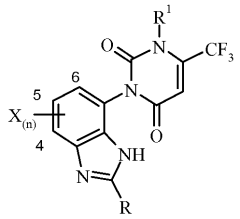
PatentWO2008005831A2
Innovation
- Utilization of N-alkylpyrrolidones as hydrophobic solvents in pesticide formulations to enhance stability and prevent precipitation upon dilution.
- Incorporation of higher alkyl substituted lactams and anionic surfactants to improve rainfastness and cuticular infiltration of herbicides.
- Development of compositions containing long-chain alkylpyrrolidone, anionic surfactant, and film-forming water-insoluble graft polymer to form rainfast microemulsions or emulsions.
Environmental Impact Assessment of Sulphanilic Acid Use
The use of sulphanilic acid in pesticide formulations necessitates a comprehensive environmental impact assessment to ensure sustainable agricultural practices. This assessment primarily focuses on the potential effects of sulphanilic acid on soil, water, and air quality, as well as its impact on non-target organisms and ecosystems.
In soil environments, sulphanilic acid may influence microbial communities and enzymatic activities. Studies have shown that at low concentrations, it can stimulate soil microbial activity, potentially enhancing nutrient cycling. However, at higher concentrations, it may inhibit certain microbial populations, leading to temporary imbalances in soil ecosystems. The persistence of sulphanilic acid in soil varies depending on environmental conditions, with half-lives ranging from a few days to several weeks.
Water systems are particularly vulnerable to the effects of pesticide runoff. Sulphanilic acid, when present in aquatic environments, can impact water quality parameters such as pH and dissolved oxygen levels. Its potential to leach into groundwater or be transported to surface water bodies through runoff requires careful monitoring. Aquatic organisms, including fish, algae, and invertebrates, may experience varying degrees of toxicity depending on exposure levels and duration.
Air quality concerns related to sulphanilic acid use in pesticide formulations are generally minimal, as the compound has low volatility. However, spray drift during application can lead to localized air contamination, potentially affecting nearby vegetation and wildlife. Proper application techniques and weather considerations are crucial to mitigate these risks.
The impact on non-target organisms is a critical aspect of the environmental assessment. Beneficial insects, such as pollinators, may be affected by residual sulphanilic acid on plant surfaces. Birds and small mammals that feed on treated crops or insects may also face exposure risks. Long-term studies are needed to fully understand the potential for bioaccumulation and food chain effects.
Ecosystem-level impacts of sulphanilic acid use require consideration of broader ecological interactions. Changes in pest populations due to improved pesticide efficacy may alter predator-prey dynamics and overall biodiversity in agricultural landscapes. The potential for sulphanilic acid to interact with other environmental pollutants or agricultural inputs should also be evaluated to assess cumulative ecological effects.
Mitigation strategies to minimize environmental impacts include optimizing application rates and timing, implementing buffer zones near sensitive habitats, and promoting integrated pest management practices. Developing formulations with controlled-release mechanisms or using precision agriculture techniques can help reduce overall environmental exposure while maintaining pesticide efficacy.
In soil environments, sulphanilic acid may influence microbial communities and enzymatic activities. Studies have shown that at low concentrations, it can stimulate soil microbial activity, potentially enhancing nutrient cycling. However, at higher concentrations, it may inhibit certain microbial populations, leading to temporary imbalances in soil ecosystems. The persistence of sulphanilic acid in soil varies depending on environmental conditions, with half-lives ranging from a few days to several weeks.
Water systems are particularly vulnerable to the effects of pesticide runoff. Sulphanilic acid, when present in aquatic environments, can impact water quality parameters such as pH and dissolved oxygen levels. Its potential to leach into groundwater or be transported to surface water bodies through runoff requires careful monitoring. Aquatic organisms, including fish, algae, and invertebrates, may experience varying degrees of toxicity depending on exposure levels and duration.
Air quality concerns related to sulphanilic acid use in pesticide formulations are generally minimal, as the compound has low volatility. However, spray drift during application can lead to localized air contamination, potentially affecting nearby vegetation and wildlife. Proper application techniques and weather considerations are crucial to mitigate these risks.
The impact on non-target organisms is a critical aspect of the environmental assessment. Beneficial insects, such as pollinators, may be affected by residual sulphanilic acid on plant surfaces. Birds and small mammals that feed on treated crops or insects may also face exposure risks. Long-term studies are needed to fully understand the potential for bioaccumulation and food chain effects.
Ecosystem-level impacts of sulphanilic acid use require consideration of broader ecological interactions. Changes in pest populations due to improved pesticide efficacy may alter predator-prey dynamics and overall biodiversity in agricultural landscapes. The potential for sulphanilic acid to interact with other environmental pollutants or agricultural inputs should also be evaluated to assess cumulative ecological effects.
Mitigation strategies to minimize environmental impacts include optimizing application rates and timing, implementing buffer zones near sensitive habitats, and promoting integrated pest management practices. Developing formulations with controlled-release mechanisms or using precision agriculture techniques can help reduce overall environmental exposure while maintaining pesticide efficacy.
Regulatory Framework for Novel Pesticide Additives
The regulatory framework for novel pesticide additives plays a crucial role in ensuring the safety and efficacy of new formulations incorporating sulphanilic acid. Regulatory bodies worldwide have established comprehensive guidelines and procedures for the approval and registration of pesticide additives, including those that enhance performance.
In the United States, the Environmental Protection Agency (EPA) oversees the regulation of pesticides and their additives under the Federal Insecticide, Fungicide, and Rodenticide Act (FIFRA). The EPA requires extensive data on the chemical properties, toxicology, environmental fate, and efficacy of new additives before granting approval. Manufacturers must demonstrate that the addition of sulphanilic acid to pesticide formulations does not pose unreasonable risks to human health or the environment.
The European Union follows a similar approach through the European Food Safety Authority (EFSA) and the European Chemicals Agency (ECHA). These organizations work together to evaluate the safety and efficacy of pesticide additives under the framework of Regulation (EC) No 1107/2009. The process involves a thorough assessment of the additive's impact on target pests, non-target organisms, and ecosystems.
In Asia, countries like China and Japan have their own regulatory bodies and processes for evaluating novel pesticide additives. The Institute for the Control of Agrochemicals, Ministry of Agriculture (ICAMA) in China and the Food and Agricultural Materials Inspection Center (FAMIC) in Japan are responsible for reviewing and approving new formulations.
Globally, the Food and Agriculture Organization (FAO) of the United Nations provides guidelines for the registration of pesticides, which many countries use as a basis for their national regulations. These guidelines emphasize the importance of evaluating the safety and efficacy of pesticide additives, including their potential impact on crop yields and environmental sustainability.
Regulatory frameworks typically require manufacturers to submit detailed dossiers containing information on the chemical and physical properties of sulphanilic acid, its mode of action in improving pesticide performance, and comprehensive toxicological and environmental impact studies. Additionally, field trials demonstrating the efficacy of formulations containing sulphanilic acid are often necessary to support regulatory approval.
As concerns about environmental protection and sustainable agriculture grow, regulatory bodies are increasingly focusing on the long-term effects of pesticide additives. This includes assessing their potential for bioaccumulation, persistence in the environment, and effects on non-target organisms. Manufacturers seeking approval for sulphanilic acid as a pesticide additive must address these concerns through rigorous scientific studies and risk assessments.
In the United States, the Environmental Protection Agency (EPA) oversees the regulation of pesticides and their additives under the Federal Insecticide, Fungicide, and Rodenticide Act (FIFRA). The EPA requires extensive data on the chemical properties, toxicology, environmental fate, and efficacy of new additives before granting approval. Manufacturers must demonstrate that the addition of sulphanilic acid to pesticide formulations does not pose unreasonable risks to human health or the environment.
The European Union follows a similar approach through the European Food Safety Authority (EFSA) and the European Chemicals Agency (ECHA). These organizations work together to evaluate the safety and efficacy of pesticide additives under the framework of Regulation (EC) No 1107/2009. The process involves a thorough assessment of the additive's impact on target pests, non-target organisms, and ecosystems.
In Asia, countries like China and Japan have their own regulatory bodies and processes for evaluating novel pesticide additives. The Institute for the Control of Agrochemicals, Ministry of Agriculture (ICAMA) in China and the Food and Agricultural Materials Inspection Center (FAMIC) in Japan are responsible for reviewing and approving new formulations.
Globally, the Food and Agriculture Organization (FAO) of the United Nations provides guidelines for the registration of pesticides, which many countries use as a basis for their national regulations. These guidelines emphasize the importance of evaluating the safety and efficacy of pesticide additives, including their potential impact on crop yields and environmental sustainability.
Regulatory frameworks typically require manufacturers to submit detailed dossiers containing information on the chemical and physical properties of sulphanilic acid, its mode of action in improving pesticide performance, and comprehensive toxicological and environmental impact studies. Additionally, field trials demonstrating the efficacy of formulations containing sulphanilic acid are often necessary to support regulatory approval.
As concerns about environmental protection and sustainable agriculture grow, regulatory bodies are increasingly focusing on the long-term effects of pesticide additives. This includes assessing their potential for bioaccumulation, persistence in the environment, and effects on non-target organisms. Manufacturers seeking approval for sulphanilic acid as a pesticide additive must address these concerns through rigorous scientific studies and risk assessments.
Unlock deeper insights with Patsnap Eureka Quick Research — get a full tech report to explore trends and direct your research. Try now!
Generate Your Research Report Instantly with AI Agent
Supercharge your innovation with Patsnap Eureka AI Agent Platform!