How to Align Synchronous Generators to Grid Frequency
JAN 7, 20269 MIN READ
Generate Your Research Report Instantly with AI Agent
Patsnap Eureka helps you evaluate technical feasibility & market potential.
Synchronous Generator Grid Synchronization Background and Objectives
Synchronous generators have served as the backbone of electrical power systems since the early development of alternating current networks in the late nineteenth century. The fundamental challenge of connecting these rotating machines to an energized electrical grid has remained a critical operational requirement throughout this evolution. When a synchronous generator operates in isolation, its frequency and voltage are determined solely by its prime mover speed and excitation system. However, the moment this generator must connect to an established grid, precise alignment of multiple electrical parameters becomes essential to prevent equipment damage, system disturbances, and potential cascading failures.
The synchronization process requires matching three fundamental parameters between the incoming generator and the existing grid: voltage magnitude, frequency, and phase angle. Historical incidents have demonstrated that improper synchronization can result in severe mechanical stress on generator shafts, transformer damage, protective relay operations, and localized or widespread power system instability. As power systems have grown in complexity and interconnection, the consequences of synchronization errors have become increasingly significant, affecting not only individual generating units but potentially impacting grid stability across vast geographical regions.
The primary objective of grid synchronization technology is to establish a safe and reliable method for connecting synchronous generators to operating power networks while minimizing transient disturbances. This involves developing techniques and equipment capable of accurately measuring the electrical parameters of both the generator and the grid, determining the optimal moment for breaker closure, and executing the connection with minimal deviation from ideal conditions. Modern synchronization systems must achieve this objective across diverse operating scenarios, including initial startup conditions, black start situations, and reconnection following temporary disconnections.
Beyond the immediate goal of safe connection, synchronization technology aims to support broader power system objectives including enhanced grid resilience, improved integration of diverse generation sources, and facilitation of flexible grid operations. As power systems transition toward more distributed and variable generation portfolios, synchronization capabilities must evolve to accommodate faster response times, greater automation, and integration with advanced grid management systems. The development of robust synchronization methodologies directly supports grid modernization efforts and enables the reliable operation of increasingly complex electrical networks.
The synchronization process requires matching three fundamental parameters between the incoming generator and the existing grid: voltage magnitude, frequency, and phase angle. Historical incidents have demonstrated that improper synchronization can result in severe mechanical stress on generator shafts, transformer damage, protective relay operations, and localized or widespread power system instability. As power systems have grown in complexity and interconnection, the consequences of synchronization errors have become increasingly significant, affecting not only individual generating units but potentially impacting grid stability across vast geographical regions.
The primary objective of grid synchronization technology is to establish a safe and reliable method for connecting synchronous generators to operating power networks while minimizing transient disturbances. This involves developing techniques and equipment capable of accurately measuring the electrical parameters of both the generator and the grid, determining the optimal moment for breaker closure, and executing the connection with minimal deviation from ideal conditions. Modern synchronization systems must achieve this objective across diverse operating scenarios, including initial startup conditions, black start situations, and reconnection following temporary disconnections.
Beyond the immediate goal of safe connection, synchronization technology aims to support broader power system objectives including enhanced grid resilience, improved integration of diverse generation sources, and facilitation of flexible grid operations. As power systems transition toward more distributed and variable generation portfolios, synchronization capabilities must evolve to accommodate faster response times, greater automation, and integration with advanced grid management systems. The development of robust synchronization methodologies directly supports grid modernization efforts and enables the reliable operation of increasingly complex electrical networks.
Market Demand for Grid Synchronization Solutions
The global demand for grid synchronization solutions has intensified significantly as power systems undergo fundamental transformation. Traditional centralized generation models are being replaced by distributed energy architectures that incorporate renewable sources, energy storage systems, and microgrids. This transition creates unprecedented challenges in maintaining grid stability and frequency control, driving substantial market requirements for advanced synchronization technologies.
Utility operators worldwide face mounting pressure to integrate variable renewable energy sources while maintaining stringent frequency stability standards. Wind and solar installations, which now constitute a growing portion of generation capacity in many regions, introduce intermittency that complicates synchronization processes. The displacement of conventional synchronous generators with inverter-based resources reduces system inertia, making grids more vulnerable to frequency deviations and requiring more sophisticated alignment mechanisms.
Industrial and commercial sectors represent another critical demand segment. Data centers, manufacturing facilities, and critical infrastructure operators increasingly deploy on-site generation and backup power systems that must seamlessly synchronize with utility grids. These applications require reliable, automated synchronization solutions that minimize downtime risks and ensure power quality. The proliferation of combined heat and power systems in industrial settings further amplifies this need.
Emerging markets in developing economies present substantial growth opportunities. Nations expanding their electrical infrastructure seek cost-effective synchronization technologies that accommodate diverse generation sources and grid conditions. Island grids and remote communities transitioning from diesel generators to hybrid renewable systems particularly require robust synchronization capabilities to manage multiple generation sources effectively.
Regulatory frameworks worldwide are evolving to mandate stricter grid connection standards and frequency control requirements. Grid codes increasingly specify precise synchronization parameters, phase angle tolerances, and response times that generation assets must meet. These regulatory developments compel equipment manufacturers and project developers to invest in advanced synchronization technologies that ensure compliance while optimizing operational performance.
The market also responds to aging infrastructure replacement cycles. Many synchronous generators installed decades ago require modernization with digital control systems and automated synchronization equipment. This retrofit demand spans utility-scale power plants, industrial cogeneration facilities, and distributed generation installations seeking to enhance reliability and reduce operational complexity through modern synchronization solutions.
Utility operators worldwide face mounting pressure to integrate variable renewable energy sources while maintaining stringent frequency stability standards. Wind and solar installations, which now constitute a growing portion of generation capacity in many regions, introduce intermittency that complicates synchronization processes. The displacement of conventional synchronous generators with inverter-based resources reduces system inertia, making grids more vulnerable to frequency deviations and requiring more sophisticated alignment mechanisms.
Industrial and commercial sectors represent another critical demand segment. Data centers, manufacturing facilities, and critical infrastructure operators increasingly deploy on-site generation and backup power systems that must seamlessly synchronize with utility grids. These applications require reliable, automated synchronization solutions that minimize downtime risks and ensure power quality. The proliferation of combined heat and power systems in industrial settings further amplifies this need.
Emerging markets in developing economies present substantial growth opportunities. Nations expanding their electrical infrastructure seek cost-effective synchronization technologies that accommodate diverse generation sources and grid conditions. Island grids and remote communities transitioning from diesel generators to hybrid renewable systems particularly require robust synchronization capabilities to manage multiple generation sources effectively.
Regulatory frameworks worldwide are evolving to mandate stricter grid connection standards and frequency control requirements. Grid codes increasingly specify precise synchronization parameters, phase angle tolerances, and response times that generation assets must meet. These regulatory developments compel equipment manufacturers and project developers to invest in advanced synchronization technologies that ensure compliance while optimizing operational performance.
The market also responds to aging infrastructure replacement cycles. Many synchronous generators installed decades ago require modernization with digital control systems and automated synchronization equipment. This retrofit demand spans utility-scale power plants, industrial cogeneration facilities, and distributed generation installations seeking to enhance reliability and reduce operational complexity through modern synchronization solutions.
Current Challenges in Generator-Grid Frequency Alignment
Aligning synchronous generators to grid frequency remains a complex technical challenge despite decades of operational experience. The fundamental difficulty lies in achieving precise synchronization while managing multiple dynamic variables simultaneously. Traditional synchronization requires matching three critical parameters: voltage magnitude, phase angle, and frequency. Even minor deviations during the alignment process can trigger protective relay operations or cause mechanical stress on generator components, potentially leading to equipment damage or grid disturbances.
The increasing penetration of renewable energy sources has introduced unprecedented variability in grid frequency stability. Wind and solar generation create rapid frequency fluctuations that complicate the synchronization process for conventional generators. Operators must now contend with faster frequency deviations and reduced system inertia, making the traditional synchronization window narrower and more difficult to achieve. This dynamic environment demands more sophisticated control algorithms and faster response times than legacy systems were designed to handle.
Modern power systems face significant challenges related to measurement accuracy and communication latency. Precise frequency alignment requires real-time data acquisition from both the generator and grid sides, yet measurement errors from instrument transformers and delays in communication networks can introduce critical timing discrepancies. These inaccuracies become particularly problematic in large-scale power plants where multiple generators must be synchronized sequentially, as cumulative errors can propagate through the system.
The transition toward digitalized grid infrastructure presents both opportunities and obstacles. While advanced synchrophasor technology and wide-area monitoring systems offer improved visibility, integrating these modern solutions with existing electromechanical control systems creates compatibility issues. Many operational facilities still rely on manual synchronization procedures or semi-automated systems that lack the precision required for today's grid conditions. Upgrading these systems requires substantial capital investment and operational downtime, creating economic barriers to implementation.
Furthermore, regulatory frameworks and grid codes vary significantly across regions, imposing different technical requirements for generator synchronization. These inconsistent standards complicate equipment design and operational procedures, particularly for manufacturers and operators working across multiple jurisdictions. The lack of harmonized international standards hinders the development of universal solutions that could address synchronization challenges more effectively across diverse power system architectures.
The increasing penetration of renewable energy sources has introduced unprecedented variability in grid frequency stability. Wind and solar generation create rapid frequency fluctuations that complicate the synchronization process for conventional generators. Operators must now contend with faster frequency deviations and reduced system inertia, making the traditional synchronization window narrower and more difficult to achieve. This dynamic environment demands more sophisticated control algorithms and faster response times than legacy systems were designed to handle.
Modern power systems face significant challenges related to measurement accuracy and communication latency. Precise frequency alignment requires real-time data acquisition from both the generator and grid sides, yet measurement errors from instrument transformers and delays in communication networks can introduce critical timing discrepancies. These inaccuracies become particularly problematic in large-scale power plants where multiple generators must be synchronized sequentially, as cumulative errors can propagate through the system.
The transition toward digitalized grid infrastructure presents both opportunities and obstacles. While advanced synchrophasor technology and wide-area monitoring systems offer improved visibility, integrating these modern solutions with existing electromechanical control systems creates compatibility issues. Many operational facilities still rely on manual synchronization procedures or semi-automated systems that lack the precision required for today's grid conditions. Upgrading these systems requires substantial capital investment and operational downtime, creating economic barriers to implementation.
Furthermore, regulatory frameworks and grid codes vary significantly across regions, imposing different technical requirements for generator synchronization. These inconsistent standards complicate equipment design and operational procedures, particularly for manufacturers and operators working across multiple jurisdictions. The lack of harmonized international standards hinders the development of universal solutions that could address synchronization challenges more effectively across diverse power system architectures.
Mainstream Synchronization Methods and Techniques
01 Frequency control and regulation in synchronous generators
Methods and systems for controlling and regulating the output frequency of synchronous generators to maintain stable power generation. This includes feedback control mechanisms, governor systems, and automatic frequency regulation techniques that adjust the generator's rotational speed or excitation to maintain the desired frequency output. These control systems are essential for grid stability and power quality management.- Frequency control and regulation in synchronous generators: Methods and systems for controlling and regulating the output frequency of synchronous generators to maintain stable power generation. This includes feedback control mechanisms, governor systems, and automatic frequency regulation techniques that adjust the generator's rotational speed or excitation to maintain the desired frequency output. These control systems are essential for grid stability and power quality management.
- Variable frequency operation of synchronous generators: Techniques for operating synchronous generators at variable frequencies to accommodate different load conditions or power system requirements. This includes converter-based systems that allow the generator to operate at non-standard frequencies while providing standard frequency output through power electronic conversion. Such systems enable flexible operation in renewable energy applications and isolated power systems.
- Frequency measurement and monitoring in synchronous generators: Systems and methods for accurately measuring and monitoring the frequency output of synchronous generators. This includes digital frequency meters, phase-locked loop circuits, and real-time monitoring systems that detect frequency deviations and provide data for control systems. Accurate frequency measurement is critical for synchronization with power grids and maintaining power quality standards.
- Synchronization and parallel operation at specific frequencies: Methods for synchronizing multiple synchronous generators or connecting generators to existing power grids operating at specific frequencies. This includes phase matching, frequency synchronization techniques, and automatic synchronizers that ensure generators can be safely connected in parallel operation. These techniques prevent damage to equipment and ensure stable power distribution when multiple generators operate together.
- Frequency stability enhancement and transient response: Technologies for improving frequency stability and transient response characteristics of synchronous generators during load changes or disturbances. This includes damper windings, excitation control systems, and power system stabilizers that help maintain frequency stability during dynamic conditions. These enhancements are particularly important for generators operating in weak grids or with fluctuating renewable energy sources.
02 Variable frequency operation of synchronous generators
Techniques for operating synchronous generators at variable frequencies to accommodate different load conditions or power system requirements. This includes converter-based systems that allow frequency conversion, enabling the generator to operate at non-standard frequencies while delivering power at the required frequency. Such systems are particularly useful in renewable energy applications and isolated power systems.Expand Specific Solutions03 Frequency measurement and monitoring systems
Systems and methods for accurately measuring and monitoring the frequency output of synchronous generators. These include digital frequency meters, phase-locked loop circuits, and real-time monitoring systems that provide precise frequency measurements for control and protection purposes. Advanced monitoring systems can detect frequency deviations and trigger corrective actions to maintain system stability.Expand Specific Solutions04 Synchronization and parallel operation at specific frequencies
Methods for synchronizing multiple synchronous generators and enabling their parallel operation at matched frequencies. This includes synchronization control systems, phase matching techniques, and load sharing mechanisms that ensure generators operate in harmony without frequency conflicts. These techniques are critical for power plant operations and grid integration.Expand Specific Solutions05 Frequency stability enhancement and transient response
Technologies for improving frequency stability and transient response characteristics of synchronous generators during load changes or disturbances. This includes damping systems, excitation control strategies, and power system stabilizers that minimize frequency oscillations and improve dynamic performance. These enhancements are vital for maintaining power quality during sudden load variations or fault conditions.Expand Specific Solutions
Key Players in Generator Control Systems
The synchronous generator grid alignment technology operates in a mature, established market dominated by traditional power generation and increasingly influenced by renewable energy integration. Major industrial players including Siemens AG, Siemens Energy, GE Infrastructure Technology, Mitsubishi Electric, and ABB Group lead conventional synchronization solutions, while renewable energy specialists like Vestas Wind Systems, Siemens Gamesa, and Nordex Energy drive innovation in grid-connected wind turbine synchronization. Chinese state enterprises such as State Grid Corp., Dongfang Electric, and Kehua Data represent significant regional market presence. The technology demonstrates high maturity in conventional applications, with ongoing advancement in digital control systems and renewable integration capabilities. Academic institutions including North China Electric Power University and Xi'an University of Technology contribute to next-generation synchronization algorithms. Market growth is driven by grid modernization, renewable energy expansion, and smart grid development, creating opportunities for both established manufacturers and emerging technology providers in power electronics and control systems.
Siemens AG
Technical Solution: Siemens employs advanced synchronization control systems utilizing digital governor controls and automatic voltage regulators (AVR) integrated with synchronization modules. The technology incorporates precise frequency and phase angle matching algorithms that monitor grid parameters in real-time. Their SICAM system provides automated synchronization by continuously measuring generator voltage, frequency, and phase angle against grid parameters, ensuring synchronization occurs only when voltage difference is within 5-10%, frequency deviation is less than 0.1 Hz, and phase angle difference is below 10 degrees. The system uses synchroscope functionality combined with programmable logic controllers to execute breaker closure at the optimal moment, minimizing mechanical and electrical stress during grid connection[1][4].
Strengths: Comprehensive automation with high precision control, proven reliability in large-scale power generation facilities, integrated protection mechanisms. Weaknesses: Higher initial investment cost, requires specialized training for operation and maintenance personnel.
Siemens Energy Global GmbH & Co. KG
Technical Solution: Siemens Energy develops synchronization solutions specifically for gas and steam turbine generators, featuring adaptive control algorithms that account for different generator inertias and response characteristics. Their synchronization system employs predictive control strategies that calculate optimal breaker closing time based on rate of change of frequency and phase angle. The technology includes soft synchronization capabilities that can handle larger parameter deviations by gradually adjusting generator speed and excitation before final connection. Advanced monitoring systems provide continuous assessment of grid stability conditions and can abort synchronization sequences if grid disturbances are detected, preventing potential damage to generator windings and mechanical components[2][5].
Strengths: Adaptive algorithms suitable for various generator types, enhanced safety features with predictive control, excellent integration with turbine control systems. Weaknesses: Complex configuration requirements, dependency on accurate grid parameter measurements.
Core Patents in Automatic Synchronization Technology
Method for synchronising a generator with a grid
PatentInactiveEP2651000A2
Innovation
- The method involves ramping up the generator speed to a synchronization speed with a larger frequency difference than traditional methods, waiting for the phase angle to fall below a predetermined value, and then connecting the generator to the grid, allowing for faster synchronization by increasing the frequency of synchronization opportunities.


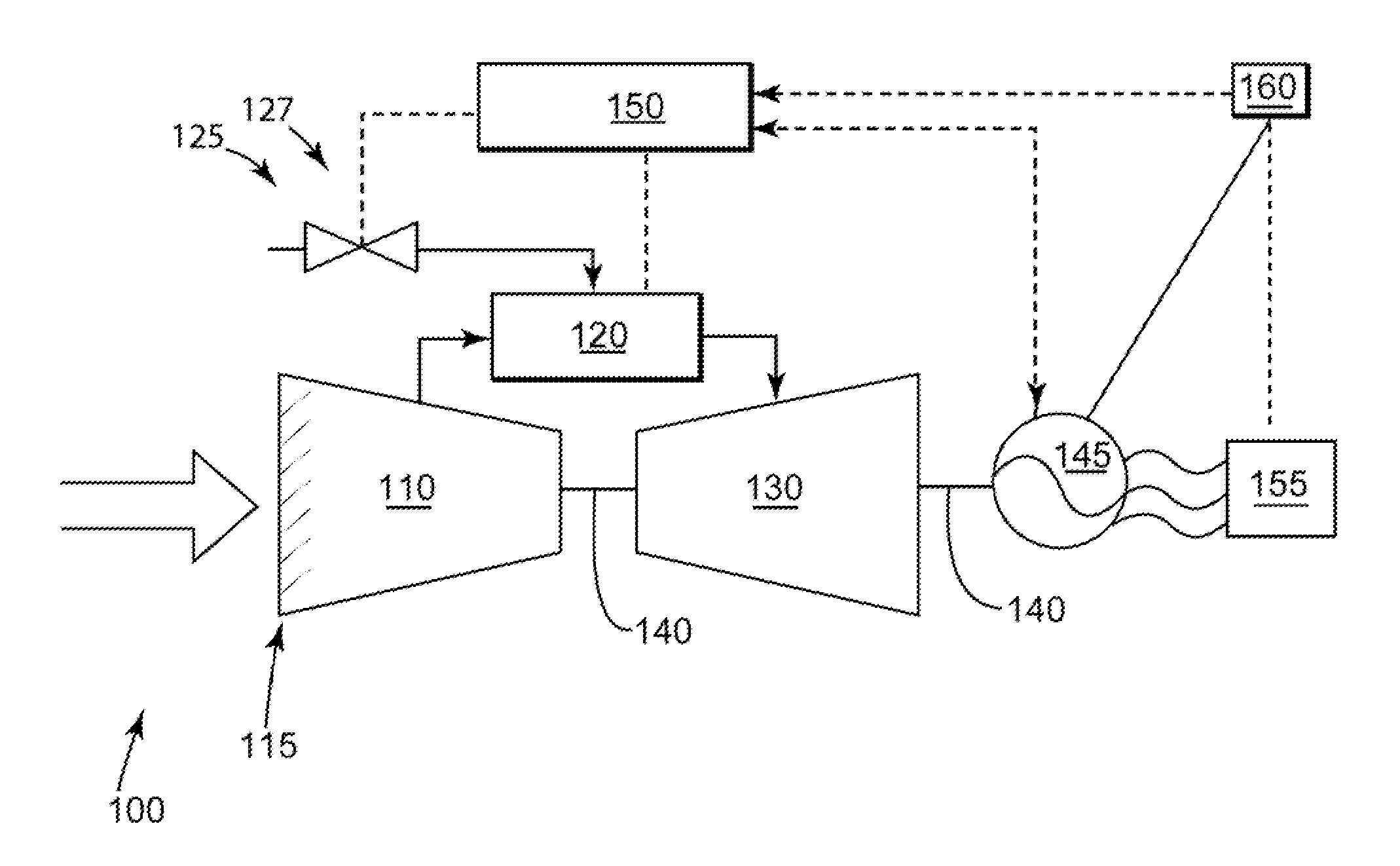
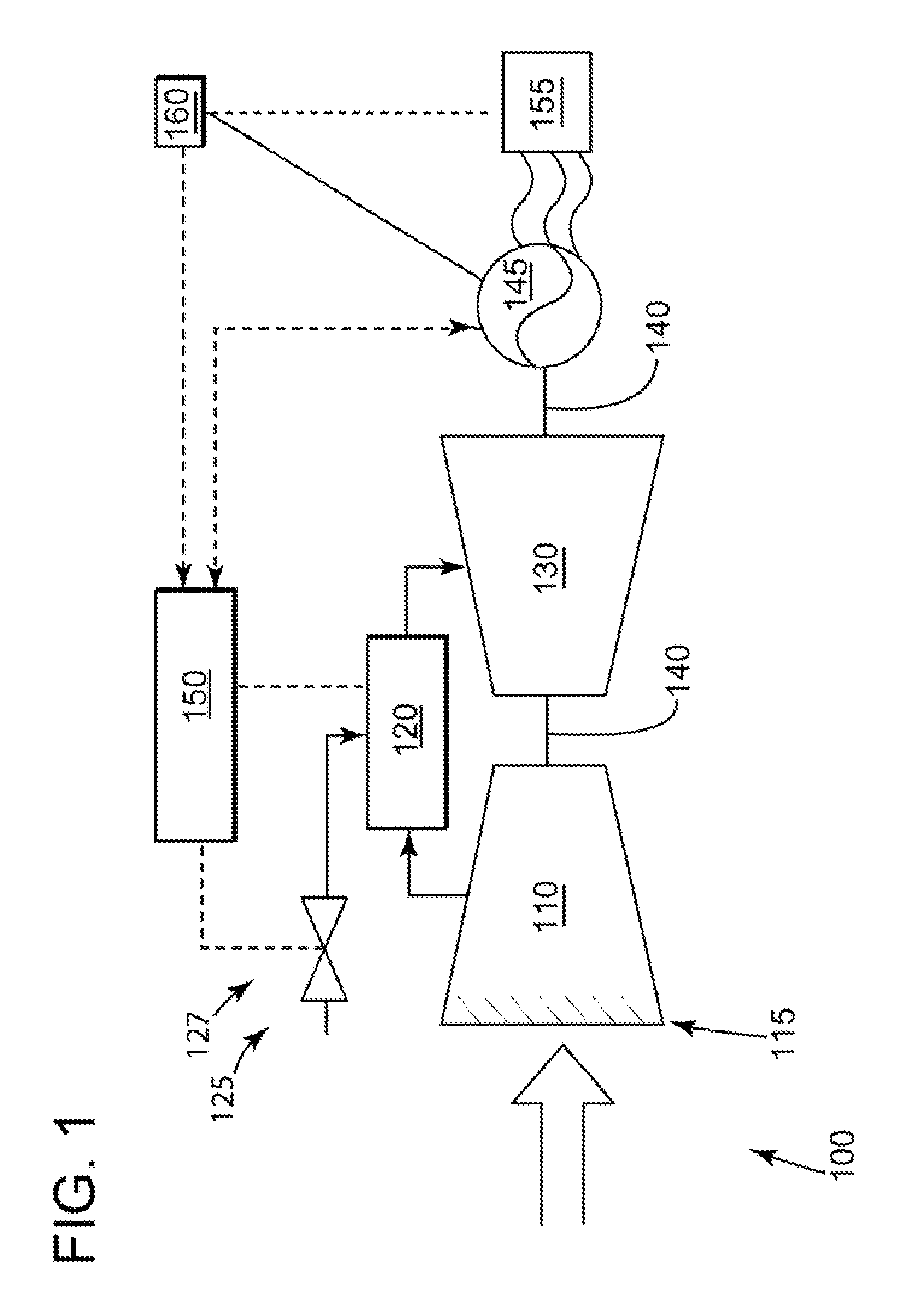
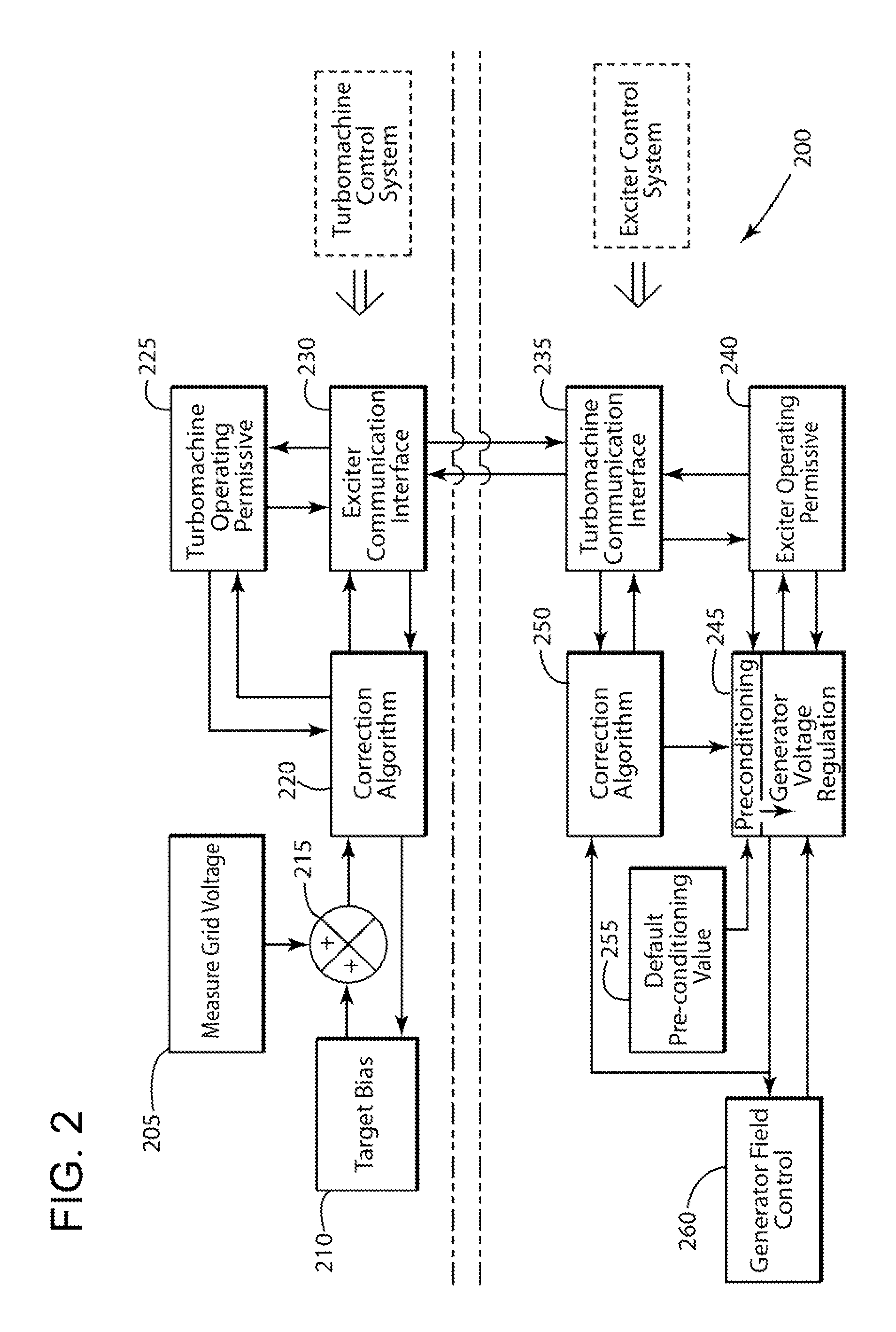
Method of synchronizing a turbomachine generator to an electric grid
PatentActiveUS7915868B1
Innovation
- The method involves actively controlling the generator's voltage and speed to match grid parameters by applying target biases and using predictive algorithms to adjust rotor acceleration, ensuring consistent and rapid synchronization by preconditioning the generator voltage regulator and speed loop to align with grid conditions before reaching synchronization speed.

Grid Code Compliance and Standards
Grid code compliance represents a fundamental prerequisite for synchronous generator operation within modern electrical networks. These regulatory frameworks establish mandatory technical requirements that generators must satisfy before connecting to and operating within transmission or distribution systems. Grid codes typically specify precise parameters for frequency synchronization, including permissible deviation ranges, rate of change of frequency limits, and synchronization accuracy thresholds. Most jurisdictions require generators to maintain frequency within ±0.1 Hz of nominal values during normal operation, with stricter tolerances during the synchronization process itself.
International standards organizations have developed comprehensive guidelines governing generator-grid alignment procedures. The IEEE 1547 standard in North America and the ENTSO-E Network Code in Europe provide detailed specifications for interconnection requirements, including synchronization protocols, voltage matching criteria, and phase angle alignment tolerances. These standards mandate specific protection schemes and monitoring systems to ensure safe synchronization events. Compliance verification typically requires documented testing procedures and certified measurement equipment to validate that synchronization systems meet prescribed accuracy levels.
Regional grid operators impose additional requirements beyond international standards, reflecting local network characteristics and stability concerns. These operator-specific codes often define maximum permissible phase angle differences at the moment of breaker closure, typically ranging from 5 to 10 degrees, and stipulate voltage magnitude matching within 3-5% of grid voltage. Furthermore, grid codes increasingly incorporate requirements for advanced synchronization capabilities, including fast frequency response and synthetic inertia provision, particularly as renewable energy penetration increases.
Compliance documentation and certification processes constitute essential components of grid code adherence. Generator owners must maintain detailed records of synchronization equipment calibration, protection system settings, and operational performance data. Regular compliance audits and periodic testing ensure continued conformity with evolving standards. Non-compliance can result in connection refusal, operational restrictions, or financial penalties, making thorough understanding and implementation of applicable grid codes critical for successful generator integration and sustained grid operation authorization.
International standards organizations have developed comprehensive guidelines governing generator-grid alignment procedures. The IEEE 1547 standard in North America and the ENTSO-E Network Code in Europe provide detailed specifications for interconnection requirements, including synchronization protocols, voltage matching criteria, and phase angle alignment tolerances. These standards mandate specific protection schemes and monitoring systems to ensure safe synchronization events. Compliance verification typically requires documented testing procedures and certified measurement equipment to validate that synchronization systems meet prescribed accuracy levels.
Regional grid operators impose additional requirements beyond international standards, reflecting local network characteristics and stability concerns. These operator-specific codes often define maximum permissible phase angle differences at the moment of breaker closure, typically ranging from 5 to 10 degrees, and stipulate voltage magnitude matching within 3-5% of grid voltage. Furthermore, grid codes increasingly incorporate requirements for advanced synchronization capabilities, including fast frequency response and synthetic inertia provision, particularly as renewable energy penetration increases.
Compliance documentation and certification processes constitute essential components of grid code adherence. Generator owners must maintain detailed records of synchronization equipment calibration, protection system settings, and operational performance data. Regular compliance audits and periodic testing ensure continued conformity with evolving standards. Non-compliance can result in connection refusal, operational restrictions, or financial penalties, making thorough understanding and implementation of applicable grid codes critical for successful generator integration and sustained grid operation authorization.
Renewable Integration Synchronization Requirements
The integration of renewable energy sources into existing power grids presents unique synchronization challenges that differ fundamentally from traditional synchronous generator alignment. Unlike conventional generators that inherently operate at grid frequency through electromagnetic coupling, renewable sources such as wind turbines and solar photovoltaic systems connect to the grid through power electronic converters. These inverter-based resources lack the natural inertial response and frequency regulation capabilities that synchronous generators provide, creating new requirements for grid synchronization protocols.
Modern grid codes increasingly mandate that renewable energy installations demonstrate grid-supporting capabilities comparable to conventional generation. This includes requirements for frequency ride-through performance, where renewable systems must remain connected and operational during frequency excursions beyond normal operating ranges. Additionally, synthetic inertia provision has become a critical specification, requiring inverter controls to emulate the rotational inertia traditionally supplied by spinning generators. These capabilities ensure that high penetrations of renewable energy do not compromise grid stability during disturbances.
Phase-locked loop technology serves as the primary synchronization mechanism for grid-connected inverters, enabling precise tracking of grid voltage phase angle and frequency. However, weak grid conditions with low short-circuit ratios pose significant challenges to PLL performance, potentially causing instability or loss of synchronization. Advanced control strategies incorporating virtual synchronous machine algorithms have emerged to address these limitations, providing improved dynamic response and fault ride-through capabilities.
The transition toward grids with dominant inverter-based generation necessitates evolution of synchronization standards beyond simple frequency matching. Grid-forming inverter technologies represent a paradigm shift, enabling renewable installations to establish and maintain grid voltage and frequency independently, rather than merely following existing grid conditions. This capability becomes essential in isolated microgrids and future low-inertia power systems where conventional synchronous generators may be minimal or absent. Regulatory frameworks continue adapting to accommodate these technological advances while ensuring reliable grid operation across diverse generation portfolios.
Modern grid codes increasingly mandate that renewable energy installations demonstrate grid-supporting capabilities comparable to conventional generation. This includes requirements for frequency ride-through performance, where renewable systems must remain connected and operational during frequency excursions beyond normal operating ranges. Additionally, synthetic inertia provision has become a critical specification, requiring inverter controls to emulate the rotational inertia traditionally supplied by spinning generators. These capabilities ensure that high penetrations of renewable energy do not compromise grid stability during disturbances.
Phase-locked loop technology serves as the primary synchronization mechanism for grid-connected inverters, enabling precise tracking of grid voltage phase angle and frequency. However, weak grid conditions with low short-circuit ratios pose significant challenges to PLL performance, potentially causing instability or loss of synchronization. Advanced control strategies incorporating virtual synchronous machine algorithms have emerged to address these limitations, providing improved dynamic response and fault ride-through capabilities.
The transition toward grids with dominant inverter-based generation necessitates evolution of synchronization standards beyond simple frequency matching. Grid-forming inverter technologies represent a paradigm shift, enabling renewable installations to establish and maintain grid voltage and frequency independently, rather than merely following existing grid conditions. This capability becomes essential in isolated microgrids and future low-inertia power systems where conventional synchronous generators may be minimal or absent. Regulatory frameworks continue adapting to accommodate these technological advances while ensuring reliable grid operation across diverse generation portfolios.
Unlock deeper insights with Patsnap Eureka Quick Research — get a full tech report to explore trends and direct your research. Try now!
Generate Your Research Report Instantly with AI Agent
Supercharge your innovation with Patsnap Eureka AI Agent Platform!