
How to Analyze Structural Changes in Supercritical Processes
MAR 16, 20269 MIN READ
Generate Your Research Report Instantly with AI Agent
Patsnap Eureka helps you evaluate technical feasibility & market potential.
Supercritical Process Analysis Background and Objectives
Supercritical processes represent a critical frontier in modern industrial applications, where substances operate beyond their critical temperature and pressure thresholds, exhibiting unique properties that bridge the gap between liquid and gas phases. These processes have gained significant prominence across diverse sectors including pharmaceuticals, energy production, materials science, and environmental remediation due to their exceptional mass transfer characteristics, enhanced solubility properties, and reduced environmental impact compared to conventional processing methods.
The evolution of supercritical process technology traces back to the early 19th century when Baron Cagniard de la Tour first observed the critical phenomenon. However, practical industrial applications emerged only in the latter half of the 20th century, with supercritical fluid extraction becoming commercially viable in the 1970s. The technology has since expanded exponentially, encompassing supercritical water oxidation, supercritical carbon dioxide processing, and advanced supercritical power generation cycles.
Current technological trends indicate a paradigm shift toward more sophisticated process control and optimization methodologies. The integration of artificial intelligence, machine learning algorithms, and advanced sensor technologies has enabled real-time monitoring and predictive control of supercritical systems. Additionally, the development of novel supercritical fluids beyond traditional CO2 and water systems has opened new application domains, particularly in green chemistry and sustainable manufacturing processes.
The primary objective of analyzing structural changes in supercritical processes centers on understanding the dynamic molecular-level transformations that occur under extreme conditions. This analysis aims to establish comprehensive correlations between process parameters and structural modifications, enabling precise control over product quality, reaction selectivity, and process efficiency. Furthermore, such analysis seeks to develop predictive models that can forecast structural behavior under varying operational conditions.
Advanced characterization techniques including in-situ spectroscopy, high-pressure microscopy, and computational molecular dynamics simulations form the cornerstone of modern structural analysis approaches. These methodologies enable researchers to observe real-time structural evolution, identify critical transition points, and optimize process conditions for desired outcomes. The ultimate goal encompasses developing robust analytical frameworks that can be universally applied across different supercritical systems, thereby accelerating technology transfer and commercial implementation.
The evolution of supercritical process technology traces back to the early 19th century when Baron Cagniard de la Tour first observed the critical phenomenon. However, practical industrial applications emerged only in the latter half of the 20th century, with supercritical fluid extraction becoming commercially viable in the 1970s. The technology has since expanded exponentially, encompassing supercritical water oxidation, supercritical carbon dioxide processing, and advanced supercritical power generation cycles.
Current technological trends indicate a paradigm shift toward more sophisticated process control and optimization methodologies. The integration of artificial intelligence, machine learning algorithms, and advanced sensor technologies has enabled real-time monitoring and predictive control of supercritical systems. Additionally, the development of novel supercritical fluids beyond traditional CO2 and water systems has opened new application domains, particularly in green chemistry and sustainable manufacturing processes.
The primary objective of analyzing structural changes in supercritical processes centers on understanding the dynamic molecular-level transformations that occur under extreme conditions. This analysis aims to establish comprehensive correlations between process parameters and structural modifications, enabling precise control over product quality, reaction selectivity, and process efficiency. Furthermore, such analysis seeks to develop predictive models that can forecast structural behavior under varying operational conditions.
Advanced characterization techniques including in-situ spectroscopy, high-pressure microscopy, and computational molecular dynamics simulations form the cornerstone of modern structural analysis approaches. These methodologies enable researchers to observe real-time structural evolution, identify critical transition points, and optimize process conditions for desired outcomes. The ultimate goal encompasses developing robust analytical frameworks that can be universally applied across different supercritical systems, thereby accelerating technology transfer and commercial implementation.
Market Demand for Supercritical Process Monitoring
The global supercritical fluid technology market demonstrates robust growth driven by increasing demand for environmentally sustainable processing methods across multiple industries. Supercritical processes have gained significant traction in pharmaceutical manufacturing, food processing, chemical synthesis, and materials science due to their ability to operate without toxic solvents while achieving superior product quality and purity.
Pharmaceutical companies represent the largest market segment for supercritical process monitoring solutions. The industry's stringent regulatory requirements for drug manufacturing necessitate precise control and real-time monitoring of critical process parameters during supercritical fluid extraction and particle formation processes. Regulatory bodies increasingly emphasize process analytical technology implementation, creating substantial demand for advanced monitoring systems capable of detecting structural changes in supercritical environments.
The food and beverage industry constitutes another major market driver, particularly in natural product extraction and food processing applications. Consumer preferences for clean-label products and organic ingredients have accelerated adoption of supercritical carbon dioxide extraction for producing high-quality extracts from coffee, spices, and botanical materials. These applications require sophisticated monitoring systems to ensure consistent product quality and optimize extraction efficiency.
Chemical and petrochemical sectors are experiencing growing interest in supercritical processes for green chemistry applications and advanced material synthesis. The push toward sustainable manufacturing practices and reduced environmental impact has led to increased investment in supercritical technologies, consequently driving demand for monitoring solutions that can track structural transformations during these processes.
Emerging applications in nanotechnology and advanced materials manufacturing present significant growth opportunities. Supercritical processes enable precise control over particle size, morphology, and crystal structure, making them valuable for producing specialized materials with tailored properties. These applications require highly sophisticated monitoring capabilities to detect minute structural changes that affect final product characteristics.
The market demand is further amplified by the need for process optimization and energy efficiency improvements. Industries seek monitoring solutions that can provide real-time feedback on structural changes to optimize operating conditions, reduce energy consumption, and minimize waste generation. This trend is particularly pronounced in regions with strict environmental regulations and high energy costs.
Geographic demand patterns show strong growth in North America and Europe, driven by established pharmaceutical and chemical industries, while Asia-Pacific markets demonstrate rapid expansion due to increasing industrial development and growing emphasis on sustainable manufacturing practices.
Pharmaceutical companies represent the largest market segment for supercritical process monitoring solutions. The industry's stringent regulatory requirements for drug manufacturing necessitate precise control and real-time monitoring of critical process parameters during supercritical fluid extraction and particle formation processes. Regulatory bodies increasingly emphasize process analytical technology implementation, creating substantial demand for advanced monitoring systems capable of detecting structural changes in supercritical environments.
The food and beverage industry constitutes another major market driver, particularly in natural product extraction and food processing applications. Consumer preferences for clean-label products and organic ingredients have accelerated adoption of supercritical carbon dioxide extraction for producing high-quality extracts from coffee, spices, and botanical materials. These applications require sophisticated monitoring systems to ensure consistent product quality and optimize extraction efficiency.
Chemical and petrochemical sectors are experiencing growing interest in supercritical processes for green chemistry applications and advanced material synthesis. The push toward sustainable manufacturing practices and reduced environmental impact has led to increased investment in supercritical technologies, consequently driving demand for monitoring solutions that can track structural transformations during these processes.
Emerging applications in nanotechnology and advanced materials manufacturing present significant growth opportunities. Supercritical processes enable precise control over particle size, morphology, and crystal structure, making them valuable for producing specialized materials with tailored properties. These applications require highly sophisticated monitoring capabilities to detect minute structural changes that affect final product characteristics.
The market demand is further amplified by the need for process optimization and energy efficiency improvements. Industries seek monitoring solutions that can provide real-time feedback on structural changes to optimize operating conditions, reduce energy consumption, and minimize waste generation. This trend is particularly pronounced in regions with strict environmental regulations and high energy costs.
Geographic demand patterns show strong growth in North America and Europe, driven by established pharmaceutical and chemical industries, while Asia-Pacific markets demonstrate rapid expansion due to increasing industrial development and growing emphasis on sustainable manufacturing practices.
Current State of Structural Analysis in Supercritical Conditions
The analysis of structural changes in supercritical processes represents a rapidly evolving field that combines advanced analytical techniques with computational modeling approaches. Current methodologies primarily rely on in-situ spectroscopic techniques, including X-ray absorption spectroscopy (XAS), neutron scattering, and nuclear magnetic resonance (NMR) spectroscopy, which enable real-time monitoring of molecular arrangements under extreme conditions.
Molecular dynamics (MD) simulations have emerged as a cornerstone technology for understanding structural transformations at the atomic level. These computational approaches utilize advanced force fields and quantum mechanical calculations to predict phase behavior and structural evolution in supercritical environments. However, the accuracy of these simulations remains limited by computational resources and the complexity of intermolecular interactions at supercritical conditions.
Experimental challenges persist in maintaining precise control over temperature and pressure parameters while simultaneously conducting structural measurements. High-pressure cells and specialized reactors have been developed to address these limitations, but temporal resolution remains a significant constraint for capturing rapid structural transitions. The integration of synchrotron radiation facilities has substantially improved data quality and measurement precision.
Current analytical frameworks struggle with the interpretation of structural data due to the dynamic nature of supercritical fluids. Traditional crystallographic approaches are inadequate for analyzing the fluid-like structures, necessitating the development of novel data processing algorithms and statistical analysis methods. Machine learning techniques are increasingly being applied to identify patterns in complex structural datasets.
The field faces significant technical barriers in correlating macroscopic process parameters with microscopic structural changes. Existing measurement techniques often provide limited spatial and temporal resolution, making it difficult to establish direct relationships between structural modifications and process outcomes. Additionally, the lack of standardized protocols for data collection and analysis across different research groups hampers reproducibility and comparative studies.
Despite these challenges, recent advances in multi-scale modeling approaches and the development of specialized high-pressure instrumentation have opened new possibilities for comprehensive structural analysis in supercritical processes.
Molecular dynamics (MD) simulations have emerged as a cornerstone technology for understanding structural transformations at the atomic level. These computational approaches utilize advanced force fields and quantum mechanical calculations to predict phase behavior and structural evolution in supercritical environments. However, the accuracy of these simulations remains limited by computational resources and the complexity of intermolecular interactions at supercritical conditions.
Experimental challenges persist in maintaining precise control over temperature and pressure parameters while simultaneously conducting structural measurements. High-pressure cells and specialized reactors have been developed to address these limitations, but temporal resolution remains a significant constraint for capturing rapid structural transitions. The integration of synchrotron radiation facilities has substantially improved data quality and measurement precision.
Current analytical frameworks struggle with the interpretation of structural data due to the dynamic nature of supercritical fluids. Traditional crystallographic approaches are inadequate for analyzing the fluid-like structures, necessitating the development of novel data processing algorithms and statistical analysis methods. Machine learning techniques are increasingly being applied to identify patterns in complex structural datasets.
The field faces significant technical barriers in correlating macroscopic process parameters with microscopic structural changes. Existing measurement techniques often provide limited spatial and temporal resolution, making it difficult to establish direct relationships between structural modifications and process outcomes. Additionally, the lack of standardized protocols for data collection and analysis across different research groups hampers reproducibility and comparative studies.
Despite these challenges, recent advances in multi-scale modeling approaches and the development of specialized high-pressure instrumentation have opened new possibilities for comprehensive structural analysis in supercritical processes.
Existing Methods for Supercritical Structural Analysis
01 Supercritical fluid extraction and processing methods
Supercritical fluids, particularly carbon dioxide, are utilized for extraction and processing of materials. The supercritical state allows for enhanced solubility and mass transfer properties, enabling efficient extraction of target compounds while inducing structural modifications in the processed materials. The process parameters such as temperature, pressure, and flow rate can be optimized to control the degree of structural changes in the substrate materials.- Supercritical fluid extraction and processing methods: Supercritical fluids, particularly carbon dioxide, are utilized for extraction and processing of various materials. The supercritical state allows for enhanced mass transfer and selective extraction capabilities. These processes can induce structural modifications in target materials through controlled pressure and temperature conditions, enabling efficient separation and purification while maintaining material integrity.
- Structural transformation of polymeric materials under supercritical conditions: Supercritical processing induces significant structural changes in polymeric materials, including modifications to crystallinity, morphology, and molecular arrangement. The supercritical environment facilitates plasticization and swelling of polymer matrices, leading to altered physical and mechanical properties. These transformations can be controlled through process parameters to achieve desired material characteristics.
- Particle formation and size control through supercritical processes: Supercritical fluid technology enables precise control over particle formation and structural characteristics. The rapid expansion of supercritical solutions or anti-solvent precipitation methods result in particles with specific size distributions and morphologies. These processes can create nano- and micro-structures with enhanced properties compared to conventional methods, including improved dissolution rates and bioavailability.
- Supercritical drying and aerogel formation: Supercritical drying processes prevent structural collapse during solvent removal, preserving the three-dimensional network structure of materials. This technique is particularly effective for creating aerogels and highly porous structures with minimal shrinkage. The resulting materials exhibit unique properties including high surface area, low density, and controlled pore architecture.
- Supercritical impregnation and composite material formation: Supercritical fluids serve as carriers for impregnating active substances into porous matrices, creating composite materials with modified structures. The high diffusivity and low surface tension of supercritical fluids enable uniform distribution of additives throughout the substrate. This process results in structural integration of components without thermal degradation, producing materials with enhanced functionality.
02 Structural modification of polymeric materials under supercritical conditions
Supercritical processes can induce significant structural changes in polymeric materials, including alterations in crystallinity, porosity, and molecular arrangement. The supercritical fluid acts as a plasticizer and swelling agent, facilitating molecular rearrangement and creating modified structures with enhanced properties. These structural transformations can improve material characteristics such as permeability, mechanical strength, and surface properties.Expand Specific Solutions03 Supercritical drying and aerogel formation
Supercritical drying processes are employed to create materials with unique structural characteristics, particularly aerogels with high porosity and low density. The supercritical conditions prevent capillary collapse during solvent removal, preserving the delicate network structure. This technique results in materials with dramatically altered structural properties compared to conventional drying methods, including increased surface area and modified pore structures.Expand Specific Solutions04 Particle formation and morphology control via supercritical processes
Supercritical fluid technology enables precise control over particle formation and morphology through rapid expansion or antisolvent precipitation methods. The process induces structural changes at the particle level, affecting size distribution, shape, and internal structure. The rapid phase separation and nucleation under supercritical conditions create particles with distinct structural characteristics that differ significantly from those produced by conventional methods.Expand Specific Solutions05 Supercritical impregnation and composite material formation
Supercritical fluids facilitate the impregnation of active substances into porous matrices, resulting in structural integration and composite formation. The enhanced diffusion and solubility properties of supercritical fluids enable deep penetration into substrate structures, creating modified materials with altered physical and chemical properties. This process induces structural changes in both the matrix and the impregnated components, leading to novel composite structures with improved functionality.Expand Specific Solutions
Key Players in Supercritical Process Equipment Industry
The analysis of structural changes in supercritical processes represents a rapidly evolving field at the intersection of advanced materials science and process engineering. The industry is currently in a growth phase, driven by increasing demand for precision manufacturing and sustainable processing technologies. The market demonstrates significant expansion potential, particularly in semiconductor manufacturing, chemical processing, and materials synthesis applications. Technology maturity varies considerably across different sectors, with established players like Siemens AG, Applied Materials, and Tokyo Electron Ltd. leading in industrial applications, while research institutions including Xi'an Jiaotong University, Beihang University, and ETH Zurich drive fundamental innovations. Companies such as Merck Patent GmbH and ExxonMobil Upstream Research contribute specialized chemical and energy sector expertise. The competitive landscape shows a healthy mix of multinational corporations, specialized technology providers like Precitec Inc., and academic institutions, indicating robust innovation pipelines and diverse application development across multiple industries.
Siemens AG
Technical Solution: Siemens has developed advanced process analytics solutions for supercritical fluid processes, incorporating real-time monitoring systems with integrated sensors and data acquisition platforms. Their technology utilizes sophisticated control algorithms and machine learning approaches to analyze structural changes during supercritical extraction and reaction processes. The system combines pressure, temperature, and density measurements with spectroscopic analysis to provide comprehensive process understanding. Their SIMATIC process control systems are specifically adapted for supercritical conditions, offering precise monitoring of phase transitions and structural modifications in real-time industrial applications.
Strengths: Comprehensive industrial automation expertise and robust control systems. Weaknesses: High implementation costs and complexity for smaller scale operations.
Exxonmobil Upstream Research Co.
Technical Solution: ExxonMobil has developed comprehensive analytical frameworks for studying structural changes in supercritical hydrocarbon processes, particularly for enhanced oil recovery and gas processing applications. Their approach combines molecular dynamics simulations with experimental validation using high-pressure analytical techniques. The company utilizes advanced spectroscopic methods including Raman and infrared spectroscopy adapted for supercritical conditions, coupled with phase behavior modeling to understand structural transformations. Their technology platform includes predictive models for phase equilibria and reaction kinetics under supercritical conditions, enabling optimization of extraction and separation processes.
Strengths: Extensive experience in high-pressure hydrocarbon processes and strong R&D capabilities. Weaknesses: Technology primarily focused on petroleum industry applications with limited diversification.
Core Innovations in Real-time Supercritical Monitoring
Method of insitu monitoring of supercritical fluid process conditions
PatentInactiveUS20040113079A1
Innovation
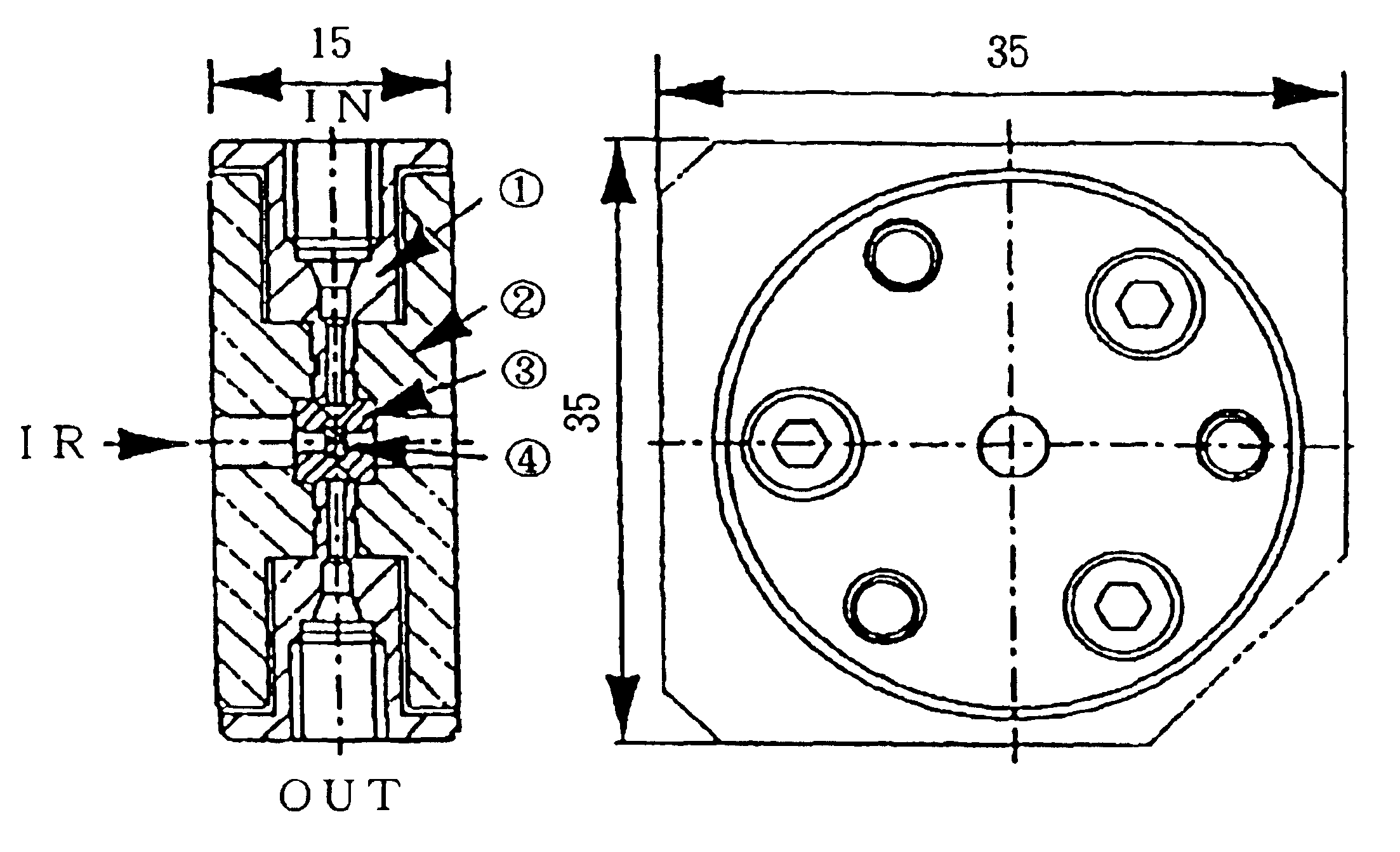
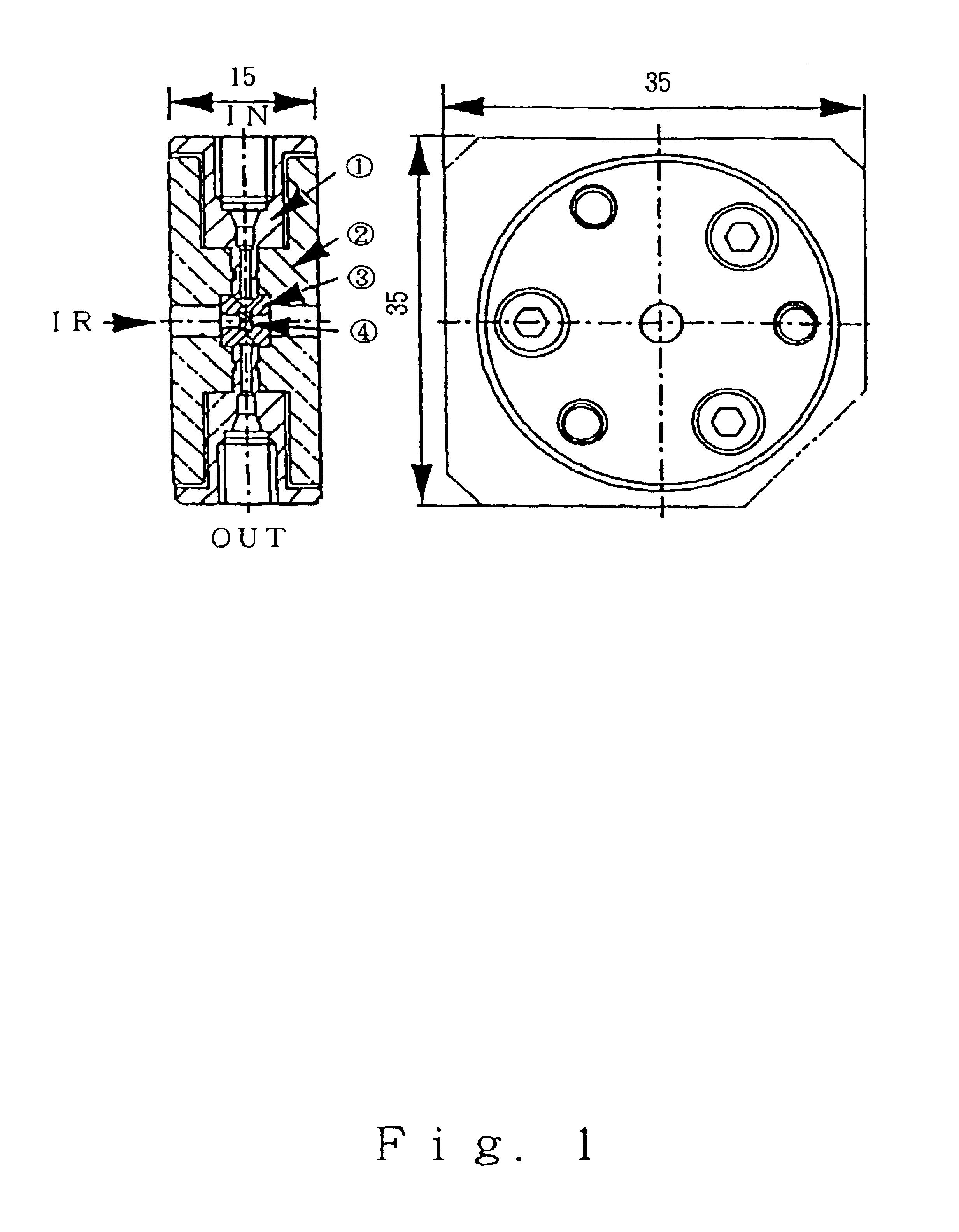
- The method involves using a pressure vessel with opposed windows for infrared light transmission, an infrared spectrometer, and a reflective transmission mirror to analyze reflected infrared light, allowing for real-time determination of chemical composition and other parameters in supercritical fluid or high pressure liquid processes using near-infrared absorption spectroscopy.


Method of novel noncatalytic organic synthesis
PatentInactiveUS6774262B1
Innovation
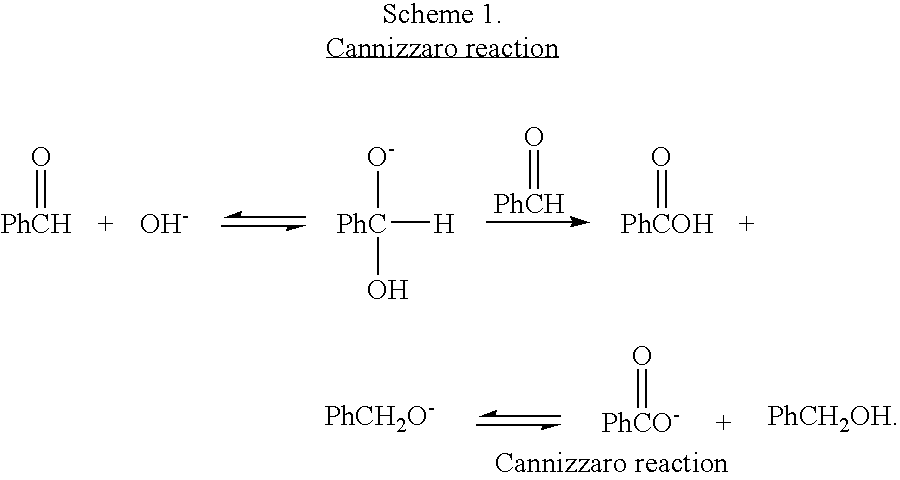
- Performing organic synthesis reactions in supercritical or subcritical water at temperatures of at least 350°C without a basic catalyst, utilizing OH- supply from water to increase reaction rates and generate alcohol and carboxylic acid through Cannizzaro reactions.

Safety Standards for High-Pressure Process Analysis
Safety standards for high-pressure process analysis in supercritical systems represent a critical framework that governs the operational parameters and protective measures necessary for safe investigation of structural changes. These standards encompass pressure vessel design requirements, material compatibility assessments, and containment protocols that must be rigorously followed when analyzing supercritical processes. The complexity of supercritical conditions, where traditional phase boundaries dissolve, creates unique safety challenges that require specialized regulatory approaches.
International standards such as ASME Boiler and Pressure Vessel Code Section VIII and ISO 14723 provide foundational guidelines for high-pressure analytical equipment design and operation. These standards mandate specific material grades, wall thickness calculations, and safety factor requirements for vessels operating above critical pressures. Additionally, they establish protocols for pressure relief systems, emergency shutdown procedures, and personnel protection measures during supercritical process analysis.
Equipment certification requirements form another crucial component of safety standards, demanding that all analytical instruments and pressure systems undergo rigorous testing and validation before deployment. This includes hydrostatic testing, non-destructive examination protocols, and periodic inspection schedules to ensure continued safe operation. The standards also specify requirements for pressure monitoring systems, temperature control mechanisms, and automated safety interlocks.
Personnel safety protocols within these standards address training requirements, personal protective equipment specifications, and operational procedures for researchers and technicians working with supercritical systems. These protocols emphasize the importance of understanding pressure hazards, emergency response procedures, and proper handling techniques for high-pressure analytical equipment.
Environmental safety considerations are increasingly integrated into modern standards, addressing containment of supercritical fluids, waste disposal protocols, and environmental impact assessments. These provisions ensure that structural analysis activities do not compromise environmental safety while maintaining the integrity of scientific investigations.
Compliance verification mechanisms within safety standards establish audit procedures, documentation requirements, and reporting protocols that organizations must follow to demonstrate adherence to safety requirements during supercritical process analysis activities.
International standards such as ASME Boiler and Pressure Vessel Code Section VIII and ISO 14723 provide foundational guidelines for high-pressure analytical equipment design and operation. These standards mandate specific material grades, wall thickness calculations, and safety factor requirements for vessels operating above critical pressures. Additionally, they establish protocols for pressure relief systems, emergency shutdown procedures, and personnel protection measures during supercritical process analysis.
Equipment certification requirements form another crucial component of safety standards, demanding that all analytical instruments and pressure systems undergo rigorous testing and validation before deployment. This includes hydrostatic testing, non-destructive examination protocols, and periodic inspection schedules to ensure continued safe operation. The standards also specify requirements for pressure monitoring systems, temperature control mechanisms, and automated safety interlocks.
Personnel safety protocols within these standards address training requirements, personal protective equipment specifications, and operational procedures for researchers and technicians working with supercritical systems. These protocols emphasize the importance of understanding pressure hazards, emergency response procedures, and proper handling techniques for high-pressure analytical equipment.
Environmental safety considerations are increasingly integrated into modern standards, addressing containment of supercritical fluids, waste disposal protocols, and environmental impact assessments. These provisions ensure that structural analysis activities do not compromise environmental safety while maintaining the integrity of scientific investigations.
Compliance verification mechanisms within safety standards establish audit procedures, documentation requirements, and reporting protocols that organizations must follow to demonstrate adherence to safety requirements during supercritical process analysis activities.
Environmental Impact of Supercritical Process Technologies
Supercritical process technologies present a complex environmental profile that requires careful evaluation across multiple dimensions. While these technologies offer significant environmental advantages over conventional processing methods, their implementation also introduces unique environmental considerations that must be thoroughly assessed.
The primary environmental benefit of supercritical processes lies in their ability to eliminate or drastically reduce the use of toxic organic solvents. Traditional extraction and purification processes often rely on hazardous chemicals such as hexane, methylene chloride, and other volatile organic compounds that pose risks to both human health and environmental systems. Supercritical fluids, particularly carbon dioxide, serve as green alternatives that can be easily recovered and recycled, creating closed-loop systems with minimal waste generation.
Energy consumption represents a critical environmental factor in supercritical process evaluation. These systems typically require high-pressure pumps and precise temperature control, leading to substantial energy demands during operation. However, the energy intensity must be weighed against the elimination of downstream purification steps and solvent recovery processes required in conventional methods. Life cycle assessments consistently demonstrate that despite higher operational energy requirements, supercritical processes often achieve lower overall environmental footprints.
Carbon dioxide utilization in supercritical processes contributes to greenhouse gas management strategies. Many industrial implementations utilize captured CO2 from other processes, effectively creating carbon utilization pathways that prevent atmospheric release. This circular approach transforms a waste product into a valuable processing medium, supporting industrial decarbonization objectives while maintaining process efficiency.
Waste stream characteristics in supercritical processes differ significantly from conventional alternatives. The absence of solvent residues eliminates contaminated waste streams that require specialized disposal or treatment. Product purity levels achieved through supercritical processing often exceed those of traditional methods, reducing the need for additional purification steps and associated environmental burdens.
Water consumption and wastewater generation typically decrease substantially in supercritical applications. Unlike aqueous extraction methods that generate large volumes of contaminated water requiring treatment, supercritical processes operate without water in many applications, eliminating this environmental burden entirely. This advantage proves particularly valuable in water-stressed regions where industrial water usage faces increasing regulatory scrutiny.
The environmental impact assessment of supercritical technologies must also consider equipment lifecycle factors, including manufacturing, maintenance, and end-of-life disposal of high-pressure systems, balanced against their operational environmental benefits and extended service life compared to conventional processing equipment.
The primary environmental benefit of supercritical processes lies in their ability to eliminate or drastically reduce the use of toxic organic solvents. Traditional extraction and purification processes often rely on hazardous chemicals such as hexane, methylene chloride, and other volatile organic compounds that pose risks to both human health and environmental systems. Supercritical fluids, particularly carbon dioxide, serve as green alternatives that can be easily recovered and recycled, creating closed-loop systems with minimal waste generation.
Energy consumption represents a critical environmental factor in supercritical process evaluation. These systems typically require high-pressure pumps and precise temperature control, leading to substantial energy demands during operation. However, the energy intensity must be weighed against the elimination of downstream purification steps and solvent recovery processes required in conventional methods. Life cycle assessments consistently demonstrate that despite higher operational energy requirements, supercritical processes often achieve lower overall environmental footprints.
Carbon dioxide utilization in supercritical processes contributes to greenhouse gas management strategies. Many industrial implementations utilize captured CO2 from other processes, effectively creating carbon utilization pathways that prevent atmospheric release. This circular approach transforms a waste product into a valuable processing medium, supporting industrial decarbonization objectives while maintaining process efficiency.
Waste stream characteristics in supercritical processes differ significantly from conventional alternatives. The absence of solvent residues eliminates contaminated waste streams that require specialized disposal or treatment. Product purity levels achieved through supercritical processing often exceed those of traditional methods, reducing the need for additional purification steps and associated environmental burdens.
Water consumption and wastewater generation typically decrease substantially in supercritical applications. Unlike aqueous extraction methods that generate large volumes of contaminated water requiring treatment, supercritical processes operate without water in many applications, eliminating this environmental burden entirely. This advantage proves particularly valuable in water-stressed regions where industrial water usage faces increasing regulatory scrutiny.
The environmental impact assessment of supercritical technologies must also consider equipment lifecycle factors, including manufacturing, maintenance, and end-of-life disposal of high-pressure systems, balanced against their operational environmental benefits and extended service life compared to conventional processing equipment.
Unlock deeper insights with Patsnap Eureka Quick Research — get a full tech report to explore trends and direct your research. Try now!
Generate Your Research Report Instantly with AI Agent
Supercharge your innovation with Patsnap Eureka AI Agent Platform!