How to Analyze Telemetry Data in Smart Cities
APR 3, 20269 MIN READ
Generate Your Research Report Instantly with AI Agent
Patsnap Eureka helps you evaluate technical feasibility & market potential.
Smart City Telemetry Background and Objectives
Smart cities represent a paradigm shift in urban development, leveraging interconnected technologies to optimize city operations, enhance citizen services, and improve quality of life. The concept emerged in the early 2000s as urbanization accelerated globally, with cities seeking innovative solutions to manage growing populations, resource constraints, and infrastructure challenges. Today, over 68% of the global population is projected to live in urban areas by 2050, making smart city initiatives critical for sustainable development.
The evolution of smart cities has been driven by convergent technologies including Internet of Things (IoT) sensors, wireless communication networks, cloud computing, and data analytics platforms. Early implementations focused on isolated systems such as traffic management or energy monitoring. However, modern smart cities integrate multiple domains including transportation, utilities, public safety, environmental monitoring, and citizen services into comprehensive urban operating systems.
Telemetry data serves as the nervous system of smart cities, providing real-time insights into urban dynamics. This data encompasses sensor readings from traffic cameras, air quality monitors, smart meters, waste management systems, and mobile devices. The volume and variety of telemetry data have grown exponentially, with cities generating terabytes of information daily from thousands of connected devices and systems.
The primary objective of smart city telemetry analysis is to transform raw data streams into actionable intelligence that enables data-driven decision making. This involves detecting patterns, predicting trends, identifying anomalies, and optimizing resource allocation across urban systems. Effective telemetry analysis supports multiple goals including reducing traffic congestion, minimizing energy consumption, improving emergency response times, and enhancing environmental sustainability.
Current technological trends indicate a shift toward edge computing, artificial intelligence integration, and real-time analytics capabilities. Cities are increasingly adopting federated data architectures that enable cross-domain insights while maintaining data privacy and security. The ultimate vision encompasses autonomous urban systems that can self-optimize based on continuous telemetry feedback, creating more resilient and adaptive urban environments.
The evolution of smart cities has been driven by convergent technologies including Internet of Things (IoT) sensors, wireless communication networks, cloud computing, and data analytics platforms. Early implementations focused on isolated systems such as traffic management or energy monitoring. However, modern smart cities integrate multiple domains including transportation, utilities, public safety, environmental monitoring, and citizen services into comprehensive urban operating systems.
Telemetry data serves as the nervous system of smart cities, providing real-time insights into urban dynamics. This data encompasses sensor readings from traffic cameras, air quality monitors, smart meters, waste management systems, and mobile devices. The volume and variety of telemetry data have grown exponentially, with cities generating terabytes of information daily from thousands of connected devices and systems.
The primary objective of smart city telemetry analysis is to transform raw data streams into actionable intelligence that enables data-driven decision making. This involves detecting patterns, predicting trends, identifying anomalies, and optimizing resource allocation across urban systems. Effective telemetry analysis supports multiple goals including reducing traffic congestion, minimizing energy consumption, improving emergency response times, and enhancing environmental sustainability.
Current technological trends indicate a shift toward edge computing, artificial intelligence integration, and real-time analytics capabilities. Cities are increasingly adopting federated data architectures that enable cross-domain insights while maintaining data privacy and security. The ultimate vision encompasses autonomous urban systems that can self-optimize based on continuous telemetry feedback, creating more resilient and adaptive urban environments.
Market Demand for Urban Telemetry Analytics
The global smart cities market is experiencing unprecedented growth, driven by rapid urbanization and the increasing need for efficient city management solutions. Urban populations are projected to reach nearly 70% of the global population by 2050, creating immense pressure on city infrastructure and services. This demographic shift has catalyzed demand for sophisticated telemetry analytics solutions that can process vast amounts of urban data in real-time.
Municipal governments worldwide are recognizing telemetry data analytics as a critical enabler for addressing complex urban challenges. Traffic congestion, energy consumption optimization, waste management efficiency, and public safety enhancement represent primary areas where cities seek data-driven solutions. The ability to analyze streaming data from thousands of sensors, IoT devices, and urban systems has become essential for maintaining livable, sustainable urban environments.
The market demand spans multiple vertical segments within urban infrastructure. Transportation authorities require analytics platforms capable of processing traffic flow data, parking utilization metrics, and public transit performance indicators. Energy utilities seek solutions for smart grid optimization, demand forecasting, and renewable energy integration. Environmental monitoring agencies demand real-time air quality analysis, noise pollution tracking, and climate data processing capabilities.
Financial pressures on municipal budgets have intensified the focus on operational efficiency gains through telemetry analytics. Cities are increasingly seeking solutions that demonstrate measurable return on investment through reduced operational costs, improved service delivery, and enhanced citizen satisfaction. The ability to predict infrastructure maintenance needs, optimize resource allocation, and prevent system failures has become a key value proposition driving procurement decisions.
The COVID-19 pandemic has accelerated digital transformation initiatives across urban environments, creating new demand categories for telemetry analytics. Contact tracing, crowd density monitoring, and public health surveillance have emerged as critical applications. Cities now require analytics platforms capable of integrating health data with traditional urban telemetry streams to support evidence-based policy decisions.
Emerging technologies such as 5G networks, edge computing, and artificial intelligence are expanding the scope of possible telemetry applications, creating new market opportunities. Cities are increasingly interested in predictive analytics capabilities that can forecast urban phenomena, from traffic patterns to energy demand fluctuations. The integration of machine learning algorithms with real-time telemetry processing has become a key differentiator in vendor selection processes.
Regional variations in market demand reflect different urbanization stages and regulatory environments. Developed markets emphasize optimization and sustainability metrics, while emerging markets focus on basic infrastructure monitoring and citizen service delivery improvements.
Municipal governments worldwide are recognizing telemetry data analytics as a critical enabler for addressing complex urban challenges. Traffic congestion, energy consumption optimization, waste management efficiency, and public safety enhancement represent primary areas where cities seek data-driven solutions. The ability to analyze streaming data from thousands of sensors, IoT devices, and urban systems has become essential for maintaining livable, sustainable urban environments.
The market demand spans multiple vertical segments within urban infrastructure. Transportation authorities require analytics platforms capable of processing traffic flow data, parking utilization metrics, and public transit performance indicators. Energy utilities seek solutions for smart grid optimization, demand forecasting, and renewable energy integration. Environmental monitoring agencies demand real-time air quality analysis, noise pollution tracking, and climate data processing capabilities.
Financial pressures on municipal budgets have intensified the focus on operational efficiency gains through telemetry analytics. Cities are increasingly seeking solutions that demonstrate measurable return on investment through reduced operational costs, improved service delivery, and enhanced citizen satisfaction. The ability to predict infrastructure maintenance needs, optimize resource allocation, and prevent system failures has become a key value proposition driving procurement decisions.
The COVID-19 pandemic has accelerated digital transformation initiatives across urban environments, creating new demand categories for telemetry analytics. Contact tracing, crowd density monitoring, and public health surveillance have emerged as critical applications. Cities now require analytics platforms capable of integrating health data with traditional urban telemetry streams to support evidence-based policy decisions.
Emerging technologies such as 5G networks, edge computing, and artificial intelligence are expanding the scope of possible telemetry applications, creating new market opportunities. Cities are increasingly interested in predictive analytics capabilities that can forecast urban phenomena, from traffic patterns to energy demand fluctuations. The integration of machine learning algorithms with real-time telemetry processing has become a key differentiator in vendor selection processes.
Regional variations in market demand reflect different urbanization stages and regulatory environments. Developed markets emphasize optimization and sustainability metrics, while emerging markets focus on basic infrastructure monitoring and citizen service delivery improvements.
Current State of Smart City Data Analysis Challenges
Smart cities worldwide are grappling with unprecedented volumes of telemetry data generated by interconnected IoT devices, sensors, and urban infrastructure systems. The current landscape reveals significant disparities in data analysis capabilities across different metropolitan areas, with leading cities like Singapore, Barcelona, and Amsterdam demonstrating advanced analytical frameworks, while many developing urban centers struggle with basic data collection and processing infrastructure.
The heterogeneous nature of urban telemetry data presents one of the most formidable challenges in contemporary smart city implementations. Data streams originating from traffic sensors, environmental monitoring devices, energy grids, water management systems, and public safety networks often operate on incompatible protocols and formats. This fragmentation creates substantial integration complexities, requiring extensive data harmonization efforts before meaningful analysis can commence.
Real-time processing demands constitute another critical bottleneck in current smart city data analysis ecosystems. Urban telemetry systems generate continuous data streams that require immediate processing for applications such as traffic optimization, emergency response, and utility management. However, many cities lack the computational infrastructure and algorithmic sophistication necessary to handle these real-time requirements effectively, resulting in delayed responses and suboptimal urban service delivery.
Data quality and reliability issues plague numerous smart city initiatives globally. Sensor malfunctions, network connectivity problems, and environmental interference frequently compromise data integrity, leading to incomplete datasets and erroneous analytical outcomes. The absence of standardized data validation protocols across different urban systems exacerbates these quality control challenges, undermining the reliability of data-driven decision-making processes.
Privacy and security concerns represent increasingly prominent obstacles in smart city telemetry analysis. The collection and processing of citizen-related data through urban sensors raise significant privacy implications, while the interconnected nature of smart city infrastructure creates potential vulnerabilities to cyber attacks. Current regulatory frameworks often lag behind technological capabilities, creating compliance uncertainties that hinder comprehensive data utilization.
Scalability limitations further constrain the effectiveness of existing analytical approaches. As urban populations grow and IoT device deployments expand, traditional data processing architectures struggle to accommodate the exponential increase in data volumes. Many cities find their current analytical systems inadequate for handling the scale and complexity of modern urban telemetry data, necessitating substantial infrastructure investments and technological upgrades.
The heterogeneous nature of urban telemetry data presents one of the most formidable challenges in contemporary smart city implementations. Data streams originating from traffic sensors, environmental monitoring devices, energy grids, water management systems, and public safety networks often operate on incompatible protocols and formats. This fragmentation creates substantial integration complexities, requiring extensive data harmonization efforts before meaningful analysis can commence.
Real-time processing demands constitute another critical bottleneck in current smart city data analysis ecosystems. Urban telemetry systems generate continuous data streams that require immediate processing for applications such as traffic optimization, emergency response, and utility management. However, many cities lack the computational infrastructure and algorithmic sophistication necessary to handle these real-time requirements effectively, resulting in delayed responses and suboptimal urban service delivery.
Data quality and reliability issues plague numerous smart city initiatives globally. Sensor malfunctions, network connectivity problems, and environmental interference frequently compromise data integrity, leading to incomplete datasets and erroneous analytical outcomes. The absence of standardized data validation protocols across different urban systems exacerbates these quality control challenges, undermining the reliability of data-driven decision-making processes.
Privacy and security concerns represent increasingly prominent obstacles in smart city telemetry analysis. The collection and processing of citizen-related data through urban sensors raise significant privacy implications, while the interconnected nature of smart city infrastructure creates potential vulnerabilities to cyber attacks. Current regulatory frameworks often lag behind technological capabilities, creating compliance uncertainties that hinder comprehensive data utilization.
Scalability limitations further constrain the effectiveness of existing analytical approaches. As urban populations grow and IoT device deployments expand, traditional data processing architectures struggle to accommodate the exponential increase in data volumes. Many cities find their current analytical systems inadequate for handling the scale and complexity of modern urban telemetry data, necessitating substantial infrastructure investments and technological upgrades.
Existing Telemetry Data Analysis Solutions
01 Telemetry data collection and transmission systems
Systems and methods for collecting telemetry data from various sources and transmitting it to remote locations for monitoring and analysis. These systems typically involve sensors, data acquisition units, and communication protocols to ensure reliable data transfer. The collected telemetry data can include measurements from medical devices, industrial equipment, or environmental sensors, enabling real-time monitoring and decision-making.- Telemetry data transmission and communication systems: Systems and methods for transmitting telemetry data from remote devices or sensors to central monitoring stations. These technologies enable wireless or wired communication of measurement data, sensor readings, and operational parameters across various distances. The transmission protocols ensure reliable data delivery while managing bandwidth and power consumption efficiently.
- Telemetry data processing and analysis: Methods for processing, analyzing, and interpreting telemetry data collected from multiple sources. These techniques involve data aggregation, filtering, pattern recognition, and anomaly detection to extract meaningful insights from raw telemetry information. Advanced algorithms enable real-time analysis and predictive maintenance capabilities based on telemetry trends.
- Medical telemetry and patient monitoring: Telemetry systems designed for healthcare applications, including remote patient monitoring and medical device data collection. These solutions enable continuous tracking of vital signs, physiological parameters, and medical device performance. The technology supports clinical decision-making by providing healthcare professionals with real-time patient data and alerts.
- Telemetry data security and encryption: Security mechanisms for protecting telemetry data during transmission and storage. These technologies implement encryption protocols, authentication methods, and access control systems to prevent unauthorized access to sensitive telemetry information. The solutions ensure data integrity and confidentiality while maintaining compliance with regulatory requirements.
- Vehicle and aerospace telemetry systems: Telemetry applications for monitoring vehicle performance, flight parameters, and operational status in automotive and aerospace industries. These systems collect data on engine performance, navigation, environmental conditions, and system diagnostics. The technology enables remote monitoring, fleet management, and performance optimization through comprehensive data collection and analysis.
02 Telemetry data processing and analysis
Methods and systems for processing and analyzing telemetry data to extract meaningful information and insights. This includes techniques for data filtering, pattern recognition, anomaly detection, and predictive analytics. Advanced algorithms and machine learning approaches can be applied to identify trends, detect abnormalities, and generate actionable intelligence from large volumes of telemetry data.Expand Specific Solutions03 Secure telemetry data transmission and storage
Technologies for ensuring the security and integrity of telemetry data during transmission and storage. This encompasses encryption methods, authentication protocols, and secure communication channels to protect sensitive telemetry information from unauthorized access or tampering. Security measures are particularly important for medical telemetry and critical infrastructure monitoring applications.Expand Specific Solutions04 Wireless telemetry systems and protocols
Wireless communication systems and protocols specifically designed for telemetry applications. These systems enable remote data collection without physical connections, utilizing various wireless technologies and frequency bands. The protocols optimize power consumption, data throughput, and reliability for different telemetry scenarios, including medical implants, vehicle monitoring, and remote sensing applications.Expand Specific Solutions05 Telemetry data visualization and user interfaces
Systems and methods for presenting telemetry data through intuitive user interfaces and visualization tools. These solutions transform raw telemetry data into graphical representations, dashboards, and interactive displays that facilitate understanding and interpretation. The visualization techniques enable users to monitor multiple data streams simultaneously and quickly identify critical events or trends requiring attention.Expand Specific Solutions
Key Players in Smart City Analytics Industry
The smart city telemetry data analysis market is experiencing rapid growth as urbanization accelerates globally, with the industry transitioning from early adoption to mainstream deployment phases. Market expansion is driven by increasing IoT sensor deployments, 5G infrastructure rollouts, and growing demand for data-driven urban management solutions. Technology maturity varies significantly across market segments, with established infrastructure companies like Microsoft Technology Licensing LLC, Intel Corp., and Cisco Technology Inc. leading in foundational platforms and connectivity solutions. Networking specialists including Juniper Networks and Mellanox Technologies provide critical data transmission capabilities, while utility giants like State Grid Corp. of China demonstrate large-scale implementation expertise. Emerging players such as Circonus Inc., Vunet Systems, and Aviz Networks are advancing AI-driven analytics and observability platforms, indicating the market's evolution toward more sophisticated, automated telemetry processing capabilities for comprehensive urban intelligence systems.
Microsoft Technology Licensing LLC
Technical Solution: Microsoft provides comprehensive telemetry data analysis solutions through Azure IoT platform and Power BI analytics. Their approach integrates real-time data streaming from IoT sensors across smart city infrastructure, utilizing machine learning algorithms for predictive analytics and anomaly detection. The platform supports multi-modal data fusion from traffic sensors, environmental monitors, and utility systems, enabling city planners to optimize resource allocation and improve citizen services through data-driven insights and automated response systems.
Strengths: Robust cloud infrastructure, advanced AI/ML capabilities, comprehensive integration tools. Weaknesses: High dependency on cloud connectivity, potentially expensive for large-scale deployments.
Cisco Technology, Inc.
Technical Solution: Cisco offers smart city telemetry analysis through their IoT networking solutions and Kinetic platform. Their technology focuses on secure data collection and transmission from distributed sensors, providing edge computing capabilities for real-time processing. The system includes network analytics tools that monitor traffic patterns, environmental conditions, and infrastructure performance, enabling cities to make informed decisions about urban planning and resource management through centralized dashboards and automated alert systems.
Strengths: Strong networking expertise, robust security features, edge computing capabilities. Weaknesses: Limited advanced analytics compared to specialized platforms, complex implementation requirements.
Core Technologies in Urban Data Processing
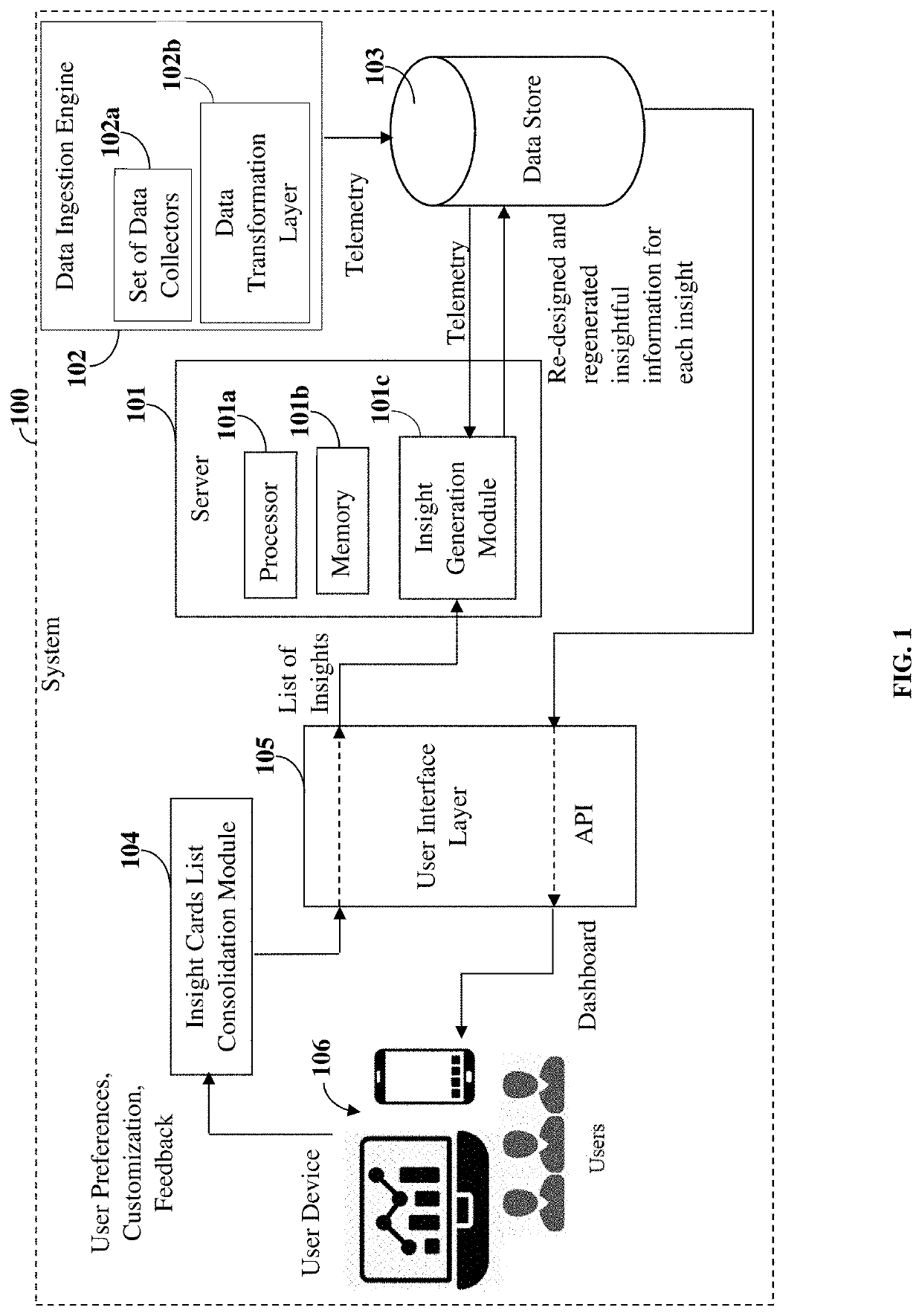
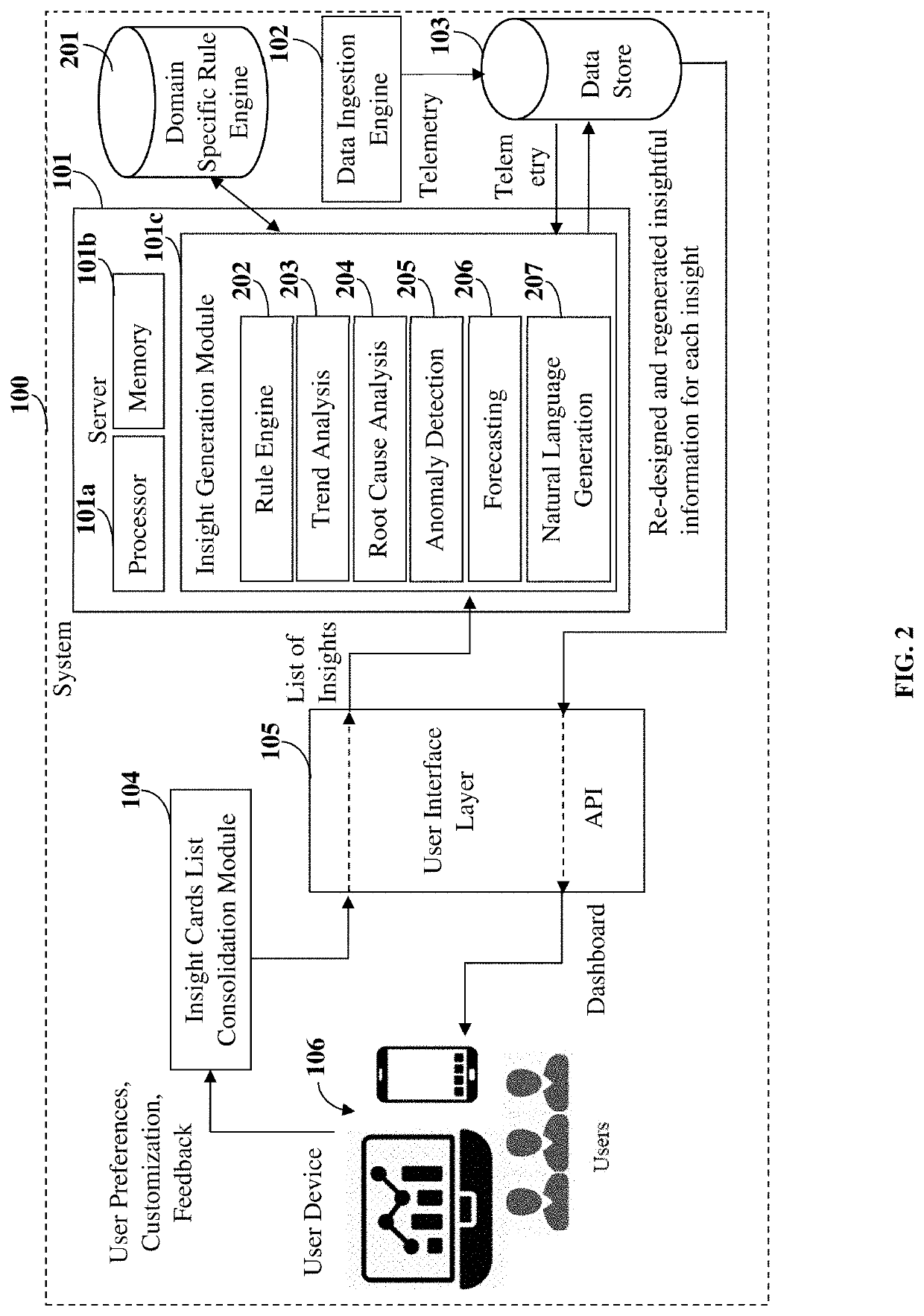
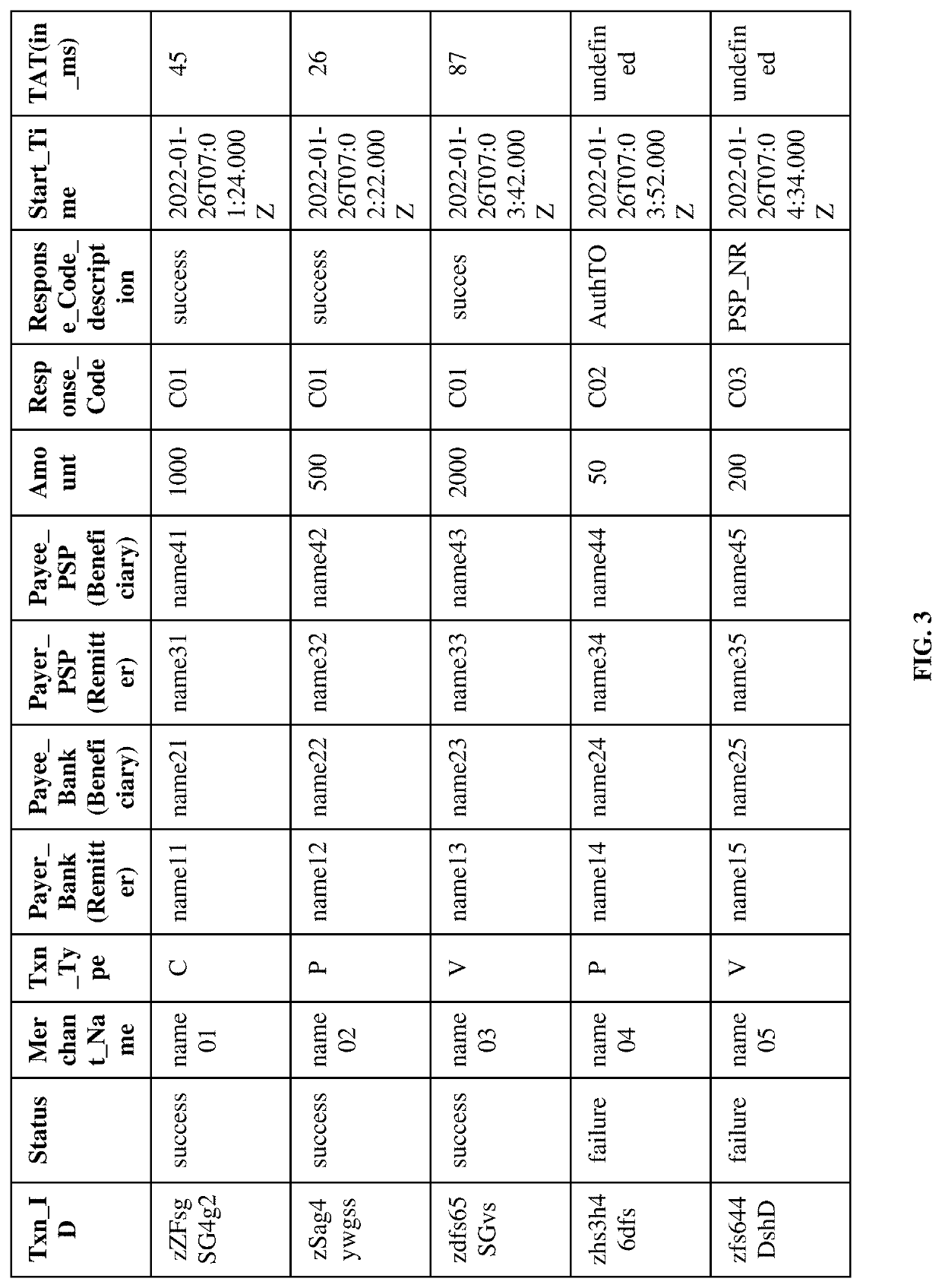
System for automatically generating insights by analysing telemetric data
PatentPendingIN202244012797A
Innovation
- A server-based system that collects and processes telemetry data, generates automated insights, and provides proactive suggestions through a dashboard interface, using feature-based segregation, event correlation, and natural language processing to offer human-readable feedback and predictive forecasts based on user preferences.


System for Automatically Generating Insights by Analysing Telemetric Data
PatentInactiveUS20220292006A1
Innovation
- A server-based system that collects and processes telemetric data using a data ingestion engine, insight generation module, and user interface layer, which categorizes and analyzes data based on user preferences, generating human-readable insights and proactive suggestions for monitoring and maintenance, including predictive forecasting and root cause analysis.

Privacy and Data Governance in Smart Cities
Privacy and data governance represent critical foundational elements in smart city telemetry data analysis, establishing the regulatory and ethical framework within which all data processing activities must operate. The massive scale of data collection from IoT sensors, traffic monitoring systems, environmental detectors, and citizen-facing applications creates unprecedented privacy challenges that require comprehensive governance structures.
The regulatory landscape governing smart city data varies significantly across jurisdictions, with frameworks like GDPR in Europe, CCPA in California, and emerging national data protection laws creating complex compliance requirements. These regulations mandate explicit consent mechanisms, data minimization principles, and purpose limitation constraints that directly impact telemetry data collection and analysis methodologies. Organizations must implement privacy-by-design approaches, ensuring that data protection measures are embedded throughout the entire data lifecycle.
Data anonymization and pseudonymization techniques serve as primary privacy preservation mechanisms in smart city environments. Advanced methods including differential privacy, k-anonymity, and homomorphic encryption enable meaningful analysis while protecting individual privacy. However, the interconnected nature of smart city systems creates unique re-identification risks, particularly when combining multiple data sources, requiring sophisticated privacy-preserving analytics approaches.
Governance frameworks must address data ownership, sharing agreements, and cross-border transfer restrictions that affect multi-stakeholder smart city initiatives. Clear data stewardship roles, retention policies, and deletion procedures become essential for maintaining citizen trust and regulatory compliance. The establishment of data governance committees and privacy impact assessment processes ensures ongoing oversight of telemetry data handling practices.
Citizen consent management presents particular challenges in smart city contexts where data collection often occurs passively through urban infrastructure. Transparent privacy notices, granular consent options, and accessible data subject rights mechanisms are essential for maintaining public acceptance of smart city initiatives while enabling effective telemetry data analysis for urban optimization and service delivery improvements.
The regulatory landscape governing smart city data varies significantly across jurisdictions, with frameworks like GDPR in Europe, CCPA in California, and emerging national data protection laws creating complex compliance requirements. These regulations mandate explicit consent mechanisms, data minimization principles, and purpose limitation constraints that directly impact telemetry data collection and analysis methodologies. Organizations must implement privacy-by-design approaches, ensuring that data protection measures are embedded throughout the entire data lifecycle.
Data anonymization and pseudonymization techniques serve as primary privacy preservation mechanisms in smart city environments. Advanced methods including differential privacy, k-anonymity, and homomorphic encryption enable meaningful analysis while protecting individual privacy. However, the interconnected nature of smart city systems creates unique re-identification risks, particularly when combining multiple data sources, requiring sophisticated privacy-preserving analytics approaches.
Governance frameworks must address data ownership, sharing agreements, and cross-border transfer restrictions that affect multi-stakeholder smart city initiatives. Clear data stewardship roles, retention policies, and deletion procedures become essential for maintaining citizen trust and regulatory compliance. The establishment of data governance committees and privacy impact assessment processes ensures ongoing oversight of telemetry data handling practices.
Citizen consent management presents particular challenges in smart city contexts where data collection often occurs passively through urban infrastructure. Transparent privacy notices, granular consent options, and accessible data subject rights mechanisms are essential for maintaining public acceptance of smart city initiatives while enabling effective telemetry data analysis for urban optimization and service delivery improvements.
Interoperability Standards for Urban Telemetry
The proliferation of diverse IoT devices, sensors, and communication protocols in smart cities has created a complex ecosystem where data interoperability remains a critical challenge. Urban telemetry systems must seamlessly integrate data streams from traffic management systems, environmental monitoring networks, energy grids, and public safety infrastructure. Without standardized interoperability frameworks, cities face significant barriers in creating unified data analytics platforms that can deliver comprehensive insights across multiple urban domains.
Current interoperability standards for urban telemetry are primarily built upon established protocols such as MQTT, CoAP, and HTTP/REST APIs for data transmission. The Open Geospatial Consortium's SensorThings API has emerged as a leading standard for IoT sensor data management, providing a unified framework for connecting, finding, and interacting with IoT devices and data. Additionally, the FIWARE platform offers a comprehensive set of APIs and data models specifically designed for smart city applications, enabling standardized data exchange between heterogeneous urban systems.
The IEEE 2413 standard provides architectural guidelines for IoT systems, establishing common vocabulary and reusable designs that facilitate interoperability across different vendor solutions. Meanwhile, the oneM2M global standard delivers a service layer specification that enables efficient interworking of various IoT technologies and applications. These standards collectively address protocol translation, data format harmonization, and semantic interoperability challenges inherent in multi-vendor urban environments.
Semantic interoperability represents a particularly complex aspect of urban telemetry standardization. The SAREF ontology, developed by ETSI, provides a reference framework for smart applications, enabling different systems to understand and process data with consistent meaning. Similarly, the Smart City Information Model, developed through collaboration between ITU-T and various standardization bodies, offers structured data representations that facilitate cross-domain analytics and decision-making processes.
Implementation challenges persist despite these standardization efforts. Legacy system integration requires extensive middleware solutions and data transformation layers. Real-time processing demands often conflict with comprehensive data validation requirements inherent in interoperability standards. Furthermore, the rapid evolution of IoT technologies frequently outpaces standardization processes, creating temporary gaps in coverage for emerging sensor types and communication protocols.
Future developments in urban telemetry interoperability standards are focusing on edge computing integration, blockchain-based data integrity verification, and AI-driven semantic mapping capabilities. These advancements aim to reduce latency, enhance security, and automate the complex process of achieving seamless data interoperability across increasingly sophisticated smart city infrastructures.
Current interoperability standards for urban telemetry are primarily built upon established protocols such as MQTT, CoAP, and HTTP/REST APIs for data transmission. The Open Geospatial Consortium's SensorThings API has emerged as a leading standard for IoT sensor data management, providing a unified framework for connecting, finding, and interacting with IoT devices and data. Additionally, the FIWARE platform offers a comprehensive set of APIs and data models specifically designed for smart city applications, enabling standardized data exchange between heterogeneous urban systems.
The IEEE 2413 standard provides architectural guidelines for IoT systems, establishing common vocabulary and reusable designs that facilitate interoperability across different vendor solutions. Meanwhile, the oneM2M global standard delivers a service layer specification that enables efficient interworking of various IoT technologies and applications. These standards collectively address protocol translation, data format harmonization, and semantic interoperability challenges inherent in multi-vendor urban environments.
Semantic interoperability represents a particularly complex aspect of urban telemetry standardization. The SAREF ontology, developed by ETSI, provides a reference framework for smart applications, enabling different systems to understand and process data with consistent meaning. Similarly, the Smart City Information Model, developed through collaboration between ITU-T and various standardization bodies, offers structured data representations that facilitate cross-domain analytics and decision-making processes.
Implementation challenges persist despite these standardization efforts. Legacy system integration requires extensive middleware solutions and data transformation layers. Real-time processing demands often conflict with comprehensive data validation requirements inherent in interoperability standards. Furthermore, the rapid evolution of IoT technologies frequently outpaces standardization processes, creating temporary gaps in coverage for emerging sensor types and communication protocols.
Future developments in urban telemetry interoperability standards are focusing on edge computing integration, blockchain-based data integrity verification, and AI-driven semantic mapping capabilities. These advancements aim to reduce latency, enhance security, and automate the complex process of achieving seamless data interoperability across increasingly sophisticated smart city infrastructures.
Unlock deeper insights with Patsnap Eureka Quick Research — get a full tech report to explore trends and direct your research. Try now!
Generate Your Research Report Instantly with AI Agent
Supercharge your innovation with Patsnap Eureka AI Agent Platform!