

How to Avoid Pore Blocking During Mesoporous Silica Functionalization
MAY 13, 20269 MIN READ
Generate Your Research Report Instantly with AI Agent
PatSnap Eureka helps you evaluate technical feasibility & market potential.
Mesoporous Silica Functionalization Background and Objectives
Mesoporous silica materials have emerged as one of the most versatile and widely studied nanoporous materials since their discovery in the early 1990s. These materials, characterized by their ordered pore structures with diameters ranging from 2 to 50 nanometers, possess exceptional properties including high surface areas, tunable pore sizes, and excellent chemical stability. The development of mesoporous silica began with the groundbreaking work on MCM-41 and SBA-15 families, which established the foundation for creating materials with precisely controlled porosity through templating mechanisms.
The evolution of mesoporous silica technology has progressed through several distinct phases. Initially, research focused on synthesis optimization and structural characterization. Subsequently, the field expanded to encompass surface functionalization strategies, enabling the incorporation of various organic and inorganic moieties to tailor material properties for specific applications. This functionalization capability has transformed mesoporous silica from simple adsorbents into sophisticated functional materials capable of performing complex tasks in catalysis, drug delivery, sensing, and separation processes.
However, the functionalization process presents significant technical challenges, particularly the phenomenon of pore blocking. During post-synthesis modification or direct co-condensation procedures, the introduction of functional groups can lead to partial or complete obstruction of the mesoporous network. This pore blocking severely compromises the material's accessibility, reduces effective surface area, and ultimately diminishes performance in target applications. The problem becomes more pronounced when dealing with bulky functional groups or high loading densities.
The primary objective of addressing pore blocking during mesoporous silica functionalization is to develop strategies that enable efficient incorporation of desired functionalities while preserving the material's inherent porosity and accessibility. This involves understanding the fundamental mechanisms governing pore occlusion, including the spatial distribution of functional groups, their interaction with the silica framework, and the impact of synthesis conditions on the final pore architecture.
Achieving this objective requires the development of innovative synthetic approaches, optimization of reaction parameters, and implementation of characterization techniques capable of monitoring pore accessibility in real-time. The ultimate goal is to establish robust methodologies that allow for predictable and controllable functionalization without compromising the unique advantages that make mesoporous silica materials so attractive for advanced applications.
The evolution of mesoporous silica technology has progressed through several distinct phases. Initially, research focused on synthesis optimization and structural characterization. Subsequently, the field expanded to encompass surface functionalization strategies, enabling the incorporation of various organic and inorganic moieties to tailor material properties for specific applications. This functionalization capability has transformed mesoporous silica from simple adsorbents into sophisticated functional materials capable of performing complex tasks in catalysis, drug delivery, sensing, and separation processes.
However, the functionalization process presents significant technical challenges, particularly the phenomenon of pore blocking. During post-synthesis modification or direct co-condensation procedures, the introduction of functional groups can lead to partial or complete obstruction of the mesoporous network. This pore blocking severely compromises the material's accessibility, reduces effective surface area, and ultimately diminishes performance in target applications. The problem becomes more pronounced when dealing with bulky functional groups or high loading densities.
The primary objective of addressing pore blocking during mesoporous silica functionalization is to develop strategies that enable efficient incorporation of desired functionalities while preserving the material's inherent porosity and accessibility. This involves understanding the fundamental mechanisms governing pore occlusion, including the spatial distribution of functional groups, their interaction with the silica framework, and the impact of synthesis conditions on the final pore architecture.
Achieving this objective requires the development of innovative synthetic approaches, optimization of reaction parameters, and implementation of characterization techniques capable of monitoring pore accessibility in real-time. The ultimate goal is to establish robust methodologies that allow for predictable and controllable functionalization without compromising the unique advantages that make mesoporous silica materials so attractive for advanced applications.
Market Demand for Advanced Mesoporous Silica Applications
The global mesoporous silica market is experiencing unprecedented growth driven by expanding applications across multiple high-value industries. Pharmaceutical and biotechnology sectors represent the largest demand segment, where functionalized mesoporous silica serves as drug delivery carriers, bioseparation media, and controlled release systems. The ability to maintain open pore structures during functionalization is critical for these applications, as pore blocking significantly reduces drug loading capacity and compromises release kinetics.
Catalysis applications constitute another major market driver, particularly in petrochemical refining, fine chemical synthesis, and environmental remediation. Functionalized mesoporous silica catalysts require accessible active sites within the pore network to achieve optimal performance. Pore blocking during functionalization directly impacts catalyst efficiency and selectivity, making this technical challenge a key market concern for catalyst manufacturers.
The electronics and semiconductor industries increasingly rely on mesoporous silica for advanced applications including low-k dielectric materials, optical coatings, and sensor platforms. These applications demand precise control over pore architecture and surface properties, where even partial pore blocking can compromise device performance and manufacturing yields.
Environmental applications represent a rapidly growing market segment, encompassing water treatment, air purification, and carbon capture technologies. Functionalized mesoporous silica adsorbents must maintain high surface areas and accessible pore volumes to achieve effective contaminant removal. Pore blocking during functionalization reduces adsorption capacity and limits the economic viability of these environmental solutions.
The cosmetics and personal care industry has emerged as a significant consumer of functionalized mesoporous silica for controlled delivery of active ingredients, UV protection, and texture enhancement. Market demand in this sector emphasizes the need for reproducible functionalization processes that preserve pore accessibility while achieving desired surface modifications.
Emerging applications in energy storage, including battery electrodes and supercapacitor materials, are creating new market opportunities. These applications require functionalized mesoporous silica with maintained porosity to ensure efficient ion transport and electrochemical performance. The growing emphasis on sustainable energy solutions is expected to further accelerate demand for advanced mesoporous silica materials with optimized pore structures.
Catalysis applications constitute another major market driver, particularly in petrochemical refining, fine chemical synthesis, and environmental remediation. Functionalized mesoporous silica catalysts require accessible active sites within the pore network to achieve optimal performance. Pore blocking during functionalization directly impacts catalyst efficiency and selectivity, making this technical challenge a key market concern for catalyst manufacturers.
The electronics and semiconductor industries increasingly rely on mesoporous silica for advanced applications including low-k dielectric materials, optical coatings, and sensor platforms. These applications demand precise control over pore architecture and surface properties, where even partial pore blocking can compromise device performance and manufacturing yields.
Environmental applications represent a rapidly growing market segment, encompassing water treatment, air purification, and carbon capture technologies. Functionalized mesoporous silica adsorbents must maintain high surface areas and accessible pore volumes to achieve effective contaminant removal. Pore blocking during functionalization reduces adsorption capacity and limits the economic viability of these environmental solutions.
The cosmetics and personal care industry has emerged as a significant consumer of functionalized mesoporous silica for controlled delivery of active ingredients, UV protection, and texture enhancement. Market demand in this sector emphasizes the need for reproducible functionalization processes that preserve pore accessibility while achieving desired surface modifications.
Emerging applications in energy storage, including battery electrodes and supercapacitor materials, are creating new market opportunities. These applications require functionalized mesoporous silica with maintained porosity to ensure efficient ion transport and electrochemical performance. The growing emphasis on sustainable energy solutions is expected to further accelerate demand for advanced mesoporous silica materials with optimized pore structures.
Current Pore Blocking Issues in Silica Functionalization
Pore blocking represents one of the most significant challenges in mesoporous silica functionalization, fundamentally limiting the effectiveness of surface modification processes. This phenomenon occurs when functional groups, linker molecules, or grafting agents obstruct the narrow pore channels during chemical attachment procedures, effectively reducing accessible surface area and compromising the material's intended performance characteristics.
The primary mechanism of pore blocking involves the preferential attachment of functional molecules at pore entrances rather than uniform distribution throughout the pore network. When organosilane coupling agents or other functionalizing species encounter the mesoporous structure, they tend to react rapidly with silanol groups located at pore mouths, creating a bottleneck effect that prevents deeper penetration into the pore system.
Molecular size compatibility issues constitute another critical factor contributing to pore obstruction. Large functional molecules or bulky substituent groups can physically occlude pore channels, particularly in materials with smaller pore diameters. This size exclusion effect becomes more pronounced when multiple functional groups aggregate or when cross-linking reactions occur between adjacent molecules within confined pore spaces.
Solvent selection and reaction conditions significantly influence pore blocking severity. Inappropriate solvent systems may promote premature precipitation of functional species or inadequate wetting of pore surfaces, leading to heterogeneous functionalization patterns. High concentration conditions often exacerbate blocking issues by increasing the probability of molecular aggregation and rapid surface saturation at pore entrances.
Temperature and reaction kinetics play crucial roles in determining the extent of pore blocking. Elevated temperatures may accelerate reaction rates beyond optimal levels, causing rapid consumption of accessible silanol groups before uniform distribution can occur. Conversely, insufficient activation energy may result in incomplete functionalization and irregular surface coverage patterns.
The hierarchical nature of mesoporous silica structures introduces additional complexity to pore blocking phenomena. Multi-level pore systems with varying channel dimensions create preferential pathways for functional molecule transport, potentially leading to selective blocking of specific pore populations while leaving others underutilized.
Current analytical challenges in detecting and quantifying pore blocking include limitations in real-time monitoring capabilities and difficulties in distinguishing between surface functionalization success and pore accessibility loss. Traditional characterization methods often provide only post-reaction assessments, making it difficult to optimize functionalization protocols proactively.
The primary mechanism of pore blocking involves the preferential attachment of functional molecules at pore entrances rather than uniform distribution throughout the pore network. When organosilane coupling agents or other functionalizing species encounter the mesoporous structure, they tend to react rapidly with silanol groups located at pore mouths, creating a bottleneck effect that prevents deeper penetration into the pore system.
Molecular size compatibility issues constitute another critical factor contributing to pore obstruction. Large functional molecules or bulky substituent groups can physically occlude pore channels, particularly in materials with smaller pore diameters. This size exclusion effect becomes more pronounced when multiple functional groups aggregate or when cross-linking reactions occur between adjacent molecules within confined pore spaces.
Solvent selection and reaction conditions significantly influence pore blocking severity. Inappropriate solvent systems may promote premature precipitation of functional species or inadequate wetting of pore surfaces, leading to heterogeneous functionalization patterns. High concentration conditions often exacerbate blocking issues by increasing the probability of molecular aggregation and rapid surface saturation at pore entrances.
Temperature and reaction kinetics play crucial roles in determining the extent of pore blocking. Elevated temperatures may accelerate reaction rates beyond optimal levels, causing rapid consumption of accessible silanol groups before uniform distribution can occur. Conversely, insufficient activation energy may result in incomplete functionalization and irregular surface coverage patterns.
The hierarchical nature of mesoporous silica structures introduces additional complexity to pore blocking phenomena. Multi-level pore systems with varying channel dimensions create preferential pathways for functional molecule transport, potentially leading to selective blocking of specific pore populations while leaving others underutilized.
Current analytical challenges in detecting and quantifying pore blocking include limitations in real-time monitoring capabilities and difficulties in distinguishing between surface functionalization success and pore accessibility loss. Traditional characterization methods often provide only post-reaction assessments, making it difficult to optimize functionalization protocols proactively.
Existing Anti-Pore Blocking Functionalization Methods
01 Physical blocking methods using particle deposition
This approach involves the physical deposition of particles or materials within the mesoporous silica structure to block or reduce pore accessibility. The blocking mechanism relies on size exclusion where particles larger than the pore openings are deposited on the surface or within the pore network, effectively reducing the available pore volume and controlling mass transport through the material.- Chemical modification methods for pore blocking: Various chemical modification techniques can be employed to block mesoporous silica pores through surface functionalization and chemical reactions. These methods involve introducing functional groups or chemical species that can effectively seal or reduce pore accessibility. The modification process typically involves grafting organic molecules or inorganic compounds onto the silica surface to achieve controlled pore blocking for specific applications.
- Physical blocking agents and materials: Physical blocking of mesoporous silica pores can be achieved using various materials and agents that physically occupy or obstruct the pore channels. This approach involves the introduction of particles, polymers, or other materials that are appropriately sized to block pore entrances or fill pore volumes. The selection of blocking agents depends on the desired level of pore accessibility control and the intended application requirements.
- Template-based pore blocking strategies: Template-based approaches utilize specific molecular templates or structural directing agents to control pore blocking during or after the synthesis process. These strategies involve the strategic placement of templates that can be selectively removed or retained to achieve desired pore blocking patterns. The method allows for precise control over which pores are blocked and provides reproducible results for various applications.
- Thermal and post-synthesis treatment methods: Post-synthesis thermal treatments and other processing methods can be employed to achieve pore blocking in mesoporous silica materials. These treatments involve controlled heating, calcination, or other thermal processes that can cause structural changes leading to pore closure or reduction. The methods are particularly useful for fine-tuning pore accessibility and can be combined with other blocking strategies for enhanced control.
- Selective pore blocking for controlled release applications: Selective pore blocking techniques are specifically designed for controlled release and drug delivery applications where precise control over molecular transport is required. These methods involve creating selective barriers that can control the release rate of encapsulated substances while maintaining the structural integrity of the mesoporous silica matrix. The approach enables the development of smart delivery systems with tailored release profiles.
02 Chemical modification of pore surfaces
Chemical functionalization of the internal pore surfaces is employed to alter the pore characteristics and achieve selective blocking. This method involves grafting organic or inorganic functional groups onto the silica framework, which can change the pore size, surface chemistry, and accessibility. The modification can be reversible or irreversible depending on the application requirements.Expand Specific Solutions03 Template-based pore blocking strategies
This technique utilizes template molecules or structures that can be selectively introduced into the mesoporous silica to block specific pores or pore regions. The templates can be organic polymers, surfactants, or other molecular species that occupy the pore space and prevent access by target molecules. The blocking can be designed to be permanent or removable through specific conditions.Expand Specific Solutions04 Controlled pore sealing through thermal treatment
Thermal processing methods are employed to induce structural changes in the mesoporous silica that result in pore blocking or size reduction. High-temperature treatment can cause sintering, densification, or phase transitions that modify the pore structure. This approach allows for precise control over the degree of blocking by adjusting temperature, time, and atmospheric conditions during treatment.Expand Specific Solutions05 Selective molecular blocking using responsive materials
Smart or responsive materials are incorporated into the mesoporous silica system to achieve selective and controllable pore blocking. These materials can respond to external stimuli such as temperature, pH, or specific molecular interactions to open or close pores on demand. This approach enables dynamic control over mass transport and selective permeability based on environmental conditions or target molecule characteristics.Expand Specific Solutions
Key Players in Mesoporous Materials Industry
The mesoporous silica functionalization field represents a mature technology area experiencing steady growth, driven by expanding applications in catalysis, drug delivery, and separation processes. The market demonstrates significant potential with established industrial applications, though it remains fragmented across multiple sectors. Technology maturity varies considerably among key players, with major chemical corporations like China Petroleum & Chemical Corp., BASF Corp., and Kao Corp. leading in large-scale production capabilities and process optimization. Japanese companies including Asahi Kasei Corp., Tokuyama Corp., and Kuraray Co., Ltd. excel in specialized applications and advanced material development. Academic institutions such as Nankai University, Fudan University, and Technical University of Berlin contribute fundamental research breakthroughs, while research organizations like Agency for Science, Technology & Research and Centre National de la Recherche Scientifique bridge the gap between laboratory discoveries and commercial implementation, creating a competitive landscape characterized by both established industrial players and innovative research-driven entities.
Kao Corp.
Technical Solution: Kao Corporation has developed specialized functionalization protocols for mesoporous silica that emphasize preventing pore blocking through careful control of surface chemistry modifications. Their approach involves using surfactant-assisted functionalization methods that help maintain pore structure during chemical grafting processes. The company focuses on optimizing the molecular size and geometry of functionalizing agents to ensure they can access pore surfaces without causing occlusion. Kao's technology incorporates systematic studies of reaction kinetics and thermodynamics to identify optimal conditions that maximize functionalization efficiency while minimizing pore blocking risks. Their methods also include the development of reversible functionalization techniques that allow for pore structure recovery if blocking occurs during the modification process.
Strengths: Strong expertise in surfactant chemistry and surface science with established industrial applications. Weaknesses: Primary focus on consumer products may limit deep specialization in advanced mesoporous materials applications.
Tokuyama Corp.
Technical Solution: Tokuyama Corporation has developed specialized techniques for mesoporous silica functionalization that focus on maintaining pore accessibility through controlled grafting procedures. Their methodology involves using size-selective functionalizing agents and optimized reaction conditions to prevent pore blocking during surface modification. The company employs multi-step functionalization processes with intermediate washing and activation steps to ensure uniform distribution of functional groups without compromising the mesoporous structure. Tokuyama's approach also includes the development of novel silane coupling agents specifically designed for mesoporous materials, with molecular architectures that minimize steric hindrance and pore occlusion during the grafting process.
Strengths: Specialized expertise in silica-based materials and established presence in advanced materials market. Weaknesses: Relatively smaller R&D budget compared to larger chemical corporations, potentially limiting innovation scope.
Core Patents in Pore-Preserving Silica Chemistry
Amine functionalized nanograins of mesoporous silica and process for preparation thereof
PatentPendingIN202211008528A
Innovation
- Development of nano grains of mesoporous silica (NG-MS) with a bimodal pore architecture and increased pore volume, synthesized using a sol-gel method with varying molar compositions of silica precursor, surfactant, and mineralizing agent, allowing for effective amine functionalization and improved CO2 adsorption performance.


Amino-Functionalized Mesoporous Silica
PatentInactiveUS20080175783A1
Innovation
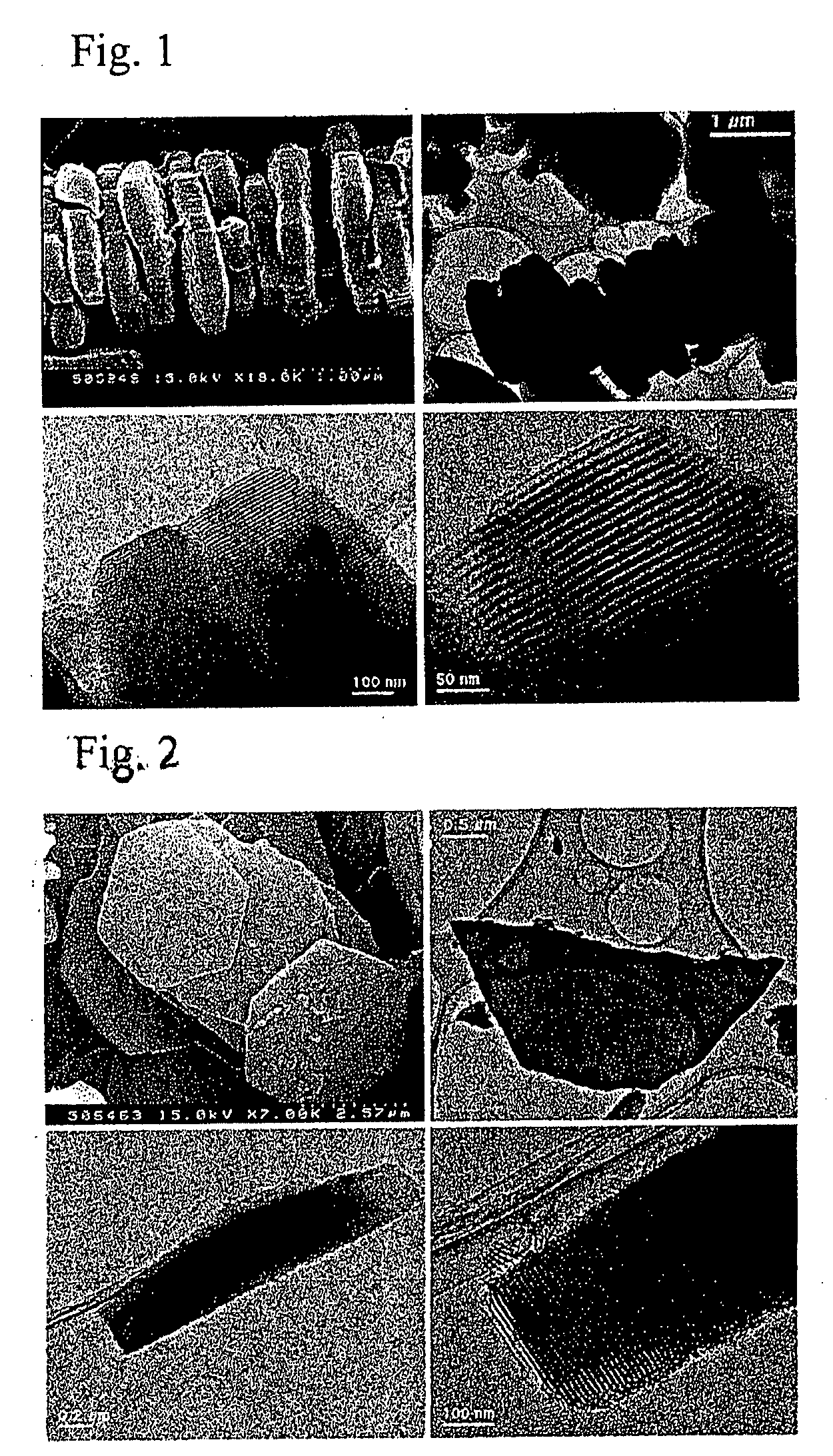
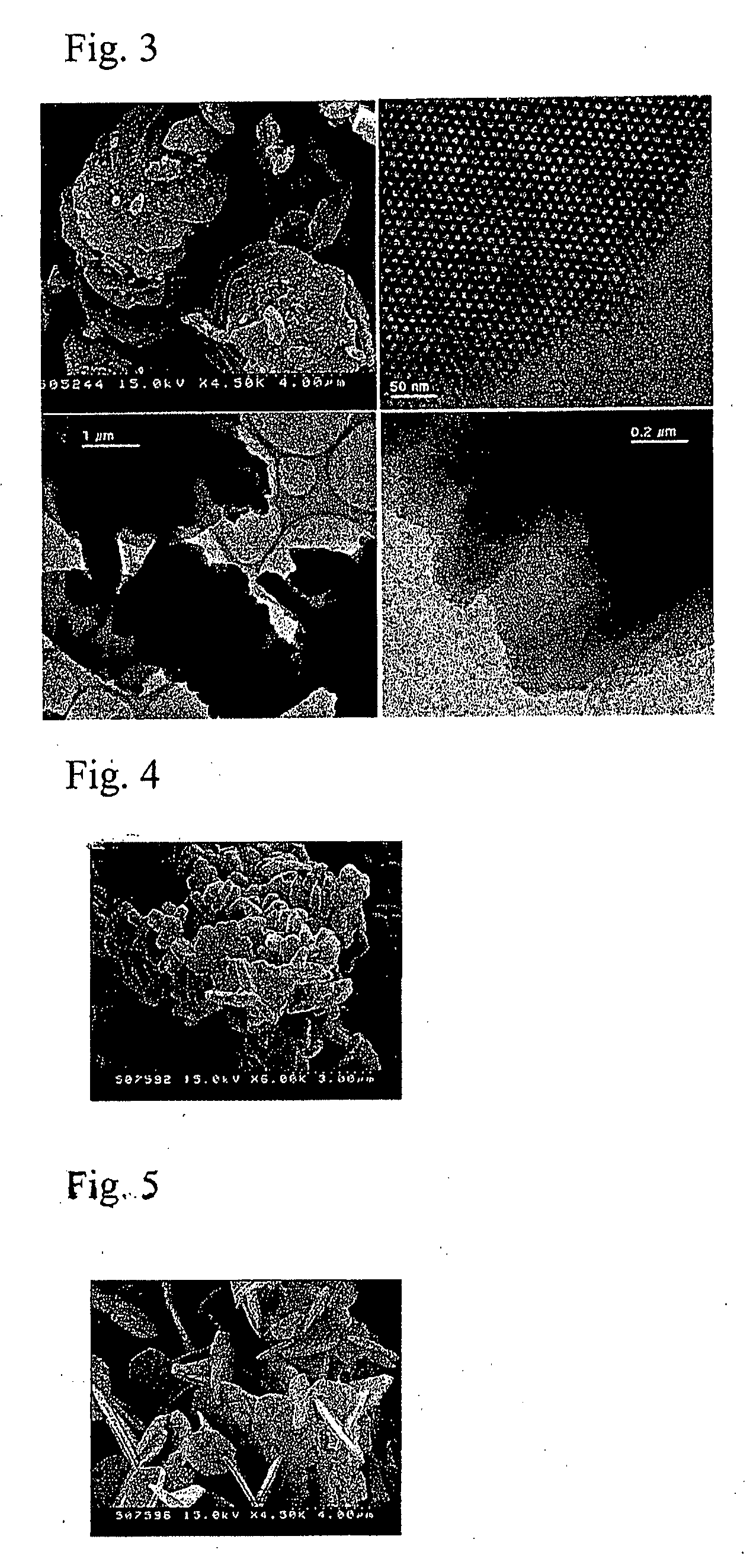
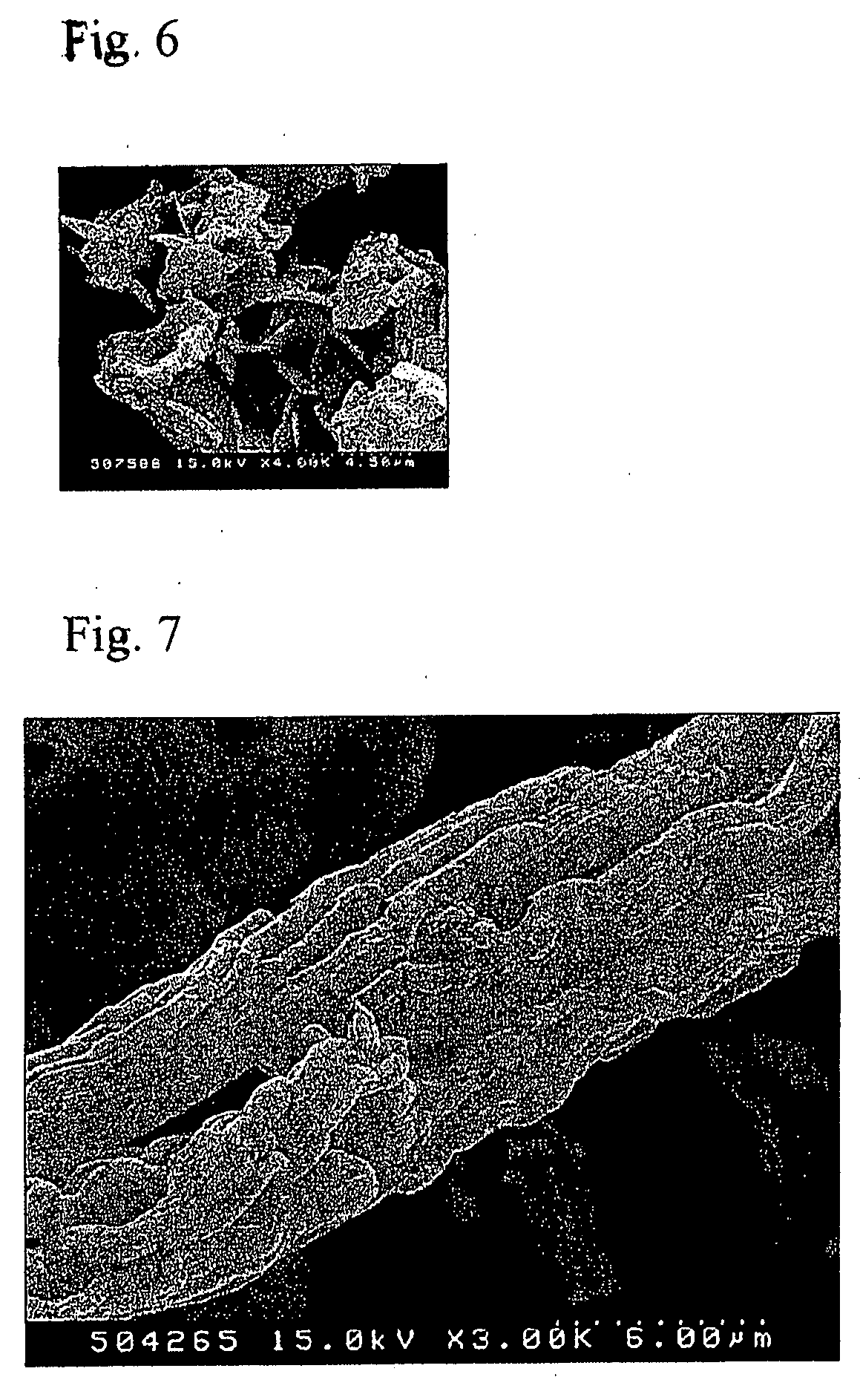
- A method involving microwave synthesis and direct co-condensation using sodium metasilicate as the silica source, with aminopropyltriethoxysilane, and tri-bloc surfactants like P123, followed by microwave heating and solvent extraction to achieve hexagonal platelet morphology with short, perpendicular channels.

Environmental Safety in Silica Processing
Environmental safety considerations in silica processing have become increasingly critical as the scale of mesoporous silica functionalization operations expands across industrial applications. The processing of silica materials, particularly during functionalization procedures, presents unique environmental challenges that require comprehensive safety protocols and risk mitigation strategies.
Airborne silica particles represent one of the most significant environmental hazards during processing operations. Crystalline silica dust, when released into the atmosphere, poses serious respiratory health risks and can contribute to environmental contamination. Modern processing facilities must implement advanced ventilation systems, including high-efficiency particulate air filtration and negative pressure containment areas, to prevent silica particle dispersion into surrounding environments.
Chemical safety protocols are essential when handling functionalization reagents, many of which contain volatile organic compounds, silanes, or other potentially hazardous substances. Proper storage, handling, and disposal procedures must be established to prevent soil and groundwater contamination. Secondary containment systems and emergency response protocols are crucial for managing accidental releases during functionalization processes.
Waste stream management presents another critical environmental consideration. Functionalization processes generate various waste products, including spent solvents, unreacted silanes, and contaminated silica materials. These waste streams require careful characterization and appropriate treatment methods to ensure compliance with environmental regulations and prevent long-term ecological impact.
Water treatment and recycling systems play a vital role in minimizing environmental impact. Many functionalization processes require significant water usage for washing and purification steps. Implementing closed-loop water systems with appropriate filtration and purification technologies can substantially reduce water consumption and prevent contaminated discharge into local water systems.
Regulatory compliance frameworks continue to evolve, with stricter guidelines for silica processing operations. Environmental monitoring programs must track air quality, water discharge parameters, and waste generation metrics to ensure ongoing compliance with local and international environmental standards while maintaining operational efficiency in mesoporous silica functionalization processes.
Airborne silica particles represent one of the most significant environmental hazards during processing operations. Crystalline silica dust, when released into the atmosphere, poses serious respiratory health risks and can contribute to environmental contamination. Modern processing facilities must implement advanced ventilation systems, including high-efficiency particulate air filtration and negative pressure containment areas, to prevent silica particle dispersion into surrounding environments.
Chemical safety protocols are essential when handling functionalization reagents, many of which contain volatile organic compounds, silanes, or other potentially hazardous substances. Proper storage, handling, and disposal procedures must be established to prevent soil and groundwater contamination. Secondary containment systems and emergency response protocols are crucial for managing accidental releases during functionalization processes.
Waste stream management presents another critical environmental consideration. Functionalization processes generate various waste products, including spent solvents, unreacted silanes, and contaminated silica materials. These waste streams require careful characterization and appropriate treatment methods to ensure compliance with environmental regulations and prevent long-term ecological impact.
Water treatment and recycling systems play a vital role in minimizing environmental impact. Many functionalization processes require significant water usage for washing and purification steps. Implementing closed-loop water systems with appropriate filtration and purification technologies can substantially reduce water consumption and prevent contaminated discharge into local water systems.
Regulatory compliance frameworks continue to evolve, with stricter guidelines for silica processing operations. Environmental monitoring programs must track air quality, water discharge parameters, and waste generation metrics to ensure ongoing compliance with local and international environmental standards while maintaining operational efficiency in mesoporous silica functionalization processes.
Quality Control Standards for Mesoporous Materials
Quality control standards for mesoporous materials represent a critical framework for ensuring consistent performance and reliability in functionalized silica applications. These standards encompass multiple analytical dimensions that directly impact the success of functionalization processes while preventing pore blocking phenomena.
Pore structure characterization forms the foundation of quality control protocols. Nitrogen adsorption-desorption isotherms serve as the primary method for determining surface area, pore volume, and pore size distribution. The BET surface area should typically exceed 500 m²/g for high-quality mesoporous silica, while maintaining a narrow pore size distribution within the 2-50 nm range. Barrett-Joyner-Halenda analysis provides detailed pore size information, enabling detection of pore blocking or structural degradation during functionalization.
Surface chemistry evaluation requires comprehensive spectroscopic analysis to monitor functional group incorporation and distribution. Fourier-transform infrared spectroscopy identifies specific chemical bonds and confirms successful grafting without excessive cross-linking that could obstruct pores. X-ray photoelectron spectroscopy quantifies surface elemental composition and chemical states, providing insights into functionalization efficiency and uniformity.
Thermal stability assessment through thermogravimetric analysis establishes decomposition temperatures and organic loading levels. Quality standards typically require thermal stability up to 200°C for most applications, with controlled weight loss profiles indicating proper attachment mechanisms rather than physisorbed contaminants that might migrate and block pores.
Morphological integrity verification employs scanning electron microscopy and transmission electron microscopy to assess particle size, shape uniformity, and internal pore structure preservation. High-resolution imaging reveals potential pore collapse, aggregation, or surface modifications that could compromise material performance.
Reproducibility standards mandate batch-to-batch consistency within defined tolerance ranges. Surface area variations should remain below 5%, while pore volume fluctuations must not exceed 10% between production batches. These stringent requirements ensure predictable functionalization outcomes and minimize pore blocking risks.
Contamination control protocols establish acceptable limits for residual synthesis reagents, catalysts, and organic solvents that could interfere with subsequent functionalization or cause pore obstruction. Elemental analysis and mass spectrometry techniques verify purity levels meeting application-specific requirements.
Pore structure characterization forms the foundation of quality control protocols. Nitrogen adsorption-desorption isotherms serve as the primary method for determining surface area, pore volume, and pore size distribution. The BET surface area should typically exceed 500 m²/g for high-quality mesoporous silica, while maintaining a narrow pore size distribution within the 2-50 nm range. Barrett-Joyner-Halenda analysis provides detailed pore size information, enabling detection of pore blocking or structural degradation during functionalization.
Surface chemistry evaluation requires comprehensive spectroscopic analysis to monitor functional group incorporation and distribution. Fourier-transform infrared spectroscopy identifies specific chemical bonds and confirms successful grafting without excessive cross-linking that could obstruct pores. X-ray photoelectron spectroscopy quantifies surface elemental composition and chemical states, providing insights into functionalization efficiency and uniformity.
Thermal stability assessment through thermogravimetric analysis establishes decomposition temperatures and organic loading levels. Quality standards typically require thermal stability up to 200°C for most applications, with controlled weight loss profiles indicating proper attachment mechanisms rather than physisorbed contaminants that might migrate and block pores.
Morphological integrity verification employs scanning electron microscopy and transmission electron microscopy to assess particle size, shape uniformity, and internal pore structure preservation. High-resolution imaging reveals potential pore collapse, aggregation, or surface modifications that could compromise material performance.
Reproducibility standards mandate batch-to-batch consistency within defined tolerance ranges. Surface area variations should remain below 5%, while pore volume fluctuations must not exceed 10% between production batches. These stringent requirements ensure predictable functionalization outcomes and minimize pore blocking risks.
Contamination control protocols establish acceptable limits for residual synthesis reagents, catalysts, and organic solvents that could interfere with subsequent functionalization or cause pore obstruction. Elemental analysis and mass spectrometry techniques verify purity levels meeting application-specific requirements.
Unlock deeper insights with PatSnap Eureka Quick Research — get a full tech report to explore trends and direct your research. Try now!
Generate Your Research Report Instantly with AI Agent
Supercharge your innovation with PatSnap Eureka AI Agent Platform!