

How to Deploy Auto-Tuning in Control Engineering for Efficiency
MAR 27, 20269 MIN READ
Generate Your Research Report Instantly with AI Agent
PatSnap Eureka helps you evaluate technical feasibility & market potential.
Auto-Tuning Control Systems Background and Objectives
Auto-tuning control systems represent a paradigm shift in industrial automation, emerging from the fundamental need to optimize control performance without extensive manual intervention. The evolution of control engineering has progressed from simple manual tuning methods in the early 20th century to sophisticated adaptive algorithms capable of real-time parameter optimization. This technological advancement addresses the persistent challenge of maintaining optimal control performance across varying operating conditions and system dynamics.
The historical development of auto-tuning began with the introduction of PID controllers in the 1940s, followed by the emergence of self-tuning regulators in the 1970s. The integration of microprocessors in the 1980s enabled more complex adaptive algorithms, while modern implementations leverage artificial intelligence and machine learning techniques to achieve unprecedented levels of automation and precision.
Contemporary control systems face increasing complexity due to multivariable interactions, nonlinear dynamics, and time-varying parameters. Traditional manual tuning approaches prove inadequate for modern industrial processes that demand continuous optimization, reduced commissioning time, and minimal human expertise requirements. The growing emphasis on energy efficiency and sustainability further amplifies the need for intelligent control solutions that can adapt to changing operational demands.
The primary objective of deploying auto-tuning in control engineering centers on achieving optimal system performance through automated parameter adjustment. This encompasses minimizing settling time, reducing overshoot, eliminating steady-state error, and enhancing disturbance rejection capabilities. Auto-tuning systems aim to maintain consistent performance across different operating points while adapting to process variations and equipment aging.
Efficiency enhancement represents a critical goal, encompassing both energy consumption optimization and operational productivity improvement. Auto-tuning algorithms target reduced commissioning time, decreased maintenance requirements, and improved process stability. The technology seeks to democratize advanced control by reducing dependency on specialized expertise while maintaining or exceeding manually tuned performance levels.
Strategic objectives include enabling predictive maintenance through continuous system monitoring, facilitating seamless integration with Industry 4.0 frameworks, and supporting sustainable manufacturing practices. The ultimate vision encompasses fully autonomous control systems capable of self-optimization, fault detection, and performance enhancement without human intervention, thereby transforming traditional control engineering paradigms into intelligent, adaptive solutions.
The historical development of auto-tuning began with the introduction of PID controllers in the 1940s, followed by the emergence of self-tuning regulators in the 1970s. The integration of microprocessors in the 1980s enabled more complex adaptive algorithms, while modern implementations leverage artificial intelligence and machine learning techniques to achieve unprecedented levels of automation and precision.
Contemporary control systems face increasing complexity due to multivariable interactions, nonlinear dynamics, and time-varying parameters. Traditional manual tuning approaches prove inadequate for modern industrial processes that demand continuous optimization, reduced commissioning time, and minimal human expertise requirements. The growing emphasis on energy efficiency and sustainability further amplifies the need for intelligent control solutions that can adapt to changing operational demands.
The primary objective of deploying auto-tuning in control engineering centers on achieving optimal system performance through automated parameter adjustment. This encompasses minimizing settling time, reducing overshoot, eliminating steady-state error, and enhancing disturbance rejection capabilities. Auto-tuning systems aim to maintain consistent performance across different operating points while adapting to process variations and equipment aging.
Efficiency enhancement represents a critical goal, encompassing both energy consumption optimization and operational productivity improvement. Auto-tuning algorithms target reduced commissioning time, decreased maintenance requirements, and improved process stability. The technology seeks to democratize advanced control by reducing dependency on specialized expertise while maintaining or exceeding manually tuned performance levels.
Strategic objectives include enabling predictive maintenance through continuous system monitoring, facilitating seamless integration with Industry 4.0 frameworks, and supporting sustainable manufacturing practices. The ultimate vision encompasses fully autonomous control systems capable of self-optimization, fault detection, and performance enhancement without human intervention, thereby transforming traditional control engineering paradigms into intelligent, adaptive solutions.
Market Demand for Automated Control Parameter Optimization
The global market for automated control parameter optimization is experiencing unprecedented growth driven by the increasing complexity of industrial processes and the urgent need for operational efficiency. Manufacturing industries, particularly in automotive, chemical processing, and semiconductor sectors, are demanding sophisticated auto-tuning solutions to maintain competitive advantages in rapidly evolving markets.
Traditional manual tuning methods are becoming increasingly inadequate for modern control systems that operate with hundreds or thousands of parameters. Industries are seeking automated solutions that can continuously optimize control parameters without human intervention, reducing operational costs while improving system performance. This demand is particularly pronounced in sectors where process variations directly impact product quality and profitability.
The energy sector represents a significant growth opportunity for automated control parameter optimization technologies. Power generation facilities, renewable energy systems, and smart grid infrastructure require dynamic parameter adjustment to maximize efficiency and maintain stability. The transition toward sustainable energy sources has intensified the need for intelligent control systems capable of handling variable inputs and unpredictable load conditions.
Process industries including oil refining, pharmaceuticals, and food processing are driving substantial demand for auto-tuning capabilities. These sectors face stringent regulatory requirements and quality standards that necessitate precise control parameter management. Automated optimization systems offer the consistency and reliability required to meet these demanding operational requirements while reducing human error risks.
The emergence of Industry 4.0 and digital transformation initiatives has created new market segments for automated control optimization. Smart factories and connected manufacturing systems generate vast amounts of operational data that can be leveraged for continuous parameter optimization. This trend is expanding the addressable market beyond traditional control applications into broader industrial automation ecosystems.
Regional market dynamics show strong demand growth in Asia-Pacific manufacturing hubs, where rapid industrialization and labor cost pressures are accelerating automation adoption. North American and European markets demonstrate mature demand patterns focused on upgrading existing control infrastructure with intelligent optimization capabilities. These regional variations create diverse market opportunities for different technological approaches and implementation strategies.
Traditional manual tuning methods are becoming increasingly inadequate for modern control systems that operate with hundreds or thousands of parameters. Industries are seeking automated solutions that can continuously optimize control parameters without human intervention, reducing operational costs while improving system performance. This demand is particularly pronounced in sectors where process variations directly impact product quality and profitability.
The energy sector represents a significant growth opportunity for automated control parameter optimization technologies. Power generation facilities, renewable energy systems, and smart grid infrastructure require dynamic parameter adjustment to maximize efficiency and maintain stability. The transition toward sustainable energy sources has intensified the need for intelligent control systems capable of handling variable inputs and unpredictable load conditions.
Process industries including oil refining, pharmaceuticals, and food processing are driving substantial demand for auto-tuning capabilities. These sectors face stringent regulatory requirements and quality standards that necessitate precise control parameter management. Automated optimization systems offer the consistency and reliability required to meet these demanding operational requirements while reducing human error risks.
The emergence of Industry 4.0 and digital transformation initiatives has created new market segments for automated control optimization. Smart factories and connected manufacturing systems generate vast amounts of operational data that can be leveraged for continuous parameter optimization. This trend is expanding the addressable market beyond traditional control applications into broader industrial automation ecosystems.
Regional market dynamics show strong demand growth in Asia-Pacific manufacturing hubs, where rapid industrialization and labor cost pressures are accelerating automation adoption. North American and European markets demonstrate mature demand patterns focused on upgrading existing control infrastructure with intelligent optimization capabilities. These regional variations create diverse market opportunities for different technological approaches and implementation strategies.
Current State and Challenges of Auto-Tuning Technologies
Auto-tuning technologies in control engineering have reached a significant level of maturity, with several established methodologies being widely deployed across industrial applications. The most prevalent approaches include model-based adaptive control, self-tuning regulators, and machine learning-enhanced parameter optimization systems. These technologies are currently implemented in various sectors, from process industries such as chemical and petrochemical plants to manufacturing automation and power generation facilities.
The geographical distribution of auto-tuning technology development shows distinct regional strengths. North America leads in advanced algorithmic development and software integration, particularly through companies like Honeywell and Emerson. European nations, especially Germany and Switzerland, excel in precision control applications for manufacturing and automotive industries. Asian markets, led by Japan and South Korea, demonstrate strong capabilities in electronics manufacturing and robotics applications, while China is rapidly expanding its presence in industrial automation sectors.
Despite technological advances, several critical challenges persist in auto-tuning implementation. The primary technical constraint involves handling nonlinear and time-varying systems, where traditional linear control assumptions break down. Many existing auto-tuning algorithms struggle with systems exhibiting significant dead time, multiple time constants, or complex coupling between control loops. Additionally, the trade-off between system stability and performance optimization remains a fundamental challenge, particularly in safety-critical applications.
Computational complexity presents another significant barrier to widespread adoption. Real-time parameter adjustment requires substantial processing power, especially for multi-variable systems with numerous control loops. Legacy industrial systems often lack the computational resources necessary for sophisticated auto-tuning algorithms, creating implementation gaps between theoretical capabilities and practical deployment.
Integration challenges with existing control infrastructure represent a major limiting factor. Many industrial facilities operate with heterogeneous control systems from different vendors, making seamless auto-tuning deployment difficult. Compatibility issues between modern auto-tuning software and established distributed control systems create additional complexity for system integrators and end users.
The lack of standardized performance metrics and validation procedures across different industries further complicates technology assessment and selection. Without universal benchmarking standards, comparing auto-tuning solutions becomes challenging, hindering informed decision-making processes for industrial implementers seeking optimal efficiency improvements.
The geographical distribution of auto-tuning technology development shows distinct regional strengths. North America leads in advanced algorithmic development and software integration, particularly through companies like Honeywell and Emerson. European nations, especially Germany and Switzerland, excel in precision control applications for manufacturing and automotive industries. Asian markets, led by Japan and South Korea, demonstrate strong capabilities in electronics manufacturing and robotics applications, while China is rapidly expanding its presence in industrial automation sectors.
Despite technological advances, several critical challenges persist in auto-tuning implementation. The primary technical constraint involves handling nonlinear and time-varying systems, where traditional linear control assumptions break down. Many existing auto-tuning algorithms struggle with systems exhibiting significant dead time, multiple time constants, or complex coupling between control loops. Additionally, the trade-off between system stability and performance optimization remains a fundamental challenge, particularly in safety-critical applications.
Computational complexity presents another significant barrier to widespread adoption. Real-time parameter adjustment requires substantial processing power, especially for multi-variable systems with numerous control loops. Legacy industrial systems often lack the computational resources necessary for sophisticated auto-tuning algorithms, creating implementation gaps between theoretical capabilities and practical deployment.
Integration challenges with existing control infrastructure represent a major limiting factor. Many industrial facilities operate with heterogeneous control systems from different vendors, making seamless auto-tuning deployment difficult. Compatibility issues between modern auto-tuning software and established distributed control systems create additional complexity for system integrators and end users.
The lack of standardized performance metrics and validation procedures across different industries further complicates technology assessment and selection. Without universal benchmarking standards, comparing auto-tuning solutions becomes challenging, hindering informed decision-making processes for industrial implementers seeking optimal efficiency improvements.
Existing Auto-Tuning Algorithms and Implementation Strategies
01 Adaptive control systems for automatic tuning
Implementation of adaptive control algorithms that automatically adjust system parameters based on real-time performance feedback. These systems utilize sensors and monitoring mechanisms to detect operational conditions and dynamically optimize tuning parameters without manual intervention. The adaptive approach enables continuous performance optimization across varying operating conditions and load scenarios.- Adaptive control systems for automatic tuning: Implementation of adaptive control algorithms that automatically adjust system parameters based on real-time performance feedback. These systems utilize self-learning mechanisms to optimize tuning parameters without manual intervention, improving overall efficiency through continuous monitoring and adjustment of operational conditions.
- Model-based auto-tuning optimization: Utilization of mathematical models and predictive algorithms to determine optimal tuning parameters. This approach involves creating system models that simulate performance under various conditions, enabling automated selection of tuning parameters that maximize efficiency while maintaining stability and desired performance characteristics.
- Neural network and machine learning based tuning: Application of artificial intelligence techniques including neural networks and machine learning algorithms to achieve intelligent auto-tuning. These systems learn from historical data and operational patterns to predict and implement optimal tuning configurations, continuously improving efficiency through pattern recognition and data-driven decision making.
- Real-time parameter adjustment mechanisms: Development of dynamic tuning systems that perform real-time parameter adjustments based on instantaneous system conditions. These mechanisms employ sensors and feedback loops to detect performance variations and automatically modify tuning parameters to maintain optimal efficiency under changing operational environments.
- Multi-objective optimization for tuning efficiency: Implementation of multi-objective optimization frameworks that balance multiple performance criteria simultaneously during auto-tuning processes. These systems consider various factors such as energy consumption, response time, and stability to achieve comprehensive efficiency improvements through balanced parameter optimization.
02 Machine learning and AI-based auto-tuning methods
Application of artificial intelligence and machine learning algorithms to predict optimal tuning parameters and improve efficiency over time. These methods analyze historical performance data, identify patterns, and automatically adjust system configurations to achieve maximum efficiency. The learning-based approach enables the system to improve its tuning accuracy through continuous operation and data collection.Expand Specific Solutions03 Self-calibration mechanisms for efficiency optimization
Development of self-calibration systems that perform automatic diagnostic tests and parameter adjustments to maintain optimal efficiency. These mechanisms include built-in test routines that periodically evaluate system performance and make necessary corrections to compensate for component aging, environmental changes, or operational drift. The self-calibration process ensures sustained high efficiency throughout the system lifecycle.Expand Specific Solutions04 Feedback loop optimization for dynamic tuning
Implementation of closed-loop feedback systems that continuously monitor output parameters and adjust input settings to maximize efficiency. These systems employ sophisticated control algorithms that process feedback signals in real-time and make rapid adjustments to maintain optimal performance. The feedback-based approach enables precise tuning under dynamic operating conditions and varying load requirements.Expand Specific Solutions05 Multi-parameter coordination for comprehensive auto-tuning
Coordination of multiple system parameters simultaneously to achieve overall efficiency improvement through holistic optimization. This approach considers the interdependencies between various tuning parameters and optimizes them collectively rather than individually. The multi-parameter strategy ensures that improvements in one aspect do not negatively impact other performance characteristics, resulting in balanced and comprehensive efficiency gains.Expand Specific Solutions
Key Players in Industrial Automation and Control Systems
The auto-tuning control engineering market is experiencing rapid growth driven by increasing demand for operational efficiency and reduced manual intervention across industrial sectors. The industry is transitioning from traditional manual tuning methods to advanced AI-driven automated solutions, representing a mature growth phase with significant technological advancement opportunities. Market leaders like Siemens AG, ABB Ltd., and Honeywell International Technologies Ltd. demonstrate high technological maturity through comprehensive automation portfolios integrating machine learning algorithms. Industrial automation specialists including FANUC Corp., Fisher Controls International LLC, and National Instruments Corp. showcase advanced implementation capabilities in process control optimization. Emerging players such as Delta Electronics and Azbil Corp. are contributing specialized solutions, while research institutions like Carnegie Mellon University drive innovation in adaptive control algorithms. The competitive landscape reflects a technology-mature market with established players leveraging decades of control systems expertise alongside newer entrants focusing on AI-enhanced auto-tuning capabilities for next-generation industrial applications.
Honeywell International Technologies Ltd.
Technical Solution: Honeywell's auto-tuning solution is embedded within their Experion PKS platform, featuring the Advanced Process Control (APC) suite with intelligent loop tuning capabilities. Their technology uses pattern recognition algorithms to identify process dynamics and automatically configure controller parameters for optimal performance. The system incorporates real-time optimization that can improve control loop performance by 25-40% while reducing process variability. Their auto-tuning methodology includes disturbance rejection optimization and setpoint tracking enhancement, making it particularly effective for complex chemical and petrochemical processes.
Strengths: Strong performance in complex process industries, excellent disturbance rejection capabilities, integrated with comprehensive process control systems. Weaknesses: Limited flexibility for non-standard applications, requires significant system integration effort.
Siemens AG
Technical Solution: Siemens has developed advanced auto-tuning capabilities integrated into their SIMATIC PCS 7 and TIA Portal automation platforms. Their auto-tuning algorithms utilize adaptive control strategies that automatically adjust PID parameters based on real-time process behavior analysis. The system employs machine learning techniques to continuously optimize controller performance, reducing commissioning time by up to 70% compared to manual tuning methods. Their solution includes predictive maintenance features that anticipate control loop degradation and proactively retune parameters to maintain optimal performance throughout the plant lifecycle.
Strengths: Comprehensive integration with existing automation infrastructure, proven track record in industrial applications, advanced predictive capabilities. Weaknesses: High implementation costs, complexity requiring specialized training for operators.
Core Patents in Self-Adaptive Control Parameter Optimization
Auto-tuning controller using loop-shaping
PatentInactiveUS7024253B2
Innovation
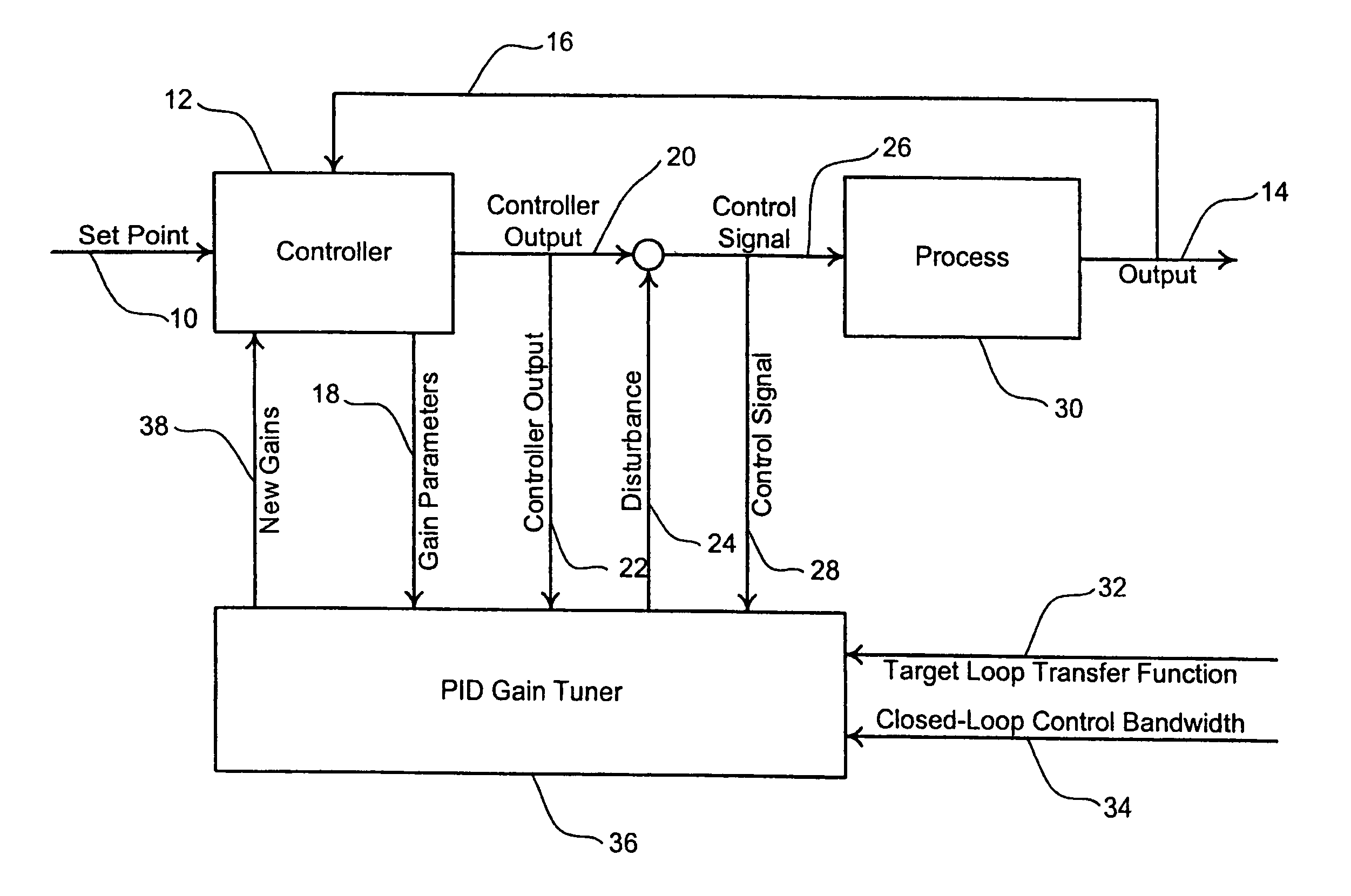
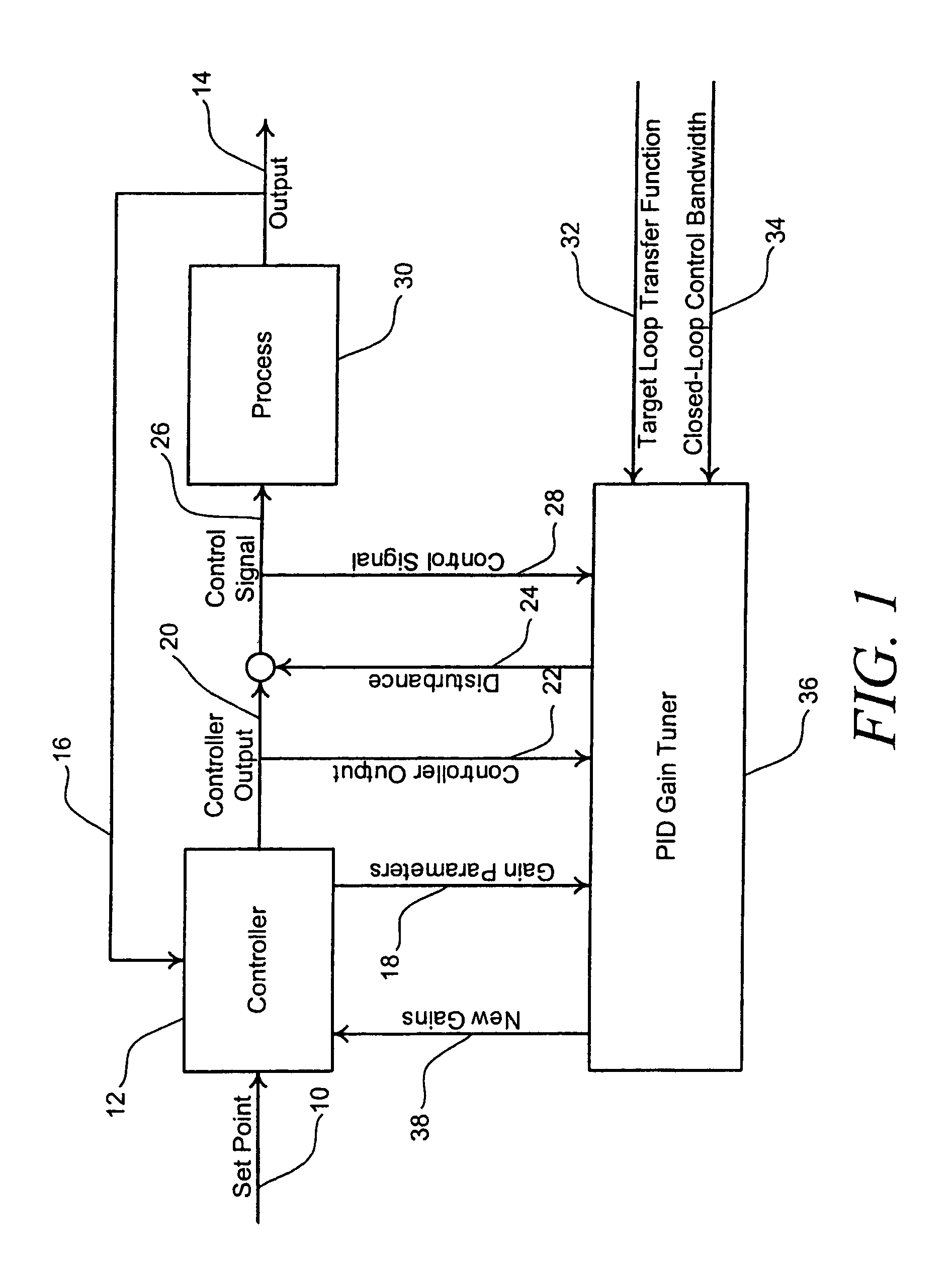
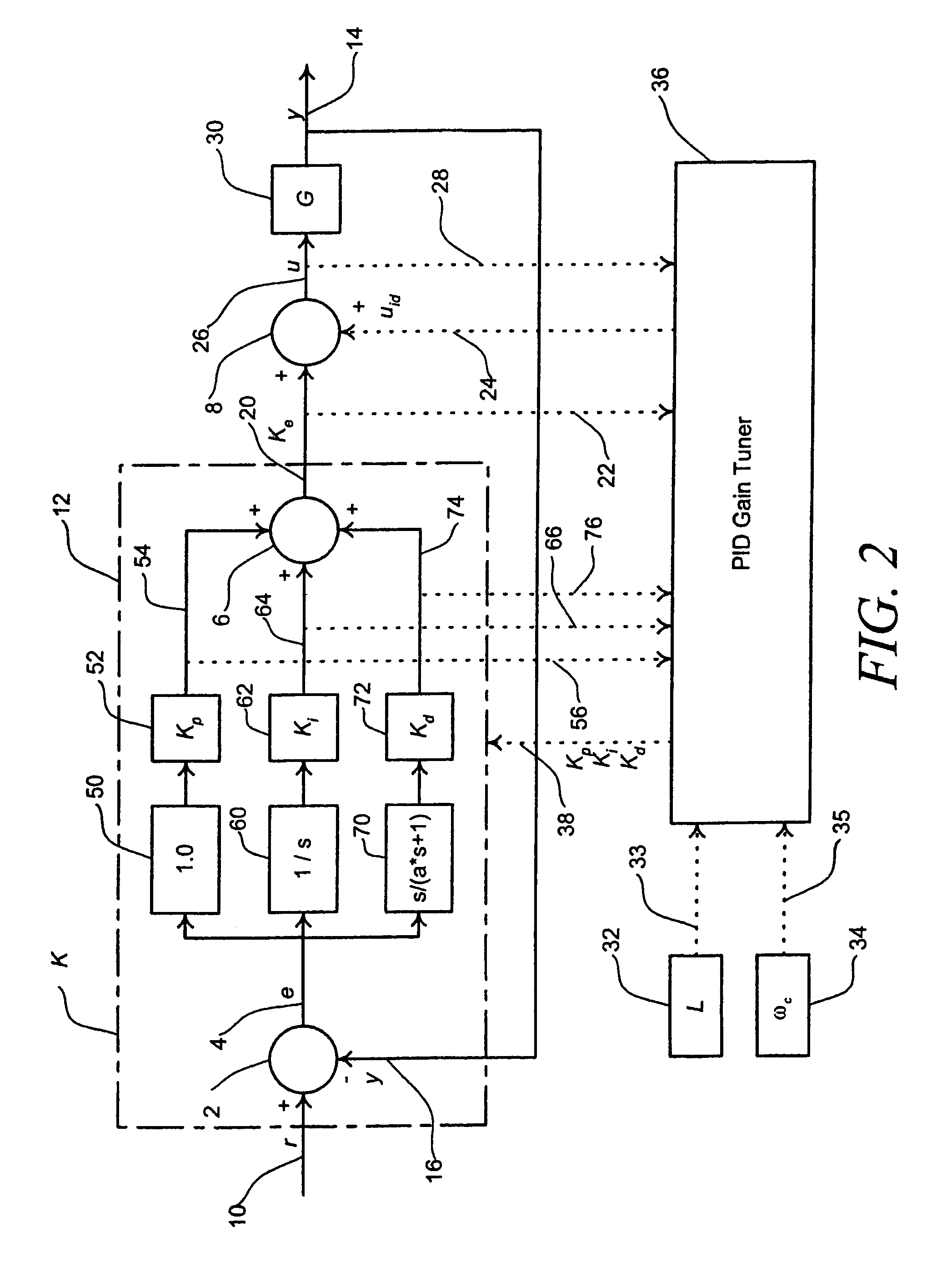
- A method and apparatus that automatically adjust PID gains using recursive least squares curve fitting techniques, introducing a disturbance to monitor and estimate gains without a process model, allowing for minimal operator intervention and continuous control.

Control apparatus having a limit cycle auto-tuning function
PatentInactiveUS6959219B2
Innovation
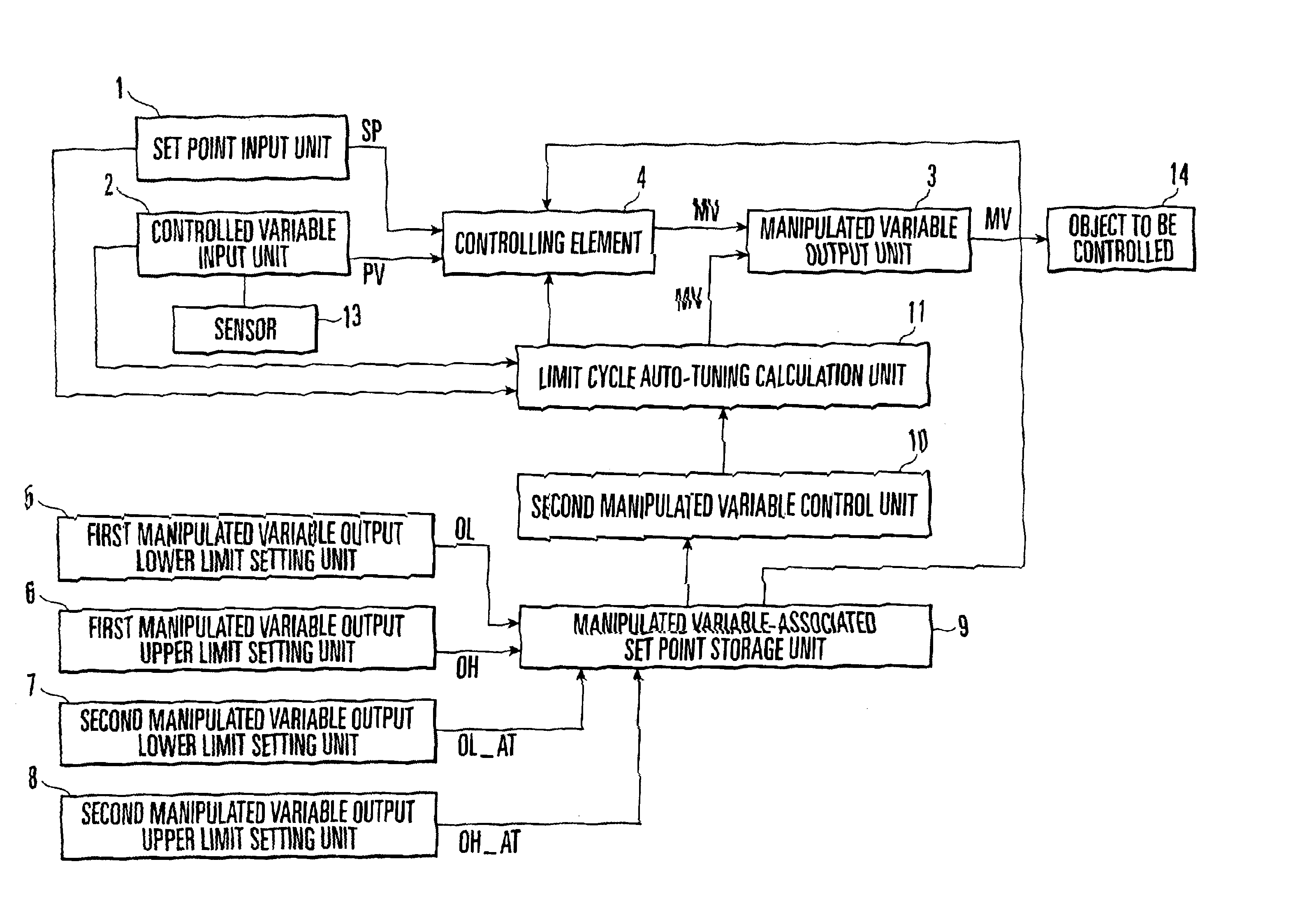
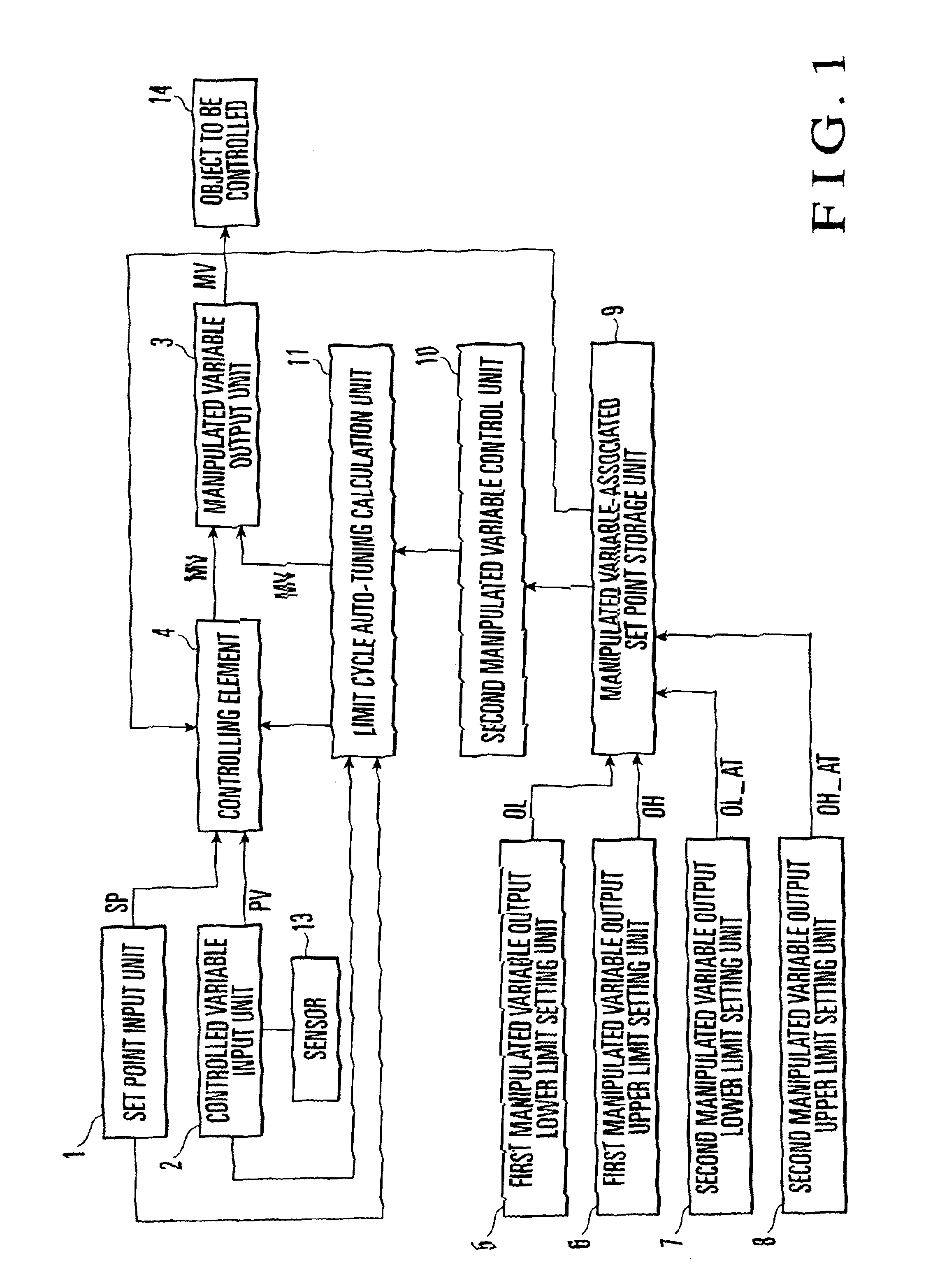
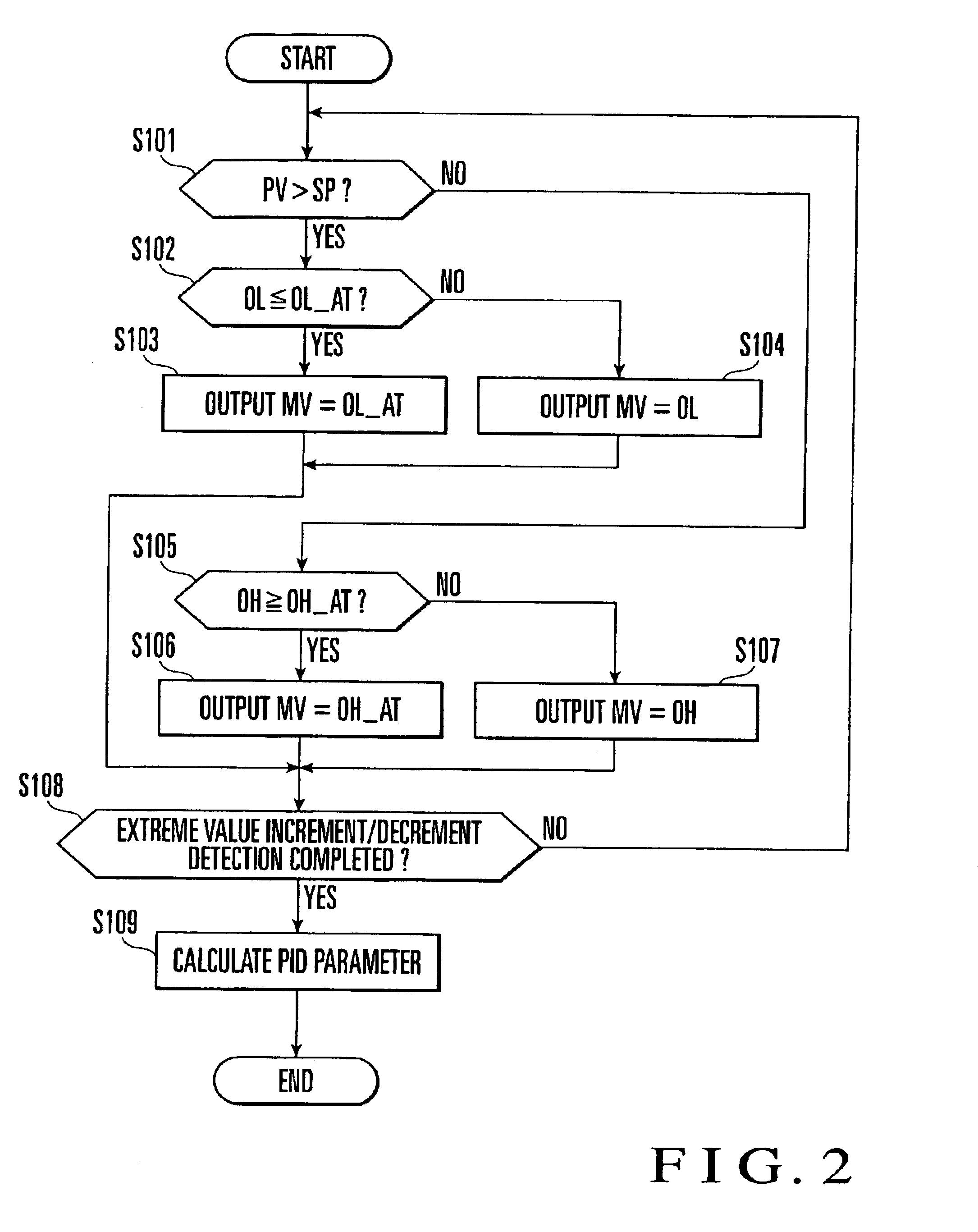
- A control apparatus that allows independent setting of manipulated variable upper and lower limit values for both normal operation and limit cycle auto-tuning, using separate first and second manipulated variables, with arithmetic means to calculate control parameters based on control responses, ensuring that limit cycle auto-tuning parameters do not deviate from normal control parameters.

Safety Standards for Automated Control System Deployment
The deployment of auto-tuning systems in control engineering necessitates adherence to comprehensive safety standards to ensure reliable and secure operation across industrial applications. These standards form the foundation for preventing catastrophic failures, protecting personnel, and maintaining system integrity during automated parameter optimization processes.
International safety frameworks such as IEC 61508 (Functional Safety of Electrical/Electronic/Programmable Electronic Safety-related Systems) and IEC 61511 (Functional Safety - Safety Instrumented Systems for the Process Industry Sector) provide essential guidelines for automated control system deployment. These standards establish Safety Integrity Levels (SIL) that define the probability of failure on demand, ranging from SIL 1 to SIL 4, with higher levels indicating greater safety requirements.
For auto-tuning implementations, Safety Instrumented Functions (SIF) must be integrated to monitor critical parameters during optimization cycles. These functions include emergency shutdown capabilities, parameter boundary enforcement, and fail-safe mechanisms that activate when tuning algorithms exceed predefined operational limits. The standards mandate systematic hazard analysis through techniques such as HAZOP (Hazard and Operability Study) and FMEA (Failure Mode and Effects Analysis).
Cybersecurity considerations have become paramount with the introduction of IEC 62443 standards, addressing network security for industrial automation and control systems. Auto-tuning systems, often connected to enterprise networks for remote monitoring and optimization, must implement robust authentication protocols, encrypted communications, and intrusion detection mechanisms to prevent unauthorized access and malicious interference.
Validation and verification procedures require extensive testing protocols, including Hardware-in-the-Loop (HIL) simulations and Software-in-the-Loop (SIL) testing to demonstrate compliance with safety requirements. Documentation standards mandate comprehensive safety manuals, risk assessments, and maintenance procedures that ensure continued compliance throughout the system lifecycle.
Regular safety audits and performance monitoring are essential components of standards compliance, requiring continuous assessment of auto-tuning system behavior against established safety benchmarks and immediate corrective actions when deviations occur.
International safety frameworks such as IEC 61508 (Functional Safety of Electrical/Electronic/Programmable Electronic Safety-related Systems) and IEC 61511 (Functional Safety - Safety Instrumented Systems for the Process Industry Sector) provide essential guidelines for automated control system deployment. These standards establish Safety Integrity Levels (SIL) that define the probability of failure on demand, ranging from SIL 1 to SIL 4, with higher levels indicating greater safety requirements.
For auto-tuning implementations, Safety Instrumented Functions (SIF) must be integrated to monitor critical parameters during optimization cycles. These functions include emergency shutdown capabilities, parameter boundary enforcement, and fail-safe mechanisms that activate when tuning algorithms exceed predefined operational limits. The standards mandate systematic hazard analysis through techniques such as HAZOP (Hazard and Operability Study) and FMEA (Failure Mode and Effects Analysis).
Cybersecurity considerations have become paramount with the introduction of IEC 62443 standards, addressing network security for industrial automation and control systems. Auto-tuning systems, often connected to enterprise networks for remote monitoring and optimization, must implement robust authentication protocols, encrypted communications, and intrusion detection mechanisms to prevent unauthorized access and malicious interference.
Validation and verification procedures require extensive testing protocols, including Hardware-in-the-Loop (HIL) simulations and Software-in-the-Loop (SIL) testing to demonstrate compliance with safety requirements. Documentation standards mandate comprehensive safety manuals, risk assessments, and maintenance procedures that ensure continued compliance throughout the system lifecycle.
Regular safety audits and performance monitoring are essential components of standards compliance, requiring continuous assessment of auto-tuning system behavior against established safety benchmarks and immediate corrective actions when deviations occur.
Performance Metrics for Auto-Tuning Efficiency Assessment
Establishing comprehensive performance metrics for auto-tuning efficiency assessment requires a multi-dimensional evaluation framework that captures both quantitative and qualitative aspects of control system performance. The primary challenge lies in developing metrics that accurately reflect real-world operational improvements while remaining computationally feasible for continuous monitoring and optimization.
Traditional control performance indicators form the foundation of auto-tuning assessment. These include settling time, overshoot percentage, steady-state error, and rise time, which collectively characterize the transient and steady-state behavior of the controlled system. However, these classical metrics must be augmented with efficiency-specific indicators that capture the economic and operational benefits of automated parameter adjustment.
Energy consumption metrics represent a critical dimension for efficiency assessment. Power consumption reduction ratios, energy-per-unit-output measurements, and thermal efficiency improvements provide direct quantification of operational cost savings. These metrics should be normalized against baseline manual tuning performance to establish meaningful comparison benchmarks.
Adaptation speed and convergence characteristics constitute another essential metric category. The time required for auto-tuning algorithms to reach optimal parameter sets, the number of iterations needed for convergence, and the stability of converged solutions directly impact system availability and operational continuity. Faster convergence with stable results indicates superior auto-tuning implementation.
Robustness metrics evaluate the auto-tuning system's ability to maintain performance under varying operating conditions. Disturbance rejection capabilities, parameter drift compensation, and performance consistency across different load conditions demonstrate the practical reliability of the deployed solution.
System availability and maintenance-related metrics capture the broader operational impact of auto-tuning deployment. Reduced manual intervention frequency, decreased calibration requirements, and extended maintenance intervals translate directly to operational cost reductions and improved system reliability.
Advanced metrics should incorporate predictive performance indicators that assess the auto-tuning system's ability to anticipate and preemptively adjust to changing conditions. Machine learning-based auto-tuning systems particularly benefit from metrics that evaluate prediction accuracy and adaptive learning effectiveness over extended operational periods.
Traditional control performance indicators form the foundation of auto-tuning assessment. These include settling time, overshoot percentage, steady-state error, and rise time, which collectively characterize the transient and steady-state behavior of the controlled system. However, these classical metrics must be augmented with efficiency-specific indicators that capture the economic and operational benefits of automated parameter adjustment.
Energy consumption metrics represent a critical dimension for efficiency assessment. Power consumption reduction ratios, energy-per-unit-output measurements, and thermal efficiency improvements provide direct quantification of operational cost savings. These metrics should be normalized against baseline manual tuning performance to establish meaningful comparison benchmarks.
Adaptation speed and convergence characteristics constitute another essential metric category. The time required for auto-tuning algorithms to reach optimal parameter sets, the number of iterations needed for convergence, and the stability of converged solutions directly impact system availability and operational continuity. Faster convergence with stable results indicates superior auto-tuning implementation.
Robustness metrics evaluate the auto-tuning system's ability to maintain performance under varying operating conditions. Disturbance rejection capabilities, parameter drift compensation, and performance consistency across different load conditions demonstrate the practical reliability of the deployed solution.
System availability and maintenance-related metrics capture the broader operational impact of auto-tuning deployment. Reduced manual intervention frequency, decreased calibration requirements, and extended maintenance intervals translate directly to operational cost reductions and improved system reliability.
Advanced metrics should incorporate predictive performance indicators that assess the auto-tuning system's ability to anticipate and preemptively adjust to changing conditions. Machine learning-based auto-tuning systems particularly benefit from metrics that evaluate prediction accuracy and adaptive learning effectiveness over extended operational periods.
Unlock deeper insights with PatSnap Eureka Quick Research — get a full tech report to explore trends and direct your research. Try now!
Generate Your Research Report Instantly with AI Agent
Supercharge your innovation with PatSnap Eureka AI Agent Platform!