

How to Develop Eco-Friendly Fiber-Reinforced Polymers
APR 2, 20269 MIN READ
Generate Your Research Report Instantly with AI Agent
PatSnap Eureka helps you evaluate technical feasibility & market potential.
Eco-Friendly FRP Development Background and Objectives
The development of eco-friendly fiber-reinforced polymers represents a critical evolution in materials science, driven by mounting environmental concerns and regulatory pressures across multiple industries. Traditional FRP systems, while offering exceptional mechanical properties, have long relied on petroleum-based matrices and energy-intensive manufacturing processes that contribute significantly to carbon emissions and environmental degradation. The accumulation of non-biodegradable composite waste in landfills and the depletion of fossil fuel resources have created an urgent need for sustainable alternatives.
The historical trajectory of FRP technology began in the 1940s with glass fiber-reinforced plastics for military applications, followed by widespread adoption in aerospace, automotive, and construction sectors throughout the latter half of the 20th century. However, the environmental impact of these materials became increasingly apparent as production volumes expanded globally. The emergence of green chemistry principles in the 1990s and subsequent environmental legislation have catalyzed a paradigm shift toward sustainable composite materials.
Current market dynamics reveal a growing demand for environmentally responsible materials across key sectors. The automotive industry seeks lightweight composites to improve fuel efficiency while meeting stringent emission standards. Construction applications require durable materials with reduced lifecycle environmental impact. The renewable energy sector, particularly wind power, demands sustainable composites for turbine blades that can be responsibly disposed of at end-of-life.
The primary technical objectives for eco-friendly FRP development encompass multiple dimensions of sustainability. Material-level goals include developing bio-based matrix systems derived from renewable feedstocks such as plant oils, natural polymers, and agricultural waste. Fiber reinforcement objectives focus on utilizing natural fibers like flax, hemp, and kenaf, or developing recyclable synthetic alternatives. Manufacturing objectives target energy-efficient processing methods, reduced volatile organic compound emissions, and closed-loop production systems.
Performance objectives must balance environmental benefits with mechanical requirements, ensuring that sustainable FRPs maintain adequate strength, stiffness, and durability for intended applications. End-of-life considerations drive objectives for recyclability, biodegradability, or energy recovery potential. Economic objectives aim to achieve cost parity with conventional FRPs while establishing viable supply chains for bio-based raw materials and sustainable manufacturing infrastructure.
The historical trajectory of FRP technology began in the 1940s with glass fiber-reinforced plastics for military applications, followed by widespread adoption in aerospace, automotive, and construction sectors throughout the latter half of the 20th century. However, the environmental impact of these materials became increasingly apparent as production volumes expanded globally. The emergence of green chemistry principles in the 1990s and subsequent environmental legislation have catalyzed a paradigm shift toward sustainable composite materials.
Current market dynamics reveal a growing demand for environmentally responsible materials across key sectors. The automotive industry seeks lightweight composites to improve fuel efficiency while meeting stringent emission standards. Construction applications require durable materials with reduced lifecycle environmental impact. The renewable energy sector, particularly wind power, demands sustainable composites for turbine blades that can be responsibly disposed of at end-of-life.
The primary technical objectives for eco-friendly FRP development encompass multiple dimensions of sustainability. Material-level goals include developing bio-based matrix systems derived from renewable feedstocks such as plant oils, natural polymers, and agricultural waste. Fiber reinforcement objectives focus on utilizing natural fibers like flax, hemp, and kenaf, or developing recyclable synthetic alternatives. Manufacturing objectives target energy-efficient processing methods, reduced volatile organic compound emissions, and closed-loop production systems.
Performance objectives must balance environmental benefits with mechanical requirements, ensuring that sustainable FRPs maintain adequate strength, stiffness, and durability for intended applications. End-of-life considerations drive objectives for recyclability, biodegradability, or energy recovery potential. Economic objectives aim to achieve cost parity with conventional FRPs while establishing viable supply chains for bio-based raw materials and sustainable manufacturing infrastructure.
Market Demand for Sustainable Composite Materials
The global composite materials market is experiencing unprecedented growth driven by increasing environmental consciousness and stringent regulatory frameworks across multiple industries. Traditional fiber-reinforced polymers, while offering superior mechanical properties, face mounting pressure due to their environmental impact throughout the lifecycle, from production to end-of-life disposal. This paradigm shift has created substantial market opportunities for eco-friendly alternatives that maintain performance standards while addressing sustainability concerns.
Automotive manufacturers represent the largest demand segment for sustainable composite materials, driven by corporate sustainability commitments and regulatory requirements for reduced carbon emissions. The industry's transition toward electric vehicles has intensified the need for lightweight, environmentally responsible materials that can enhance energy efficiency without compromising structural integrity. Major automotive suppliers are actively seeking bio-based fiber reinforcements and recyclable polymer matrices to meet both performance specifications and environmental targets.
The aerospace sector demonstrates strong demand for sustainable composites, particularly for interior components and secondary structures. Airlines face increasing pressure to reduce their environmental footprint while maintaining strict safety and weight requirements. This has created opportunities for eco-friendly fiber-reinforced polymers that can deliver comparable performance to conventional materials while supporting sustainability initiatives and potentially reducing long-term material costs.
Construction and infrastructure applications present significant growth potential for sustainable composite materials. The building industry's focus on green construction standards and LEED certification requirements has increased demand for environmentally responsible reinforcement solutions. Eco-friendly fiber-reinforced polymers offer advantages in corrosion resistance, durability, and reduced maintenance requirements, making them attractive alternatives for structural applications, bridge components, and architectural elements.
Consumer goods and sporting equipment manufacturers increasingly prioritize sustainable materials to align with consumer preferences and brand positioning. The market demand extends beyond performance characteristics to include transparency in material sourcing, manufacturing processes, and end-of-life recyclability. This trend has created opportunities for bio-based fibers, recycled polymer matrices, and innovative composite formulations that meet both functional requirements and environmental expectations.
The renewable energy sector, particularly wind power generation, represents an emerging market for sustainable composites. Wind turbine blade manufacturers face challenges with traditional composite disposal and are actively seeking recyclable alternatives that maintain the necessary fatigue resistance and structural properties required for long-term operation in demanding environmental conditions.
Automotive manufacturers represent the largest demand segment for sustainable composite materials, driven by corporate sustainability commitments and regulatory requirements for reduced carbon emissions. The industry's transition toward electric vehicles has intensified the need for lightweight, environmentally responsible materials that can enhance energy efficiency without compromising structural integrity. Major automotive suppliers are actively seeking bio-based fiber reinforcements and recyclable polymer matrices to meet both performance specifications and environmental targets.
The aerospace sector demonstrates strong demand for sustainable composites, particularly for interior components and secondary structures. Airlines face increasing pressure to reduce their environmental footprint while maintaining strict safety and weight requirements. This has created opportunities for eco-friendly fiber-reinforced polymers that can deliver comparable performance to conventional materials while supporting sustainability initiatives and potentially reducing long-term material costs.
Construction and infrastructure applications present significant growth potential for sustainable composite materials. The building industry's focus on green construction standards and LEED certification requirements has increased demand for environmentally responsible reinforcement solutions. Eco-friendly fiber-reinforced polymers offer advantages in corrosion resistance, durability, and reduced maintenance requirements, making them attractive alternatives for structural applications, bridge components, and architectural elements.
Consumer goods and sporting equipment manufacturers increasingly prioritize sustainable materials to align with consumer preferences and brand positioning. The market demand extends beyond performance characteristics to include transparency in material sourcing, manufacturing processes, and end-of-life recyclability. This trend has created opportunities for bio-based fibers, recycled polymer matrices, and innovative composite formulations that meet both functional requirements and environmental expectations.
The renewable energy sector, particularly wind power generation, represents an emerging market for sustainable composites. Wind turbine blade manufacturers face challenges with traditional composite disposal and are actively seeking recyclable alternatives that maintain the necessary fatigue resistance and structural properties required for long-term operation in demanding environmental conditions.
Current Status and Challenges in Green FRP Technology
The global fiber-reinforced polymer industry has witnessed significant momentum toward sustainable alternatives, driven by increasing environmental regulations and corporate sustainability commitments. Current green FRP technologies primarily focus on bio-based matrix materials, natural fiber reinforcements, and recyclable composite systems. Leading manufacturers have successfully commercialized flax, hemp, and jute fiber composites for automotive and construction applications, while bio-based epoxy and polyester resins derived from plant oils have gained traction in marine and aerospace sectors.
Despite these advances, several technical challenges persist in achieving performance parity with conventional FRP systems. Natural fiber reinforcements exhibit inherent variability in mechanical properties, moisture sensitivity, and thermal stability limitations that restrict their application in high-performance environments. The interfacial bonding between hydrophilic natural fibers and hydrophobic polymer matrices remains suboptimal, resulting in reduced load transfer efficiency and compromised durability under cyclic loading conditions.
Manufacturing scalability presents another significant hurdle, as current bio-based resin production capacities cannot meet large-scale industrial demands. The processing temperatures for many bio-based matrices are lower than conventional systems, limiting manufacturing techniques and potentially affecting cross-linking density and final mechanical properties. Quality control and standardization across different natural fiber sources remain inconsistent, creating challenges for reliable supply chain management.
Recycling and end-of-life management of green FRP systems face technical complexities despite their environmental advantages. While thermoplastic-based green composites offer better recyclability than thermoset alternatives, the separation of fiber and matrix components during recycling processes often results in fiber degradation and reduced mechanical properties in recycled materials. Chemical recycling methods for bio-based thermoset composites are still under development, with limited industrial-scale implementation.
Cost competitiveness remains a critical barrier to widespread adoption, as green FRP materials typically command premium pricing compared to conventional alternatives. The economic viability depends heavily on raw material availability, processing efficiency, and market acceptance across different application sectors. Regional variations in natural fiber availability and processing infrastructure create additional supply chain complexities that impact overall cost structures and market penetration strategies.
Despite these advances, several technical challenges persist in achieving performance parity with conventional FRP systems. Natural fiber reinforcements exhibit inherent variability in mechanical properties, moisture sensitivity, and thermal stability limitations that restrict their application in high-performance environments. The interfacial bonding between hydrophilic natural fibers and hydrophobic polymer matrices remains suboptimal, resulting in reduced load transfer efficiency and compromised durability under cyclic loading conditions.
Manufacturing scalability presents another significant hurdle, as current bio-based resin production capacities cannot meet large-scale industrial demands. The processing temperatures for many bio-based matrices are lower than conventional systems, limiting manufacturing techniques and potentially affecting cross-linking density and final mechanical properties. Quality control and standardization across different natural fiber sources remain inconsistent, creating challenges for reliable supply chain management.
Recycling and end-of-life management of green FRP systems face technical complexities despite their environmental advantages. While thermoplastic-based green composites offer better recyclability than thermoset alternatives, the separation of fiber and matrix components during recycling processes often results in fiber degradation and reduced mechanical properties in recycled materials. Chemical recycling methods for bio-based thermoset composites are still under development, with limited industrial-scale implementation.
Cost competitiveness remains a critical barrier to widespread adoption, as green FRP materials typically command premium pricing compared to conventional alternatives. The economic viability depends heavily on raw material availability, processing efficiency, and market acceptance across different application sectors. Regional variations in natural fiber availability and processing infrastructure create additional supply chain complexities that impact overall cost structures and market penetration strategies.
Major Players in Eco-Friendly Composite Industry
The eco-friendly fiber-reinforced polymer industry is experiencing rapid growth driven by increasing environmental regulations and sustainability demands across automotive, aerospace, and construction sectors. The market demonstrates significant expansion potential as companies transition from traditional petroleum-based composites to bio-based alternatives. Technology maturity varies considerably among key players, with established chemical giants like Toray Industries, BASF Corp., and Arkema leading in advanced polymer chemistry and manufacturing scale. Japanese companies including ZEON Corp., DIC Corp., and Toyobo Co. contribute specialized materials expertise, while automotive leader Mercedes-Benz Group drives application development. Research institutions like Tiangong University, Thomas Jefferson University, and University of Bremen advance fundamental science, supported by government entities such as US Air Force and Korea Institute of Energy Research investing in strategic applications. The competitive landscape shows a convergence of materials science, manufacturing capabilities, and end-user integration, indicating the technology is transitioning from early development to commercial deployment phases.
Toray Industries, Inc.
Technical Solution: Toray has developed innovative bio-based carbon fiber reinforced polymers using renewable feedstocks including plant-based precursors and recycled carbon fibers. Their eco-friendly approach incorporates closed-loop recycling systems that recover and reprocess carbon fibers from end-of-life composite materials, reducing waste by up to 85%. The company has also pioneered low-energy manufacturing processes that decrease production energy consumption by 30% compared to traditional methods. Additionally, Toray integrates bio-based matrix resins derived from renewable sources like plant oils and natural polymers, creating fully sustainable composite materials suitable for automotive and aerospace applications.
Strengths: Market leader in carbon fiber technology with established recycling infrastructure and strong R&D capabilities. Weaknesses: Higher production costs for bio-based materials and limited scalability of current recycling processes.
BASF Corp.
Technical Solution: BASF has developed comprehensive eco-friendly fiber-reinforced polymer solutions through their ChemCycling project and sustainable material portfolio. They utilize chemical recycling technologies to break down waste plastics into molecular building blocks for new high-performance polymers, achieving up to 90% material recovery rates. Their bio-based polyamide resins incorporate renewable feedstocks and demonstrate equivalent mechanical properties to petroleum-based alternatives. BASF also offers additive packages that enhance the recyclability of fiber-reinforced composites and has developed solvolysis processes that separate fibers from matrix materials without degradation, enabling multiple recycling cycles while maintaining material integrity.
Strengths: Strong chemical expertise and integrated value chain from raw materials to end products with proven recycling technologies. Weaknesses: Complex chemical processes require significant infrastructure investment and regulatory approvals.
Core Technologies in Bio-Based Polymer Matrix Systems
Bamboo based composite material and process for preperation thereof
PatentPendingIN201911034398A
Innovation
- Development of bamboo-based composite materials using green bamboo, other natural fibers, and polymers, with a process involving chemical treatment, resin coating, and hot compression molding to achieve high tensile, compressive, and flexural strengths, as well as low water absorption, allowing for versatile applications like sheets, blocks, and beams.
Composite materials from corncob granules and process for preparation
PatentInactiveUS20070287795A1
Innovation
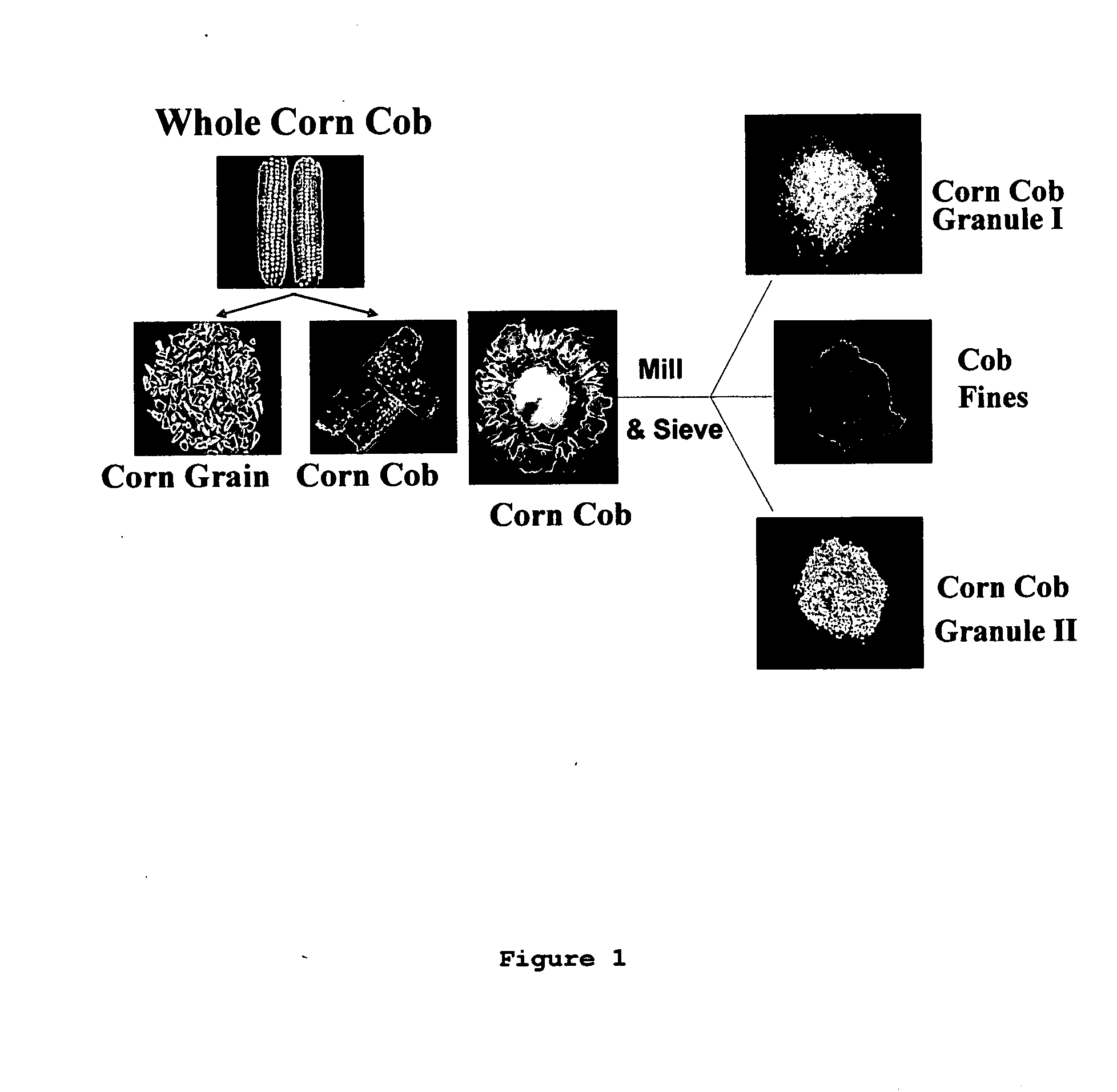
- Corncob granules are modified using chemical treatments like silane modification, Ammonia Fiber Explosion (AFEX) treatment, and plasma treatment to enhance compatibility with biodegradable polymers like polylactic acid (PLA), improving mechanical and thermal properties of the composites.

Environmental Regulations for Composite Materials
The regulatory landscape for composite materials has evolved significantly in response to growing environmental concerns and sustainability imperatives. The European Union's REACH regulation stands as one of the most comprehensive frameworks, requiring manufacturers to register, evaluate, and authorize chemical substances used in fiber-reinforced polymers. This regulation particularly impacts the selection of matrix materials, fiber treatments, and additives, compelling manufacturers to demonstrate the safety and environmental compatibility of their composite formulations.
In the United States, the Environmental Protection Agency enforces multiple regulations affecting composite materials through the Toxic Substances Control Act and various air quality standards. These regulations specifically address volatile organic compound emissions during manufacturing processes and end-of-life disposal requirements. The EPA's recent focus on per- and polyfluoroalkyl substances has created additional compliance challenges for manufacturers using fluorinated surface treatments or processing aids in their composite systems.
The automotive and aerospace industries face sector-specific regulations that directly influence eco-friendly composite development. The European End-of-Life Vehicles Directive mandates that 95% of vehicle weight must be recoverable by 2015, driving innovation in recyclable composite materials. Similarly, the International Civil Aviation Organization has established carbon emission reduction targets that encourage the adoption of lightweight, sustainable composite materials in aircraft manufacturing.
Emerging regulations focus increasingly on lifecycle assessment requirements and carbon footprint disclosure. The EU's proposed Corporate Sustainability Reporting Directive will require companies to report detailed environmental impact data, including material sourcing and manufacturing processes. These requirements are pushing manufacturers toward bio-based fibers, recyclable matrix systems, and closed-loop manufacturing processes.
Regional variations in regulatory approaches create additional complexity for global manufacturers. While European regulations emphasize precautionary principles and comprehensive chemical assessment, Asian markets are developing frameworks that balance environmental protection with industrial competitiveness. China's recent implementation of stricter VOC emission standards for composite manufacturing facilities exemplifies this evolving regulatory environment.
Compliance strategies must address both current requirements and anticipated future regulations. The trend toward extended producer responsibility and circular economy principles suggests that future regulations will increasingly focus on material traceability, recycling infrastructure, and end-of-life management systems for composite materials.
In the United States, the Environmental Protection Agency enforces multiple regulations affecting composite materials through the Toxic Substances Control Act and various air quality standards. These regulations specifically address volatile organic compound emissions during manufacturing processes and end-of-life disposal requirements. The EPA's recent focus on per- and polyfluoroalkyl substances has created additional compliance challenges for manufacturers using fluorinated surface treatments or processing aids in their composite systems.
The automotive and aerospace industries face sector-specific regulations that directly influence eco-friendly composite development. The European End-of-Life Vehicles Directive mandates that 95% of vehicle weight must be recoverable by 2015, driving innovation in recyclable composite materials. Similarly, the International Civil Aviation Organization has established carbon emission reduction targets that encourage the adoption of lightweight, sustainable composite materials in aircraft manufacturing.
Emerging regulations focus increasingly on lifecycle assessment requirements and carbon footprint disclosure. The EU's proposed Corporate Sustainability Reporting Directive will require companies to report detailed environmental impact data, including material sourcing and manufacturing processes. These requirements are pushing manufacturers toward bio-based fibers, recyclable matrix systems, and closed-loop manufacturing processes.
Regional variations in regulatory approaches create additional complexity for global manufacturers. While European regulations emphasize precautionary principles and comprehensive chemical assessment, Asian markets are developing frameworks that balance environmental protection with industrial competitiveness. China's recent implementation of stricter VOC emission standards for composite manufacturing facilities exemplifies this evolving regulatory environment.
Compliance strategies must address both current requirements and anticipated future regulations. The trend toward extended producer responsibility and circular economy principles suggests that future regulations will increasingly focus on material traceability, recycling infrastructure, and end-of-life management systems for composite materials.
Life Cycle Assessment of Eco-Friendly FRP Systems
Life Cycle Assessment (LCA) represents a comprehensive methodology for evaluating the environmental impacts of eco-friendly fiber-reinforced polymer systems throughout their entire lifespan. This systematic approach encompasses four distinct phases: raw material extraction, manufacturing processes, service life, and end-of-life management. For eco-friendly FRP systems, LCA provides critical insights into the true environmental benefits compared to conventional composite materials.
The assessment begins with raw material acquisition, where bio-based fibers such as flax, hemp, or kenaf demonstrate significantly lower carbon footprints compared to synthetic alternatives. Natural fiber cultivation typically requires minimal energy input and can sequester atmospheric carbon during growth. However, processing these fibers into suitable reinforcement materials may introduce environmental burdens through chemical treatments and transportation requirements.
Manufacturing phase analysis reveals that eco-friendly FRP production often exhibits reduced energy consumption and lower volatile organic compound emissions. Bio-based matrix systems, including polylactic acid and polyhydroxyalkanoates, generally require less intensive processing conditions than traditional thermoset resins. The manufacturing energy profile shows particular advantages when renewable energy sources power production facilities.
Service life evaluation demonstrates that eco-friendly FRP systems can achieve comparable performance durability to conventional composites while maintaining their environmental advantages. The assessment considers factors such as maintenance requirements, repair frequency, and performance degradation over time. Natural fiber composites may exhibit different weathering characteristics, potentially affecting long-term environmental benefits.
End-of-life scenarios present unique opportunities for eco-friendly FRP systems. Unlike traditional composites that typically require energy-intensive disposal methods, bio-based systems offer multiple pathways including composting, biodegradation, and chemical recycling. Some natural fiber composites can be processed through industrial composting facilities, returning nutrients to soil systems.
Quantitative LCA results typically show 20-40% reduction in global warming potential for eco-friendly FRP systems compared to conventional alternatives. Water usage and acidification impacts also demonstrate measurable improvements, though specific benefits vary depending on fiber source and processing methods employed in system development.
The assessment begins with raw material acquisition, where bio-based fibers such as flax, hemp, or kenaf demonstrate significantly lower carbon footprints compared to synthetic alternatives. Natural fiber cultivation typically requires minimal energy input and can sequester atmospheric carbon during growth. However, processing these fibers into suitable reinforcement materials may introduce environmental burdens through chemical treatments and transportation requirements.
Manufacturing phase analysis reveals that eco-friendly FRP production often exhibits reduced energy consumption and lower volatile organic compound emissions. Bio-based matrix systems, including polylactic acid and polyhydroxyalkanoates, generally require less intensive processing conditions than traditional thermoset resins. The manufacturing energy profile shows particular advantages when renewable energy sources power production facilities.
Service life evaluation demonstrates that eco-friendly FRP systems can achieve comparable performance durability to conventional composites while maintaining their environmental advantages. The assessment considers factors such as maintenance requirements, repair frequency, and performance degradation over time. Natural fiber composites may exhibit different weathering characteristics, potentially affecting long-term environmental benefits.
End-of-life scenarios present unique opportunities for eco-friendly FRP systems. Unlike traditional composites that typically require energy-intensive disposal methods, bio-based systems offer multiple pathways including composting, biodegradation, and chemical recycling. Some natural fiber composites can be processed through industrial composting facilities, returning nutrients to soil systems.
Quantitative LCA results typically show 20-40% reduction in global warming potential for eco-friendly FRP systems compared to conventional alternatives. Water usage and acidification impacts also demonstrate measurable improvements, though specific benefits vary depending on fiber source and processing methods employed in system development.
Unlock deeper insights with PatSnap Eureka Quick Research — get a full tech report to explore trends and direct your research. Try now!
Generate Your Research Report Instantly with AI Agent
Supercharge your innovation with PatSnap Eureka AI Agent Platform!