

How to Evaluate Semiconductor Burn-In Lifespan Using Predictive Models
MAY 25, 20269 MIN READ
Generate Your Research Report Instantly with AI Agent
PatSnap Eureka helps you evaluate technical feasibility & market potential.
Semiconductor Burn-In Background and Predictive Goals
Semiconductor burn-in testing has emerged as a critical reliability assurance methodology in the electronics industry, tracing its origins to the early days of integrated circuit manufacturing in the 1960s. Initially developed as a quality control measure to identify early-life failures, burn-in processes subject semiconductor devices to elevated temperature and voltage stress conditions to accelerate potential failure mechanisms. This approach enables manufacturers to screen out defective components before they reach end customers, thereby improving overall product reliability and reducing field failure rates.
The evolution of semiconductor technology has dramatically increased the complexity and sophistication of burn-in requirements. As device geometries have shrunk to nanometer scales and circuit densities have exponentially increased, traditional burn-in methodologies have faced significant challenges in maintaining effectiveness while managing costs. Modern semiconductor devices exhibit increasingly complex failure modes, making it essential to develop more precise and predictive approaches to burn-in testing.
The integration of predictive modeling into burn-in evaluation represents a paradigmatic shift from reactive to proactive reliability management. Traditional burn-in processes relied heavily on empirical data and standardized test protocols, often resulting in over-testing or under-testing scenarios. Predictive models leverage advanced statistical techniques, machine learning algorithms, and physics-based modeling to optimize burn-in parameters and predict device lifespan with greater accuracy.
Current technological objectives focus on developing comprehensive predictive frameworks that can accurately forecast semiconductor device reliability under various operational conditions. These models aim to establish correlations between burn-in test results and long-term field performance, enabling manufacturers to optimize test duration, temperature profiles, and stress conditions. The ultimate goal is to achieve maximum defect detection efficiency while minimizing test costs and time-to-market pressures.
Advanced predictive modeling approaches seek to incorporate multiple data sources, including manufacturing process parameters, material characteristics, and environmental factors, to create holistic reliability predictions. These models must account for the stochastic nature of semiconductor failures while providing actionable insights for production optimization and quality assurance decision-making.
The evolution of semiconductor technology has dramatically increased the complexity and sophistication of burn-in requirements. As device geometries have shrunk to nanometer scales and circuit densities have exponentially increased, traditional burn-in methodologies have faced significant challenges in maintaining effectiveness while managing costs. Modern semiconductor devices exhibit increasingly complex failure modes, making it essential to develop more precise and predictive approaches to burn-in testing.
The integration of predictive modeling into burn-in evaluation represents a paradigmatic shift from reactive to proactive reliability management. Traditional burn-in processes relied heavily on empirical data and standardized test protocols, often resulting in over-testing or under-testing scenarios. Predictive models leverage advanced statistical techniques, machine learning algorithms, and physics-based modeling to optimize burn-in parameters and predict device lifespan with greater accuracy.
Current technological objectives focus on developing comprehensive predictive frameworks that can accurately forecast semiconductor device reliability under various operational conditions. These models aim to establish correlations between burn-in test results and long-term field performance, enabling manufacturers to optimize test duration, temperature profiles, and stress conditions. The ultimate goal is to achieve maximum defect detection efficiency while minimizing test costs and time-to-market pressures.
Advanced predictive modeling approaches seek to incorporate multiple data sources, including manufacturing process parameters, material characteristics, and environmental factors, to create holistic reliability predictions. These models must account for the stochastic nature of semiconductor failures while providing actionable insights for production optimization and quality assurance decision-making.
Market Demand for Semiconductor Reliability Testing
The semiconductor industry faces unprecedented pressure to deliver highly reliable components across diverse applications, driving substantial market demand for comprehensive reliability testing solutions. Modern electronic systems in automotive, aerospace, medical devices, and consumer electronics require semiconductors that can operate reliably throughout their intended lifespan, often spanning decades in critical applications.
Automotive electronics represents one of the fastest-growing segments demanding rigorous semiconductor reliability testing. The transition toward electric vehicles and autonomous driving systems has intensified requirements for semiconductor components that must withstand extreme temperature variations, vibrations, and extended operational periods without failure. These applications cannot tolerate unexpected component failures, making predictive burn-in testing essential for ensuring long-term reliability.
The aerospace and defense sectors continue to drive demand for advanced reliability testing methodologies. Components used in satellites, aircraft systems, and military equipment must demonstrate exceptional reliability under harsh environmental conditions. Traditional testing approaches often prove insufficient for predicting long-term performance, creating strong market pull for predictive modeling solutions that can accurately forecast component lifespan based on accelerated burn-in data.
Medical device manufacturers increasingly rely on sophisticated semiconductor reliability testing to meet stringent regulatory requirements. Implantable devices, diagnostic equipment, and life-support systems demand components with proven longevity and predictable failure patterns. The ability to model and predict semiconductor lifespan using burn-in data has become crucial for regulatory approval and patient safety assurance.
Consumer electronics markets, while traditionally less demanding regarding reliability, now show growing interest in predictive testing approaches. The proliferation of Internet of Things devices, smart home systems, and wearable technology has created demand for components with predictable performance degradation patterns. Manufacturers seek cost-effective testing solutions that can optimize burn-in procedures while maintaining quality standards.
Industrial automation and infrastructure applications represent another significant market segment driving demand for reliability testing solutions. Power management semiconductors, motor controllers, and sensor interfaces in industrial environments require predictable performance over extended operational periods. The economic impact of unexpected failures in industrial settings creates strong incentives for implementing predictive burn-in evaluation methodologies.
The market demand extends beyond traditional semiconductor manufacturers to include third-party testing laboratories, equipment suppliers, and software solution providers specializing in predictive modeling tools for reliability assessment.
Automotive electronics represents one of the fastest-growing segments demanding rigorous semiconductor reliability testing. The transition toward electric vehicles and autonomous driving systems has intensified requirements for semiconductor components that must withstand extreme temperature variations, vibrations, and extended operational periods without failure. These applications cannot tolerate unexpected component failures, making predictive burn-in testing essential for ensuring long-term reliability.
The aerospace and defense sectors continue to drive demand for advanced reliability testing methodologies. Components used in satellites, aircraft systems, and military equipment must demonstrate exceptional reliability under harsh environmental conditions. Traditional testing approaches often prove insufficient for predicting long-term performance, creating strong market pull for predictive modeling solutions that can accurately forecast component lifespan based on accelerated burn-in data.
Medical device manufacturers increasingly rely on sophisticated semiconductor reliability testing to meet stringent regulatory requirements. Implantable devices, diagnostic equipment, and life-support systems demand components with proven longevity and predictable failure patterns. The ability to model and predict semiconductor lifespan using burn-in data has become crucial for regulatory approval and patient safety assurance.
Consumer electronics markets, while traditionally less demanding regarding reliability, now show growing interest in predictive testing approaches. The proliferation of Internet of Things devices, smart home systems, and wearable technology has created demand for components with predictable performance degradation patterns. Manufacturers seek cost-effective testing solutions that can optimize burn-in procedures while maintaining quality standards.
Industrial automation and infrastructure applications represent another significant market segment driving demand for reliability testing solutions. Power management semiconductors, motor controllers, and sensor interfaces in industrial environments require predictable performance over extended operational periods. The economic impact of unexpected failures in industrial settings creates strong incentives for implementing predictive burn-in evaluation methodologies.
The market demand extends beyond traditional semiconductor manufacturers to include third-party testing laboratories, equipment suppliers, and software solution providers specializing in predictive modeling tools for reliability assessment.
Current Burn-In Testing Challenges and Limitations
Traditional burn-in testing methodologies face significant operational and economic constraints that limit their effectiveness in modern semiconductor manufacturing environments. The conventional approach requires subjecting devices to elevated temperatures and voltages for extended periods, typically ranging from 48 to 168 hours, which creates substantial bottlenecks in production workflows. This extended testing duration directly impacts manufacturing throughput and increases overall production costs, particularly problematic in high-volume manufacturing scenarios where time-to-market pressures are intense.
Statistical sampling limitations represent another critical challenge in current burn-in practices. Most manufacturers rely on sample-based testing approaches due to cost constraints, testing only a fraction of produced devices while extrapolating results to entire production lots. This methodology introduces inherent uncertainty regarding the reliability of untested units and may fail to detect localized defects or process variations that affect specific device populations within a batch.
Temperature and stress condition standardization presents ongoing difficulties across different device types and applications. Current burn-in protocols often apply uniform stress conditions regardless of the specific operational requirements or failure mechanisms relevant to particular semiconductor devices. This one-size-fits-all approach may either under-stress devices destined for harsh environments or over-stress components intended for benign applications, leading to suboptimal reliability predictions.
Data interpretation and correlation challenges significantly impact the effectiveness of traditional burn-in testing. Converting burn-in test results into meaningful field reliability predictions requires complex statistical models that account for acceleration factors, temperature dependencies, and various failure mechanisms. Many organizations struggle with establishing accurate correlations between accelerated test conditions and real-world operating environments, leading to conservative over-testing or inadequate reliability assurance.
Equipment maintenance and calibration requirements add operational complexity to burn-in testing programs. High-temperature chambers, precision power supplies, and monitoring systems require regular calibration and maintenance to ensure consistent test conditions. Equipment failures or calibration drift can compromise test validity and necessitate costly retesting procedures.
The emergence of advanced semiconductor technologies, including system-on-chip designs and heterogeneous integration, has outpaced the evolution of burn-in testing methodologies. Traditional approaches may not adequately address the complex failure modes and interactions present in modern devices, creating gaps in reliability assessment capabilities that predictive modeling approaches could potentially address more effectively.
Statistical sampling limitations represent another critical challenge in current burn-in practices. Most manufacturers rely on sample-based testing approaches due to cost constraints, testing only a fraction of produced devices while extrapolating results to entire production lots. This methodology introduces inherent uncertainty regarding the reliability of untested units and may fail to detect localized defects or process variations that affect specific device populations within a batch.
Temperature and stress condition standardization presents ongoing difficulties across different device types and applications. Current burn-in protocols often apply uniform stress conditions regardless of the specific operational requirements or failure mechanisms relevant to particular semiconductor devices. This one-size-fits-all approach may either under-stress devices destined for harsh environments or over-stress components intended for benign applications, leading to suboptimal reliability predictions.
Data interpretation and correlation challenges significantly impact the effectiveness of traditional burn-in testing. Converting burn-in test results into meaningful field reliability predictions requires complex statistical models that account for acceleration factors, temperature dependencies, and various failure mechanisms. Many organizations struggle with establishing accurate correlations between accelerated test conditions and real-world operating environments, leading to conservative over-testing or inadequate reliability assurance.
Equipment maintenance and calibration requirements add operational complexity to burn-in testing programs. High-temperature chambers, precision power supplies, and monitoring systems require regular calibration and maintenance to ensure consistent test conditions. Equipment failures or calibration drift can compromise test validity and necessitate costly retesting procedures.
The emergence of advanced semiconductor technologies, including system-on-chip designs and heterogeneous integration, has outpaced the evolution of burn-in testing methodologies. Traditional approaches may not adequately address the complex failure modes and interactions present in modern devices, creating gaps in reliability assessment capabilities that predictive modeling approaches could potentially address more effectively.
Existing Predictive Models for Burn-In Evaluation
01 Thermal management and heat dissipation techniques
Advanced thermal management systems and heat dissipation methods are crucial for extending semiconductor lifespan. These techniques include improved heat sink designs, thermal interface materials, and active cooling systems that help maintain optimal operating temperatures and prevent thermal degradation of semiconductor devices.- Thermal management and heat dissipation techniques: Effective thermal management is crucial for extending semiconductor lifespan by preventing overheating and thermal stress. Various cooling methods, heat sink designs, and thermal interface materials are employed to maintain optimal operating temperatures. Advanced thermal management systems help reduce thermal cycling effects and prevent performance degradation over time.
- Reliability testing and failure prediction methods: Comprehensive testing methodologies and predictive algorithms are used to assess semiconductor reliability and estimate operational lifespan. These approaches include accelerated aging tests, stress testing protocols, and statistical analysis methods to identify potential failure modes and predict device longevity under various operating conditions.
- Material composition and structural optimization: The selection of semiconductor materials and optimization of device structures significantly impact longevity and performance stability. Advanced material engineering techniques focus on reducing defect density, improving crystal quality, and enhancing resistance to environmental factors that can cause degradation over time.
- Power management and electrical stress reduction: Implementing sophisticated power management systems and controlling electrical stress factors helps extend semiconductor operational life. These techniques include voltage regulation, current limiting, and power cycling optimization to minimize electrical degradation and maintain device performance throughout its operational lifetime.
- Environmental protection and packaging technologies: Advanced packaging and encapsulation methods protect semiconductors from environmental factors such as moisture, contamination, and mechanical stress. These protective measures include hermetic sealing, barrier coatings, and robust packaging designs that prevent external factors from compromising device integrity and extending operational lifespan.
02 Reliability testing and failure prediction methods
Comprehensive reliability testing methodologies and predictive failure analysis techniques enable better assessment of semiconductor longevity. These approaches include accelerated aging tests, stress testing protocols, and statistical models that help predict device lifetime under various operating conditions.Expand Specific Solutions03 Material composition and structural improvements
Enhanced material compositions and structural modifications in semiconductor manufacturing contribute to increased device durability. These improvements focus on using more stable materials, optimized crystal structures, and protective coatings that resist degradation mechanisms such as electromigration and corrosion.Expand Specific Solutions04 Power management and electrical stress reduction
Sophisticated power management circuits and electrical stress reduction techniques help minimize wear-out mechanisms in semiconductors. These methods include voltage regulation, current limiting, and dynamic power scaling that reduce electrical stress and extend operational lifetime.Expand Specific Solutions05 Environmental protection and packaging technologies
Advanced packaging technologies and environmental protection measures shield semiconductor devices from external factors that can reduce lifespan. These include hermetic sealing, moisture barriers, radiation shielding, and protective encapsulation materials that prevent environmental degradation.Expand Specific Solutions
Key Players in Semiconductor Testing and Modeling Industry
The semiconductor burn-in lifespan evaluation using predictive models represents a mature yet evolving technological domain within the broader semiconductor reliability ecosystem. The industry is currently in a consolidation phase, with established players like Intel, Taiwan Semiconductor Manufacturing Company, Samsung Electronics, and Applied Materials leading technological advancement through sophisticated predictive analytics and AI-driven reliability assessment tools. Market size continues expanding driven by automotive electronics, IoT devices, and high-performance computing demands requiring enhanced reliability standards. Technology maturity varies significantly across companies, with foundries like TSMC and equipment manufacturers like Applied Materials demonstrating advanced predictive modeling capabilities, while traditional semiconductor companies including Renesas Electronics, Mitsubishi Electric, and emerging players like Yangtze Memory Technologies are rapidly developing their predictive burn-in methodologies to compete effectively in reliability-critical applications.
Intel Corp.
Technical Solution: Intel employs advanced predictive modeling techniques for semiconductor burn-in lifespan evaluation, utilizing machine learning algorithms combined with accelerated life testing (ALT) methodologies. Their approach integrates physics-based models with statistical analysis to predict device reliability under various stress conditions including temperature, voltage, and current cycling. Intel's predictive framework incorporates Weibull distribution analysis and Arrhenius models to extrapolate long-term reliability from short-term burn-in data, enabling accurate lifetime predictions while reducing testing time by up to 60%. The company leverages big data analytics from their extensive manufacturing database to continuously refine prediction accuracy and optimize burn-in parameters for different product lines.
Strengths: Extensive manufacturing data for model training, advanced AI/ML capabilities, proven track record in reliability engineering. Weaknesses: Models may be optimized primarily for their specific process technologies, potentially limiting applicability to other semiconductor types.
Taiwan Semiconductor Manufacturing Co., Ltd.
Technical Solution: TSMC has implemented sophisticated predictive modeling frameworks specifically designed for advanced node semiconductor burn-in evaluation. Their approach combines physics-informed neural networks with traditional reliability models to predict device lifespan across various technology nodes from 28nm to 3nm processes. The system utilizes in-situ monitoring during burn-in testing, collecting real-time electrical parameters and correlating them with long-term reliability outcomes. TSMC's predictive models incorporate process variation effects and aging mechanisms specific to FinFET and GAA technologies, enabling accurate lifetime predictions with confidence intervals. Their methodology includes adaptive burn-in strategies that adjust test conditions based on real-time model predictions, optimizing both test efficiency and reliability screening effectiveness.
Strengths: Leading-edge process technology expertise, extensive customer collaboration data, advanced process control systems. Weaknesses: Focus primarily on logic devices may limit applicability to memory or analog components, high complexity in model maintenance across multiple technology nodes.
Core Innovations in Semiconductor Lifespan Prediction
Reliability prediction method for semiconductor device
PatentInactiveJP2022123289A
Innovation
- A reliability prediction method that calculates changes in alloy phases, sets metal oxide phases, and predicts crack propagation in the joint between an electrode pad and a bonding wire using a simulation-based approach, incorporating phase field and finite element methods to estimate the device's lifetime without prolonged testing.


Method of predicting reliability of semiconductor device, reliability prediction system using the same and storage medium storing program causing computer to execute the same
PatentInactiveUS20090265155A1
Innovation
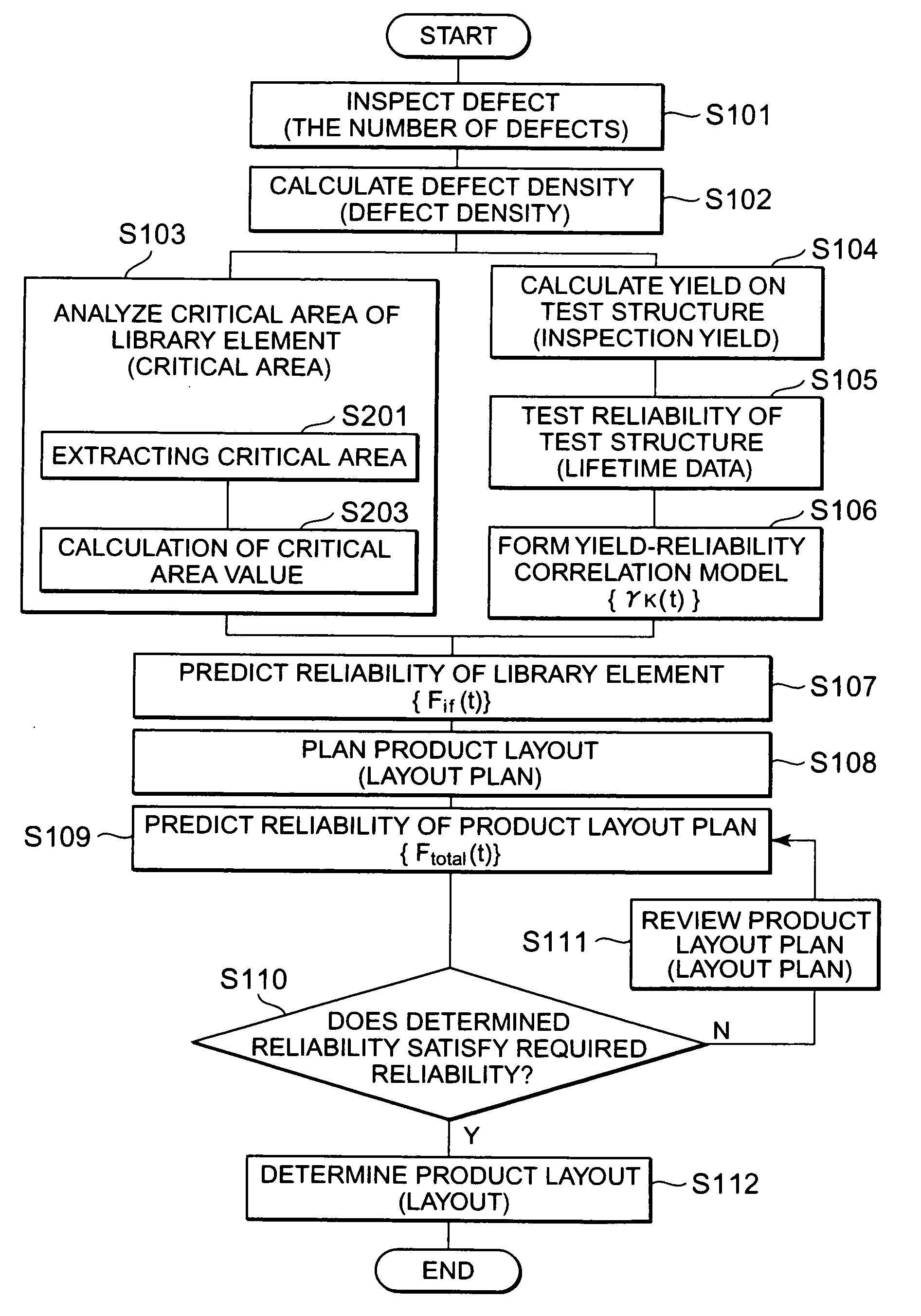
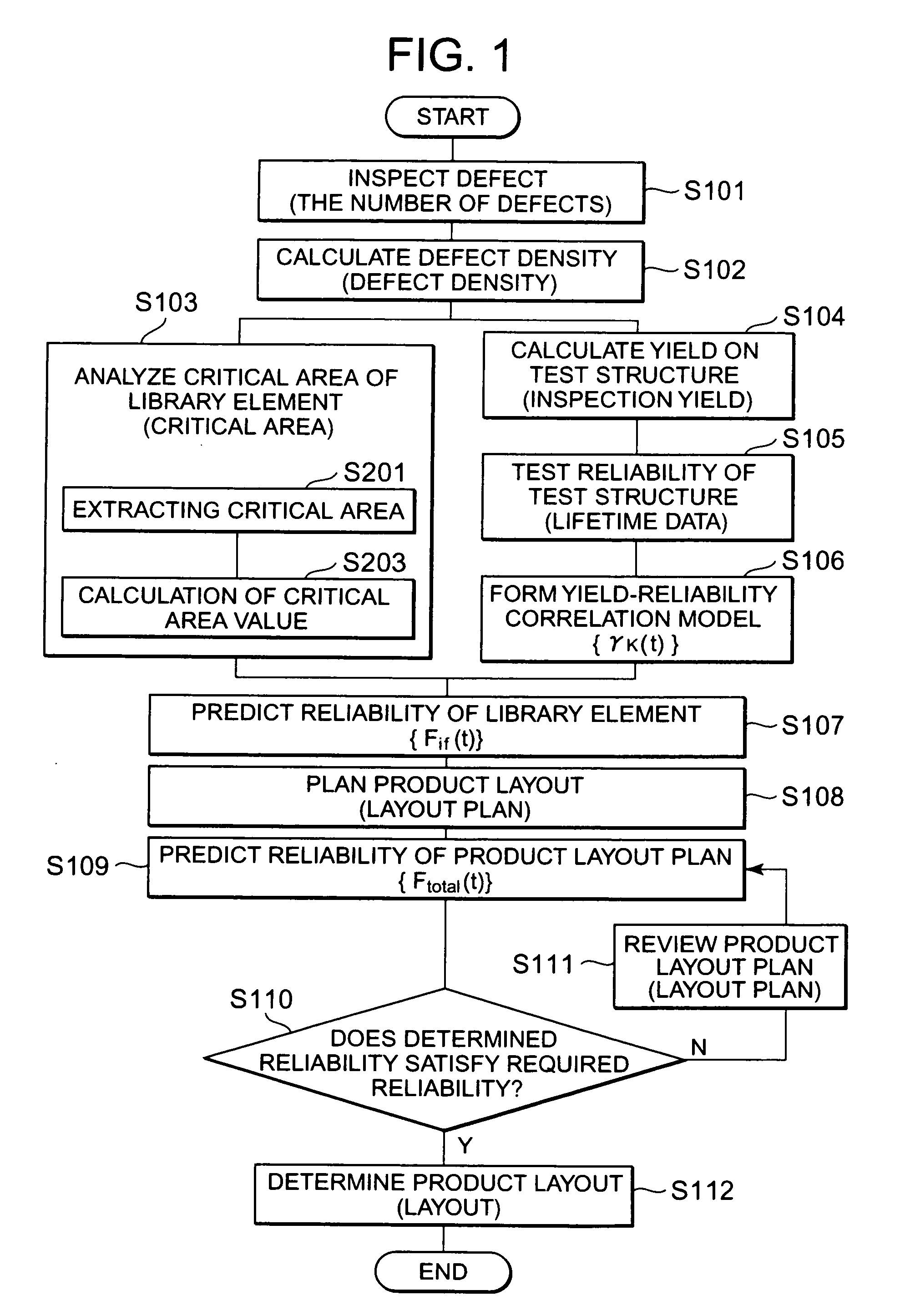
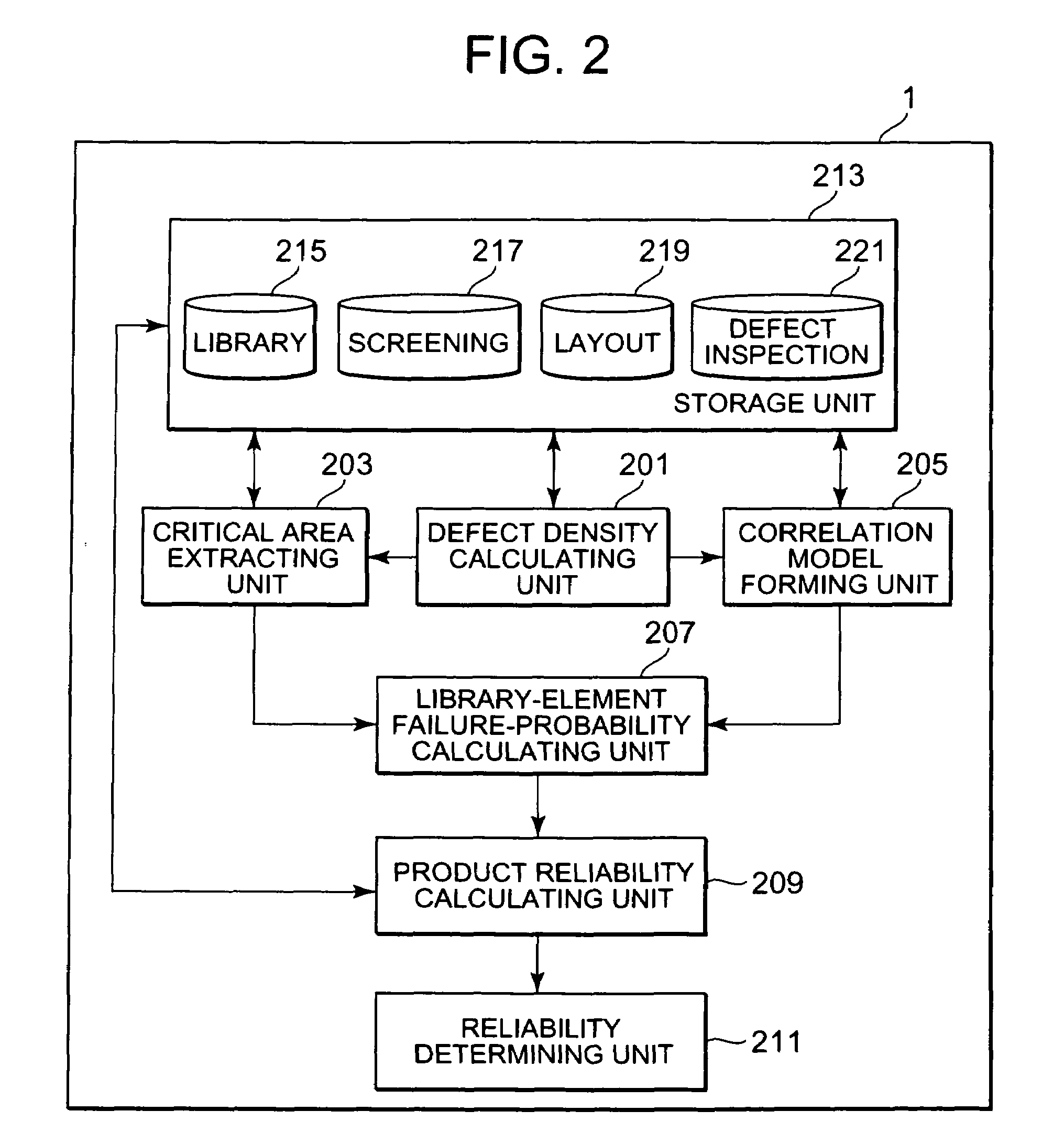
- A method and system that calculate defect density for wiring patterns, extract critical areas for library elements, form a correlation model from failure probabilities and defect occurrence, and use this data to predict the reliability of semiconductor devices before actual design, allowing for initial reliability estimation without post-completion testing.

Quality Standards for Semiconductor Reliability Testing
Quality standards for semiconductor reliability testing establish the fundamental framework for evaluating device performance and longevity through systematic testing protocols. These standards ensure consistent methodologies across the industry while providing benchmarks for acceptable failure rates and performance degradation thresholds. The integration of predictive modeling within these quality frameworks represents a significant advancement in reliability assessment capabilities.
International standards such as JEDEC JESD22 series and IEC 62506 define comprehensive testing procedures for semiconductor burn-in evaluation. These standards specify environmental conditions, test durations, sample sizes, and failure criteria that must be met during reliability testing. The JEDEC JESD22-A108 standard specifically addresses burn-in procedures, establishing temperature profiles, voltage stress levels, and monitoring requirements essential for accurate lifespan prediction.
Quality standards mandate statistical approaches for data collection and analysis during burn-in testing. The standards require documentation of failure modes, time-to-failure distributions, and environmental parameter correlations. These data requirements directly support predictive model development by ensuring sufficient statistical rigor and data quality for accurate algorithmic training and validation processes.
Compliance frameworks within quality standards address the integration of predictive analytics into traditional testing workflows. Standards specify requirements for model validation, uncertainty quantification, and confidence interval reporting. The ISO 26262 functional safety standard provides additional guidance for semiconductor applications in safety-critical systems, establishing requirements for predictive model accuracy and reliability assessment methodologies.
Emerging quality standards increasingly recognize machine learning and artificial intelligence applications in reliability testing. Recent updates to JEDEC standards incorporate provisions for data-driven testing approaches, including requirements for training data quality, model transparency, and algorithmic bias assessment. These evolving standards ensure that predictive models maintain the same rigor and reliability as traditional testing methods.
The harmonization of international quality standards facilitates global semiconductor reliability assessment while supporting advanced predictive modeling techniques. Standards organizations continue to develop guidelines that balance traditional testing rigor with innovative analytical approaches, ensuring that predictive models for burn-in lifespan evaluation meet stringent quality requirements across diverse application domains and regulatory environments.
International standards such as JEDEC JESD22 series and IEC 62506 define comprehensive testing procedures for semiconductor burn-in evaluation. These standards specify environmental conditions, test durations, sample sizes, and failure criteria that must be met during reliability testing. The JEDEC JESD22-A108 standard specifically addresses burn-in procedures, establishing temperature profiles, voltage stress levels, and monitoring requirements essential for accurate lifespan prediction.
Quality standards mandate statistical approaches for data collection and analysis during burn-in testing. The standards require documentation of failure modes, time-to-failure distributions, and environmental parameter correlations. These data requirements directly support predictive model development by ensuring sufficient statistical rigor and data quality for accurate algorithmic training and validation processes.
Compliance frameworks within quality standards address the integration of predictive analytics into traditional testing workflows. Standards specify requirements for model validation, uncertainty quantification, and confidence interval reporting. The ISO 26262 functional safety standard provides additional guidance for semiconductor applications in safety-critical systems, establishing requirements for predictive model accuracy and reliability assessment methodologies.
Emerging quality standards increasingly recognize machine learning and artificial intelligence applications in reliability testing. Recent updates to JEDEC standards incorporate provisions for data-driven testing approaches, including requirements for training data quality, model transparency, and algorithmic bias assessment. These evolving standards ensure that predictive models maintain the same rigor and reliability as traditional testing methods.
The harmonization of international quality standards facilitates global semiconductor reliability assessment while supporting advanced predictive modeling techniques. Standards organizations continue to develop guidelines that balance traditional testing rigor with innovative analytical approaches, ensuring that predictive models for burn-in lifespan evaluation meet stringent quality requirements across diverse application domains and regulatory environments.
Cost-Benefit Analysis of Predictive vs Traditional Testing
The economic evaluation of predictive modeling versus traditional burn-in testing reveals significant cost differentials across multiple operational dimensions. Traditional burn-in testing typically requires substantial capital investment in environmental chambers, power supplies, and monitoring equipment, with operational costs ranging from $0.50 to $2.00 per device depending on test duration and complexity. These costs escalate with extended burn-in periods, often spanning 48 to 168 hours for critical applications.
Predictive modeling approaches demonstrate markedly different cost structures, characterized by higher initial development investments but substantially reduced per-unit testing expenses. Implementation costs for predictive systems range from $500,000 to $2 million, encompassing algorithm development, validation studies, and integration infrastructure. However, operational costs decrease dramatically to $0.05 to $0.20 per device once systems achieve maturity.
Time-to-market advantages represent a critical benefit dimension for predictive approaches. Traditional burn-in testing introduces 2-7 days of additional cycle time per production lot, directly impacting delivery schedules and inventory carrying costs. Predictive models enable real-time or near-real-time reliability assessments, reducing qualification cycles by 60-80% and accelerating product launches by weeks or months.
Quality cost implications differ substantially between approaches. Traditional testing provides high confidence through actual stress exposure but may miss early-life failure mechanisms not activated during standard burn-in conditions. Predictive models offer broader failure mode coverage through multi-parameter analysis but introduce risks associated with model accuracy and validation completeness. False positive rates in predictive systems can range from 2-8%, potentially leading to unnecessary device rejection costs.
Scalability economics favor predictive modeling for high-volume production environments. Traditional burn-in capacity constraints require proportional infrastructure expansion, while predictive systems demonstrate economies of scale with marginal cost increases for additional throughput. Break-even analysis typically shows predictive approaches becoming cost-advantageous at production volumes exceeding 100,000 units annually, with savings potential reaching 40-60% at mature implementation stages.
Predictive modeling approaches demonstrate markedly different cost structures, characterized by higher initial development investments but substantially reduced per-unit testing expenses. Implementation costs for predictive systems range from $500,000 to $2 million, encompassing algorithm development, validation studies, and integration infrastructure. However, operational costs decrease dramatically to $0.05 to $0.20 per device once systems achieve maturity.
Time-to-market advantages represent a critical benefit dimension for predictive approaches. Traditional burn-in testing introduces 2-7 days of additional cycle time per production lot, directly impacting delivery schedules and inventory carrying costs. Predictive models enable real-time or near-real-time reliability assessments, reducing qualification cycles by 60-80% and accelerating product launches by weeks or months.
Quality cost implications differ substantially between approaches. Traditional testing provides high confidence through actual stress exposure but may miss early-life failure mechanisms not activated during standard burn-in conditions. Predictive models offer broader failure mode coverage through multi-parameter analysis but introduce risks associated with model accuracy and validation completeness. False positive rates in predictive systems can range from 2-8%, potentially leading to unnecessary device rejection costs.
Scalability economics favor predictive modeling for high-volume production environments. Traditional burn-in capacity constraints require proportional infrastructure expansion, while predictive systems demonstrate economies of scale with marginal cost increases for additional throughput. Break-even analysis typically shows predictive approaches becoming cost-advantageous at production volumes exceeding 100,000 units annually, with savings potential reaching 40-60% at mature implementation stages.
Unlock deeper insights with PatSnap Eureka Quick Research — get a full tech report to explore trends and direct your research. Try now!
Generate Your Research Report Instantly with AI Agent
Supercharge your innovation with PatSnap Eureka AI Agent Platform!