

How to Filter Force Control Signals Without Adding 10 ms Delay
MAY 8, 20269 MIN READ
Generate Your Research Report Instantly with AI Agent
Patsnap Eureka helps you evaluate technical feasibility & market potential.
Force Control Signal Filtering Background and Objectives
Force control systems have become increasingly critical in modern robotics, manufacturing automation, and precision assembly applications where accurate force feedback and rapid response are essential for operational success. The fundamental challenge lies in maintaining signal integrity while achieving real-time performance requirements that are becoming more stringent across industries.
Traditional force control implementations rely heavily on sensor feedback loops that must process, filter, and respond to force measurements within microsecond timeframes. However, conventional filtering approaches introduce significant latency penalties, often adding 10 milliseconds or more to the control loop response time. This delay severely impacts system performance in applications requiring precise force regulation, such as robotic surgery, semiconductor manufacturing, and high-speed assembly operations.
The 10-millisecond delay threshold represents a critical performance boundary in force control applications. Beyond this latency, systems experience degraded stability margins, reduced tracking accuracy, and potential oscillatory behavior that can compromise both product quality and operational safety. Industries such as automotive manufacturing and electronics assembly have established strict timing requirements where even minor delays can result in defective products or equipment damage.
Current market demands are driving the need for force control systems that can maintain filtering effectiveness while operating within sub-millisecond response windows. Applications in collaborative robotics, where human-robot interaction requires immediate force feedback for safety, exemplify the urgency of this technical challenge. Similarly, high-frequency machining operations and precision positioning systems cannot tolerate the performance degradation associated with traditional filtering delays.
The primary objective of advanced force control signal filtering is to develop methodologies that preserve signal quality and noise rejection capabilities while eliminating the inherent latency of conventional approaches. This requires innovative filtering architectures that can process force measurements in real-time without compromising the fidelity of the control signal or introducing phase delays that destabilize the overall system.
Secondary objectives include maintaining robust performance across varying operational conditions, ensuring compatibility with existing force sensor technologies, and providing scalable solutions that can adapt to different force ranges and application requirements. The ultimate goal is achieving zero-latency filtering that enables force control systems to operate at their theoretical performance limits while maintaining the reliability and precision demanded by modern industrial applications.
Traditional force control implementations rely heavily on sensor feedback loops that must process, filter, and respond to force measurements within microsecond timeframes. However, conventional filtering approaches introduce significant latency penalties, often adding 10 milliseconds or more to the control loop response time. This delay severely impacts system performance in applications requiring precise force regulation, such as robotic surgery, semiconductor manufacturing, and high-speed assembly operations.
The 10-millisecond delay threshold represents a critical performance boundary in force control applications. Beyond this latency, systems experience degraded stability margins, reduced tracking accuracy, and potential oscillatory behavior that can compromise both product quality and operational safety. Industries such as automotive manufacturing and electronics assembly have established strict timing requirements where even minor delays can result in defective products or equipment damage.
Current market demands are driving the need for force control systems that can maintain filtering effectiveness while operating within sub-millisecond response windows. Applications in collaborative robotics, where human-robot interaction requires immediate force feedback for safety, exemplify the urgency of this technical challenge. Similarly, high-frequency machining operations and precision positioning systems cannot tolerate the performance degradation associated with traditional filtering delays.
The primary objective of advanced force control signal filtering is to develop methodologies that preserve signal quality and noise rejection capabilities while eliminating the inherent latency of conventional approaches. This requires innovative filtering architectures that can process force measurements in real-time without compromising the fidelity of the control signal or introducing phase delays that destabilize the overall system.
Secondary objectives include maintaining robust performance across varying operational conditions, ensuring compatibility with existing force sensor technologies, and providing scalable solutions that can adapt to different force ranges and application requirements. The ultimate goal is achieving zero-latency filtering that enables force control systems to operate at their theoretical performance limits while maintaining the reliability and precision demanded by modern industrial applications.
Market Demand for Low-Latency Force Control Systems
The demand for low-latency force control systems has experienced unprecedented growth across multiple industrial sectors, driven by the increasing sophistication of automation requirements and the pursuit of enhanced operational precision. Manufacturing industries, particularly those involved in precision assembly, semiconductor fabrication, and automotive production, represent the largest market segment demanding sub-millisecond response times in force feedback applications.
Robotics applications constitute another rapidly expanding market segment, where haptic feedback systems require instantaneous force signal processing to ensure safe human-robot interaction. Collaborative robots operating in shared workspaces depend on ultra-low latency force control to prevent accidents and maintain operational efficiency. The medical robotics sector has emerged as a particularly demanding market, where surgical robots and rehabilitation devices require force feedback systems with minimal delay to preserve the surgeon's tactile sensation and patient safety.
The aerospace and defense industries have demonstrated substantial demand for low-latency force control systems in flight simulation, pilot training systems, and unmanned vehicle operations. These applications require force feedback with latencies below traditional filtering thresholds to maintain realistic operational conditions and ensure mission-critical performance standards.
Virtual reality and augmented reality markets have created new demand patterns for low-latency force control systems, particularly in professional training applications, design visualization, and immersive simulation environments. These sectors require force feedback systems that can process signals without perceptible delays that would break user immersion or compromise training effectiveness.
The automotive industry's transition toward autonomous vehicles has generated significant demand for advanced force control systems in steering mechanisms, braking systems, and driver assistance technologies. These applications require force signal processing that maintains real-time responsiveness while filtering noise and disturbances from road conditions and mechanical vibrations.
Emerging markets in consumer electronics, gaming peripherals, and wearable devices are creating additional demand for miniaturized low-latency force control systems. These applications require cost-effective solutions that maintain performance standards while meeting size and power consumption constraints typical of consumer products.
Robotics applications constitute another rapidly expanding market segment, where haptic feedback systems require instantaneous force signal processing to ensure safe human-robot interaction. Collaborative robots operating in shared workspaces depend on ultra-low latency force control to prevent accidents and maintain operational efficiency. The medical robotics sector has emerged as a particularly demanding market, where surgical robots and rehabilitation devices require force feedback systems with minimal delay to preserve the surgeon's tactile sensation and patient safety.
The aerospace and defense industries have demonstrated substantial demand for low-latency force control systems in flight simulation, pilot training systems, and unmanned vehicle operations. These applications require force feedback with latencies below traditional filtering thresholds to maintain realistic operational conditions and ensure mission-critical performance standards.
Virtual reality and augmented reality markets have created new demand patterns for low-latency force control systems, particularly in professional training applications, design visualization, and immersive simulation environments. These sectors require force feedback systems that can process signals without perceptible delays that would break user immersion or compromise training effectiveness.
The automotive industry's transition toward autonomous vehicles has generated significant demand for advanced force control systems in steering mechanisms, braking systems, and driver assistance technologies. These applications require force signal processing that maintains real-time responsiveness while filtering noise and disturbances from road conditions and mechanical vibrations.
Emerging markets in consumer electronics, gaming peripherals, and wearable devices are creating additional demand for miniaturized low-latency force control systems. These applications require cost-effective solutions that maintain performance standards while meeting size and power consumption constraints typical of consumer products.
Current State and Delay Challenges in Force Signal Filtering
Force control systems in modern robotics and automation applications face a fundamental challenge in achieving real-time responsiveness while maintaining signal quality. Current force signal filtering implementations typically introduce delays ranging from 5 to 20 milliseconds, with the industry-standard 10ms delay representing a critical bottleneck for high-precision applications. This delay stems from the inherent trade-off between noise reduction and temporal responsiveness in conventional digital filtering approaches.
The primary sources of delay in existing force signal filtering systems originate from multiple processing stages. Analog-to-digital conversion contributes approximately 1-2ms, while digital filter processing accounts for the majority of the delay. Traditional low-pass filters, such as Butterworth and Chebyshev implementations, require multiple sample periods to achieve adequate noise suppression, particularly when dealing with high-frequency mechanical vibrations and electrical interference common in industrial environments.
Contemporary force control architectures predominantly employ cascaded filtering approaches, combining hardware-based analog filters with software-implemented digital filters. The analog stage typically operates at cutoff frequencies between 100-500 Hz to eliminate high-frequency noise, while digital filters provide fine-tuning and adaptive characteristics. However, this dual-stage approach compounds latency issues, as each filtering stage introduces its own processing delay.
The 10ms delay threshold has emerged as a critical performance barrier across multiple application domains. In robotic surgery, this delay can compromise the surgeon's tactile feedback precision. Manufacturing applications requiring force-guided assembly operations experience reduced throughput and accuracy when filtering delays exceed this threshold. Human-robot interaction scenarios become noticeably less responsive, affecting user experience and safety margins.
Current delay mitigation strategies include predictive filtering algorithms and parallel processing architectures. Kalman filters and extended Kalman filters attempt to predict future signal states, potentially reducing perceived delay. However, these approaches often sacrifice filtering effectiveness or introduce computational complexity that may actually increase overall system latency.
The challenge is further complicated by the diverse noise characteristics encountered in different operational environments. Industrial settings present electromagnetic interference, mechanical vibrations, and thermal drift, each requiring specific filtering approaches. The need to maintain consistent performance across varying noise conditions while preserving real-time responsiveness represents a significant technical constraint that current solutions struggle to address comprehensively.
The primary sources of delay in existing force signal filtering systems originate from multiple processing stages. Analog-to-digital conversion contributes approximately 1-2ms, while digital filter processing accounts for the majority of the delay. Traditional low-pass filters, such as Butterworth and Chebyshev implementations, require multiple sample periods to achieve adequate noise suppression, particularly when dealing with high-frequency mechanical vibrations and electrical interference common in industrial environments.
Contemporary force control architectures predominantly employ cascaded filtering approaches, combining hardware-based analog filters with software-implemented digital filters. The analog stage typically operates at cutoff frequencies between 100-500 Hz to eliminate high-frequency noise, while digital filters provide fine-tuning and adaptive characteristics. However, this dual-stage approach compounds latency issues, as each filtering stage introduces its own processing delay.
The 10ms delay threshold has emerged as a critical performance barrier across multiple application domains. In robotic surgery, this delay can compromise the surgeon's tactile feedback precision. Manufacturing applications requiring force-guided assembly operations experience reduced throughput and accuracy when filtering delays exceed this threshold. Human-robot interaction scenarios become noticeably less responsive, affecting user experience and safety margins.
Current delay mitigation strategies include predictive filtering algorithms and parallel processing architectures. Kalman filters and extended Kalman filters attempt to predict future signal states, potentially reducing perceived delay. However, these approaches often sacrifice filtering effectiveness or introduce computational complexity that may actually increase overall system latency.
The challenge is further complicated by the diverse noise characteristics encountered in different operational environments. Industrial settings present electromagnetic interference, mechanical vibrations, and thermal drift, each requiring specific filtering approaches. The need to maintain consistent performance across varying noise conditions while preserving real-time responsiveness represents a significant technical constraint that current solutions struggle to address comprehensively.
Existing Low-Delay Force Signal Filtering Solutions
01 Compensation techniques for force control signal delays
Various compensation methods are employed to mitigate the effects of signal delays in force control systems. These techniques include predictive algorithms, feedforward control mechanisms, and adaptive compensation strategies that anticipate and correct for time delays in the control loop. The compensation approaches help maintain system stability and improve response characteristics despite inherent signal transmission delays.- Compensation techniques for force control signal delays: Various compensation methods are employed to mitigate the effects of signal delays in force control systems. These techniques include predictive algorithms, feedforward control mechanisms, and adaptive compensation strategies that anticipate and correct for time delays in the control loop. The compensation approaches help maintain system stability and improve response characteristics despite inherent signal transmission delays.
- Digital signal processing for delay management: Digital processing techniques are utilized to handle and minimize delays in force control signals. These methods involve digital filtering, signal buffering, and real-time processing algorithms that optimize signal transmission and reduce latency. Advanced digital signal processing enables more precise timing control and improved system responsiveness in force feedback applications.
- Hardware-based delay reduction systems: Specialized hardware architectures are designed to minimize signal delays in force control systems. These implementations include high-speed processors, dedicated control circuits, and optimized communication interfaces that reduce processing time and transmission delays. Hardware solutions focus on improving the physical infrastructure to achieve faster signal propagation and processing.
- Adaptive control algorithms for delay compensation: Intelligent control algorithms that automatically adjust to varying delay conditions in force control systems. These adaptive methods continuously monitor system performance and modify control parameters to compensate for changing delay characteristics. The algorithms learn from system behavior and optimize control strategies to maintain desired performance levels under different operating conditions.
- Network and communication delay mitigation: Techniques specifically addressing delays introduced by network communications and data transmission in distributed force control systems. These approaches include protocol optimization, bandwidth management, and communication scheduling methods that minimize network-induced delays. Solutions focus on improving data transmission efficiency and reducing communication bottlenecks in networked control environments.
02 Digital signal processing for delay management
Digital processing techniques are utilized to handle force control signal delays through buffering, filtering, and timing synchronization methods. These approaches involve digital signal processors that can store, manipulate, and time-align control signals to minimize the impact of processing and transmission delays. Advanced algorithms are implemented to ensure proper signal timing and maintain control system performance.Expand Specific Solutions03 Hardware-based delay reduction systems
Specialized hardware architectures are designed to minimize signal propagation delays in force control applications. These systems incorporate high-speed processors, optimized circuit designs, and dedicated communication pathways to reduce latency. The hardware solutions focus on improving signal transmission speeds and reducing computational overhead in real-time control scenarios.Expand Specific Solutions04 Feedback loop optimization for delayed signals
Control system architectures are modified to accommodate signal delays through enhanced feedback mechanisms and loop compensation strategies. These methods involve restructuring the control loops, implementing multiple feedback paths, and utilizing advanced control algorithms that can operate effectively with delayed feedback signals. The optimization ensures stable operation and maintains desired performance levels.Expand Specific Solutions05 Network communication delay handling
Specialized protocols and communication methods are developed to manage delays in networked force control systems. These solutions address latency issues in distributed control architectures where force signals must be transmitted across communication networks. The approaches include priority-based transmission, network optimization techniques, and communication protocols designed for real-time control applications.Expand Specific Solutions
Key Players in Force Control and Signal Processing Industry
The force control signal filtering technology landscape is in a mature development stage, driven by increasing demands for real-time precision in robotics, automotive systems, and industrial automation. The market demonstrates significant growth potential, particularly in autonomous vehicles and advanced manufacturing applications. Technology maturity varies considerably across key players, with semiconductor leaders like Texas Instruments, Intel, and Infineon Technologies providing foundational signal processing solutions, while specialized companies such as Siemens Healthineers and Continental Teves focus on application-specific implementations. Research institutions including ETH Zurich, Zhejiang University, and Georgia Tech Research Corp. are advancing next-generation filtering algorithms. The competitive landscape shows established players leveraging proven DSP architectures, while emerging solutions from companies like Synaptics and Renesas Electronics target ultra-low latency applications, indicating a technology transition toward more sophisticated, application-optimized filtering approaches.
Texas Instruments Incorporated
Technical Solution: TI develops advanced real-time control processors with integrated high-speed ADCs and dedicated control law accelerators (CLA) that enable sub-microsecond force control signal processing. Their C2000 microcontroller series features hardware-based filtering units with programmable digital filters operating at up to 200 MHz, allowing force feedback signals to be processed within 1-2 microseconds. The architecture includes dedicated PWM modules synchronized with ADC sampling to minimize latency in closed-loop force control applications. TI's solution incorporates predictive filtering algorithms and hardware-accelerated signal processing pipelines that maintain control stability while achieving ultra-low latency performance.
Strengths: Hardware-accelerated filtering, sub-microsecond processing capability, integrated real-time control architecture. Weaknesses: Limited to specific microcontroller platforms, requires specialized programming expertise.
Infineon Technologies AG
Technical Solution: Infineon's approach utilizes their AURIX microcontroller family with TriCore architecture featuring parallel processing units dedicated to real-time control tasks. Their solution implements hardware-based Kalman filtering and adaptive signal processing algorithms that operate in parallel with the main control loop, achieving force signal filtering with less than 5 microseconds delay. The system incorporates multi-core processing where one core handles high-frequency signal acquisition and filtering while another manages control algorithm execution. Infineon's technology includes specialized analog front-ends with programmable gain amplifiers and anti-aliasing filters optimized for force sensor interfaces, combined with deterministic real-time operating system support for predictable timing performance.
Strengths: Multi-core parallel processing, deterministic timing, specialized analog interfaces for force sensors. Weaknesses: Higher complexity in software development, increased power consumption in multi-core operation.
Core Innovations in Zero-Delay Force Signal Processing
Signal processing device and signal processing method
PatentActiveCN112152589A
Innovation
- By extracting (N+L+1) coefficients from (2L+1) filter coefficients in a finite impulse response (FIR) filter and performing calculations on the input signal, the delay time can be reduced while maintaining signal energy within the passband. For example, with a delay time of approximately 2.5 milliseconds and a sampling frequency of 48 kHz, a high energy level can still be maintained even after a delay of 120 sampling points.


Generating a movement signal of a part of the human or animal body
PatentActiveUS20180353140A1
Innovation
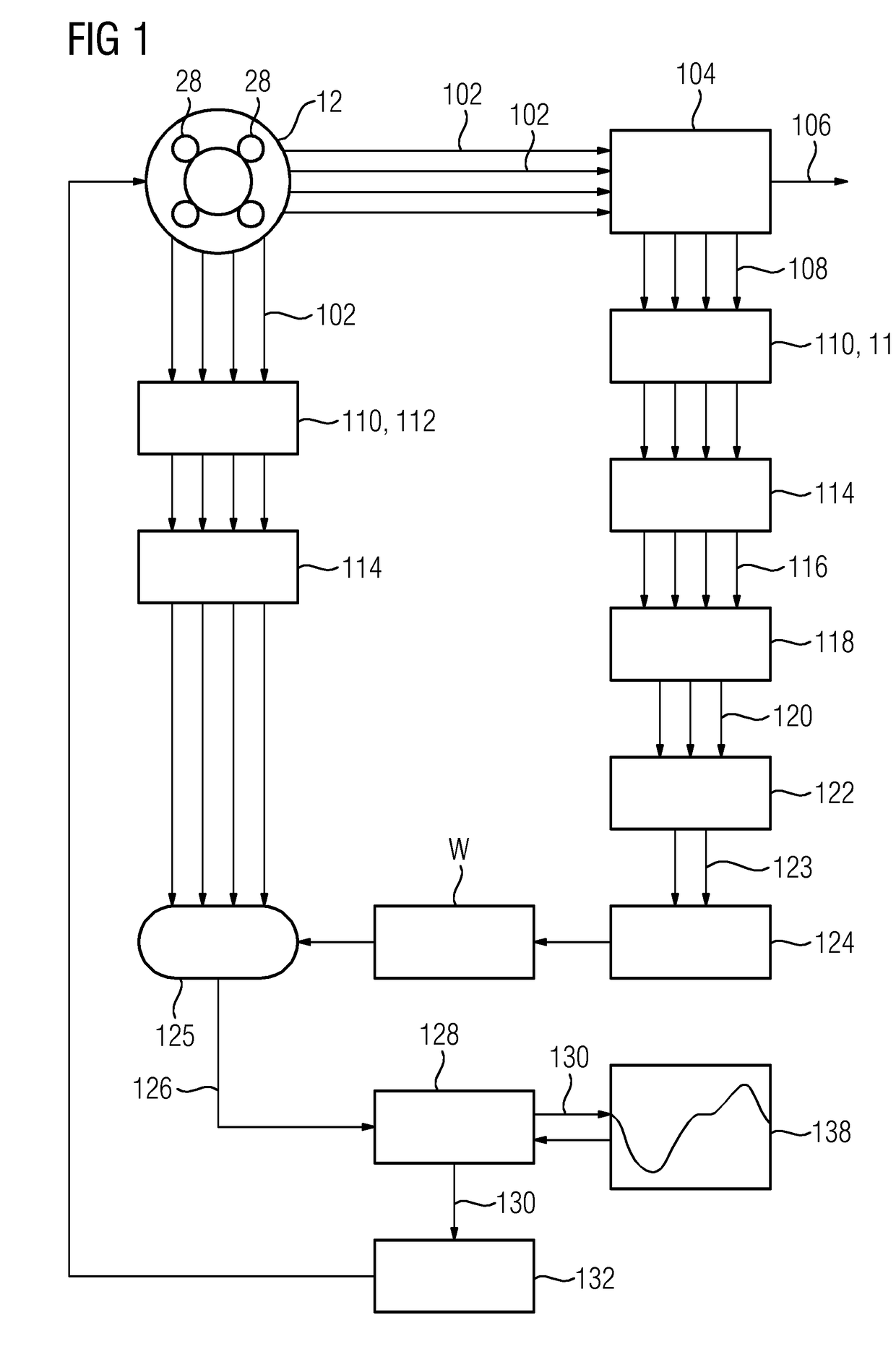
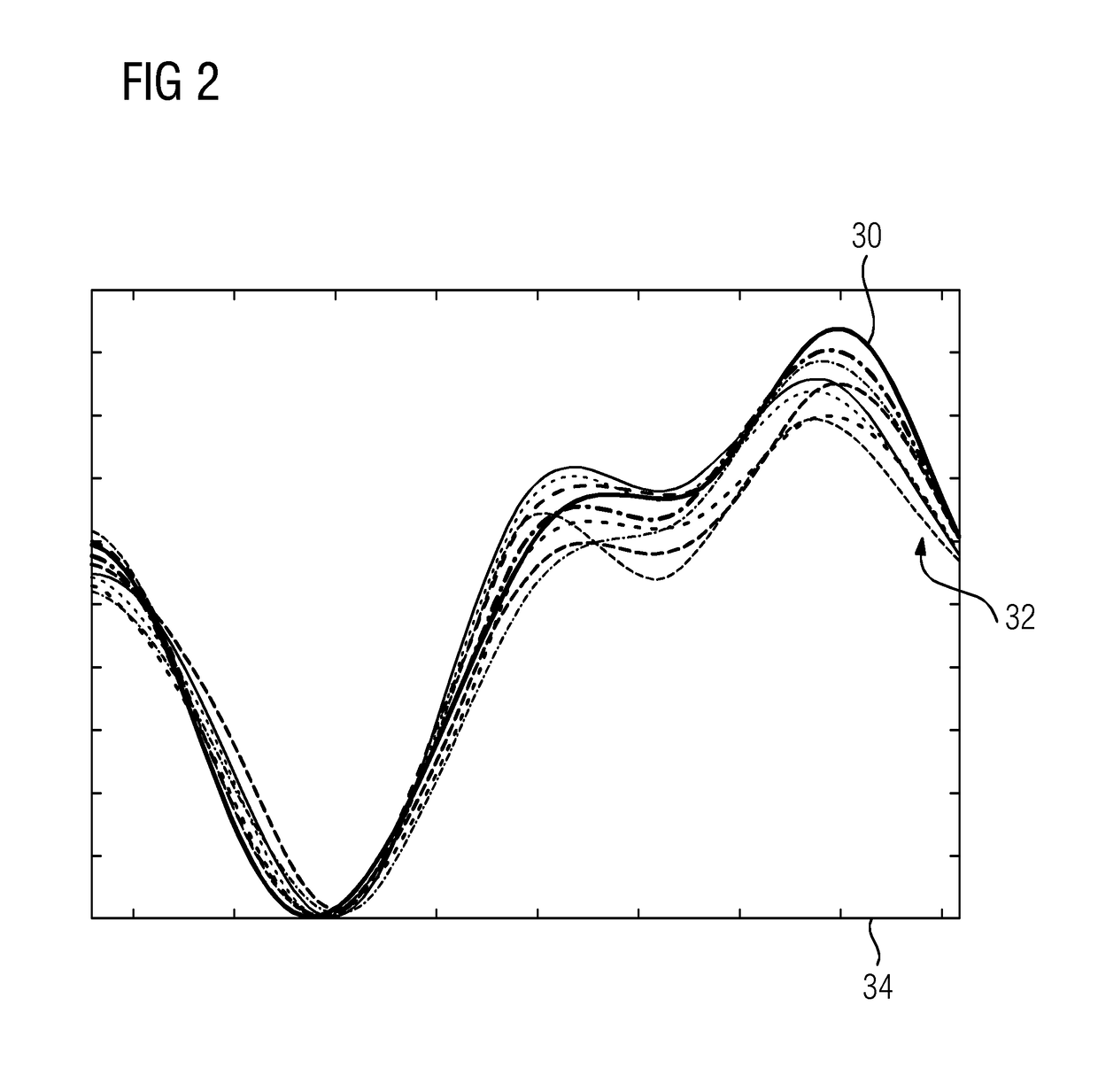
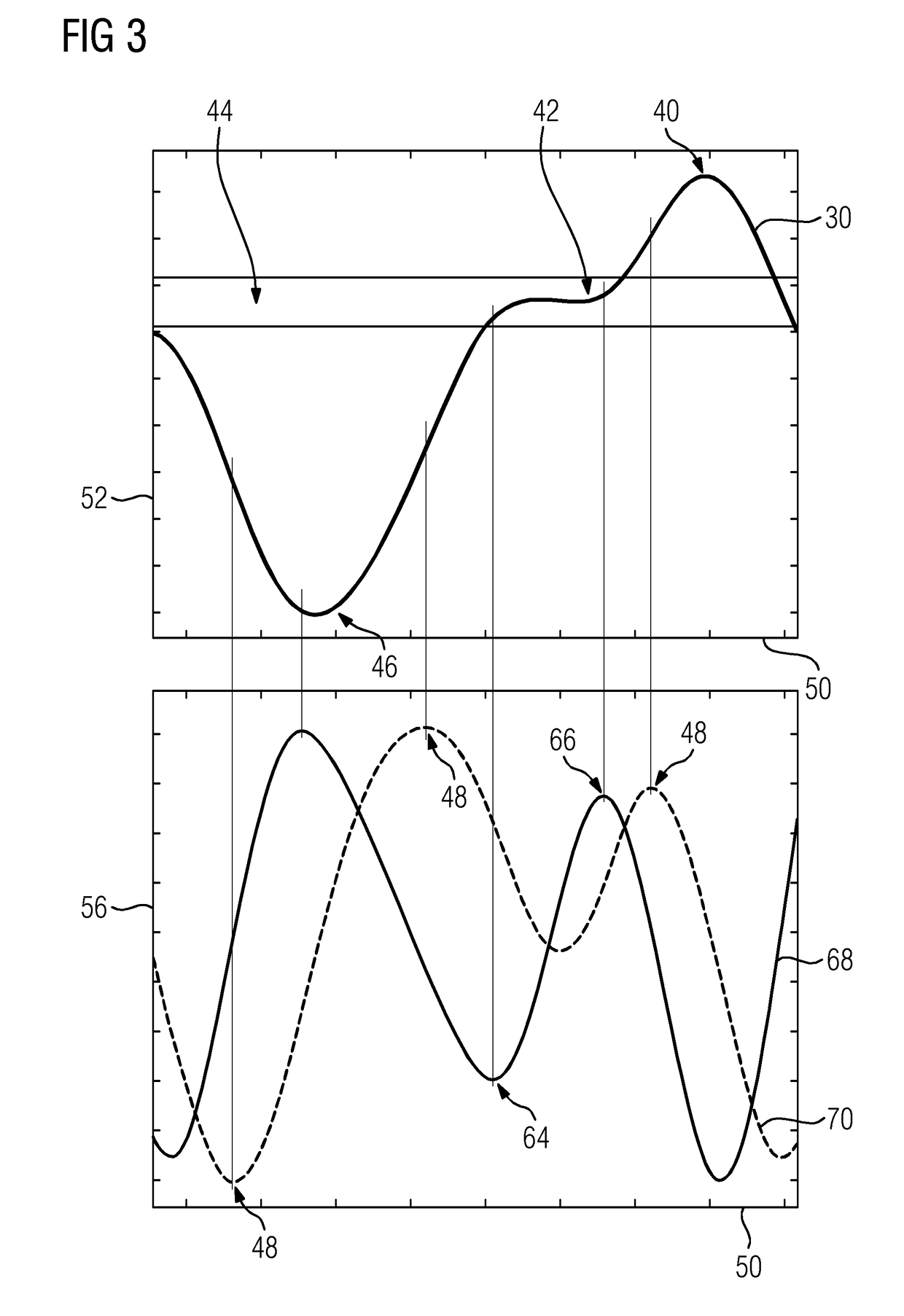
- A method utilizing a pilot tone signal acquired by a magnetic resonance receiver coil arrangement with multiple channels, employing independent component analysis (ICA) to calculate a demixing matrix and separate cardiac movement signals from other components, followed by adaptive filtering to extract and filter the cardiac motion signal reliably, allowing for real-time processing and synchronization.

Real-Time System Performance Requirements and Standards
Real-time force control systems operate under stringent performance requirements that directly impact system stability, safety, and operational effectiveness. The fundamental challenge of filtering force control signals without introducing significant delays necessitates adherence to specific temporal and accuracy standards that govern modern industrial automation and robotics applications.
Industry-standard real-time systems typically mandate control loop frequencies ranging from 1 kHz to 10 kHz, corresponding to cycle times between 1 ms and 0.1 ms respectively. For force control applications, the most commonly adopted standard is the 1 kHz control rate, establishing a 1 ms baseline cycle time. Within this constraint, signal processing operations, including filtering, must complete within a fraction of the available time budget to accommodate other critical control tasks.
The deterministic nature of real-time force control demands predictable and bounded response times. Hard real-time requirements specify that missing a deadline constitutes system failure, while soft real-time systems allow occasional deadline violations with graceful performance degradation. Force control applications typically fall under hard real-time constraints due to safety considerations and the need for consistent haptic feedback.
Latency specifications for force control systems are particularly stringent when human operators are involved. Research indicates that haptic perception becomes noticeably degraded when force feedback delays exceed 1-2 ms, making the 10 ms delay threshold mentioned in the technical challenge significantly problematic for user experience and system performance.
Modern real-time operating systems and embedded platforms provide specific timing guarantees through priority-based scheduling, interrupt handling mechanisms, and memory management strategies. These systems typically offer microsecond-level timing resolution and support for deterministic task execution, enabling precise control over signal processing operations.
Performance benchmarking standards for real-time force control systems encompass multiple metrics including maximum allowable jitter, worst-case execution time, and signal-to-noise ratio requirements. Jitter specifications typically limit timing variations to less than 10% of the control cycle period, while maintaining signal fidelity standards that preserve force measurement accuracy within 0.1% to 1% depending on application requirements.
Compliance with international standards such as IEC 61508 for functional safety and ISO 13849 for machinery safety requires documented verification of real-time performance characteristics, establishing traceability between filtering algorithms and their temporal behavior in operational environments.
Industry-standard real-time systems typically mandate control loop frequencies ranging from 1 kHz to 10 kHz, corresponding to cycle times between 1 ms and 0.1 ms respectively. For force control applications, the most commonly adopted standard is the 1 kHz control rate, establishing a 1 ms baseline cycle time. Within this constraint, signal processing operations, including filtering, must complete within a fraction of the available time budget to accommodate other critical control tasks.
The deterministic nature of real-time force control demands predictable and bounded response times. Hard real-time requirements specify that missing a deadline constitutes system failure, while soft real-time systems allow occasional deadline violations with graceful performance degradation. Force control applications typically fall under hard real-time constraints due to safety considerations and the need for consistent haptic feedback.
Latency specifications for force control systems are particularly stringent when human operators are involved. Research indicates that haptic perception becomes noticeably degraded when force feedback delays exceed 1-2 ms, making the 10 ms delay threshold mentioned in the technical challenge significantly problematic for user experience and system performance.
Modern real-time operating systems and embedded platforms provide specific timing guarantees through priority-based scheduling, interrupt handling mechanisms, and memory management strategies. These systems typically offer microsecond-level timing resolution and support for deterministic task execution, enabling precise control over signal processing operations.
Performance benchmarking standards for real-time force control systems encompass multiple metrics including maximum allowable jitter, worst-case execution time, and signal-to-noise ratio requirements. Jitter specifications typically limit timing variations to less than 10% of the control cycle period, while maintaining signal fidelity standards that preserve force measurement accuracy within 0.1% to 1% depending on application requirements.
Compliance with international standards such as IEC 61508 for functional safety and ISO 13849 for machinery safety requires documented verification of real-time performance characteristics, establishing traceability between filtering algorithms and their temporal behavior in operational environments.
Hardware-Software Co-Design for Minimal Latency Control
Hardware-software co-design represents a paradigm shift in addressing the fundamental challenge of achieving minimal latency in force control signal filtering. Traditional approaches that rely solely on software-based filtering algorithms or hardware-only solutions often fail to meet the stringent timing requirements of modern robotic and haptic systems, where even a 10-millisecond delay can significantly degrade performance and user experience.
The co-design methodology integrates specialized hardware accelerators with optimized software algorithms to create a unified filtering architecture. Field-Programmable Gate Arrays (FPGAs) serve as the primary hardware platform, offering reconfigurable logic blocks that can be tailored to implement custom filtering operations. These devices provide deterministic processing times and parallel computation capabilities that are essential for real-time force control applications.
Software components in this co-design approach focus on adaptive algorithm management and system orchestration rather than direct signal processing. Real-time operating systems with microsecond-level scheduling precision coordinate the data flow between sensors, processing units, and actuators. The software layer implements predictive buffering strategies and dynamic filter coefficient adjustment based on system state and environmental conditions.
Critical design considerations include memory architecture optimization, where dedicated on-chip memory blocks minimize data transfer latencies. Direct Memory Access (DMA) controllers enable continuous data streaming without processor intervention, while custom instruction sets accelerate frequently used mathematical operations such as convolution and matrix multiplication.
The integration strategy employs tight coupling between hardware and software through shared memory interfaces and interrupt-driven communication protocols. Hardware abstraction layers provide standardized APIs that allow software algorithms to leverage specialized processing units without requiring low-level hardware programming expertise.
Performance optimization techniques include pipeline parallelization, where multiple filter stages operate simultaneously on different data samples, and look-ahead processing that anticipates future computational requirements. Clock domain management ensures synchronization between different processing elements while maintaining overall system timing integrity.
Validation methodologies for co-designed systems require comprehensive testing frameworks that verify both functional correctness and timing constraints under various operational scenarios, ensuring robust performance across diverse force control applications.
The co-design methodology integrates specialized hardware accelerators with optimized software algorithms to create a unified filtering architecture. Field-Programmable Gate Arrays (FPGAs) serve as the primary hardware platform, offering reconfigurable logic blocks that can be tailored to implement custom filtering operations. These devices provide deterministic processing times and parallel computation capabilities that are essential for real-time force control applications.
Software components in this co-design approach focus on adaptive algorithm management and system orchestration rather than direct signal processing. Real-time operating systems with microsecond-level scheduling precision coordinate the data flow between sensors, processing units, and actuators. The software layer implements predictive buffering strategies and dynamic filter coefficient adjustment based on system state and environmental conditions.
Critical design considerations include memory architecture optimization, where dedicated on-chip memory blocks minimize data transfer latencies. Direct Memory Access (DMA) controllers enable continuous data streaming without processor intervention, while custom instruction sets accelerate frequently used mathematical operations such as convolution and matrix multiplication.
The integration strategy employs tight coupling between hardware and software through shared memory interfaces and interrupt-driven communication protocols. Hardware abstraction layers provide standardized APIs that allow software algorithms to leverage specialized processing units without requiring low-level hardware programming expertise.
Performance optimization techniques include pipeline parallelization, where multiple filter stages operate simultaneously on different data samples, and look-ahead processing that anticipates future computational requirements. Clock domain management ensures synchronization between different processing elements while maintaining overall system timing integrity.
Validation methodologies for co-designed systems require comprehensive testing frameworks that verify both functional correctness and timing constraints under various operational scenarios, ensuring robust performance across diverse force control applications.
Unlock deeper insights with Patsnap Eureka Quick Research — get a full tech report to explore trends and direct your research. Try now!
Generate Your Research Report Instantly with AI Agent
Supercharge your innovation with Patsnap Eureka AI Agent Platform!