How to Identify Sensor Limitations in Proprioceptive Sensing Tasks
APR 24, 20269 MIN READ
Generate Your Research Report Instantly with AI Agent
PatSnap Eureka helps you evaluate technical feasibility & market potential.
Proprioceptive Sensing Technology Background and Objectives
Proprioceptive sensing represents a fundamental aspect of biological and artificial systems, enabling the perception of body position, movement, and spatial orientation without relying on external visual or auditory cues. This sensory modality has evolved over millions of years in biological organisms, utilizing specialized mechanoreceptors, muscle spindles, and joint receptors to provide continuous feedback about limb position and movement dynamics. The translation of these biological principles into artificial systems has become increasingly critical as robotics, prosthetics, and human-machine interfaces demand more sophisticated sensory capabilities.
The historical development of proprioceptive sensing technology can be traced from early mechanical position sensors in the 1950s to modern multi-modal sensing arrays incorporating accelerometers, gyroscopes, magnetometers, and strain gauges. Early implementations focused primarily on basic position detection, while contemporary systems integrate multiple sensing modalities to achieve more comprehensive spatial awareness. The evolution has been driven by advances in microelectromechanical systems (MEMS), signal processing algorithms, and materials science.
Current technological trends indicate a shift toward distributed sensing networks that can provide real-time, high-resolution proprioceptive feedback. These systems increasingly incorporate machine learning algorithms to interpret complex sensor data patterns and compensate for individual sensor limitations. The integration of flexible electronics and bio-compatible materials has opened new possibilities for wearable and implantable proprioceptive sensing devices.
The primary objective of modern proprioceptive sensing technology development centers on achieving human-level spatial awareness and movement precision in artificial systems. This encompasses the ability to accurately determine joint angles, limb velocities, acceleration profiles, and relative positioning across multiple degrees of freedom simultaneously. A critical secondary objective involves developing robust methods to identify and compensate for sensor limitations that can compromise system performance.
Key technical goals include minimizing latency in sensor response, improving accuracy across diverse environmental conditions, and establishing reliable calibration procedures. The technology aims to achieve seamless integration with control systems while maintaining computational efficiency. Additionally, there is a growing emphasis on developing self-diagnostic capabilities that can detect sensor degradation, calibration drift, and environmental interference in real-time.
Long-term objectives focus on creating adaptive proprioceptive systems that can learn and adjust to changing conditions, user preferences, and task requirements. This includes developing standardized protocols for sensor limitation identification and implementing predictive maintenance strategies to ensure consistent performance over extended operational periods.
The historical development of proprioceptive sensing technology can be traced from early mechanical position sensors in the 1950s to modern multi-modal sensing arrays incorporating accelerometers, gyroscopes, magnetometers, and strain gauges. Early implementations focused primarily on basic position detection, while contemporary systems integrate multiple sensing modalities to achieve more comprehensive spatial awareness. The evolution has been driven by advances in microelectromechanical systems (MEMS), signal processing algorithms, and materials science.
Current technological trends indicate a shift toward distributed sensing networks that can provide real-time, high-resolution proprioceptive feedback. These systems increasingly incorporate machine learning algorithms to interpret complex sensor data patterns and compensate for individual sensor limitations. The integration of flexible electronics and bio-compatible materials has opened new possibilities for wearable and implantable proprioceptive sensing devices.
The primary objective of modern proprioceptive sensing technology development centers on achieving human-level spatial awareness and movement precision in artificial systems. This encompasses the ability to accurately determine joint angles, limb velocities, acceleration profiles, and relative positioning across multiple degrees of freedom simultaneously. A critical secondary objective involves developing robust methods to identify and compensate for sensor limitations that can compromise system performance.
Key technical goals include minimizing latency in sensor response, improving accuracy across diverse environmental conditions, and establishing reliable calibration procedures. The technology aims to achieve seamless integration with control systems while maintaining computational efficiency. Additionally, there is a growing emphasis on developing self-diagnostic capabilities that can detect sensor degradation, calibration drift, and environmental interference in real-time.
Long-term objectives focus on creating adaptive proprioceptive systems that can learn and adjust to changing conditions, user preferences, and task requirements. This includes developing standardized protocols for sensor limitation identification and implementing predictive maintenance strategies to ensure consistent performance over extended operational periods.
Market Demand for Advanced Proprioceptive Sensing Solutions
The global market for advanced proprioceptive sensing solutions is experiencing unprecedented growth driven by the convergence of multiple technological domains requiring precise spatial awareness and motion detection capabilities. Healthcare applications represent the largest market segment, with rehabilitation robotics, prosthetics, and assistive devices demanding sophisticated proprioceptive feedback systems to restore natural movement patterns for patients with mobility impairments.
Industrial automation constitutes another major demand driver, where manufacturing systems require enhanced spatial awareness for precision assembly, quality control, and human-robot collaboration scenarios. The automotive sector's transition toward autonomous vehicles has created substantial demand for proprioceptive sensing technologies that enable vehicles to understand their position, orientation, and movement dynamics in complex environments.
Consumer electronics markets are increasingly incorporating proprioceptive sensing capabilities into wearable devices, gaming systems, and smart home applications. Virtual and augmented reality platforms particularly require high-fidelity proprioceptive feedback to create immersive user experiences and prevent motion sickness through accurate tracking of body movements and spatial positioning.
The aerospace and defense industries represent high-value market segments demanding ruggedized proprioceptive sensing solutions for unmanned aerial vehicles, satellite positioning systems, and military robotics applications. These sectors prioritize reliability and precision over cost considerations, creating opportunities for premium sensing technologies.
Sports and fitness technology markets are expanding rapidly, with professional athletes and fitness enthusiasts seeking advanced motion analysis systems for performance optimization and injury prevention. Wearable sensors capable of detecting subtle movement patterns and providing real-time feedback are becoming essential tools for training and rehabilitation programs.
Market growth is further accelerated by aging populations in developed countries, increasing demand for assistive technologies that can compensate for declining proprioceptive abilities. Healthcare systems are investing heavily in rehabilitation technologies that incorporate advanced sensing capabilities to improve patient outcomes and reduce long-term care costs.
The integration of artificial intelligence and machine learning algorithms with proprioceptive sensing systems is creating new market opportunities across multiple sectors. These intelligent systems can adapt to individual user patterns and provide personalized feedback, significantly enhancing the value proposition for end users and driving market expansion.
Industrial automation constitutes another major demand driver, where manufacturing systems require enhanced spatial awareness for precision assembly, quality control, and human-robot collaboration scenarios. The automotive sector's transition toward autonomous vehicles has created substantial demand for proprioceptive sensing technologies that enable vehicles to understand their position, orientation, and movement dynamics in complex environments.
Consumer electronics markets are increasingly incorporating proprioceptive sensing capabilities into wearable devices, gaming systems, and smart home applications. Virtual and augmented reality platforms particularly require high-fidelity proprioceptive feedback to create immersive user experiences and prevent motion sickness through accurate tracking of body movements and spatial positioning.
The aerospace and defense industries represent high-value market segments demanding ruggedized proprioceptive sensing solutions for unmanned aerial vehicles, satellite positioning systems, and military robotics applications. These sectors prioritize reliability and precision over cost considerations, creating opportunities for premium sensing technologies.
Sports and fitness technology markets are expanding rapidly, with professional athletes and fitness enthusiasts seeking advanced motion analysis systems for performance optimization and injury prevention. Wearable sensors capable of detecting subtle movement patterns and providing real-time feedback are becoming essential tools for training and rehabilitation programs.
Market growth is further accelerated by aging populations in developed countries, increasing demand for assistive technologies that can compensate for declining proprioceptive abilities. Healthcare systems are investing heavily in rehabilitation technologies that incorporate advanced sensing capabilities to improve patient outcomes and reduce long-term care costs.
The integration of artificial intelligence and machine learning algorithms with proprioceptive sensing systems is creating new market opportunities across multiple sectors. These intelligent systems can adapt to individual user patterns and provide personalized feedback, significantly enhancing the value proposition for end users and driving market expansion.
Current Sensor Limitations in Proprioceptive Applications
Proprioceptive sensing systems face significant limitations in accuracy and precision across various application domains. Traditional inertial measurement units (IMUs) suffer from drift accumulation over time, particularly in gyroscopic measurements, leading to substantial positioning errors in extended operation periods. The inherent noise characteristics of accelerometers and magnetometers further compound these accuracy issues, especially in dynamic environments where rapid movements or external magnetic interference can severely compromise sensor reliability.
Bandwidth constraints represent another critical limitation in current proprioceptive applications. Most commercial IMU sensors operate within limited frequency ranges, typically below 1000 Hz, which proves insufficient for capturing high-frequency human movements or rapid robotic motions. This bandwidth restriction results in aliasing effects and loss of critical motion information, particularly problematic in applications requiring precise gesture recognition or fine motor control analysis.
Environmental sensitivity poses substantial challenges for proprioceptive sensor deployment. Temperature variations significantly affect sensor calibration parameters, causing measurement drift and reduced accuracy in outdoor or industrial environments. Electromagnetic interference from nearby electronic devices or power systems can corrupt magnetometer readings, while vibrations from machinery or transportation systems introduce unwanted noise into accelerometer data, compromising the overall system performance.
Power consumption limitations severely restrict the deployment of high-performance proprioceptive sensors in wearable and mobile applications. Advanced sensor fusion algorithms and high-sampling-rate operations demand substantial computational resources, leading to rapid battery depletion. This constraint forces designers to compromise between sensing accuracy and operational longevity, often resulting in suboptimal performance in real-world applications.
Calibration complexity represents a persistent challenge in proprioceptive sensing systems. Individual sensor variations require personalized calibration procedures, which are often time-consuming and require specialized equipment. The calibration parameters tend to drift over time due to component aging and environmental exposure, necessitating periodic recalibration that complicates long-term deployment and maintenance.
Integration challenges arise when combining multiple proprioceptive sensors or fusing proprioceptive data with external sensing modalities. Synchronization issues between different sensor types, varying latencies, and coordinate system alignment problems can introduce systematic errors that degrade overall system performance. These integration complexities become particularly pronounced in multi-sensor arrays or distributed sensing networks where temporal and spatial coordination is critical for accurate proprioceptive feedback.
Bandwidth constraints represent another critical limitation in current proprioceptive applications. Most commercial IMU sensors operate within limited frequency ranges, typically below 1000 Hz, which proves insufficient for capturing high-frequency human movements or rapid robotic motions. This bandwidth restriction results in aliasing effects and loss of critical motion information, particularly problematic in applications requiring precise gesture recognition or fine motor control analysis.
Environmental sensitivity poses substantial challenges for proprioceptive sensor deployment. Temperature variations significantly affect sensor calibration parameters, causing measurement drift and reduced accuracy in outdoor or industrial environments. Electromagnetic interference from nearby electronic devices or power systems can corrupt magnetometer readings, while vibrations from machinery or transportation systems introduce unwanted noise into accelerometer data, compromising the overall system performance.
Power consumption limitations severely restrict the deployment of high-performance proprioceptive sensors in wearable and mobile applications. Advanced sensor fusion algorithms and high-sampling-rate operations demand substantial computational resources, leading to rapid battery depletion. This constraint forces designers to compromise between sensing accuracy and operational longevity, often resulting in suboptimal performance in real-world applications.
Calibration complexity represents a persistent challenge in proprioceptive sensing systems. Individual sensor variations require personalized calibration procedures, which are often time-consuming and require specialized equipment. The calibration parameters tend to drift over time due to component aging and environmental exposure, necessitating periodic recalibration that complicates long-term deployment and maintenance.
Integration challenges arise when combining multiple proprioceptive sensors or fusing proprioceptive data with external sensing modalities. Synchronization issues between different sensor types, varying latencies, and coordinate system alignment problems can introduce systematic errors that degrade overall system performance. These integration complexities become particularly pronounced in multi-sensor arrays or distributed sensing networks where temporal and spatial coordination is critical for accurate proprioceptive feedback.
Current Methods for Sensor Limitation Identification
01 Sensor calibration and accuracy improvement methods
Various techniques are employed to address sensor accuracy limitations through calibration procedures and compensation mechanisms. These methods include automatic calibration routines, temperature compensation algorithms, and drift correction techniques to maintain sensor performance over time. Advanced signal processing and filtering methods are used to reduce noise and improve measurement precision. Multi-point calibration and reference-based correction systems help overcome inherent sensor inaccuracies.- Sensor calibration and accuracy limitations: Sensors often face challenges related to calibration drift and measurement accuracy over time. Environmental factors, aging components, and manufacturing variations can affect sensor precision. Advanced calibration techniques and compensation algorithms are employed to maintain sensor accuracy throughout its operational lifetime. Self-calibration mechanisms and reference standards help mitigate these limitations.
- Sensor range and sensitivity constraints: Physical and electronic limitations restrict the operational range and sensitivity of sensors. Trade-offs exist between detection range, resolution, and signal-to-noise ratio. Multi-range sensing architectures and adaptive gain control mechanisms are implemented to extend effective sensing capabilities. Dynamic range optimization techniques help balance sensitivity requirements across different operating conditions.
- Environmental interference and noise reduction: External environmental factors such as temperature variations, electromagnetic interference, and ambient conditions can significantly impact sensor performance. Shielding techniques, filtering algorithms, and signal processing methods are utilized to minimize noise and interference effects. Robust sensor designs incorporate compensation mechanisms to maintain reliable operation under varying environmental conditions.
- Response time and bandwidth limitations: Sensors exhibit inherent delays and bandwidth constraints that limit their ability to capture rapid changes or high-frequency phenomena. Sampling rates, processing speeds, and physical response characteristics define temporal resolution boundaries. High-speed sensing architectures and predictive algorithms are developed to improve dynamic response capabilities and reduce latency in time-critical applications.
- Power consumption and size constraints: Miniaturization requirements and power budget limitations pose significant challenges in sensor design. Energy-efficient sensing strategies, low-power circuit designs, and duty-cycling techniques are employed to extend operational lifetime while maintaining performance. Integration challenges arise when balancing sensor functionality with physical size restrictions and energy availability in portable or embedded applications.
02 Sensor range and sensitivity enhancement
Technologies focus on extending the operational range and improving sensitivity of sensors to overcome physical measurement limitations. This includes amplification circuits, adaptive gain control, and dynamic range expansion techniques. Multiple sensor configurations and redundant sensing elements are utilized to cover wider measurement ranges. Signal conditioning and preprocessing methods enhance the detection of weak signals and improve the signal-to-noise ratio.Expand Specific Solutions03 Environmental interference mitigation
Solutions address sensor limitations caused by environmental factors such as temperature, humidity, electromagnetic interference, and ambient light. Shielding techniques, filtering mechanisms, and isolation methods protect sensors from external disturbances. Compensation algorithms account for environmental variations to maintain consistent performance across different operating conditions. Protective housings and encapsulation technologies provide physical barriers against environmental degradation.Expand Specific Solutions04 Multi-sensor fusion and redundancy systems
Approaches combine multiple sensors or sensing modalities to overcome individual sensor limitations and improve overall system reliability. Sensor fusion algorithms integrate data from different sources to provide more accurate and robust measurements. Redundant sensor configurations enable fault detection and system continuity when individual sensors fail. Cross-validation techniques and consensus algorithms help identify and compensate for sensor errors or anomalies.Expand Specific Solutions05 Power consumption and miniaturization constraints
Technologies address limitations related to sensor power requirements and size constraints, particularly for portable and embedded applications. Low-power sensing techniques, duty cycling, and energy harvesting methods extend operational lifetime. Microelectromechanical systems and integrated circuit designs enable sensor miniaturization while maintaining performance. Wireless and battery-free sensor solutions overcome power supply limitations in remote or inaccessible locations.Expand Specific Solutions
Key Players in Proprioceptive Sensor Industry
The proprioceptive sensing technology field is experiencing rapid growth driven by expanding applications in robotics, healthcare, and consumer electronics. The market demonstrates significant scale with major technology companies like Apple, Samsung Electronics, and Synaptics leading commercial implementations, while research institutions including California Institute of Technology, Northwestern University, and Nanyang Technological University drive fundamental advances. Technology maturity varies considerably across applications - consumer devices show advanced integration while specialized medical applications from companies like Intuitive Surgical Operations and Koninklijke Philips represent emerging implementations. The competitive landscape spans from established semiconductor manufacturers like LG Innotek to specialized research organizations such as CEA and CNRS, indicating both commercial viability and ongoing innovation challenges in sensor limitation identification and resolution.
Synaptics, Inc.
Technical Solution: Synaptics specializes in human interface solutions and has developed advanced proprioceptive sensing technologies for touch and gesture recognition applications. Their approach focuses on identifying sensor limitations in capacitive and pressure-sensitive sensing systems through sophisticated signal processing and machine learning algorithms. The company employs multi-dimensional sensor analysis to detect interference, environmental noise, and hardware degradation that can impact sensing accuracy. Synaptics' proprioceptive sensing framework includes adaptive algorithms that can identify and compensate for sensor limitations in real-time, particularly addressing challenges related to temperature variations, electromagnetic interference, and mechanical wear. Their methodology incorporates predictive modeling to anticipate sensor performance degradation and implement proactive calibration adjustments to maintain optimal sensing capabilities across various user interface applications.
Strengths: Specialized expertise in human interface sensing, proven algorithms for noise detection and compensation, strong integration with consumer electronics. Weaknesses: Limited scope beyond touch and gesture sensing applications, potential constraints in high-force or industrial proprioceptive sensing requirements.
Apple, Inc.
Technical Solution: Apple has developed advanced proprioceptive sensing systems integrated into their devices, particularly focusing on haptic feedback and motion sensing capabilities. Their approach combines multiple sensor modalities including accelerometers, gyroscopes, and pressure sensors to create comprehensive proprioceptive awareness. The company employs machine learning algorithms to identify sensor drift, calibration errors, and environmental interference that can limit sensing accuracy. Apple's proprioceptive sensing framework includes real-time sensor validation protocols that continuously monitor sensor performance against expected behavioral patterns, enabling dynamic recalibration and error compensation to maintain optimal sensing fidelity across various operational conditions.
Strengths: Extensive integration across consumer devices, robust machine learning infrastructure for sensor validation, comprehensive multi-modal sensing approach. Weaknesses: Primarily focused on consumer applications, limited transparency in proprietary algorithms, potential constraints in specialized industrial sensing requirements.
Core Technologies for Proprioceptive Sensor Assessment
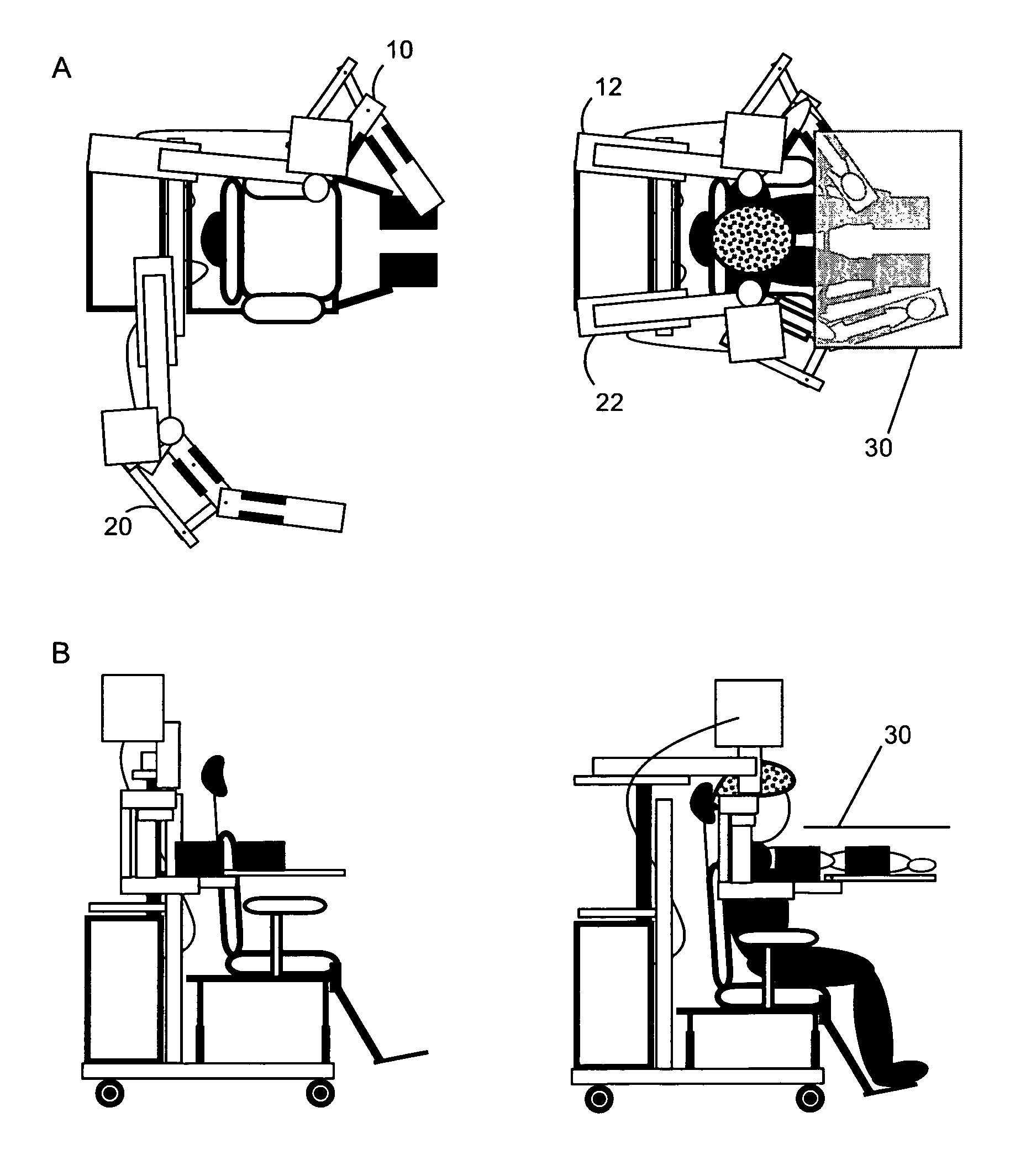
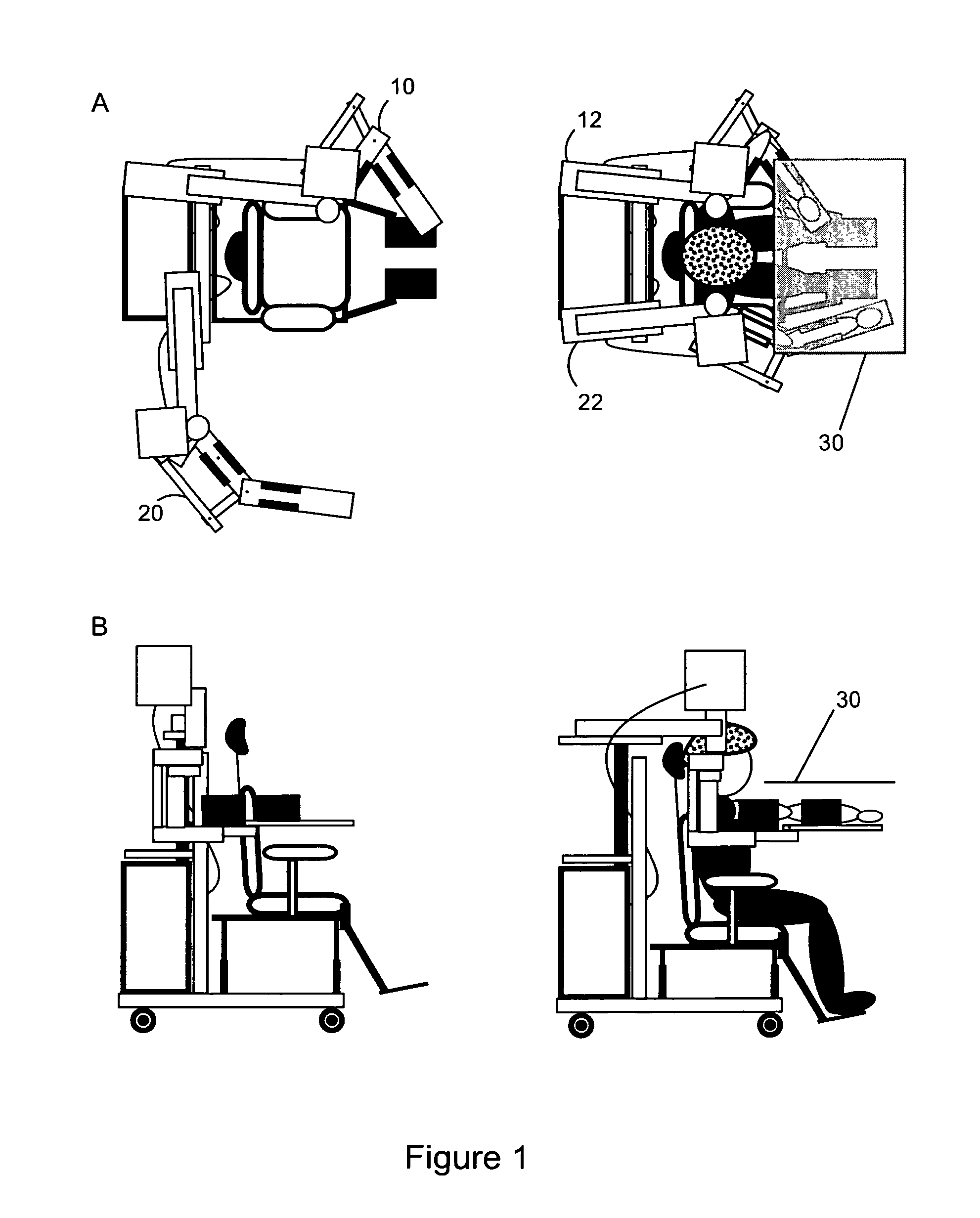
Method and apparatus for assessing proprioceptive function
PatentActiveUS8277396B2
Innovation
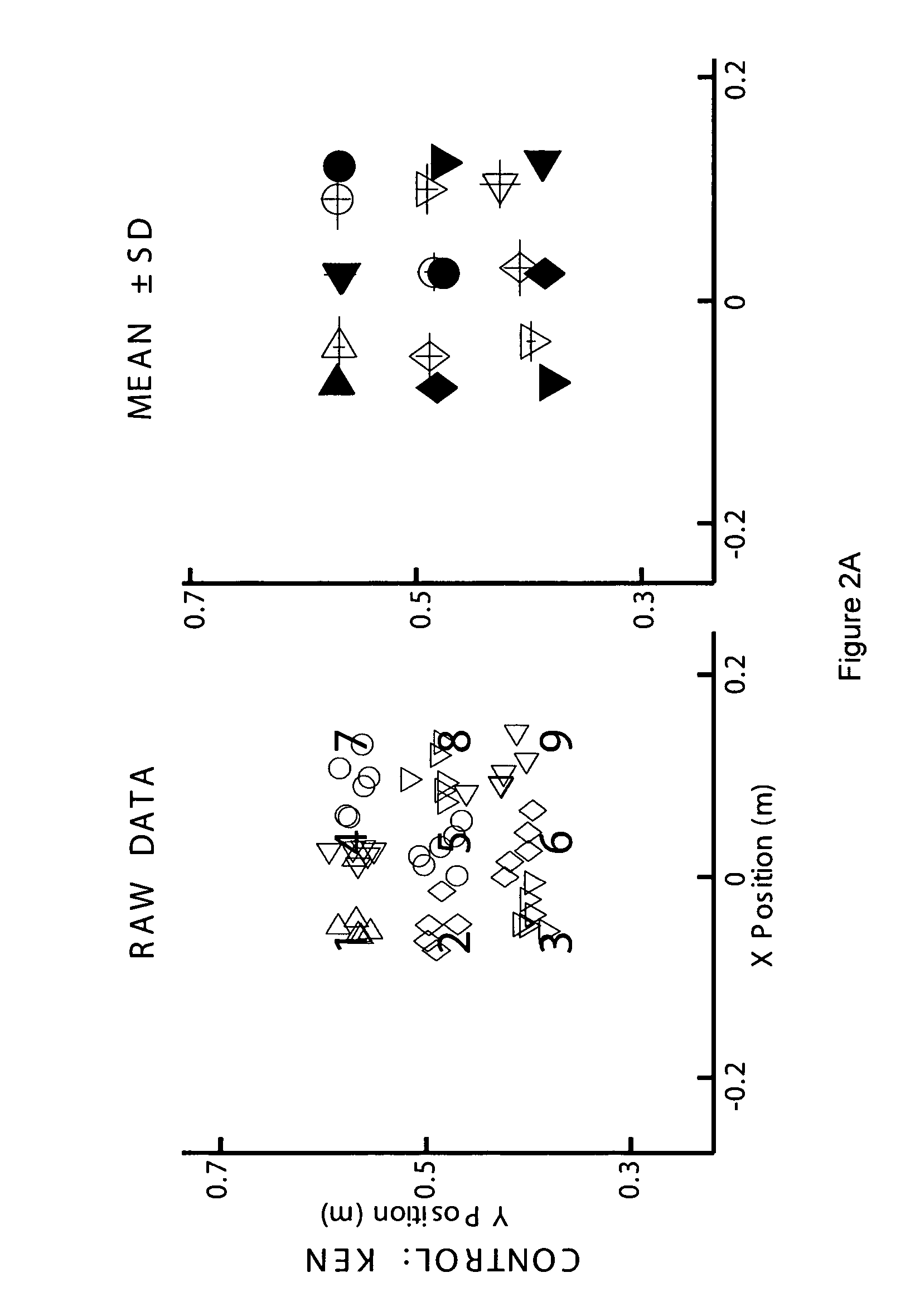
- An apparatus with articulating members that couple to a subject's limbs, allowing movement in 2- or 3-dimensional space, and data collection systems to assess geometry, location, and motion, enabling comparison between limbs to provide quantitative proprioception data and aiding in diagnosis and treatment of neurological disorders.

Intelligent sensor and intelligent feedback-based dynamic control of a parameter of a field of regard to which the sensor is directed
PatentActiveUS20230147070A1
Innovation
- An intelligent radar sensor that dynamically allocates and reconfigures its resources across the measurement space through software-controlled adjustments to gain patterns, transmit signal parameters, and processing systems, allowing for real-time prioritization and distribution of resources to enhance performance without exceeding C-SWAP constraints.


Standardization Framework for Proprioceptive Sensors
The establishment of a comprehensive standardization framework for proprioceptive sensors represents a critical need in addressing the fundamental challenge of identifying sensor limitations in proprioceptive sensing tasks. Current proprioceptive sensing applications suffer from inconsistent evaluation methodologies and lack of unified performance metrics, making it difficult to systematically identify and quantify sensor limitations across different operational contexts.
A robust standardization framework must encompass multiple dimensions of sensor performance evaluation. The framework should define standardized testing protocols that cover accuracy, precision, drift characteristics, and response time under various environmental conditions. These protocols need to establish baseline performance thresholds and acceptable tolerance ranges for different proprioceptive sensing applications, from robotic manipulation to human motion capture systems.
The framework should incorporate standardized calibration procedures that enable consistent sensor characterization across different manufacturers and deployment scenarios. This includes defining reference measurement systems, calibration intervals, and validation methodologies that can reliably detect sensor degradation or malfunction. Such standardization would facilitate early identification of sensor limitations before they impact system performance.
Interoperability standards represent another crucial component, ensuring that proprioceptive sensors from different vendors can be evaluated using common metrics and interfaces. This standardization would enable systematic comparison of sensor capabilities and limitations, supporting informed decision-making in sensor selection and system design processes.
The framework must also address data format standardization and communication protocols, enabling seamless integration of proprioceptive sensors into diverse sensing ecosystems. Standardized data structures would facilitate the development of universal diagnostic tools capable of identifying sensor limitations across different hardware platforms and software environments.
Furthermore, the standardization framework should establish certification processes and compliance testing procedures that validate sensor performance against defined benchmarks. This would create industry-wide confidence in sensor specifications and enable more accurate prediction of sensor limitations in specific application contexts, ultimately advancing the reliability and effectiveness of proprioceptive sensing systems.
A robust standardization framework must encompass multiple dimensions of sensor performance evaluation. The framework should define standardized testing protocols that cover accuracy, precision, drift characteristics, and response time under various environmental conditions. These protocols need to establish baseline performance thresholds and acceptable tolerance ranges for different proprioceptive sensing applications, from robotic manipulation to human motion capture systems.
The framework should incorporate standardized calibration procedures that enable consistent sensor characterization across different manufacturers and deployment scenarios. This includes defining reference measurement systems, calibration intervals, and validation methodologies that can reliably detect sensor degradation or malfunction. Such standardization would facilitate early identification of sensor limitations before they impact system performance.
Interoperability standards represent another crucial component, ensuring that proprioceptive sensors from different vendors can be evaluated using common metrics and interfaces. This standardization would enable systematic comparison of sensor capabilities and limitations, supporting informed decision-making in sensor selection and system design processes.
The framework must also address data format standardization and communication protocols, enabling seamless integration of proprioceptive sensors into diverse sensing ecosystems. Standardized data structures would facilitate the development of universal diagnostic tools capable of identifying sensor limitations across different hardware platforms and software environments.
Furthermore, the standardization framework should establish certification processes and compliance testing procedures that validate sensor performance against defined benchmarks. This would create industry-wide confidence in sensor specifications and enable more accurate prediction of sensor limitations in specific application contexts, ultimately advancing the reliability and effectiveness of proprioceptive sensing systems.
Human Factors in Proprioceptive Sensing Design
Human factors play a critical role in proprioceptive sensing design, as the effectiveness of these systems fundamentally depends on how well they integrate with human sensory capabilities and cognitive processes. Understanding the interplay between technological limitations and human perceptual mechanisms is essential for developing robust proprioceptive sensing solutions that can accurately identify and compensate for sensor constraints.
The human proprioceptive system serves as both a benchmark and a complementary component in artificial sensing applications. Natural proprioception relies on mechanoreceptors in muscles, tendons, and joints that provide continuous feedback about body position and movement. When designing artificial proprioceptive systems, engineers must consider how these biological mechanisms process spatial and temporal information, including their inherent latencies, resolution limits, and adaptation characteristics.
Cognitive load represents a significant factor in proprioceptive sensing design, particularly in applications requiring real-time human-machine interaction. Users must process and respond to proprioceptive feedback while simultaneously managing other sensory inputs and task demands. This multitasking environment can mask sensor limitations or amplify their effects, making it crucial to design systems that minimize cognitive burden while maximizing information transfer efficiency.
Individual variability in proprioceptive acuity significantly impacts sensor requirement specifications. Age, physical condition, neurological status, and training level all influence how users perceive and respond to proprioceptive stimuli. Design considerations must account for this variability by incorporating adaptive algorithms that can adjust sensitivity thresholds and feedback modalities based on individual user profiles and performance metrics.
Sensory substitution and augmentation strategies offer promising approaches for addressing sensor limitations through human factors optimization. By leveraging cross-modal plasticity, designers can redirect proprioceptive information through alternative sensory channels when primary sensors fail or operate outside optimal ranges. Tactile, auditory, or visual feedback can supplement or replace compromised proprioceptive signals, though careful attention must be paid to training requirements and adaptation periods.
The temporal dynamics of human proprioceptive processing impose specific constraints on sensor design parameters. Human proprioceptive systems exhibit characteristic response times and frequency sensitivities that must be matched or complemented by artificial sensors. Misalignment between artificial sensor dynamics and human processing capabilities can lead to perceptual conflicts, reduced performance, or system rejection, highlighting the importance of human-centered design approaches in proprioceptive sensing applications.
The human proprioceptive system serves as both a benchmark and a complementary component in artificial sensing applications. Natural proprioception relies on mechanoreceptors in muscles, tendons, and joints that provide continuous feedback about body position and movement. When designing artificial proprioceptive systems, engineers must consider how these biological mechanisms process spatial and temporal information, including their inherent latencies, resolution limits, and adaptation characteristics.
Cognitive load represents a significant factor in proprioceptive sensing design, particularly in applications requiring real-time human-machine interaction. Users must process and respond to proprioceptive feedback while simultaneously managing other sensory inputs and task demands. This multitasking environment can mask sensor limitations or amplify their effects, making it crucial to design systems that minimize cognitive burden while maximizing information transfer efficiency.
Individual variability in proprioceptive acuity significantly impacts sensor requirement specifications. Age, physical condition, neurological status, and training level all influence how users perceive and respond to proprioceptive stimuli. Design considerations must account for this variability by incorporating adaptive algorithms that can adjust sensitivity thresholds and feedback modalities based on individual user profiles and performance metrics.
Sensory substitution and augmentation strategies offer promising approaches for addressing sensor limitations through human factors optimization. By leveraging cross-modal plasticity, designers can redirect proprioceptive information through alternative sensory channels when primary sensors fail or operate outside optimal ranges. Tactile, auditory, or visual feedback can supplement or replace compromised proprioceptive signals, though careful attention must be paid to training requirements and adaptation periods.
The temporal dynamics of human proprioceptive processing impose specific constraints on sensor design parameters. Human proprioceptive systems exhibit characteristic response times and frequency sensitivities that must be matched or complemented by artificial sensors. Misalignment between artificial sensor dynamics and human processing capabilities can lead to perceptual conflicts, reduced performance, or system rejection, highlighting the importance of human-centered design approaches in proprioceptive sensing applications.
Unlock deeper insights with PatSnap Eureka Quick Research — get a full tech report to explore trends and direct your research. Try now!
Generate Your Research Report Instantly with AI Agent
Supercharge your innovation with PatSnap Eureka AI Agent Platform!