

How to Implement Advanced Diagnostics for Burn-In Failure Capture
MAY 25, 20269 MIN READ
Generate Your Research Report Instantly with AI Agent
Patsnap Eureka helps you evaluate technical feasibility & market potential.
Burn-In Testing Background and Advanced Diagnostic Goals
Burn-in testing has evolved as a critical reliability assurance methodology in semiconductor manufacturing since the 1960s, originally developed to eliminate early-life failures in electronic components through accelerated stress conditions. This process subjects devices to elevated temperatures, voltages, and operational cycles to precipitate latent defects that might otherwise manifest during normal product lifecycle, thereby improving field reliability and reducing warranty costs.
The fundamental principle underlying burn-in testing relies on the bathtub curve failure model, where infant mortality failures occur at higher rates during initial operation periods. Traditional burn-in approaches focused primarily on pass/fail determinations, utilizing basic parametric measurements at predetermined intervals. However, this conventional methodology often missed subtle degradation patterns and provided limited insight into failure mechanisms.
Modern semiconductor complexity has dramatically increased the challenges associated with effective burn-in testing. Advanced process nodes below 28nm exhibit unique failure modes including electromigration, negative bias temperature instability, and hot carrier injection effects. These phenomena require sophisticated monitoring capabilities beyond simple functional verification to capture progressive degradation signatures before catastrophic failure occurs.
The evolution toward advanced diagnostics represents a paradigm shift from reactive failure detection to proactive degradation monitoring. Contemporary burn-in systems integrate real-time parametric monitoring, statistical process control algorithms, and machine learning techniques to identify anomalous behavior patterns. This transformation enables earlier failure prediction and provides valuable feedback for process optimization and design improvements.
Current industry trends emphasize the integration of Internet of Things capabilities and cloud-based analytics platforms into burn-in testing infrastructure. These developments facilitate continuous monitoring, predictive maintenance scheduling, and comprehensive failure analysis across multiple manufacturing sites. The convergence of artificial intelligence with traditional burn-in methodologies promises to revolutionize failure capture effectiveness.
The primary objective of implementing advanced diagnostics for burn-in failure capture centers on achieving comprehensive early-stage defect identification while minimizing test time and costs. This involves developing intelligent monitoring systems capable of detecting subtle parameter shifts, correlating multiple failure indicators, and providing actionable insights for yield improvement initiatives. Success metrics include enhanced failure detection sensitivity, reduced escape rates, and improved overall product reliability performance.
The fundamental principle underlying burn-in testing relies on the bathtub curve failure model, where infant mortality failures occur at higher rates during initial operation periods. Traditional burn-in approaches focused primarily on pass/fail determinations, utilizing basic parametric measurements at predetermined intervals. However, this conventional methodology often missed subtle degradation patterns and provided limited insight into failure mechanisms.
Modern semiconductor complexity has dramatically increased the challenges associated with effective burn-in testing. Advanced process nodes below 28nm exhibit unique failure modes including electromigration, negative bias temperature instability, and hot carrier injection effects. These phenomena require sophisticated monitoring capabilities beyond simple functional verification to capture progressive degradation signatures before catastrophic failure occurs.
The evolution toward advanced diagnostics represents a paradigm shift from reactive failure detection to proactive degradation monitoring. Contemporary burn-in systems integrate real-time parametric monitoring, statistical process control algorithms, and machine learning techniques to identify anomalous behavior patterns. This transformation enables earlier failure prediction and provides valuable feedback for process optimization and design improvements.
Current industry trends emphasize the integration of Internet of Things capabilities and cloud-based analytics platforms into burn-in testing infrastructure. These developments facilitate continuous monitoring, predictive maintenance scheduling, and comprehensive failure analysis across multiple manufacturing sites. The convergence of artificial intelligence with traditional burn-in methodologies promises to revolutionize failure capture effectiveness.
The primary objective of implementing advanced diagnostics for burn-in failure capture centers on achieving comprehensive early-stage defect identification while minimizing test time and costs. This involves developing intelligent monitoring systems capable of detecting subtle parameter shifts, correlating multiple failure indicators, and providing actionable insights for yield improvement initiatives. Success metrics include enhanced failure detection sensitivity, reduced escape rates, and improved overall product reliability performance.
Market Demand for Enhanced Burn-In Failure Detection
The semiconductor industry faces mounting pressure to deliver increasingly reliable products as electronic systems become more complex and mission-critical. Advanced burn-in failure detection capabilities have emerged as a fundamental requirement across multiple market segments, driven by the need to identify potential defects before products reach end customers. This demand stems from the escalating costs associated with field failures, warranty claims, and the potential safety implications of undetected defects in critical applications.
Automotive electronics represents one of the most demanding sectors for enhanced burn-in diagnostics. The transition toward autonomous vehicles and advanced driver assistance systems has created stringent reliability requirements, where even minor component failures can have catastrophic consequences. Automotive semiconductor manufacturers are increasingly seeking sophisticated diagnostic solutions that can detect subtle anomalies during accelerated stress testing, ensuring components meet the industry's zero-defect expectations.
The aerospace and defense sectors continue to drive significant demand for advanced burn-in failure detection technologies. These applications require components to operate reliably in extreme environments over extended periods, making comprehensive pre-deployment testing essential. Military and space applications particularly value diagnostic systems capable of identifying intermittent failures and early-stage degradation patterns that traditional testing methods might overlook.
Consumer electronics manufacturers face unique challenges balancing cost pressures with quality requirements. The proliferation of Internet of Things devices and wearable technology has created demand for compact, power-efficient components that must maintain reliability despite aggressive miniaturization. Enhanced burn-in diagnostics enable manufacturers to optimize test coverage while reducing overall testing time and costs.
Industrial automation and infrastructure applications represent another growing market segment requiring robust burn-in failure detection capabilities. As manufacturing processes become increasingly automated and interconnected, the cost of unexpected equipment downtime has risen substantially. Industrial customers seek diagnostic solutions that can predict component reliability over extended operational periods, enabling proactive maintenance strategies.
The telecommunications infrastructure sector, particularly with the deployment of advanced wireless networks, demands components with exceptional reliability and performance consistency. Network equipment manufacturers require burn-in diagnostic systems capable of detecting performance variations that could impact signal integrity or network stability under real-world operating conditions.
Market growth is further accelerated by regulatory requirements and industry standards that mandate comprehensive testing protocols. These standards increasingly emphasize the need for advanced diagnostic capabilities that can demonstrate component reliability through quantitative metrics and detailed failure analysis, creating sustained demand for sophisticated burn-in testing solutions across all semiconductor market segments.
Automotive electronics represents one of the most demanding sectors for enhanced burn-in diagnostics. The transition toward autonomous vehicles and advanced driver assistance systems has created stringent reliability requirements, where even minor component failures can have catastrophic consequences. Automotive semiconductor manufacturers are increasingly seeking sophisticated diagnostic solutions that can detect subtle anomalies during accelerated stress testing, ensuring components meet the industry's zero-defect expectations.
The aerospace and defense sectors continue to drive significant demand for advanced burn-in failure detection technologies. These applications require components to operate reliably in extreme environments over extended periods, making comprehensive pre-deployment testing essential. Military and space applications particularly value diagnostic systems capable of identifying intermittent failures and early-stage degradation patterns that traditional testing methods might overlook.
Consumer electronics manufacturers face unique challenges balancing cost pressures with quality requirements. The proliferation of Internet of Things devices and wearable technology has created demand for compact, power-efficient components that must maintain reliability despite aggressive miniaturization. Enhanced burn-in diagnostics enable manufacturers to optimize test coverage while reducing overall testing time and costs.
Industrial automation and infrastructure applications represent another growing market segment requiring robust burn-in failure detection capabilities. As manufacturing processes become increasingly automated and interconnected, the cost of unexpected equipment downtime has risen substantially. Industrial customers seek diagnostic solutions that can predict component reliability over extended operational periods, enabling proactive maintenance strategies.
The telecommunications infrastructure sector, particularly with the deployment of advanced wireless networks, demands components with exceptional reliability and performance consistency. Network equipment manufacturers require burn-in diagnostic systems capable of detecting performance variations that could impact signal integrity or network stability under real-world operating conditions.
Market growth is further accelerated by regulatory requirements and industry standards that mandate comprehensive testing protocols. These standards increasingly emphasize the need for advanced diagnostic capabilities that can demonstrate component reliability through quantitative metrics and detailed failure analysis, creating sustained demand for sophisticated burn-in testing solutions across all semiconductor market segments.
Current State and Challenges in Burn-In Diagnostic Methods
The current landscape of burn-in diagnostic methods reveals a complex ecosystem of traditional and emerging technologies, each with distinct capabilities and limitations. Conventional burn-in testing primarily relies on basic parametric measurements and functional testing at elevated temperatures and voltages. These methods typically monitor fundamental electrical parameters such as leakage current, threshold voltage shifts, and basic functionality checks during extended stress periods.
Traditional diagnostic approaches face significant limitations in capturing intermittent failures and early-stage degradation mechanisms. Most existing systems operate on pass/fail criteria based on predetermined thresholds, lacking the granularity to detect subtle performance variations that may indicate impending failures. The temporal resolution of current monitoring systems often proves insufficient for capturing transient events that occur during the burn-in process.
A major challenge lies in the inadequate correlation between burn-in stress conditions and real-world operational environments. Current diagnostic methods struggle to establish meaningful relationships between accelerated aging effects observed during burn-in and actual field failure modes. This disconnect limits the predictive value of burn-in testing and reduces confidence in reliability projections.
Data collection and analysis capabilities represent another critical bottleneck. Existing diagnostic systems generate vast amounts of raw data but lack sophisticated analytics to extract actionable insights. The absence of real-time data processing capabilities means that potential failure indicators may go undetected until post-test analysis, missing opportunities for immediate intervention or process optimization.
Integration challenges persist across different semiconductor technologies and package types. Current diagnostic methods often require technology-specific calibration and may not scale effectively across diverse product portfolios. The lack of standardized diagnostic protocols creates inconsistencies in failure detection sensitivity and classification accuracy.
Temperature and voltage stress uniformity across test chambers presents ongoing technical challenges. Variations in environmental conditions can mask or amplify certain failure mechanisms, leading to inconsistent diagnostic results. Current monitoring systems may not adequately account for these spatial and temporal variations during the burn-in process.
The emergence of advanced semiconductor technologies, including FinFET structures and 3D architectures, has outpaced the evolution of corresponding diagnostic capabilities. Traditional burn-in methods may not effectively stress or monitor the unique failure modes associated with these newer technologies, creating gaps in failure coverage and detection sensitivity.
Traditional diagnostic approaches face significant limitations in capturing intermittent failures and early-stage degradation mechanisms. Most existing systems operate on pass/fail criteria based on predetermined thresholds, lacking the granularity to detect subtle performance variations that may indicate impending failures. The temporal resolution of current monitoring systems often proves insufficient for capturing transient events that occur during the burn-in process.
A major challenge lies in the inadequate correlation between burn-in stress conditions and real-world operational environments. Current diagnostic methods struggle to establish meaningful relationships between accelerated aging effects observed during burn-in and actual field failure modes. This disconnect limits the predictive value of burn-in testing and reduces confidence in reliability projections.
Data collection and analysis capabilities represent another critical bottleneck. Existing diagnostic systems generate vast amounts of raw data but lack sophisticated analytics to extract actionable insights. The absence of real-time data processing capabilities means that potential failure indicators may go undetected until post-test analysis, missing opportunities for immediate intervention or process optimization.
Integration challenges persist across different semiconductor technologies and package types. Current diagnostic methods often require technology-specific calibration and may not scale effectively across diverse product portfolios. The lack of standardized diagnostic protocols creates inconsistencies in failure detection sensitivity and classification accuracy.
Temperature and voltage stress uniformity across test chambers presents ongoing technical challenges. Variations in environmental conditions can mask or amplify certain failure mechanisms, leading to inconsistent diagnostic results. Current monitoring systems may not adequately account for these spatial and temporal variations during the burn-in process.
The emergence of advanced semiconductor technologies, including FinFET structures and 3D architectures, has outpaced the evolution of corresponding diagnostic capabilities. Traditional burn-in methods may not effectively stress or monitor the unique failure modes associated with these newer technologies, creating gaps in failure coverage and detection sensitivity.
Existing Advanced Diagnostic Solutions for Burn-In Testing
01 Real-time diagnostic monitoring and failure detection systems
Advanced diagnostic systems that continuously monitor system performance and detect failures in real-time through various sensing mechanisms and data analysis techniques. These systems employ sophisticated algorithms to identify anomalies and potential failure conditions before they result in complete system breakdown, enabling proactive maintenance and improved system reliability.- Real-time diagnostic monitoring and failure detection systems: Advanced diagnostic systems that continuously monitor system performance and detect failures in real-time through various sensors and monitoring mechanisms. These systems can identify anomalies, performance degradation, and potential failure conditions before they result in complete system breakdown. The monitoring capabilities include tracking operational parameters, system health indicators, and performance metrics to enable proactive maintenance and failure prevention.
- Automated diagnostic data capture and logging mechanisms: Systems designed to automatically capture, store, and organize diagnostic data when failures occur. These mechanisms ensure comprehensive data collection including system states, error conditions, operational parameters, and environmental factors at the time of failure. The captured information is systematically logged and structured to facilitate subsequent analysis and troubleshooting processes.
- Intelligent failure analysis and pattern recognition: Advanced analytical systems that utilize machine learning algorithms and pattern recognition techniques to analyze captured diagnostic data. These systems can identify failure patterns, correlate multiple failure modes, and predict potential future failures based on historical data and current system behavior. The intelligence enables more accurate root cause analysis and improved diagnostic accuracy.
- Multi-level diagnostic capture architecture: Hierarchical diagnostic systems that capture failure information at multiple system levels, from component-level diagnostics to system-wide failure analysis. This architecture enables comprehensive failure capture across different operational layers, providing detailed insights into failure propagation and system interactions. The multi-level approach ensures no critical diagnostic information is missed during failure events.
- Remote diagnostic communication and reporting systems: Communication frameworks that enable remote transmission and reporting of captured diagnostic data to centralized monitoring centers or maintenance teams. These systems facilitate immediate notification of failure events, remote troubleshooting capabilities, and centralized analysis of diagnostic information across multiple distributed systems. The remote capabilities enable faster response times and more efficient maintenance operations.
02 Automated failure capture and logging mechanisms
Systems designed to automatically capture, record, and store failure data when diagnostic events occur. These mechanisms ensure comprehensive documentation of failure conditions, including timestamps, system states, and relevant parameters at the time of failure, facilitating detailed post-failure analysis and system improvement.Expand Specific Solutions03 Predictive analytics for failure prevention
Implementation of machine learning algorithms and statistical models to analyze historical data patterns and predict potential system failures before they occur. These predictive capabilities enable maintenance scheduling optimization and reduce unexpected downtime through early warning systems and trend analysis.Expand Specific Solutions04 Multi-level diagnostic hierarchies and escalation protocols
Structured diagnostic frameworks that implement multiple levels of failure detection and response mechanisms. These systems provide escalating diagnostic procedures from basic automated checks to comprehensive deep-level analysis, ensuring appropriate response measures based on failure severity and system criticality.Expand Specific Solutions05 Integration of diagnostic data with maintenance management systems
Comprehensive integration platforms that connect diagnostic failure capture systems with broader maintenance management and operational systems. These integrated solutions enable seamless data flow, automated work order generation, and coordinated response strategies across multiple system components and organizational levels.Expand Specific Solutions
Key Players in Semiconductor Testing and Burn-In Equipment
The advanced diagnostics for burn-in failure capture technology is in a mature development stage, driven by increasing complexity in semiconductor manufacturing and automotive electronics. The market demonstrates substantial growth potential, particularly in automotive, industrial automation, and consumer electronics sectors, with estimated values reaching billions globally. Technology maturity varies significantly across market players, with established leaders like Siemens AG, Huawei Technologies, and Advantest Corp. offering sophisticated diagnostic solutions, while automotive giants Toyota, Honda, and Nissan integrate these systems into vehicle production. Research institutions including Xi'an Jiaotong University and University of Electronic Science & Technology of China contribute fundamental research, while specialized companies like Marelli Europe and Robert Bosch develop industry-specific applications. The competitive landscape shows consolidation around companies with strong R&D capabilities and comprehensive testing infrastructure.
Siemens AG
Technical Solution: Siemens develops advanced burn-in diagnostics through their digital factory solutions that incorporate IoT sensors and edge computing for real-time failure detection. Their approach leverages digital twin technology to model expected behavior during burn-in processes and identify deviations that indicate potential failures. The system integrates thermal imaging, vibration analysis, and electrical parameter monitoring with AI-driven analytics to predict component degradation patterns. Their MindSphere platform enables cloud-based data analysis and machine learning model deployment for continuous improvement of diagnostic accuracy and early failure prediction capabilities.
Strengths: Comprehensive industrial automation expertise, robust IoT integration, scalable cloud-based analytics platform. Weaknesses: Complex system integration requirements, potential data security concerns with cloud-based solutions.
Huawei Technologies Co., Ltd.
Technical Solution: Huawei implements advanced burn-in diagnostics through their intelligent manufacturing platform that combines edge AI processing with comprehensive sensor networks. Their solution utilizes distributed computing architecture to perform real-time analysis of burn-in test data, employing deep learning models to identify failure patterns and predict component reliability. The system integrates multi-modal data collection including electrical characteristics, thermal profiles, and mechanical stress indicators. Their approach emphasizes automated decision-making capabilities that can dynamically adjust burn-in parameters based on real-time diagnostic feedback, optimizing both test effectiveness and manufacturing efficiency while reducing false positive rates.
Strengths: Advanced AI and machine learning capabilities, strong telecommunications and electronics background, integrated hardware-software solutions. Weaknesses: Limited global market access due to regulatory restrictions, relatively newer presence in traditional manufacturing sectors.
Core Innovations in Burn-In Failure Detection Technologies
Method and System for Implementing Dependency Aware First Failure Data Capture
PatentInactiveUS20080222456A1
Innovation
- A method and system that utilize component interdependency information to determine which dependent components should log trace data by accessing a correlation database, sending fail messages only to components with specified correlations, ensuring comprehensive data collection for failure analysis.


Recovering diagnostic data after out-of-band data capture failure
PatentInactiveUS20080270827A1
Innovation
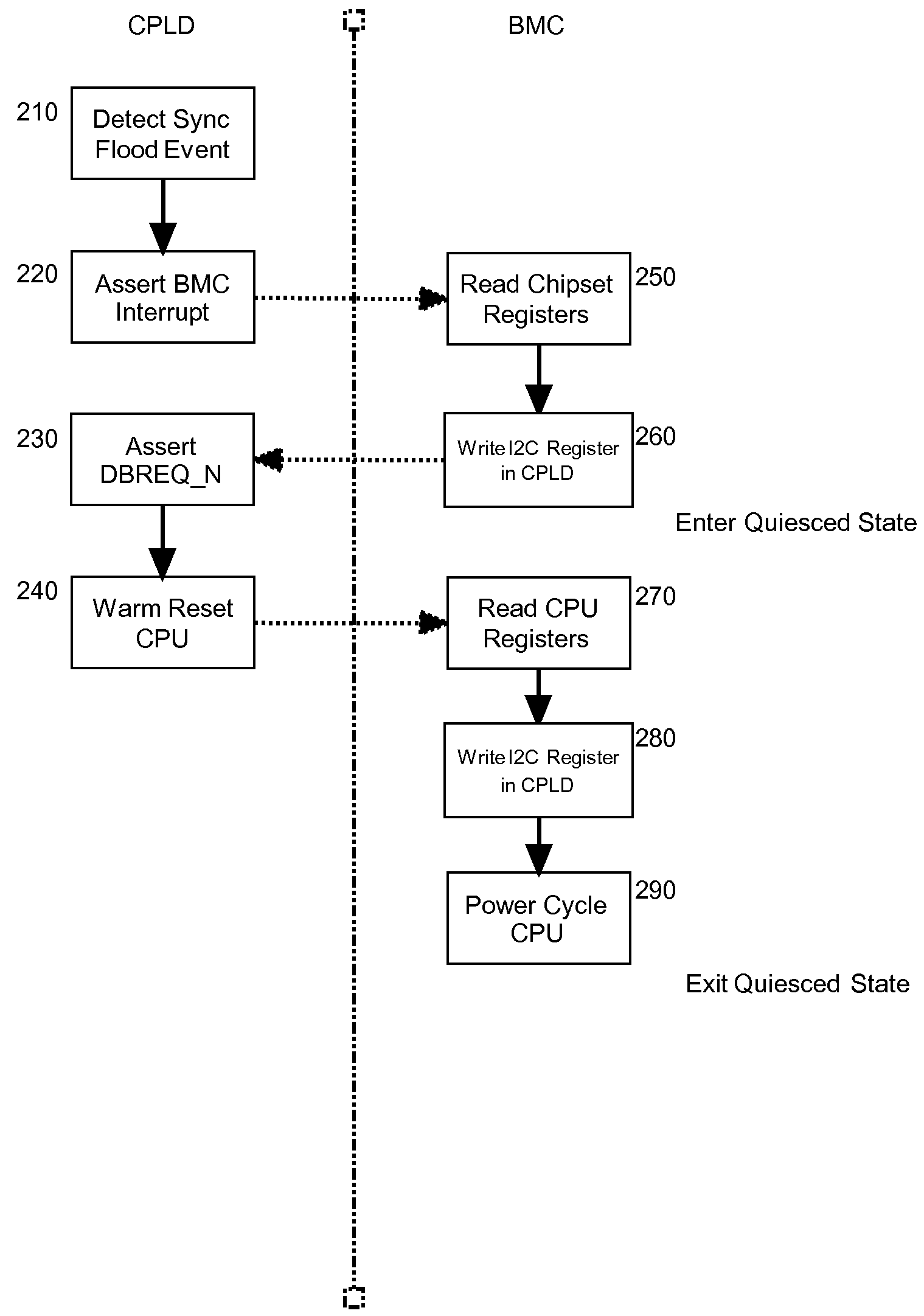
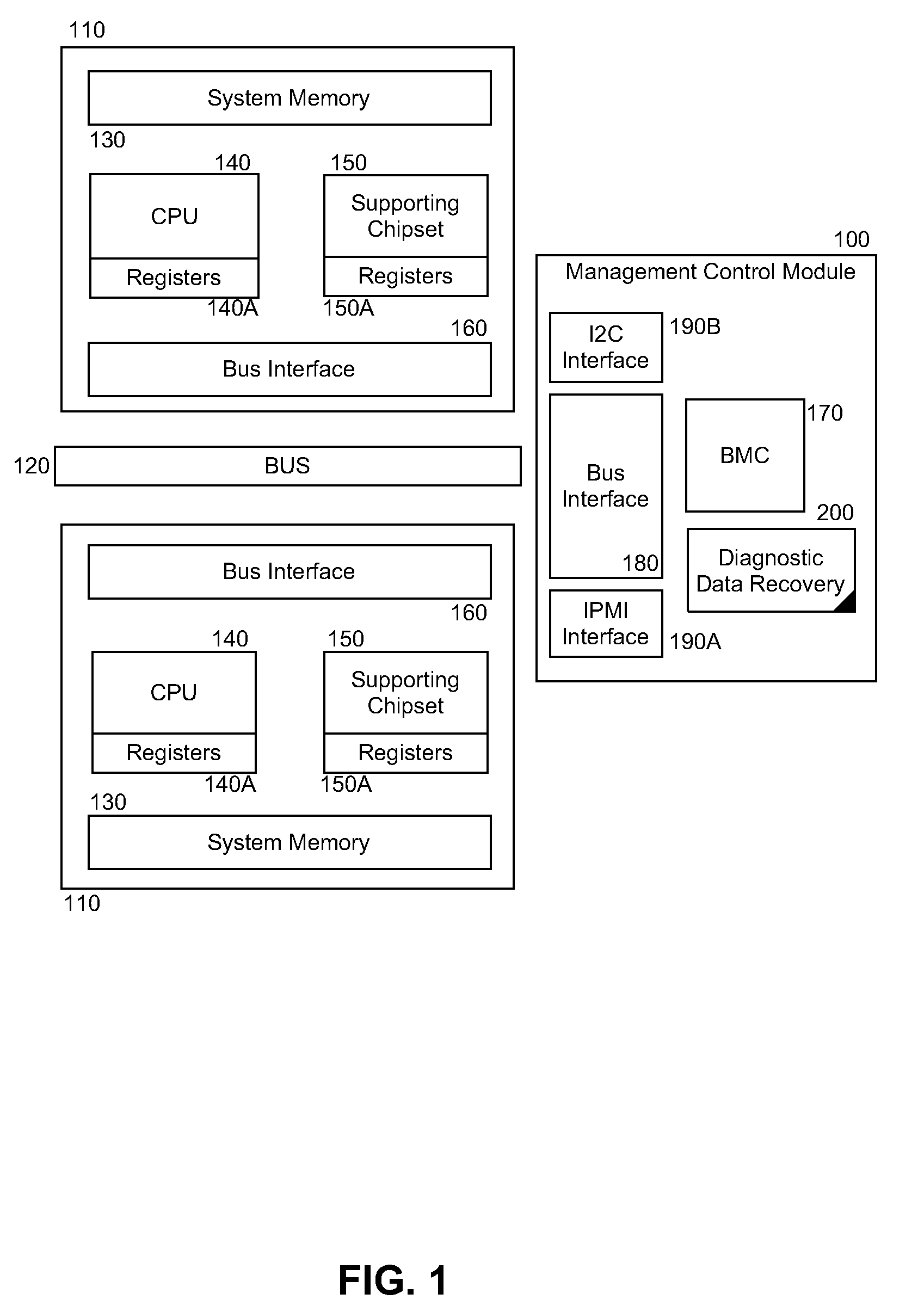
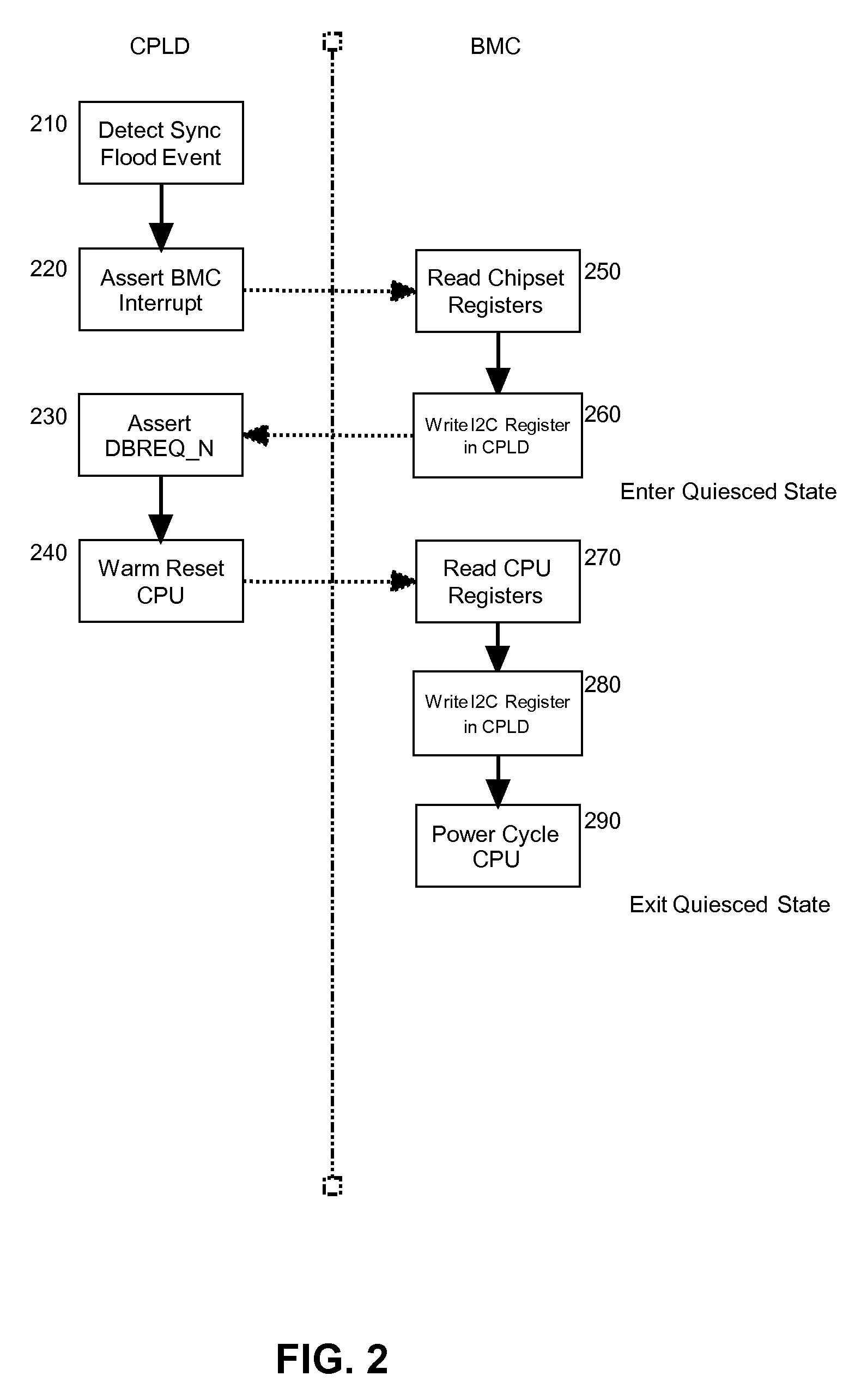
- A method and system that detect an uncorrectable error in a CPU, place it in a quiesced state after a warm reset, retrieve error data from both CPU and chipset registers, and then reboot the CPU to remove the quiesced state, enabling out-of-band diagnostic data recovery even when a reboot is required.
Quality Standards and Compliance for Burn-In Testing
Quality standards and compliance frameworks form the foundation of effective burn-in testing protocols, establishing rigorous benchmarks that ensure diagnostic systems can reliably capture and analyze failure modes. International standards such as JEDEC JESD22-A108 and IEC 60749-26 define comprehensive testing methodologies that specify temperature profiles, voltage stress conditions, and duration requirements for semiconductor burn-in procedures. These standards mandate specific data collection protocols that enable advanced diagnostic systems to maintain consistency across different testing environments and equipment configurations.
Compliance requirements extend beyond basic operational parameters to encompass detailed documentation and traceability protocols. ISO 9001 quality management principles require that burn-in testing facilities implement systematic approaches to failure data collection, including real-time monitoring capabilities and automated anomaly detection systems. Regulatory frameworks such as AS9100 for aerospace applications and ISO/TS 16949 for automotive components impose additional constraints on diagnostic accuracy and response time requirements, necessitating advanced sensor integration and data processing capabilities.
Statistical process control standards, particularly those outlined in AIAG SPC guidelines, establish critical parameters for failure rate calculations and trend analysis within burn-in diagnostic systems. These frameworks require implementation of control charts, capability studies, and measurement system analysis protocols that directly influence the design of advanced diagnostic algorithms. Compliance with these statistical requirements ensures that failure capture mechanisms can distinguish between normal process variation and genuine device degradation patterns.
Calibration and measurement standards play a crucial role in maintaining diagnostic system accuracy throughout extended burn-in cycles. NIST traceability requirements and ISO/IEC 17025 laboratory standards mandate regular verification of temperature sensors, voltage monitors, and timing systems used in burn-in chambers. Advanced diagnostic implementations must incorporate automated calibration verification routines and drift compensation algorithms to maintain compliance with measurement uncertainty requirements typically specified at ±0.5°C for temperature and ±1% for electrical parameters.
Data integrity and cybersecurity compliance have emerged as critical considerations for modern burn-in diagnostic systems. Standards such as IEC 62443 for industrial cybersecurity and FDA 21 CFR Part 11 for electronic records establish requirements for data authentication, audit trails, and secure data transmission protocols. These compliance frameworks necessitate implementation of encrypted data storage systems, user access controls, and tamper-evident logging mechanisms within advanced diagnostic architectures, ensuring that failure capture data maintains its integrity throughout the entire testing lifecycle while meeting regulatory scrutiny requirements.
Compliance requirements extend beyond basic operational parameters to encompass detailed documentation and traceability protocols. ISO 9001 quality management principles require that burn-in testing facilities implement systematic approaches to failure data collection, including real-time monitoring capabilities and automated anomaly detection systems. Regulatory frameworks such as AS9100 for aerospace applications and ISO/TS 16949 for automotive components impose additional constraints on diagnostic accuracy and response time requirements, necessitating advanced sensor integration and data processing capabilities.
Statistical process control standards, particularly those outlined in AIAG SPC guidelines, establish critical parameters for failure rate calculations and trend analysis within burn-in diagnostic systems. These frameworks require implementation of control charts, capability studies, and measurement system analysis protocols that directly influence the design of advanced diagnostic algorithms. Compliance with these statistical requirements ensures that failure capture mechanisms can distinguish between normal process variation and genuine device degradation patterns.
Calibration and measurement standards play a crucial role in maintaining diagnostic system accuracy throughout extended burn-in cycles. NIST traceability requirements and ISO/IEC 17025 laboratory standards mandate regular verification of temperature sensors, voltage monitors, and timing systems used in burn-in chambers. Advanced diagnostic implementations must incorporate automated calibration verification routines and drift compensation algorithms to maintain compliance with measurement uncertainty requirements typically specified at ±0.5°C for temperature and ±1% for electrical parameters.
Data integrity and cybersecurity compliance have emerged as critical considerations for modern burn-in diagnostic systems. Standards such as IEC 62443 for industrial cybersecurity and FDA 21 CFR Part 11 for electronic records establish requirements for data authentication, audit trails, and secure data transmission protocols. These compliance frameworks necessitate implementation of encrypted data storage systems, user access controls, and tamper-evident logging mechanisms within advanced diagnostic architectures, ensuring that failure capture data maintains its integrity throughout the entire testing lifecycle while meeting regulatory scrutiny requirements.
Cost-Benefit Analysis of Advanced Burn-In Diagnostics
The implementation of advanced diagnostics for burn-in failure capture requires substantial financial investment, making cost-benefit analysis crucial for strategic decision-making. Initial capital expenditure encompasses sophisticated diagnostic equipment, sensor integration systems, and advanced data analytics platforms. These investments typically range from $500,000 to $2 million per production line, depending on complexity and throughput requirements.
Operational costs include increased energy consumption due to extended monitoring periods, specialized personnel training, and ongoing software licensing fees. Advanced diagnostic systems may extend burn-in duration by 15-30%, resulting in higher facility utilization costs and delayed time-to-market. However, these expenses are often offset by reduced warranty claims and improved customer satisfaction metrics.
The primary financial benefits emerge through enhanced failure detection rates, which can improve from 85% to 98% with advanced diagnostics implementation. This improvement translates to significant cost avoidance in field failures, where repair costs can be 10-50 times higher than manufacturing-stage detection. Additionally, detailed failure analytics enable predictive maintenance strategies, reducing unplanned downtime by approximately 25-40%.
Return on investment calculations typically show positive outcomes within 18-24 months for high-volume production environments. The break-even point accelerates in applications where field failure costs are particularly high, such as automotive electronics or medical devices. Quality improvement metrics demonstrate reduced defect rates from 100-500 parts per million to 10-50 parts per million.
Long-term benefits include enhanced brand reputation, reduced liability exposure, and improved manufacturing process optimization. Advanced diagnostics generate valuable data for continuous improvement initiatives, enabling manufacturers to refine production parameters and reduce overall manufacturing costs. The cumulative effect often results in 3-5 year ROI ratios exceeding 300-500% in mature implementations.
Operational costs include increased energy consumption due to extended monitoring periods, specialized personnel training, and ongoing software licensing fees. Advanced diagnostic systems may extend burn-in duration by 15-30%, resulting in higher facility utilization costs and delayed time-to-market. However, these expenses are often offset by reduced warranty claims and improved customer satisfaction metrics.
The primary financial benefits emerge through enhanced failure detection rates, which can improve from 85% to 98% with advanced diagnostics implementation. This improvement translates to significant cost avoidance in field failures, where repair costs can be 10-50 times higher than manufacturing-stage detection. Additionally, detailed failure analytics enable predictive maintenance strategies, reducing unplanned downtime by approximately 25-40%.
Return on investment calculations typically show positive outcomes within 18-24 months for high-volume production environments. The break-even point accelerates in applications where field failure costs are particularly high, such as automotive electronics or medical devices. Quality improvement metrics demonstrate reduced defect rates from 100-500 parts per million to 10-50 parts per million.
Long-term benefits include enhanced brand reputation, reduced liability exposure, and improved manufacturing process optimization. Advanced diagnostics generate valuable data for continuous improvement initiatives, enabling manufacturers to refine production parameters and reduce overall manufacturing costs. The cumulative effect often results in 3-5 year ROI ratios exceeding 300-500% in mature implementations.
Unlock deeper insights with Patsnap Eureka Quick Research — get a full tech report to explore trends and direct your research. Try now!
Generate Your Research Report Instantly with AI Agent
Supercharge your innovation with Patsnap Eureka AI Agent Platform!