

How to Implement Advanced Recycling with Cellulose Acetate?
Cellulose Acetate Recycling: Background and Objectives
Cellulose acetate, a versatile and biodegradable polymer, has been a significant material in various industries for over a century. Its journey began in the late 19th century when it was first synthesized, marking the dawn of semi-synthetic fibers. Since then, cellulose acetate has evolved from a photographic film base to a widely used material in textiles, cigarette filters, and various consumer products.
The technological evolution of cellulose acetate has been driven by the increasing demand for sustainable materials and the growing awareness of environmental issues. As a derivative of cellulose, the most abundant organic polymer on Earth, cellulose acetate offers a promising alternative to petroleum-based plastics. Its biodegradability and potential for recycling align well with the global push towards circular economy principles.
However, the recycling of cellulose acetate presents unique challenges that have hindered widespread implementation. Traditional recycling methods often fall short when dealing with this material, particularly in complex products like cigarette filters. The primary objective in advancing cellulose acetate recycling is to develop efficient, cost-effective, and environmentally friendly processes that can handle the material at scale.
Recent technological advancements have opened new avenues for cellulose acetate recycling. Chemical deacetylation processes, which break down the acetate groups to recover cellulose, show promise. Enzymatic approaches, leveraging specific enzymes to degrade cellulose acetate, are also under investigation. These methods aim to not only recycle the material but also to upcycle it into higher-value products.
The goal of implementing advanced recycling for cellulose acetate extends beyond mere waste reduction. It encompasses the creation of a closed-loop system where the recycled material can be reintroduced into the production cycle, reducing reliance on virgin resources. This aligns with broader sustainability goals and the principles of a circular economy.
Furthermore, the development of advanced recycling technologies for cellulose acetate could potentially revolutionize waste management practices across multiple industries. It could lead to the creation of new markets for recycled cellulose-based materials and stimulate innovation in product design that considers end-of-life recyclability from the outset.
As we delve deeper into the technical aspects of cellulose acetate recycling, it's crucial to consider the interdisciplinary nature of this challenge. It requires collaboration between material scientists, chemical engineers, biotechnologists, and environmental experts. The ultimate aim is to transform cellulose acetate from a problematic waste stream into a valuable resource, contributing to a more sustainable and circular future.
Market Analysis for Advanced Recycling Solutions
The market for advanced recycling solutions, particularly those involving cellulose acetate, is experiencing significant growth driven by increasing environmental concerns and regulatory pressures. Cellulose acetate, a biodegradable material commonly used in textiles, cigarette filters, and various consumer products, presents both challenges and opportunities in the recycling sector.
The global market for advanced recycling technologies is projected to expand rapidly in the coming years, with a compound annual growth rate (CAGR) exceeding industry averages. This growth is fueled by the rising demand for sustainable materials and circular economy initiatives across various industries. Cellulose acetate recycling, as a subset of this market, is gaining traction due to its potential to reduce environmental impact and create value from waste streams.
Consumer awareness and preference for eco-friendly products are key drivers in this market. Companies that can effectively recycle cellulose acetate and incorporate it into new products are likely to gain a competitive edge. This trend is particularly evident in the fashion and textile industries, where sustainable materials are increasingly sought after by environmentally conscious consumers.
The market for cellulose acetate recycling solutions is characterized by regional variations. Developed economies, such as those in North America and Europe, are at the forefront of adopting advanced recycling technologies. However, emerging markets in Asia-Pacific and Latin America are showing rapid growth potential as they address mounting waste management challenges.
Government regulations and policies play a crucial role in shaping the market landscape. Many countries are implementing stricter waste management regulations and offering incentives for recycling initiatives, which is driving investment in advanced recycling technologies. The European Union's Circular Economy Action Plan, for instance, has set ambitious targets for recycling and waste reduction, creating a favorable environment for cellulose acetate recycling solutions.
The market is also influenced by technological advancements in recycling processes. Innovations in chemical recycling methods for cellulose acetate are opening up new possibilities for material recovery and reuse. These advancements are attracting investments from both established players in the chemical industry and innovative startups.
Challenges in the market include the need for efficient collection and sorting systems for cellulose acetate waste, as well as the development of cost-effective recycling processes that can compete with virgin material production. Additionally, the market faces competition from alternative biodegradable materials and other recycling technologies.
Despite these challenges, the market outlook for advanced recycling solutions for cellulose acetate remains positive. The increasing focus on sustainability across industries, coupled with technological innovations and supportive regulatory frameworks, is expected to drive continued growth and investment in this sector.
Current Challenges in Cellulose Acetate Recycling
Cellulose acetate recycling faces several significant challenges that hinder widespread implementation of advanced recycling processes. One of the primary obstacles is the complex chemical structure of cellulose acetate, which makes it difficult to break down and separate into its constituent components. The acetyl groups attached to the cellulose backbone create a stable polymer that resists conventional recycling methods.
The heterogeneity of cellulose acetate products further complicates recycling efforts. Different applications, such as textiles, cigarette filters, and packaging materials, often incorporate various additives and coatings. These additional substances interfere with recycling processes and require specialized separation techniques to ensure the purity of recovered materials.
Another major challenge is the lack of efficient collection and sorting systems for cellulose acetate waste. Unlike more common plastics, cellulose acetate products are not widely recognized or segregated in existing recycling streams. This leads to contamination and reduces the overall quality of recycled materials, making it less economically viable for large-scale implementation.
The energy-intensive nature of current cellulose acetate recycling methods poses both economic and environmental concerns. Deacetylation processes, which are necessary to remove acetyl groups, often require high temperatures and harsh chemical treatments. These factors contribute to increased operational costs and potential environmental impacts, limiting the adoption of recycling technologies.
Limited market demand for recycled cellulose acetate products presents another significant hurdle. Many industries still prefer virgin materials due to concerns about the quality and consistency of recycled alternatives. This lack of demand reduces the economic incentives for investing in advanced recycling infrastructure and technologies.
Regulatory challenges also play a role in impeding the progress of cellulose acetate recycling. In many regions, there is a lack of clear guidelines and standards for the recycling and reuse of cellulose acetate materials. This regulatory uncertainty can discourage investment and innovation in recycling technologies.
Lastly, the development of cost-effective and scalable recycling technologies remains a significant challenge. While various methods have been proposed, such as enzymatic degradation and solvent-based recycling, many of these approaches are still in the research or pilot stage. Scaling up these technologies to meet industrial demands while maintaining economic viability is a complex task that requires substantial investment and technological advancements.
Existing Advanced Recycling Methods for Cellulose Acetate
01 Production methods for cellulose acetate
Various methods for producing cellulose acetate are described, including improvements in acetylation processes, solvent systems, and reaction conditions. These methods aim to enhance the efficiency and quality of cellulose acetate production, potentially leading to better material properties for diverse applications.- Cellulose acetate production methods: Various methods for producing cellulose acetate are described, including improvements in acetylation processes, solvent systems, and reaction conditions. These methods aim to enhance the efficiency and quality of cellulose acetate production for different applications.
- Cellulose acetate fiber applications: Cellulose acetate fibers are utilized in diverse applications, such as textiles, filters, and packaging materials. The properties of these fibers can be tailored through modifications in the production process or by incorporating additives to enhance performance characteristics.
- Cellulose acetate film and membrane technology: Advancements in cellulose acetate film and membrane technology focus on improving properties such as permeability, selectivity, and durability. These developments are applicable in areas like water treatment, gas separation, and packaging industries.
- Cellulose acetate composites and blends: Research on cellulose acetate composites and blends explores combinations with other materials to create products with enhanced properties. This includes improvements in mechanical strength, thermal stability, and biodegradability for various industrial applications.
- Cellulose acetate modification and functionalization: Techniques for modifying and functionalizing cellulose acetate are developed to impart specific properties or functionalities. These modifications can include chemical treatments, grafting, or incorporation of nanoparticles to enhance the material's performance in specialized applications.
02 Cellulose acetate fibers and films
Innovations in the production and modification of cellulose acetate fibers and films are presented. These developments focus on improving the physical and chemical properties of the materials, such as strength, flexibility, and biodegradability, for use in textiles, packaging, and other industrial applications.Expand Specific Solutions03 Cellulose acetate in pharmaceutical applications
The use of cellulose acetate in pharmaceutical formulations is explored, including its application in controlled release systems, drug delivery vehicles, and as excipients. These innovations aim to enhance drug efficacy, stability, and bioavailability in various pharmaceutical products.Expand Specific Solutions04 Modification and functionalization of cellulose acetate
Techniques for modifying and functionalizing cellulose acetate are described, including chemical treatments, blending with other polymers, and incorporation of additives. These modifications aim to enhance specific properties or introduce new functionalities for advanced applications in various industries.Expand Specific Solutions05 Cellulose acetate in membrane technology
Advancements in the use of cellulose acetate for membrane applications are presented, including improvements in membrane formation, structure, and performance. These developments focus on enhancing filtration efficiency, selectivity, and durability for applications in water treatment, gas separation, and other industrial processes.Expand Specific Solutions
Key Players in Advanced Polymer Recycling Industry
The advanced recycling of cellulose acetate is in a growth phase, with increasing market demand driven by sustainability concerns. The global market size for cellulose acetate recycling is expanding, though exact figures vary. Technologically, the field is progressing rapidly, with varying levels of maturity among key players. Companies like Daicel Corp., Eastman Chemical Co., and Lenzing AG are at the forefront, demonstrating advanced capabilities in cellulose acetate recycling. Research institutions such as the Institute of Process Engineering, Chinese Academy of Sciences, and universities like Kobe University and South China University of Technology are contributing significantly to technological advancements. Emerging players like Infinited Fiber Co. Oy and TBM Co., Ltd. are introducing innovative approaches, indicating a dynamic and competitive landscape in this sector.
Daicel Corp.
Eastman Chemical Co.
Innovative Technologies in Cellulose Acetate Decomposition
- A method using supercritical fluid technology to extract toxic substances from cigarette filter fibers by bringing them into contact with a dense fluid under pressure, such as carbon dioxide in a supercritical state, which acts as a powerful solvent to remove contaminants and odors, allowing for the reuse of purified fibers without the need for post-treatment.


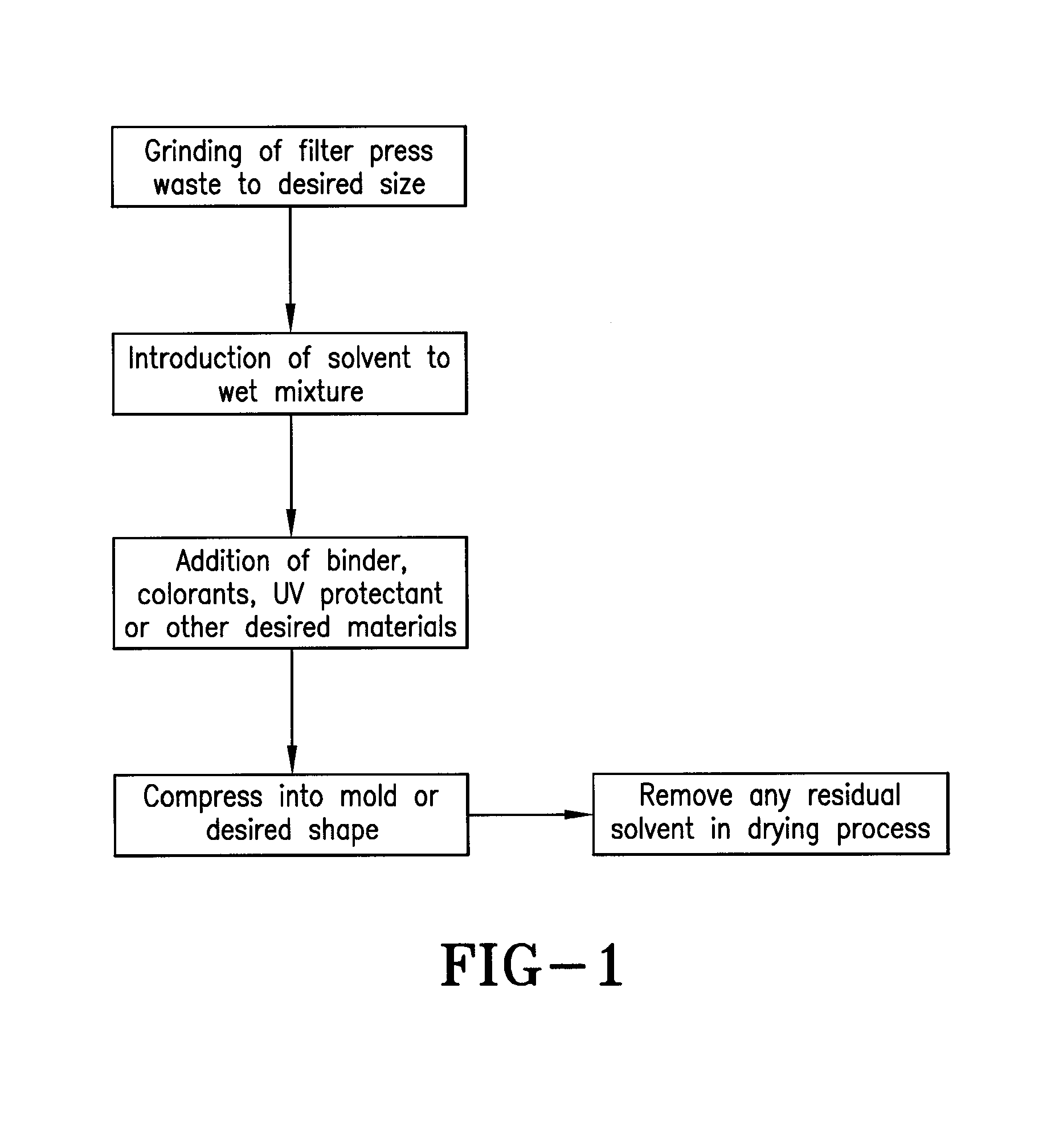
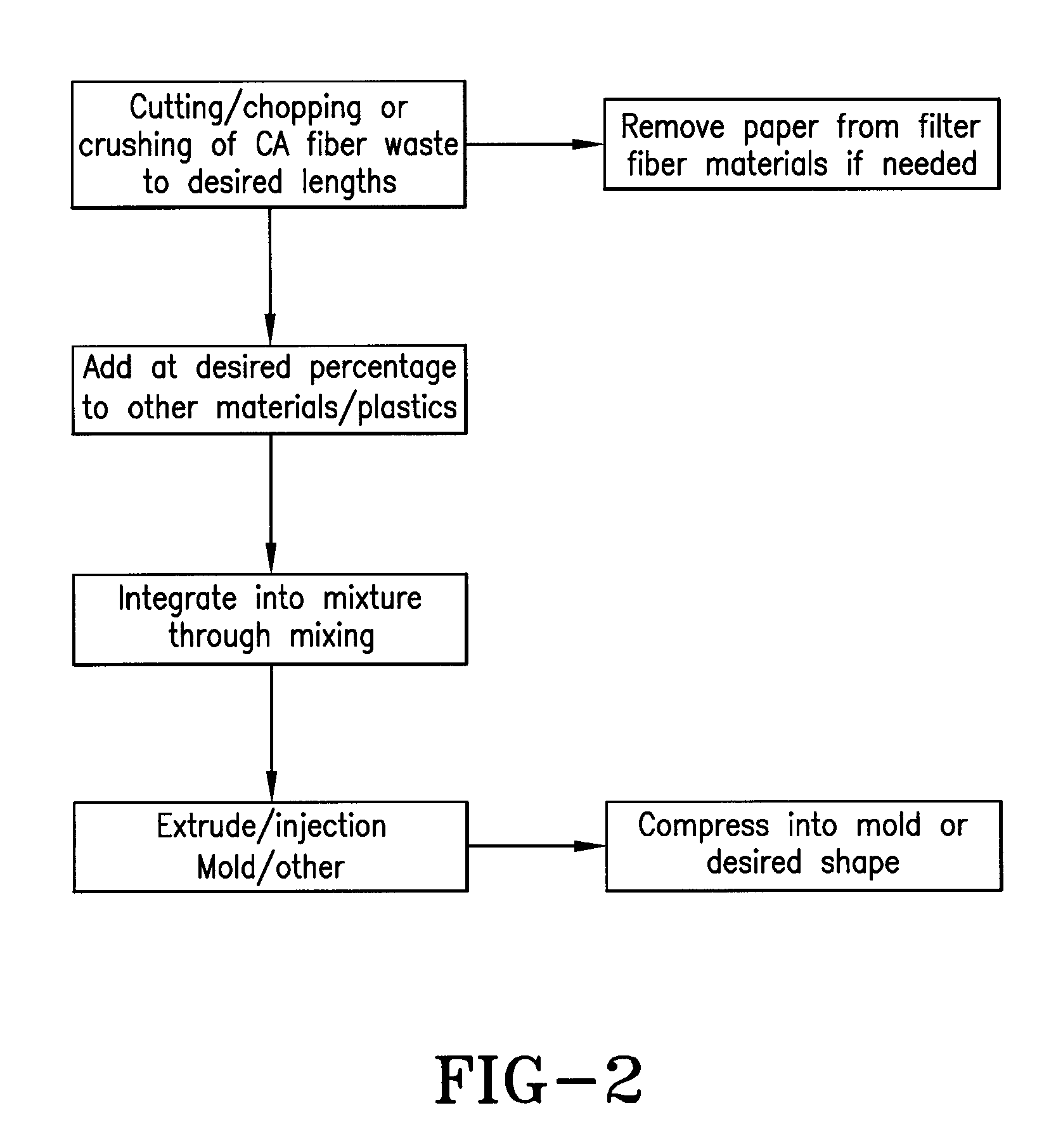
- A process involving grinding and wetting cellulose acetate waste with acetone, followed by molding and possible addition of colorants or UV protection, to create strong and lightweight materials suitable for insulation, reinforcement in plastics, and decorative items, leveraging the fibers' strength and insulating properties.
Environmental Impact and Sustainability Assessment
The implementation of advanced recycling with cellulose acetate presents significant environmental impacts and sustainability considerations. This process aims to address the growing concern of plastic waste management, particularly for items made from cellulose acetate, such as cigarette filters and certain textiles.
From an environmental perspective, advanced recycling of cellulose acetate can potentially reduce the amount of plastic waste entering landfills and ecosystems. By diverting these materials from traditional waste streams, the process contributes to the mitigation of soil and water pollution caused by the slow degradation of cellulose acetate products. Furthermore, it helps in conserving natural resources by reducing the demand for virgin cellulose acetate production.
The sustainability assessment of this recycling method reveals both positive and challenging aspects. On the positive side, it promotes a circular economy model by extending the lifecycle of cellulose acetate materials. This approach aligns with global sustainability goals and supports the transition towards more responsible consumption and production patterns.
However, the recycling process itself requires careful evaluation. Energy consumption during the recycling operations is a critical factor to consider. The environmental benefits of recycling must outweigh the energy inputs and associated emissions. Additionally, the use of chemicals in the recycling process necessitates stringent controls to prevent the release of harmful substances into the environment.
Water usage is another important consideration in the sustainability assessment. Advanced recycling techniques often involve water-intensive processes, which may strain local water resources. Implementing water recycling systems within the recycling facilities can help mitigate this impact and improve overall sustainability.
The end products of cellulose acetate recycling also play a crucial role in the environmental impact assessment. The quality and applications of recycled cellulose acetate determine its potential to replace virgin materials effectively. Higher quality recycled products can lead to greater environmental benefits by reducing the need for new cellulose acetate production.
Long-term sustainability of advanced recycling for cellulose acetate depends on the development of efficient collection and sorting systems. Establishing robust infrastructure for the separate collection of cellulose acetate products is essential to ensure a steady supply of recyclable materials and maximize the environmental benefits of the recycling process.
In conclusion, while advanced recycling of cellulose acetate offers promising environmental benefits, a comprehensive sustainability assessment must consider the entire lifecycle of the process. Balancing the positive impacts of waste reduction and resource conservation against the energy and resource inputs of the recycling process is crucial for ensuring true environmental sustainability.
Regulatory Framework for Advanced Recycling Processes
The regulatory framework for advanced recycling processes involving cellulose acetate is a complex and evolving landscape. As the demand for sustainable solutions grows, governments and regulatory bodies are adapting their policies to accommodate innovative recycling technologies. The framework typically encompasses environmental protection, waste management, and product safety regulations.
At the federal level, the Environmental Protection Agency (EPA) plays a crucial role in overseeing advanced recycling processes. The Resource Conservation and Recovery Act (RCRA) provides the primary framework for regulating solid waste management, including recycling activities. Under RCRA, advanced recycling facilities may be subject to permitting requirements, depending on the specific processes involved and the materials handled.
State-level regulations often complement federal guidelines, with some states implementing more stringent requirements. For instance, California's Department of Toxic Substances Control (DTSC) has established specific regulations for chemical recycling processes, which may apply to certain advanced recycling methods for cellulose acetate.
The Food and Drug Administration (FDA) also plays a role in regulating recycled materials that may come into contact with food or pharmaceuticals. For cellulose acetate recycling intended for such applications, compliance with FDA guidelines on recycled plastics is essential.
Internationally, the Basel Convention on the Control of Transboundary Movements of Hazardous Wastes and Their Disposal influences the global regulatory landscape for advanced recycling. Countries that are signatories to the convention must adhere to its guidelines when importing or exporting recyclable materials, including cellulose acetate waste.
The European Union's Waste Framework Directive provides a comprehensive regulatory approach to waste management and recycling. It establishes a waste hierarchy that prioritizes prevention, reuse, and recycling over disposal. Advanced recycling processes for cellulose acetate would need to align with these principles to gain regulatory approval within the EU.
Emerging regulations are increasingly focusing on the circular economy concept. This approach encourages the development of closed-loop systems where materials like cellulose acetate can be continuously recycled and reused. Regulatory frameworks are evolving to support this transition, with incentives for companies that implement advanced recycling technologies.
As advanced recycling technologies for cellulose acetate continue to develop, regulatory bodies are likely to adapt their frameworks to address specific challenges and opportunities presented by these innovations. This may include new standards for recycled content, quality assurance protocols, and environmental impact assessments tailored to advanced recycling processes.