

How to Implement AI in Predictive Drainage System Analytics
FEB 11, 20269 MIN READ
Generate Your Research Report Instantly with AI Agent
Patsnap Eureka helps you evaluate technical feasibility & market potential.
AI-Driven Predictive Drainage System Background and Objectives
Drainage systems have evolved from passive infrastructure into critical urban assets requiring sophisticated management approaches. Traditional drainage management relied on reactive maintenance and periodic inspections, often resulting in system failures, flooding events, and costly emergency repairs. The integration of artificial intelligence into predictive drainage analytics represents a paradigm shift toward proactive infrastructure management, enabling cities and facilities to anticipate problems before they escalate into critical failures.
The historical development of drainage system monitoring began with manual inspections and basic sensor deployments in the late 20th century. Early automation efforts focused on simple threshold-based alerts for water levels and flow rates. However, these systems lacked the capability to identify complex patterns or predict future conditions. The advent of IoT technologies in the 2010s enabled continuous data collection from distributed sensor networks, creating vast datasets that remained underutilized due to limited analytical capabilities.
Recent advances in machine learning algorithms, edge computing, and cloud infrastructure have created unprecedented opportunities to transform drainage system management. AI-driven predictive analytics can now process multi-dimensional data streams including rainfall patterns, flow rates, sediment levels, structural integrity indicators, and environmental factors to forecast system behavior with remarkable accuracy. This technological convergence addresses longstanding challenges in urban water management, particularly as climate change intensifies extreme weather events and aging infrastructure demands more intelligent maintenance strategies.
The primary objective of implementing AI in predictive drainage analytics is to transition from reactive to predictive maintenance paradigms. This involves developing models that can accurately forecast blockages, overflow events, structural degradation, and capacity limitations before they manifest as operational failures. Secondary objectives include optimizing maintenance resource allocation, extending infrastructure lifespan through timely interventions, reducing environmental impacts from system failures, and improving overall system resilience against extreme weather conditions.
Achieving these objectives requires addressing several technical imperatives: establishing robust data collection frameworks, developing accurate predictive models tailored to drainage system dynamics, creating actionable alert mechanisms for maintenance teams, and integrating AI insights into existing infrastructure management workflows. The ultimate goal is creating self-aware drainage systems that continuously learn from operational data to improve prediction accuracy and operational efficiency over time.
The historical development of drainage system monitoring began with manual inspections and basic sensor deployments in the late 20th century. Early automation efforts focused on simple threshold-based alerts for water levels and flow rates. However, these systems lacked the capability to identify complex patterns or predict future conditions. The advent of IoT technologies in the 2010s enabled continuous data collection from distributed sensor networks, creating vast datasets that remained underutilized due to limited analytical capabilities.
Recent advances in machine learning algorithms, edge computing, and cloud infrastructure have created unprecedented opportunities to transform drainage system management. AI-driven predictive analytics can now process multi-dimensional data streams including rainfall patterns, flow rates, sediment levels, structural integrity indicators, and environmental factors to forecast system behavior with remarkable accuracy. This technological convergence addresses longstanding challenges in urban water management, particularly as climate change intensifies extreme weather events and aging infrastructure demands more intelligent maintenance strategies.
The primary objective of implementing AI in predictive drainage analytics is to transition from reactive to predictive maintenance paradigms. This involves developing models that can accurately forecast blockages, overflow events, structural degradation, and capacity limitations before they manifest as operational failures. Secondary objectives include optimizing maintenance resource allocation, extending infrastructure lifespan through timely interventions, reducing environmental impacts from system failures, and improving overall system resilience against extreme weather conditions.
Achieving these objectives requires addressing several technical imperatives: establishing robust data collection frameworks, developing accurate predictive models tailored to drainage system dynamics, creating actionable alert mechanisms for maintenance teams, and integrating AI insights into existing infrastructure management workflows. The ultimate goal is creating self-aware drainage systems that continuously learn from operational data to improve prediction accuracy and operational efficiency over time.
Market Demand for Smart Drainage Management Solutions
The global drainage infrastructure is undergoing a fundamental transformation driven by urbanization pressures, climate change impacts, and aging municipal systems. Traditional reactive maintenance approaches are proving inadequate as cities face increasingly frequent flooding events, infrastructure failures, and escalating operational costs. This convergence of challenges has created substantial market demand for intelligent drainage management solutions that leverage predictive analytics and artificial intelligence.
Urban flooding has emerged as a critical concern for metropolitan areas worldwide, with economic losses from drainage system failures mounting significantly in recent years. Municipalities are recognizing that conventional monitoring methods cannot provide the real-time insights and predictive capabilities necessary to prevent catastrophic failures. The shift toward smart city initiatives has further accelerated interest in AI-driven solutions that can optimize drainage network performance, reduce emergency response costs, and extend infrastructure lifespan through proactive maintenance strategies.
Water utilities and municipal authorities represent the primary demand drivers, seeking technologies that can integrate with existing SCADA systems while providing advanced predictive capabilities. These organizations face mounting pressure to improve service reliability while operating under constrained budgets, making cost-effective predictive solutions particularly attractive. The ability to forecast blockages, identify structural deterioration before failure occurs, and optimize maintenance scheduling presents compelling value propositions that justify technology investments.
Private sector demand is also expanding rapidly, particularly from industrial facilities, commercial real estate developers, and infrastructure management companies. These entities recognize that drainage system failures can result in significant business disruption, property damage, and liability exposure. Predictive analytics solutions offer risk mitigation capabilities that align with corporate sustainability goals and operational efficiency objectives.
Regulatory developments are further stimulating market demand, as environmental protection agencies implement stricter requirements for stormwater management and wastewater discharge monitoring. Compliance with these evolving standards necessitates more sophisticated monitoring and predictive capabilities than traditional systems provide. Additionally, insurance industry trends toward risk-based pricing models are incentivizing property owners to adopt predictive maintenance technologies that demonstrate proactive infrastructure management.
The market landscape reveals strong growth potential across both developed and emerging economies, with particular intensity in regions experiencing rapid urbanization or facing acute climate adaptation challenges. Technology adoption patterns indicate that early market entrants are establishing competitive advantages through proven implementation track records and demonstrated return on investment metrics.
Urban flooding has emerged as a critical concern for metropolitan areas worldwide, with economic losses from drainage system failures mounting significantly in recent years. Municipalities are recognizing that conventional monitoring methods cannot provide the real-time insights and predictive capabilities necessary to prevent catastrophic failures. The shift toward smart city initiatives has further accelerated interest in AI-driven solutions that can optimize drainage network performance, reduce emergency response costs, and extend infrastructure lifespan through proactive maintenance strategies.
Water utilities and municipal authorities represent the primary demand drivers, seeking technologies that can integrate with existing SCADA systems while providing advanced predictive capabilities. These organizations face mounting pressure to improve service reliability while operating under constrained budgets, making cost-effective predictive solutions particularly attractive. The ability to forecast blockages, identify structural deterioration before failure occurs, and optimize maintenance scheduling presents compelling value propositions that justify technology investments.
Private sector demand is also expanding rapidly, particularly from industrial facilities, commercial real estate developers, and infrastructure management companies. These entities recognize that drainage system failures can result in significant business disruption, property damage, and liability exposure. Predictive analytics solutions offer risk mitigation capabilities that align with corporate sustainability goals and operational efficiency objectives.
Regulatory developments are further stimulating market demand, as environmental protection agencies implement stricter requirements for stormwater management and wastewater discharge monitoring. Compliance with these evolving standards necessitates more sophisticated monitoring and predictive capabilities than traditional systems provide. Additionally, insurance industry trends toward risk-based pricing models are incentivizing property owners to adopt predictive maintenance technologies that demonstrate proactive infrastructure management.
The market landscape reveals strong growth potential across both developed and emerging economies, with particular intensity in regions experiencing rapid urbanization or facing acute climate adaptation challenges. Technology adoption patterns indicate that early market entrants are establishing competitive advantages through proven implementation track records and demonstrated return on investment metrics.
Current State and Challenges in Drainage System Analytics
Drainage system analytics currently operates at a transitional juncture where traditional monitoring methods coexist with emerging digital technologies. Most existing systems rely on periodic manual inspections, SCADA-based monitoring, and reactive maintenance protocols. While these approaches have served municipalities for decades, they suffer from significant limitations in predictive capability and real-time responsiveness. The integration of IoT sensors has begun to provide continuous data streams on flow rates, water levels, and structural conditions, yet the analytical frameworks to process this information remain largely rudimentary.
The primary challenge facing drainage system analytics lies in data fragmentation and quality inconsistency. Infrastructure networks span vast geographical areas with sensors deployed across diverse environments, resulting in heterogeneous data formats and varying collection frequencies. Missing data points, sensor malfunctions, and calibration drift create substantial noise that complicates pattern recognition. Additionally, many legacy systems lack standardized data protocols, making integration with modern analytical platforms technically complex and resource-intensive.
Computational constraints present another significant barrier to advanced analytics implementation. Drainage networks generate massive volumes of time-series data that require substantial processing power for real-time analysis. Current systems often struggle with latency issues, particularly during extreme weather events when predictive insights are most critical. The computational demands of machine learning models, especially deep learning architectures, frequently exceed the capabilities of existing municipal IT infrastructure.
Technical expertise gaps compound these technological challenges. Implementing AI-driven predictive analytics requires interdisciplinary knowledge spanning hydraulic engineering, data science, and software development. Many water utilities lack personnel with this specialized skill combination, creating dependencies on external consultants and hindering long-term system optimization. Furthermore, the absence of standardized benchmarks for model performance makes it difficult to evaluate solution effectiveness across different contexts.
Regulatory and operational constraints also impede progress. Data privacy concerns, particularly in residential areas, limit sensor deployment options. Budget limitations force municipalities to prioritize immediate operational needs over long-term technological investments. The conservative nature of critical infrastructure management creates institutional resistance to adopting unproven technologies, even when potential benefits are substantial. These multifaceted challenges necessitate comprehensive strategies that address technical, organizational, and regulatory dimensions simultaneously.
The primary challenge facing drainage system analytics lies in data fragmentation and quality inconsistency. Infrastructure networks span vast geographical areas with sensors deployed across diverse environments, resulting in heterogeneous data formats and varying collection frequencies. Missing data points, sensor malfunctions, and calibration drift create substantial noise that complicates pattern recognition. Additionally, many legacy systems lack standardized data protocols, making integration with modern analytical platforms technically complex and resource-intensive.
Computational constraints present another significant barrier to advanced analytics implementation. Drainage networks generate massive volumes of time-series data that require substantial processing power for real-time analysis. Current systems often struggle with latency issues, particularly during extreme weather events when predictive insights are most critical. The computational demands of machine learning models, especially deep learning architectures, frequently exceed the capabilities of existing municipal IT infrastructure.
Technical expertise gaps compound these technological challenges. Implementing AI-driven predictive analytics requires interdisciplinary knowledge spanning hydraulic engineering, data science, and software development. Many water utilities lack personnel with this specialized skill combination, creating dependencies on external consultants and hindering long-term system optimization. Furthermore, the absence of standardized benchmarks for model performance makes it difficult to evaluate solution effectiveness across different contexts.
Regulatory and operational constraints also impede progress. Data privacy concerns, particularly in residential areas, limit sensor deployment options. Budget limitations force municipalities to prioritize immediate operational needs over long-term technological investments. The conservative nature of critical infrastructure management creates institutional resistance to adopting unproven technologies, even when potential benefits are substantial. These multifaceted challenges necessitate comprehensive strategies that address technical, organizational, and regulatory dimensions simultaneously.
Existing AI Solutions for Predictive Drainage Analytics
01 Machine learning algorithms for drainage flow prediction
Advanced machine learning models including neural networks, decision trees, and ensemble methods are employed to analyze historical drainage data and predict future flow patterns. These algorithms process multiple variables such as rainfall intensity, soil moisture, and topographical features to generate accurate predictions of drainage system behavior. The models are trained on large datasets to identify complex patterns and relationships that traditional methods might miss.- Machine learning algorithms for drainage flow prediction: Advanced machine learning models including neural networks, decision trees, and ensemble methods are employed to analyze historical drainage data and predict future flow patterns. These algorithms process multiple variables such as rainfall intensity, soil moisture, and topographical features to generate accurate predictions of drainage system behavior. The models are trained on large datasets to identify complex patterns and correlations that traditional methods might miss.
- Real-time sensor data integration and processing: Integration of IoT sensors and monitoring devices enables continuous collection of drainage system parameters including water levels, flow rates, pressure measurements, and environmental conditions. The sensor data is processed in real-time using edge computing and cloud-based analytics platforms to provide immediate insights and enable rapid response to changing conditions. Data preprocessing techniques ensure accuracy by filtering noise and handling missing values.
- Predictive maintenance and anomaly detection: Artificial intelligence systems monitor drainage infrastructure to identify potential failures, blockages, and performance degradation before they cause system failures. Pattern recognition algorithms detect anomalies in system behavior by comparing current operations against baseline performance metrics. Predictive models estimate remaining useful life of components and recommend optimal maintenance schedules to minimize downtime and repair costs.
- Weather forecasting integration for flood prediction: Predictive analytics systems incorporate meteorological data and weather forecasts to anticipate drainage system loads during storm events. Advanced models combine historical weather patterns, real-time atmospheric conditions, and climate projections to predict rainfall intensity and duration. The integration enables proactive management of drainage capacity and early warning systems for potential flooding scenarios.
- Deep learning for spatial-temporal pattern analysis: Deep learning architectures process multi-dimensional spatial and temporal data to understand complex drainage system dynamics across different geographical areas and time periods. Convolutional and recurrent neural networks analyze sequential data to capture long-term dependencies and seasonal variations in drainage patterns. These models improve prediction accuracy by learning hierarchical representations of drainage system behavior and environmental interactions.
02 Real-time sensor data integration and processing
Integration of IoT sensors and real-time data collection systems enables continuous monitoring of drainage infrastructure. These systems gather data from multiple sources including flow meters, water level sensors, and weather stations, processing the information through AI algorithms to provide immediate insights. The real-time processing capability allows for dynamic adjustment of predictions based on current conditions and improves overall system responsiveness.Expand Specific Solutions03 Predictive maintenance and failure detection
AI-powered systems analyze drainage infrastructure performance data to predict potential failures and maintenance needs before they occur. By monitoring parameters such as flow rates, pressure levels, and system efficiency, these solutions can identify anomalies and degradation patterns. This proactive approach helps prevent system failures, reduces downtime, and optimizes maintenance scheduling.Expand Specific Solutions04 Deep learning for pattern recognition in drainage systems
Deep learning architectures are utilized to recognize complex patterns in drainage system behavior across different temporal and spatial scales. These models can identify seasonal variations, unusual events, and long-term trends that affect system performance. The deep learning approach enhances prediction accuracy by capturing non-linear relationships and interactions between multiple factors affecting drainage operations.Expand Specific Solutions05 Accuracy validation and model optimization techniques
Systematic approaches for validating prediction accuracy and continuously improving model performance through feedback loops and calibration processes. These techniques include cross-validation methods, error analysis, and adaptive learning mechanisms that refine predictions based on actual outcomes. Performance metrics and benchmarking protocols ensure that the AI systems maintain high accuracy levels and reliability in various operational conditions.Expand Specific Solutions
Key Players in Smart Drainage and AI Analytics
The implementation of AI in predictive drainage system analytics represents an evolving competitive landscape characterized by early-stage market consolidation and diverse technological maturity levels. The market encompasses established hydropower operators like China Yangtze Power Co., Ltd. and Three Gorges Jinsha River Yunchuan Hydropower Development Co., Ltd., alongside specialized AI solution providers such as Beijing Huakong Zhijia Technology Co., Ltd., which leverages Tsinghua University's machine voiceprint technology for predictive maintenance. Research institutions including China Institute of Water Resources & Hydropower Research and China University of Geosciences contribute foundational R&D capabilities. Industrial giants like Mitsubishi Electric Corp. and ABB Group bring mature automation expertise, while cloud infrastructure providers such as Inspur Cloud Information Technology Co., Ltd. enable scalable AI deployment. The sector demonstrates varying technological readiness, with some players advancing sophisticated predictive analytics while others remain in traditional monitoring phases, indicating significant growth potential as AI adoption accelerates across water management infrastructure.
China Institute of Water Resources & Hydropower Research
Technical Solution: The institute has developed comprehensive AI-based predictive analytics frameworks for large-scale drainage and flood control systems. Their approach combines hydrological modeling with deep learning neural networks to process multi-source data including satellite imagery, ground sensors, and historical flood records. The system utilizes convolutional neural networks (CNNs) for spatial pattern recognition in drainage networks and recurrent neural networks (RNNs) for time-series prediction of water flow dynamics. Their platform integrates digital twin technology to simulate drainage system behavior under various scenarios, enabling predictive maintenance scheduling and infrastructure optimization. The solution has been deployed across multiple river basin management projects in China, demonstrating accuracy improvements of 30-40% over traditional hydrological models.
Strengths: Strong research foundation with extensive experience in large-scale water infrastructure projects and government backing. Weaknesses: Solutions may be more research-oriented with longer implementation cycles and less commercial agility.
Smart Rain Systems LLC
Technical Solution: Smart Rain Systems specializes in intelligent stormwater management solutions that leverage AI and IoT technologies for predictive drainage analytics. Their platform integrates real-time sensor networks with machine learning algorithms to monitor rainfall patterns, soil moisture levels, and drainage system capacity. The system employs predictive models that analyze historical weather data, current meteorological forecasts, and infrastructure performance metrics to anticipate drainage system stress and potential flooding events. Their AI-driven approach includes automated valve control, dynamic flow routing, and early warning systems that can predict drainage failures 24-48 hours in advance, enabling proactive maintenance and emergency response planning.
Strengths: Specialized focus on smart drainage with proven IoT integration and real-time predictive capabilities. Weaknesses: Limited scalability for large-scale municipal infrastructure and relatively smaller market presence compared to industrial giants.
Core AI Technologies for Drainage Prediction Models
Hydropower station drainage system adaptive diagnosis method based on artificial intelligence
PatentPendingCN119960418A
Innovation
- An AI-based adaptive diagnostic method is employed. Multiple sensors are deployed in the drainage system to collect data in real time, constructing a dataset. A deep learning model combining graph neural networks and Transformer algorithms is then used to build a health status model of the drainage system for fault prediction and adaptive control.


System method and apparatus for ai-based adaptive control of hydrology management for basin rivers
PatentActiveUS20210326715A1
Innovation
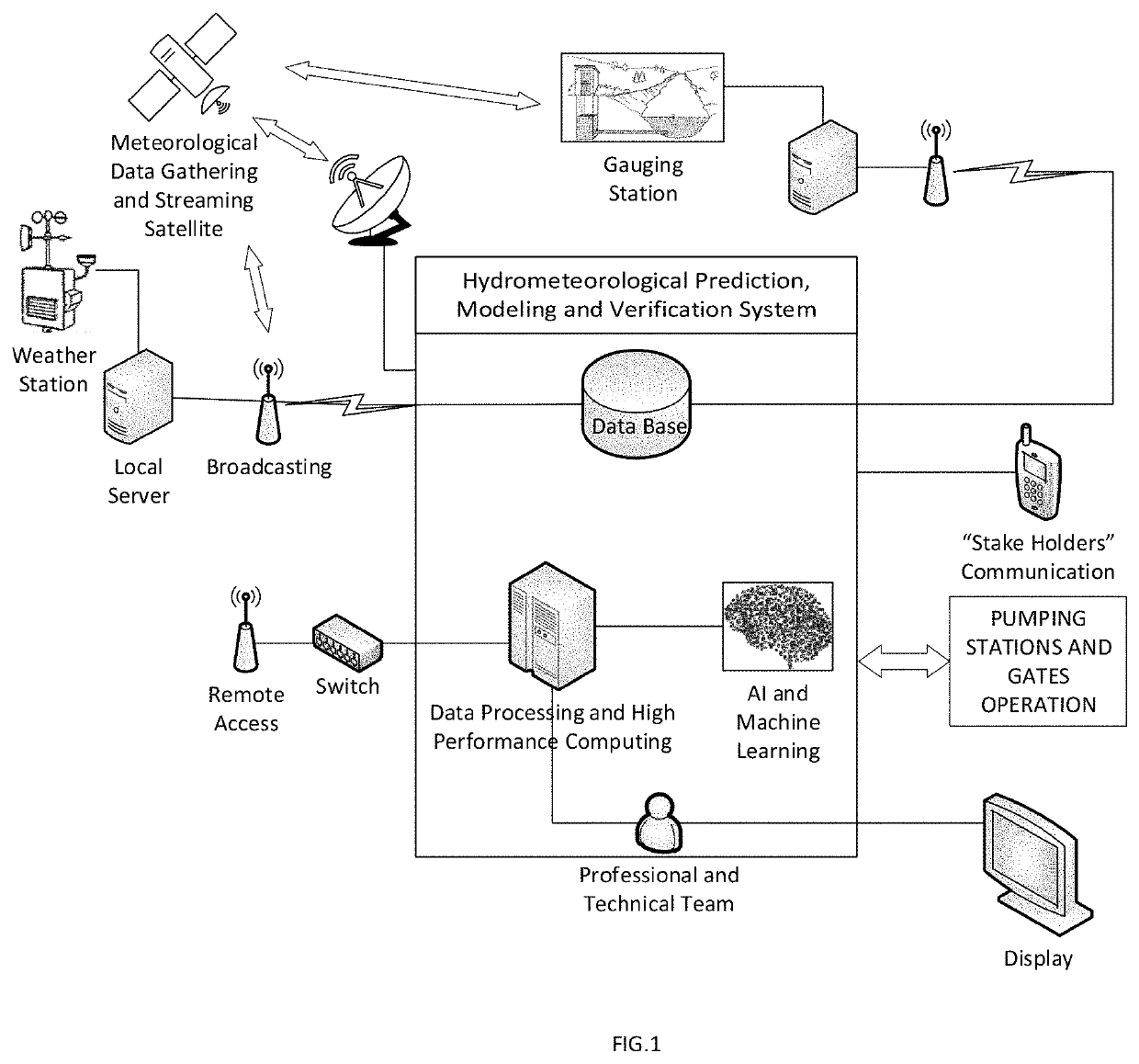
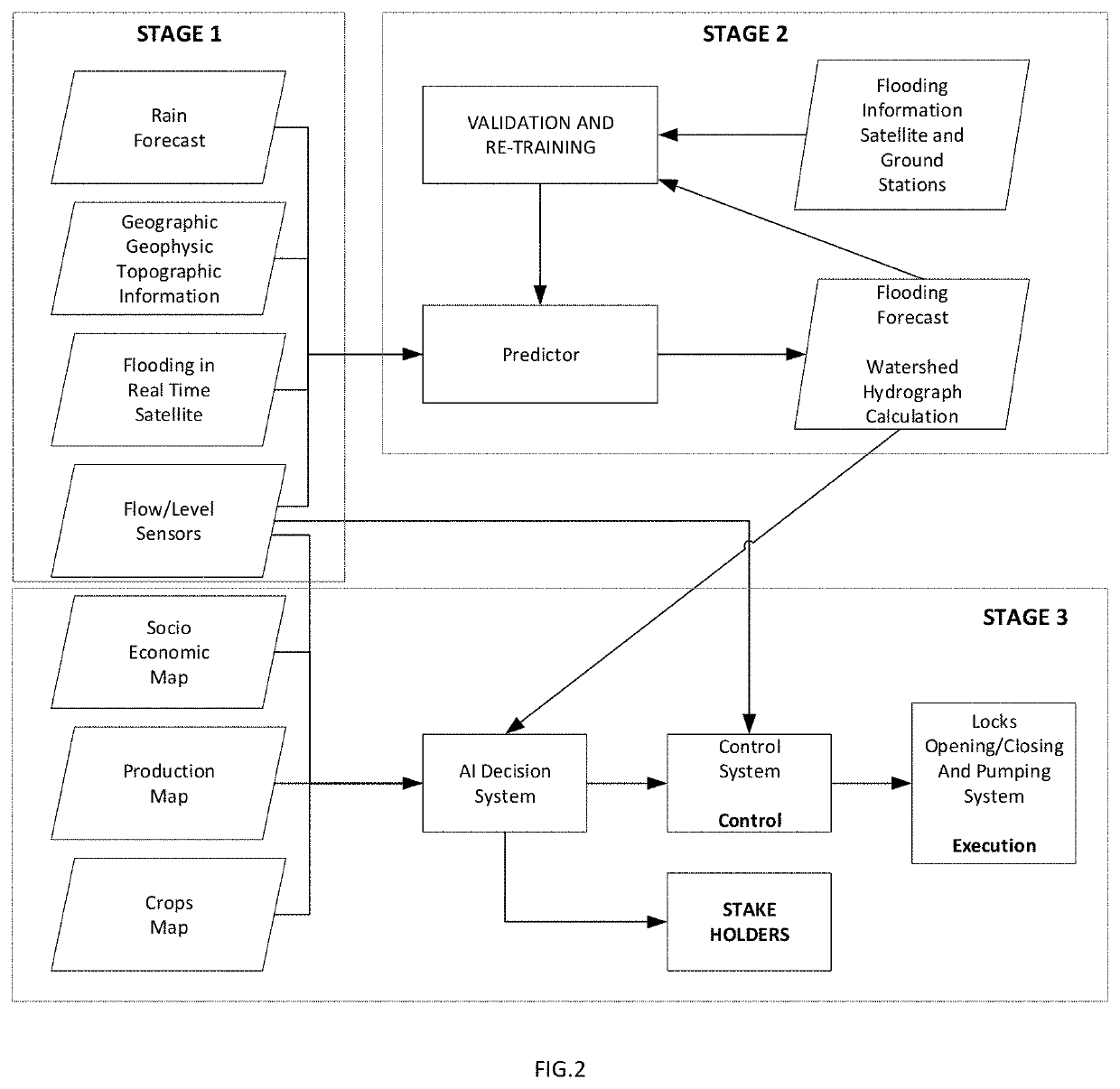
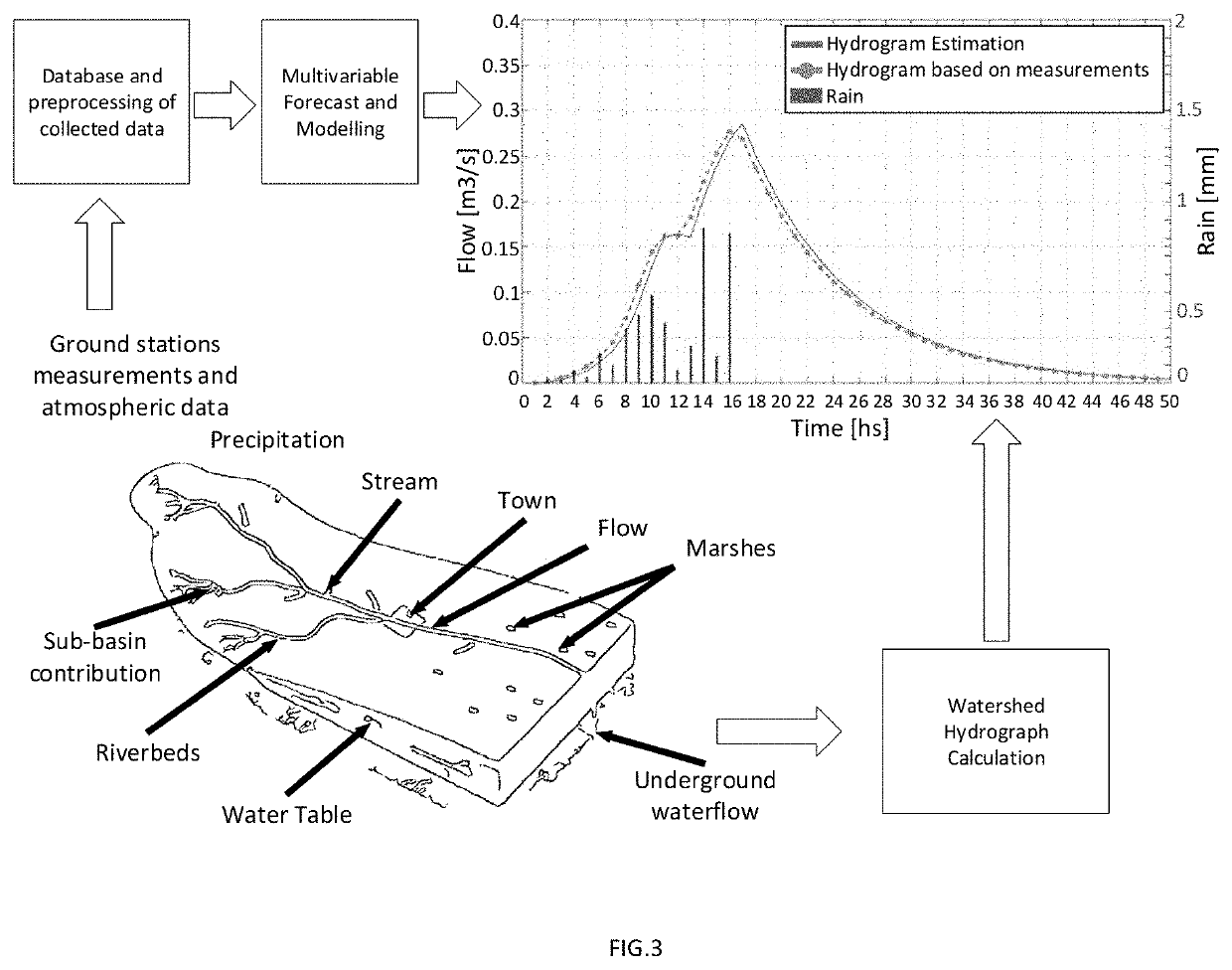
- An AI-driven system integrating weather stations, artificial drainage networks, and reservoir management through locks and pumping stations, using meta-heuristic algorithms and neural networks to simulate and optimize water flow management, generate alerts, and direct resource allocation for flood control and water storage.

Environmental and Regulatory Compliance Factors
The implementation of AI in predictive drainage system analytics must navigate a complex landscape of environmental regulations and compliance requirements that vary significantly across jurisdictions. These systems, which monitor and predict drainage performance, water quality, and potential failures, are subject to stringent data protection laws, environmental standards, and infrastructure safety regulations. Organizations deploying such technologies must ensure compliance with water quality directives, such as the Clean Water Act in the United States or the Water Framework Directive in the European Union, which mandate specific monitoring protocols and reporting standards for wastewater management systems.
Data governance represents a critical compliance dimension, particularly when AI systems process sensitive information about municipal infrastructure, private property drainage patterns, and environmental conditions. The General Data Protection Regulation in Europe and similar privacy frameworks globally impose strict requirements on data collection, storage, and processing methodologies. AI-driven predictive systems must incorporate privacy-by-design principles, ensuring that personal data is anonymized and that algorithmic decision-making processes remain transparent and auditable to regulatory authorities.
Environmental impact assessments constitute another essential compliance factor, as predictive drainage analytics directly influence ecosystem management and pollution prevention strategies. Regulatory bodies increasingly require documentation demonstrating how AI algorithms contribute to environmental protection objectives, including reduction of combined sewer overflows, prevention of groundwater contamination, and protection of aquatic habitats. These systems must generate audit trails that prove compliance with discharge permits and environmental quality standards.
Furthermore, emerging regulations specifically targeting AI deployment in critical infrastructure demand algorithmic accountability and explainability. Regulatory frameworks are evolving to address concerns about algorithmic bias, system reliability, and the potential consequences of prediction errors in drainage management. Organizations must establish governance structures that ensure AI models undergo regular validation against regulatory benchmarks, maintain documentation of training data sources and model performance metrics, and implement fail-safe mechanisms that prevent non-compliant operational decisions. This regulatory landscape necessitates continuous monitoring of legislative developments and proactive adaptation of AI systems to meet evolving compliance standards.
Data governance represents a critical compliance dimension, particularly when AI systems process sensitive information about municipal infrastructure, private property drainage patterns, and environmental conditions. The General Data Protection Regulation in Europe and similar privacy frameworks globally impose strict requirements on data collection, storage, and processing methodologies. AI-driven predictive systems must incorporate privacy-by-design principles, ensuring that personal data is anonymized and that algorithmic decision-making processes remain transparent and auditable to regulatory authorities.
Environmental impact assessments constitute another essential compliance factor, as predictive drainage analytics directly influence ecosystem management and pollution prevention strategies. Regulatory bodies increasingly require documentation demonstrating how AI algorithms contribute to environmental protection objectives, including reduction of combined sewer overflows, prevention of groundwater contamination, and protection of aquatic habitats. These systems must generate audit trails that prove compliance with discharge permits and environmental quality standards.
Furthermore, emerging regulations specifically targeting AI deployment in critical infrastructure demand algorithmic accountability and explainability. Regulatory frameworks are evolving to address concerns about algorithmic bias, system reliability, and the potential consequences of prediction errors in drainage management. Organizations must establish governance structures that ensure AI models undergo regular validation against regulatory benchmarks, maintain documentation of training data sources and model performance metrics, and implement fail-safe mechanisms that prevent non-compliant operational decisions. This regulatory landscape necessitates continuous monitoring of legislative developments and proactive adaptation of AI systems to meet evolving compliance standards.
Data Integration and IoT Sensor Deployment Strategies
Successful implementation of AI in predictive drainage system analytics fundamentally depends on establishing robust data integration frameworks and strategic IoT sensor deployment. The foundation begins with creating a unified data architecture that can seamlessly aggregate information from diverse sources including weather stations, flow meters, water quality sensors, and historical maintenance records. This integration layer must accommodate various data formats, transmission protocols, and sampling frequencies while ensuring real-time synchronization across the entire drainage network. Cloud-based platforms with edge computing capabilities have emerged as the preferred solution, enabling local preprocessing of sensor data before transmission to central analytics systems, thereby reducing bandwidth requirements and improving response times.
Strategic sensor deployment requires careful consideration of network topology, coverage density, and measurement priorities. Critical nodes such as pump stations, major junction points, and flood-prone areas demand higher sensor density with redundant monitoring capabilities. The selection of appropriate sensor types must balance accuracy requirements against cost constraints and maintenance accessibility. Modern IoT sensors equipped with self-diagnostic features and adaptive sampling rates can optimize data collection efficiency while minimizing power consumption and extending operational lifespan.
Data quality assurance mechanisms constitute another essential component, incorporating automated validation protocols to identify and flag anomalous readings, sensor malfunctions, or communication failures. Implementing standardized data schemas and metadata frameworks ensures consistency across the system and facilitates interoperability with AI algorithms. The integration strategy must also address cybersecurity concerns through encrypted communication channels, secure authentication protocols, and regular security audits to protect critical infrastructure from potential threats.
Scalability considerations are paramount, as drainage networks may expand or require additional monitoring points over time. Modular deployment approaches using wireless mesh networks or LoRaWAN technology enable flexible expansion without extensive infrastructure modifications. The data integration platform should support dynamic sensor registration and automatic configuration to accommodate system growth while maintaining analytical continuity and historical data integrity.
Strategic sensor deployment requires careful consideration of network topology, coverage density, and measurement priorities. Critical nodes such as pump stations, major junction points, and flood-prone areas demand higher sensor density with redundant monitoring capabilities. The selection of appropriate sensor types must balance accuracy requirements against cost constraints and maintenance accessibility. Modern IoT sensors equipped with self-diagnostic features and adaptive sampling rates can optimize data collection efficiency while minimizing power consumption and extending operational lifespan.
Data quality assurance mechanisms constitute another essential component, incorporating automated validation protocols to identify and flag anomalous readings, sensor malfunctions, or communication failures. Implementing standardized data schemas and metadata frameworks ensures consistency across the system and facilitates interoperability with AI algorithms. The integration strategy must also address cybersecurity concerns through encrypted communication channels, secure authentication protocols, and regular security audits to protect critical infrastructure from potential threats.
Scalability considerations are paramount, as drainage networks may expand or require additional monitoring points over time. Modular deployment approaches using wireless mesh networks or LoRaWAN technology enable flexible expansion without extensive infrastructure modifications. The data integration platform should support dynamic sensor registration and automatic configuration to accommodate system growth while maintaining analytical continuity and historical data integrity.
Unlock deeper insights with Patsnap Eureka Quick Research — get a full tech report to explore trends and direct your research. Try now!
Generate Your Research Report Instantly with AI Agent
Supercharge your innovation with Patsnap Eureka AI Agent Platform!