How To Implement Bioderived Materials Into Phenolic Resin
MAR 11, 20269 MIN READ
Generate Your Research Report Instantly with AI Agent
PatSnap Eureka helps you evaluate technical feasibility & market potential.
Bioderived Phenolic Resin Development Background and Objectives
The development of bioderived phenolic resins represents a critical evolution in polymer chemistry, driven by the urgent need to transition from petroleum-based feedstocks to renewable alternatives. Traditional phenolic resins, first commercialized in the early 20th century, have relied heavily on fossil fuel-derived phenol and formaldehyde as primary components. However, mounting environmental concerns, volatile petroleum prices, and stringent sustainability regulations have catalyzed intensive research into bio-based alternatives.
The historical trajectory of phenolic resin technology reveals several distinct phases of development. The initial era focused on optimizing synthetic routes and improving mechanical properties using conventional petrochemical inputs. The second phase emphasized cost reduction and process efficiency improvements. The current third phase represents a paradigm shift toward sustainable chemistry, where bioderived materials are being systematically integrated into phenolic resin formulations.
Recent technological advances have demonstrated the feasibility of substituting traditional phenolic compounds with bio-based alternatives such as lignin derivatives, tannins, cardanol, and other plant-derived phenolic compounds. These bioderived materials offer comparable or enhanced performance characteristics while significantly reducing the carbon footprint of the final polymer products.
The primary objective of implementing bioderived materials into phenolic resins encompasses multiple strategic goals. Environmental sustainability stands as the foremost driver, aiming to reduce greenhouse gas emissions by 30-50% compared to conventional formulations. Economic objectives include achieving cost parity with petroleum-based systems while reducing supply chain vulnerabilities associated with fossil fuel price volatility.
Performance enhancement represents another crucial objective, as many bioderived phenolic compounds exhibit superior thermal stability, flame retardancy, and mechanical properties compared to their synthetic counterparts. The integration of bioderived materials also aims to expand application domains, particularly in sectors demanding enhanced environmental credentials such as automotive, construction, and electronics industries.
Technical objectives focus on developing scalable synthesis routes that maintain consistent quality while accommodating the inherent variability of biological feedstocks. This includes establishing robust purification protocols, optimizing reaction conditions, and developing quality control methodologies specific to bioderived phenolic systems.
The historical trajectory of phenolic resin technology reveals several distinct phases of development. The initial era focused on optimizing synthetic routes and improving mechanical properties using conventional petrochemical inputs. The second phase emphasized cost reduction and process efficiency improvements. The current third phase represents a paradigm shift toward sustainable chemistry, where bioderived materials are being systematically integrated into phenolic resin formulations.
Recent technological advances have demonstrated the feasibility of substituting traditional phenolic compounds with bio-based alternatives such as lignin derivatives, tannins, cardanol, and other plant-derived phenolic compounds. These bioderived materials offer comparable or enhanced performance characteristics while significantly reducing the carbon footprint of the final polymer products.
The primary objective of implementing bioderived materials into phenolic resins encompasses multiple strategic goals. Environmental sustainability stands as the foremost driver, aiming to reduce greenhouse gas emissions by 30-50% compared to conventional formulations. Economic objectives include achieving cost parity with petroleum-based systems while reducing supply chain vulnerabilities associated with fossil fuel price volatility.
Performance enhancement represents another crucial objective, as many bioderived phenolic compounds exhibit superior thermal stability, flame retardancy, and mechanical properties compared to their synthetic counterparts. The integration of bioderived materials also aims to expand application domains, particularly in sectors demanding enhanced environmental credentials such as automotive, construction, and electronics industries.
Technical objectives focus on developing scalable synthesis routes that maintain consistent quality while accommodating the inherent variability of biological feedstocks. This includes establishing robust purification protocols, optimizing reaction conditions, and developing quality control methodologies specific to bioderived phenolic systems.
Market Demand for Sustainable Phenolic Resin Solutions
The global phenolic resin market is experiencing a significant transformation driven by increasing environmental regulations and corporate sustainability commitments. Traditional phenolic resins, derived from petroleum-based feedstocks, face mounting pressure from regulatory bodies worldwide implementing stricter environmental standards. The European Union's Green Deal and similar initiatives in North America and Asia-Pacific regions are accelerating the demand for bio-based alternatives across industrial applications.
Manufacturing industries, particularly automotive, construction, and electronics sectors, are actively seeking sustainable phenolic resin solutions to meet their carbon neutrality goals. Major automotive manufacturers have established procurement policies favoring bio-derived materials, creating substantial market pull for sustainable phenolic formulations. The construction industry's growing emphasis on green building certifications further amplifies this demand, as bio-derived phenolic resins contribute to improved indoor air quality and reduced environmental impact.
Consumer awareness regarding environmental sustainability has reached unprecedented levels, influencing purchasing decisions across multiple market segments. This shift in consumer behavior is compelling manufacturers to prioritize sustainable material sourcing throughout their supply chains. Companies are increasingly recognizing that sustainable phenolic resin adoption serves as a competitive differentiator, enhancing brand reputation and market positioning.
The market potential for bio-derived phenolic resins extends beyond traditional applications into emerging sectors such as renewable energy infrastructure and sustainable packaging. Wind energy components, solar panel manufacturing, and electric vehicle battery systems represent rapidly expanding market opportunities where sustainable materials command premium positioning. These high-growth sectors demonstrate strong willingness to invest in bio-derived solutions despite potential cost premiums.
Supply chain resilience considerations are driving additional market demand for bio-derived phenolic resins. Recent global disruptions have highlighted the vulnerability of petroleum-dependent supply chains, prompting manufacturers to diversify their raw material sources. Bio-derived alternatives offer enhanced supply security through renewable feedstock availability and reduced dependence on volatile fossil fuel markets.
Regional market dynamics reveal varying adoption patterns, with European markets leading in regulatory-driven demand while North American markets show strong corporate-led initiatives. Asia-Pacific regions demonstrate emerging interest, particularly in countries implementing national sustainability strategies. This geographic diversity creates multiple market entry opportunities for bio-derived phenolic resin technologies.
Manufacturing industries, particularly automotive, construction, and electronics sectors, are actively seeking sustainable phenolic resin solutions to meet their carbon neutrality goals. Major automotive manufacturers have established procurement policies favoring bio-derived materials, creating substantial market pull for sustainable phenolic formulations. The construction industry's growing emphasis on green building certifications further amplifies this demand, as bio-derived phenolic resins contribute to improved indoor air quality and reduced environmental impact.
Consumer awareness regarding environmental sustainability has reached unprecedented levels, influencing purchasing decisions across multiple market segments. This shift in consumer behavior is compelling manufacturers to prioritize sustainable material sourcing throughout their supply chains. Companies are increasingly recognizing that sustainable phenolic resin adoption serves as a competitive differentiator, enhancing brand reputation and market positioning.
The market potential for bio-derived phenolic resins extends beyond traditional applications into emerging sectors such as renewable energy infrastructure and sustainable packaging. Wind energy components, solar panel manufacturing, and electric vehicle battery systems represent rapidly expanding market opportunities where sustainable materials command premium positioning. These high-growth sectors demonstrate strong willingness to invest in bio-derived solutions despite potential cost premiums.
Supply chain resilience considerations are driving additional market demand for bio-derived phenolic resins. Recent global disruptions have highlighted the vulnerability of petroleum-dependent supply chains, prompting manufacturers to diversify their raw material sources. Bio-derived alternatives offer enhanced supply security through renewable feedstock availability and reduced dependence on volatile fossil fuel markets.
Regional market dynamics reveal varying adoption patterns, with European markets leading in regulatory-driven demand while North American markets show strong corporate-led initiatives. Asia-Pacific regions demonstrate emerging interest, particularly in countries implementing national sustainability strategies. This geographic diversity creates multiple market entry opportunities for bio-derived phenolic resin technologies.
Current Status and Challenges in Bio-Phenolic Integration
The integration of bioderived materials into phenolic resin systems represents a significant paradigm shift in polymer chemistry, driven by sustainability imperatives and regulatory pressures. Current research efforts focus primarily on replacing petroleum-based phenol with bio-based alternatives such as lignin derivatives, cardanol from cashew nut shell liquid, and tannins extracted from various plant sources. These materials offer structural similarities to conventional phenol while providing renewable feedstock advantages.
Lignin-based phenolic resins have emerged as the most extensively studied bio-phenolic system, with industrial lignin from pulping processes serving as the primary raw material. Technical-grade lignin contains reactive hydroxyl and methoxy groups that can participate in formaldehyde condensation reactions, though with different kinetics compared to petroleum phenol. Current formulations typically achieve 30-50% bio-content replacement without significant performance degradation in standard applications.
Cardanol represents another promising bio-phenolic precursor, offering superior reactivity due to its natural phenolic structure and long aliphatic chain. Commercial cardanol-formaldehyde resins demonstrate comparable mechanical properties to conventional systems while providing enhanced flexibility and reduced brittleness. However, supply chain limitations and seasonal availability constraints currently restrict widespread adoption.
The primary technical challenge lies in achieving consistent crosslinking density and thermal stability when incorporating bioderived components. Bio-phenolic materials often exhibit different reactivity profiles, leading to incomplete curing or premature gelation during processing. Molecular weight distribution variations in natural feedstocks create batch-to-batch consistency issues that complicate industrial implementation.
Processing challenges include modified viscosity profiles and altered pot life characteristics when bio-components are introduced. Many bioderived phenolic precursors contain impurities such as carbohydrates, proteins, and inorganic salts that can interfere with curing mechanisms or cause discoloration in final products. Purification processes add significant cost overhead while potentially reducing the environmental benefits of bio-based materials.
Performance limitations currently restrict bio-phenolic applications to less demanding sectors. Reduced glass transition temperatures and lower crosslink densities compared to petroleum-based systems limit high-temperature applications. Water absorption tends to increase with bio-content, affecting dimensional stability and electrical properties in moisture-sensitive applications.
Economic viability remains a significant barrier, with bio-phenolic raw materials typically costing 20-40% more than conventional phenol. Processing modifications required for bio-integration often necessitate equipment upgrades and extended curing cycles, further impacting manufacturing economics. Market acceptance is additionally hindered by performance perception issues and limited long-term durability data for bio-phenolic systems.
Lignin-based phenolic resins have emerged as the most extensively studied bio-phenolic system, with industrial lignin from pulping processes serving as the primary raw material. Technical-grade lignin contains reactive hydroxyl and methoxy groups that can participate in formaldehyde condensation reactions, though with different kinetics compared to petroleum phenol. Current formulations typically achieve 30-50% bio-content replacement without significant performance degradation in standard applications.
Cardanol represents another promising bio-phenolic precursor, offering superior reactivity due to its natural phenolic structure and long aliphatic chain. Commercial cardanol-formaldehyde resins demonstrate comparable mechanical properties to conventional systems while providing enhanced flexibility and reduced brittleness. However, supply chain limitations and seasonal availability constraints currently restrict widespread adoption.
The primary technical challenge lies in achieving consistent crosslinking density and thermal stability when incorporating bioderived components. Bio-phenolic materials often exhibit different reactivity profiles, leading to incomplete curing or premature gelation during processing. Molecular weight distribution variations in natural feedstocks create batch-to-batch consistency issues that complicate industrial implementation.
Processing challenges include modified viscosity profiles and altered pot life characteristics when bio-components are introduced. Many bioderived phenolic precursors contain impurities such as carbohydrates, proteins, and inorganic salts that can interfere with curing mechanisms or cause discoloration in final products. Purification processes add significant cost overhead while potentially reducing the environmental benefits of bio-based materials.
Performance limitations currently restrict bio-phenolic applications to less demanding sectors. Reduced glass transition temperatures and lower crosslink densities compared to petroleum-based systems limit high-temperature applications. Water absorption tends to increase with bio-content, affecting dimensional stability and electrical properties in moisture-sensitive applications.
Economic viability remains a significant barrier, with bio-phenolic raw materials typically costing 20-40% more than conventional phenol. Processing modifications required for bio-integration often necessitate equipment upgrades and extended curing cycles, further impacting manufacturing economics. Market acceptance is additionally hindered by performance perception issues and limited long-term durability data for bio-phenolic systems.
Existing Bio-Integration Solutions for Phenolic Systems
01 Phenolic resin composition with improved heat resistance
Phenolic resins can be formulated with specific additives and modifiers to enhance their heat resistance properties. These compositions may include various curing agents, catalysts, or reinforcing materials that improve the thermal stability of the resin. The improved heat resistance makes these resins suitable for high-temperature applications such as friction materials, molding compounds, and insulation materials.- Phenolic resin composition with improved heat resistance: Phenolic resins can be formulated with specific additives and modifiers to enhance their heat resistance properties. These compositions may include various curing agents, catalysts, and reinforcing materials that improve the thermal stability of the resin. The improved heat resistance makes these resins suitable for high-temperature applications such as friction materials, molding compounds, and insulation materials.
- Modified phenolic resin with enhanced mechanical properties: Phenolic resins can be modified through various chemical processes to improve their mechanical properties such as strength, flexibility, and impact resistance. These modifications may involve the incorporation of elastomers, thermoplastic polymers, or other reactive compounds that create a more robust resin structure. The enhanced mechanical properties expand the application range of phenolic resins in structural components and composite materials.
- Phenolic resin for adhesive and bonding applications: Specialized phenolic resin formulations have been developed for use as adhesives and bonding agents. These resins exhibit excellent adhesion to various substrates including wood, metal, and composites. The formulations may include tackifiers, plasticizers, and other additives to optimize bonding strength, cure time, and working properties for specific industrial applications.
- Low-emission phenolic resin formulations: Environmental concerns have led to the development of phenolic resin formulations with reduced emissions of volatile organic compounds and formaldehyde. These eco-friendly formulations utilize modified synthesis methods, alternative raw materials, or scavenging agents to minimize harmful emissions while maintaining the desired performance characteristics of the resin.
- Phenolic resin manufacturing process optimization: Various methods have been developed to optimize the manufacturing process of phenolic resins, including improved reaction conditions, catalyst systems, and purification techniques. These process improvements aim to enhance production efficiency, reduce manufacturing costs, improve product consistency, and achieve better control over molecular weight distribution and resin properties.
02 Modified phenolic resin with enhanced mechanical properties
Phenolic resins can be modified through various chemical processes to improve their mechanical properties such as strength, flexibility, and impact resistance. These modifications may involve the incorporation of specific monomers, polymers, or functional groups during the synthesis process. The resulting modified resins exhibit superior performance in applications requiring enhanced mechanical characteristics.Expand Specific Solutions03 Phenolic resin manufacturing process optimization
The manufacturing process of phenolic resins can be optimized through control of reaction conditions, catalyst selection, and processing parameters. These optimizations may include adjustments to temperature, pressure, pH levels, and reaction time to achieve desired molecular weight, viscosity, and curing characteristics. Improved manufacturing processes result in more consistent product quality and enhanced production efficiency.Expand Specific Solutions04 Phenolic resin composite materials
Phenolic resins can be combined with various reinforcing materials such as fibers, fillers, or other polymers to create composite materials with enhanced properties. These composites leverage the advantageous characteristics of both the phenolic resin matrix and the reinforcing components to achieve improved strength, durability, and performance in specific applications. The composites find use in automotive, aerospace, and construction industries.Expand Specific Solutions05 Environmentally friendly phenolic resin formulations
Phenolic resin formulations can be developed with reduced environmental impact through the use of bio-based raw materials, low-emission curing systems, or recyclable components. These environmentally conscious formulations aim to minimize volatile organic compound emissions, reduce formaldehyde content, and improve sustainability while maintaining the desired performance characteristics of traditional phenolic resins.Expand Specific Solutions
Key Players in Bio-Phenolic and Green Chemistry Industry
The bioderived materials integration into phenolic resin technology represents a rapidly evolving sector within the advanced materials industry, currently in its growth phase with significant market expansion driven by sustainability demands. The market demonstrates substantial potential as industries seek eco-friendly alternatives to petroleum-based resins. Technology maturity varies considerably across key players, with established chemical manufacturers like Sumitomo Bakelite, Resonac Corp., and ASK Chemicals leading in traditional phenolic resin expertise, while innovative companies such as Ingelia SL and Vertichem Corp. pioneer bioderived feedstock technologies. Research institutions including Beijing Forestry University, Fraunhofer-Gesellschaft, and various Chinese universities contribute fundamental research, creating a robust innovation ecosystem. Industrial giants like Boeing and Mitsubishi Corp. drive application development, while specialized firms like Hangmo New Materials and Shandong Shengquan focus on sustainable resin production, indicating a competitive landscape balancing established expertise with emerging green chemistry innovations.
Sumitomo Bakelite Co., Ltd.
Technical Solution: Sumitomo Bakelite has developed innovative approaches to incorporate bioderived materials into phenolic resin systems through the use of lignin-based precursors and bio-phenolic compounds. Their technology focuses on partial replacement of petroleum-based phenol with bio-phenol derived from lignocellulosic biomass, achieving up to 30-40% bio-content while maintaining mechanical properties. The company employs advanced purification techniques to remove impurities from bioderived feedstocks and utilizes modified curing agents to ensure proper cross-linking with bio-phenolic components. Their process includes pre-treatment of lignin through depolymerization and functionalization to enhance compatibility with traditional phenolic resin chemistry.
Strengths: Strong industrial experience and established manufacturing capabilities. Weaknesses: Limited bio-content percentage and higher production costs compared to conventional resins.
Resonac Corp.
Technical Solution: Resonac Corporation has developed a comprehensive approach to bioderived phenolic resins by utilizing renewable feedstocks including bio-based phenol and formaldehyde alternatives. Their technology incorporates modified lignin derivatives and bio-phenolic monomers obtained through catalytic conversion of biomass. The company has established processes for purifying bioderived phenolic compounds to meet industrial standards while developing specialized catalyst systems for polymerization. Their innovation includes the development of hybrid resin systems that combine traditional phenolic chemistry with bioderived components, achieving improved sustainability metrics while maintaining performance characteristics required for electronics and automotive applications.
Strengths: Advanced purification technologies and strong R&D capabilities in sustainable materials. Weaknesses: Complex processing requirements and potential supply chain limitations for bioderived feedstocks.
Core Patents in Bioderived Phenolic Resin Technologies
Lignin and other products isolated from plant material, methods for isolation and use, and compositions containing lignin and other plant-derived products
PatentInactiveUS20130012610A1
Innovation
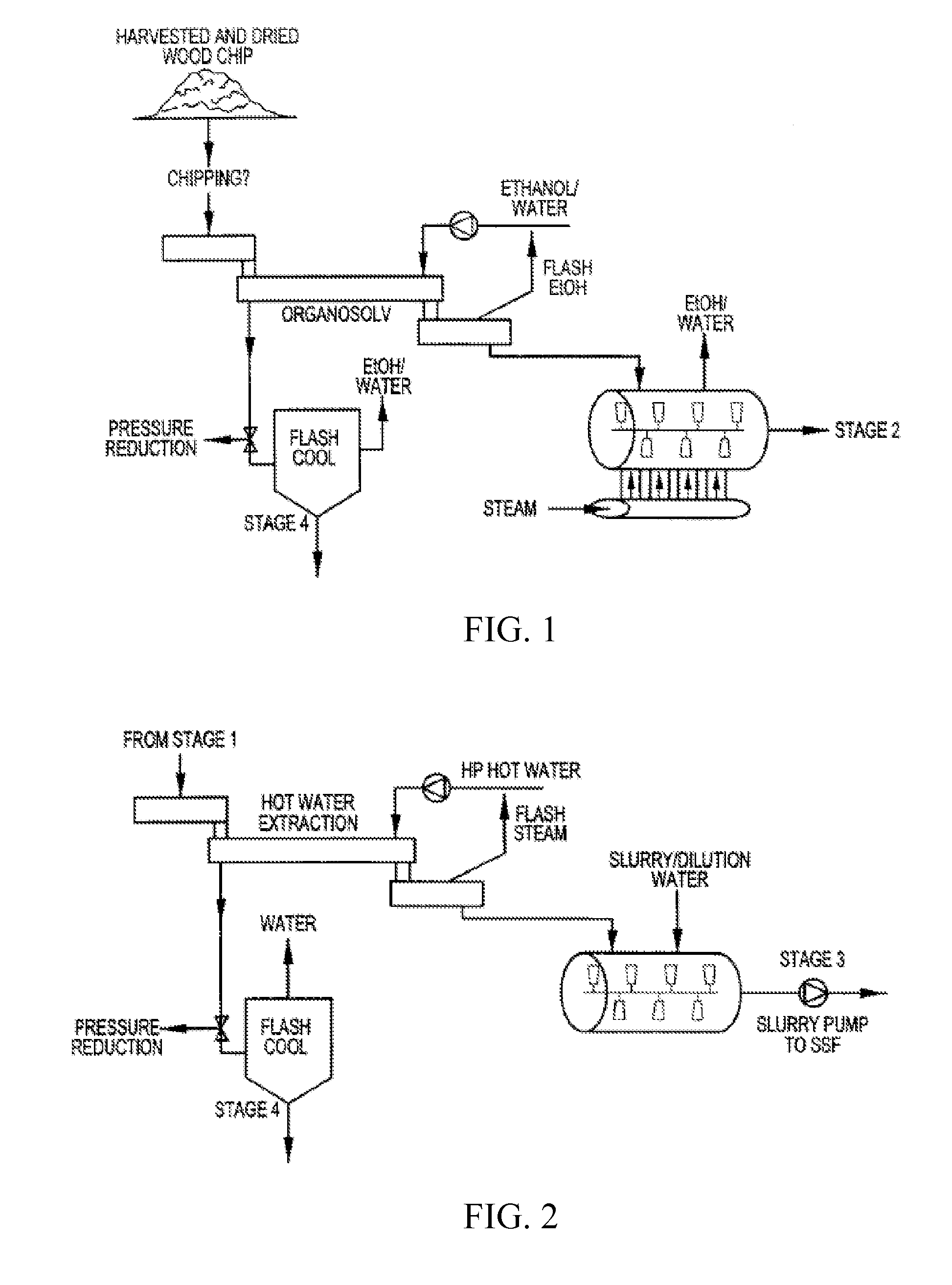
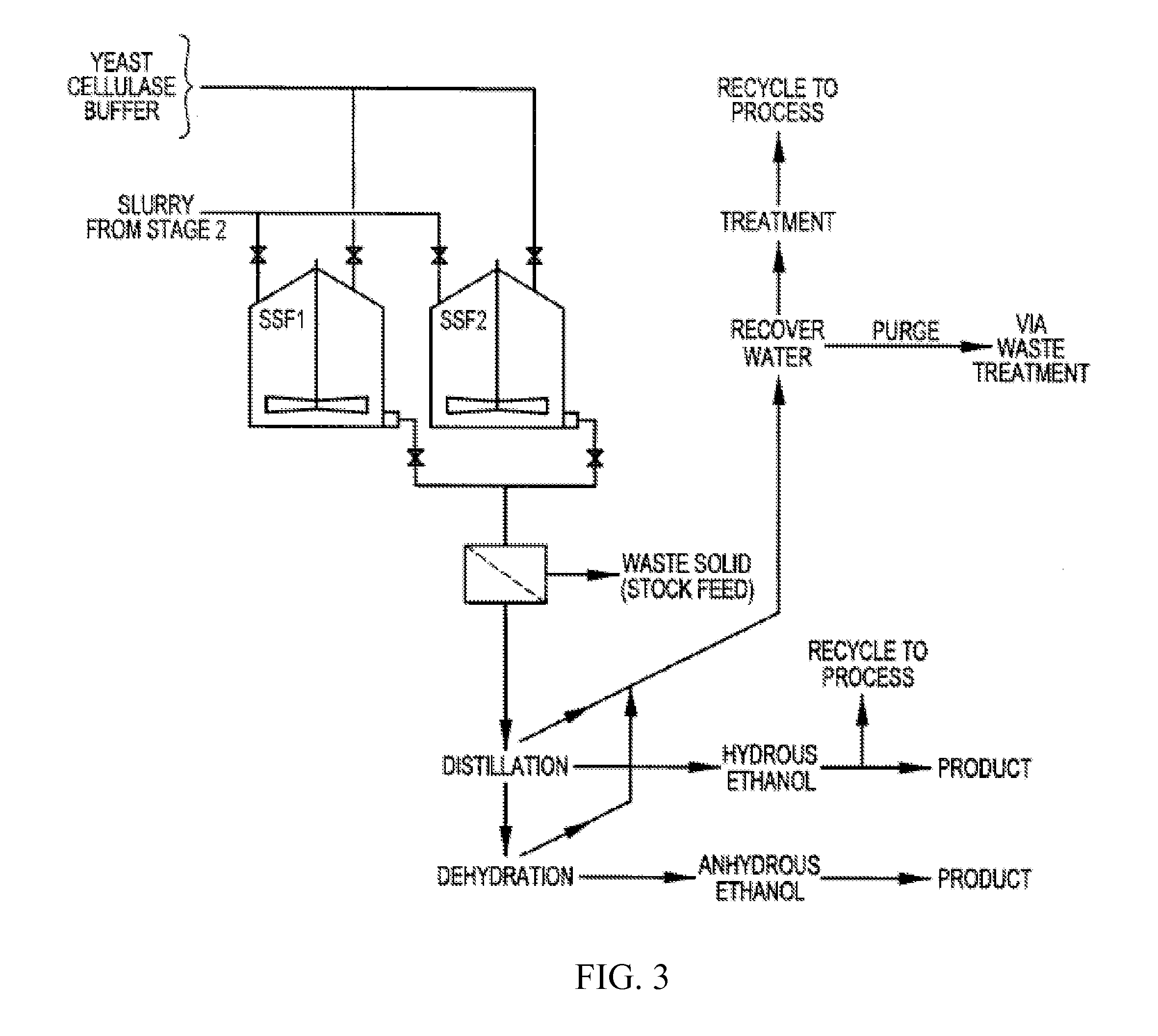
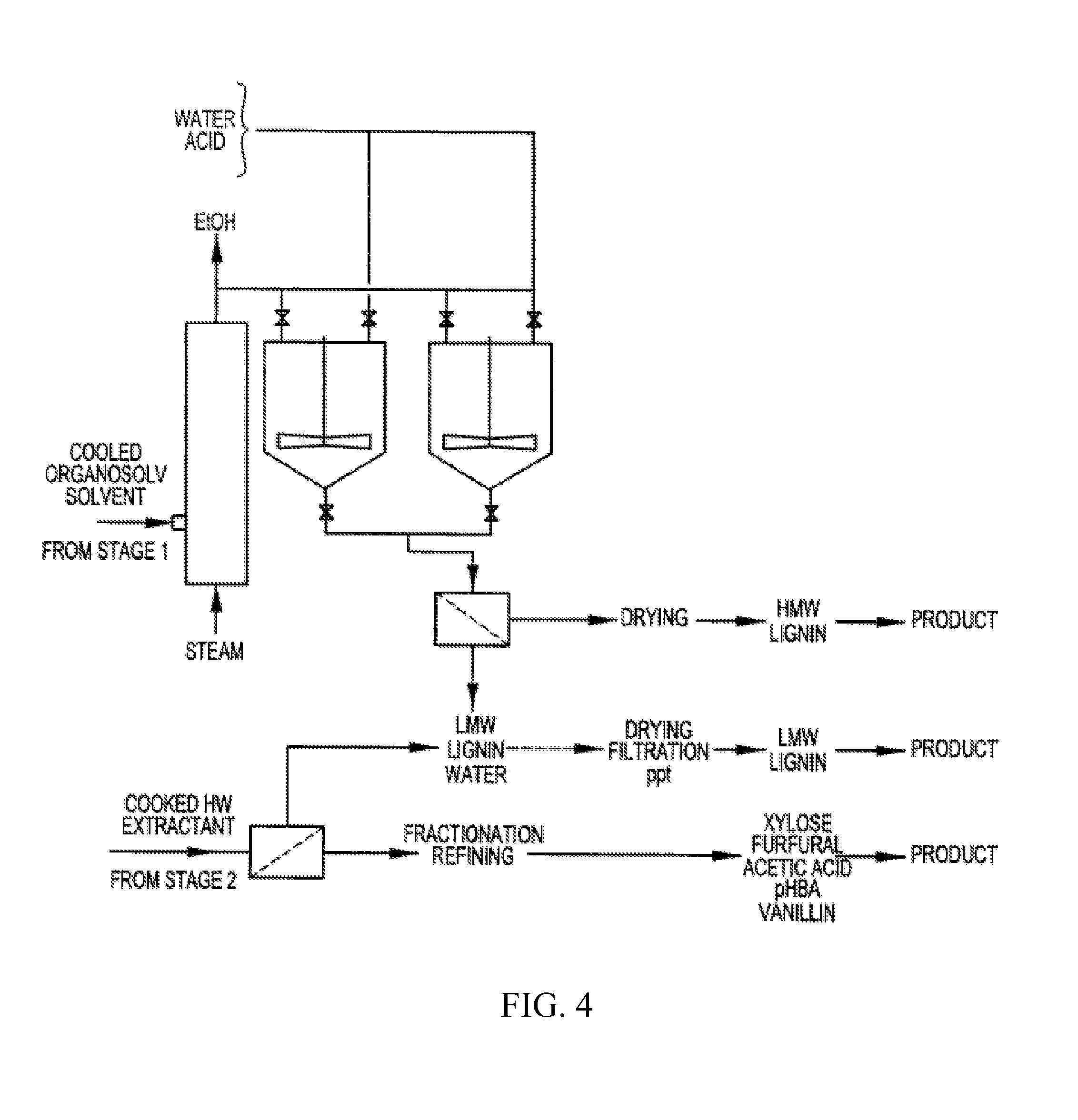
- A modified ORGANOSOLV solvent extraction process using aqueous ethanol at elevated temperatures and pressures to isolate high-grade lignin with minimal modification, reducing contaminants and enhancing its reactivity, allowing for its use in various industrial processes without the need for extensive purification.

Bio-based resole type phenolic resin adhesive
PatentWO2015142158A1
Innovation
- A method involving the use of lignocellulosic biomass, such as oil palm empty fruit bunch fibers, is employed to create a bio-based resole type resin adhesive through a process of liquefaction, filtration, and resinification in an alkaline medium, utilizing phenol derivatives and formaldehyde as reactive substances, to produce a high molecular weight network structure similar to traditional phenolic resins.


Environmental Regulations for Bio-Based Polymer Materials
The regulatory landscape for bio-based polymer materials, particularly those incorporating bioderived components into phenolic resins, is rapidly evolving across multiple jurisdictions. The European Union leads with comprehensive frameworks under the REACH regulation, which requires extensive safety data for chemical substances including bio-based polymers. The EU's Circular Economy Action Plan and the European Green Deal further emphasize sustainable material development, creating both opportunities and compliance challenges for bioderived phenolic resin manufacturers.
In the United States, the Environmental Protection Agency oversees bio-based materials through the Toxic Substances Control Act (TSCA), with specific provisions for new chemical substances derived from biological sources. The USDA BioPreferred Program provides certification pathways for qualifying bio-based products, offering market advantages for compliant phenolic resin formulations. State-level regulations, particularly in California through Proposition 65, impose additional labeling and safety requirements that affect bio-based polymer commercialization.
Asian markets present diverse regulatory approaches, with Japan's Chemical Substances Control Law and China's MEE regulations establishing distinct pathways for bio-based material approval. These frameworks often require extensive biodegradability testing and lifecycle assessments specific to the biological origin of raw materials used in phenolic resin synthesis.
Key compliance areas include biocompatibility testing protocols, which differ significantly from traditional petrochemical-based materials due to the biological origin of feedstocks. Manufacturers must demonstrate that bioderived components maintain consistent performance while meeting enhanced environmental safety standards. Migration testing becomes particularly critical when these materials contact food or medical applications.
Emerging regulations focus on end-of-life management, requiring manufacturers to provide clear guidance on biodegradation rates and composting compatibility. The regulatory trend increasingly favors materials with verified renewable carbon content, measured through standardized testing methods like ASTM D6866, creating competitive advantages for properly certified bioderived phenolic resin systems while establishing clear compliance pathways for market entry.
In the United States, the Environmental Protection Agency oversees bio-based materials through the Toxic Substances Control Act (TSCA), with specific provisions for new chemical substances derived from biological sources. The USDA BioPreferred Program provides certification pathways for qualifying bio-based products, offering market advantages for compliant phenolic resin formulations. State-level regulations, particularly in California through Proposition 65, impose additional labeling and safety requirements that affect bio-based polymer commercialization.
Asian markets present diverse regulatory approaches, with Japan's Chemical Substances Control Law and China's MEE regulations establishing distinct pathways for bio-based material approval. These frameworks often require extensive biodegradability testing and lifecycle assessments specific to the biological origin of raw materials used in phenolic resin synthesis.
Key compliance areas include biocompatibility testing protocols, which differ significantly from traditional petrochemical-based materials due to the biological origin of feedstocks. Manufacturers must demonstrate that bioderived components maintain consistent performance while meeting enhanced environmental safety standards. Migration testing becomes particularly critical when these materials contact food or medical applications.
Emerging regulations focus on end-of-life management, requiring manufacturers to provide clear guidance on biodegradation rates and composting compatibility. The regulatory trend increasingly favors materials with verified renewable carbon content, measured through standardized testing methods like ASTM D6866, creating competitive advantages for properly certified bioderived phenolic resin systems while establishing clear compliance pathways for market entry.
Life Cycle Assessment of Bioderived Phenolic Systems
Life cycle assessment (LCA) of bioderived phenolic systems represents a critical evaluation framework for understanding the environmental implications of integrating renewable materials into traditional phenolic resin formulations. This comprehensive assessment methodology examines the entire lifecycle of bioderived phenolic systems, from raw material extraction through manufacturing, use phase, and end-of-life disposal or recycling.
The assessment begins with raw material acquisition, where bioderived feedstocks such as lignin, tannins, cardanol, and other plant-based phenolic compounds demonstrate significantly different environmental profiles compared to petroleum-based phenol. Agricultural residues and forestry byproducts used as bio-feedstocks typically exhibit lower carbon footprints during extraction phases, though transportation distances and processing requirements can influence overall environmental benefits.
Manufacturing phase analysis reveals complex trade-offs in bioderived phenolic systems. While bio-based raw materials often require modified processing conditions, including altered curing temperatures and extended reaction times, they frequently eliminate energy-intensive petroleum refining steps. The integration of bioderived materials may necessitate additional purification processes to remove impurities that could affect resin performance, potentially increasing energy consumption during production.
Performance durability assessment constitutes a crucial component of LCA evaluation for bioderived phenolic systems. Enhanced thermal stability and improved mechanical properties observed in certain bio-modified formulations can extend product service life, thereby reducing replacement frequency and associated environmental burdens. Conversely, some bioderived modifications may compromise certain performance characteristics, requiring careful optimization to maintain application suitability.
End-of-life scenarios for bioderived phenolic systems present unique considerations compared to conventional formulations. The incorporation of renewable content can improve biodegradability in specific environmental conditions, though the crosslinked nature of cured phenolic resins continues to present disposal challenges. Thermal recovery processes may yield different emission profiles due to altered chemical compositions in bioderived systems.
Carbon footprint analysis typically demonstrates favorable results for bioderived phenolic systems, with renewable carbon content offsetting fossil fuel consumption. However, comprehensive LCA studies must account for land use changes, agricultural inputs, and processing energy requirements to provide accurate environmental impact assessments for informed decision-making in sustainable material development.
The assessment begins with raw material acquisition, where bioderived feedstocks such as lignin, tannins, cardanol, and other plant-based phenolic compounds demonstrate significantly different environmental profiles compared to petroleum-based phenol. Agricultural residues and forestry byproducts used as bio-feedstocks typically exhibit lower carbon footprints during extraction phases, though transportation distances and processing requirements can influence overall environmental benefits.
Manufacturing phase analysis reveals complex trade-offs in bioderived phenolic systems. While bio-based raw materials often require modified processing conditions, including altered curing temperatures and extended reaction times, they frequently eliminate energy-intensive petroleum refining steps. The integration of bioderived materials may necessitate additional purification processes to remove impurities that could affect resin performance, potentially increasing energy consumption during production.
Performance durability assessment constitutes a crucial component of LCA evaluation for bioderived phenolic systems. Enhanced thermal stability and improved mechanical properties observed in certain bio-modified formulations can extend product service life, thereby reducing replacement frequency and associated environmental burdens. Conversely, some bioderived modifications may compromise certain performance characteristics, requiring careful optimization to maintain application suitability.
End-of-life scenarios for bioderived phenolic systems present unique considerations compared to conventional formulations. The incorporation of renewable content can improve biodegradability in specific environmental conditions, though the crosslinked nature of cured phenolic resins continues to present disposal challenges. Thermal recovery processes may yield different emission profiles due to altered chemical compositions in bioderived systems.
Carbon footprint analysis typically demonstrates favorable results for bioderived phenolic systems, with renewable carbon content offsetting fossil fuel consumption. However, comprehensive LCA studies must account for land use changes, agricultural inputs, and processing energy requirements to provide accurate environmental impact assessments for informed decision-making in sustainable material development.
Unlock deeper insights with PatSnap Eureka Quick Research — get a full tech report to explore trends and direct your research. Try now!
Generate Your Research Report Instantly with AI Agent
Supercharge your innovation with PatSnap Eureka AI Agent Platform!