

How to Implement Predictive Maintenance for Valves
MAR 8, 20269 MIN READ
Generate Your Research Report Instantly with AI Agent
PatSnap Eureka helps you evaluate technical feasibility & market potential.
Valve Predictive Maintenance Background and Objectives
Valve predictive maintenance represents a paradigm shift from traditional reactive and scheduled maintenance approaches to a data-driven, condition-based strategy. This technological evolution has emerged from the convergence of advanced sensor technologies, industrial Internet of Things (IoT) capabilities, and sophisticated analytics platforms. The development trajectory began in the early 2000s with basic vibration monitoring systems and has progressively advanced through the integration of wireless sensor networks, cloud computing, and artificial intelligence algorithms.
The historical context reveals that valve maintenance practices have evolved through distinct phases. Initially, industries relied on run-to-failure approaches, which often resulted in catastrophic equipment failures and unplanned downtime. The subsequent adoption of time-based preventive maintenance improved reliability but frequently led to unnecessary interventions and component replacements. The emergence of condition monitoring in the 1990s laid the groundwork for today's predictive maintenance capabilities, incorporating real-time data collection and analysis.
Current technological trends indicate a rapid acceleration toward intelligent valve monitoring systems. The integration of machine learning algorithms enables pattern recognition in valve performance data, while edge computing capabilities allow for real-time decision-making at the equipment level. Digital twin technologies are increasingly being deployed to create virtual representations of valve systems, enabling simulation-based predictive analytics and optimization strategies.
The primary technical objectives encompass the development of comprehensive monitoring frameworks that can accurately predict valve failure modes before they occur. These systems aim to achieve failure prediction accuracies exceeding 85% while reducing false positive rates to below 10%. Key performance indicators include extending valve operational life by 20-30%, reducing unplanned maintenance events by up to 60%, and optimizing maintenance resource allocation through precise timing predictions.
Strategic goals focus on establishing scalable predictive maintenance architectures that can accommodate diverse valve types across various industrial applications. The technology seeks to enable seamless integration with existing plant automation systems while providing actionable insights through intuitive user interfaces. Long-term objectives include the development of autonomous maintenance systems capable of self-diagnosis and automated corrective actions, ultimately transforming valve maintenance from a cost center into a value-generating operational capability.
The historical context reveals that valve maintenance practices have evolved through distinct phases. Initially, industries relied on run-to-failure approaches, which often resulted in catastrophic equipment failures and unplanned downtime. The subsequent adoption of time-based preventive maintenance improved reliability but frequently led to unnecessary interventions and component replacements. The emergence of condition monitoring in the 1990s laid the groundwork for today's predictive maintenance capabilities, incorporating real-time data collection and analysis.
Current technological trends indicate a rapid acceleration toward intelligent valve monitoring systems. The integration of machine learning algorithms enables pattern recognition in valve performance data, while edge computing capabilities allow for real-time decision-making at the equipment level. Digital twin technologies are increasingly being deployed to create virtual representations of valve systems, enabling simulation-based predictive analytics and optimization strategies.
The primary technical objectives encompass the development of comprehensive monitoring frameworks that can accurately predict valve failure modes before they occur. These systems aim to achieve failure prediction accuracies exceeding 85% while reducing false positive rates to below 10%. Key performance indicators include extending valve operational life by 20-30%, reducing unplanned maintenance events by up to 60%, and optimizing maintenance resource allocation through precise timing predictions.
Strategic goals focus on establishing scalable predictive maintenance architectures that can accommodate diverse valve types across various industrial applications. The technology seeks to enable seamless integration with existing plant automation systems while providing actionable insights through intuitive user interfaces. Long-term objectives include the development of autonomous maintenance systems capable of self-diagnosis and automated corrective actions, ultimately transforming valve maintenance from a cost center into a value-generating operational capability.
Market Demand for Smart Valve Maintenance Solutions
The global valve maintenance market is experiencing unprecedented growth driven by increasing industrial automation and the critical need for operational reliability across multiple sectors. Traditional reactive maintenance approaches are proving inadequate for modern industrial operations, where unplanned valve failures can result in significant production losses, safety hazards, and environmental compliance issues.
Manufacturing industries, particularly in oil and gas, chemical processing, and power generation, represent the largest demand segments for smart valve maintenance solutions. These sectors operate under stringent safety regulations and face substantial financial penalties for equipment failures. The complexity of modern industrial processes has created an environment where valve performance directly impacts overall system efficiency and profitability.
Water treatment facilities and municipal infrastructure systems constitute another rapidly expanding market segment. Aging pipeline networks and increasing regulatory pressure for water quality management are driving utilities to adopt predictive maintenance technologies. The need to optimize water distribution efficiency while minimizing service disruptions has made smart valve monitoring solutions essential for modern water management systems.
The pharmaceutical and food processing industries present unique market opportunities due to their strict quality control requirements and regulatory compliance needs. These sectors demand precise valve operation to maintain product integrity and meet safety standards. Any valve malfunction can compromise entire production batches, making predictive maintenance solutions particularly valuable for preventing costly quality failures.
Emerging markets in developing countries are showing strong growth potential as industrial infrastructure expands. These regions often lack experienced maintenance personnel, making automated predictive maintenance systems attractive for ensuring reliable operations. The cost of implementing smart maintenance solutions is increasingly justified by the potential savings from avoiding catastrophic failures.
The market demand is further amplified by the growing emphasis on sustainability and energy efficiency. Smart valve maintenance solutions contribute to reduced energy consumption by ensuring optimal valve performance and minimizing system inefficiencies. This alignment with environmental goals makes these technologies attractive to organizations pursuing sustainability initiatives.
Industrial Internet of Things adoption is accelerating market acceptance of connected valve monitoring systems. Companies are recognizing the value of integrated maintenance platforms that provide comprehensive asset visibility and enable data-driven decision making across their operations.
Manufacturing industries, particularly in oil and gas, chemical processing, and power generation, represent the largest demand segments for smart valve maintenance solutions. These sectors operate under stringent safety regulations and face substantial financial penalties for equipment failures. The complexity of modern industrial processes has created an environment where valve performance directly impacts overall system efficiency and profitability.
Water treatment facilities and municipal infrastructure systems constitute another rapidly expanding market segment. Aging pipeline networks and increasing regulatory pressure for water quality management are driving utilities to adopt predictive maintenance technologies. The need to optimize water distribution efficiency while minimizing service disruptions has made smart valve monitoring solutions essential for modern water management systems.
The pharmaceutical and food processing industries present unique market opportunities due to their strict quality control requirements and regulatory compliance needs. These sectors demand precise valve operation to maintain product integrity and meet safety standards. Any valve malfunction can compromise entire production batches, making predictive maintenance solutions particularly valuable for preventing costly quality failures.
Emerging markets in developing countries are showing strong growth potential as industrial infrastructure expands. These regions often lack experienced maintenance personnel, making automated predictive maintenance systems attractive for ensuring reliable operations. The cost of implementing smart maintenance solutions is increasingly justified by the potential savings from avoiding catastrophic failures.
The market demand is further amplified by the growing emphasis on sustainability and energy efficiency. Smart valve maintenance solutions contribute to reduced energy consumption by ensuring optimal valve performance and minimizing system inefficiencies. This alignment with environmental goals makes these technologies attractive to organizations pursuing sustainability initiatives.
Industrial Internet of Things adoption is accelerating market acceptance of connected valve monitoring systems. Companies are recognizing the value of integrated maintenance platforms that provide comprehensive asset visibility and enable data-driven decision making across their operations.
Current State and Challenges in Valve Condition Monitoring
The current landscape of valve condition monitoring presents a complex array of technological capabilities alongside significant implementation challenges. Traditional monitoring approaches predominantly rely on scheduled maintenance intervals and basic operational parameters, which often result in either premature component replacement or unexpected failures that can lead to costly downtime and safety incidents.
Existing monitoring technologies encompass various sensing methodologies, including vibration analysis, acoustic emission monitoring, temperature measurement, and pressure differential tracking. Vibration sensors can detect mechanical wear and misalignment in valve actuators, while acoustic emission techniques identify internal leakage and cavitation phenomena. Temperature monitoring reveals thermal anomalies that may indicate friction or electrical issues in motorized valves, and pressure sensors track performance degradation through flow characteristics analysis.
Despite these available technologies, several critical challenges impede widespread adoption of comprehensive valve monitoring systems. Integration complexity represents a primary obstacle, as industrial facilities typically operate diverse valve types from multiple manufacturers, each requiring specific monitoring protocols and sensor configurations. Legacy infrastructure often lacks the necessary communication networks and data acquisition capabilities to support advanced monitoring systems.
Data quality and interpretation challenges significantly impact monitoring effectiveness. Industrial environments introduce substantial noise and interference that can compromise sensor accuracy, while the vast amount of generated data requires sophisticated analytics capabilities to extract meaningful insights. Many organizations struggle with establishing baseline performance parameters and developing reliable failure prediction algorithms that account for varying operational conditions.
Economic barriers further constrain implementation, particularly for smaller facilities or non-critical applications. The cost-benefit analysis becomes challenging when weighing monitoring system investments against potential failure consequences, especially for valves in less critical service applications. Additionally, the shortage of skilled personnel capable of implementing and maintaining advanced monitoring systems creates operational constraints.
Standardization gaps across different valve types, manufacturers, and industrial sectors complicate the development of universal monitoring solutions. The absence of industry-wide protocols for data formats, communication interfaces, and performance metrics hinders interoperability and scalability of monitoring systems.
Geographical distribution of technological capabilities reveals significant disparities, with advanced monitoring implementations concentrated primarily in developed industrial regions. Emerging markets often lack the infrastructure and expertise necessary for sophisticated valve monitoring systems, creating a technology adoption gap that affects global industrial efficiency and safety standards.
Existing monitoring technologies encompass various sensing methodologies, including vibration analysis, acoustic emission monitoring, temperature measurement, and pressure differential tracking. Vibration sensors can detect mechanical wear and misalignment in valve actuators, while acoustic emission techniques identify internal leakage and cavitation phenomena. Temperature monitoring reveals thermal anomalies that may indicate friction or electrical issues in motorized valves, and pressure sensors track performance degradation through flow characteristics analysis.
Despite these available technologies, several critical challenges impede widespread adoption of comprehensive valve monitoring systems. Integration complexity represents a primary obstacle, as industrial facilities typically operate diverse valve types from multiple manufacturers, each requiring specific monitoring protocols and sensor configurations. Legacy infrastructure often lacks the necessary communication networks and data acquisition capabilities to support advanced monitoring systems.
Data quality and interpretation challenges significantly impact monitoring effectiveness. Industrial environments introduce substantial noise and interference that can compromise sensor accuracy, while the vast amount of generated data requires sophisticated analytics capabilities to extract meaningful insights. Many organizations struggle with establishing baseline performance parameters and developing reliable failure prediction algorithms that account for varying operational conditions.
Economic barriers further constrain implementation, particularly for smaller facilities or non-critical applications. The cost-benefit analysis becomes challenging when weighing monitoring system investments against potential failure consequences, especially for valves in less critical service applications. Additionally, the shortage of skilled personnel capable of implementing and maintaining advanced monitoring systems creates operational constraints.
Standardization gaps across different valve types, manufacturers, and industrial sectors complicate the development of universal monitoring solutions. The absence of industry-wide protocols for data formats, communication interfaces, and performance metrics hinders interoperability and scalability of monitoring systems.
Geographical distribution of technological capabilities reveals significant disparities, with advanced monitoring implementations concentrated primarily in developed industrial regions. Emerging markets often lack the infrastructure and expertise necessary for sophisticated valve monitoring systems, creating a technology adoption gap that affects global industrial efficiency and safety standards.
Existing Predictive Maintenance Solutions for Valve Systems
01 Valve control mechanisms and actuation systems
Various control mechanisms have been developed for valve actuation, including mechanical, hydraulic, and pneumatic systems. These mechanisms enable precise control of valve opening and closing operations, allowing for better flow regulation and system performance. Advanced actuation systems incorporate features such as automatic control, remote operation, and feedback mechanisms to enhance valve functionality and reliability in different applications.- Valve construction and sealing mechanisms: Various valve designs focus on improved sealing mechanisms to prevent leakage and ensure reliable operation. These designs incorporate specialized sealing elements, gaskets, or seat configurations that provide effective closure under different pressure conditions. The construction methods emphasize durability and maintenance of seal integrity over extended operational periods.
- Valve actuation and control systems: Advanced valve actuation mechanisms enable precise control of fluid flow through automated or manual operation. These systems include hydraulic, pneumatic, or electric actuators that provide responsive valve positioning. The control systems may incorporate feedback mechanisms and sensors to monitor valve status and optimize performance in various applications.
- Multi-port and directional valve configurations: Specialized valve designs feature multiple ports and directional flow capabilities to manage complex fluid routing requirements. These configurations allow for selective distribution of fluids between different pathways or systems. The designs optimize space utilization while providing versatile flow control options for industrial and commercial applications.
- Valve materials and corrosion resistance: Material selection for valve components focuses on resistance to corrosion, wear, and chemical degradation in harsh operating environments. Advanced materials and coatings extend valve service life and maintain performance characteristics under extreme temperatures and pressures. The material innovations address specific industry requirements for compatibility with various fluids and gases.
- Safety and pressure relief valve systems: Safety-oriented valve designs incorporate pressure relief mechanisms and fail-safe features to protect equipment and personnel. These systems automatically respond to overpressure conditions by releasing excess pressure in a controlled manner. The designs include redundant safety features and comply with industry standards for critical applications in process control and fluid handling systems.
02 Valve sealing and leakage prevention
Effective sealing technologies are critical for preventing leakage in valve systems. Innovations include improved seal designs, specialized sealing materials, and enhanced sealing surfaces that maintain integrity under various pressure and temperature conditions. These developments focus on extending valve service life, reducing maintenance requirements, and ensuring reliable operation in demanding environments where leak prevention is essential for safety and efficiency.Expand Specific Solutions03 Multi-port and directional valve configurations
Multi-port valve designs enable complex flow routing and directional control in fluid systems. These configurations allow for switching between multiple flow paths, mixing or diverting fluids, and controlling flow direction through a single valve body. Such designs are particularly useful in hydraulic systems, process control applications, and situations requiring compact solutions for managing multiple fluid streams with reduced piping complexity.Expand Specific Solutions04 Valve body construction and materials
Valve body design and material selection significantly impact valve performance, durability, and suitability for specific applications. Innovations include specialized alloys, composite materials, and advanced manufacturing techniques that improve strength, corrosion resistance, and thermal stability. Design considerations encompass body geometry, wall thickness, connection types, and internal flow passages optimized for minimal pressure drop and turbulence while maintaining structural integrity.Expand Specific Solutions05 Safety and pressure relief valve systems
Safety valves and pressure relief mechanisms are designed to protect systems from overpressure conditions by automatically releasing excess pressure when predetermined limits are exceeded. These devices incorporate spring-loaded mechanisms, pilot-operated systems, or other triggering methods to ensure rapid response to pressure buildup. Design features focus on reliability, precise pressure settings, and fail-safe operation to prevent equipment damage and ensure personnel safety in various industrial applications.Expand Specific Solutions
Key Players in Valve Predictive Maintenance Industry
The predictive maintenance for valves market is experiencing rapid growth as industries transition from reactive to proactive maintenance strategies. The market is currently in an expansion phase, driven by increasing adoption of IoT sensors, AI analytics, and digital twin technologies. Market size is projected to reach significant scale as industrial facilities seek to minimize unplanned downtime and optimize operational efficiency. Technology maturity varies across different approaches, with established players like ABB Ltd., Siemens AG, and Hitachi Ltd. leading in comprehensive automation solutions, while specialized companies such as GEMÜ, Tomoe Valve, and Valmet Automation focus on valve-specific innovations. Industrial giants including Saudi Arabian Oil Co. and Aramco Services Co. are driving demand through large-scale implementations. The competitive landscape shows convergence between traditional valve manufacturers and technology providers, with companies like Applied Materials and IBM contributing advanced analytics capabilities, indicating a maturing ecosystem ready for widespread industrial adoption.
ABB Ltd.
Technical Solution: ABB implements predictive maintenance for valves through their ABB Ability™ digital solutions platform, which integrates IoT sensors, advanced analytics, and machine learning algorithms. Their approach combines vibration analysis, temperature monitoring, pressure sensing, and acoustic emission detection to continuously monitor valve health. The system uses digital twins to simulate valve behavior under various operating conditions, enabling early detection of wear patterns, seal degradation, and actuator malfunctions. ABB's predictive maintenance solution provides real-time condition monitoring dashboards, automated alert systems, and maintenance scheduling optimization. Their technology can predict valve failures 2-4 weeks in advance, reducing unplanned downtime by up to 70% and extending valve lifecycle by 15-25% through optimized maintenance intervals.
Strengths: Comprehensive digital platform with proven industrial IoT expertise, strong integration capabilities with existing control systems, advanced analytics with machine learning. Weaknesses: High initial implementation costs, requires significant infrastructure investment for full deployment.
Siemens AG
Technical Solution: Siemens employs their MindSphere IoT platform combined with SIMATIC sensors for valve predictive maintenance implementation. Their solution utilizes wireless sensor networks to monitor critical valve parameters including stem position, actuator torque, internal pressure fluctuations, and temperature variations. The system incorporates AI-driven pattern recognition algorithms that analyze historical performance data to establish baseline operating signatures for each valve type. Siemens' approach includes edge computing capabilities for real-time processing and cloud-based analytics for long-term trend analysis. Their predictive models can identify early signs of packing wear, seat leakage, and actuator degradation. The platform provides maintenance teams with prioritized work orders, spare parts forecasting, and optimal maintenance timing recommendations, typically achieving 60-80% reduction in emergency repairs and 20-30% improvement in valve reliability.
Strengths: Robust industrial automation background, scalable IoT platform, excellent integration with existing Siemens control systems, strong edge computing capabilities. Weaknesses: Platform complexity may require extensive training, vendor lock-in concerns for non-Siemens environments.
Core Technologies in Valve Health Monitoring and Analytics
Method and system for predictive maintenance of control valves
PatentInactiveUS20160071004A1
Innovation
- A system and method utilizing neuro-fuzzy networks with the Development and Application of Methods for Actuator Diagnosis in Industrial Control Systems (DAMADICS) to monitor control valves, detect faults, and rank their severity, employing adaptive neuro-fuzzy networks trained with simulated fault data to compare sensor readings and provide decision-making outputs.


Robust predictive maintenance method for machinery using measured vibration data and estimated sound data
PatentPendingUS20240264045A1
Innovation
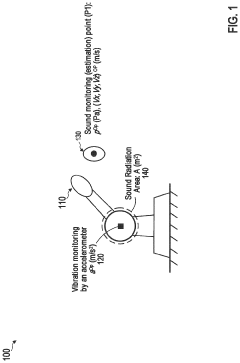
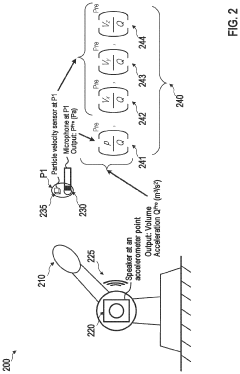
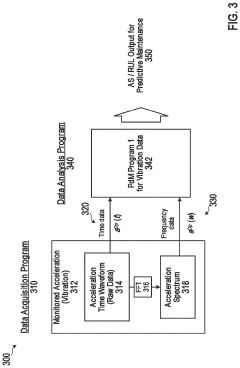
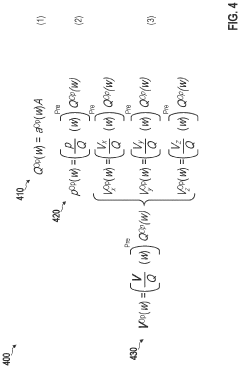
- The method involves estimating sound data from measured vibration data using a pre-measured acoustic transfer function, which is calculated during quiet times, allowing for reduced microphone usage and improved noise reduction by leveraging the lower noise levels in vibration data.
Industrial Safety Standards for Valve Monitoring Systems
Industrial safety standards for valve monitoring systems represent a critical framework that governs the implementation of predictive maintenance technologies in industrial environments. These standards ensure that monitoring systems not only enhance operational efficiency but also maintain the highest levels of safety and regulatory compliance across various industrial sectors.
The International Electrotechnical Commission (IEC) 61508 standard serves as the foundational framework for functional safety in electrical, electronic, and programmable electronic safety-related systems used in valve monitoring applications. This standard establishes Safety Integrity Levels (SIL) that define the probability of failure on demand for safety functions. For valve monitoring systems, SIL 2 or SIL 3 certification is typically required, depending on the criticality of the application and potential consequences of valve failure.
The American Petroleum Institute (API) standards, particularly API 670 for machinery protection systems and API 618 for reciprocating compressors, provide specific guidelines for vibration monitoring and protection systems that are integral to valve predictive maintenance programs. These standards define acceptable vibration levels, monitoring frequencies, and alarm thresholds that must be incorporated into predictive maintenance algorithms.
ISA-84 (IEC 61511) standards specifically address safety instrumented systems in process industries, establishing requirements for the entire safety lifecycle from initial concept through decommissioning. For valve monitoring systems, this standard mandates systematic hazard analysis, risk assessment, and the implementation of appropriate safety functions to prevent or mitigate hazardous events.
Cybersecurity considerations have become increasingly important with the integration of IoT sensors and cloud-based analytics in valve monitoring systems. The IEC 62443 series provides comprehensive cybersecurity standards for industrial automation and control systems, addressing network segmentation, access control, and data integrity requirements that are essential for protecting predictive maintenance systems from cyber threats.
Electromagnetic compatibility standards such as IEC 61000 series ensure that valve monitoring sensors and communication systems operate reliably in industrial electromagnetic environments without causing interference to other critical systems. These standards are particularly important for wireless sensor networks commonly used in modern predictive maintenance implementations.
The International Electrotechnical Commission (IEC) 61508 standard serves as the foundational framework for functional safety in electrical, electronic, and programmable electronic safety-related systems used in valve monitoring applications. This standard establishes Safety Integrity Levels (SIL) that define the probability of failure on demand for safety functions. For valve monitoring systems, SIL 2 or SIL 3 certification is typically required, depending on the criticality of the application and potential consequences of valve failure.
The American Petroleum Institute (API) standards, particularly API 670 for machinery protection systems and API 618 for reciprocating compressors, provide specific guidelines for vibration monitoring and protection systems that are integral to valve predictive maintenance programs. These standards define acceptable vibration levels, monitoring frequencies, and alarm thresholds that must be incorporated into predictive maintenance algorithms.
ISA-84 (IEC 61511) standards specifically address safety instrumented systems in process industries, establishing requirements for the entire safety lifecycle from initial concept through decommissioning. For valve monitoring systems, this standard mandates systematic hazard analysis, risk assessment, and the implementation of appropriate safety functions to prevent or mitigate hazardous events.
Cybersecurity considerations have become increasingly important with the integration of IoT sensors and cloud-based analytics in valve monitoring systems. The IEC 62443 series provides comprehensive cybersecurity standards for industrial automation and control systems, addressing network segmentation, access control, and data integrity requirements that are essential for protecting predictive maintenance systems from cyber threats.
Electromagnetic compatibility standards such as IEC 61000 series ensure that valve monitoring sensors and communication systems operate reliably in industrial electromagnetic environments without causing interference to other critical systems. These standards are particularly important for wireless sensor networks commonly used in modern predictive maintenance implementations.
Cost-Benefit Analysis of Valve Predictive Maintenance Implementation
The economic justification for implementing predictive maintenance systems for valves requires a comprehensive evaluation of initial investments against long-term operational savings. The primary cost components include sensor hardware, data acquisition systems, analytics software platforms, and integration services. Initial capital expenditure typically ranges from $2,000 to $15,000 per valve depending on the complexity of monitoring requirements and existing infrastructure compatibility.
Implementation costs extend beyond hardware to encompass personnel training, system commissioning, and potential production downtime during installation. Organizations must factor in ongoing expenses such as software licensing fees, data storage costs, cloud computing services, and periodic sensor calibration. These recurring operational expenses generally represent 15-25% of the initial investment annually.
The financial benefits manifest through multiple channels, with unplanned downtime reduction representing the most significant value driver. Industrial facilities typically experience valve-related failures costing $50,000 to $500,000 per incident when considering production losses, emergency repairs, and safety implications. Predictive maintenance systems demonstrate capability to reduce unplanned failures by 70-85%, translating to substantial cost avoidance.
Maintenance cost optimization provides additional economic value through improved resource allocation and inventory management. Traditional time-based maintenance approaches often result in premature component replacement and excessive spare parts inventory. Predictive strategies enable condition-based interventions, extending component lifecycles by 20-40% while reducing maintenance labor costs by approximately 30%.
The payback period for valve predictive maintenance implementations typically ranges from 18 to 36 months, depending on asset criticality and failure frequency. High-value applications in oil and gas, chemical processing, and power generation sectors often achieve return on investment within the first year due to the substantial costs associated with unplanned shutdowns and safety incidents.
Implementation costs extend beyond hardware to encompass personnel training, system commissioning, and potential production downtime during installation. Organizations must factor in ongoing expenses such as software licensing fees, data storage costs, cloud computing services, and periodic sensor calibration. These recurring operational expenses generally represent 15-25% of the initial investment annually.
The financial benefits manifest through multiple channels, with unplanned downtime reduction representing the most significant value driver. Industrial facilities typically experience valve-related failures costing $50,000 to $500,000 per incident when considering production losses, emergency repairs, and safety implications. Predictive maintenance systems demonstrate capability to reduce unplanned failures by 70-85%, translating to substantial cost avoidance.
Maintenance cost optimization provides additional economic value through improved resource allocation and inventory management. Traditional time-based maintenance approaches often result in premature component replacement and excessive spare parts inventory. Predictive strategies enable condition-based interventions, extending component lifecycles by 20-40% while reducing maintenance labor costs by approximately 30%.
The payback period for valve predictive maintenance implementations typically ranges from 18 to 36 months, depending on asset criticality and failure frequency. High-value applications in oil and gas, chemical processing, and power generation sectors often achieve return on investment within the first year due to the substantial costs associated with unplanned shutdowns and safety incidents.
Unlock deeper insights with PatSnap Eureka Quick Research — get a full tech report to explore trends and direct your research. Try now!
Generate Your Research Report Instantly with AI Agent
Supercharge your innovation with PatSnap Eureka AI Agent Platform!