

How to Implement Predictive Maintenance for Wind Turbines
MAR 12, 20269 MIN READ
Generate Your Research Report Instantly with AI Agent
PatSnap Eureka helps you evaluate technical feasibility & market potential.
Wind Turbine Predictive Maintenance Background and Objectives
Wind turbine predictive maintenance represents a paradigm shift from traditional time-based or reactive maintenance approaches to a data-driven, condition-based strategy. This technological evolution has emerged from the critical need to optimize wind energy operations, where turbines operate in harsh environmental conditions and unplanned downtime can result in significant revenue losses. The development of predictive maintenance capabilities has been accelerated by advances in sensor technology, data analytics, and machine learning algorithms over the past two decades.
The historical progression of wind turbine maintenance began with basic scheduled maintenance protocols in the 1980s and 1990s, when wind farms were smaller and turbines less complex. As turbine sizes increased and installations moved to more remote locations, including offshore environments, the limitations of traditional maintenance approaches became apparent. The integration of SCADA systems in the early 2000s marked the first step toward condition monitoring, enabling operators to collect basic operational data and identify obvious anomalies.
The evolution toward predictive maintenance gained momentum with the proliferation of Internet of Things sensors, advanced data processing capabilities, and cloud computing infrastructure. Modern wind turbines generate vast amounts of operational data from multiple subsystems, including gearboxes, generators, bearings, blades, and power electronics. This data richness has created unprecedented opportunities for implementing sophisticated predictive algorithms that can forecast component failures weeks or months in advance.
Current technological objectives focus on developing comprehensive predictive maintenance systems that can accurately forecast failures across all critical turbine components while minimizing false positives. The primary goal is to achieve optimal maintenance scheduling that maximizes turbine availability while controlling operational costs. Advanced objectives include implementing real-time condition monitoring with automated decision-making capabilities, integrating weather forecasting data to optimize maintenance windows, and developing predictive models that can adapt to different turbine models and environmental conditions.
The strategic importance of predictive maintenance extends beyond individual turbine performance to encompass entire wind farm optimization. Modern systems aim to coordinate maintenance activities across multiple turbines, optimize spare parts inventory, and integrate with grid management systems to minimize impact on power generation commitments. These objectives align with the broader industry goal of reducing the levelized cost of energy and improving the competitiveness of wind power against other energy sources.
The historical progression of wind turbine maintenance began with basic scheduled maintenance protocols in the 1980s and 1990s, when wind farms were smaller and turbines less complex. As turbine sizes increased and installations moved to more remote locations, including offshore environments, the limitations of traditional maintenance approaches became apparent. The integration of SCADA systems in the early 2000s marked the first step toward condition monitoring, enabling operators to collect basic operational data and identify obvious anomalies.
The evolution toward predictive maintenance gained momentum with the proliferation of Internet of Things sensors, advanced data processing capabilities, and cloud computing infrastructure. Modern wind turbines generate vast amounts of operational data from multiple subsystems, including gearboxes, generators, bearings, blades, and power electronics. This data richness has created unprecedented opportunities for implementing sophisticated predictive algorithms that can forecast component failures weeks or months in advance.
Current technological objectives focus on developing comprehensive predictive maintenance systems that can accurately forecast failures across all critical turbine components while minimizing false positives. The primary goal is to achieve optimal maintenance scheduling that maximizes turbine availability while controlling operational costs. Advanced objectives include implementing real-time condition monitoring with automated decision-making capabilities, integrating weather forecasting data to optimize maintenance windows, and developing predictive models that can adapt to different turbine models and environmental conditions.
The strategic importance of predictive maintenance extends beyond individual turbine performance to encompass entire wind farm optimization. Modern systems aim to coordinate maintenance activities across multiple turbines, optimize spare parts inventory, and integrate with grid management systems to minimize impact on power generation commitments. These objectives align with the broader industry goal of reducing the levelized cost of energy and improving the competitiveness of wind power against other energy sources.
Market Demand for Wind Turbine Predictive Maintenance Solutions
The global wind energy sector has experienced unprecedented growth, driving substantial demand for predictive maintenance solutions across wind turbine installations worldwide. Wind farm operators face mounting pressure to maximize asset utilization while minimizing operational expenditures, creating a compelling business case for advanced maintenance strategies that can predict component failures before they occur.
Traditional reactive and scheduled maintenance approaches have proven inadequate for modern wind turbine operations, particularly as turbine sizes increase and installations expand into remote offshore locations. The high costs associated with unplanned downtime, emergency repairs, and component replacements have intensified the search for more sophisticated maintenance methodologies that can optimize turbine availability and extend equipment lifespan.
Market demand is particularly pronounced in mature wind energy markets including Europe, North America, and parts of Asia-Pacific, where aging turbine fleets require enhanced maintenance strategies to maintain competitiveness. Offshore wind installations represent a especially critical segment, as maintenance operations in marine environments involve significantly higher costs and logistical complexities compared to onshore facilities.
The economic drivers supporting predictive maintenance adoption include substantial cost savings potential through reduced unplanned downtime, optimized maintenance scheduling, and extended component lifecycles. Wind farm operators increasingly recognize that predictive maintenance technologies can deliver measurable returns on investment through improved operational efficiency and reduced maintenance costs per megawatt-hour generated.
Regulatory frameworks and grid integration requirements further amplify market demand, as utilities and independent power producers must meet stringent availability commitments and performance standards. The growing emphasis on renewable energy reliability and grid stability has elevated predictive maintenance from an operational optimization tool to a strategic necessity for maintaining competitive positioning in energy markets.
Emerging markets with rapidly expanding wind capacity also demonstrate strong demand for predictive maintenance solutions, as operators seek to implement best practices from the outset rather than retrofitting maintenance strategies after experiencing operational challenges. This trend is particularly evident in regions with ambitious renewable energy targets and significant wind development pipelines.
Traditional reactive and scheduled maintenance approaches have proven inadequate for modern wind turbine operations, particularly as turbine sizes increase and installations expand into remote offshore locations. The high costs associated with unplanned downtime, emergency repairs, and component replacements have intensified the search for more sophisticated maintenance methodologies that can optimize turbine availability and extend equipment lifespan.
Market demand is particularly pronounced in mature wind energy markets including Europe, North America, and parts of Asia-Pacific, where aging turbine fleets require enhanced maintenance strategies to maintain competitiveness. Offshore wind installations represent a especially critical segment, as maintenance operations in marine environments involve significantly higher costs and logistical complexities compared to onshore facilities.
The economic drivers supporting predictive maintenance adoption include substantial cost savings potential through reduced unplanned downtime, optimized maintenance scheduling, and extended component lifecycles. Wind farm operators increasingly recognize that predictive maintenance technologies can deliver measurable returns on investment through improved operational efficiency and reduced maintenance costs per megawatt-hour generated.
Regulatory frameworks and grid integration requirements further amplify market demand, as utilities and independent power producers must meet stringent availability commitments and performance standards. The growing emphasis on renewable energy reliability and grid stability has elevated predictive maintenance from an operational optimization tool to a strategic necessity for maintaining competitive positioning in energy markets.
Emerging markets with rapidly expanding wind capacity also demonstrate strong demand for predictive maintenance solutions, as operators seek to implement best practices from the outset rather than retrofitting maintenance strategies after experiencing operational challenges. This trend is particularly evident in regions with ambitious renewable energy targets and significant wind development pipelines.
Current State and Challenges of Wind Turbine Condition Monitoring
Wind turbine condition monitoring has evolved significantly over the past two decades, transitioning from basic supervisory control and data acquisition (SCADA) systems to sophisticated multi-sensor platforms. Current monitoring systems primarily rely on vibration analysis, temperature sensors, oil analysis, and acoustic emission detection to assess component health. These systems continuously collect data from critical components including gearboxes, generators, bearings, and rotor blades.
The global wind turbine condition monitoring market has reached approximately $500 million and continues expanding at 15% annually. Modern wind farms typically implement tiered monitoring approaches, combining SCADA data with dedicated condition monitoring systems (CMS) that sample at higher frequencies. Advanced installations incorporate fiber optic strain sensors, wireless sensor networks, and drone-based inspection technologies for comprehensive asset surveillance.
Despite technological advances, significant challenges persist in achieving reliable predictive maintenance capabilities. Data quality remains a primary concern, as harsh operating environments cause sensor degradation and signal interference. Wind turbines experience highly variable loading conditions due to wind speed fluctuations, turbulence, and directional changes, making it difficult to establish consistent baseline measurements for anomaly detection.
Integration complexity poses another substantial challenge. Wind farms often contain turbines from multiple manufacturers with different monitoring protocols and data formats. This heterogeneity complicates centralized analysis and requires extensive data harmonization efforts. Additionally, the remote locations of many wind installations create connectivity issues that affect real-time monitoring capabilities and data transmission reliability.
False alarm rates continue to plague existing systems, with studies indicating that 60-80% of condition monitoring alerts do not correspond to actual component failures. This high false positive rate erodes operator confidence and leads to unnecessary maintenance interventions. The challenge stems from inadequate understanding of normal operational variations and insufficient machine learning model training on diverse failure modes.
Economic constraints further complicate implementation decisions. While condition monitoring systems can reduce maintenance costs by 10-25%, the initial investment and ongoing operational expenses must be carefully balanced against potential savings. Smaller wind farm operators often struggle to justify comprehensive monitoring investments, particularly for older turbine models with limited remaining operational life.
Current technological gaps include limited prognostic capabilities for predicting remaining useful life of components. Most existing systems excel at detecting existing faults but struggle to provide accurate failure timeline predictions. This limitation reduces the effectiveness of maintenance planning and inventory management strategies essential for cost-effective wind farm operations.
The global wind turbine condition monitoring market has reached approximately $500 million and continues expanding at 15% annually. Modern wind farms typically implement tiered monitoring approaches, combining SCADA data with dedicated condition monitoring systems (CMS) that sample at higher frequencies. Advanced installations incorporate fiber optic strain sensors, wireless sensor networks, and drone-based inspection technologies for comprehensive asset surveillance.
Despite technological advances, significant challenges persist in achieving reliable predictive maintenance capabilities. Data quality remains a primary concern, as harsh operating environments cause sensor degradation and signal interference. Wind turbines experience highly variable loading conditions due to wind speed fluctuations, turbulence, and directional changes, making it difficult to establish consistent baseline measurements for anomaly detection.
Integration complexity poses another substantial challenge. Wind farms often contain turbines from multiple manufacturers with different monitoring protocols and data formats. This heterogeneity complicates centralized analysis and requires extensive data harmonization efforts. Additionally, the remote locations of many wind installations create connectivity issues that affect real-time monitoring capabilities and data transmission reliability.
False alarm rates continue to plague existing systems, with studies indicating that 60-80% of condition monitoring alerts do not correspond to actual component failures. This high false positive rate erodes operator confidence and leads to unnecessary maintenance interventions. The challenge stems from inadequate understanding of normal operational variations and insufficient machine learning model training on diverse failure modes.
Economic constraints further complicate implementation decisions. While condition monitoring systems can reduce maintenance costs by 10-25%, the initial investment and ongoing operational expenses must be carefully balanced against potential savings. Smaller wind farm operators often struggle to justify comprehensive monitoring investments, particularly for older turbine models with limited remaining operational life.
Current technological gaps include limited prognostic capabilities for predicting remaining useful life of components. Most existing systems excel at detecting existing faults but struggle to provide accurate failure timeline predictions. This limitation reduces the effectiveness of maintenance planning and inventory management strategies essential for cost-effective wind farm operations.
Existing Predictive Maintenance Solutions for Wind Turbines
01 Blade design and aerodynamic optimization
Wind turbine blades can be designed with optimized aerodynamic profiles to maximize energy capture efficiency. Advanced blade geometries, including variable pitch angles and specialized airfoil shapes, help improve performance across different wind conditions. Structural reinforcements and lightweight composite materials enhance blade durability while maintaining optimal aerodynamic characteristics.- Blade design and aerodynamic optimization: Wind turbine blades can be designed with optimized aerodynamic profiles to maximize energy capture efficiency. Advanced blade geometries, including variable pitch angles and specialized airfoil shapes, help improve performance across different wind conditions. Structural reinforcements and lightweight composite materials enhance blade durability while maintaining optimal aerodynamic characteristics.
- Power generation and electrical systems: Wind turbines incorporate advanced power generation systems including generators, power converters, and grid connection interfaces. These systems optimize electrical output and ensure stable power delivery to the grid. Control mechanisms regulate voltage, frequency, and power quality while maximizing energy conversion efficiency under varying wind conditions.
- Structural support and tower systems: Wind turbine towers and support structures are engineered to withstand environmental loads including wind forces, vibrations, and weather conditions. Foundation systems and mounting configurations ensure stability and longevity. Advanced materials and construction techniques reduce installation costs while improving structural integrity and maintenance accessibility.
- Control and monitoring systems: Sophisticated control systems manage turbine operations including yaw control, pitch adjustment, and rotational speed regulation. Monitoring technologies track performance parameters, detect anomalies, and enable predictive maintenance. Automated systems optimize turbine orientation and blade angles to maximize power output while protecting equipment from damage during extreme conditions.
- Installation and maintenance methods: Innovative installation techniques facilitate efficient deployment of wind turbines in various environments including offshore and remote locations. Maintenance systems include access platforms, lifting mechanisms, and diagnostic tools that enable safe and cost-effective servicing. Modular designs allow for component replacement and upgrades without complete turbine disassembly.
02 Power generation and electrical systems
Wind turbines incorporate advanced generator systems and power conversion technologies to efficiently convert mechanical energy into electrical energy. These systems include direct-drive generators, gearbox configurations, and power electronics for grid integration. Control systems optimize power output while ensuring stable operation under varying wind conditions.Expand Specific Solutions03 Structural support and tower systems
The structural framework of wind turbines includes tower designs that provide stable support for nacelle and rotor assemblies. Innovations in tower construction involve modular designs, foundation systems, and materials that withstand environmental stresses. Height optimization and structural reinforcement techniques ensure long-term stability and operational safety.Expand Specific Solutions04 Control and monitoring systems
Advanced control systems enable real-time monitoring and adjustment of wind turbine operations. These systems incorporate sensors, data analytics, and automated control mechanisms to optimize performance, predict maintenance needs, and ensure safe operation. Remote monitoring capabilities allow for efficient fleet management and rapid response to operational issues.Expand Specific Solutions05 Installation and maintenance methods
Specialized techniques and equipment facilitate the installation, assembly, and maintenance of wind turbines. These include lifting systems, modular component designs, and access solutions for servicing turbine components at height. Maintenance strategies focus on reducing downtime and extending operational lifespan through preventive and predictive maintenance approaches.Expand Specific Solutions
Key Players in Wind Turbine Predictive Maintenance Industry
The wind turbine predictive maintenance sector represents a rapidly maturing market driven by the global renewable energy transition and increasing operational efficiency demands. The industry has evolved from reactive maintenance approaches to sophisticated AI-driven predictive systems, with market growth accelerated by digitalization initiatives across wind farms. Technology maturity varies significantly among key players: established turbine manufacturers like Vestas Wind Systems, Siemens Gamesa, and General Electric leverage their deep domain expertise and installed base for integrated maintenance solutions, while specialized technology companies such as Uptake Technologies, Utopus Insights, and Cognitive.Business focus on advanced analytics platforms. Traditional industrial giants including IBM, Siemens AG, and Hitachi bring robust IoT and data processing capabilities, whereas emerging players like Shanghai Envision Digital and Xinzhi Digital Technology represent the growing influence of digital-native companies in this space.
Vestas Wind Systems A/S
Technical Solution: Vestas implements a comprehensive predictive maintenance strategy through their WindLink platform, which utilizes advanced IoT sensors and machine learning algorithms to monitor turbine performance in real-time. The system collects data from over 200 parameters including vibration, temperature, oil quality, and electrical performance. Their SCADA-based condition monitoring system processes this data through proprietary algorithms to predict component failures up to 6 months in advance. The platform integrates weather forecasting data to optimize maintenance scheduling and reduce downtime. Vestas' approach combines remote monitoring with on-site inspections, utilizing drones and thermal imaging for blade inspection and gearbox analysis.
Strengths: Market leader with extensive operational data from global fleet, proven ROI improvement of 15-20% through predictive maintenance. Weaknesses: High implementation costs and dependency on proprietary systems limiting third-party integration flexibility.
Siemens Gamesa Renewable Energy
Technical Solution: Siemens Gamesa employs their Digital Services platform powered by artificial intelligence and digital twin technology for predictive maintenance implementation. Their system utilizes over 500 sensors per turbine to monitor critical components including gearbox, generator, and power electronics. The platform processes approximately 1TB of data per turbine annually through cloud-based analytics engines. Their predictive algorithms can forecast bearing failures with 95% accuracy up to 4 months before occurrence. The system integrates with their Remote Diagnostic Services, enabling 24/7 monitoring and automated alert generation. Advanced vibration analysis and oil condition monitoring are key components of their maintenance strategy.
Strengths: Advanced AI capabilities with high prediction accuracy, comprehensive sensor coverage and strong digital twin integration. Weaknesses: Complex system requiring specialized expertise for operation and high initial investment for full implementation.
Core Technologies in Wind Turbine Health Monitoring Systems
Monitoring and data processing equipment for wind turbines and predictive maintenance system for wind power stations
PatentActiveUS7677869B2
Innovation
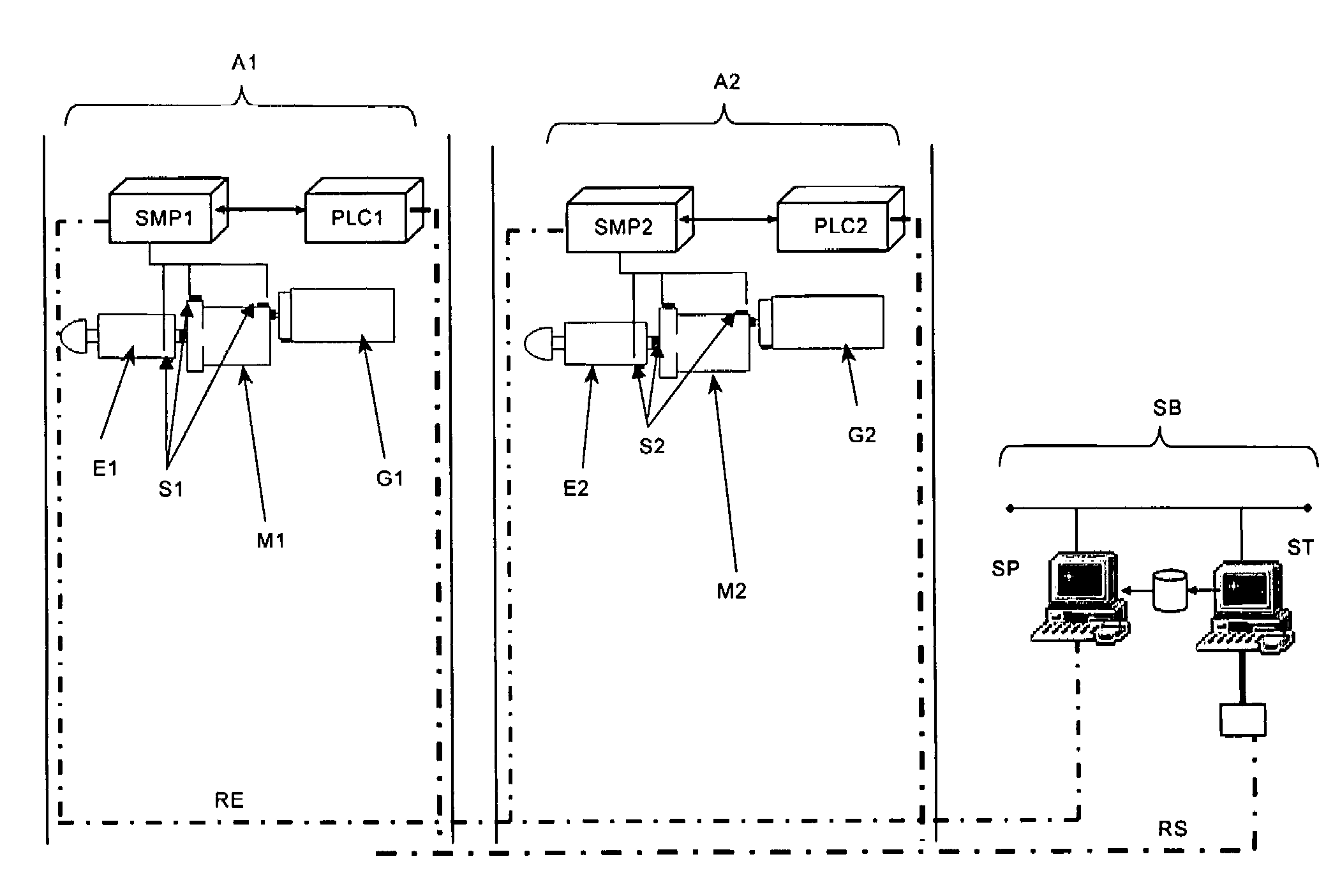
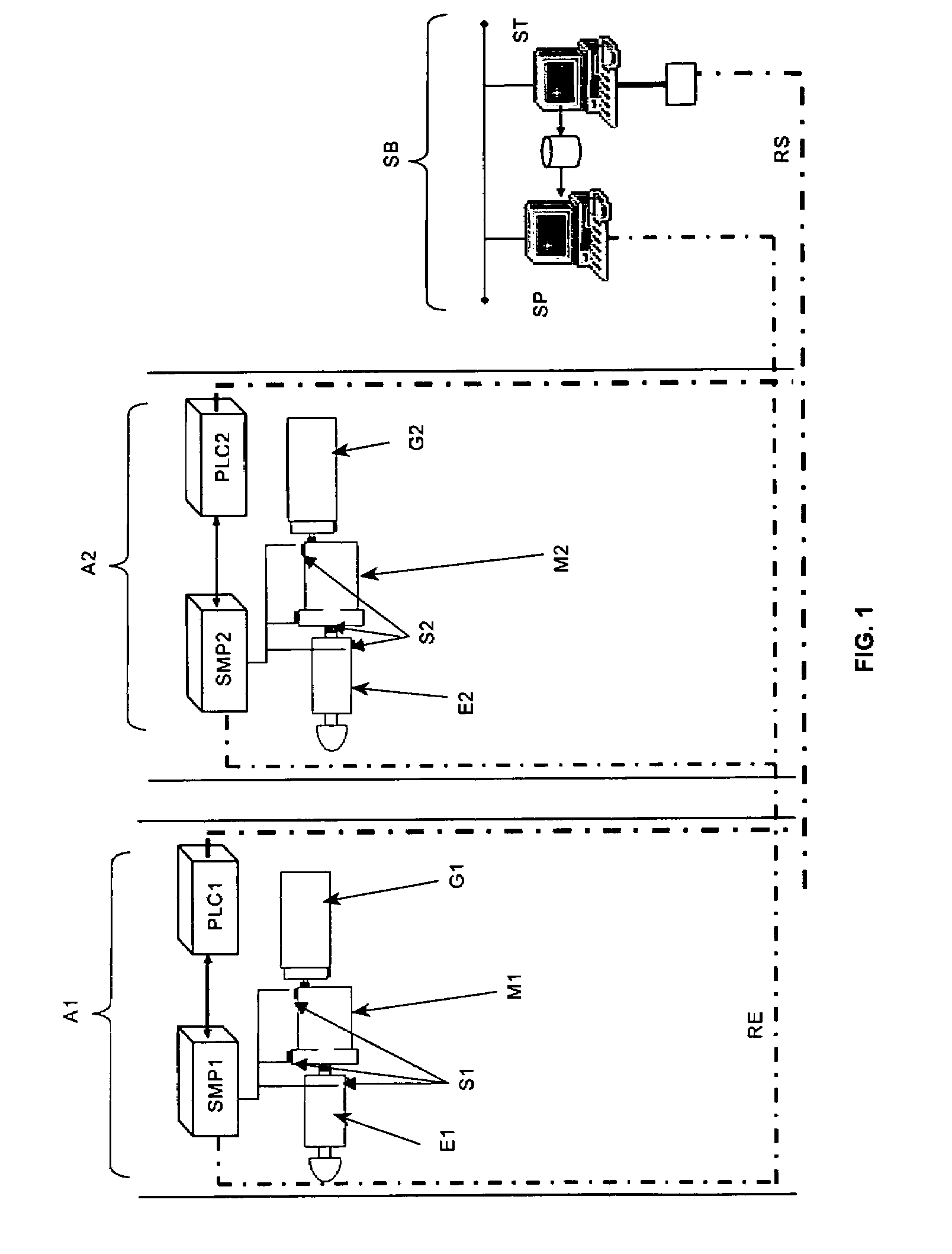
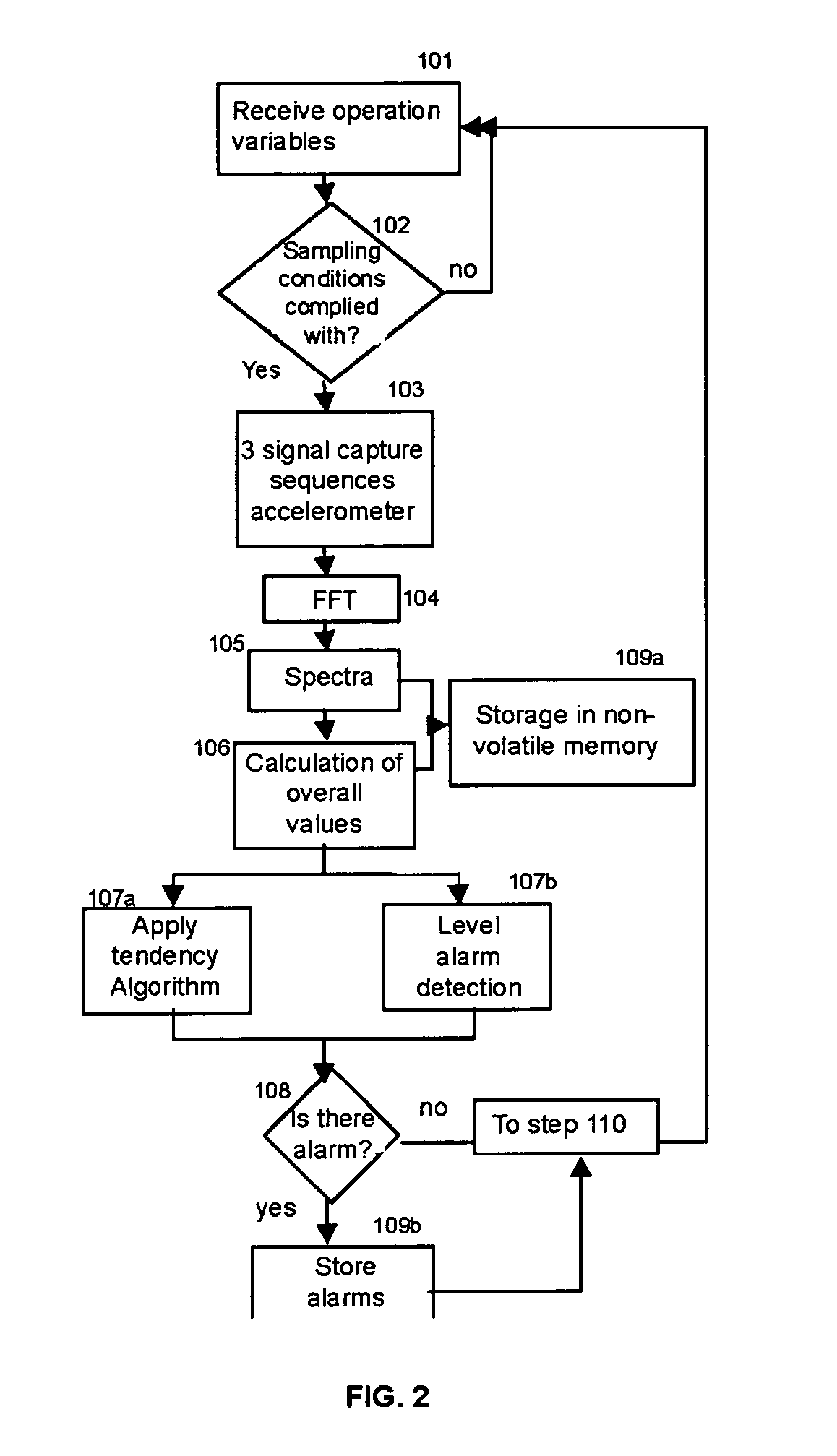
- A predictive maintenance system using vibration analysis with monitoring and processing equipment integrated into the nacelle of wind turbines, connected to accelerometers and the control system, which captures stable signals within predetermined operating ranges, processes them using anti-aliasing filtering and FFT, and generates alarms for critical component failures, reducing resource requirements and integrating with existing park infrastructures.

Method and apparatus for generating maintenance plan of wind turbines, device and storage medium
PatentWO2021133249A1
Innovation
- A method and apparatus that determine a prediction window period based on specific weather conditions for each wind turbine location, combined with equipment maintenance information to generate a tailored maintenance schedule, ensuring that maintenance operations are conducted during optimal weather conditions and efficiently allocating maintenance personnel.


Environmental Impact Assessment of Wind Turbine Operations
Wind turbine operations present a complex array of environmental considerations that must be carefully evaluated throughout the lifecycle of predictive maintenance implementation. The environmental footprint extends beyond the immediate operational boundaries, encompassing noise pollution, wildlife interactions, visual impacts, and electromagnetic interference patterns that can be significantly influenced by maintenance scheduling and execution strategies.
Noise emissions constitute a primary environmental concern, with turbine operations generating both aerodynamic and mechanical noise components. Predictive maintenance systems can optimize blade pitch angles and rotational speeds to minimize acoustic signatures during sensitive periods, such as nighttime hours or wildlife migration seasons. Advanced monitoring algorithms can detect bearing wear and gearbox irregularities before they escalate into noise-generating failures, thereby maintaining compliance with local noise ordinances while preserving community relations.
Wildlife protection represents another critical environmental dimension, particularly regarding avian and bat populations. Predictive maintenance technologies enable strategic shutdown protocols during peak migration periods or adverse weather conditions when collision risks are elevated. Real-time monitoring systems can integrate weather data, seasonal migration patterns, and turbine operational parameters to minimize ecological disruption while maintaining energy production efficiency.
The electromagnetic interference generated by wind turbine operations can affect radar systems, telecommunications infrastructure, and navigation equipment. Predictive maintenance protocols must account for these interference patterns, ensuring that maintenance activities do not exacerbate electromagnetic emissions or compromise nearby communication systems. Regular assessment of grounding systems and electrical component integrity becomes essential for maintaining electromagnetic compatibility standards.
Visual impact considerations involve both aesthetic concerns and aviation safety requirements. Predictive maintenance systems can optimize lighting schedules for aircraft warning systems, reducing unnecessary illumination during low-traffic periods while maintaining regulatory compliance. Additionally, maintenance scheduling can be coordinated to minimize visual disruption during peak tourism seasons or community events.
Soil and water resource protection requires careful consideration during maintenance operations, particularly regarding lubricant handling, component replacement, and access road maintenance. Predictive systems can optimize maintenance intervals to reduce the frequency of heavy equipment access, thereby minimizing soil compaction and erosion risks while reducing the overall environmental footprint of maintenance activities.
Noise emissions constitute a primary environmental concern, with turbine operations generating both aerodynamic and mechanical noise components. Predictive maintenance systems can optimize blade pitch angles and rotational speeds to minimize acoustic signatures during sensitive periods, such as nighttime hours or wildlife migration seasons. Advanced monitoring algorithms can detect bearing wear and gearbox irregularities before they escalate into noise-generating failures, thereby maintaining compliance with local noise ordinances while preserving community relations.
Wildlife protection represents another critical environmental dimension, particularly regarding avian and bat populations. Predictive maintenance technologies enable strategic shutdown protocols during peak migration periods or adverse weather conditions when collision risks are elevated. Real-time monitoring systems can integrate weather data, seasonal migration patterns, and turbine operational parameters to minimize ecological disruption while maintaining energy production efficiency.
The electromagnetic interference generated by wind turbine operations can affect radar systems, telecommunications infrastructure, and navigation equipment. Predictive maintenance protocols must account for these interference patterns, ensuring that maintenance activities do not exacerbate electromagnetic emissions or compromise nearby communication systems. Regular assessment of grounding systems and electrical component integrity becomes essential for maintaining electromagnetic compatibility standards.
Visual impact considerations involve both aesthetic concerns and aviation safety requirements. Predictive maintenance systems can optimize lighting schedules for aircraft warning systems, reducing unnecessary illumination during low-traffic periods while maintaining regulatory compliance. Additionally, maintenance scheduling can be coordinated to minimize visual disruption during peak tourism seasons or community events.
Soil and water resource protection requires careful consideration during maintenance operations, particularly regarding lubricant handling, component replacement, and access road maintenance. Predictive systems can optimize maintenance intervals to reduce the frequency of heavy equipment access, thereby minimizing soil compaction and erosion risks while reducing the overall environmental footprint of maintenance activities.
Data Privacy and Security in Wind Farm IoT Networks
The implementation of predictive maintenance systems for wind turbines necessitates extensive IoT networks that collect, transmit, and process vast amounts of operational data. These networks inherently create significant data privacy and security vulnerabilities that must be comprehensively addressed to ensure system integrity and regulatory compliance.
Wind farm IoT networks typically encompass multiple layers of connected devices, including sensors, controllers, communication gateways, and cloud-based analytics platforms. Each connection point represents a potential entry vector for malicious actors seeking to compromise system operations or extract sensitive operational data. The distributed nature of wind farms, often located in remote areas with limited physical security, further amplifies these security challenges.
Data privacy concerns arise from the collection of detailed operational parameters that can reveal proprietary information about turbine performance, maintenance schedules, and energy production patterns. This information holds significant commercial value and could provide competitive advantages if accessed by unauthorized parties. Additionally, grid integration data may contain sensitive information about energy distribution networks and infrastructure vulnerabilities.
Current security frameworks for wind farm IoT networks employ multi-layered approaches including encrypted communication protocols, secure authentication mechanisms, and network segmentation strategies. Advanced encryption standards such as AES-256 are commonly implemented for data transmission, while certificate-based authentication ensures device legitimacy within the network ecosystem.
Edge computing architectures are increasingly adopted to minimize data transmission vulnerabilities by processing sensitive information locally before transmitting aggregated insights to central systems. This approach reduces the attack surface while maintaining analytical capabilities necessary for predictive maintenance algorithms.
Regulatory compliance requirements, particularly under frameworks like GDPR and industry-specific standards such as IEC 62443, mandate strict data handling protocols and breach notification procedures. These regulations necessitate comprehensive audit trails and data governance frameworks that can significantly impact system architecture decisions and operational procedures for predictive maintenance implementations.
Wind farm IoT networks typically encompass multiple layers of connected devices, including sensors, controllers, communication gateways, and cloud-based analytics platforms. Each connection point represents a potential entry vector for malicious actors seeking to compromise system operations or extract sensitive operational data. The distributed nature of wind farms, often located in remote areas with limited physical security, further amplifies these security challenges.
Data privacy concerns arise from the collection of detailed operational parameters that can reveal proprietary information about turbine performance, maintenance schedules, and energy production patterns. This information holds significant commercial value and could provide competitive advantages if accessed by unauthorized parties. Additionally, grid integration data may contain sensitive information about energy distribution networks and infrastructure vulnerabilities.
Current security frameworks for wind farm IoT networks employ multi-layered approaches including encrypted communication protocols, secure authentication mechanisms, and network segmentation strategies. Advanced encryption standards such as AES-256 are commonly implemented for data transmission, while certificate-based authentication ensures device legitimacy within the network ecosystem.
Edge computing architectures are increasingly adopted to minimize data transmission vulnerabilities by processing sensitive information locally before transmitting aggregated insights to central systems. This approach reduces the attack surface while maintaining analytical capabilities necessary for predictive maintenance algorithms.
Regulatory compliance requirements, particularly under frameworks like GDPR and industry-specific standards such as IEC 62443, mandate strict data handling protocols and breach notification procedures. These regulations necessitate comprehensive audit trails and data governance frameworks that can significantly impact system architecture decisions and operational procedures for predictive maintenance implementations.
Unlock deeper insights with PatSnap Eureka Quick Research — get a full tech report to explore trends and direct your research. Try now!
Generate Your Research Report Instantly with AI Agent
Supercharge your innovation with PatSnap Eureka AI Agent Platform!