
How to Implement SPC for Quality Injection Molding
MAR 25, 20269 MIN READ
Generate Your Research Report Instantly with AI Agent
Patsnap Eureka helps you evaluate technical feasibility & market potential.
SPC Implementation in Injection Molding Background and Objectives
Statistical Process Control (SPC) has emerged as a critical methodology in injection molding manufacturing, representing a systematic approach to monitoring and controlling production processes through statistical analysis. The evolution of SPC in injection molding traces back to the 1980s when manufacturers began recognizing the need for more sophisticated quality control methods beyond traditional inspection-based approaches. This transition was driven by increasing demands for consistent part quality, reduced waste, and enhanced process efficiency in an increasingly competitive manufacturing landscape.
The injection molding industry has witnessed significant technological advancement over the past four decades, with process monitoring capabilities evolving from basic temperature and pressure measurements to comprehensive real-time data acquisition systems. Modern injection molding machines now incorporate advanced sensors, data logging capabilities, and integrated control systems that enable continuous monitoring of critical process parameters such as injection pressure, melt temperature, cycle time, and cavity pressure variations.
The primary objective of implementing SPC in injection molding is to establish a data-driven quality management system that enables proactive process control rather than reactive quality correction. This approach aims to identify process variations before they result in defective parts, thereby minimizing scrap rates, reducing production costs, and ensuring consistent product quality that meets or exceeds customer specifications.
Contemporary SPC implementation in injection molding focuses on achieving several key technical goals. These include establishing statistical control limits for critical process parameters, developing predictive models for quality outcomes, and creating automated feedback systems that can adjust process conditions in real-time. The integration of Industry 4.0 technologies has further expanded these objectives to include predictive maintenance capabilities, advanced process optimization algorithms, and comprehensive traceability systems.
The strategic importance of SPC implementation extends beyond immediate quality improvements to encompass long-term competitive advantages. Organizations pursuing SPC adoption aim to achieve certification compliance with international quality standards, enhance customer satisfaction through consistent product delivery, and establish data-driven decision-making processes that support continuous improvement initiatives. These objectives align with broader manufacturing trends toward digitalization, automation, and sustainable production practices that define modern injection molding operations.
The injection molding industry has witnessed significant technological advancement over the past four decades, with process monitoring capabilities evolving from basic temperature and pressure measurements to comprehensive real-time data acquisition systems. Modern injection molding machines now incorporate advanced sensors, data logging capabilities, and integrated control systems that enable continuous monitoring of critical process parameters such as injection pressure, melt temperature, cycle time, and cavity pressure variations.
The primary objective of implementing SPC in injection molding is to establish a data-driven quality management system that enables proactive process control rather than reactive quality correction. This approach aims to identify process variations before they result in defective parts, thereby minimizing scrap rates, reducing production costs, and ensuring consistent product quality that meets or exceeds customer specifications.
Contemporary SPC implementation in injection molding focuses on achieving several key technical goals. These include establishing statistical control limits for critical process parameters, developing predictive models for quality outcomes, and creating automated feedback systems that can adjust process conditions in real-time. The integration of Industry 4.0 technologies has further expanded these objectives to include predictive maintenance capabilities, advanced process optimization algorithms, and comprehensive traceability systems.
The strategic importance of SPC implementation extends beyond immediate quality improvements to encompass long-term competitive advantages. Organizations pursuing SPC adoption aim to achieve certification compliance with international quality standards, enhance customer satisfaction through consistent product delivery, and establish data-driven decision-making processes that support continuous improvement initiatives. These objectives align with broader manufacturing trends toward digitalization, automation, and sustainable production practices that define modern injection molding operations.
Market Demand for Quality Control in Injection Molding Industry
The injection molding industry faces unprecedented pressure to deliver consistent, high-quality products while maintaining cost efficiency and regulatory compliance. Statistical Process Control (SPC) has emerged as a critical methodology to address these challenges, driving substantial market demand across multiple sectors including automotive, medical devices, consumer electronics, and packaging.
Automotive manufacturers represent the largest segment demanding SPC implementation in injection molding operations. The industry's zero-defect tolerance requirements, coupled with stringent safety regulations, necessitate real-time quality monitoring and control systems. Medical device manufacturers similarly require robust quality control frameworks to meet FDA and ISO 13485 standards, where product failures can have life-threatening consequences.
The consumer electronics sector drives demand through miniaturization trends and tight dimensional tolerances required for modern devices. Smartphone manufacturers, in particular, require injection molded components with tolerances measured in micrometers, making traditional quality control methods insufficient. This has accelerated adoption of advanced SPC systems capable of real-time monitoring and predictive analytics.
Regulatory compliance requirements across industries have intensified market demand for comprehensive quality control solutions. The FDA's Quality System Regulation, ISO 9001 standards, and automotive industry specifications like IATF 16949 mandate documented quality processes and statistical evidence of process control. These regulations create mandatory demand rather than optional adoption scenarios.
Cost reduction pressures simultaneously drive SPC adoption as manufacturers seek to minimize waste, reduce rework, and optimize material usage. Traditional quality control methods involving post-production inspection result in significant material waste and labor costs when defects are discovered. SPC enables proactive quality management, preventing defective production runs and associated costs.
Market demand extends beyond large manufacturers to mid-tier injection molding companies serving diverse industries. These companies face increasing customer requirements for statistical quality documentation and process capability studies. Contract manufacturers particularly experience pressure from multiple clients demanding SPC implementation as a qualification requirement for supplier partnerships.
Emerging applications in sustainable packaging and biodegradable materials create additional market segments requiring specialized quality control approaches. These materials often exhibit different processing characteristics and quality parameters compared to traditional plastics, necessitating adapted SPC methodologies and creating new market opportunities for quality control solution providers.
Automotive manufacturers represent the largest segment demanding SPC implementation in injection molding operations. The industry's zero-defect tolerance requirements, coupled with stringent safety regulations, necessitate real-time quality monitoring and control systems. Medical device manufacturers similarly require robust quality control frameworks to meet FDA and ISO 13485 standards, where product failures can have life-threatening consequences.
The consumer electronics sector drives demand through miniaturization trends and tight dimensional tolerances required for modern devices. Smartphone manufacturers, in particular, require injection molded components with tolerances measured in micrometers, making traditional quality control methods insufficient. This has accelerated adoption of advanced SPC systems capable of real-time monitoring and predictive analytics.
Regulatory compliance requirements across industries have intensified market demand for comprehensive quality control solutions. The FDA's Quality System Regulation, ISO 9001 standards, and automotive industry specifications like IATF 16949 mandate documented quality processes and statistical evidence of process control. These regulations create mandatory demand rather than optional adoption scenarios.
Cost reduction pressures simultaneously drive SPC adoption as manufacturers seek to minimize waste, reduce rework, and optimize material usage. Traditional quality control methods involving post-production inspection result in significant material waste and labor costs when defects are discovered. SPC enables proactive quality management, preventing defective production runs and associated costs.
Market demand extends beyond large manufacturers to mid-tier injection molding companies serving diverse industries. These companies face increasing customer requirements for statistical quality documentation and process capability studies. Contract manufacturers particularly experience pressure from multiple clients demanding SPC implementation as a qualification requirement for supplier partnerships.
Emerging applications in sustainable packaging and biodegradable materials create additional market segments requiring specialized quality control approaches. These materials often exhibit different processing characteristics and quality parameters compared to traditional plastics, necessitating adapted SPC methodologies and creating new market opportunities for quality control solution providers.
Current SPC Adoption Status and Challenges in Molding
The adoption of Statistical Process Control (SPC) in injection molding operations varies significantly across different industry sectors and geographical regions. Large-scale automotive and medical device manufacturers have achieved relatively mature SPC implementation, with comprehensive monitoring systems covering critical parameters such as injection pressure, melt temperature, cycle time, and cavity pressure. These organizations typically maintain dedicated quality teams and have integrated SPC software platforms that provide real-time data collection and analysis capabilities.
Medium-sized molding operations present a mixed landscape of SPC adoption. While many recognize the importance of statistical quality control, implementation often remains fragmented and limited to basic parameter monitoring. These facilities commonly struggle with inconsistent data collection practices and lack the sophisticated analytical tools necessary for comprehensive process optimization. The adoption rate in this segment is estimated at approximately 40-60%, with significant variations based on customer requirements and industry focus.
Small-scale injection molding facilities face the most substantial barriers to SPC implementation. Resource constraints, limited technical expertise, and cost considerations create significant obstacles to adopting comprehensive statistical process control systems. Many smaller operations rely on traditional quality control methods, conducting periodic inspections rather than implementing continuous monitoring protocols.
The primary technical challenges in SPC implementation center around sensor integration and data management complexity. Modern injection molding machines generate vast amounts of process data, but converting this information into actionable quality insights requires sophisticated analytical capabilities. Many facilities struggle with sensor calibration, data synchronization across multiple machines, and establishing meaningful control limits that account for natural process variation.
Organizational challenges present equally significant barriers to successful SPC adoption. Insufficient training programs for operators and quality personnel limit the effectiveness of implemented systems. Many organizations lack the statistical expertise necessary to properly interpret control charts and implement corrective actions based on SPC analysis. Additionally, resistance to change from experienced operators who rely on traditional quality control methods can impede successful implementation.
Cost considerations remain a persistent challenge, particularly for smaller operations. Initial investment requirements for sensors, data acquisition systems, and analytical software can be substantial. Ongoing maintenance costs, software licensing fees, and training expenses create additional financial burdens that many organizations find difficult to justify without clear return on investment demonstrations.
Integration complexity with existing manufacturing execution systems and enterprise resource planning platforms creates technical hurdles that require specialized expertise. Many facilities operate with legacy equipment that lacks modern connectivity capabilities, necessitating costly retrofitting or equipment replacement to achieve comprehensive SPC implementation.
Medium-sized molding operations present a mixed landscape of SPC adoption. While many recognize the importance of statistical quality control, implementation often remains fragmented and limited to basic parameter monitoring. These facilities commonly struggle with inconsistent data collection practices and lack the sophisticated analytical tools necessary for comprehensive process optimization. The adoption rate in this segment is estimated at approximately 40-60%, with significant variations based on customer requirements and industry focus.
Small-scale injection molding facilities face the most substantial barriers to SPC implementation. Resource constraints, limited technical expertise, and cost considerations create significant obstacles to adopting comprehensive statistical process control systems. Many smaller operations rely on traditional quality control methods, conducting periodic inspections rather than implementing continuous monitoring protocols.
The primary technical challenges in SPC implementation center around sensor integration and data management complexity. Modern injection molding machines generate vast amounts of process data, but converting this information into actionable quality insights requires sophisticated analytical capabilities. Many facilities struggle with sensor calibration, data synchronization across multiple machines, and establishing meaningful control limits that account for natural process variation.
Organizational challenges present equally significant barriers to successful SPC adoption. Insufficient training programs for operators and quality personnel limit the effectiveness of implemented systems. Many organizations lack the statistical expertise necessary to properly interpret control charts and implement corrective actions based on SPC analysis. Additionally, resistance to change from experienced operators who rely on traditional quality control methods can impede successful implementation.
Cost considerations remain a persistent challenge, particularly for smaller operations. Initial investment requirements for sensors, data acquisition systems, and analytical software can be substantial. Ongoing maintenance costs, software licensing fees, and training expenses create additional financial burdens that many organizations find difficult to justify without clear return on investment demonstrations.
Integration complexity with existing manufacturing execution systems and enterprise resource planning platforms creates technical hurdles that require specialized expertise. Many facilities operate with legacy equipment that lacks modern connectivity capabilities, necessitating costly retrofitting or equipment replacement to achieve comprehensive SPC implementation.
Existing SPC Implementation Solutions for Molding Processes
01 Real-time SPC monitoring and control systems
Statistical process control systems that provide real-time monitoring of manufacturing processes through continuous data collection and analysis. These systems enable immediate detection of process variations and deviations from control limits, allowing for prompt corrective actions. The systems typically integrate sensors, data acquisition modules, and automated feedback mechanisms to maintain process stability and ensure consistent product quality throughout production cycles.- Real-time SPC monitoring and control systems: Statistical process control systems that provide real-time monitoring of manufacturing processes through continuous data collection and analysis. These systems enable immediate detection of process variations and deviations from control limits, allowing for prompt corrective actions. The systems typically integrate sensors, data acquisition modules, and automated control mechanisms to maintain process stability and ensure consistent product quality throughout production operations.
- SPC data visualization and reporting tools: Tools and interfaces designed for visualizing statistical process control data through control charts, histograms, and trend analysis displays. These systems facilitate the interpretation of process performance metrics and enable quality managers to identify patterns, trends, and anomalies in production data. The visualization tools support decision-making by presenting complex statistical information in accessible formats for operators and management personnel.
- Automated SPC sampling and measurement systems: Automated systems for collecting samples and performing measurements in statistical process control applications. These systems reduce human error and increase measurement consistency by automating the sampling process and data recording. The technology includes automated inspection equipment, measurement devices, and data logging systems that ensure accurate and representative sampling according to predetermined statistical protocols.
- SPC software platforms with predictive analytics: Advanced software platforms that incorporate predictive analytics and machine learning algorithms into statistical process control frameworks. These systems analyze historical process data to predict potential quality issues before they occur, enabling proactive process adjustments. The platforms integrate statistical methods with artificial intelligence to optimize process parameters and improve overall manufacturing efficiency and product quality.
- Multi-process SPC integration and management: Comprehensive systems for managing statistical process control across multiple production lines and processes simultaneously. These integrated platforms enable centralized monitoring and control of diverse manufacturing operations, facilitating enterprise-wide quality management. The systems support data aggregation from various sources, cross-process analysis, and coordinated quality control strategies to maintain consistent standards across all production facilities.
02 SPC data visualization and analysis tools
Advanced visualization and analytical tools designed for statistical process control that transform raw process data into meaningful charts, graphs, and control charts. These tools facilitate trend analysis, pattern recognition, and statistical calculations including capability indices and process performance metrics. The systems enable quality engineers and operators to quickly identify abnormal patterns and make data-driven decisions for process improvement.Expand Specific Solutions03 Automated SPC alarm and notification systems
Intelligent alarm systems integrated with statistical process control that automatically detect out-of-control conditions and trigger notifications to relevant personnel. These systems employ sophisticated algorithms to distinguish between common cause and special cause variations, reducing false alarms while ensuring critical issues are promptly addressed. The notification mechanisms can include visual alerts, audible warnings, and electronic messages to multiple stakeholders.Expand Specific Solutions04 SPC quality management integration platforms
Comprehensive quality management platforms that integrate statistical process control with broader quality systems including defect tracking, corrective action management, and compliance documentation. These platforms enable seamless data flow between different quality functions and provide centralized repositories for historical process data. The integration facilitates root cause analysis, continuous improvement initiatives, and regulatory compliance reporting.Expand Specific Solutions05 Machine learning enhanced SPC systems
Next-generation statistical process control systems that incorporate machine learning algorithms and artificial intelligence to predict process behavior and optimize control strategies. These advanced systems can automatically adjust control limits based on historical patterns, identify complex multivariate relationships, and provide predictive maintenance recommendations. The technology enables proactive quality management by anticipating potential issues before they result in defects.Expand Specific Solutions
Major Players in SPC Software and Injection Molding Equipment
The SPC implementation for quality injection molding market is in a mature growth stage, driven by increasing automation demands and Industry 4.0 adoption. The market demonstrates significant scale with established machinery manufacturers like Haitian Plastics Machinery, Sumitomo (SHI) Demag, Nissei Plastic Industrial, and TOYO INNOVEX leading equipment development. Technology maturity varies across segments, with companies like iMFLUX pioneering adaptive low-pressure systems, while traditional players focus on integrating advanced monitoring capabilities. Research institutions including Dalian University of Technology and Pohang University contribute foundational SPC methodologies. Material suppliers such as Wanhua Chemical and Mitsubishi Engineering-Plastics drive process optimization requirements. The competitive landscape shows convergence between hardware manufacturers, software developers like CoreTech System, and end-users including Honda and Midea, creating comprehensive quality control ecosystems that combine real-time monitoring, predictive analytics, and automated process adjustments for enhanced manufacturing precision.
Haitian Plastics Machinery Group Co., Ltd.
Technical Solution: Haitian implements comprehensive SPC systems in their injection molding machines through integrated sensor networks and real-time data collection. Their approach includes continuous monitoring of critical process parameters such as injection pressure, temperature profiles, cycle times, and cavity pressure throughout the molding process. The system automatically calculates control charts including X-bar and R charts for key variables, enabling immediate detection of process variations. Their SPC implementation features automated data logging, statistical analysis algorithms, and alarm systems that trigger when processes drift outside control limits. The technology integrates with their machine control systems to provide closed-loop feedback, allowing for automatic parameter adjustments to maintain process stability and part quality consistency.
Strengths: Industry-leading expertise in injection molding machinery with comprehensive process control integration. Weaknesses: Solutions may be primarily focused on their own equipment platforms, limiting cross-platform compatibility.
CoreTech System Co. Ltd.
Technical Solution: CoreTech specializes in advanced simulation and process optimization software for injection molding with integrated SPC capabilities. Their Moldex3D platform incorporates statistical process control through predictive modeling and real-time process monitoring. The system analyzes filling patterns, cooling efficiency, warpage predictions, and dimensional accuracy using statistical methods. Their SPC implementation includes automated data collection from molding machines, statistical analysis of process variations, and predictive quality control algorithms. The software generates control charts, capability studies, and process performance indices while providing recommendations for parameter optimization. Their approach combines simulation-based process design with real-time SPC monitoring to ensure consistent part quality and reduce defect rates in production environments.
Strengths: Advanced simulation capabilities combined with comprehensive SPC analytics and strong software integration. Weaknesses: Requires significant technical expertise for implementation and may have higher software licensing costs.
Core SPC Methodologies and Control Chart Technologies
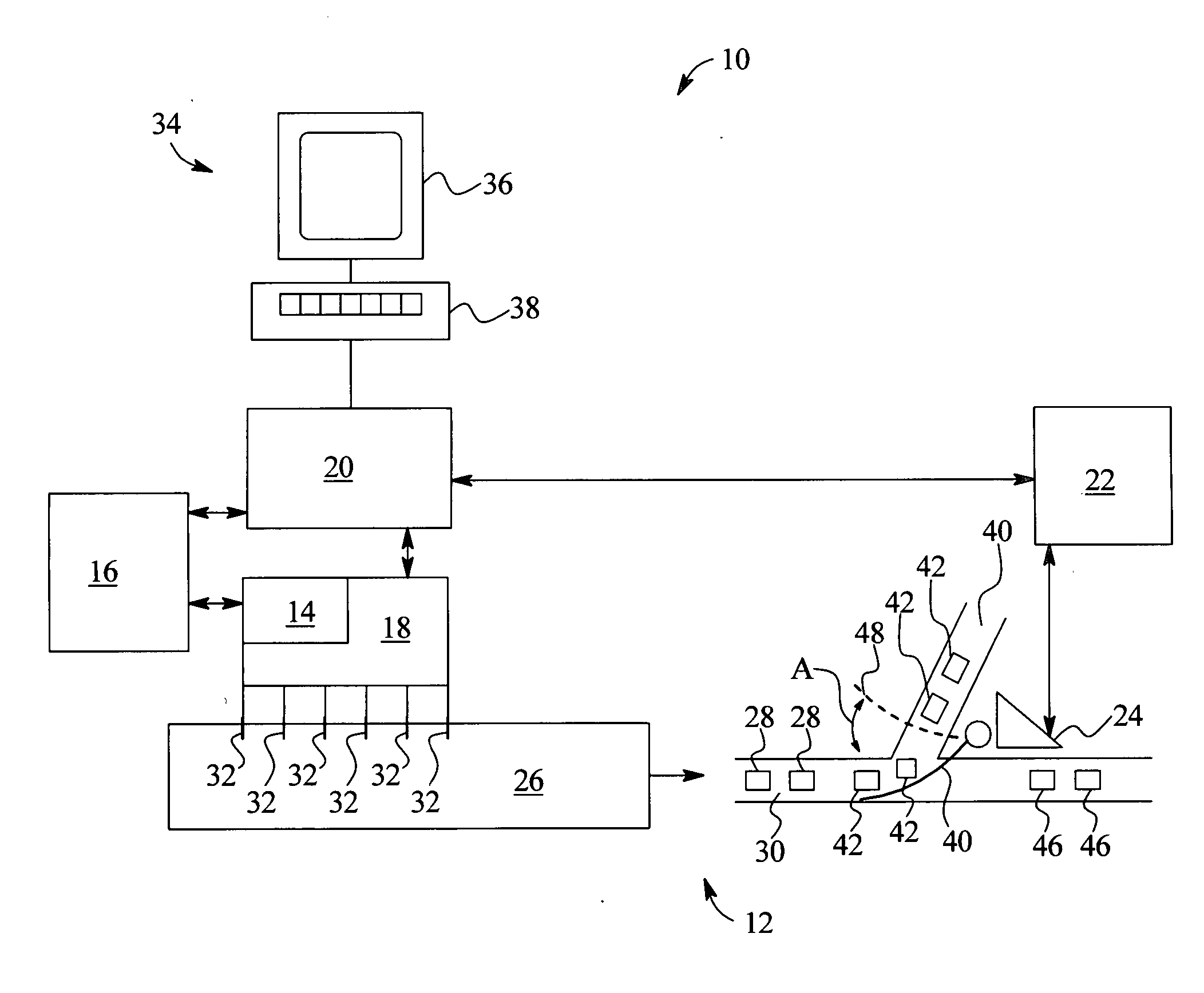
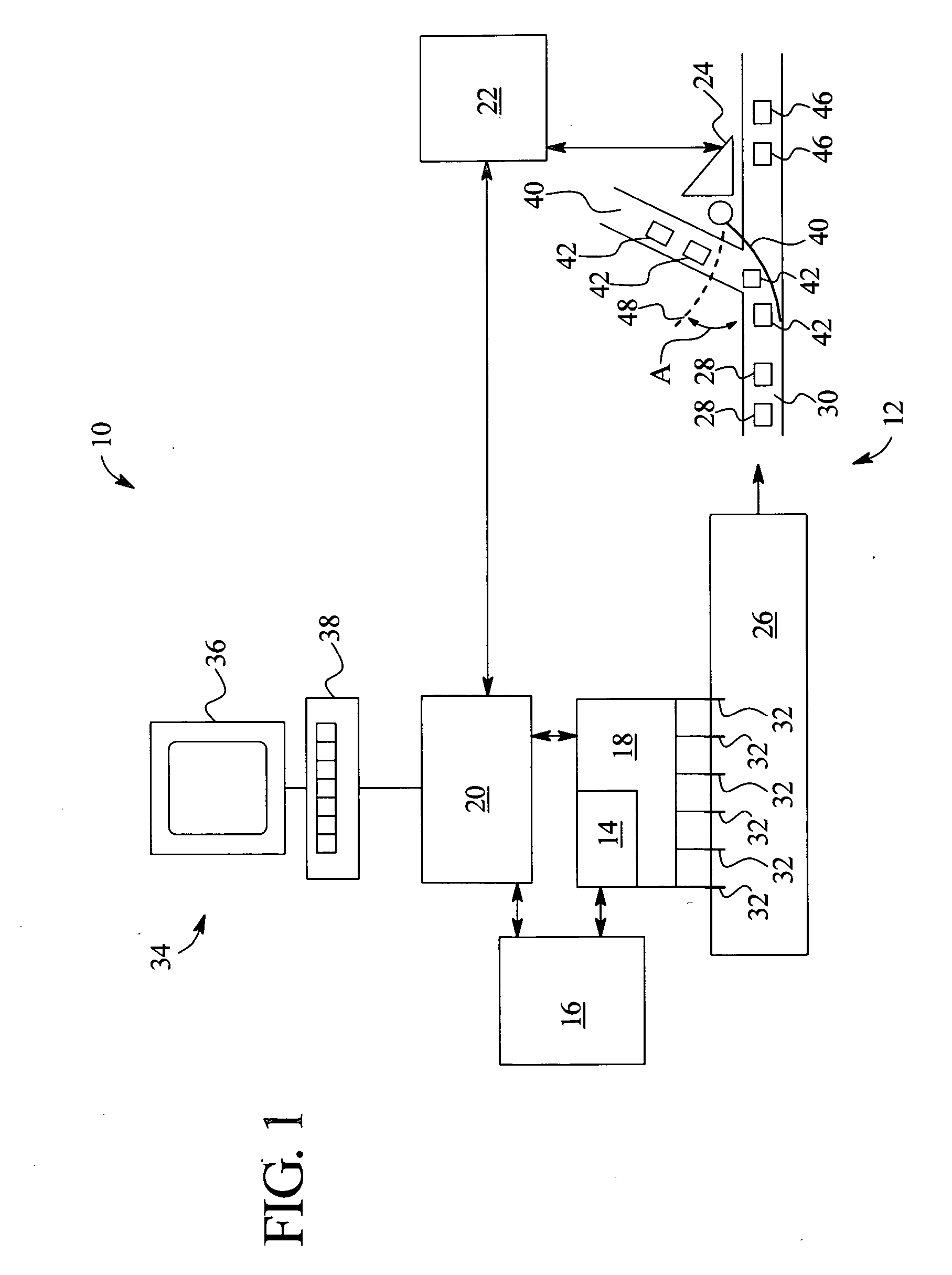
Parametric injection molding system and method
PatentInactiveEP1773565A1
Innovation
- A parametric release system that generates a control limit model from injection molding process data, allowing for real-time monitoring and removal of defective products without halting the production process, using a data analysis module, prediction module, and diversion device to segregate suspect products.
Parametric injection molding system and method
PatentActiveUS20060012064A1
Innovation
- A parametric release system that generates a control limit from injection molding process data, collects real-time data, and removes defective products in real-time using a data analysis module, prediction module, and diversion device, allowing continuous production while ensuring product quality.


Industry Standards and Compliance for SPC in Manufacturing
The implementation of Statistical Process Control in injection molding operations must align with established industry standards to ensure regulatory compliance and maintain quality assurance protocols. ISO 9001:2015 serves as the foundational framework, requiring organizations to demonstrate consistent product quality through documented control processes. This standard mandates the establishment of quality management systems that incorporate statistical methods for process monitoring and continuous improvement.
ISO/TS 16949, specifically designed for automotive manufacturing, extends these requirements by emphasizing advanced product quality planning and statistical process control implementation. The standard requires manufacturers to utilize control charts, process capability studies, and measurement system analysis as integral components of their quality systems. Compliance with this standard is particularly critical for injection molding operations serving automotive clients, where defect rates must remain below stringent thresholds.
The American Society for Quality (ASQ) provides comprehensive guidelines for SPC implementation through ANSI/ASQ Z1.4 and Z1.9 standards, which establish sampling procedures and acceptance criteria for statistical quality control. These standards define the mathematical foundations for control chart construction, capability indices calculation, and process performance evaluation in manufacturing environments.
FDA regulations, particularly 21 CFR Part 820 for medical device manufacturing, mandate rigorous statistical process control for injection molded components used in healthcare applications. These regulations require validated measurement systems, documented control procedures, and statistical evidence of process stability. Manufacturers must maintain detailed records demonstrating compliance with predetermined specification limits and control parameters.
ASTM International standards, including ASTM D4000 series for plastic materials, establish testing protocols and quality requirements that directly impact SPC implementation strategies. These standards define material property specifications, testing methodologies, and acceptance criteria that form the basis for statistical control limits in injection molding processes.
European compliance frameworks, including CE marking requirements and ISO 13485 for medical devices, impose additional statistical documentation requirements. These regulations emphasize risk-based approaches to quality control, requiring manufacturers to demonstrate statistical evidence of process capability and product conformity through comprehensive SPC programs that meet international regulatory expectations.
ISO/TS 16949, specifically designed for automotive manufacturing, extends these requirements by emphasizing advanced product quality planning and statistical process control implementation. The standard requires manufacturers to utilize control charts, process capability studies, and measurement system analysis as integral components of their quality systems. Compliance with this standard is particularly critical for injection molding operations serving automotive clients, where defect rates must remain below stringent thresholds.
The American Society for Quality (ASQ) provides comprehensive guidelines for SPC implementation through ANSI/ASQ Z1.4 and Z1.9 standards, which establish sampling procedures and acceptance criteria for statistical quality control. These standards define the mathematical foundations for control chart construction, capability indices calculation, and process performance evaluation in manufacturing environments.
FDA regulations, particularly 21 CFR Part 820 for medical device manufacturing, mandate rigorous statistical process control for injection molded components used in healthcare applications. These regulations require validated measurement systems, documented control procedures, and statistical evidence of process stability. Manufacturers must maintain detailed records demonstrating compliance with predetermined specification limits and control parameters.
ASTM International standards, including ASTM D4000 series for plastic materials, establish testing protocols and quality requirements that directly impact SPC implementation strategies. These standards define material property specifications, testing methodologies, and acceptance criteria that form the basis for statistical control limits in injection molding processes.
European compliance frameworks, including CE marking requirements and ISO 13485 for medical devices, impose additional statistical documentation requirements. These regulations emphasize risk-based approaches to quality control, requiring manufacturers to demonstrate statistical evidence of process capability and product conformity through comprehensive SPC programs that meet international regulatory expectations.
Cost-Benefit Analysis of SPC Implementation in Molding
The implementation of Statistical Process Control in injection molding operations requires substantial upfront investment but delivers significant long-term financial returns through improved quality metrics and operational efficiency. Initial capital expenditures typically range from $50,000 to $200,000 for comprehensive SPC systems, including sensor integration, data acquisition hardware, and specialized software platforms. These costs encompass real-time monitoring equipment for critical parameters such as injection pressure, melt temperature, and cycle time variations.
Personnel training represents another significant cost component, often requiring 40-80 hours of specialized education per operator and quality technician. Training expenses typically account for 15-25% of total implementation costs, including both internal resource allocation and external consultant fees. Additionally, system integration and customization costs can add 20-30% to the base software licensing fees.
The financial benefits of SPC implementation manifest through multiple channels, with defect reduction being the primary value driver. Manufacturing facilities typically experience 30-50% reduction in scrap rates within the first year of implementation. For high-volume operations producing 100,000+ parts monthly, this translates to annual savings of $150,000 to $400,000 depending on part complexity and material costs.
Process optimization through SPC enables reduced cycle times by 5-15% while maintaining quality standards, directly impacting production capacity and labor efficiency. This improvement typically generates additional revenue potential of $200,000 to $500,000 annually for medium-scale operations. Furthermore, enhanced process stability reduces machine downtime by 20-35%, minimizing costly production interruptions.
Return on investment calculations demonstrate payback periods ranging from 8 to 18 months for most injection molding applications. The cumulative five-year net present value often exceeds 300-500% of initial investment, making SPC implementation financially compelling for operations with annual production volumes exceeding 500,000 parts. Long-term benefits include reduced warranty claims, improved customer satisfaction scores, and enhanced competitive positioning in quality-sensitive markets.
Personnel training represents another significant cost component, often requiring 40-80 hours of specialized education per operator and quality technician. Training expenses typically account for 15-25% of total implementation costs, including both internal resource allocation and external consultant fees. Additionally, system integration and customization costs can add 20-30% to the base software licensing fees.
The financial benefits of SPC implementation manifest through multiple channels, with defect reduction being the primary value driver. Manufacturing facilities typically experience 30-50% reduction in scrap rates within the first year of implementation. For high-volume operations producing 100,000+ parts monthly, this translates to annual savings of $150,000 to $400,000 depending on part complexity and material costs.
Process optimization through SPC enables reduced cycle times by 5-15% while maintaining quality standards, directly impacting production capacity and labor efficiency. This improvement typically generates additional revenue potential of $200,000 to $500,000 annually for medium-scale operations. Furthermore, enhanced process stability reduces machine downtime by 20-35%, minimizing costly production interruptions.
Return on investment calculations demonstrate payback periods ranging from 8 to 18 months for most injection molding applications. The cumulative five-year net present value often exceeds 300-500% of initial investment, making SPC implementation financially compelling for operations with annual production volumes exceeding 500,000 parts. Long-term benefits include reduced warranty claims, improved customer satisfaction scores, and enhanced competitive positioning in quality-sensitive markets.
Unlock deeper insights with Patsnap Eureka Quick Research — get a full tech report to explore trends and direct your research. Try now!
Generate Your Research Report Instantly with AI Agent
Supercharge your innovation with Patsnap Eureka AI Agent Platform!