

How to Improve Response Speed in Stack Pressure Control Units
MAY 15, 20269 MIN READ
Generate Your Research Report Instantly with AI Agent
PatSnap Eureka helps you evaluate technical feasibility & market potential.
Stack Pressure Control Technology Background and Speed Goals
Stack pressure control technology has evolved significantly since the early development of fuel cell systems in the 1960s. Initially conceived for aerospace applications, these systems required precise pressure management to ensure optimal electrochemical reactions within fuel cell stacks. The fundamental principle involves maintaining differential pressure across the stack membrane to maximize power output while preventing membrane damage from excessive pressure variations.
The evolution of stack pressure control has been driven by the increasing demand for fuel cell applications across automotive, stationary power generation, and portable electronics sectors. Early systems relied on mechanical regulators and basic feedback loops, which provided adequate control but suffered from slow response times and limited precision. The transition from mechanical to electronic control systems marked a significant milestone in the 1990s, enabling more sophisticated pressure management strategies.
Modern stack pressure control units face unprecedented challenges in response speed requirements. Automotive fuel cell applications demand response times in the millisecond range to accommodate rapid load changes during acceleration and deceleration. Similarly, grid-connected fuel cell systems must respond quickly to power demand fluctuations to maintain system stability and efficiency.
Current technological trends indicate a shift toward integrated control architectures that combine pressure regulation with thermal and humidity management. Advanced sensor technologies, including MEMS-based pressure sensors and high-speed data acquisition systems, have enabled real-time monitoring and control capabilities that were previously unattainable.
The primary speed goals for next-generation stack pressure control units center on achieving sub-10 millisecond response times for pressure adjustments. This target represents a significant improvement over current systems, which typically operate with response times ranging from 50 to 200 milliseconds. Additionally, the industry seeks to minimize pressure overshoot and undershoot during transient conditions, maintaining pressure stability within ±2% of setpoint values.
Future development objectives include implementing predictive control algorithms that anticipate pressure requirements based on load forecasting and system state estimation. These advanced control strategies aim to reduce reactive response delays by proactively adjusting pressure parameters before demand changes occur, ultimately achieving near-instantaneous system response.
The evolution of stack pressure control has been driven by the increasing demand for fuel cell applications across automotive, stationary power generation, and portable electronics sectors. Early systems relied on mechanical regulators and basic feedback loops, which provided adequate control but suffered from slow response times and limited precision. The transition from mechanical to electronic control systems marked a significant milestone in the 1990s, enabling more sophisticated pressure management strategies.
Modern stack pressure control units face unprecedented challenges in response speed requirements. Automotive fuel cell applications demand response times in the millisecond range to accommodate rapid load changes during acceleration and deceleration. Similarly, grid-connected fuel cell systems must respond quickly to power demand fluctuations to maintain system stability and efficiency.
Current technological trends indicate a shift toward integrated control architectures that combine pressure regulation with thermal and humidity management. Advanced sensor technologies, including MEMS-based pressure sensors and high-speed data acquisition systems, have enabled real-time monitoring and control capabilities that were previously unattainable.
The primary speed goals for next-generation stack pressure control units center on achieving sub-10 millisecond response times for pressure adjustments. This target represents a significant improvement over current systems, which typically operate with response times ranging from 50 to 200 milliseconds. Additionally, the industry seeks to minimize pressure overshoot and undershoot during transient conditions, maintaining pressure stability within ±2% of setpoint values.
Future development objectives include implementing predictive control algorithms that anticipate pressure requirements based on load forecasting and system state estimation. These advanced control strategies aim to reduce reactive response delays by proactively adjusting pressure parameters before demand changes occur, ultimately achieving near-instantaneous system response.
Market Demand for High-Speed Stack Pressure Control Systems
The global market for high-speed stack pressure control systems is experiencing unprecedented growth driven by the increasing demand for precision manufacturing and automation across multiple industries. Manufacturing sectors, particularly semiconductor fabrication, automotive assembly, and aerospace production, require stack pressure control units capable of responding within microsecond timeframes to maintain product quality and operational efficiency.
Industrial automation trends are fundamentally reshaping market expectations for pressure control systems. Modern production lines operate at significantly higher speeds than previous generations, necessitating control units that can match these accelerated operational parameters. The shift toward Industry 4.0 implementations has created substantial demand for pressure control systems that integrate seamlessly with digital manufacturing ecosystems while delivering enhanced response capabilities.
The semiconductor industry represents the most demanding market segment for high-speed stack pressure control systems. Advanced chip manufacturing processes require precise pressure regulation during wafer handling, lithography, and packaging operations. Any delay in pressure response can result in defective products, making rapid response times a critical performance criterion rather than merely a competitive advantage.
Automotive manufacturing facilities are increasingly adopting high-speed stack pressure control systems to support advanced assembly processes. Electric vehicle battery pack assembly, in particular, demands precise pressure control during cell stacking and module formation. The growing electric vehicle market is directly correlating with increased demand for specialized pressure control solutions capable of handling delicate battery components.
Aerospace and defense applications constitute another significant market driver, where precision machining and composite material processing require exceptionally responsive pressure control systems. The complexity of modern aircraft components demands manufacturing processes that can maintain consistent pressure parameters throughout extended production cycles.
Market research indicates that end-users are prioritizing response speed improvements over cost considerations when selecting stack pressure control systems. This shift reflects the understanding that enhanced response capabilities directly translate to improved production yields, reduced waste, and higher overall equipment effectiveness. The market is demonstrating willingness to invest in advanced control technologies that deliver measurable performance improvements in high-speed manufacturing environments.
Industrial automation trends are fundamentally reshaping market expectations for pressure control systems. Modern production lines operate at significantly higher speeds than previous generations, necessitating control units that can match these accelerated operational parameters. The shift toward Industry 4.0 implementations has created substantial demand for pressure control systems that integrate seamlessly with digital manufacturing ecosystems while delivering enhanced response capabilities.
The semiconductor industry represents the most demanding market segment for high-speed stack pressure control systems. Advanced chip manufacturing processes require precise pressure regulation during wafer handling, lithography, and packaging operations. Any delay in pressure response can result in defective products, making rapid response times a critical performance criterion rather than merely a competitive advantage.
Automotive manufacturing facilities are increasingly adopting high-speed stack pressure control systems to support advanced assembly processes. Electric vehicle battery pack assembly, in particular, demands precise pressure control during cell stacking and module formation. The growing electric vehicle market is directly correlating with increased demand for specialized pressure control solutions capable of handling delicate battery components.
Aerospace and defense applications constitute another significant market driver, where precision machining and composite material processing require exceptionally responsive pressure control systems. The complexity of modern aircraft components demands manufacturing processes that can maintain consistent pressure parameters throughout extended production cycles.
Market research indicates that end-users are prioritizing response speed improvements over cost considerations when selecting stack pressure control systems. This shift reflects the understanding that enhanced response capabilities directly translate to improved production yields, reduced waste, and higher overall equipment effectiveness. The market is demonstrating willingness to invest in advanced control technologies that deliver measurable performance improvements in high-speed manufacturing environments.
Current State and Response Speed Limitations Analysis
Stack pressure control units currently operate with response times ranging from 50-200 milliseconds in most industrial applications, which often proves insufficient for modern high-speed manufacturing processes and critical safety systems. The existing control architectures predominantly rely on traditional PID controllers coupled with pneumatic or hydraulic actuators, creating inherent delays in the control loop that limit overall system responsiveness.
The primary bottleneck in current systems stems from mechanical inertia within actuator assemblies and pressure transmission delays through extended pneumatic lines. Conventional solenoid valves, while reliable, exhibit switching times of 10-50 milliseconds, contributing significantly to overall system latency. Additionally, pressure sensors typically introduce 5-15 milliseconds of signal processing delay, further compounding response time limitations.
Communication protocols represent another critical constraint, with many legacy systems utilizing slower fieldbus networks operating at data rates insufficient for real-time control requirements. The integration of multiple control layers, from field devices to supervisory systems, creates cascading delays that accumulate throughout the control hierarchy. Standard industrial Ethernet implementations often introduce jitter and variable latency that compromise precise timing requirements.
Current control algorithms predominantly employ classical control theory approaches that, while stable and predictable, lack the adaptive capabilities necessary for optimal response optimization. These systems typically operate with fixed control parameters that cannot dynamically adjust to varying load conditions or system disturbances, resulting in suboptimal transient response characteristics.
Hardware limitations in existing installations include undersized actuators relative to system demands, inadequate power supply capacity for rapid actuation, and insufficient computational resources in control units for advanced algorithms. Many systems operate with oversized safety margins that, while ensuring reliability, significantly compromise response speed through conservative control strategies.
The geographical distribution of technology development shows advanced solutions concentrated in Germany, Japan, and the United States, with emerging capabilities in South Korea and China. However, widespread adoption of high-speed control technologies remains limited due to cost considerations and integration complexity with existing infrastructure, creating a significant gap between available technology and deployed solutions in industrial environments.
The primary bottleneck in current systems stems from mechanical inertia within actuator assemblies and pressure transmission delays through extended pneumatic lines. Conventional solenoid valves, while reliable, exhibit switching times of 10-50 milliseconds, contributing significantly to overall system latency. Additionally, pressure sensors typically introduce 5-15 milliseconds of signal processing delay, further compounding response time limitations.
Communication protocols represent another critical constraint, with many legacy systems utilizing slower fieldbus networks operating at data rates insufficient for real-time control requirements. The integration of multiple control layers, from field devices to supervisory systems, creates cascading delays that accumulate throughout the control hierarchy. Standard industrial Ethernet implementations often introduce jitter and variable latency that compromise precise timing requirements.
Current control algorithms predominantly employ classical control theory approaches that, while stable and predictable, lack the adaptive capabilities necessary for optimal response optimization. These systems typically operate with fixed control parameters that cannot dynamically adjust to varying load conditions or system disturbances, resulting in suboptimal transient response characteristics.
Hardware limitations in existing installations include undersized actuators relative to system demands, inadequate power supply capacity for rapid actuation, and insufficient computational resources in control units for advanced algorithms. Many systems operate with oversized safety margins that, while ensuring reliability, significantly compromise response speed through conservative control strategies.
The geographical distribution of technology development shows advanced solutions concentrated in Germany, Japan, and the United States, with emerging capabilities in South Korea and China. However, widespread adoption of high-speed control technologies remains limited due to cost considerations and integration complexity with existing infrastructure, creating a significant gap between available technology and deployed solutions in industrial environments.
Existing Solutions for Enhancing Control Response Speed
01 Electronic control systems for rapid pressure response
Advanced electronic control systems utilize digital processors and sensors to monitor stack pressure in real-time and provide rapid response capabilities. These systems employ feedback loops and automated control algorithms to maintain optimal pressure levels with minimal delay. The electronic components enable precise pressure adjustments and can respond to pressure variations within milliseconds.- Electronic control systems for rapid pressure response: Advanced electronic control systems utilize digital processors and sensors to monitor stack pressure conditions in real-time and provide rapid response capabilities. These systems incorporate feedback loops and automated adjustment mechanisms to maintain optimal pressure levels with minimal delay. The electronic components enable precise control algorithms that can detect pressure variations and initiate corrective actions within milliseconds.
- Hydraulic actuator systems for fast response: Hydraulic-based actuator systems provide rapid mechanical response for pressure control applications through high-pressure fluid dynamics. These systems utilize servo valves and proportional control mechanisms to achieve quick positioning and pressure adjustment. The hydraulic components offer superior force-to-weight ratios and can deliver immediate response to control signals for maintaining stack pressure stability.
- Pneumatic control valve configurations: Specialized pneumatic valve arrangements enable fast-acting pressure control through compressed air systems and spring-loaded mechanisms. These configurations incorporate quick-exhaust valves and pilot-operated controls to minimize response lag time. The pneumatic approach provides reliable operation with reduced complexity while maintaining adequate speed for most stack pressure control applications.
- Integrated sensor feedback mechanisms: Multi-point sensor networks combined with advanced feedback control algorithms enable predictive pressure management and rapid system response. These mechanisms utilize pressure transducers, flow sensors, and temperature monitoring to provide comprehensive system awareness. The integrated approach allows for anticipatory control actions that prevent pressure deviations before they occur, significantly improving overall response characteristics.
- Mechanical linkage and spring-assisted systems: Direct mechanical coupling systems with spring assistance provide immediate physical response to pressure changes without electronic delays. These systems employ lever mechanisms, cam followers, and pre-loaded springs to create instantaneous mechanical advantage for pressure control operations. The mechanical approach offers inherent reliability and fail-safe operation while delivering consistent response times independent of external power sources.
02 Hydraulic actuator systems for fast pressure control
Hydraulic actuator mechanisms are designed to provide quick response times in pressure control applications. These systems utilize high-pressure hydraulic fluid to operate control valves and pressure regulation devices rapidly. The hydraulic approach allows for powerful and fast actuation with excellent response characteristics under varying load conditions.Expand Specific Solutions03 Valve design optimization for enhanced response speed
Specialized valve configurations and designs focus on minimizing response time through reduced internal volume, optimized flow paths, and lightweight moving components. These valves incorporate features such as balanced designs, reduced stroke lengths, and improved sealing mechanisms to achieve faster opening and closing cycles while maintaining pressure control accuracy.Expand Specific Solutions04 Pneumatic control systems with rapid actuation
Pneumatic control systems employ compressed air to achieve fast response times in stack pressure control applications. These systems feature quick-acting pneumatic cylinders, high-flow air valves, and optimized air distribution networks. The low mass of pneumatic components and high-speed air flow enable rapid pressure adjustments and control responses.Expand Specific Solutions05 Integrated sensor feedback systems for real-time control
Advanced sensor integration systems provide continuous monitoring and feedback for stack pressure control units. These systems combine multiple sensor types including pressure transducers, flow sensors, and position feedback devices to create comprehensive control loops. The real-time data processing enables predictive control strategies and rapid compensation for pressure disturbances.Expand Specific Solutions
Key Players in Stack Pressure Control Industry
The stack pressure control unit technology market is in a mature development stage, driven by increasing demand for precision control systems across power generation, industrial automation, and semiconductor manufacturing sectors. The market demonstrates substantial growth potential, estimated in the billions globally, with significant expansion in Asia-Pacific regions. Technology maturity varies considerably among key players, with established power grid companies like State Grid Corp. of China, NARI Technology, and XJ Electric leading in traditional control systems implementation. Nuclear power specialists including China General Nuclear Power Corp. and CGN Power contribute advanced pressure control solutions for critical applications. Technology companies such as ZTE Corp., QUALCOMM, and American Superconductor bring innovative digital control and power electronics capabilities. Research institutions like China Institute of Atomic Energy, Beihang University, and Northwestern Polytechnical University drive fundamental research and next-generation technologies. The competitive landscape shows a convergence of traditional industrial control expertise with emerging digital technologies, creating opportunities for hybrid solutions combining proven reliability with enhanced responsiveness and intelligent control capabilities.
State Grid Corp. of China
Technical Solution: State Grid has implemented intelligent stack pressure control systems across their extensive power network infrastructure. Their approach focuses on edge computing integration where control decisions are processed locally at substations, eliminating communication delays to central control centers. The system employs advanced sensor fusion technology combining pressure, temperature, and flow sensors with AI-driven analytics to predict system behavior. They utilize high-performance embedded controllers with sub-millisecond response capabilities and implement redundant control pathways to ensure continuous operation. Their solution also features adaptive control parameters that automatically adjust based on real-time system conditions and load variations.
Strengths: Massive operational experience, extensive infrastructure network for testing and deployment. Weaknesses: Primarily state-owned enterprise focus, limited commercial technology transfer capabilities.
New H3C Technologies Co., Ltd.
Technical Solution: New H3C Technologies focuses on network infrastructure solutions that support high-speed stack pressure control systems. Their approach centers on developing ultra-low latency networking equipment and protocols specifically designed for industrial control applications. The company provides high-performance switches and routers with hardware-based packet processing capabilities that minimize network jitter and ensure deterministic data transmission. Their solution includes network function virtualization (NFV) and software-defined networking (SDN) technologies to create optimized data paths for control signals. Additionally, they implement edge computing platforms that enable local processing of control algorithms, reducing dependency on centralized systems and improving overall response times for stack pressure control operations.
Strengths: Strong networking infrastructure expertise, proven enterprise networking solutions. Weaknesses: Limited direct industrial control experience, primarily IT infrastructure focused rather than operational technology.
Core Innovations in Fast-Response Pressure Control
Pressure control valve control method and apparatus, and semiconductor processing device
PatentWO2026056729A1
Innovation
- By detecting the difference between the actual pressure value and the target pressure value, the first adjustment amount is calculated, and the control parameters of the pressure control valve are adjusted based on the PID algorithm. Combined with the compensation adjustment amount, the control parameters of the pressure control valve are optimized to shorten the time to reach the target pressure value.


Dynamic pressure control system with solenoid valve command current trimming
PatentActiveUS8172060B2
Innovation
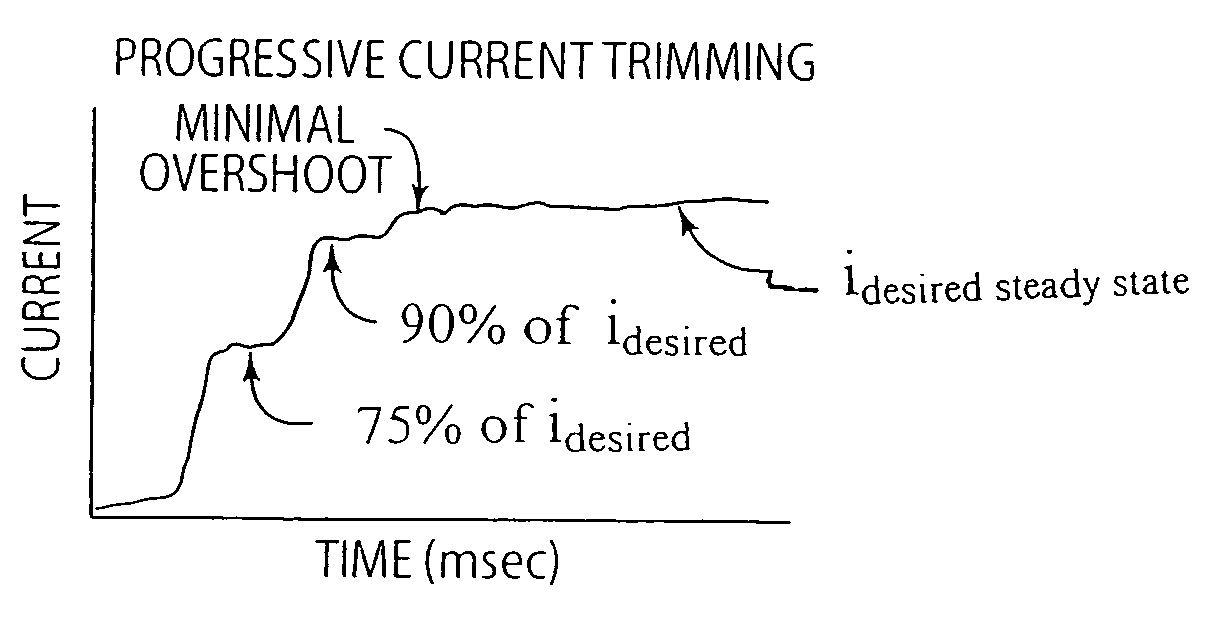
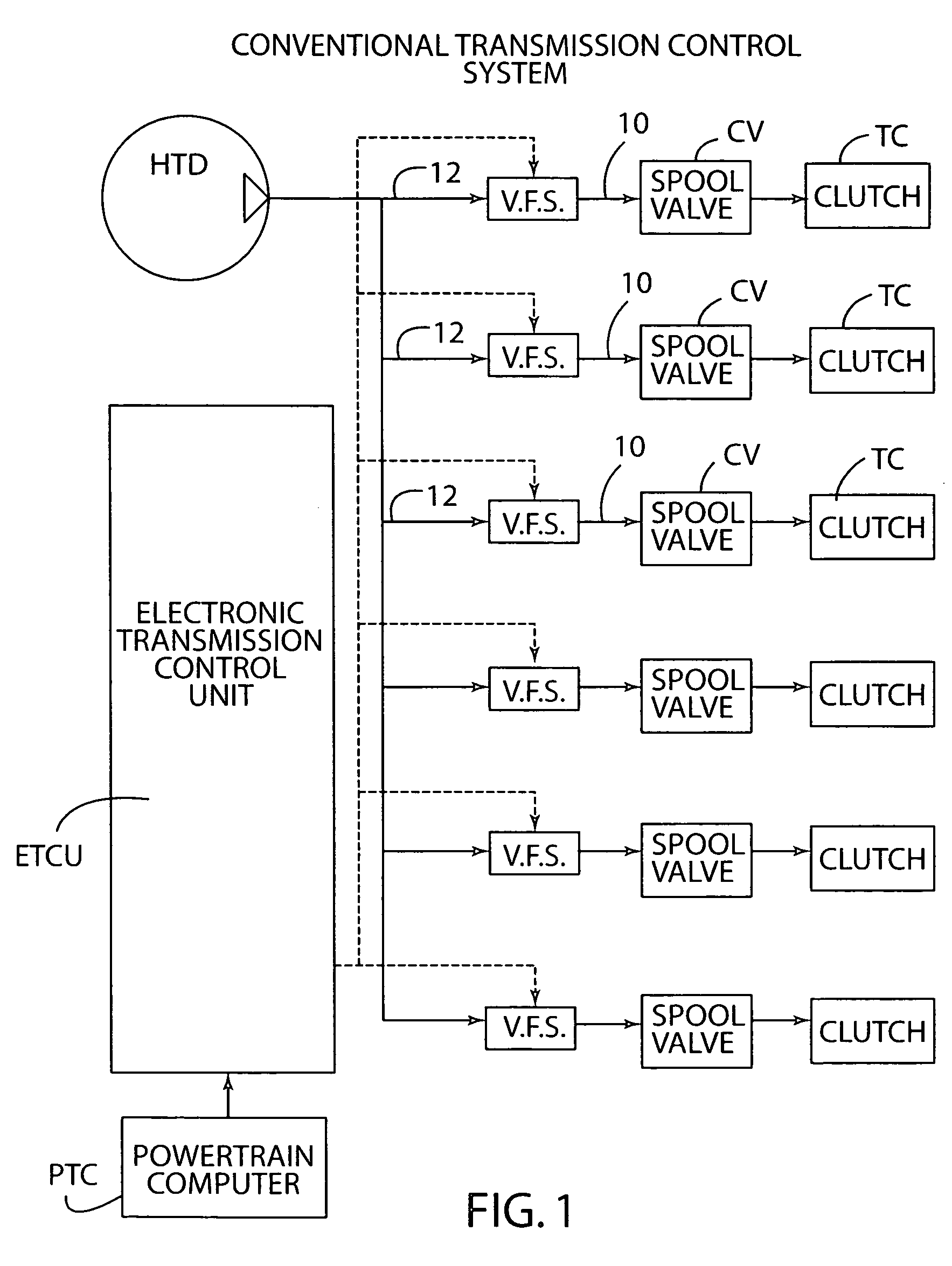
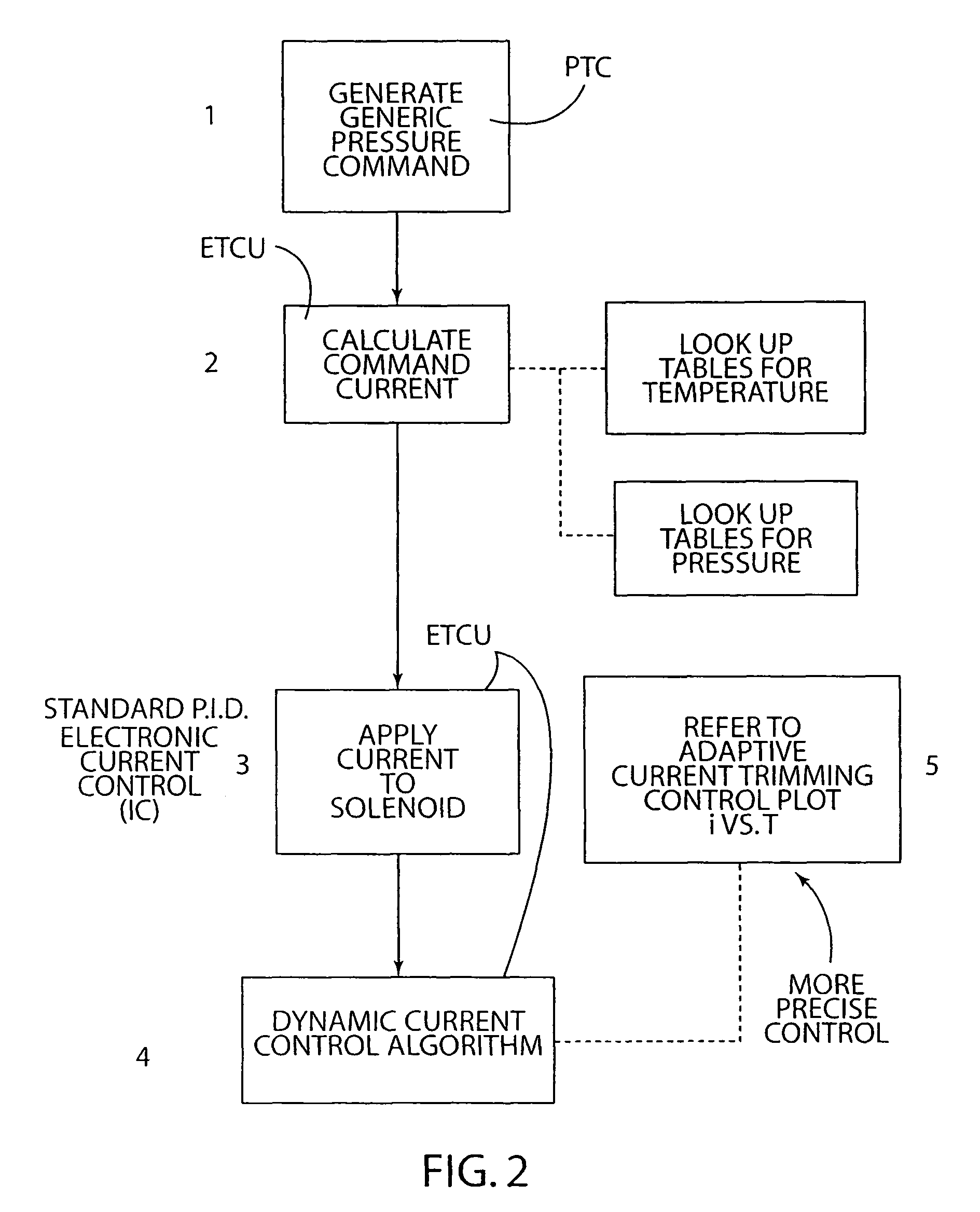
- The system progressively trims electrical current command signals to variable pressure control solenoid valves, dividing the total required current command into incremental steps, which are applied at a high rate to minimize overshoot and improve steady-state accuracy, using a modified current control routine that supplements conventional P.I.D. control strategies.

Safety Standards for High-Speed Pressure Systems
The development of safety standards for high-speed pressure systems represents a critical framework for ensuring operational integrity while achieving enhanced response speeds in stack pressure control units. Current international standards, including ISO 4126 series and ASME Section VIII, establish fundamental safety requirements but require adaptation for high-speed applications where rapid pressure fluctuations and accelerated response times introduce unique risk factors.
Modern safety protocols for high-speed pressure systems emphasize multi-layered protection mechanisms that account for the increased dynamic loads and thermal stresses inherent in rapid-response operations. These standards mandate implementation of redundant safety systems, including primary and secondary pressure relief devices, emergency shutdown protocols, and real-time monitoring systems capable of detecting anomalous conditions within millisecond timeframes.
Certification requirements for high-speed pressure control systems have evolved to include rigorous testing protocols that simulate extreme operational scenarios. These assessments evaluate system behavior under rapid pressure cycling, thermal shock conditions, and component failure modes specific to accelerated response applications. Testing standards now incorporate fatigue analysis for components subjected to high-frequency pressure variations and validate the effectiveness of safety interlocks during emergency conditions.
Regulatory compliance frameworks increasingly focus on predictive safety measures rather than purely reactive approaches. Advanced safety standards require integration of condition monitoring systems that utilize machine learning algorithms to predict potential failure modes before they manifest. These proactive safety measures are particularly crucial in high-speed applications where traditional mechanical safety devices may lack sufficient response time to prevent catastrophic failures.
The harmonization of international safety standards for high-speed pressure systems continues to evolve, with emerging guidelines addressing cybersecurity considerations for digitally controlled systems, environmental impact assessments for rapid venting scenarios, and personnel safety protocols for maintenance operations on high-speed equipment. These comprehensive safety frameworks ensure that improvements in response speed do not compromise operational safety or regulatory compliance.
Modern safety protocols for high-speed pressure systems emphasize multi-layered protection mechanisms that account for the increased dynamic loads and thermal stresses inherent in rapid-response operations. These standards mandate implementation of redundant safety systems, including primary and secondary pressure relief devices, emergency shutdown protocols, and real-time monitoring systems capable of detecting anomalous conditions within millisecond timeframes.
Certification requirements for high-speed pressure control systems have evolved to include rigorous testing protocols that simulate extreme operational scenarios. These assessments evaluate system behavior under rapid pressure cycling, thermal shock conditions, and component failure modes specific to accelerated response applications. Testing standards now incorporate fatigue analysis for components subjected to high-frequency pressure variations and validate the effectiveness of safety interlocks during emergency conditions.
Regulatory compliance frameworks increasingly focus on predictive safety measures rather than purely reactive approaches. Advanced safety standards require integration of condition monitoring systems that utilize machine learning algorithms to predict potential failure modes before they manifest. These proactive safety measures are particularly crucial in high-speed applications where traditional mechanical safety devices may lack sufficient response time to prevent catastrophic failures.
The harmonization of international safety standards for high-speed pressure systems continues to evolve, with emerging guidelines addressing cybersecurity considerations for digitally controlled systems, environmental impact assessments for rapid venting scenarios, and personnel safety protocols for maintenance operations on high-speed equipment. These comprehensive safety frameworks ensure that improvements in response speed do not compromise operational safety or regulatory compliance.
Energy Efficiency in Rapid Pressure Control Applications
Energy efficiency has emerged as a critical performance metric in rapid pressure control applications, particularly as industrial systems face increasing demands for both speed and sustainability. The relationship between response speed and energy consumption in stack pressure control units presents a complex optimization challenge that requires careful consideration of multiple interdependent factors.
Traditional rapid pressure control systems often achieve fast response times through energy-intensive approaches, such as maintaining high baseline pressures or employing oversized actuators that consume significant power during standby operations. However, modern applications demand solutions that can deliver millisecond-level response times while minimizing overall energy footprint, creating a fundamental tension between performance and efficiency objectives.
Advanced control algorithms play a pivotal role in achieving energy-efficient rapid response. Predictive control strategies can anticipate pressure demands and pre-position system components to optimal states, reducing the energy required for sudden pressure changes. Model predictive control (MPC) techniques enable systems to calculate the most energy-efficient path to achieve target pressures while meeting strict timing constraints.
Variable-speed drive technologies have revolutionized energy efficiency in rapid pressure applications. By dynamically adjusting motor speeds and pump operations based on real-time demand, these systems can reduce energy consumption by 30-50% compared to fixed-speed alternatives while maintaining comparable response characteristics. Smart inverter technologies further enhance efficiency by optimizing power factor and reducing harmonic distortion.
Energy recovery mechanisms represent another significant advancement in efficient rapid pressure control. Regenerative systems can capture and reuse energy from pressure release operations, converting what was previously waste energy into useful power for subsequent control actions. Accumulator-based energy storage systems can store compressed air or hydraulic energy during low-demand periods and release it rapidly when needed.
The integration of IoT sensors and machine learning algorithms enables real-time optimization of energy consumption patterns. These systems can learn from historical operation data to predict optimal energy allocation strategies, automatically adjusting control parameters to minimize power consumption while preserving response speed requirements. Edge computing capabilities allow for instantaneous decision-making without compromising system responsiveness.
Traditional rapid pressure control systems often achieve fast response times through energy-intensive approaches, such as maintaining high baseline pressures or employing oversized actuators that consume significant power during standby operations. However, modern applications demand solutions that can deliver millisecond-level response times while minimizing overall energy footprint, creating a fundamental tension between performance and efficiency objectives.
Advanced control algorithms play a pivotal role in achieving energy-efficient rapid response. Predictive control strategies can anticipate pressure demands and pre-position system components to optimal states, reducing the energy required for sudden pressure changes. Model predictive control (MPC) techniques enable systems to calculate the most energy-efficient path to achieve target pressures while meeting strict timing constraints.
Variable-speed drive technologies have revolutionized energy efficiency in rapid pressure applications. By dynamically adjusting motor speeds and pump operations based on real-time demand, these systems can reduce energy consumption by 30-50% compared to fixed-speed alternatives while maintaining comparable response characteristics. Smart inverter technologies further enhance efficiency by optimizing power factor and reducing harmonic distortion.
Energy recovery mechanisms represent another significant advancement in efficient rapid pressure control. Regenerative systems can capture and reuse energy from pressure release operations, converting what was previously waste energy into useful power for subsequent control actions. Accumulator-based energy storage systems can store compressed air or hydraulic energy during low-demand periods and release it rapidly when needed.
The integration of IoT sensors and machine learning algorithms enables real-time optimization of energy consumption patterns. These systems can learn from historical operation data to predict optimal energy allocation strategies, automatically adjusting control parameters to minimize power consumption while preserving response speed requirements. Edge computing capabilities allow for instantaneous decision-making without compromising system responsiveness.
Unlock deeper insights with PatSnap Eureka Quick Research — get a full tech report to explore trends and direct your research. Try now!
Generate Your Research Report Instantly with AI Agent
Supercharge your innovation with PatSnap Eureka AI Agent Platform!