

How to lower optical engine wavefront error under 0.1λ RMS
MAY 9, 20269 MIN READ
Generate Your Research Report Instantly with AI Agent
Patsnap Eureka helps you evaluate technical feasibility & market potential.
Optical Engine Wavefront Error Background and Targets
Optical engines represent the core component of modern projection systems, encompassing laser projectors, AR/VR displays, and advanced imaging systems. These sophisticated devices manipulate light through complex optical pathways involving multiple lenses, mirrors, prisms, and beam-shaping elements to generate high-quality images. The fundamental challenge lies in maintaining optical precision throughout the entire light path, as even minute deviations can significantly impact image quality and system performance.
Wavefront error has emerged as a critical parameter defining optical system quality, representing the deviation of actual wavefronts from ideal spherical or planar wavefronts. Measured in units of wavelength (λ), wavefront error directly correlates with image sharpness, contrast, and overall optical performance. Traditional optical systems typically operate with wavefront errors ranging from 0.25λ to 0.5λ RMS, which suffices for conventional applications but falls short of next-generation requirements.
The evolution toward ultra-high-resolution displays, augmented reality applications, and precision imaging systems has driven increasingly stringent optical performance demands. Modern applications require exceptional image clarity, minimal distortion, and consistent performance across varying environmental conditions. These requirements have established new benchmarks for optical precision, pushing the boundaries of traditional manufacturing and design methodologies.
The 0.1λ RMS wavefront error target represents a significant technological milestone, demanding approximately 2.5 to 5 times improvement over conventional optical systems. This specification aligns with diffraction-limited performance requirements for advanced optical applications, where theoretical optical limits approach practical implementation. Achieving this target enables superior image resolution, enhanced contrast ratios, and improved color accuracy across the entire field of view.
Contemporary market drivers include the rapid expansion of AR/VR technologies, automotive head-up displays, and professional projection systems requiring cinema-grade image quality. These applications demand optical engines capable of delivering consistent, high-fidelity performance while maintaining compact form factors and cost-effectiveness. The convergence of consumer electronics and professional imaging markets has intensified the need for breakthrough optical technologies.
The strategic importance of sub-0.1λ RMS wavefront error extends beyond immediate performance benefits, positioning organizations at the forefront of next-generation optical innovation. This capability enables entry into premium market segments, supports advanced product differentiation, and establishes technological leadership in rapidly evolving display and imaging markets.
Wavefront error has emerged as a critical parameter defining optical system quality, representing the deviation of actual wavefronts from ideal spherical or planar wavefronts. Measured in units of wavelength (λ), wavefront error directly correlates with image sharpness, contrast, and overall optical performance. Traditional optical systems typically operate with wavefront errors ranging from 0.25λ to 0.5λ RMS, which suffices for conventional applications but falls short of next-generation requirements.
The evolution toward ultra-high-resolution displays, augmented reality applications, and precision imaging systems has driven increasingly stringent optical performance demands. Modern applications require exceptional image clarity, minimal distortion, and consistent performance across varying environmental conditions. These requirements have established new benchmarks for optical precision, pushing the boundaries of traditional manufacturing and design methodologies.
The 0.1λ RMS wavefront error target represents a significant technological milestone, demanding approximately 2.5 to 5 times improvement over conventional optical systems. This specification aligns with diffraction-limited performance requirements for advanced optical applications, where theoretical optical limits approach practical implementation. Achieving this target enables superior image resolution, enhanced contrast ratios, and improved color accuracy across the entire field of view.
Contemporary market drivers include the rapid expansion of AR/VR technologies, automotive head-up displays, and professional projection systems requiring cinema-grade image quality. These applications demand optical engines capable of delivering consistent, high-fidelity performance while maintaining compact form factors and cost-effectiveness. The convergence of consumer electronics and professional imaging markets has intensified the need for breakthrough optical technologies.
The strategic importance of sub-0.1λ RMS wavefront error extends beyond immediate performance benefits, positioning organizations at the forefront of next-generation optical innovation. This capability enables entry into premium market segments, supports advanced product differentiation, and establishes technological leadership in rapidly evolving display and imaging markets.
Market Demand for Ultra-Precision Optical Systems
The demand for ultra-precision optical systems with wavefront error control below 0.1λ RMS is experiencing unprecedented growth across multiple high-technology sectors. This stringent requirement represents a critical threshold for applications where optical performance directly impacts system functionality and competitive advantage.
Semiconductor manufacturing equipment represents the largest market segment driving this demand. Advanced lithography systems for producing next-generation microprocessors and memory devices require extreme wavefront precision to achieve sub-nanometer feature resolution. The transition to extreme ultraviolet lithography and the push toward smaller node geometries have made sub-0.1λ RMS wavefront control essential rather than optional.
Space-based optical systems constitute another rapidly expanding market segment. Earth observation satellites, space telescopes, and interplanetary missions demand exceptional optical precision to maximize scientific return and operational effectiveness. The inability to perform maintenance or adjustments once deployed makes initial wavefront precision critical for mission success.
Defense and aerospace applications are increasingly requiring ultra-precision optical systems for advanced targeting, surveillance, and communication platforms. Modern military optical systems must maintain performance across extreme environmental conditions while delivering unprecedented accuracy and resolution capabilities.
The emerging quantum technology sector presents significant new market opportunities. Quantum computing systems, quantum communication networks, and precision measurement instruments require optical components with extraordinary wavefront stability to maintain quantum coherence and measurement accuracy.
Medical and biotechnology applications are driving demand through advanced imaging systems, laser surgery platforms, and diagnostic equipment. The trend toward minimally invasive procedures and cellular-level imaging requires optical systems with exceptional precision and stability.
Market growth is further accelerated by the convergence of artificial intelligence and optical systems, where precise wavefront control enables advanced computational imaging and adaptive optical correction. Industrial metrology and quality control applications also contribute substantially to market expansion as manufacturing tolerances continue to tighten across industries.
The increasing integration of optical systems into consumer electronics, autonomous vehicles, and augmented reality platforms is creating new volume markets that demand cost-effective solutions while maintaining precision requirements previously reserved for specialized applications.
Semiconductor manufacturing equipment represents the largest market segment driving this demand. Advanced lithography systems for producing next-generation microprocessors and memory devices require extreme wavefront precision to achieve sub-nanometer feature resolution. The transition to extreme ultraviolet lithography and the push toward smaller node geometries have made sub-0.1λ RMS wavefront control essential rather than optional.
Space-based optical systems constitute another rapidly expanding market segment. Earth observation satellites, space telescopes, and interplanetary missions demand exceptional optical precision to maximize scientific return and operational effectiveness. The inability to perform maintenance or adjustments once deployed makes initial wavefront precision critical for mission success.
Defense and aerospace applications are increasingly requiring ultra-precision optical systems for advanced targeting, surveillance, and communication platforms. Modern military optical systems must maintain performance across extreme environmental conditions while delivering unprecedented accuracy and resolution capabilities.
The emerging quantum technology sector presents significant new market opportunities. Quantum computing systems, quantum communication networks, and precision measurement instruments require optical components with extraordinary wavefront stability to maintain quantum coherence and measurement accuracy.
Medical and biotechnology applications are driving demand through advanced imaging systems, laser surgery platforms, and diagnostic equipment. The trend toward minimally invasive procedures and cellular-level imaging requires optical systems with exceptional precision and stability.
Market growth is further accelerated by the convergence of artificial intelligence and optical systems, where precise wavefront control enables advanced computational imaging and adaptive optical correction. Industrial metrology and quality control applications also contribute substantially to market expansion as manufacturing tolerances continue to tighten across industries.
The increasing integration of optical systems into consumer electronics, autonomous vehicles, and augmented reality platforms is creating new volume markets that demand cost-effective solutions while maintaining precision requirements previously reserved for specialized applications.
Current Wavefront Error Status and Technical Challenges
Current optical engine systems across various applications face significant challenges in achieving wavefront error performance below 0.1λ RMS. Industry benchmarks indicate that most commercial optical engines operate within the 0.15λ to 0.3λ RMS range, with high-end systems reaching approximately 0.12λ to 0.15λ RMS under optimal conditions. This performance gap represents a critical barrier for next-generation applications requiring ultra-precise optical performance.
The primary technical challenges stem from multiple interconnected factors that compound wavefront distortions throughout the optical system. Manufacturing tolerances in optical components constitute a fundamental limitation, as conventional fabrication processes struggle to maintain surface figure accuracy better than λ/20 peak-to-valley across large apertures. Surface roughness, residual polishing marks, and subsurface damage further contribute to scattered light and localized wavefront aberrations.
Thermal management presents another critical challenge, particularly in high-power optical engines where temperature gradients induce refractive index variations and mechanical deformations. These thermal effects create dynamic wavefront errors that vary with operating conditions and ambient temperature fluctuations. Current thermal control systems often lack the precision and response time necessary to maintain sub-0.1λ RMS stability during transient conditions.
Mechanical stability and vibration isolation represent equally significant obstacles. Micro-vibrations from cooling systems, external environmental factors, and internal mechanical components introduce time-varying wavefront distortions. Existing isolation systems typically provide adequate performance for conventional applications but fall short of the stringent requirements for sub-0.1λ RMS operation.
Alignment precision and long-term stability pose additional challenges, as optical element positioning tolerances must be maintained within nanometer-scale accuracy. Traditional alignment methodologies and mounting systems exhibit drift over time due to material creep, thermal cycling, and mechanical settling effects.
The integration of multiple optical subsystems compounds these individual challenges, as error propagation through complex optical trains can amplify minor imperfections into significant wavefront distortions. Current system-level correction approaches, including adaptive optics implementations, face limitations in correction bandwidth, actuator resolution, and real-time control algorithms necessary for achieving consistent sub-0.1λ RMS performance across varying operational scenarios.
The primary technical challenges stem from multiple interconnected factors that compound wavefront distortions throughout the optical system. Manufacturing tolerances in optical components constitute a fundamental limitation, as conventional fabrication processes struggle to maintain surface figure accuracy better than λ/20 peak-to-valley across large apertures. Surface roughness, residual polishing marks, and subsurface damage further contribute to scattered light and localized wavefront aberrations.
Thermal management presents another critical challenge, particularly in high-power optical engines where temperature gradients induce refractive index variations and mechanical deformations. These thermal effects create dynamic wavefront errors that vary with operating conditions and ambient temperature fluctuations. Current thermal control systems often lack the precision and response time necessary to maintain sub-0.1λ RMS stability during transient conditions.
Mechanical stability and vibration isolation represent equally significant obstacles. Micro-vibrations from cooling systems, external environmental factors, and internal mechanical components introduce time-varying wavefront distortions. Existing isolation systems typically provide adequate performance for conventional applications but fall short of the stringent requirements for sub-0.1λ RMS operation.
Alignment precision and long-term stability pose additional challenges, as optical element positioning tolerances must be maintained within nanometer-scale accuracy. Traditional alignment methodologies and mounting systems exhibit drift over time due to material creep, thermal cycling, and mechanical settling effects.
The integration of multiple optical subsystems compounds these individual challenges, as error propagation through complex optical trains can amplify minor imperfections into significant wavefront distortions. Current system-level correction approaches, including adaptive optics implementations, face limitations in correction bandwidth, actuator resolution, and real-time control algorithms necessary for achieving consistent sub-0.1λ RMS performance across varying operational scenarios.
Existing Wavefront Error Reduction Solutions
01 Wavefront measurement and detection systems
Systems and methods for measuring and detecting wavefront errors in optical engines through various sensing techniques. These approaches involve the use of specialized sensors and detection algorithms to identify and quantify optical aberrations and distortions in real-time. The measurement systems can capture wavefront data across different wavelengths and provide detailed analysis of optical performance degradation.- Wavefront measurement and detection systems: Systems and methods for measuring and detecting wavefront errors in optical engines through various sensing techniques. These approaches utilize specialized sensors and measurement apparatus to quantify optical aberrations and distortions in real-time or during calibration processes. The detection systems can identify various types of wavefront deviations including spherical aberrations, astigmatism, and higher-order aberrations that affect optical performance.
- Adaptive optics correction mechanisms: Implementation of adaptive optical elements and correction mechanisms to compensate for wavefront errors in optical engines. These systems employ deformable mirrors, spatial light modulators, or other corrective elements that can dynamically adjust to counteract detected wavefront aberrations. The correction mechanisms work in feedback loops with measurement systems to maintain optimal optical performance.
- Optical design optimization for wavefront control: Design methodologies and optical configurations specifically engineered to minimize wavefront errors in optical engines. These approaches focus on lens arrangements, surface profiles, and optical element positioning to inherently reduce aberrations. The optimization techniques consider factors such as field curvature, chromatic aberration, and manufacturing tolerances to achieve superior wavefront quality.
- Calibration and alignment procedures: Systematic calibration and alignment methods for reducing wavefront errors through precise positioning and adjustment of optical components. These procedures establish reference standards and implement step-by-step alignment protocols to ensure optimal optical performance. The calibration techniques often involve iterative adjustment processes and may include automated alignment systems for consistent results.
- Manufacturing and surface quality control: Manufacturing techniques and quality control methods focused on producing optical elements with minimal surface irregularities and form errors that contribute to wavefront aberrations. These approaches encompass precision fabrication processes, surface finishing techniques, and metrology methods to ensure optical components meet stringent wavefront specifications. Quality control measures include surface roughness analysis and form accuracy verification.
02 Adaptive optics correction mechanisms
Implementation of adaptive optics systems that can dynamically correct wavefront errors through real-time adjustments. These systems utilize deformable mirrors, spatial light modulators, or other corrective elements to compensate for optical aberrations. The correction mechanisms can respond to feedback from wavefront sensors to maintain optimal optical performance throughout operation.Expand Specific Solutions03 Optical design optimization for wavefront control
Design methodologies and optical configurations specifically engineered to minimize wavefront errors at the source. These approaches focus on optimizing lens arrangements, surface profiles, and optical element positioning to reduce inherent aberrations. The design strategies consider factors such as field curvature, astigmatism, and spherical aberrations to achieve superior wavefront quality.Expand Specific Solutions04 Calibration and characterization techniques
Methods for calibrating optical engines and characterizing their wavefront performance under various operating conditions. These techniques involve systematic measurement procedures, reference standards, and calibration algorithms to establish baseline performance and track changes over time. The characterization process helps identify sources of wavefront degradation and optimize system parameters.Expand Specific Solutions05 Computational wavefront correction algorithms
Software-based approaches for correcting wavefront errors through digital signal processing and computational methods. These algorithms can process wavefront data to calculate appropriate corrections and control optical elements accordingly. The computational methods may include machine learning techniques, iterative optimization, and predictive modeling to enhance correction accuracy and speed.Expand Specific Solutions
Key Players in Precision Optics and Wavefront Control
The optical engine wavefront error reduction below 0.1λ RMS represents a highly specialized field within precision optics, currently in an advanced development stage driven by semiconductor lithography and high-end imaging applications. The market demonstrates significant growth potential, particularly in EUV lithography systems where sub-nanometer precision is critical. Technology maturity varies considerably across market players, with industry leaders like ASML Netherlands BV and Carl Zeiss SMT GmbH achieving commercial-grade solutions for semiconductor manufacturing, while companies such as Samsung Electronics, Applied Materials, and Hitachi Ltd. focus on complementary precision manufacturing technologies. Research institutions including Shanghai Institute of Optics & Fine Mechanics, Changchun Institute of Optics Fine Mechanics & Physics, and Peking University contribute fundamental research breakthroughs. The competitive landscape shows established optical giants like Olympus Corp. and emerging players such as Element Biosciences driving innovation in specialized applications, creating a dynamic ecosystem where traditional semiconductor equipment manufacturers compete alongside specialized optics companies and research institutions.
Carl Zeiss SMT GmbH
Technical Solution: Carl Zeiss SMT employs advanced computational lithography and multi-layer coating technologies to achieve sub-0.1λ RMS wavefront error control. Their approach combines precision ion beam figuring with real-time interferometric feedback systems for optical surface correction. The company utilizes proprietary algorithms for wavefront optimization across the entire optical train, incorporating temperature-controlled environments and vibration isolation systems. Their EUV lithography optics feature specialized mirror substrates with ultra-low thermal expansion coefficients and advanced metrology systems that can measure wavefront errors down to 0.05λ RMS accuracy, enabling consistent performance in high-volume manufacturing environments.
Strengths: Industry-leading precision manufacturing capabilities and extensive EUV lithography experience. Weaknesses: High cost and complex manufacturing processes limit accessibility.
Shanghai Institute of Optics & Fine Mechanics
Technical Solution: Shanghai Institute of Optics develops advanced wavefront correction techniques using adaptive optics systems with high-order deformable mirrors and sophisticated control algorithms. Their approach combines theoretical modeling with experimental validation to achieve precise wavefront control through multi-conjugate adaptive optics configurations. The institute employs advanced surface figuring technologies including magnetorheological finishing and computer-controlled polishing systems capable of achieving surface accuracies better than λ/100 RMS. Their research focuses on novel correction algorithms incorporating machine learning approaches for predictive wavefront compensation and real-time optimization. The optical systems feature integrated metrology subsystems with phase-shifting interferometry and advanced environmental control maintaining thermal and mechanical stability for consistent sub-0.1λ RMS performance.
Strengths: Strong research capabilities and innovative adaptive optics technologies. Weaknesses: Limited commercial manufacturing scale and market presence compared to industry leaders.
Core Innovations in Sub-0.1λ RMS Wavefront Control
Correction of birefringence in cubic crystalline optical systems
PatentInactiveUS6683710B2
Innovation
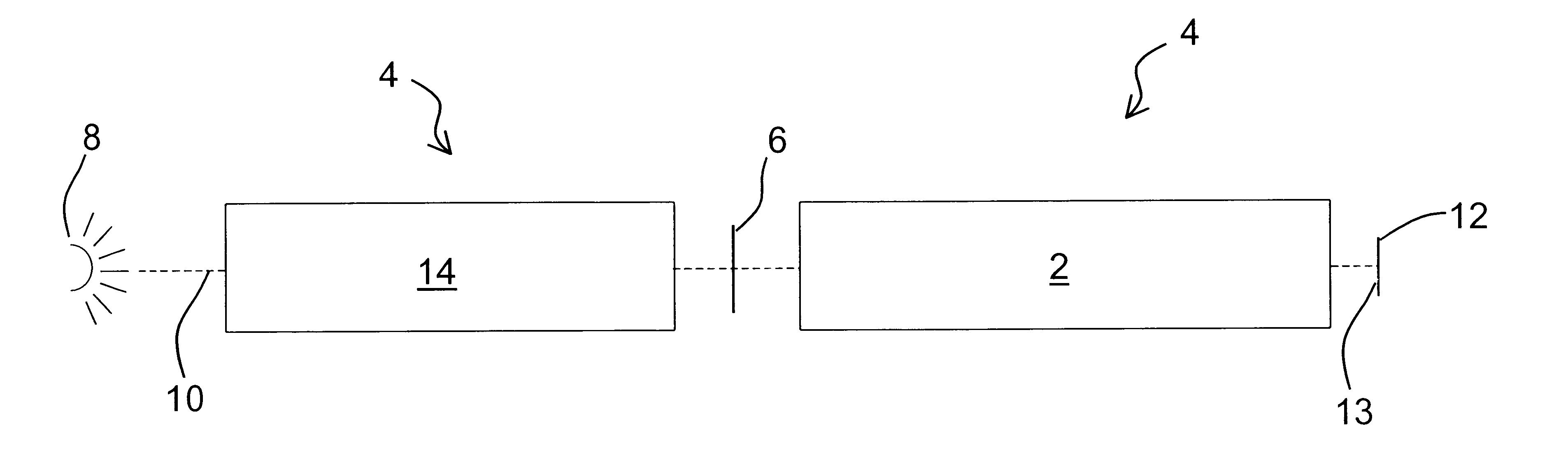
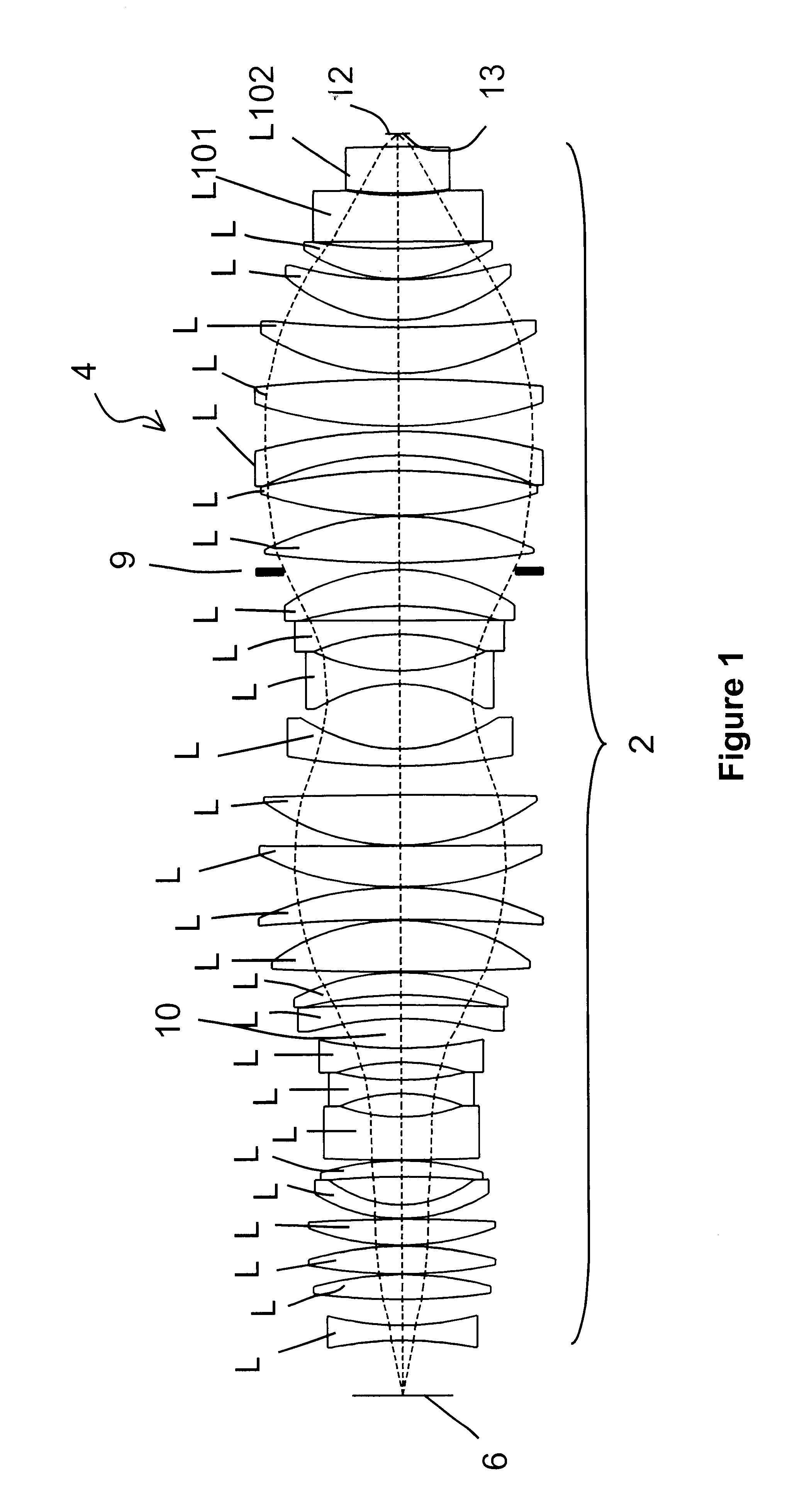
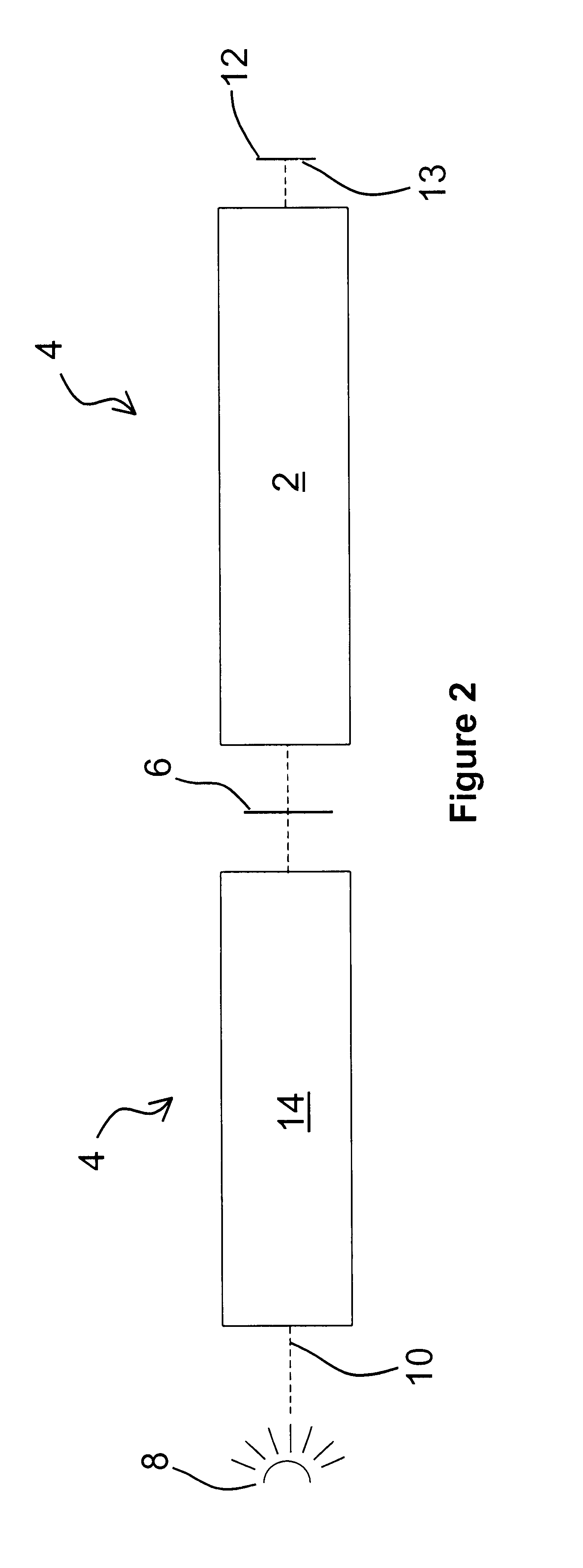
- The crystal axes of cubic crystalline lens elements are oriented to minimize net retardance by balancing retardance contributions from individual elements, using a combination of [110] and [100] lattice directions, and applying stress-induced birefringence to reduce residual retardance, while also compensating for astigmatism through varying base radius of curvature in orthogonal directions.

Optical member for optical lithography and evaluation method therefor
PatentInactiveEP1413870A1
Innovation
- A method using a Zernike cylindrical function system to expand and separate wavefront aberrations into rotationally symmetric, odd-symmetric, and even-symmetric components, allowing for more precise evaluation of refractive index homogeneity by calculating RMS values for different order elements, ensuring higher imaging performance.


Advanced Metrology and Measurement Standards
Achieving wavefront error below 0.1λ RMS in optical engines demands sophisticated metrology systems capable of nanometer-level precision measurements. The fundamental challenge lies in developing measurement standards that can accurately quantify optical surface deformations, alignment errors, and thermal-induced distortions across the entire optical path. Current interferometric measurement techniques, including Fizeau and Twyman-Green configurations, provide the necessary sensitivity but require careful calibration against traceable reference standards.
The establishment of primary measurement standards for optical wavefront characterization relies on laser interferometry with wavelength stability better than 1 part in 10^8. National metrology institutes have developed specialized facilities using frequency-stabilized helium-neon lasers and advanced environmental controls to maintain measurement uncertainty within ±0.005λ RMS. These primary standards enable calibration of secondary reference flats and transmission spheres used in production environments.
Advanced phase-shifting interferometry represents the current state-of-the-art for wavefront measurement, employing algorithms that can resolve phase variations to λ/1000 accuracy. Modern systems integrate multiple measurement wavelengths and sophisticated error correction algorithms to compensate for systematic errors including vibration, air turbulence, and reference surface imperfections. Real-time environmental monitoring ensures measurement repeatability within specified tolerances.
Emerging measurement approaches include digital holographic interferometry and shearing interferometry, which offer advantages in measuring steep optical surfaces and eliminating reference surface errors. These techniques show promise for in-situ measurement during optical assembly processes, enabling real-time feedback for precision alignment systems.
The development of portable measurement standards has become increasingly important for field applications and production line integration. Compact reference systems based on fiber-coupled interferometers and miniaturized environmental chambers enable consistent measurement quality across different manufacturing locations while maintaining traceability to national standards.
The establishment of primary measurement standards for optical wavefront characterization relies on laser interferometry with wavelength stability better than 1 part in 10^8. National metrology institutes have developed specialized facilities using frequency-stabilized helium-neon lasers and advanced environmental controls to maintain measurement uncertainty within ±0.005λ RMS. These primary standards enable calibration of secondary reference flats and transmission spheres used in production environments.
Advanced phase-shifting interferometry represents the current state-of-the-art for wavefront measurement, employing algorithms that can resolve phase variations to λ/1000 accuracy. Modern systems integrate multiple measurement wavelengths and sophisticated error correction algorithms to compensate for systematic errors including vibration, air turbulence, and reference surface imperfections. Real-time environmental monitoring ensures measurement repeatability within specified tolerances.
Emerging measurement approaches include digital holographic interferometry and shearing interferometry, which offer advantages in measuring steep optical surfaces and eliminating reference surface errors. These techniques show promise for in-situ measurement during optical assembly processes, enabling real-time feedback for precision alignment systems.
The development of portable measurement standards has become increasingly important for field applications and production line integration. Compact reference systems based on fiber-coupled interferometers and miniaturized environmental chambers enable consistent measurement quality across different manufacturing locations while maintaining traceability to national standards.
Manufacturing Tolerances and Quality Control Systems
Manufacturing tolerances represent the cornerstone of achieving sub-0.1λ RMS wavefront error in optical engines. Critical optical components including lenses, mirrors, and prisms must maintain surface figure tolerances within λ/20 to λ/50 depending on their position in the optical path. Surface roughness specifications typically require Ra values below 1-2 nanometers for primary optical surfaces, while centering tolerances for lens elements must be controlled within 1-3 micrometers to prevent induced aberrations.
Dimensional stability across temperature variations demands coefficient of thermal expansion matching between optical elements and mechanical mounts. Typical aluminum mounts exhibit 23 ppm/°C expansion, necessitating compensation mechanisms or alternative materials like Invar with near-zero expansion coefficients. Angular tolerances for mirror positioning require arc-second level precision, achievable through kinematic mounting systems with fine adjustment capabilities.
Quality control systems must implement multi-stage inspection protocols throughout the manufacturing process. Interferometric testing using Fizeau or Twyman-Green configurations enables real-time surface figure measurement with nanometer-level sensitivity. Coordinate measuring machines equipped with optical probes verify dimensional accuracy, while environmental chambers validate thermal stability performance across operational temperature ranges.
Statistical process control methodologies track manufacturing variations through control charts and capability indices. Cpk values exceeding 1.33 ensure consistent production quality, while real-time monitoring systems detect drift in critical parameters before tolerance violations occur. Automated inspection systems utilizing machine vision and laser interferometry enable 100% component screening, eliminating defective parts before assembly.
Assembly-level quality control incorporates wavefront measurement systems directly into production lines. Shack-Hartmann sensors or phase-shifting interferometers provide comprehensive wavefront analysis, enabling immediate feedback for adjustment procedures. Traceability systems link component-level measurements to final system performance, facilitating root cause analysis when specifications are not met. Documentation protocols ensure complete measurement records for each optical engine, supporting continuous improvement initiatives and customer quality requirements.
Dimensional stability across temperature variations demands coefficient of thermal expansion matching between optical elements and mechanical mounts. Typical aluminum mounts exhibit 23 ppm/°C expansion, necessitating compensation mechanisms or alternative materials like Invar with near-zero expansion coefficients. Angular tolerances for mirror positioning require arc-second level precision, achievable through kinematic mounting systems with fine adjustment capabilities.
Quality control systems must implement multi-stage inspection protocols throughout the manufacturing process. Interferometric testing using Fizeau or Twyman-Green configurations enables real-time surface figure measurement with nanometer-level sensitivity. Coordinate measuring machines equipped with optical probes verify dimensional accuracy, while environmental chambers validate thermal stability performance across operational temperature ranges.
Statistical process control methodologies track manufacturing variations through control charts and capability indices. Cpk values exceeding 1.33 ensure consistent production quality, while real-time monitoring systems detect drift in critical parameters before tolerance violations occur. Automated inspection systems utilizing machine vision and laser interferometry enable 100% component screening, eliminating defective parts before assembly.
Assembly-level quality control incorporates wavefront measurement systems directly into production lines. Shack-Hartmann sensors or phase-shifting interferometers provide comprehensive wavefront analysis, enabling immediate feedback for adjustment procedures. Traceability systems link component-level measurements to final system performance, facilitating root cause analysis when specifications are not met. Documentation protocols ensure complete measurement records for each optical engine, supporting continuous improvement initiatives and customer quality requirements.
Unlock deeper insights with Patsnap Eureka Quick Research — get a full tech report to explore trends and direct your research. Try now!
Generate Your Research Report Instantly with AI Agent
Supercharge your innovation with Patsnap Eureka AI Agent Platform!