

How to Mitigate Electrical Risks in Immersion Cooling Systems
APR 3, 20269 MIN READ
Generate Your Research Report Instantly with AI Agent
PatSnap Eureka helps you evaluate technical feasibility & market potential.
Immersion Cooling Electrical Safety Background and Objectives
Immersion cooling technology has emerged as a revolutionary approach to thermal management in high-performance computing environments, driven by the exponential growth in computational demands and power densities of modern data centers. This cooling methodology involves submerging electronic components directly in dielectric fluids, enabling superior heat dissipation compared to traditional air-cooling systems. However, the integration of electrical systems with liquid environments introduces complex safety challenges that require comprehensive understanding and mitigation strategies.
The evolution of immersion cooling can be traced back to early mainframe computers in the 1960s, where mineral oil was first used for cooling purposes. Modern implementations have advanced significantly, incorporating sophisticated dielectric fluids such as engineered fluorocarbons, synthetic esters, and specialized hydrocarbons. These developments have been accelerated by the increasing power consumption of processors, graphics cards, and AI accelerators, which can exceed 500 watts per component in contemporary systems.
Current market drivers include the pursuit of higher computational efficiency, reduced energy consumption, and the need for compact cooling solutions in space-constrained environments. The technology has gained particular traction in cryptocurrency mining operations, high-frequency trading systems, and artificial intelligence training clusters, where thermal management directly impacts operational costs and performance outcomes.
The primary electrical safety concerns in immersion cooling systems stem from the inherent risks associated with combining high-voltage electrical components with conductive or semi-conductive fluids. Key challenges include dielectric breakdown, fluid contamination leading to conductivity changes, corrosion of electrical contacts, and the potential for electrical faults during maintenance operations. Additionally, the thermal cycling of immersed components can cause expansion and contraction of sealing materials, potentially compromising electrical isolation.
The objective of addressing electrical risks in immersion cooling systems encompasses multiple dimensions of safety and reliability. Primary goals include establishing robust electrical isolation protocols, developing comprehensive monitoring systems for fluid conductivity and contamination, and implementing fail-safe mechanisms to prevent catastrophic electrical failures. Secondary objectives focus on optimizing maintenance procedures to minimize human exposure to electrical hazards during system servicing and ensuring compliance with international electrical safety standards.
Long-term strategic objectives involve advancing the fundamental understanding of dielectric fluid behavior under various operating conditions, developing predictive maintenance algorithms based on electrical parameter monitoring, and establishing industry-wide safety standards specific to immersion cooling applications. These efforts aim to accelerate widespread adoption of immersion cooling technology while maintaining the highest levels of electrical safety and operational reliability.
The evolution of immersion cooling can be traced back to early mainframe computers in the 1960s, where mineral oil was first used for cooling purposes. Modern implementations have advanced significantly, incorporating sophisticated dielectric fluids such as engineered fluorocarbons, synthetic esters, and specialized hydrocarbons. These developments have been accelerated by the increasing power consumption of processors, graphics cards, and AI accelerators, which can exceed 500 watts per component in contemporary systems.
Current market drivers include the pursuit of higher computational efficiency, reduced energy consumption, and the need for compact cooling solutions in space-constrained environments. The technology has gained particular traction in cryptocurrency mining operations, high-frequency trading systems, and artificial intelligence training clusters, where thermal management directly impacts operational costs and performance outcomes.
The primary electrical safety concerns in immersion cooling systems stem from the inherent risks associated with combining high-voltage electrical components with conductive or semi-conductive fluids. Key challenges include dielectric breakdown, fluid contamination leading to conductivity changes, corrosion of electrical contacts, and the potential for electrical faults during maintenance operations. Additionally, the thermal cycling of immersed components can cause expansion and contraction of sealing materials, potentially compromising electrical isolation.
The objective of addressing electrical risks in immersion cooling systems encompasses multiple dimensions of safety and reliability. Primary goals include establishing robust electrical isolation protocols, developing comprehensive monitoring systems for fluid conductivity and contamination, and implementing fail-safe mechanisms to prevent catastrophic electrical failures. Secondary objectives focus on optimizing maintenance procedures to minimize human exposure to electrical hazards during system servicing and ensuring compliance with international electrical safety standards.
Long-term strategic objectives involve advancing the fundamental understanding of dielectric fluid behavior under various operating conditions, developing predictive maintenance algorithms based on electrical parameter monitoring, and establishing industry-wide safety standards specific to immersion cooling applications. These efforts aim to accelerate widespread adoption of immersion cooling technology while maintaining the highest levels of electrical safety and operational reliability.
Market Demand for Safe Immersion Cooling Solutions
The global data center cooling market is experiencing unprecedented growth driven by the exponential expansion of cloud computing, artificial intelligence, and edge computing applications. Traditional air-cooling systems are increasingly inadequate for managing the thermal loads generated by high-density server configurations and advanced processors. This technological shift has created substantial market demand for more efficient cooling solutions, with immersion cooling emerging as a leading alternative technology.
Immersion cooling systems offer significant advantages in terms of energy efficiency and cooling performance, but widespread adoption has been constrained by concerns regarding electrical safety and operational reliability. Data center operators and enterprise customers are actively seeking immersion cooling solutions that can demonstrate robust electrical risk mitigation capabilities while maintaining operational continuity and equipment protection standards.
The hyperscale data center segment represents the largest market opportunity for safe immersion cooling solutions, as these facilities face the most acute thermal management challenges. Major cloud service providers are evaluating immersion cooling technologies to reduce power consumption and increase server density, but require comprehensive electrical safety assurances before large-scale deployment. Enterprise data centers and colocation facilities constitute another significant market segment, where electrical safety concerns are paramount due to mixed workload environments and stringent uptime requirements.
Financial services, telecommunications, and high-performance computing sectors are demonstrating particularly strong interest in electrically safe immersion cooling solutions. These industries operate mission-critical applications where electrical failures can result in substantial financial losses and regulatory compliance issues. The demand from these sectors emphasizes the need for immersion cooling systems with proven electrical isolation, fault detection, and emergency response capabilities.
Regulatory compliance requirements are further driving market demand for enhanced electrical safety features in immersion cooling systems. Data center operators must adhere to increasingly stringent electrical safety standards and environmental regulations, creating opportunities for immersion cooling solutions that can demonstrate superior safety performance compared to traditional cooling methods.
The market is also responding to growing sustainability pressures, as organizations seek cooling solutions that reduce energy consumption while maintaining electrical safety standards. This dual requirement for efficiency and safety is creating demand for innovative immersion cooling technologies that incorporate advanced electrical risk mitigation features without compromising thermal performance or operational reliability.
Immersion cooling systems offer significant advantages in terms of energy efficiency and cooling performance, but widespread adoption has been constrained by concerns regarding electrical safety and operational reliability. Data center operators and enterprise customers are actively seeking immersion cooling solutions that can demonstrate robust electrical risk mitigation capabilities while maintaining operational continuity and equipment protection standards.
The hyperscale data center segment represents the largest market opportunity for safe immersion cooling solutions, as these facilities face the most acute thermal management challenges. Major cloud service providers are evaluating immersion cooling technologies to reduce power consumption and increase server density, but require comprehensive electrical safety assurances before large-scale deployment. Enterprise data centers and colocation facilities constitute another significant market segment, where electrical safety concerns are paramount due to mixed workload environments and stringent uptime requirements.
Financial services, telecommunications, and high-performance computing sectors are demonstrating particularly strong interest in electrically safe immersion cooling solutions. These industries operate mission-critical applications where electrical failures can result in substantial financial losses and regulatory compliance issues. The demand from these sectors emphasizes the need for immersion cooling systems with proven electrical isolation, fault detection, and emergency response capabilities.
Regulatory compliance requirements are further driving market demand for enhanced electrical safety features in immersion cooling systems. Data center operators must adhere to increasingly stringent electrical safety standards and environmental regulations, creating opportunities for immersion cooling solutions that can demonstrate superior safety performance compared to traditional cooling methods.
The market is also responding to growing sustainability pressures, as organizations seek cooling solutions that reduce energy consumption while maintaining electrical safety standards. This dual requirement for efficiency and safety is creating demand for innovative immersion cooling technologies that incorporate advanced electrical risk mitigation features without compromising thermal performance or operational reliability.
Current Electrical Risk Challenges in Immersion Cooling
Immersion cooling systems face significant electrical safety challenges that stem from the fundamental interaction between electrical components and cooling fluids. The primary concern revolves around dielectric breakdown, where the cooling fluid's insulating properties may deteriorate under specific conditions, potentially creating conductive pathways that can lead to short circuits or equipment damage.
Fluid contamination represents a critical challenge in maintaining electrical safety. Even minimal water ingress or particulate contamination can dramatically reduce the dielectric strength of cooling fluids, transforming them from insulators into conductors. This contamination can occur through various pathways including inadequate sealing, condensation, or degradation of system components over time.
Electrical leakage currents pose another substantial risk, particularly in high-density server environments where multiple electrical systems operate in close proximity within the cooling medium. These currents can create unexpected electrical pathways through the cooling fluid, potentially causing component failures or creating safety hazards for maintenance personnel.
Grounding and electrical isolation present complex challenges in immersion cooling environments. Traditional grounding methods may become ineffective when electrical components are submerged in dielectric fluids, requiring specialized grounding strategies to ensure proper electrical safety. The fluid itself can accumulate static charges, creating potential discharge risks during maintenance operations.
Thermal cycling effects compound electrical risks by causing expansion and contraction of seals and electrical connections. This mechanical stress can compromise the integrity of electrical insulation systems, creating pathways for electrical faults. Additionally, temperature variations can affect the dielectric properties of cooling fluids, potentially reducing their insulating effectiveness at elevated temperatures.
Maintenance-related electrical hazards emerge as technicians must work with energized systems submerged in cooling fluids. Standard electrical safety protocols may not adequately address the unique risks associated with accessing electrical components through dielectric media, requiring specialized safety procedures and equipment.
Component compatibility issues arise when standard electrical components, not designed for immersion environments, exhibit unexpected electrical behaviors when submerged. This includes changes in capacitance, resistance, and insulation characteristics that can create unforeseen electrical risks and system instabilities.
Fluid contamination represents a critical challenge in maintaining electrical safety. Even minimal water ingress or particulate contamination can dramatically reduce the dielectric strength of cooling fluids, transforming them from insulators into conductors. This contamination can occur through various pathways including inadequate sealing, condensation, or degradation of system components over time.
Electrical leakage currents pose another substantial risk, particularly in high-density server environments where multiple electrical systems operate in close proximity within the cooling medium. These currents can create unexpected electrical pathways through the cooling fluid, potentially causing component failures or creating safety hazards for maintenance personnel.
Grounding and electrical isolation present complex challenges in immersion cooling environments. Traditional grounding methods may become ineffective when electrical components are submerged in dielectric fluids, requiring specialized grounding strategies to ensure proper electrical safety. The fluid itself can accumulate static charges, creating potential discharge risks during maintenance operations.
Thermal cycling effects compound electrical risks by causing expansion and contraction of seals and electrical connections. This mechanical stress can compromise the integrity of electrical insulation systems, creating pathways for electrical faults. Additionally, temperature variations can affect the dielectric properties of cooling fluids, potentially reducing their insulating effectiveness at elevated temperatures.
Maintenance-related electrical hazards emerge as technicians must work with energized systems submerged in cooling fluids. Standard electrical safety protocols may not adequately address the unique risks associated with accessing electrical components through dielectric media, requiring specialized safety procedures and equipment.
Component compatibility issues arise when standard electrical components, not designed for immersion environments, exhibit unexpected electrical behaviors when submerged. This includes changes in capacitance, resistance, and insulation characteristics that can create unforeseen electrical risks and system instabilities.
Existing Electrical Risk Mitigation Solutions
01 Dielectric fluid composition and properties for electrical safety
Immersion cooling systems utilize dielectric fluids with specific electrical insulation properties to prevent short circuits and electrical hazards. The composition and purity of these fluids are critical for maintaining electrical safety, as contaminants or degradation can reduce dielectric strength and increase the risk of electrical failures. Proper selection of dielectric materials ensures safe operation of submerged electrical components.- Dielectric fluid composition and properties for electrical safety: Immersion cooling systems utilize dielectric fluids with specific electrical insulation properties to prevent short circuits and electrical hazards. The formulation and selection of dielectric coolants with high dielectric strength, low electrical conductivity, and appropriate breakdown voltage characteristics are critical for minimizing electrical risks. These fluids must maintain their insulating properties across operating temperature ranges while providing effective heat dissipation from electrical components.
- Electrical isolation and insulation barrier systems: Protection mechanisms include physical barriers, insulation layers, and isolation structures that separate electrical components from conductive paths in immersion cooling environments. These systems employ specialized coatings, seals, and containment designs to prevent electrical leakage and maintain safe operating conditions. The integration of multiple insulation layers and fail-safe mechanisms ensures redundant protection against electrical faults.
- Monitoring and detection systems for electrical faults: Advanced sensing and monitoring technologies detect electrical anomalies, leakage currents, and potential fault conditions in immersion cooling systems. These systems incorporate real-time monitoring of electrical parameters, fluid conductivity changes, and ground fault detection to provide early warning of electrical risks. Automated shutdown mechanisms and alert systems respond to detected hazards to prevent equipment damage and safety incidents.
- Grounding and electrical safety circuit design: Proper grounding configurations and electrical circuit designs specific to immersion cooling applications minimize shock hazards and electrical interference. These designs incorporate equipotential bonding, ground fault circuit interrupters, and specialized grounding schemes that account for the presence of dielectric fluids. The electrical architecture ensures safe current paths and prevents dangerous voltage potentials from developing on accessible surfaces.
- Component sealing and connector protection technologies: Specialized sealing methods and connector designs protect electrical interfaces and vulnerable components from fluid ingress and contamination in immersion environments. These technologies include hermetic sealing techniques, waterproof connectors, and protective enclosures that maintain electrical integrity while allowing thermal transfer. The sealing systems prevent corrosion, electrical bridging, and degradation of electrical connections over extended operating periods.
02 Electrical isolation and insulation monitoring systems
Monitoring and maintaining electrical isolation in immersion cooling systems is essential to prevent electrical risks. Systems incorporate sensors and monitoring devices to detect insulation breakdown, leakage currents, or changes in dielectric properties. These monitoring systems provide early warning of potential electrical hazards and enable preventive maintenance before failures occur.Expand Specific Solutions03 Grounding and fault protection mechanisms
Proper grounding configurations and fault protection devices are implemented to mitigate electrical risks in immersion cooling environments. These systems include ground fault circuit interrupters, residual current devices, and specialized grounding schemes designed for liquid-immersed electrical equipment. Protection mechanisms quickly detect and isolate electrical faults to prevent equipment damage and safety hazards.Expand Specific Solutions04 Sealed enclosure design and leak prevention
Enclosure designs for immersion cooling systems focus on preventing fluid leaks that could create electrical hazards or expose live components. Sealed connectors, hermetic feedthroughs, and leak detection systems are employed to maintain the integrity of the cooling system. These designs ensure that electrical connections remain protected from fluid ingress while preventing coolant from escaping into areas with electrical risks.Expand Specific Solutions05 Thermal management integration with electrical safety
Integration of thermal management with electrical safety features ensures that cooling performance does not compromise electrical protection. Systems balance heat dissipation requirements with the need to maintain safe electrical operating conditions, including temperature-dependent changes in dielectric properties. Design considerations include thermal expansion effects on seals, temperature monitoring for electrical components, and coordination between cooling and electrical protection systems.Expand Specific Solutions
Key Players in Immersion Cooling and Safety Systems
The immersion cooling systems market is experiencing rapid growth driven by increasing data center density and energy efficiency demands, with the technology transitioning from early adoption to mainstream deployment. The competitive landscape features a diverse ecosystem spanning hardware manufacturers, cooling specialists, and technology integrators. Key players include established tech giants like Intel Corp., Huawei Technologies, Microsoft Technology Licensing, and Dell Products LP who are integrating immersion cooling into their infrastructure solutions. Specialized cooling companies such as LiquidStack Holding BV lead innovation in direct immersion technologies, while component manufacturers like Delta Electronics, Wiwynn Corp., and Inventec Corp. develop supporting hardware. The technology maturity varies across segments, with single-phase immersion cooling reaching commercial viability while two-phase systems remain in advanced development stages, creating opportunities for both established players and emerging specialists.
Huawei Technologies Co., Ltd.
Technical Solution: Huawei's electrical risk mitigation strategy for immersion cooling centers on their FusionCol indirect liquid cooling technology, which maintains electrical isolation through heat exchangers while achieving high cooling efficiency. Their systems incorporate advanced leak detection algorithms, multi-point electrical monitoring, and automated isolation protocols. Huawei implements redundant safety systems including backup power isolation circuits, emergency drainage mechanisms, and real-time fluid quality monitoring that tracks conductivity changes. The company's cooling solutions feature intelligent control systems that can predict potential electrical hazards through machine learning algorithms and proactively adjust system parameters to maintain safe operating conditions.
Strengths: Strong AI-driven predictive maintenance capabilities, comprehensive system integration expertise, cost-effective solutions for large-scale deployments. Weaknesses: Limited availability in certain global markets due to regulatory restrictions, newer entrant in specialized immersion cooling compared to dedicated cooling companies.
Microsoft Technology Licensing LLC
Technical Solution: Microsoft's approach to electrical risk mitigation in immersion cooling focuses on their Project Natick and Azure datacenter cooling innovations, emphasizing fail-safe electrical isolation systems. Their methodology includes the implementation of hermetically sealed server enclosures with integrated leak detection, redundant grounding networks, and automated power management systems. Microsoft utilizes advanced dielectric monitoring technologies that continuously assess fluid electrical properties and trigger protective responses when anomalies are detected. Their cooling systems incorporate zone-based isolation capabilities, allowing for selective shutdown of affected areas while maintaining operational continuity in unaffected zones. The company's solutions feature comprehensive data logging and analysis systems that enable predictive maintenance and risk assessment.
Strengths: Extensive cloud infrastructure experience, strong software integration capabilities for monitoring and control, proven scalability in hyperscale environments. Weaknesses: Solutions primarily designed for internal use with limited commercial availability, focus on specific use cases rather than general-purpose applications.
Core Innovations in Immersion Cooling Electrical Protection
Immersion cooling arrangements
PatentActiveUS20180199465A1
Innovation
- An immersion cooling arrangement using a housing with a liquid coolant and a printed wiring board (PWB) that hermetically covers the open side of the housing, providing penetration-free electrical communication and sealing, with a conductive trace connecting external and internal connectors to facilitate power and signal transfer without external penetrations.


Two-phase immersion cooling
PatentActiveUS20230303901A1
Innovation
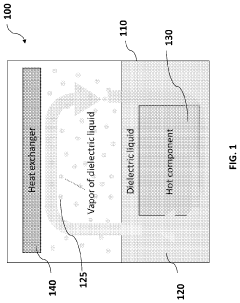
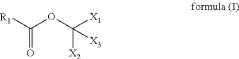
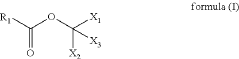
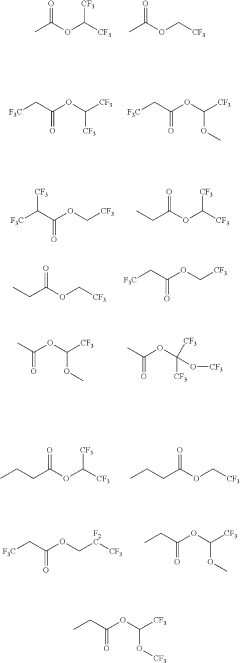
- A novel immersion cooling system utilizing a heat transfer fluid with a thermal conductivity higher than 0.08 W m−1K−1, a dielectric constant less than 3.0 at 20-40 GHz, and a heat of vaporization greater than 150 kJ kg−1, formulated with specific fluorinated compounds and optionally including density-reducing agents and flame retardants, to enhance heat transfer efficiency while maintaining safety and compatibility with electronic components.
Safety Standards and Compliance for Immersion Systems
The regulatory landscape for immersion cooling systems encompasses multiple international and regional standards that address electrical safety, fire protection, and operational compliance. The International Electrotechnical Commission (IEC) provides foundational standards such as IEC 61439 for electrical switchgear assemblies and IEC 60364 for electrical installations in buildings, which directly apply to immersion cooling deployments. These standards establish baseline requirements for electrical component protection, grounding systems, and fault current management within liquid-cooled environments.
National electrical codes, including the National Electrical Code (NEC) in the United States and similar regulations in other jurisdictions, mandate specific installation practices for electrical equipment operating in proximity to dielectric fluids. These codes require proper classification of electrical zones, implementation of appropriate ingress protection ratings, and installation of ground fault circuit interrupters where applicable. Compliance with these standards ensures that immersion systems meet minimum safety thresholds for commercial and industrial deployment.
Fire safety regulations present unique challenges for immersion cooling systems, as traditional fire suppression methods may not be suitable for liquid-cooled environments. Standards such as NFPA 75 for electronic computer/data processing equipment and NFPA 76 for fire protection of telecommunications facilities provide guidance on fire detection, suppression systems, and emergency response procedures. These standards emphasize the importance of selecting appropriate dielectric fluids with favorable fire safety characteristics and implementing compatible detection systems.
Environmental and workplace safety regulations, including OSHA standards in the United States and equivalent international frameworks, govern exposure limits for dielectric fluids and establish requirements for ventilation, personal protective equipment, and emergency response procedures. Compliance with these regulations requires comprehensive documentation of fluid properties, implementation of monitoring systems, and development of safety protocols for maintenance personnel.
Certification processes for immersion cooling systems typically involve third-party testing organizations such as Underwriters Laboratories (UL), TÜV, or similar bodies that verify compliance with applicable safety standards. These certifications provide assurance to end users and regulatory authorities that systems meet established safety criteria and can operate reliably within specified parameters.
National electrical codes, including the National Electrical Code (NEC) in the United States and similar regulations in other jurisdictions, mandate specific installation practices for electrical equipment operating in proximity to dielectric fluids. These codes require proper classification of electrical zones, implementation of appropriate ingress protection ratings, and installation of ground fault circuit interrupters where applicable. Compliance with these standards ensures that immersion systems meet minimum safety thresholds for commercial and industrial deployment.
Fire safety regulations present unique challenges for immersion cooling systems, as traditional fire suppression methods may not be suitable for liquid-cooled environments. Standards such as NFPA 75 for electronic computer/data processing equipment and NFPA 76 for fire protection of telecommunications facilities provide guidance on fire detection, suppression systems, and emergency response procedures. These standards emphasize the importance of selecting appropriate dielectric fluids with favorable fire safety characteristics and implementing compatible detection systems.
Environmental and workplace safety regulations, including OSHA standards in the United States and equivalent international frameworks, govern exposure limits for dielectric fluids and establish requirements for ventilation, personal protective equipment, and emergency response procedures. Compliance with these regulations requires comprehensive documentation of fluid properties, implementation of monitoring systems, and development of safety protocols for maintenance personnel.
Certification processes for immersion cooling systems typically involve third-party testing organizations such as Underwriters Laboratories (UL), TÜV, or similar bodies that verify compliance with applicable safety standards. These certifications provide assurance to end users and regulatory authorities that systems meet established safety criteria and can operate reliably within specified parameters.
Environmental Impact of Dielectric Fluids and Safety
The environmental impact of dielectric fluids used in immersion cooling systems represents a critical consideration that directly intersects with safety protocols and regulatory compliance. Traditional dielectric fluids, particularly mineral oil-based solutions, pose significant environmental risks due to their petroleum origins and potential for bioaccumulation. These fluids can persist in environmental systems for extended periods, creating long-term contamination concerns if released through leaks, spills, or improper disposal practices.
Synthetic dielectric fluids, while offering superior thermal and electrical properties, present their own environmental challenges. Perfluorinated compounds commonly used in high-performance cooling applications have been identified as persistent organic pollutants with potential for global distribution through atmospheric transport. The manufacturing processes for these synthetic fluids often involve energy-intensive procedures and generate greenhouse gas emissions, contributing to the overall carbon footprint of immersion cooling deployments.
Biodegradable dielectric fluids have emerged as environmentally conscious alternatives, typically derived from vegetable oils or synthetic esters designed for enhanced biodegradability. These fluids demonstrate significantly reduced environmental persistence, with degradation rates often exceeding 60% within 28 days under standard testing conditions. However, their environmental benefits must be balanced against potential performance limitations, including reduced thermal stability and increased susceptibility to oxidation.
The safety implications of dielectric fluid environmental impact extend beyond immediate operational concerns to encompass regulatory compliance and long-term liability management. Facilities utilizing immersion cooling systems must implement comprehensive environmental monitoring protocols to detect potential fluid releases and ensure compliance with local environmental regulations. This includes establishing baseline environmental conditions, implementing regular soil and groundwater monitoring programs, and maintaining detailed records of fluid usage and disposal practices.
Proper disposal and recycling of used dielectric fluids represents a critical safety and environmental consideration. Many jurisdictions classify used dielectric fluids as hazardous waste, requiring specialized handling and disposal procedures. Advanced recycling technologies, including vacuum distillation and chemical treatment processes, can restore used fluids to near-original specifications while minimizing environmental impact. However, these processes require significant investment in specialized equipment and trained personnel to ensure safe and effective implementation.
Synthetic dielectric fluids, while offering superior thermal and electrical properties, present their own environmental challenges. Perfluorinated compounds commonly used in high-performance cooling applications have been identified as persistent organic pollutants with potential for global distribution through atmospheric transport. The manufacturing processes for these synthetic fluids often involve energy-intensive procedures and generate greenhouse gas emissions, contributing to the overall carbon footprint of immersion cooling deployments.
Biodegradable dielectric fluids have emerged as environmentally conscious alternatives, typically derived from vegetable oils or synthetic esters designed for enhanced biodegradability. These fluids demonstrate significantly reduced environmental persistence, with degradation rates often exceeding 60% within 28 days under standard testing conditions. However, their environmental benefits must be balanced against potential performance limitations, including reduced thermal stability and increased susceptibility to oxidation.
The safety implications of dielectric fluid environmental impact extend beyond immediate operational concerns to encompass regulatory compliance and long-term liability management. Facilities utilizing immersion cooling systems must implement comprehensive environmental monitoring protocols to detect potential fluid releases and ensure compliance with local environmental regulations. This includes establishing baseline environmental conditions, implementing regular soil and groundwater monitoring programs, and maintaining detailed records of fluid usage and disposal practices.
Proper disposal and recycling of used dielectric fluids represents a critical safety and environmental consideration. Many jurisdictions classify used dielectric fluids as hazardous waste, requiring specialized handling and disposal procedures. Advanced recycling technologies, including vacuum distillation and chemical treatment processes, can restore used fluids to near-original specifications while minimizing environmental impact. However, these processes require significant investment in specialized equipment and trained personnel to ensure safe and effective implementation.
Unlock deeper insights with PatSnap Eureka Quick Research — get a full tech report to explore trends and direct your research. Try now!
Generate Your Research Report Instantly with AI Agent
Supercharge your innovation with PatSnap Eureka AI Agent Platform!