

How to Optimize Battery Preheating Systems for Arctic Environments
MAY 19, 20269 MIN READ
Generate Your Research Report Instantly with AI Agent
Patsnap Eureka helps you evaluate technical feasibility & market potential.
Arctic Battery Preheating Background and Objectives
Battery technology has undergone significant evolution since the early 20th century, progressing from basic lead-acid systems to sophisticated lithium-ion configurations. However, the challenge of maintaining optimal battery performance in extreme cold conditions has persisted across all generations of battery technology. Arctic environments, characterized by temperatures ranging from -20°C to -50°C, present unique operational challenges that severely impact battery chemistry, capacity retention, and overall system reliability.
The development of battery preheating systems emerged in the 1980s as automotive and aerospace industries recognized the critical need for reliable power sources in cold climates. Early systems relied on simple resistive heating elements, but technological advancement has led to more sophisticated thermal management approaches including phase change materials, heat pumps, and intelligent control systems. The integration of these technologies has become increasingly important as battery applications expand into electric vehicles, renewable energy storage, and remote monitoring systems in polar regions.
Current market drivers for optimized arctic battery preheating systems stem from multiple sectors experiencing rapid growth in cold climate applications. The electric vehicle industry faces mounting pressure to ensure consistent performance across diverse geographical regions, while the renewable energy sector requires reliable storage solutions for wind and solar installations in northern territories. Additionally, military and aerospace applications demand robust power systems capable of operating in extreme conditions without compromising mission-critical functions.
The primary technical objective centers on developing preheating systems that can rapidly and efficiently bring battery cells to optimal operating temperatures while minimizing energy consumption. This involves achieving target temperatures between 15°C to 25°C within acceptable timeframes, typically 10-30 minutes depending on application requirements. Secondary objectives include maintaining thermal uniformity across battery packs, preventing thermal runaway conditions, and ensuring system longevity under repeated thermal cycling.
Energy efficiency represents a paramount concern, as preheating systems must not significantly drain the battery capacity they aim to protect. Advanced systems target heating efficiency ratios exceeding 80% while consuming less than 5% of total battery capacity during preheating cycles. Integration with predictive algorithms and environmental sensors enables proactive heating strategies that anticipate temperature drops and optimize energy usage patterns.
System reliability and safety objectives encompass fail-safe mechanisms that prevent overheating, robust operation under mechanical stress from thermal expansion, and compatibility with existing battery management systems. The ultimate goal involves creating seamless integration between preheating technology and battery operation, ensuring that thermal management becomes an invisible yet critical component of overall system performance in arctic environments.
The development of battery preheating systems emerged in the 1980s as automotive and aerospace industries recognized the critical need for reliable power sources in cold climates. Early systems relied on simple resistive heating elements, but technological advancement has led to more sophisticated thermal management approaches including phase change materials, heat pumps, and intelligent control systems. The integration of these technologies has become increasingly important as battery applications expand into electric vehicles, renewable energy storage, and remote monitoring systems in polar regions.
Current market drivers for optimized arctic battery preheating systems stem from multiple sectors experiencing rapid growth in cold climate applications. The electric vehicle industry faces mounting pressure to ensure consistent performance across diverse geographical regions, while the renewable energy sector requires reliable storage solutions for wind and solar installations in northern territories. Additionally, military and aerospace applications demand robust power systems capable of operating in extreme conditions without compromising mission-critical functions.
The primary technical objective centers on developing preheating systems that can rapidly and efficiently bring battery cells to optimal operating temperatures while minimizing energy consumption. This involves achieving target temperatures between 15°C to 25°C within acceptable timeframes, typically 10-30 minutes depending on application requirements. Secondary objectives include maintaining thermal uniformity across battery packs, preventing thermal runaway conditions, and ensuring system longevity under repeated thermal cycling.
Energy efficiency represents a paramount concern, as preheating systems must not significantly drain the battery capacity they aim to protect. Advanced systems target heating efficiency ratios exceeding 80% while consuming less than 5% of total battery capacity during preheating cycles. Integration with predictive algorithms and environmental sensors enables proactive heating strategies that anticipate temperature drops and optimize energy usage patterns.
System reliability and safety objectives encompass fail-safe mechanisms that prevent overheating, robust operation under mechanical stress from thermal expansion, and compatibility with existing battery management systems. The ultimate goal involves creating seamless integration between preheating technology and battery operation, ensuring that thermal management becomes an invisible yet critical component of overall system performance in arctic environments.
Market Demand for Arctic Battery Solutions
The Arctic battery solutions market is experiencing unprecedented growth driven by expanding economic activities in polar regions and the global transition toward electrification. Traditional battery systems face severe performance degradation in extreme cold conditions, creating substantial demand for specialized thermal management solutions that can maintain operational efficiency in temperatures ranging from -40°C to -60°C.
Military and defense applications represent a primary demand driver, as armed forces increasingly deploy electric vehicles, communication equipment, and surveillance systems in Arctic territories. The strategic importance of polar regions has intensified military presence, necessitating reliable battery systems that can operate continuously in harsh conditions without compromising mission-critical operations.
The commercial transportation sector presents another significant market opportunity, particularly with the expansion of Arctic shipping routes due to climate change. Electric and hybrid vessels navigating these waters require robust battery preheating systems to ensure propulsion reliability and cargo handling equipment functionality during extended voyages through ice-covered waters.
Mining operations in Arctic regions are increasingly adopting electric equipment to reduce emissions and operational costs. Underground mining vehicles, drilling equipment, and processing machinery all depend on battery systems that must function reliably despite extreme temperature fluctuations. The shift toward sustainable mining practices has accelerated demand for efficient battery thermal management solutions.
Renewable energy storage applications are emerging as a substantial market segment, particularly for remote Arctic communities seeking energy independence. Solar and wind installations in polar regions require battery storage systems capable of maintaining charge capacity and discharge rates during prolonged winter periods when temperatures remain consistently below freezing.
The telecommunications infrastructure expansion across Arctic regions creates additional demand for backup power systems that can withstand extreme weather conditions. Cell towers, satellite communication stations, and emergency communication networks all require battery systems with effective preheating capabilities to ensure uninterrupted service during critical situations.
Research and scientific operations in polar regions represent a specialized but consistent market segment. Scientific equipment, research stations, and monitoring devices require dependable power sources that can operate autonomously for extended periods without maintenance access, making advanced battery preheating systems essential for mission success.
Military and defense applications represent a primary demand driver, as armed forces increasingly deploy electric vehicles, communication equipment, and surveillance systems in Arctic territories. The strategic importance of polar regions has intensified military presence, necessitating reliable battery systems that can operate continuously in harsh conditions without compromising mission-critical operations.
The commercial transportation sector presents another significant market opportunity, particularly with the expansion of Arctic shipping routes due to climate change. Electric and hybrid vessels navigating these waters require robust battery preheating systems to ensure propulsion reliability and cargo handling equipment functionality during extended voyages through ice-covered waters.
Mining operations in Arctic regions are increasingly adopting electric equipment to reduce emissions and operational costs. Underground mining vehicles, drilling equipment, and processing machinery all depend on battery systems that must function reliably despite extreme temperature fluctuations. The shift toward sustainable mining practices has accelerated demand for efficient battery thermal management solutions.
Renewable energy storage applications are emerging as a substantial market segment, particularly for remote Arctic communities seeking energy independence. Solar and wind installations in polar regions require battery storage systems capable of maintaining charge capacity and discharge rates during prolonged winter periods when temperatures remain consistently below freezing.
The telecommunications infrastructure expansion across Arctic regions creates additional demand for backup power systems that can withstand extreme weather conditions. Cell towers, satellite communication stations, and emergency communication networks all require battery systems with effective preheating capabilities to ensure uninterrupted service during critical situations.
Research and scientific operations in polar regions represent a specialized but consistent market segment. Scientific equipment, research stations, and monitoring devices require dependable power sources that can operate autonomously for extended periods without maintenance access, making advanced battery preheating systems essential for mission success.
Current State of Battery Thermal Management in Extreme Cold
Battery thermal management in extreme cold environments represents one of the most significant challenges facing modern energy storage systems. Current lithium-ion batteries experience dramatic performance degradation when operating temperatures drop below -20°C, with capacity losses exceeding 50% and power output reductions of up to 70%. This degradation stems from increased electrolyte viscosity, reduced ionic conductivity, and lithium plating phenomena that occur at low temperatures.
Existing thermal management solutions primarily rely on resistive heating elements integrated within battery packs or external heating systems. These conventional approaches typically employ positive temperature coefficient (PTC) heaters, flexible film heaters, or heat pumps to maintain optimal operating temperatures. However, these systems often suffer from uneven heat distribution, high energy consumption, and slow response times, particularly in arctic conditions where ambient temperatures can reach -40°C or lower.
The automotive industry has made substantial progress in battery preheating technologies, with manufacturers like Tesla, BMW, and Nissan implementing sophisticated thermal management systems. These systems utilize coolant-based heating circuits, phase change materials, and predictive heating algorithms that activate based on user patterns and weather forecasts. Despite these advances, current solutions still face significant limitations in extreme cold scenarios.
Recent developments have introduced innovative approaches including internal heating methods that generate heat directly within battery cells through controlled high-frequency AC currents. This technique, known as alternating current heating, can rapidly warm batteries from -30°C to optimal operating temperatures within minutes. Additionally, researchers have explored self-heating battery designs incorporating thin nickel foils that provide uniform internal heating.
The integration of advanced materials presents another frontier in cold-weather battery management. Aerogel insulation, vacuum-insulated panels, and smart thermal interface materials are being incorporated to improve heat retention and reduce energy losses. These materials help maintain temperature stability while minimizing the overall energy penalty associated with thermal management.
Current challenges persist in balancing heating efficiency with energy consumption, as preheating systems can consume 20-30% of total battery capacity in extreme conditions. Furthermore, the complexity of implementing uniform heating across large battery packs while maintaining safety standards remains a critical technical hurdle that requires continued innovation and optimization.
Existing thermal management solutions primarily rely on resistive heating elements integrated within battery packs or external heating systems. These conventional approaches typically employ positive temperature coefficient (PTC) heaters, flexible film heaters, or heat pumps to maintain optimal operating temperatures. However, these systems often suffer from uneven heat distribution, high energy consumption, and slow response times, particularly in arctic conditions where ambient temperatures can reach -40°C or lower.
The automotive industry has made substantial progress in battery preheating technologies, with manufacturers like Tesla, BMW, and Nissan implementing sophisticated thermal management systems. These systems utilize coolant-based heating circuits, phase change materials, and predictive heating algorithms that activate based on user patterns and weather forecasts. Despite these advances, current solutions still face significant limitations in extreme cold scenarios.
Recent developments have introduced innovative approaches including internal heating methods that generate heat directly within battery cells through controlled high-frequency AC currents. This technique, known as alternating current heating, can rapidly warm batteries from -30°C to optimal operating temperatures within minutes. Additionally, researchers have explored self-heating battery designs incorporating thin nickel foils that provide uniform internal heating.
The integration of advanced materials presents another frontier in cold-weather battery management. Aerogel insulation, vacuum-insulated panels, and smart thermal interface materials are being incorporated to improve heat retention and reduce energy losses. These materials help maintain temperature stability while minimizing the overall energy penalty associated with thermal management.
Current challenges persist in balancing heating efficiency with energy consumption, as preheating systems can consume 20-30% of total battery capacity in extreme conditions. Furthermore, the complexity of implementing uniform heating across large battery packs while maintaining safety standards remains a critical technical hurdle that requires continued innovation and optimization.
Existing Arctic Battery Preheating Solutions
01 Thermal management control systems for battery preheating
Advanced control systems that monitor battery temperature and automatically activate preheating mechanisms when temperatures fall below optimal operating ranges. These systems use sensors and algorithms to determine the appropriate heating duration and intensity, ensuring batteries reach target temperatures efficiently while preventing overheating. The control systems can be integrated with vehicle management systems to optimize preheating timing based on usage patterns.- Thermal management systems for battery temperature control: Advanced thermal management systems are designed to maintain optimal battery operating temperatures through controlled heating mechanisms. These systems utilize various heating elements and thermal regulation components to ensure batteries operate within their ideal temperature range, improving performance and extending battery life in cold conditions.
- Smart preheating control algorithms and optimization methods: Intelligent control systems employ sophisticated algorithms to optimize battery preheating processes. These methods analyze battery conditions, environmental factors, and usage patterns to determine the most efficient preheating strategies, minimizing energy consumption while maximizing battery performance and longevity.
- Integrated heating elements and thermal distribution systems: Specialized heating elements are integrated within battery systems to provide uniform heat distribution. These components include resistive heaters, thermal plates, and heat distribution networks that ensure even temperature distribution across battery cells, preventing thermal gradients that could affect performance.
- Energy-efficient preheating strategies and power management: Energy optimization techniques focus on minimizing power consumption during battery preheating operations. These strategies involve intelligent power management systems that balance heating requirements with available energy resources, implementing efficient heating cycles and power distribution methods to reduce overall energy waste.
- Temperature monitoring and feedback control systems: Comprehensive monitoring systems track battery temperature in real-time and provide feedback for precise control of preheating operations. These systems incorporate temperature sensors, data processing units, and control mechanisms that continuously adjust heating parameters based on actual battery conditions and performance requirements.
02 Resistive heating elements and thermal distribution
Implementation of resistive heating elements strategically positioned within or around battery modules to provide uniform heat distribution. These heating elements convert electrical energy into thermal energy and are designed to minimize hot spots while ensuring even temperature distribution across all battery cells. The heating elements can be integrated into battery pack housings or positioned between cell modules for optimal thermal transfer.Expand Specific Solutions03 Heat exchanger and fluid circulation systems
Liquid-based thermal management systems that circulate heated coolant or thermal fluid through battery packs to achieve uniform preheating. These systems utilize heat exchangers, pumps, and circulation channels to distribute thermal energy efficiently throughout the battery system. The fluid circulation approach allows for precise temperature control and can be integrated with vehicle heating systems for energy efficiency.Expand Specific Solutions04 Phase change materials for thermal energy storage
Integration of phase change materials that store and release thermal energy during heating and cooling cycles to maintain optimal battery temperatures. These materials absorb heat during charging or operation and release it when temperatures drop, providing passive thermal regulation. The phase change approach reduces energy consumption for active heating while maintaining consistent temperature ranges for improved battery performance.Expand Specific Solutions05 Predictive preheating algorithms and energy optimization
Smart algorithms that predict heating requirements based on environmental conditions, usage patterns, and battery state to optimize energy consumption during preheating operations. These systems analyze historical data, weather forecasts, and user behavior to determine optimal preheating schedules and minimize energy waste. The predictive approach ensures batteries are ready for use while reducing overall system energy consumption.Expand Specific Solutions
Key Players in Arctic Battery and Thermal Systems
The battery preheating systems for Arctic environments market is in a rapidly evolving growth stage, driven by increasing electric vehicle adoption in cold climates and expanding applications in aerospace and defense sectors. The market demonstrates significant expansion potential as automotive manufacturers like Toyota, BMW, Ford, and Hyundai integrate advanced thermal management solutions into their electric vehicle platforms. Technology maturity varies considerably across market segments, with established automotive suppliers such as Bosch, Valeo, and LG Chem leading in sophisticated preheating technologies, while emerging players like Rivian and Chinese manufacturers including Great Wall Motor and SAIC-GM-Wuling are developing innovative approaches. The competitive landscape shows strong consolidation around proven thermal management solutions, with traditional automotive giants leveraging their manufacturing scale against specialized technology companies focusing on next-generation battery conditioning systems for extreme weather applications.
Toyota Motor Corp.
Technical Solution: Toyota has pioneered hybrid battery thermal management systems that leverage waste heat recovery from fuel cell stacks and internal combustion engines for battery preheating in Arctic environments. Their approach combines liquid coolant circulation systems with electric heating elements, utilizing predictive algorithms to optimize energy usage. The system features insulated battery enclosures with vacuum panels and aerogel materials to maintain temperature stability. Toyota's solution includes ambient temperature monitoring with GPS-based climate prediction, allowing the system to automatically initiate preheating cycles based on weather forecasts and driving patterns. Their technology also incorporates regenerative heating during vehicle operation to maintain optimal battery temperatures.
Strengths: Extensive cold climate testing experience, integration with hybrid powertrains for efficient heat recovery. Weaknesses: Complex system architecture, higher maintenance requirements for multi-component thermal systems.
LG Chem Ltd.
Technical Solution: LG Chem has developed advanced battery thermal management systems specifically designed for extreme cold conditions. Their technology incorporates intelligent preheating algorithms that can predict optimal heating timing based on ambient temperature sensors and user patterns. The system utilizes resistive heating elements integrated within battery modules, combined with phase change materials (PCM) for thermal buffering. Their solution includes multi-stage heating protocols that gradually warm batteries from -40°C to optimal operating temperatures while minimizing energy consumption. The company has also implemented smart battery management systems (BMS) that can initiate preheating remotely through mobile applications, ensuring batteries are ready for use in Arctic conditions.
Strengths: Industry-leading battery chemistry expertise, proven cold weather performance in multiple vehicle platforms. Weaknesses: Higher initial cost compared to conventional heating systems, requires sophisticated control algorithms.
Core Innovations in Cold Weather Battery Technologies
Preheating charging loss optimization battery pack charging method in low-temperature environment
PatentInactiveCN104409788A
Innovation
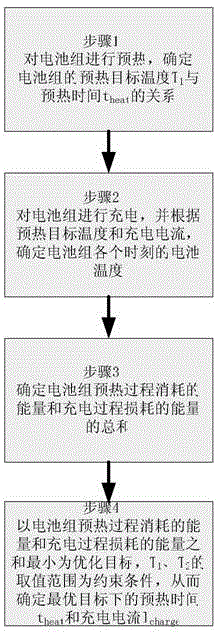
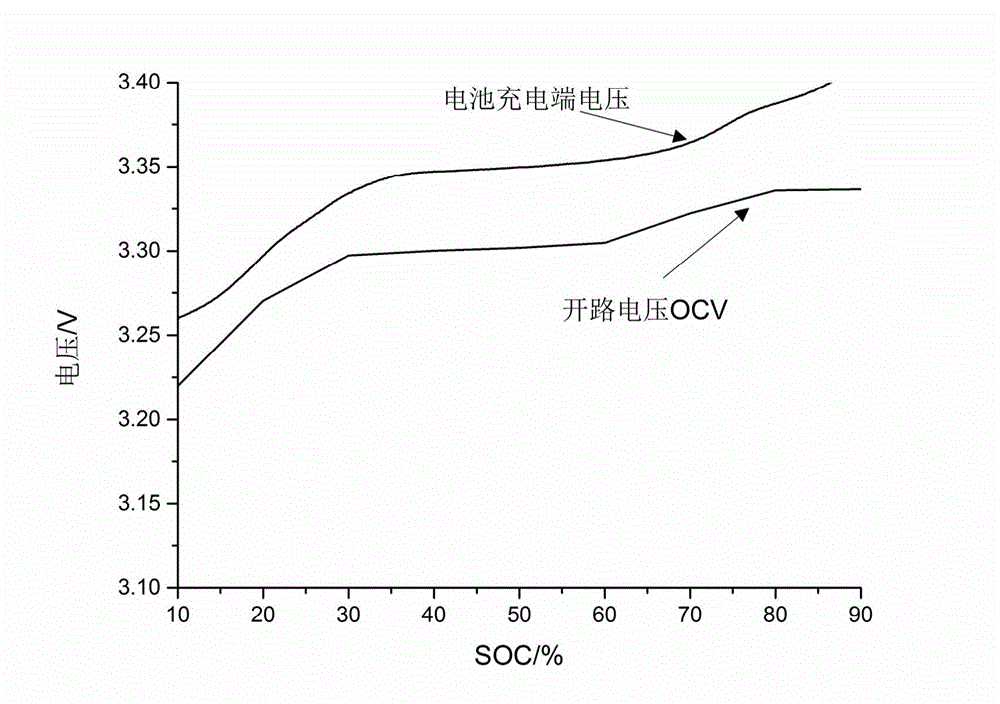
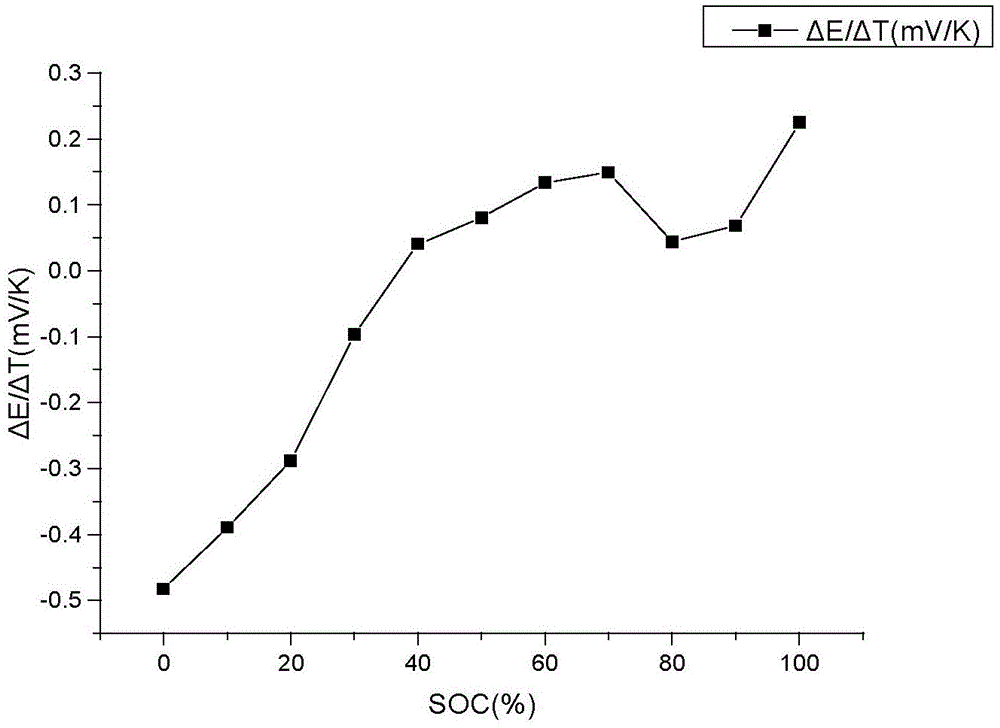
- By determining the target preheating temperature and charging current of the battery pack, and utilizing the energy balance equation and thermal balance equation, the preheating time and energy consumption during charging are optimized. The heating time and charging current are adjusted to achieve optimal energy loss.

Cold weather smart battery heating and charging strategy utilizing multi-stage battery heating control
PatentPendingKR1020240085157A
Innovation
- A multi-stage battery heating strategy that predicts user vehicle start time, adjusting heating levels based on ambient temperature (-5°C to 10°C) to optimize charging energy and maintain battery temperature.


Environmental Regulations for Arctic Operations
Arctic operations involving battery preheating systems are subject to comprehensive environmental regulations designed to protect the fragile polar ecosystem. These regulations encompass multiple jurisdictions, including international maritime law, national Arctic policies, and regional environmental protection frameworks. The Arctic Council's Arctic Environmental Protection Strategy serves as a foundational document, establishing guidelines for industrial activities in polar regions.
International regulations under the International Maritime Organization (IMO) mandate strict environmental compliance for vessels operating in Arctic waters. The Polar Code, which entered into force in 2017, establishes mandatory requirements for ships operating in polar waters, including provisions for equipment reliability and environmental impact mitigation. Battery preheating systems must comply with these standards to ensure operational safety while minimizing ecological disruption.
National regulatory frameworks vary significantly across Arctic nations. The United States enforces regulations through the Environmental Protection Agency and the Coast Guard, requiring environmental impact assessments for Arctic operations. Canada's Arctic Waters Pollution Prevention Act imposes stringent requirements on equipment used in northern territories. Russia's Arctic development policies emphasize environmental protection while promoting industrial advancement, creating specific compliance requirements for battery systems operating in extreme conditions.
Regional environmental standards focus on preventing contamination and minimizing carbon emissions. Battery preheating systems must demonstrate compliance with air quality standards, particularly regarding particulate matter and greenhouse gas emissions. Waste heat management regulations require efficient thermal energy utilization to prevent unnecessary environmental warming in sensitive Arctic ecosystems.
Emerging regulatory trends indicate increasing scrutiny of energy efficiency and lifecycle environmental impact. Future compliance requirements are expected to mandate renewable energy integration for preheating systems and establish stricter performance standards for cold-weather battery operations. Companies developing Arctic battery solutions must anticipate evolving regulatory landscapes and design systems that exceed current environmental protection standards to ensure long-term operational viability in polar regions.
International regulations under the International Maritime Organization (IMO) mandate strict environmental compliance for vessels operating in Arctic waters. The Polar Code, which entered into force in 2017, establishes mandatory requirements for ships operating in polar waters, including provisions for equipment reliability and environmental impact mitigation. Battery preheating systems must comply with these standards to ensure operational safety while minimizing ecological disruption.
National regulatory frameworks vary significantly across Arctic nations. The United States enforces regulations through the Environmental Protection Agency and the Coast Guard, requiring environmental impact assessments for Arctic operations. Canada's Arctic Waters Pollution Prevention Act imposes stringent requirements on equipment used in northern territories. Russia's Arctic development policies emphasize environmental protection while promoting industrial advancement, creating specific compliance requirements for battery systems operating in extreme conditions.
Regional environmental standards focus on preventing contamination and minimizing carbon emissions. Battery preheating systems must demonstrate compliance with air quality standards, particularly regarding particulate matter and greenhouse gas emissions. Waste heat management regulations require efficient thermal energy utilization to prevent unnecessary environmental warming in sensitive Arctic ecosystems.
Emerging regulatory trends indicate increasing scrutiny of energy efficiency and lifecycle environmental impact. Future compliance requirements are expected to mandate renewable energy integration for preheating systems and establish stricter performance standards for cold-weather battery operations. Companies developing Arctic battery solutions must anticipate evolving regulatory landscapes and design systems that exceed current environmental protection standards to ensure long-term operational viability in polar regions.
Energy Efficiency Standards for Cold Climate Systems
Energy efficiency standards for cold climate battery preheating systems have emerged as critical regulatory frameworks governing the deployment of electric vehicles and energy storage solutions in Arctic environments. These standards establish minimum performance thresholds that manufacturers must meet to ensure optimal battery functionality while minimizing energy consumption during preheating operations.
The International Electrotechnical Commission (IEC) has developed IEC 62660 series standards specifically addressing lithium-ion battery performance in extreme temperatures, with particular emphasis on energy efficiency metrics. These standards mandate that preheating systems achieve at least 85% thermal efficiency when operating in temperatures below -30°C, ensuring that energy expenditure for thermal management does not exceed 15% of total battery capacity during startup phases.
Regional regulatory bodies have implemented complementary standards tailored to local Arctic conditions. The European Committee for Electrotechnical Standardization (CENELEC) EN 50342 standard requires battery preheating systems to demonstrate coefficient of performance (COP) values exceeding 3.5 in sub-zero conditions. Similarly, the Society of Automotive Engineers (SAE) J2288 standard establishes testing protocols for measuring preheating energy consumption across various Arctic temperature profiles.
Emerging efficiency benchmarks focus on intelligent thermal management algorithms that optimize energy distribution based on real-time environmental conditions. These standards emphasize adaptive preheating strategies that can reduce energy consumption by up to 40% compared to conventional constant-power heating methods. Advanced standards also incorporate requirements for waste heat recovery systems and integration with renewable energy sources.
Compliance verification protocols mandate standardized testing procedures using controlled environmental chambers capable of simulating Arctic conditions ranging from -40°C to -10°C. These testing frameworks evaluate preheating system performance across multiple metrics including energy consumption per degree of temperature rise, thermal uniformity across battery cells, and overall system efficiency during extended cold exposure periods.
The International Electrotechnical Commission (IEC) has developed IEC 62660 series standards specifically addressing lithium-ion battery performance in extreme temperatures, with particular emphasis on energy efficiency metrics. These standards mandate that preheating systems achieve at least 85% thermal efficiency when operating in temperatures below -30°C, ensuring that energy expenditure for thermal management does not exceed 15% of total battery capacity during startup phases.
Regional regulatory bodies have implemented complementary standards tailored to local Arctic conditions. The European Committee for Electrotechnical Standardization (CENELEC) EN 50342 standard requires battery preheating systems to demonstrate coefficient of performance (COP) values exceeding 3.5 in sub-zero conditions. Similarly, the Society of Automotive Engineers (SAE) J2288 standard establishes testing protocols for measuring preheating energy consumption across various Arctic temperature profiles.
Emerging efficiency benchmarks focus on intelligent thermal management algorithms that optimize energy distribution based on real-time environmental conditions. These standards emphasize adaptive preheating strategies that can reduce energy consumption by up to 40% compared to conventional constant-power heating methods. Advanced standards also incorporate requirements for waste heat recovery systems and integration with renewable energy sources.
Compliance verification protocols mandate standardized testing procedures using controlled environmental chambers capable of simulating Arctic conditions ranging from -40°C to -10°C. These testing frameworks evaluate preheating system performance across multiple metrics including energy consumption per degree of temperature rise, thermal uniformity across battery cells, and overall system efficiency during extended cold exposure periods.
Unlock deeper insights with Patsnap Eureka Quick Research — get a full tech report to explore trends and direct your research. Try now!
Generate Your Research Report Instantly with AI Agent
Supercharge your innovation with Patsnap Eureka AI Agent Platform!