

How to optimize electrochromic mirror coloration efficiency (CE)
MAY 11, 20269 MIN READ
Generate Your Research Report Instantly with AI Agent
Patsnap Eureka helps you evaluate technical feasibility & market potential.
Electrochromic Mirror Technology Background and CE Goals
Electrochromic mirror technology represents a significant advancement in smart glass applications, combining the reflective properties of traditional mirrors with dynamic optical modulation capabilities. This technology enables mirrors to transition between reflective and transparent states through controlled electrochemical reactions, offering unprecedented functionality in automotive, architectural, and consumer electronics applications.
The fundamental principle underlying electrochromic mirrors involves the reversible oxidation and reduction of electrochromic materials, typically tungsten oxide or similar transition metal oxides, sandwiched between transparent conductive electrodes. When voltage is applied, ions migrate through an electrolyte layer, causing the electrochromic material to change its optical properties, thereby modulating the mirror's reflectance and transmittance characteristics.
Historical development of electrochromic technology traces back to the 1960s when researchers first observed reversible color changes in tungsten oxide films. The automotive industry pioneered commercial applications in the 1990s with anti-glare rearview mirrors, demonstrating the technology's practical viability. Subsequently, architectural applications emerged, focusing on energy-efficient smart windows and privacy control systems.
Current market drivers emphasize energy efficiency, user comfort, and aesthetic flexibility. The automotive sector continues to expand applications beyond rearview mirrors to include sunroofs and side windows. Architectural markets increasingly demand dynamic solar control solutions that reduce HVAC loads while maintaining visual comfort. Consumer electronics applications are emerging in smart home systems and wearable devices.
The primary technical challenge centers on coloration efficiency, defined as the optical density change per unit charge consumed during the electrochromic switching process. Higher CE values indicate more efficient color transitions with lower power consumption, directly impacting battery life in portable applications and operational costs in large-scale installations.
Contemporary CE optimization goals target achieving optical density changes exceeding 0.8 with charge densities below 20 mC/cm². Additionally, maintaining stable CE performance over 100,000 switching cycles while achieving response times under 30 seconds represents critical benchmarks for commercial viability. These objectives drive ongoing research into novel electrochromic materials, advanced electrolyte formulations, and optimized device architectures.
The fundamental principle underlying electrochromic mirrors involves the reversible oxidation and reduction of electrochromic materials, typically tungsten oxide or similar transition metal oxides, sandwiched between transparent conductive electrodes. When voltage is applied, ions migrate through an electrolyte layer, causing the electrochromic material to change its optical properties, thereby modulating the mirror's reflectance and transmittance characteristics.
Historical development of electrochromic technology traces back to the 1960s when researchers first observed reversible color changes in tungsten oxide films. The automotive industry pioneered commercial applications in the 1990s with anti-glare rearview mirrors, demonstrating the technology's practical viability. Subsequently, architectural applications emerged, focusing on energy-efficient smart windows and privacy control systems.
Current market drivers emphasize energy efficiency, user comfort, and aesthetic flexibility. The automotive sector continues to expand applications beyond rearview mirrors to include sunroofs and side windows. Architectural markets increasingly demand dynamic solar control solutions that reduce HVAC loads while maintaining visual comfort. Consumer electronics applications are emerging in smart home systems and wearable devices.
The primary technical challenge centers on coloration efficiency, defined as the optical density change per unit charge consumed during the electrochromic switching process. Higher CE values indicate more efficient color transitions with lower power consumption, directly impacting battery life in portable applications and operational costs in large-scale installations.
Contemporary CE optimization goals target achieving optical density changes exceeding 0.8 with charge densities below 20 mC/cm². Additionally, maintaining stable CE performance over 100,000 switching cycles while achieving response times under 30 seconds represents critical benchmarks for commercial viability. These objectives drive ongoing research into novel electrochromic materials, advanced electrolyte formulations, and optimized device architectures.
Market Demand for High-Efficiency Electrochromic Mirrors
The automotive industry represents the largest and most rapidly expanding market segment for high-efficiency electrochromic mirrors. Modern vehicles increasingly incorporate smart mirror systems that automatically adjust tinting levels based on ambient light conditions and glare intensity. Premium automotive manufacturers are driving demand for electrochromic rearview mirrors and side mirrors that provide enhanced driver safety and comfort. The integration of these mirrors with advanced driver assistance systems creates additional value propositions, as optimized coloration efficiency directly impacts response times and energy consumption in vehicle electrical systems.
Architectural applications constitute another significant market driver, particularly in commercial buildings and high-end residential projects. Smart windows and mirror systems with superior coloration efficiency offer substantial energy savings by reducing HVAC loads and improving occupant comfort. Building automation systems require electrochromic mirrors that can rapidly transition between states while maintaining consistent optical properties over extended operational periods. The growing emphasis on green building certifications and energy-efficient construction practices continues to fuel demand for these advanced materials.
Consumer electronics markets are experiencing increased adoption of electrochromic mirror technologies in displays, smart home devices, and wearable applications. Manufacturers seek solutions that deliver faster switching speeds, lower power consumption, and improved durability. The miniaturization trends in electronic devices place additional emphasis on coloration efficiency optimization, as space constraints limit the available power budget for electrochromic operations.
Aerospace and defense sectors present specialized market opportunities where high-performance electrochromic mirrors serve critical functions in cockpit displays, helmet-mounted systems, and optical instruments. These applications demand exceptional reliability and performance under extreme environmental conditions, driving requirements for advanced coloration efficiency optimization techniques.
The convergence of Internet of Things technologies with smart building systems creates emerging market opportunities for networked electrochromic mirror installations. These systems require coordinated operation across multiple mirror units, emphasizing the importance of consistent and efficient coloration performance to maintain synchronized functionality and minimize overall system power consumption.
Architectural applications constitute another significant market driver, particularly in commercial buildings and high-end residential projects. Smart windows and mirror systems with superior coloration efficiency offer substantial energy savings by reducing HVAC loads and improving occupant comfort. Building automation systems require electrochromic mirrors that can rapidly transition between states while maintaining consistent optical properties over extended operational periods. The growing emphasis on green building certifications and energy-efficient construction practices continues to fuel demand for these advanced materials.
Consumer electronics markets are experiencing increased adoption of electrochromic mirror technologies in displays, smart home devices, and wearable applications. Manufacturers seek solutions that deliver faster switching speeds, lower power consumption, and improved durability. The miniaturization trends in electronic devices place additional emphasis on coloration efficiency optimization, as space constraints limit the available power budget for electrochromic operations.
Aerospace and defense sectors present specialized market opportunities where high-performance electrochromic mirrors serve critical functions in cockpit displays, helmet-mounted systems, and optical instruments. These applications demand exceptional reliability and performance under extreme environmental conditions, driving requirements for advanced coloration efficiency optimization techniques.
The convergence of Internet of Things technologies with smart building systems creates emerging market opportunities for networked electrochromic mirror installations. These systems require coordinated operation across multiple mirror units, emphasizing the importance of consistent and efficient coloration performance to maintain synchronized functionality and minimize overall system power consumption.
Current CE Performance and Technical Challenges
Current electrochromic mirror technology demonstrates varying levels of coloration efficiency across different material systems and device architectures. Tungsten oxide-based electrochromic devices, which represent the most mature technology in automotive applications, typically achieve coloration efficiencies ranging from 20 to 40 cm²/C under optimal conditions. However, real-world performance often falls significantly below these laboratory values due to environmental factors and manufacturing variations.
The performance disparity becomes more pronounced when examining different electrochromic materials. Organic electrochromic compounds can achieve higher theoretical coloration efficiencies, sometimes exceeding 600 cm²/C, but suffer from stability issues that limit their practical application. Inorganic materials like nickel oxide and vanadium pentoxide offer better durability but generally exhibit lower CE values, typically in the range of 15-30 cm²/C.
One of the primary technical challenges affecting CE optimization is ion transport limitations within the electrochromic layer. The diffusion of lithium ions or protons through the active material creates bottlenecks that reduce switching speed and overall efficiency. This issue is particularly acute in thicker films where longer diffusion paths significantly impact performance. The trade-off between optical density change and ion mobility remains a fundamental constraint in current designs.
Electrolyte degradation presents another critical challenge that directly impacts long-term CE performance. Repeated cycling causes gradual breakdown of the electrolyte medium, leading to increased internal resistance and reduced ion conductivity. This degradation is accelerated under high-temperature conditions commonly encountered in automotive applications, where mirrors must function reliably across temperature ranges from -40°C to 85°C.
Interface stability between different device layers significantly influences coloration efficiency. Poor adhesion or chemical incompatibility between the electrochromic layer and transparent conductor can create high-resistance regions that impede uniform current distribution. These interface issues often manifest as non-uniform coloration patterns and reduced overall device efficiency.
Manufacturing process variations also contribute to CE performance inconsistencies. Factors such as film thickness uniformity, surface roughness, and contamination during deposition can create localized defects that act as current shunts or ion traps. These manufacturing-related challenges become more significant as device sizes increase, making it difficult to maintain consistent performance across large mirror surfaces.
Temperature-dependent performance represents an ongoing technical hurdle, as CE values typically decrease at lower temperatures due to reduced ion mobility. This temperature sensitivity requires sophisticated thermal management strategies and often necessitates design compromises that further impact overall efficiency optimization efforts.
The performance disparity becomes more pronounced when examining different electrochromic materials. Organic electrochromic compounds can achieve higher theoretical coloration efficiencies, sometimes exceeding 600 cm²/C, but suffer from stability issues that limit their practical application. Inorganic materials like nickel oxide and vanadium pentoxide offer better durability but generally exhibit lower CE values, typically in the range of 15-30 cm²/C.
One of the primary technical challenges affecting CE optimization is ion transport limitations within the electrochromic layer. The diffusion of lithium ions or protons through the active material creates bottlenecks that reduce switching speed and overall efficiency. This issue is particularly acute in thicker films where longer diffusion paths significantly impact performance. The trade-off between optical density change and ion mobility remains a fundamental constraint in current designs.
Electrolyte degradation presents another critical challenge that directly impacts long-term CE performance. Repeated cycling causes gradual breakdown of the electrolyte medium, leading to increased internal resistance and reduced ion conductivity. This degradation is accelerated under high-temperature conditions commonly encountered in automotive applications, where mirrors must function reliably across temperature ranges from -40°C to 85°C.
Interface stability between different device layers significantly influences coloration efficiency. Poor adhesion or chemical incompatibility between the electrochromic layer and transparent conductor can create high-resistance regions that impede uniform current distribution. These interface issues often manifest as non-uniform coloration patterns and reduced overall device efficiency.
Manufacturing process variations also contribute to CE performance inconsistencies. Factors such as film thickness uniformity, surface roughness, and contamination during deposition can create localized defects that act as current shunts or ion traps. These manufacturing-related challenges become more significant as device sizes increase, making it difficult to maintain consistent performance across large mirror surfaces.
Temperature-dependent performance represents an ongoing technical hurdle, as CE values typically decrease at lower temperatures due to reduced ion mobility. This temperature sensitivity requires sophisticated thermal management strategies and often necessitates design compromises that further impact overall efficiency optimization efforts.
Existing CE Optimization Solutions
01 Electrochromic material composition and formulation
The efficiency of electrochromic mirrors depends significantly on the composition and formulation of electrochromic materials. Various compounds and chemical compositions are used to achieve optimal coloration properties, including specific metal oxides, organic compounds, and hybrid materials that can undergo reversible color changes when electrical voltage is applied. The selection and optimization of these materials directly impact the speed and intensity of color transitions.- Electrochromic material composition and structure optimization: The efficiency of electrochromic mirrors can be enhanced through optimized material compositions and structural designs. This includes the use of specific electrochromic compounds, layered structures, and substrate materials that facilitate better ion transport and electron transfer. The optimization focuses on achieving uniform coloration, faster response times, and improved durability of the electrochromic effect.
- Ion transport layer and electrolyte formulation: The coloration efficiency is significantly influenced by the ion transport mechanisms within the electrochromic device. Advanced electrolyte formulations and ion conductor layers enable faster and more uniform ion migration, leading to improved coloration uniformity and response speed. The optimization of ionic conductivity and electrochemical stability are key factors in enhancing overall performance.
- Electrode design and electrical control systems: Efficient electrode configurations and sophisticated electrical control systems play crucial roles in maximizing coloration efficiency. This includes optimized electrode patterns, voltage control algorithms, and current distribution methods that ensure uniform electric field application across the mirror surface. Advanced control systems can also provide gradual dimming capabilities and energy-efficient operation modes.
- Multi-layer coating and interface engineering: The implementation of multi-layer coating systems and engineered interfaces between different functional layers significantly impacts coloration efficiency. These approaches involve careful selection of layer thicknesses, refractive indices, and interfacial properties to minimize optical losses and maximize electrochromic response. Interface engineering also helps in reducing degradation and improving long-term stability.
- Manufacturing processes and quality control methods: Advanced manufacturing techniques and quality control methods are essential for achieving consistent coloration efficiency in electrochromic mirrors. This includes precision coating processes, thermal treatment optimization, and in-line quality monitoring systems. Proper manufacturing controls ensure uniform layer deposition, minimal defects, and consistent electrochromic performance across large mirror surfaces.
02 Electrode design and configuration
The design and configuration of electrodes play a crucial role in determining coloration efficiency. Proper electrode materials, spacing, and geometric arrangements ensure uniform current distribution and optimal electrochemical reactions. The electrode structure affects the response time, color uniformity, and overall performance of the electrochromic device. Advanced electrode designs can significantly enhance the efficiency of the color-changing process.Expand Specific Solutions03 Electrolyte systems and ion transport
The electrolyte system is fundamental to electrochromic mirror performance, as it facilitates ion transport between electrodes during the coloration process. Different electrolyte compositions, concentrations, and properties affect the speed and efficiency of ion movement, which directly correlates with coloration response time and color intensity. Optimized electrolyte systems ensure stable and efficient electrochemical reactions.Expand Specific Solutions04 Voltage control and electrical parameters
Precise control of electrical parameters, including applied voltage, current density, and switching patterns, is essential for optimizing coloration efficiency. The relationship between electrical input and optical output determines the effectiveness of the electrochromic response. Proper voltage management ensures consistent coloration while preventing degradation of the electrochromic materials and maintaining long-term device stability.Expand Specific Solutions05 Device structure and manufacturing processes
The overall device architecture and manufacturing techniques significantly influence coloration efficiency. This includes layer thickness optimization, surface treatments, sealing methods, and assembly processes that affect the uniformity and performance of electrochromic mirrors. Advanced manufacturing approaches can improve device reliability, reduce defects, and enhance the overall efficiency of the electrochromic response.Expand Specific Solutions
Key Players in Electrochromic Mirror Industry
The electrochromic mirror coloration efficiency optimization field represents a mature but rapidly evolving market segment within the broader automotive electronics industry. The market demonstrates strong growth potential, driven by increasing demand for smart automotive features and energy-efficient solutions. Key players span from established automotive suppliers like Gentex Corp. and Murakami Corp., who dominate the traditional auto-dimming mirror market, to technology innovators such as SAGE Electrochromics and various Chinese manufacturers like Ningbo Miruo Electronic Technology. The competitive landscape shows a mix of mature Japanese suppliers (TOKAI RIKA, Alpine Electronics), European technology leaders (Merck Patent GmbH), and emerging Asian players, indicating a geographically diverse but technologically concentrated market. Research institutions like Nagoya University and National University of Singapore contribute to advancing the underlying electrochromic technologies, while semiconductor companies like QUALCOMM and OSRAM provide enabling components, suggesting strong technological convergence and continued innovation potential in optimizing coloration efficiency.
Gentex Corp.
Technical Solution: Gentex has developed advanced electrochromic mirror technology utilizing tungsten oxide and nickel oxide thin films with optimized ion transport layers. Their approach focuses on enhancing coloration efficiency through improved electrode design and electrolyte formulation, achieving faster switching times of 3-15 seconds and enhanced durability over 1 million cycles. The company employs nanostructured electrochromic materials and precise voltage control algorithms to maximize optical density changes while minimizing power consumption. Their proprietary manufacturing process includes optimized sputtering techniques for uniform thin film deposition and advanced sealing methods to prevent electrolyte degradation.
Strengths: Market leader with proven automotive integration, excellent durability and reliability. Weaknesses: Higher manufacturing costs, limited to automotive applications primarily.
Alliance for Sustainable Energy LLC
Technical Solution: The Alliance for Sustainable Energy (NREL) has conducted extensive research on electrochromic device optimization focusing on nanostructured electrode materials and advanced characterization techniques. Their approach includes developing mesoporous tungsten oxide electrodes with enhanced surface area and improved ion insertion kinetics. Research efforts concentrate on understanding fundamental charge transfer mechanisms and optimizing device architecture for maximum coloration efficiency. NREL's work includes advanced modeling of ion transport phenomena and development of new characterization methods to evaluate electrochromic performance. Their research contributes to understanding degradation mechanisms and developing strategies for improved long-term stability and faster switching kinetics.
Strengths: Cutting-edge research capabilities, fundamental understanding of mechanisms, advanced characterization tools. Weaknesses: Research-focused rather than commercial production, longer development timelines.
Core Patents in Electrochromic CE Enhancement
Electrochromic counter electrode
PatentInactiveUS6859297B2
Innovation
- An anodically coloring electrochromic material with a controlled ratio of tantalum and nickel oxide, exhibiting broadband optical, ionic species, and coloration efficiency complimentary behavior, is developed, featuring enhanced ion mobilities and improved coloration efficiency compared to prior art materials.
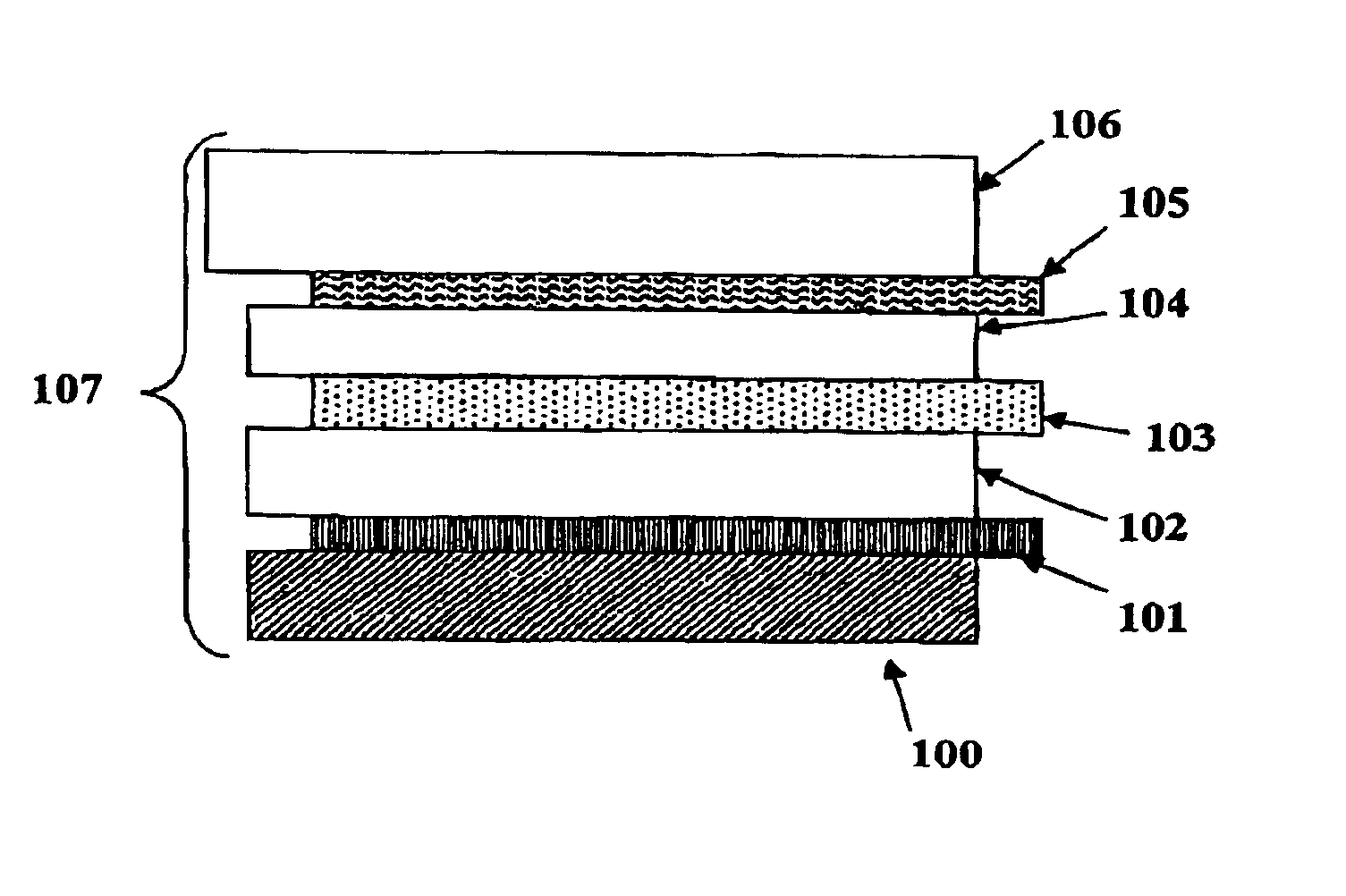
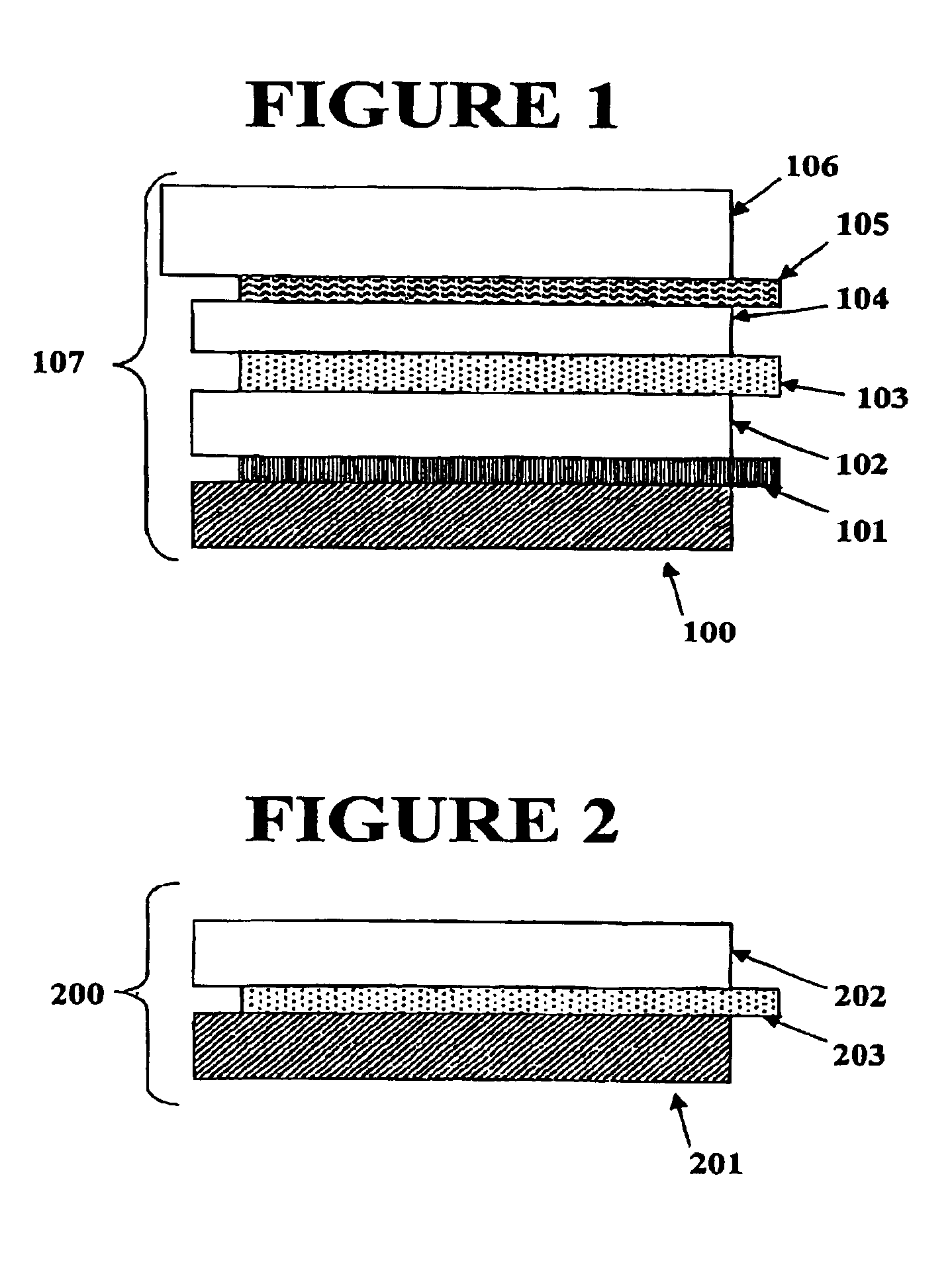
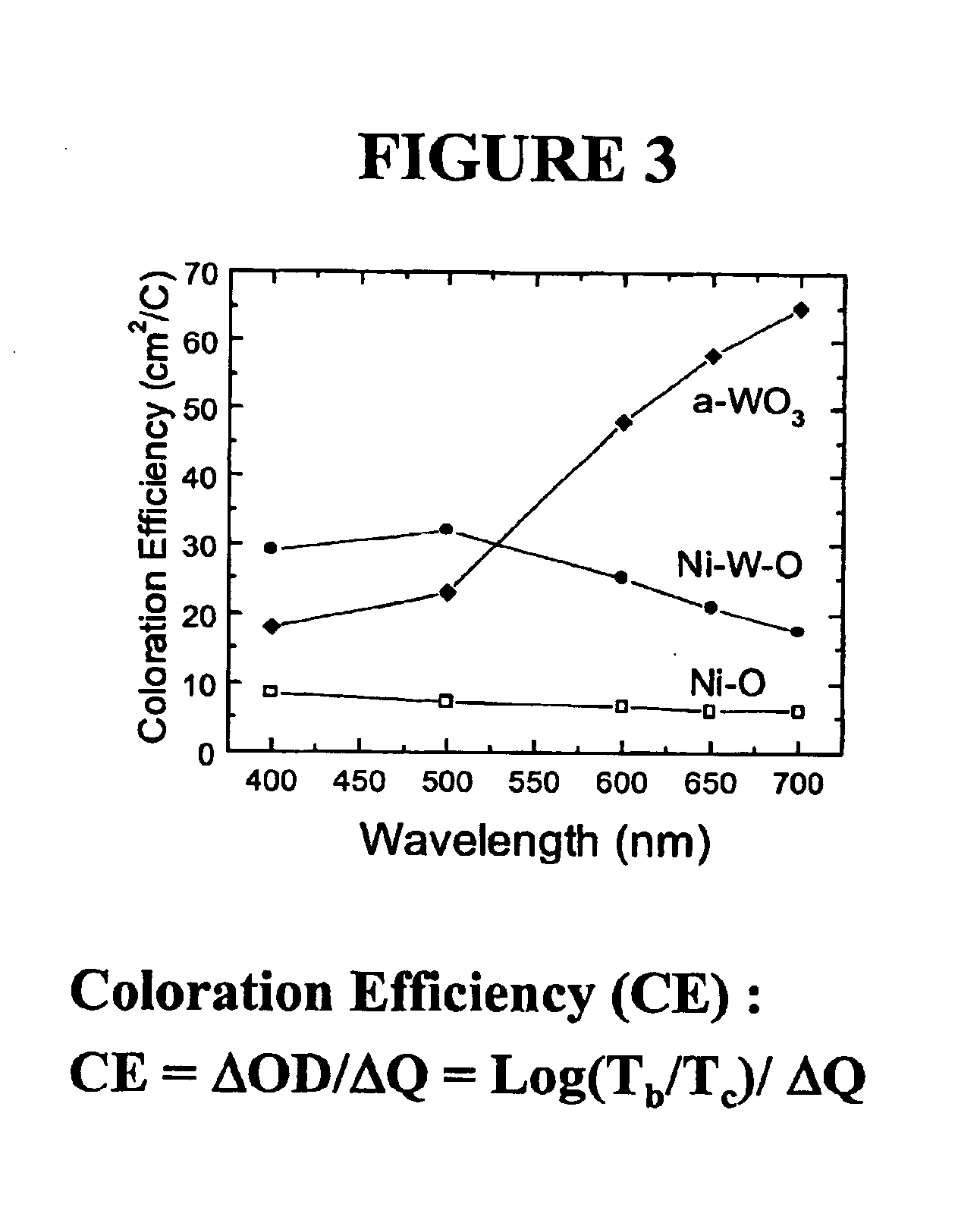

Electrochromic mirror
PatentInactiveEP2009492A2
Innovation
- An electrochromic mirror design featuring an electrically conductive reflective film with fine penetration holes, an electrochromic film, and an electrolytic solution containing lithium ions, where the electrically conductive film is made positive and the reflective film negative, allowing lithium ions to facilitate a reduction reaction in the electrochromic film, while maintaining a specific ratio of hole distance to diameter to minimize reflectance reduction and diffraction interference.


Energy Efficiency Standards for Smart Glass
Energy efficiency standards for smart glass, particularly electrochromic mirrors, have become increasingly critical as governments and regulatory bodies worldwide establish stringent requirements for building energy performance and automotive applications. The European Union's Energy Performance of Buildings Directive (EPBD) mandates that new buildings achieve near-zero energy consumption, driving demand for dynamic glazing solutions that can significantly reduce HVAC loads through intelligent solar heat gain control.
In the United States, the Department of Energy has established performance criteria for electrochromic windows under the ENERGY STAR program, requiring minimum visible light transmission ranges and switching speeds that directly correlate with coloration efficiency optimization. These standards specify that electrochromic devices must demonstrate at least 60% modulation in visible light transmission while maintaining optical clarity, creating pressure for manufacturers to enhance their CE performance to meet compliance thresholds.
The International Organization for Standardization (ISO) has developed ISO 18543 series standards specifically addressing electrochromic materials and devices, establishing test methodologies for measuring coloration efficiency, durability, and energy consumption during switching cycles. These standards require electrochromic mirrors to achieve specific CE values measured in square centimeters per coulomb, with minimum thresholds varying based on application categories such as architectural glazing versus automotive mirrors.
Automotive industry standards, particularly those established by the Society of Automotive Engineers (SAE), impose additional constraints on electrochromic mirror performance. SAE J1742 standard mandates that auto-dimming mirrors must transition between light and dark states within specified timeframes while consuming minimal power, directly linking regulatory compliance to coloration efficiency optimization efforts.
Regional variations in energy efficiency standards create complex compliance landscapes for manufacturers. California's Title 24 Building Energy Efficiency Standards include specific provisions for dynamic glazing systems, offering compliance credits for electrochromic windows that meet enhanced performance criteria. Similarly, China's Green Building Evaluation Standard incorporates electrochromic technology performance metrics into building certification processes.
These evolving standards continuously push the boundaries of required CE performance, necessitating ongoing research into advanced materials, optimized device architectures, and improved manufacturing processes to achieve compliance while maintaining commercial viability in competitive markets.
In the United States, the Department of Energy has established performance criteria for electrochromic windows under the ENERGY STAR program, requiring minimum visible light transmission ranges and switching speeds that directly correlate with coloration efficiency optimization. These standards specify that electrochromic devices must demonstrate at least 60% modulation in visible light transmission while maintaining optical clarity, creating pressure for manufacturers to enhance their CE performance to meet compliance thresholds.
The International Organization for Standardization (ISO) has developed ISO 18543 series standards specifically addressing electrochromic materials and devices, establishing test methodologies for measuring coloration efficiency, durability, and energy consumption during switching cycles. These standards require electrochromic mirrors to achieve specific CE values measured in square centimeters per coulomb, with minimum thresholds varying based on application categories such as architectural glazing versus automotive mirrors.
Automotive industry standards, particularly those established by the Society of Automotive Engineers (SAE), impose additional constraints on electrochromic mirror performance. SAE J1742 standard mandates that auto-dimming mirrors must transition between light and dark states within specified timeframes while consuming minimal power, directly linking regulatory compliance to coloration efficiency optimization efforts.
Regional variations in energy efficiency standards create complex compliance landscapes for manufacturers. California's Title 24 Building Energy Efficiency Standards include specific provisions for dynamic glazing systems, offering compliance credits for electrochromic windows that meet enhanced performance criteria. Similarly, China's Green Building Evaluation Standard incorporates electrochromic technology performance metrics into building certification processes.
These evolving standards continuously push the boundaries of required CE performance, necessitating ongoing research into advanced materials, optimized device architectures, and improved manufacturing processes to achieve compliance while maintaining commercial viability in competitive markets.
Manufacturing Scalability for CE-Optimized Devices
Manufacturing scalability represents a critical bottleneck in transitioning CE-optimized electrochromic mirrors from laboratory prototypes to commercial viability. Current production methods face significant challenges in maintaining the precise material uniformity and interface quality essential for high coloration efficiency across large-scale manufacturing operations. The complexity of multi-layer electrochromic device architectures, particularly those incorporating advanced ion storage layers and optimized electrolyte compositions, demands sophisticated process control that becomes exponentially more challenging at industrial scales.
Roll-to-roll processing emerges as the most promising pathway for achieving cost-effective mass production of CE-optimized devices. However, this approach requires fundamental adaptations of existing coating technologies to accommodate the stringent thickness tolerances and material purity requirements inherent in high-efficiency electrochromic systems. Sputtering and chemical vapor deposition processes must be redesigned to ensure consistent film properties across web widths exceeding several meters while maintaining the nanoscale precision critical for optimal ionic transport characteristics.
Quality control mechanisms present another substantial scalability challenge, as traditional inspection methods prove inadequate for detecting the subtle material variations that significantly impact coloration efficiency. Advanced in-line monitoring systems utilizing spectroscopic analysis and real-time electrical characterization become essential for maintaining device performance consistency. These systems must operate at production speeds while providing immediate feedback for process adjustments, requiring substantial investment in sensor technology and data processing capabilities.
Economic viability of scaled manufacturing depends heavily on yield optimization strategies that minimize material waste while maximizing throughput. The integration of predictive maintenance protocols and statistical process control becomes crucial for managing the complex interdependencies between processing parameters and final device performance. Supply chain considerations also play a vital role, as the specialized materials required for CE-optimized devices often involve limited supplier networks and long lead times that can constrain production scaling efforts.
Roll-to-roll processing emerges as the most promising pathway for achieving cost-effective mass production of CE-optimized devices. However, this approach requires fundamental adaptations of existing coating technologies to accommodate the stringent thickness tolerances and material purity requirements inherent in high-efficiency electrochromic systems. Sputtering and chemical vapor deposition processes must be redesigned to ensure consistent film properties across web widths exceeding several meters while maintaining the nanoscale precision critical for optimal ionic transport characteristics.
Quality control mechanisms present another substantial scalability challenge, as traditional inspection methods prove inadequate for detecting the subtle material variations that significantly impact coloration efficiency. Advanced in-line monitoring systems utilizing spectroscopic analysis and real-time electrical characterization become essential for maintaining device performance consistency. These systems must operate at production speeds while providing immediate feedback for process adjustments, requiring substantial investment in sensor technology and data processing capabilities.
Economic viability of scaled manufacturing depends heavily on yield optimization strategies that minimize material waste while maximizing throughput. The integration of predictive maintenance protocols and statistical process control becomes crucial for managing the complex interdependencies between processing parameters and final device performance. Supply chain considerations also play a vital role, as the specialized materials required for CE-optimized devices often involve limited supplier networks and long lead times that can constrain production scaling efforts.
Unlock deeper insights with Patsnap Eureka Quick Research — get a full tech report to explore trends and direct your research. Try now!
Generate Your Research Report Instantly with AI Agent
Supercharge your innovation with Patsnap Eureka AI Agent Platform!