

How to Optimize Thermal Management in Solid-State Transformers
APR 20, 20269 MIN READ
Generate Your Research Report Instantly with AI Agent
PatSnap Eureka helps you evaluate technical feasibility & market potential.
SST Thermal Challenges and Performance Goals
Solid-state transformers represent a paradigm shift in power conversion technology, yet their widespread adoption faces significant thermal management challenges that directly impact performance, reliability, and operational lifespan. The fundamental thermal challenge stems from the high power density inherent in SST designs, where multiple power electronic components including wide bandgap semiconductors, magnetic cores, and capacitors are densely packed within compact enclosures. This concentration generates substantial heat flux that must be effectively dissipated to maintain optimal operating temperatures.
The primary thermal bottleneck occurs at the semiconductor junction level, where silicon carbide and gallium nitride devices, despite their superior efficiency compared to traditional silicon components, still generate considerable heat during switching operations. These wide bandgap devices typically operate at junction temperatures ranging from 150°C to 200°C, requiring sophisticated thermal pathways to prevent thermal runaway and ensure reliable operation. The challenge intensifies when considering the thermal coupling between adjacent components, where heat generated by one element affects the thermal performance of neighboring devices.
Performance goals for SST thermal management encompass multiple critical parameters that define system viability. The primary objective involves maintaining semiconductor junction temperatures below manufacturer-specified limits while maximizing power throughput density. Current industry targets aim for power densities exceeding 10 kW/L while keeping junction temperatures below 175°C under full load conditions. Additionally, thermal cycling stress must be minimized to achieve operational lifespans of 20-25 years, comparable to conventional transformers.
Temperature uniformity across the SST system represents another crucial performance metric, as thermal gradients can create mechanical stress and reduce component reliability. The target specification typically requires temperature variations within 10°C across critical components during steady-state operation. Furthermore, transient thermal response must be optimized to handle rapid load changes without exceeding thermal limits, requiring thermal time constants that match electrical switching dynamics.
Efficiency preservation through effective thermal management constitutes a fundamental performance goal, as elevated temperatures directly impact semiconductor losses and magnetic core performance. The objective involves maintaining system efficiency above 98% across the full operating temperature range while ensuring thermal stability under various ambient conditions ranging from -40°C to 85°C for outdoor applications.
The primary thermal bottleneck occurs at the semiconductor junction level, where silicon carbide and gallium nitride devices, despite their superior efficiency compared to traditional silicon components, still generate considerable heat during switching operations. These wide bandgap devices typically operate at junction temperatures ranging from 150°C to 200°C, requiring sophisticated thermal pathways to prevent thermal runaway and ensure reliable operation. The challenge intensifies when considering the thermal coupling between adjacent components, where heat generated by one element affects the thermal performance of neighboring devices.
Performance goals for SST thermal management encompass multiple critical parameters that define system viability. The primary objective involves maintaining semiconductor junction temperatures below manufacturer-specified limits while maximizing power throughput density. Current industry targets aim for power densities exceeding 10 kW/L while keeping junction temperatures below 175°C under full load conditions. Additionally, thermal cycling stress must be minimized to achieve operational lifespans of 20-25 years, comparable to conventional transformers.
Temperature uniformity across the SST system represents another crucial performance metric, as thermal gradients can create mechanical stress and reduce component reliability. The target specification typically requires temperature variations within 10°C across critical components during steady-state operation. Furthermore, transient thermal response must be optimized to handle rapid load changes without exceeding thermal limits, requiring thermal time constants that match electrical switching dynamics.
Efficiency preservation through effective thermal management constitutes a fundamental performance goal, as elevated temperatures directly impact semiconductor losses and magnetic core performance. The objective involves maintaining system efficiency above 98% across the full operating temperature range while ensuring thermal stability under various ambient conditions ranging from -40°C to 85°C for outdoor applications.
Market Demand for Advanced SST Thermal Solutions
The global power electronics market is experiencing unprecedented growth driven by the increasing adoption of renewable energy systems, electric vehicles, and smart grid infrastructure. Solid-state transformers represent a critical enabling technology for these applications, offering superior efficiency, reduced size, and enhanced controllability compared to conventional magnetic transformers. However, thermal management remains the primary bottleneck limiting widespread SST deployment across various industrial sectors.
Data centers and cloud computing facilities constitute one of the largest market segments demanding advanced SST thermal solutions. These facilities require high power density conversion with minimal footprint, making thermal efficiency paramount for operational sustainability. The automotive industry, particularly electric vehicle manufacturers, represents another rapidly expanding market where compact, thermally optimized SSTs are essential for onboard charging systems and power distribution networks.
Renewable energy integration creates substantial demand for thermally robust SST solutions. Solar photovoltaic installations and wind farms require power conversion systems capable of operating reliably under extreme environmental conditions while maintaining high efficiency. Grid-tied applications demand SSTs with superior thermal performance to ensure continuous operation during peak load conditions and temperature fluctuations.
Industrial automation and manufacturing sectors increasingly require precise power control with high reliability standards. Advanced thermal management in SSTs enables deployment in harsh industrial environments where traditional transformers face limitations. The aerospace and defense industries represent niche but high-value markets demanding lightweight, thermally efficient power conversion solutions for mission-critical applications.
Market drivers include stringent energy efficiency regulations, carbon emission reduction mandates, and the growing emphasis on sustainable power infrastructure. The increasing cost of energy and cooling systems amplifies the economic incentive for thermally optimized SST solutions. Additionally, the miniaturization trend in electronic systems creates demand for compact power conversion with enhanced thermal performance.
Emerging applications in electric aircraft, marine propulsion systems, and high-speed rail transportation are creating new market opportunities for advanced SST thermal solutions. These applications require exceptional power-to-weight ratios and thermal reliability under dynamic operating conditions, driving innovation in thermal management technologies.
Data centers and cloud computing facilities constitute one of the largest market segments demanding advanced SST thermal solutions. These facilities require high power density conversion with minimal footprint, making thermal efficiency paramount for operational sustainability. The automotive industry, particularly electric vehicle manufacturers, represents another rapidly expanding market where compact, thermally optimized SSTs are essential for onboard charging systems and power distribution networks.
Renewable energy integration creates substantial demand for thermally robust SST solutions. Solar photovoltaic installations and wind farms require power conversion systems capable of operating reliably under extreme environmental conditions while maintaining high efficiency. Grid-tied applications demand SSTs with superior thermal performance to ensure continuous operation during peak load conditions and temperature fluctuations.
Industrial automation and manufacturing sectors increasingly require precise power control with high reliability standards. Advanced thermal management in SSTs enables deployment in harsh industrial environments where traditional transformers face limitations. The aerospace and defense industries represent niche but high-value markets demanding lightweight, thermally efficient power conversion solutions for mission-critical applications.
Market drivers include stringent energy efficiency regulations, carbon emission reduction mandates, and the growing emphasis on sustainable power infrastructure. The increasing cost of energy and cooling systems amplifies the economic incentive for thermally optimized SST solutions. Additionally, the miniaturization trend in electronic systems creates demand for compact power conversion with enhanced thermal performance.
Emerging applications in electric aircraft, marine propulsion systems, and high-speed rail transportation are creating new market opportunities for advanced SST thermal solutions. These applications require exceptional power-to-weight ratios and thermal reliability under dynamic operating conditions, driving innovation in thermal management technologies.
Current Thermal Limitations in SST Technology
Solid-state transformers face significant thermal challenges that fundamentally limit their operational efficiency and reliability. The primary thermal constraint stems from the high power density requirements, where SSTs must handle substantial electrical loads within compact form factors. This concentration of power processing creates intense heat generation that exceeds the thermal management capabilities of conventional cooling approaches.
Power semiconductor devices, particularly wide-bandgap materials like silicon carbide and gallium nitride, generate considerable heat during switching operations. Despite their superior efficiency compared to traditional silicon devices, these components still experience switching losses and conduction losses that manifest as thermal energy. The rapid switching frequencies employed in SSTs, often exceeding 20 kHz, exacerbate heat generation through increased switching losses.
Magnetic components present another critical thermal bottleneck in SST designs. High-frequency transformers and inductors experience core losses and copper losses that intensify with operating frequency. The magnetic materials used in these components have temperature-dependent characteristics, where excessive heating degrades magnetic permeability and increases core losses, creating a detrimental feedback loop.
Thermal coupling between components compounds the heat management challenge. Heat generated by power semiconductors affects nearby magnetic components and vice versa, creating localized hot spots that can exceed safe operating temperatures. This thermal interdependence makes it difficult to isolate and manage individual heat sources effectively.
Current cooling solutions struggle with the three-dimensional heat distribution within SST modules. Traditional heat sinks and forced air cooling primarily address surface-level heat removal but fail to manage internal thermal gradients effectively. The compact packaging requirements of SSTs limit the available space for conventional cooling infrastructure.
Junction temperature limitations impose strict operational boundaries on SST performance. Power semiconductors typically require junction temperatures below 150°C for silicon carbide devices, while magnetic materials begin experiencing significant performance degradation above 100°C. These temperature constraints directly limit the maximum power throughput and switching frequencies achievable in practical SST implementations.
Thermal cycling presents long-term reliability concerns, as repeated heating and cooling cycles induce mechanical stress in solder joints, wire bonds, and packaging materials. This thermal fatigue accelerates component degradation and reduces overall system lifespan, particularly problematic for grid-connected applications requiring decades of reliable operation.
Power semiconductor devices, particularly wide-bandgap materials like silicon carbide and gallium nitride, generate considerable heat during switching operations. Despite their superior efficiency compared to traditional silicon devices, these components still experience switching losses and conduction losses that manifest as thermal energy. The rapid switching frequencies employed in SSTs, often exceeding 20 kHz, exacerbate heat generation through increased switching losses.
Magnetic components present another critical thermal bottleneck in SST designs. High-frequency transformers and inductors experience core losses and copper losses that intensify with operating frequency. The magnetic materials used in these components have temperature-dependent characteristics, where excessive heating degrades magnetic permeability and increases core losses, creating a detrimental feedback loop.
Thermal coupling between components compounds the heat management challenge. Heat generated by power semiconductors affects nearby magnetic components and vice versa, creating localized hot spots that can exceed safe operating temperatures. This thermal interdependence makes it difficult to isolate and manage individual heat sources effectively.
Current cooling solutions struggle with the three-dimensional heat distribution within SST modules. Traditional heat sinks and forced air cooling primarily address surface-level heat removal but fail to manage internal thermal gradients effectively. The compact packaging requirements of SSTs limit the available space for conventional cooling infrastructure.
Junction temperature limitations impose strict operational boundaries on SST performance. Power semiconductors typically require junction temperatures below 150°C for silicon carbide devices, while magnetic materials begin experiencing significant performance degradation above 100°C. These temperature constraints directly limit the maximum power throughput and switching frequencies achievable in practical SST implementations.
Thermal cycling presents long-term reliability concerns, as repeated heating and cooling cycles induce mechanical stress in solder joints, wire bonds, and packaging materials. This thermal fatigue accelerates component degradation and reduces overall system lifespan, particularly problematic for grid-connected applications requiring decades of reliable operation.
Existing Thermal Optimization Solutions for SSTs
01 Liquid cooling systems for solid-state transformers
Liquid cooling systems utilize coolant fluids to absorb and dissipate heat generated by solid-state transformer components. These systems typically employ cooling channels, heat exchangers, or direct liquid contact with heat-generating components to maintain optimal operating temperatures. The liquid cooling approach provides efficient heat transfer capabilities and can handle high power density applications where air cooling is insufficient.- Liquid cooling systems for solid-state transformers: Liquid cooling systems utilize coolant fluids to absorb and dissipate heat generated by solid-state transformer components. These systems typically employ cooling channels, heat exchangers, or direct liquid contact with heat-generating components to maintain optimal operating temperatures. The liquid cooling approach provides efficient heat transfer capabilities and can handle high power densities in compact transformer designs.
- Heat sink and thermal interface materials integration: Heat sinks with optimized fin structures and thermal interface materials are employed to enhance heat dissipation from power electronic components in solid-state transformers. These solutions focus on maximizing surface area for convective cooling and minimizing thermal resistance between components and cooling structures. Advanced materials and geometric designs improve thermal conductivity pathways from heat sources to ambient environment.
- Phase change materials for thermal regulation: Phase change materials are incorporated into thermal management systems to absorb excess heat during peak load conditions through latent heat storage. These materials undergo phase transitions at specific temperatures, providing passive thermal buffering and temperature stabilization. The integration of phase change materials helps prevent thermal runaway and extends component lifespan by reducing temperature fluctuations.
- Active cooling with forced air convection: Forced air cooling systems employ fans, blowers, or air circulation mechanisms to enhance convective heat transfer from transformer components. These systems utilize optimized airflow patterns, ducting arrangements, and component placement strategies to maximize cooling efficiency. Active air cooling provides scalable thermal management solutions suitable for various power ratings and installation environments.
- Thermal monitoring and control systems: Integrated thermal monitoring systems utilize temperature sensors and control algorithms to actively manage cooling resources based on real-time thermal conditions. These systems enable predictive thermal management, dynamic cooling adjustment, and protection against overheating conditions. Advanced control strategies optimize energy efficiency while maintaining safe operating temperatures across varying load conditions.
02 Heat sink and thermal interface materials integration
Heat sinks with optimized fin structures and thermal interface materials are employed to enhance heat dissipation from power semiconductor devices in solid-state transformers. These solutions focus on maximizing surface area for heat transfer and minimizing thermal resistance between components and cooling structures. Advanced materials and geometric designs improve thermal conductivity pathways from heat sources to ambient environment.Expand Specific Solutions03 Active cooling with forced air convection
Forced air cooling systems incorporate fans, blowers, or air circulation mechanisms to enhance convective heat transfer from solid-state transformer components. These systems are designed with optimized airflow paths, duct configurations, and component placement to maximize cooling efficiency. Temperature sensors and control systems may be integrated to adjust cooling intensity based on thermal load conditions.Expand Specific Solutions04 Phase change materials and thermal energy storage
Phase change materials are incorporated into thermal management systems to absorb excess heat during peak load conditions through latent heat storage. These materials undergo solid-liquid phase transitions at specific temperatures, providing thermal buffering capabilities. The approach helps maintain stable operating temperatures and protects components from thermal spikes during transient conditions.Expand Specific Solutions05 Thermal monitoring and intelligent control systems
Advanced thermal management incorporates temperature sensors, monitoring circuits, and intelligent control algorithms to optimize cooling performance. These systems provide real-time thermal data acquisition, predictive thermal modeling, and adaptive cooling control based on operating conditions. Integration of thermal protection mechanisms ensures safe operation and prevents thermal-related failures in solid-state transformers.Expand Specific Solutions
Key Players in SST and Thermal Management Industry
The thermal management optimization in solid-state transformers represents an emerging yet rapidly evolving market segment within the broader power electronics industry. Currently in its growth phase, this sector is experiencing significant expansion driven by increasing demand for efficient power conversion systems across automotive, renewable energy, and industrial applications. The market demonstrates substantial potential with projected multi-billion dollar valuations as electrification trends accelerate globally. Technology maturity varies considerably among key players, with established companies like Toyota Motor Corp., BMW, and Schneider Electric leveraging decades of thermal management expertise from traditional applications, while specialized firms such as GaN Systems and Antora Energy focus on cutting-edge semiconductor and thermal storage solutions. Research institutions including Naval Research Laboratory and Chongqing University contribute fundamental innovations, while power system specialists like Sungrow Power Supply and Hitachi Energy bridge academic research with commercial applications, creating a competitive landscape characterized by diverse technological approaches and varying levels of commercial readiness.
ABB Research Ltd.
Technical Solution: ABB develops advanced thermal management solutions for solid-state transformers using liquid cooling systems with optimized heat exchanger designs. Their approach integrates phase change materials (PCMs) with forced convection cooling to maintain semiconductor junction temperatures below 125°C. The system employs intelligent thermal monitoring with real-time temperature feedback control, enabling dynamic adjustment of cooling flow rates based on load conditions. ABB's thermal interface materials achieve thermal conductivity values exceeding 5 W/mK, significantly improving heat transfer efficiency from power semiconductors to heat sinks.
Strengths: Proven industrial-scale implementation, comprehensive thermal monitoring systems. Weaknesses: Higher system complexity and maintenance requirements for liquid cooling infrastructure.
GaN Systems, Inc.
Technical Solution: GaN Systems focuses on semiconductor-level thermal optimization for solid-state transformers using gallium nitride (GaN) power devices with superior thermal characteristics. Their approach emphasizes device-level thermal design with optimized die attach materials and advanced packaging techniques that reduce thermal resistance by up to 40% compared to traditional silicon devices. The company develops thermal-aware switching algorithms that dynamically adjust operating parameters to maintain junction temperatures within safe limits while maximizing power throughput. Their GaN devices operate efficiently at junction temperatures up to 200°C, enabling more compact cooling solutions.
Strengths: Superior high-temperature operation capability, reduced cooling system complexity. Weaknesses: Limited to semiconductor-level solutions, requires system-level integration expertise.
Core Thermal Management Patents and Innovations
Thermal management device for heat generating power electronics incorporating high thermal conductivity pyrolytic graphite and cooling tubes
PatentActiveUS20180014435A1
Innovation
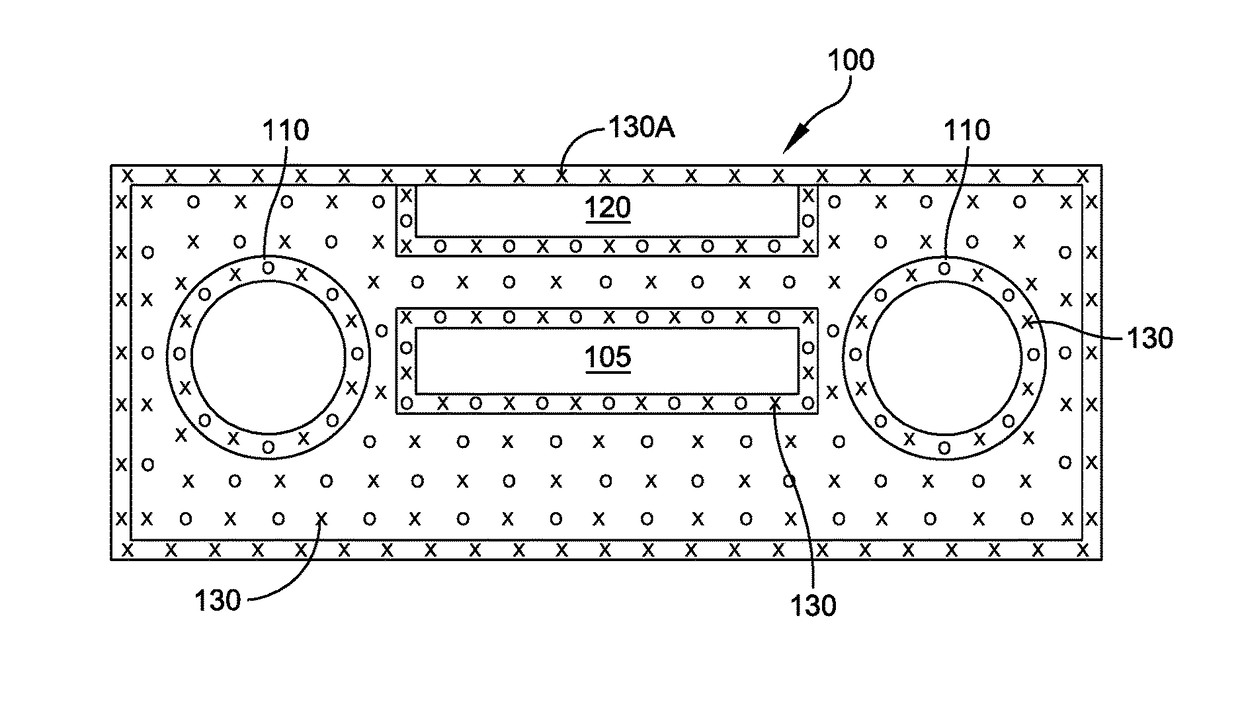
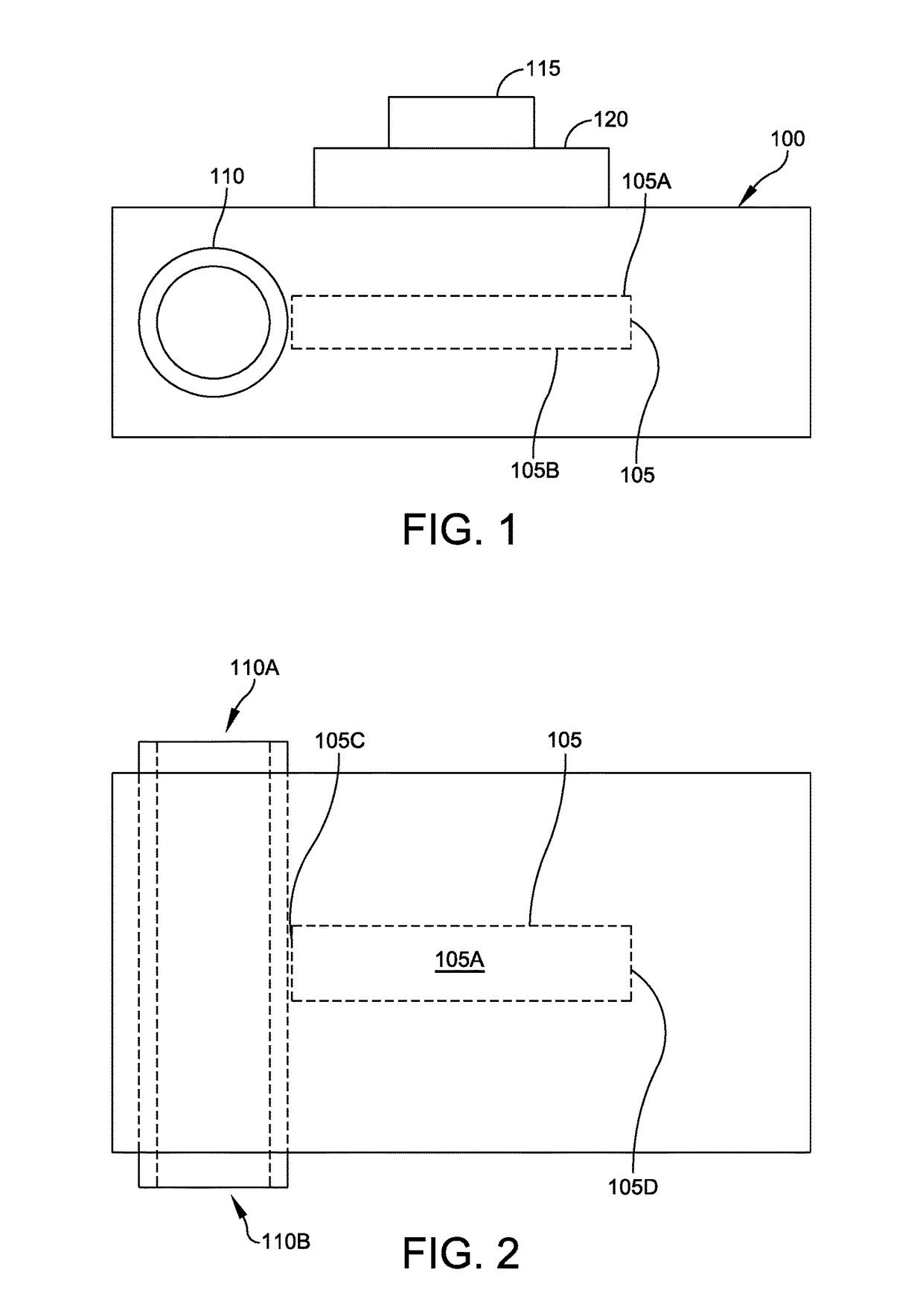
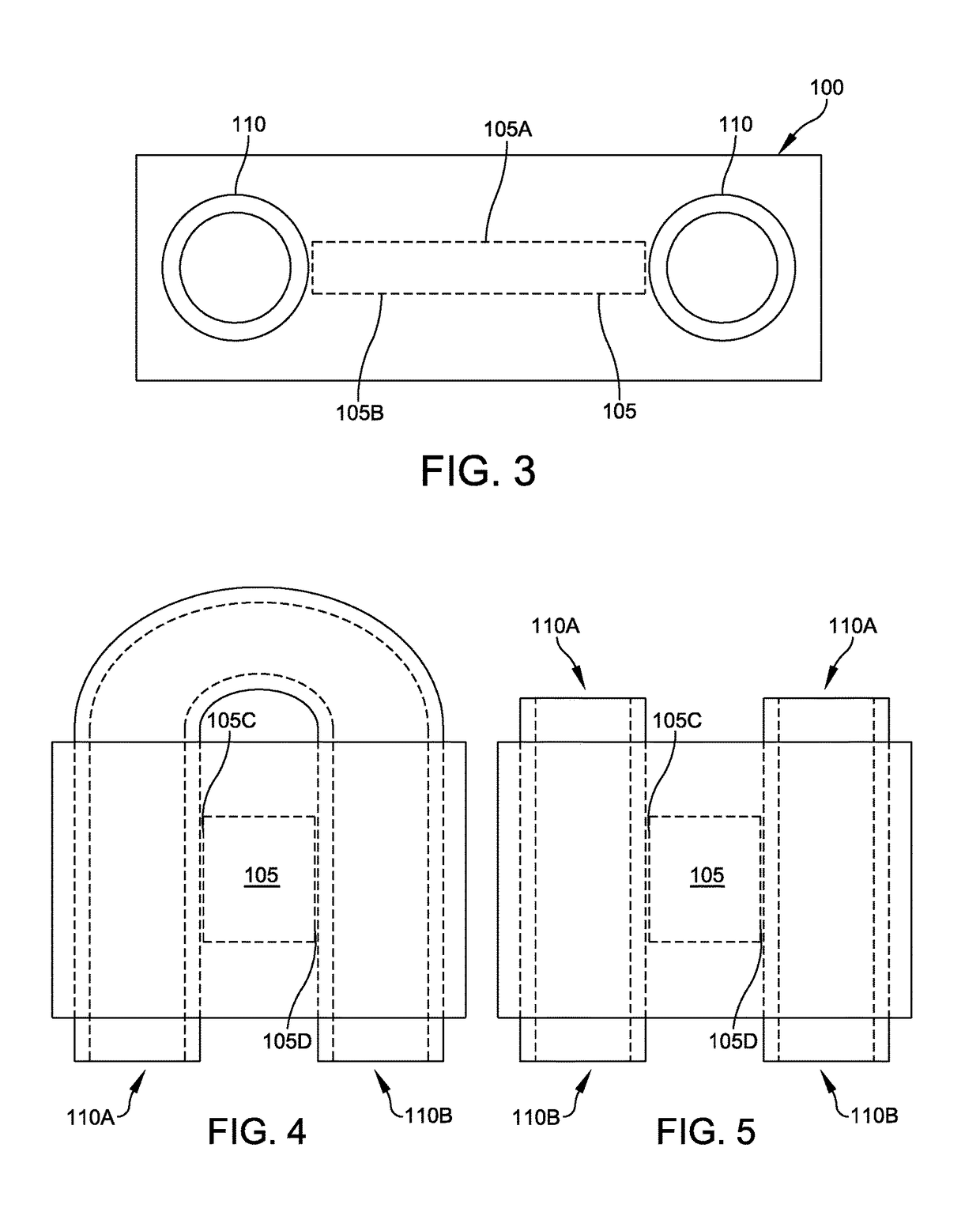
- A metal matrix composite (AlSiC) with integrated high thermal conductivity pyrolytic graphite (HTC-PG) and pressure-assisted aluminum interfaces, along with embedded cooling channels, minimizes thermal resistance and enhances heat dissipation by maximizing heat transfer to liquid coolant streams.

Assembly with a transformer
PatentInactiveEP2662871A3
Innovation
- A temperature-controlled system that adjusts the fan unit, oil pump, and water pump speeds based on the transformer's oil temperature, using an oil-air heat exchanger and an oil-water heat exchanger connected in series, to maintain a setpoint temperature or prevent temperature extremes, with an intermediate store to manage time-dependent temperature fluctuations.


Grid Integration Standards for SST Systems
The integration of solid-state transformers into existing electrical grids requires adherence to comprehensive standards that address both thermal performance and operational safety. Current grid integration standards for SST systems encompass multiple regulatory frameworks, including IEEE 1547 for distributed energy resources, IEC 61850 for communication protocols, and emerging IEEE 2030.10 specifically targeting SST applications. These standards establish fundamental requirements for thermal monitoring, protection systems, and grid synchronization capabilities.
Thermal management considerations are explicitly addressed within grid integration standards through mandatory temperature monitoring protocols and thermal protection requirements. Standards specify maximum operating temperatures for semiconductor devices, typically limiting junction temperatures to 125°C for silicon-based components and 200°C for silicon carbide devices. Additionally, thermal derating curves must be implemented to ensure reliable operation under varying ambient conditions and load profiles.
Grid codes increasingly require SST systems to demonstrate thermal stability during fault conditions and grid disturbances. This includes maintaining operation during voltage sags, frequency deviations, and harmonic distortion events while preventing thermal runaway scenarios. Standards mandate the implementation of thermal protection algorithms that can rapidly disconnect SST systems when predetermined temperature thresholds are exceeded, typically within 100 milliseconds of detection.
Interoperability standards play a crucial role in thermal management by establishing communication protocols for real-time thermal data exchange between SST systems and grid operators. IEC 61850-based communication enables continuous monitoring of thermal parameters, allowing for predictive maintenance and dynamic thermal management strategies. These protocols facilitate the transmission of critical thermal data including component temperatures, cooling system status, and thermal protection activation signals.
Emerging standards are addressing the unique thermal challenges posed by bidirectional power flow capabilities in SST systems. New requirements specify thermal performance criteria for both forward and reverse power operation modes, recognizing that thermal stress patterns differ significantly between these operational states. Standards also mandate thermal testing procedures that simulate realistic grid integration scenarios, including rapid load changes and power quality disturbances that can impact thermal behavior.
Future standard developments are focusing on adaptive thermal management requirements that leverage artificial intelligence and machine learning algorithms. These evolving standards will likely mandate predictive thermal control capabilities and require SST systems to demonstrate autonomous thermal optimization while maintaining grid stability and compliance with existing power quality standards.
Thermal management considerations are explicitly addressed within grid integration standards through mandatory temperature monitoring protocols and thermal protection requirements. Standards specify maximum operating temperatures for semiconductor devices, typically limiting junction temperatures to 125°C for silicon-based components and 200°C for silicon carbide devices. Additionally, thermal derating curves must be implemented to ensure reliable operation under varying ambient conditions and load profiles.
Grid codes increasingly require SST systems to demonstrate thermal stability during fault conditions and grid disturbances. This includes maintaining operation during voltage sags, frequency deviations, and harmonic distortion events while preventing thermal runaway scenarios. Standards mandate the implementation of thermal protection algorithms that can rapidly disconnect SST systems when predetermined temperature thresholds are exceeded, typically within 100 milliseconds of detection.
Interoperability standards play a crucial role in thermal management by establishing communication protocols for real-time thermal data exchange between SST systems and grid operators. IEC 61850-based communication enables continuous monitoring of thermal parameters, allowing for predictive maintenance and dynamic thermal management strategies. These protocols facilitate the transmission of critical thermal data including component temperatures, cooling system status, and thermal protection activation signals.
Emerging standards are addressing the unique thermal challenges posed by bidirectional power flow capabilities in SST systems. New requirements specify thermal performance criteria for both forward and reverse power operation modes, recognizing that thermal stress patterns differ significantly between these operational states. Standards also mandate thermal testing procedures that simulate realistic grid integration scenarios, including rapid load changes and power quality disturbances that can impact thermal behavior.
Future standard developments are focusing on adaptive thermal management requirements that leverage artificial intelligence and machine learning algorithms. These evolving standards will likely mandate predictive thermal control capabilities and require SST systems to demonstrate autonomous thermal optimization while maintaining grid stability and compliance with existing power quality standards.
Environmental Impact of SST Thermal Design
The environmental implications of thermal management strategies in solid-state transformers represent a critical consideration that extends beyond immediate operational efficiency to encompass broader sustainability objectives. Traditional thermal management approaches often rely on energy-intensive cooling systems and materials with significant environmental footprints, creating a paradox where the pursuit of thermal optimization may inadvertently compromise environmental goals.
Energy consumption patterns associated with active cooling systems constitute a primary environmental concern in SST thermal design. Conventional forced-air cooling and liquid cooling systems can account for 15-25% of total system energy consumption, directly impacting the carbon footprint of power conversion operations. The selection of cooling technologies must therefore balance thermal performance requirements against energy efficiency imperatives to minimize overall environmental impact.
Material selection for thermal management components presents another significant environmental dimension. Traditional thermal interface materials often contain compounds with limited recyclability or potential environmental hazards. The shift toward bio-based thermal compounds and recyclable heat sink materials reflects growing awareness of lifecycle environmental impacts. Advanced ceramic substrates and graphene-enhanced thermal materials offer superior performance while potentially reducing environmental burden through improved durability and recyclability.
Refrigerant selection in liquid cooling systems carries substantial environmental implications, particularly regarding global warming potential and ozone depletion characteristics. Modern SST thermal designs increasingly favor natural refrigerants or synthetic alternatives with minimal environmental impact, though these choices may require design modifications to maintain thermal performance standards.
The integration of renewable energy considerations into thermal management design represents an emerging environmental optimization strategy. Passive cooling techniques that leverage ambient conditions and thermal energy recovery systems can significantly reduce auxiliary power requirements while maintaining effective temperature control.
Lifecycle assessment methodologies are becoming essential tools for evaluating the comprehensive environmental impact of thermal management solutions, encompassing manufacturing, operational, and end-of-life phases to guide sustainable design decisions in SST development.
Energy consumption patterns associated with active cooling systems constitute a primary environmental concern in SST thermal design. Conventional forced-air cooling and liquid cooling systems can account for 15-25% of total system energy consumption, directly impacting the carbon footprint of power conversion operations. The selection of cooling technologies must therefore balance thermal performance requirements against energy efficiency imperatives to minimize overall environmental impact.
Material selection for thermal management components presents another significant environmental dimension. Traditional thermal interface materials often contain compounds with limited recyclability or potential environmental hazards. The shift toward bio-based thermal compounds and recyclable heat sink materials reflects growing awareness of lifecycle environmental impacts. Advanced ceramic substrates and graphene-enhanced thermal materials offer superior performance while potentially reducing environmental burden through improved durability and recyclability.
Refrigerant selection in liquid cooling systems carries substantial environmental implications, particularly regarding global warming potential and ozone depletion characteristics. Modern SST thermal designs increasingly favor natural refrigerants or synthetic alternatives with minimal environmental impact, though these choices may require design modifications to maintain thermal performance standards.
The integration of renewable energy considerations into thermal management design represents an emerging environmental optimization strategy. Passive cooling techniques that leverage ambient conditions and thermal energy recovery systems can significantly reduce auxiliary power requirements while maintaining effective temperature control.
Lifecycle assessment methodologies are becoming essential tools for evaluating the comprehensive environmental impact of thermal management solutions, encompassing manufacturing, operational, and end-of-life phases to guide sustainable design decisions in SST development.
Unlock deeper insights with PatSnap Eureka Quick Research — get a full tech report to explore trends and direct your research. Try now!
Generate Your Research Report Instantly with AI Agent
Supercharge your innovation with PatSnap Eureka AI Agent Platform!