

How to Optimize Turbofan Engine Workflow Systems
MAR 16, 20269 MIN READ
Generate Your Research Report Instantly with AI Agent
PatSnap Eureka helps you evaluate technical feasibility & market potential.
Turbofan Engine Workflow Background and Optimization Goals
Turbofan engines represent one of the most sophisticated propulsion systems in modern aviation, with their development spanning over seven decades since the first operational units in the 1940s. These engines have evolved from simple turbojet configurations to highly complex, multi-spool systems featuring advanced materials, sophisticated control systems, and intricate aerodynamic designs. The evolution has been driven by relentless demands for improved fuel efficiency, reduced emissions, enhanced reliability, and lower operational costs.
The historical progression of turbofan technology demonstrates a clear trajectory toward increasing bypass ratios, advanced materials integration, and sophisticated digital control systems. Early turbofan engines achieved bypass ratios of 1:1 to 2:1, while contemporary designs reach ratios exceeding 12:1. This evolution has been accompanied by the integration of composite materials, ceramic matrix composites, and advanced superalloys that enable higher operating temperatures and improved durability.
Current workflow optimization challenges stem from the inherent complexity of turbofan operations, which involve intricate interactions between multiple subsystems including fuel management, air flow control, thermal management, and performance monitoring. Traditional workflow systems often operate with limited real-time optimization capabilities, relying on predetermined operational parameters that may not adapt effectively to varying flight conditions, environmental factors, or component degradation over time.
The primary optimization goals center on achieving maximum thermodynamic efficiency while maintaining operational safety and component longevity. This involves optimizing the balance between core engine performance and bypass flow characteristics, minimizing fuel consumption across diverse operating conditions, and reducing maintenance requirements through predictive analytics and adaptive control strategies.
Advanced optimization objectives include implementing real-time performance adaptation based on atmospheric conditions, flight phase requirements, and engine health status. Modern systems aim to integrate artificial intelligence and machine learning algorithms to continuously refine operational parameters, predict maintenance needs, and optimize performance in ways that exceed traditional control system capabilities.
The strategic importance of workflow optimization extends beyond individual engine performance to encompass fleet-wide efficiency improvements, reduced environmental impact through lower emissions, and enhanced operational economics for airlines. These goals align with industry-wide initiatives toward sustainable aviation and the development of next-generation propulsion systems that can meet increasingly stringent environmental regulations while maintaining competitive operational costs.
The historical progression of turbofan technology demonstrates a clear trajectory toward increasing bypass ratios, advanced materials integration, and sophisticated digital control systems. Early turbofan engines achieved bypass ratios of 1:1 to 2:1, while contemporary designs reach ratios exceeding 12:1. This evolution has been accompanied by the integration of composite materials, ceramic matrix composites, and advanced superalloys that enable higher operating temperatures and improved durability.
Current workflow optimization challenges stem from the inherent complexity of turbofan operations, which involve intricate interactions between multiple subsystems including fuel management, air flow control, thermal management, and performance monitoring. Traditional workflow systems often operate with limited real-time optimization capabilities, relying on predetermined operational parameters that may not adapt effectively to varying flight conditions, environmental factors, or component degradation over time.
The primary optimization goals center on achieving maximum thermodynamic efficiency while maintaining operational safety and component longevity. This involves optimizing the balance between core engine performance and bypass flow characteristics, minimizing fuel consumption across diverse operating conditions, and reducing maintenance requirements through predictive analytics and adaptive control strategies.
Advanced optimization objectives include implementing real-time performance adaptation based on atmospheric conditions, flight phase requirements, and engine health status. Modern systems aim to integrate artificial intelligence and machine learning algorithms to continuously refine operational parameters, predict maintenance needs, and optimize performance in ways that exceed traditional control system capabilities.
The strategic importance of workflow optimization extends beyond individual engine performance to encompass fleet-wide efficiency improvements, reduced environmental impact through lower emissions, and enhanced operational economics for airlines. These goals align with industry-wide initiatives toward sustainable aviation and the development of next-generation propulsion systems that can meet increasingly stringent environmental regulations while maintaining competitive operational costs.
Market Demand for Advanced Turbofan Engine Systems
The global aviation industry is experiencing unprecedented growth, driving substantial demand for advanced turbofan engine systems with optimized workflow capabilities. Commercial aviation passenger traffic continues to expand rapidly, particularly in emerging markets across Asia-Pacific and Latin America, creating sustained pressure for more efficient and reliable propulsion systems. Airlines are increasingly prioritizing fuel efficiency, operational reliability, and reduced maintenance costs as key factors in their fleet acquisition decisions.
Environmental regulations and sustainability commitments are reshaping market requirements for turbofan engines. International aviation organizations have established stringent emissions targets, compelling manufacturers to develop engines with significantly improved fuel consumption and reduced carbon footprints. This regulatory landscape creates substantial market opportunities for engines incorporating advanced workflow optimization technologies that can deliver measurable environmental benefits while maintaining operational performance.
The military and defense sector represents another significant demand driver for optimized turbofan engine systems. Modern military aircraft require engines capable of operating under extreme conditions while maintaining peak performance across diverse mission profiles. Defense contractors are seeking propulsion systems with enhanced workflow management capabilities that can adapt to varying operational requirements and provide superior mission readiness.
Emerging applications in urban air mobility and advanced air transportation systems are creating new market segments for specialized turbofan engines. These applications demand highly optimized workflow systems capable of frequent start-stop cycles, rapid response times, and autonomous operation capabilities. The growing investment in electric vertical takeoff and landing aircraft and hybrid propulsion systems is expanding the addressable market for innovative engine technologies.
Maintenance, repair, and overhaul services constitute a substantial portion of the turbofan engine market ecosystem. Operators are increasingly demanding predictive maintenance capabilities and real-time performance monitoring systems that can optimize engine workflows throughout their operational lifecycle. This trend is driving market demand for engines equipped with advanced sensor networks, data analytics capabilities, and intelligent workflow management systems that can minimize unscheduled maintenance events and extend service intervals.
The competitive landscape is intensifying as established aerospace manufacturers face pressure to deliver next-generation propulsion systems while new entrants introduce disruptive technologies. Market demand is shifting toward engines that can demonstrate quantifiable improvements in operational efficiency, reduced total cost of ownership, and enhanced performance reliability through optimized workflow management systems.
Environmental regulations and sustainability commitments are reshaping market requirements for turbofan engines. International aviation organizations have established stringent emissions targets, compelling manufacturers to develop engines with significantly improved fuel consumption and reduced carbon footprints. This regulatory landscape creates substantial market opportunities for engines incorporating advanced workflow optimization technologies that can deliver measurable environmental benefits while maintaining operational performance.
The military and defense sector represents another significant demand driver for optimized turbofan engine systems. Modern military aircraft require engines capable of operating under extreme conditions while maintaining peak performance across diverse mission profiles. Defense contractors are seeking propulsion systems with enhanced workflow management capabilities that can adapt to varying operational requirements and provide superior mission readiness.
Emerging applications in urban air mobility and advanced air transportation systems are creating new market segments for specialized turbofan engines. These applications demand highly optimized workflow systems capable of frequent start-stop cycles, rapid response times, and autonomous operation capabilities. The growing investment in electric vertical takeoff and landing aircraft and hybrid propulsion systems is expanding the addressable market for innovative engine technologies.
Maintenance, repair, and overhaul services constitute a substantial portion of the turbofan engine market ecosystem. Operators are increasingly demanding predictive maintenance capabilities and real-time performance monitoring systems that can optimize engine workflows throughout their operational lifecycle. This trend is driving market demand for engines equipped with advanced sensor networks, data analytics capabilities, and intelligent workflow management systems that can minimize unscheduled maintenance events and extend service intervals.
The competitive landscape is intensifying as established aerospace manufacturers face pressure to deliver next-generation propulsion systems while new entrants introduce disruptive technologies. Market demand is shifting toward engines that can demonstrate quantifiable improvements in operational efficiency, reduced total cost of ownership, and enhanced performance reliability through optimized workflow management systems.
Current Turbofan Workflow Challenges and Technical Barriers
Turbofan engine workflow systems face significant operational challenges that impede optimal performance and efficiency. The primary constraint lies in the complex interdependencies between multiple subsystems, including fuel management, air intake regulation, combustion control, and exhaust optimization. These systems must operate in perfect synchronization while adapting to rapidly changing flight conditions, creating substantial coordination difficulties.
Thermal management represents a critical technical barrier in current turbofan workflows. Engine components experience extreme temperature variations during different operational phases, from idle ground operations to high-altitude cruise conditions. The existing thermal control systems struggle to maintain optimal temperature distributions across all engine sections simultaneously, leading to efficiency losses and accelerated component degradation.
Real-time data processing and decision-making capabilities present another major limitation. Modern turbofan engines generate massive amounts of sensor data from hundreds of monitoring points, but current workflow systems lack the computational capacity to process this information instantaneously. This delay in data analysis prevents immediate optimization adjustments and reduces overall system responsiveness.
Integration challenges between legacy control systems and modern digital technologies create workflow bottlenecks. Many existing turbofan engines operate with hybrid control architectures that combine analog and digital components, resulting in communication delays and compatibility issues. These integration problems limit the implementation of advanced optimization algorithms and predictive maintenance strategies.
Maintenance workflow coordination poses significant operational barriers. Current systems lack comprehensive predictive capabilities to anticipate component failures and optimize maintenance scheduling. This limitation results in either premature component replacements or unexpected failures that disrupt operational schedules and increase maintenance costs.
Environmental adaptation constraints further complicate workflow optimization. Turbofan engines must perform efficiently across diverse atmospheric conditions, altitudes, and weather patterns. Current workflow systems demonstrate limited adaptive capabilities when encountering extreme environmental conditions, such as high-altitude operations, severe weather, or contaminated air intake scenarios.
The complexity of multi-objective optimization presents a fundamental technical challenge. Turbofan workflow systems must simultaneously optimize for fuel efficiency, emissions reduction, noise minimization, and performance maximization. Current control algorithms struggle to balance these competing objectives effectively, often requiring manual intervention or accepting suboptimal compromises across different performance metrics.
Thermal management represents a critical technical barrier in current turbofan workflows. Engine components experience extreme temperature variations during different operational phases, from idle ground operations to high-altitude cruise conditions. The existing thermal control systems struggle to maintain optimal temperature distributions across all engine sections simultaneously, leading to efficiency losses and accelerated component degradation.
Real-time data processing and decision-making capabilities present another major limitation. Modern turbofan engines generate massive amounts of sensor data from hundreds of monitoring points, but current workflow systems lack the computational capacity to process this information instantaneously. This delay in data analysis prevents immediate optimization adjustments and reduces overall system responsiveness.
Integration challenges between legacy control systems and modern digital technologies create workflow bottlenecks. Many existing turbofan engines operate with hybrid control architectures that combine analog and digital components, resulting in communication delays and compatibility issues. These integration problems limit the implementation of advanced optimization algorithms and predictive maintenance strategies.
Maintenance workflow coordination poses significant operational barriers. Current systems lack comprehensive predictive capabilities to anticipate component failures and optimize maintenance scheduling. This limitation results in either premature component replacements or unexpected failures that disrupt operational schedules and increase maintenance costs.
Environmental adaptation constraints further complicate workflow optimization. Turbofan engines must perform efficiently across diverse atmospheric conditions, altitudes, and weather patterns. Current workflow systems demonstrate limited adaptive capabilities when encountering extreme environmental conditions, such as high-altitude operations, severe weather, or contaminated air intake scenarios.
The complexity of multi-objective optimization presents a fundamental technical challenge. Turbofan workflow systems must simultaneously optimize for fuel efficiency, emissions reduction, noise minimization, and performance maximization. Current control algorithms struggle to balance these competing objectives effectively, often requiring manual intervention or accepting suboptimal compromises across different performance metrics.
Current Turbofan Workflow Optimization Solutions
01 Turbofan engine cooling and thermal management systems
Advanced cooling systems are essential for managing the thermal loads in turbofan engines. These systems incorporate various cooling flow paths, heat exchangers, and thermal management strategies to maintain optimal operating temperatures for engine components. The cooling systems may include air-cooled or liquid-cooled configurations, with specific designs for cooling turbine blades, combustor sections, and other high-temperature components. Effective thermal management improves engine efficiency, extends component life, and enhances overall engine performance.- Turbofan engine cooling and thermal management systems: Advanced cooling systems are essential for managing the thermal loads in turbofan engines. These systems incorporate various cooling flow paths, heat exchangers, and thermal management strategies to maintain optimal operating temperatures for engine components. The cooling systems may include air-cooled or liquid-cooled configurations, with specific designs for cooling turbine blades, combustor sections, and other high-temperature components. Effective thermal management improves engine efficiency, extends component life, and enhances overall engine performance.
- Turbofan engine control and monitoring systems: Modern turbofan engines utilize sophisticated control and monitoring systems to optimize performance and ensure safe operation. These systems include electronic engine controllers, sensor networks, and diagnostic algorithms that continuously monitor engine parameters such as temperature, pressure, speed, and vibration. The control systems adjust fuel flow, variable geometry components, and other operational parameters in real-time to maintain desired performance levels. Advanced monitoring capabilities enable predictive maintenance and early detection of potential issues.
- Turbofan engine airflow management and bypass systems: Airflow management is critical in turbofan engine design, particularly in managing the bypass flow that contributes to thrust generation and fuel efficiency. These systems include variable area nozzles, bypass ducts, and flow control devices that optimize the ratio between core and bypass airflow. Advanced designs incorporate mechanisms for adjusting airflow distribution during different flight phases, improving overall propulsive efficiency. The bypass system architecture significantly impacts engine noise levels, fuel consumption, and thrust characteristics.
- Turbofan engine structural and mechanical systems: The structural integrity and mechanical systems of turbofan engines encompass the design and integration of various engine components including fan assemblies, compressor stages, turbine sections, and supporting structures. These systems address challenges related to mechanical stress, vibration damping, rotor dynamics, and load distribution. Advanced materials and manufacturing techniques are employed to reduce weight while maintaining structural strength. The mechanical systems also include bearing assemblies, shaft configurations, and mounting structures that ensure reliable operation under extreme conditions.
- Turbofan engine maintenance and diagnostic workflow systems: Comprehensive maintenance and diagnostic workflow systems are essential for ensuring turbofan engine reliability and availability. These systems integrate inspection procedures, repair protocols, and condition-based maintenance strategies. Advanced diagnostic tools utilize data analytics, machine learning algorithms, and health monitoring systems to predict component degradation and optimize maintenance schedules. The workflow systems streamline maintenance operations, reduce downtime, and improve overall fleet management efficiency through systematic approaches to engine servicing and overhaul processes.
02 Turbofan engine control and monitoring systems
Modern turbofan engines utilize sophisticated control and monitoring systems to optimize performance and ensure safe operation. These systems include electronic engine controllers, sensor networks, and data processing units that continuously monitor engine parameters such as temperature, pressure, speed, and vibration. The control systems adjust fuel flow, variable geometry components, and other operational parameters in real-time to maintain desired performance levels. Advanced diagnostic capabilities enable predictive maintenance and fault detection, reducing downtime and improving reliability.Expand Specific Solutions03 Turbofan engine fan and compressor configurations
The fan and compressor sections of turbofan engines feature various design configurations to optimize airflow and pressure ratios. These include multi-stage axial compressors, variable inlet guide vanes, and advanced blade geometries. The fan section may incorporate wide-chord blades, composite materials, and noise reduction features. Compressor designs focus on achieving high pressure ratios while maintaining efficiency across different operating conditions. Innovations in aerodynamic design and materials selection contribute to improved fuel efficiency and reduced emissions.Expand Specific Solutions04 Turbofan engine combustion and fuel delivery systems
Combustion systems in turbofan engines are designed to achieve efficient fuel burning while minimizing emissions. These systems include fuel injectors, combustor liners, and ignition systems that ensure reliable operation across various flight conditions. Advanced fuel delivery systems provide precise control of fuel flow and atomization, enabling optimal combustion efficiency. Combustor designs incorporate features for reducing nitrogen oxide emissions, improving flame stability, and managing combustion dynamics. The integration of alternative fuels and lean-burn technologies represents ongoing developments in this area.Expand Specific Solutions05 Turbofan engine structural and mechanical systems
The structural and mechanical systems of turbofan engines encompass the framework, mounting systems, and mechanical linkages that support engine operation. These include engine casings, bearing systems, shaft assemblies, and accessory drive mechanisms. Structural designs must withstand high mechanical loads, thermal stresses, and vibration while minimizing weight. Advanced materials such as titanium alloys, nickel-based superalloys, and composite materials are employed to achieve optimal strength-to-weight ratios. Mechanical systems also include thrust reverser mechanisms, variable geometry actuation systems, and engine mounting configurations that facilitate installation and maintenance.Expand Specific Solutions
Major Players in Turbofan Engine Development Industry
The turbofan engine workflow optimization sector represents a mature, high-barrier industry dominated by established aerospace giants including General Electric Company, Rolls-Royce Plc, Safran Aircraft Engines, RTX Corp. (formerly United Technologies), and MTU Aero Engines AG. The market demonstrates significant consolidation with these major players controlling substantial market share through decades of technological development and strategic partnerships. Technology maturity varies across subsystems, with traditional mechanical components reaching advanced stages while digital optimization, AI-driven predictive maintenance, and hybrid-electric propulsion systems remain in active development phases. Companies like Boeing, IHI Corp., and Siemens AG contribute specialized technologies for workflow integration and control systems. The competitive landscape shows increasing focus on fuel efficiency, emissions reduction, and digitalization, with newer entrants like Sonic Blue Aerospace exploring disruptive technologies, though market entry remains challenging due to extensive certification requirements and capital intensity.
General Electric Company
Technical Solution: GE has developed advanced digital twin technology for turbofan engines, integrating real-time data analytics with predictive maintenance algorithms. Their workflow optimization system utilizes machine learning models to analyze engine performance parameters, fuel consumption patterns, and component wear rates. The system employs advanced sensor networks and IoT connectivity to continuously monitor engine health, enabling proactive maintenance scheduling and operational efficiency improvements. GE's LEAP engine incorporates ceramic matrix composites and additive manufacturing techniques to reduce weight while maintaining structural integrity. Their digital workflow management platform processes over 50 terabytes of operational data daily, providing insights for fuel efficiency optimization and maintenance cost reduction.
Strengths: Industry-leading digital twin technology, extensive operational data analytics capabilities, proven track record in commercial aviation. Weaknesses: High implementation costs, complex integration requirements with existing systems.
Safran Aircraft Engines SAS
Technical Solution: Safran has implemented comprehensive workflow optimization through their LEAP engine program, focusing on advanced materials integration and manufacturing process efficiency. Their system incorporates real-time monitoring of combustion efficiency, thermal management, and component lifecycle tracking. The workflow optimization includes predictive analytics for maintenance scheduling, automated quality control systems during manufacturing, and supply chain integration for just-in-time component delivery. Safran's approach emphasizes modular design principles, enabling rapid component replacement and reduced maintenance downtime. Their digital manufacturing platform utilizes artificial intelligence to optimize production workflows, reducing manufacturing time by approximately 25% while maintaining quality standards.
Strengths: Strong focus on advanced materials technology, efficient manufacturing processes, excellent partnership ecosystem. Weaknesses: Limited market presence compared to GE, dependency on collaborative partnerships for complete solutions.
Core Technologies in Turbofan Engine Workflow Enhancement
Turbofan engine and corresponding method of operating
PatentActiveEP3485146A1
Innovation
- Incorporating splitter airfoils into the fan design, with dimensions less than the corresponding airfoils, to increase local solidity and prevent flow separation, thereby enhancing aerodynamic performance and reducing weight and manufacturing complexity.
Turbofan engine assembly and method of assembling same
PatentInactiveUS20080120839A1
Innovation
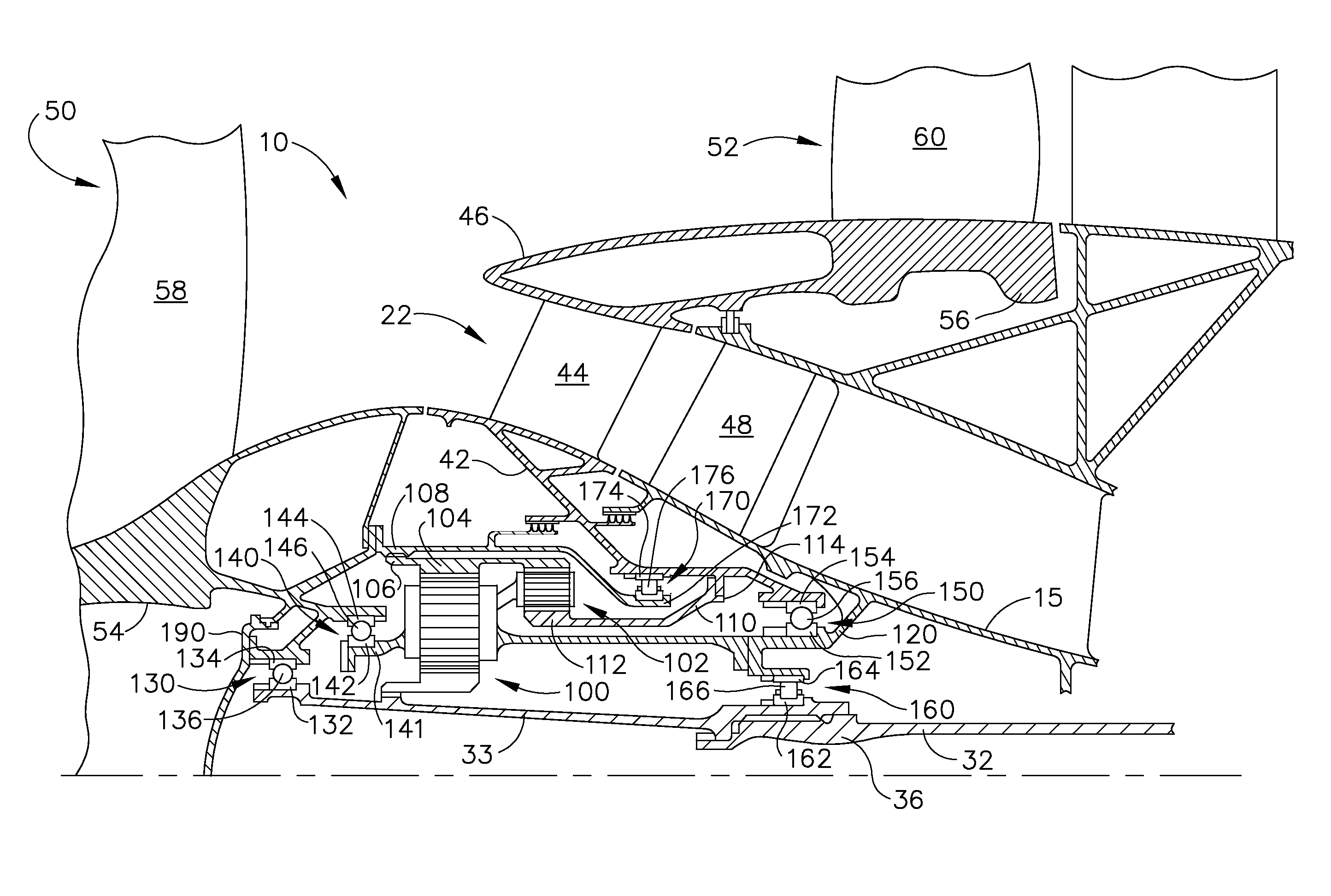
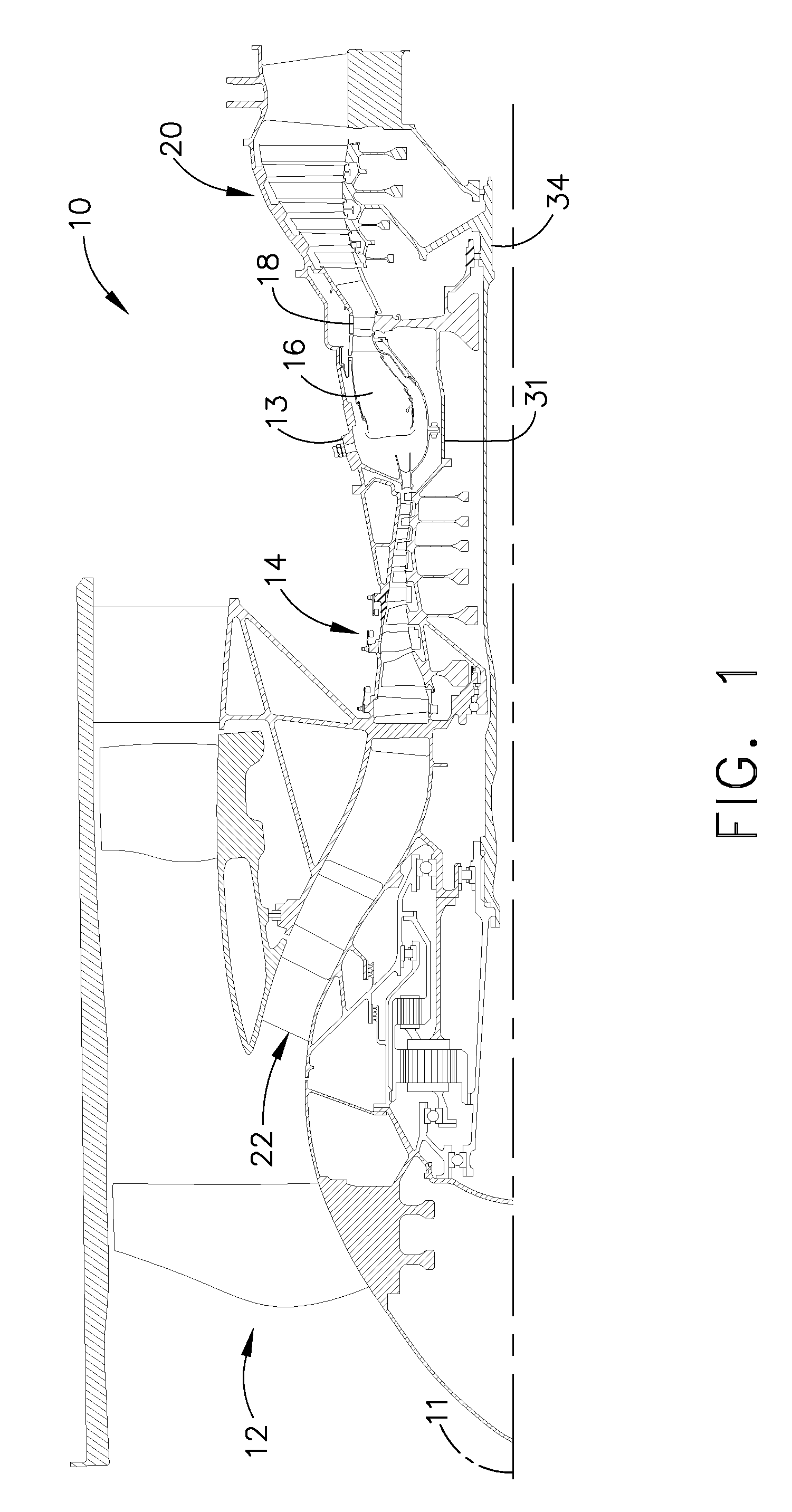
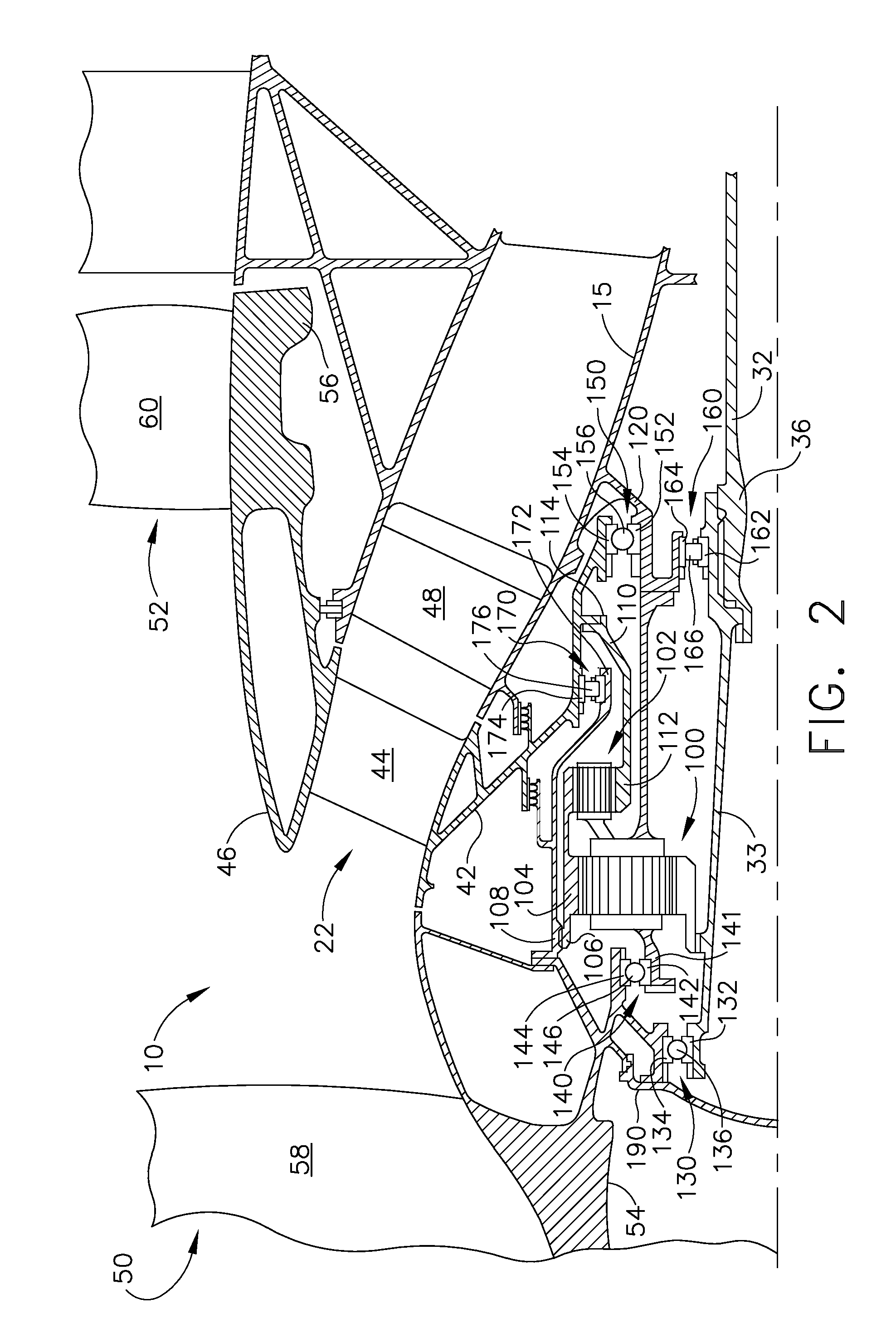
- A turbofan engine assembly design that includes a core gas turbine engine with a high-pressure compressor and turbine, coupled with a first gearbox driving a counter-rotating fan assembly and a second gearbox driving a counter-rotating booster compressor, allowing the booster compressor to rotate in the opposite direction of the fan assembly, utilizing a system of gearboxes and bearing assemblies to manage rotational speeds and thrust loads.
Aviation Safety Regulations and Certification Requirements
Aviation safety regulations and certification requirements form the cornerstone of turbofan engine workflow system optimization, establishing mandatory frameworks that govern every aspect of engine design, manufacturing, and operational procedures. The Federal Aviation Administration (FAA) Part 25 and Part 33 regulations, alongside European Aviation Safety Agency (EASA) CS-25 and CS-E standards, define comprehensive airworthiness requirements that directly impact workflow optimization strategies. These regulations mandate rigorous documentation, traceability, and quality assurance protocols throughout the engine lifecycle.
The certification process for turbofan engines requires extensive validation of workflow systems through Type Certificate (TC) applications, which demand detailed demonstration of compliance with safety standards. Engine manufacturers must establish approved workflow procedures that meet stringent requirements for design organization approval (DOA) and production organization approval (POA). These certifications necessitate implementation of robust quality management systems, including AS9100 aerospace quality standards and ISO 14001 environmental management protocols.
Regulatory compliance significantly influences workflow optimization by requiring implementation of specific safety management systems (SMS) and risk assessment methodologies. The International Civil Aviation Organization (ICAO) Annex 19 mandates systematic hazard identification and risk management processes that must be integrated into engine workflow systems. These requirements drive the adoption of advanced monitoring technologies, predictive maintenance protocols, and real-time performance tracking systems.
Certification authorities impose strict change control procedures that affect workflow modification processes. Any optimization initiative must undergo rigorous approval processes, including supplemental type certificates (STC) or amended type certificates (ATC) when modifications impact certified configurations. This regulatory framework necessitates comprehensive documentation of workflow changes, validation testing, and demonstration of continued airworthiness compliance.
The evolving regulatory landscape, including emerging requirements for sustainable aviation fuels (SAF) compatibility and reduced emissions standards, creates new challenges for workflow optimization. Recent regulatory developments emphasize environmental compliance, requiring integration of carbon footprint monitoring and emission control systems into engine workflow processes. These requirements drive innovation in workflow automation, digital twin technologies, and advanced analytics capabilities to ensure regulatory compliance while maintaining operational efficiency.
The certification process for turbofan engines requires extensive validation of workflow systems through Type Certificate (TC) applications, which demand detailed demonstration of compliance with safety standards. Engine manufacturers must establish approved workflow procedures that meet stringent requirements for design organization approval (DOA) and production organization approval (POA). These certifications necessitate implementation of robust quality management systems, including AS9100 aerospace quality standards and ISO 14001 environmental management protocols.
Regulatory compliance significantly influences workflow optimization by requiring implementation of specific safety management systems (SMS) and risk assessment methodologies. The International Civil Aviation Organization (ICAO) Annex 19 mandates systematic hazard identification and risk management processes that must be integrated into engine workflow systems. These requirements drive the adoption of advanced monitoring technologies, predictive maintenance protocols, and real-time performance tracking systems.
Certification authorities impose strict change control procedures that affect workflow modification processes. Any optimization initiative must undergo rigorous approval processes, including supplemental type certificates (STC) or amended type certificates (ATC) when modifications impact certified configurations. This regulatory framework necessitates comprehensive documentation of workflow changes, validation testing, and demonstration of continued airworthiness compliance.
The evolving regulatory landscape, including emerging requirements for sustainable aviation fuels (SAF) compatibility and reduced emissions standards, creates new challenges for workflow optimization. Recent regulatory developments emphasize environmental compliance, requiring integration of carbon footprint monitoring and emission control systems into engine workflow processes. These requirements drive innovation in workflow automation, digital twin technologies, and advanced analytics capabilities to ensure regulatory compliance while maintaining operational efficiency.
Environmental Impact and Emission Control Standards
The aviation industry faces unprecedented pressure to reduce its environmental footprint, with turbofan engines being a primary focus due to their significant contribution to aircraft emissions. Current international regulations, including ICAO's Carbon Offsetting and Reduction Scheme for International Aviation (CORSIA) and the European Union's Emissions Trading System, establish stringent limits on nitrogen oxides (NOx), carbon monoxide (CO), unburned hydrocarbons (HC), and particulate matter emissions. These standards directly influence turbofan engine workflow optimization strategies, requiring manufacturers to balance performance efficiency with environmental compliance.
Modern emission control standards mandate specific limits across different flight phases, with takeoff and landing cycles receiving particular scrutiny. The ICAO Annex 16 Environmental Protection standards set maximum emission indices for NOx at 40.052 grams per kilonewton of thrust, while future regulations propose even stricter limits. These requirements necessitate advanced combustion optimization techniques within turbofan workflow systems, including lean-burn combustor designs and staged fuel injection processes that minimize pollutant formation during critical operational phases.
Particulate matter emissions, particularly ultrafine particles and black carbon, have emerged as critical environmental concerns affecting both air quality and climate change. Recent studies indicate that optimized turbofan workflow systems can reduce particulate emissions by up to 30% through improved fuel atomization, enhanced mixing processes, and precise control of combustion chamber temperatures. These improvements require sophisticated workflow management systems that continuously monitor and adjust operational parameters to maintain optimal combustion conditions while meeting emission thresholds.
The implementation of Sustainable Aviation Fuels (SAF) introduces additional complexity to emission control strategies within turbofan workflow optimization. SAF compatibility requires modified fuel system workflows, adjusted combustion parameters, and enhanced monitoring capabilities to ensure consistent emission performance across different fuel compositions. Current standards allow up to 50% SAF blending ratios, with ongoing research targeting 100% SAF operations, demanding adaptive workflow systems capable of real-time optimization based on fuel characteristics and environmental conditions.
Future emission control standards are expected to incorporate lifecycle carbon assessments and noise pollution metrics, expanding the scope of turbofan workflow optimization beyond traditional combustion emissions. These evolving requirements will necessitate integrated approach combining advanced materials, artificial intelligence-driven control systems, and predictive maintenance strategies to achieve comprehensive environmental compliance while maintaining operational efficiency and safety standards.
Modern emission control standards mandate specific limits across different flight phases, with takeoff and landing cycles receiving particular scrutiny. The ICAO Annex 16 Environmental Protection standards set maximum emission indices for NOx at 40.052 grams per kilonewton of thrust, while future regulations propose even stricter limits. These requirements necessitate advanced combustion optimization techniques within turbofan workflow systems, including lean-burn combustor designs and staged fuel injection processes that minimize pollutant formation during critical operational phases.
Particulate matter emissions, particularly ultrafine particles and black carbon, have emerged as critical environmental concerns affecting both air quality and climate change. Recent studies indicate that optimized turbofan workflow systems can reduce particulate emissions by up to 30% through improved fuel atomization, enhanced mixing processes, and precise control of combustion chamber temperatures. These improvements require sophisticated workflow management systems that continuously monitor and adjust operational parameters to maintain optimal combustion conditions while meeting emission thresholds.
The implementation of Sustainable Aviation Fuels (SAF) introduces additional complexity to emission control strategies within turbofan workflow optimization. SAF compatibility requires modified fuel system workflows, adjusted combustion parameters, and enhanced monitoring capabilities to ensure consistent emission performance across different fuel compositions. Current standards allow up to 50% SAF blending ratios, with ongoing research targeting 100% SAF operations, demanding adaptive workflow systems capable of real-time optimization based on fuel characteristics and environmental conditions.
Future emission control standards are expected to incorporate lifecycle carbon assessments and noise pollution metrics, expanding the scope of turbofan workflow optimization beyond traditional combustion emissions. These evolving requirements will necessitate integrated approach combining advanced materials, artificial intelligence-driven control systems, and predictive maintenance strategies to achieve comprehensive environmental compliance while maintaining operational efficiency and safety standards.
Unlock deeper insights with PatSnap Eureka Quick Research — get a full tech report to explore trends and direct your research. Try now!
Generate Your Research Report Instantly with AI Agent
Supercharge your innovation with PatSnap Eureka AI Agent Platform!