

How to Predict Maintenance Cycles for Dry Vacuum Pumps Using Predictive Analytics
MAY 19, 20269 MIN READ
Generate Your Research Report Instantly with AI Agent
PatSnap Eureka helps you evaluate technical feasibility & market potential.
Predictive Maintenance Background and Objectives for Dry Vacuum Pumps
Dry vacuum pumps have evolved significantly since their introduction in the 1980s, transforming from simple mechanical devices to sophisticated systems integral to modern industrial processes. These pumps operate without oil or water as sealing fluids, making them essential for applications requiring contamination-free environments such as semiconductor manufacturing, pharmaceutical production, and analytical instrumentation. The technology has progressed through multiple generations, incorporating advanced materials, improved rotor designs, and enhanced sealing mechanisms to achieve higher performance and reliability standards.
The evolution of predictive maintenance in industrial equipment has paralleled the advancement of dry vacuum pump technology. Traditional maintenance approaches relied heavily on scheduled interventions based on manufacturer recommendations or reactive repairs following equipment failures. However, the increasing complexity of modern manufacturing processes and the critical role of dry vacuum pumps in production lines have necessitated more sophisticated maintenance strategies that can anticipate failures before they occur.
Current technological trends indicate a convergence of Internet of Things sensors, machine learning algorithms, and cloud computing platforms to enable real-time monitoring and predictive analytics for industrial equipment. For dry vacuum pumps specifically, this technological evolution addresses the unique challenges posed by their operating characteristics, including variable load conditions, temperature fluctuations, and the gradual degradation of internal components such as rotors, seals, and bearings.
The primary objective of implementing predictive analytics for dry vacuum pump maintenance is to transition from reactive and preventive maintenance models to a proactive, data-driven approach. This transformation aims to optimize equipment uptime by predicting component failures with sufficient lead time to schedule maintenance activities during planned production breaks, thereby minimizing unscheduled downtime and associated production losses.
Secondary objectives include extending equipment lifespan through optimized maintenance intervals, reducing maintenance costs by eliminating unnecessary interventions, and improving overall equipment effectiveness. The predictive maintenance framework seeks to establish precise maintenance cycles based on actual equipment condition rather than generic time-based schedules, enabling more efficient resource allocation and inventory management for spare parts and maintenance personnel.
Advanced predictive analytics implementation targets the development of comprehensive digital twins for dry vacuum pumps, incorporating real-time operational data, historical performance patterns, and environmental factors to create accurate predictive models. These models aim to achieve prediction accuracies exceeding 85% for critical failure modes while providing maintenance recommendations with confidence intervals and risk assessments to support informed decision-making processes.
The evolution of predictive maintenance in industrial equipment has paralleled the advancement of dry vacuum pump technology. Traditional maintenance approaches relied heavily on scheduled interventions based on manufacturer recommendations or reactive repairs following equipment failures. However, the increasing complexity of modern manufacturing processes and the critical role of dry vacuum pumps in production lines have necessitated more sophisticated maintenance strategies that can anticipate failures before they occur.
Current technological trends indicate a convergence of Internet of Things sensors, machine learning algorithms, and cloud computing platforms to enable real-time monitoring and predictive analytics for industrial equipment. For dry vacuum pumps specifically, this technological evolution addresses the unique challenges posed by their operating characteristics, including variable load conditions, temperature fluctuations, and the gradual degradation of internal components such as rotors, seals, and bearings.
The primary objective of implementing predictive analytics for dry vacuum pump maintenance is to transition from reactive and preventive maintenance models to a proactive, data-driven approach. This transformation aims to optimize equipment uptime by predicting component failures with sufficient lead time to schedule maintenance activities during planned production breaks, thereby minimizing unscheduled downtime and associated production losses.
Secondary objectives include extending equipment lifespan through optimized maintenance intervals, reducing maintenance costs by eliminating unnecessary interventions, and improving overall equipment effectiveness. The predictive maintenance framework seeks to establish precise maintenance cycles based on actual equipment condition rather than generic time-based schedules, enabling more efficient resource allocation and inventory management for spare parts and maintenance personnel.
Advanced predictive analytics implementation targets the development of comprehensive digital twins for dry vacuum pumps, incorporating real-time operational data, historical performance patterns, and environmental factors to create accurate predictive models. These models aim to achieve prediction accuracies exceeding 85% for critical failure modes while providing maintenance recommendations with confidence intervals and risk assessments to support informed decision-making processes.
Market Demand Analysis for Vacuum Pump Predictive Maintenance
The global vacuum pump market has experienced substantial growth driven by increasing automation across manufacturing industries, with predictive maintenance emerging as a critical value proposition. Industrial facilities utilizing dry vacuum pumps face significant operational challenges, including unexpected equipment failures that can result in costly production downtime and emergency repair expenses. The semiconductor manufacturing sector, pharmaceutical production, and chemical processing industries represent the largest demand segments for predictive maintenance solutions, as these sectors require continuous operation and cannot tolerate unplanned equipment failures.
Market drivers for vacuum pump predictive maintenance solutions stem from the growing emphasis on operational efficiency and cost reduction. Manufacturing facilities are increasingly adopting Industry 4.0 principles, creating demand for intelligent monitoring systems that can predict equipment failures before they occur. The shift from reactive to proactive maintenance strategies has become essential as companies seek to optimize total cost of ownership and extend equipment lifespan.
The semiconductor industry demonstrates particularly strong demand for predictive maintenance capabilities due to the critical nature of vacuum systems in wafer fabrication processes. Any unexpected pump failure can contaminate entire production batches, resulting in substantial financial losses. Similarly, pharmaceutical manufacturers require consistent vacuum performance for freeze-drying processes and sterile packaging operations, making predictive maintenance a regulatory and operational necessity.
Emerging market opportunities exist in developing regions where industrial automation is accelerating. Countries expanding their manufacturing capabilities are increasingly adopting advanced maintenance strategies from the outset, rather than retrofitting existing systems. This trend creates significant growth potential for predictive analytics solutions specifically designed for vacuum pump applications.
The market landscape shows increasing integration of IoT sensors, machine learning algorithms, and cloud-based analytics platforms. End users are demanding comprehensive solutions that not only predict maintenance needs but also provide actionable insights for optimizing pump performance and energy consumption. This evolution from simple condition monitoring to intelligent predictive systems represents a fundamental shift in market expectations and creates opportunities for innovative solution providers.
Market drivers for vacuum pump predictive maintenance solutions stem from the growing emphasis on operational efficiency and cost reduction. Manufacturing facilities are increasingly adopting Industry 4.0 principles, creating demand for intelligent monitoring systems that can predict equipment failures before they occur. The shift from reactive to proactive maintenance strategies has become essential as companies seek to optimize total cost of ownership and extend equipment lifespan.
The semiconductor industry demonstrates particularly strong demand for predictive maintenance capabilities due to the critical nature of vacuum systems in wafer fabrication processes. Any unexpected pump failure can contaminate entire production batches, resulting in substantial financial losses. Similarly, pharmaceutical manufacturers require consistent vacuum performance for freeze-drying processes and sterile packaging operations, making predictive maintenance a regulatory and operational necessity.
Emerging market opportunities exist in developing regions where industrial automation is accelerating. Countries expanding their manufacturing capabilities are increasingly adopting advanced maintenance strategies from the outset, rather than retrofitting existing systems. This trend creates significant growth potential for predictive analytics solutions specifically designed for vacuum pump applications.
The market landscape shows increasing integration of IoT sensors, machine learning algorithms, and cloud-based analytics platforms. End users are demanding comprehensive solutions that not only predict maintenance needs but also provide actionable insights for optimizing pump performance and energy consumption. This evolution from simple condition monitoring to intelligent predictive systems represents a fundamental shift in market expectations and creates opportunities for innovative solution providers.
Current State and Challenges in Dry Vacuum Pump Monitoring
The current landscape of dry vacuum pump monitoring reveals a significant technological gap between traditional maintenance approaches and the sophisticated predictive analytics capabilities required for modern industrial applications. Most existing monitoring systems rely on basic parameter tracking such as temperature, pressure, and vibration levels, but lack the advanced data integration and analytical frameworks necessary for accurate maintenance cycle prediction.
Contemporary monitoring solutions predominantly employ reactive maintenance strategies, where interventions occur only after performance degradation becomes apparent or catastrophic failures happen. This approach results in substantial operational inefficiencies, with industry reports indicating that unplanned downtime costs can exceed 15-20% of total operational expenses in vacuum-dependent manufacturing processes.
The technical infrastructure supporting current dry vacuum pump monitoring faces several critical limitations. Sensor integration remains fragmented, with many systems operating in isolation without centralized data aggregation capabilities. Data collection frequencies are often insufficient for capturing subtle performance variations that could indicate impending maintenance needs, typically sampling at intervals measured in minutes rather than seconds or milliseconds required for comprehensive condition assessment.
Machine learning implementation in existing monitoring systems is largely rudimentary, with most solutions limited to threshold-based alerting rather than sophisticated pattern recognition and predictive modeling. The absence of standardized data formats across different pump manufacturers creates additional complexity, hindering the development of universal predictive maintenance algorithms that could operate across diverse equipment portfolios.
Data quality represents another fundamental challenge, as current monitoring systems frequently suffer from sensor drift, calibration inconsistencies, and environmental interference that compromise the reliability of collected information. Without high-quality, consistent data streams, predictive analytics models cannot achieve the accuracy levels necessary for confident maintenance scheduling decisions.
The integration of operational context into monitoring systems remains underdeveloped. Current solutions typically focus on equipment-specific parameters while failing to incorporate broader operational variables such as process load variations, environmental conditions, and usage patterns that significantly influence maintenance requirements. This narrow focus limits the effectiveness of predictive models and reduces their practical applicability in real-world industrial environments.
Furthermore, the lack of comprehensive historical maintenance databases constrains the development of robust predictive models. Many organizations maintain fragmented maintenance records that cannot be effectively leveraged for machine learning applications, creating a significant barrier to implementing data-driven maintenance strategies.
Contemporary monitoring solutions predominantly employ reactive maintenance strategies, where interventions occur only after performance degradation becomes apparent or catastrophic failures happen. This approach results in substantial operational inefficiencies, with industry reports indicating that unplanned downtime costs can exceed 15-20% of total operational expenses in vacuum-dependent manufacturing processes.
The technical infrastructure supporting current dry vacuum pump monitoring faces several critical limitations. Sensor integration remains fragmented, with many systems operating in isolation without centralized data aggregation capabilities. Data collection frequencies are often insufficient for capturing subtle performance variations that could indicate impending maintenance needs, typically sampling at intervals measured in minutes rather than seconds or milliseconds required for comprehensive condition assessment.
Machine learning implementation in existing monitoring systems is largely rudimentary, with most solutions limited to threshold-based alerting rather than sophisticated pattern recognition and predictive modeling. The absence of standardized data formats across different pump manufacturers creates additional complexity, hindering the development of universal predictive maintenance algorithms that could operate across diverse equipment portfolios.
Data quality represents another fundamental challenge, as current monitoring systems frequently suffer from sensor drift, calibration inconsistencies, and environmental interference that compromise the reliability of collected information. Without high-quality, consistent data streams, predictive analytics models cannot achieve the accuracy levels necessary for confident maintenance scheduling decisions.
The integration of operational context into monitoring systems remains underdeveloped. Current solutions typically focus on equipment-specific parameters while failing to incorporate broader operational variables such as process load variations, environmental conditions, and usage patterns that significantly influence maintenance requirements. This narrow focus limits the effectiveness of predictive models and reduces their practical applicability in real-world industrial environments.
Furthermore, the lack of comprehensive historical maintenance databases constrains the development of robust predictive models. Many organizations maintain fragmented maintenance records that cannot be effectively leveraged for machine learning applications, creating a significant barrier to implementing data-driven maintenance strategies.
Existing Predictive Maintenance Solutions for Vacuum Systems
01 Predictive maintenance scheduling systems
Advanced monitoring systems that utilize sensors and data analytics to predict optimal maintenance intervals for dry vacuum pumps. These systems track performance parameters, operating conditions, and wear patterns to determine when maintenance should be performed, reducing unexpected failures and extending equipment life through condition-based maintenance strategies.- Predictive maintenance scheduling systems: Advanced monitoring systems that utilize sensors and data analytics to predict optimal maintenance intervals for dry vacuum pumps. These systems track performance parameters, operating conditions, and wear patterns to determine when maintenance should be performed, reducing unexpected failures and extending equipment life.
- Condition monitoring and diagnostic methods: Technologies for real-time monitoring of pump condition through various diagnostic techniques including vibration analysis, temperature monitoring, and performance parameter tracking. These methods enable early detection of potential issues and help optimize maintenance timing based on actual equipment condition rather than fixed schedules.
- Automated maintenance cycle optimization: Systems that automatically adjust maintenance intervals based on operating conditions, usage patterns, and environmental factors. These technologies use machine learning algorithms and historical data to continuously refine maintenance schedules for maximum efficiency and cost-effectiveness.
- Component-specific maintenance intervals: Methodologies for establishing different maintenance cycles for various pump components based on their individual wear characteristics and failure modes. This approach recognizes that different parts of the vacuum pump system may require maintenance at different intervals to optimize overall system reliability.
- Maintenance cycle documentation and tracking: Systems for recording, tracking, and managing maintenance activities and schedules for dry vacuum pumps. These solutions provide comprehensive documentation of maintenance history, enable compliance with regulatory requirements, and support data-driven decisions for future maintenance planning.
02 Automated maintenance cycle optimization
Systems and methods for automatically adjusting maintenance schedules based on real-time operating data and historical performance trends. These approaches use algorithms to optimize maintenance intervals, balancing equipment reliability with operational efficiency while minimizing downtime and maintenance costs.Expand Specific Solutions03 Component-specific maintenance intervals
Maintenance strategies that establish different service cycles for various pump components based on their individual wear characteristics and failure modes. This approach recognizes that different parts of dry vacuum pumps have varying lifespans and maintenance requirements, allowing for more targeted and efficient maintenance planning.Expand Specific Solutions04 Environmental condition-based maintenance adjustment
Methods for modifying maintenance cycles based on environmental factors and operating conditions that affect pump performance and component degradation. These systems account for variables such as temperature, humidity, contamination levels, and duty cycles to establish appropriate maintenance frequencies for different operating environments.Expand Specific Solutions05 Integrated maintenance monitoring and control systems
Comprehensive systems that combine real-time monitoring, maintenance scheduling, and control functions to manage dry vacuum pump maintenance cycles. These integrated approaches provide centralized management of maintenance activities, including scheduling, tracking, and documentation of all maintenance procedures and component replacements.Expand Specific Solutions
Key Players in Vacuum Pump and Predictive Analytics Industry
The predictive maintenance market for dry vacuum pumps is experiencing rapid growth, driven by increasing adoption of Industry 4.0 technologies and the critical need for operational efficiency in semiconductor manufacturing and industrial processes. The market is currently in an expansion phase, with significant opportunities emerging from the integration of IoT sensors, machine learning algorithms, and cloud-based analytics platforms. Technology maturity varies considerably across market players, with established companies like Pfeiffer Vacuum SAS, LEYBOLD AG, and MKS Inc. leading in advanced predictive analytics implementation, while industrial giants such as Toshiba Corp., Caterpillar Inc., and Daikin Industries are leveraging their extensive operational data and manufacturing expertise to develop sophisticated maintenance prediction models. Emerging players like SKY Technology Development and Zhongkeyi Semiconductor Equipment are rapidly advancing their capabilities, particularly in specialized applications, indicating a competitive landscape where traditional vacuum technology expertise is converging with cutting-edge data science methodologies.
Pfeiffer Vacuum SAS
Technical Solution: Pfeiffer Vacuum has developed comprehensive predictive maintenance solutions for dry vacuum pumps utilizing IoT sensors and machine learning algorithms. Their system continuously monitors critical parameters including vibration patterns, temperature fluctuations, power consumption, and pump performance metrics. The predictive analytics platform processes real-time data to identify degradation patterns and predict component failures before they occur. Their maintenance prediction models incorporate historical failure data, operating conditions, and environmental factors to generate accurate maintenance schedules, typically extending pump life by 20-30% while reducing unplanned downtime by up to 40%.
Strengths: Deep domain expertise in vacuum technology, comprehensive sensor integration, proven track record in industrial applications. Weaknesses: Limited to vacuum pump applications, requires significant initial investment for sensor infrastructure.
Caterpillar, Inc.
Technical Solution: Caterpillar has developed comprehensive predictive maintenance solutions through their Cat Connect technology platform, which can be adapted for dry vacuum pump applications. Their system combines IoT sensors, telematics, and advanced analytics to monitor equipment health and predict maintenance needs. The platform analyzes operational data including runtime hours, load factors, temperature variations, and performance degradation patterns. Their predictive algorithms utilize machine learning models trained on extensive fleet data to forecast component wear and optimal maintenance intervals. The system provides maintenance alerts with recommended actions and parts requirements, typically reducing unplanned downtime by 30-40% and extending equipment life by 15-20% through optimized maintenance scheduling.
Strengths: Extensive experience in heavy equipment maintenance, robust data analytics platform, proven reliability in harsh industrial environments. Weaknesses: Primarily designed for mobile equipment, may require adaptation for stationary vacuum pump applications.
Core Technologies in Pump Health Monitoring and Analytics
Precision Diagnostic Method For The Failure Protection And Predictive Maintenance Of A Vacuum Pump And A Precision Diagnostic System Therefor
PatentInactiveUS20080109185A1
Innovation
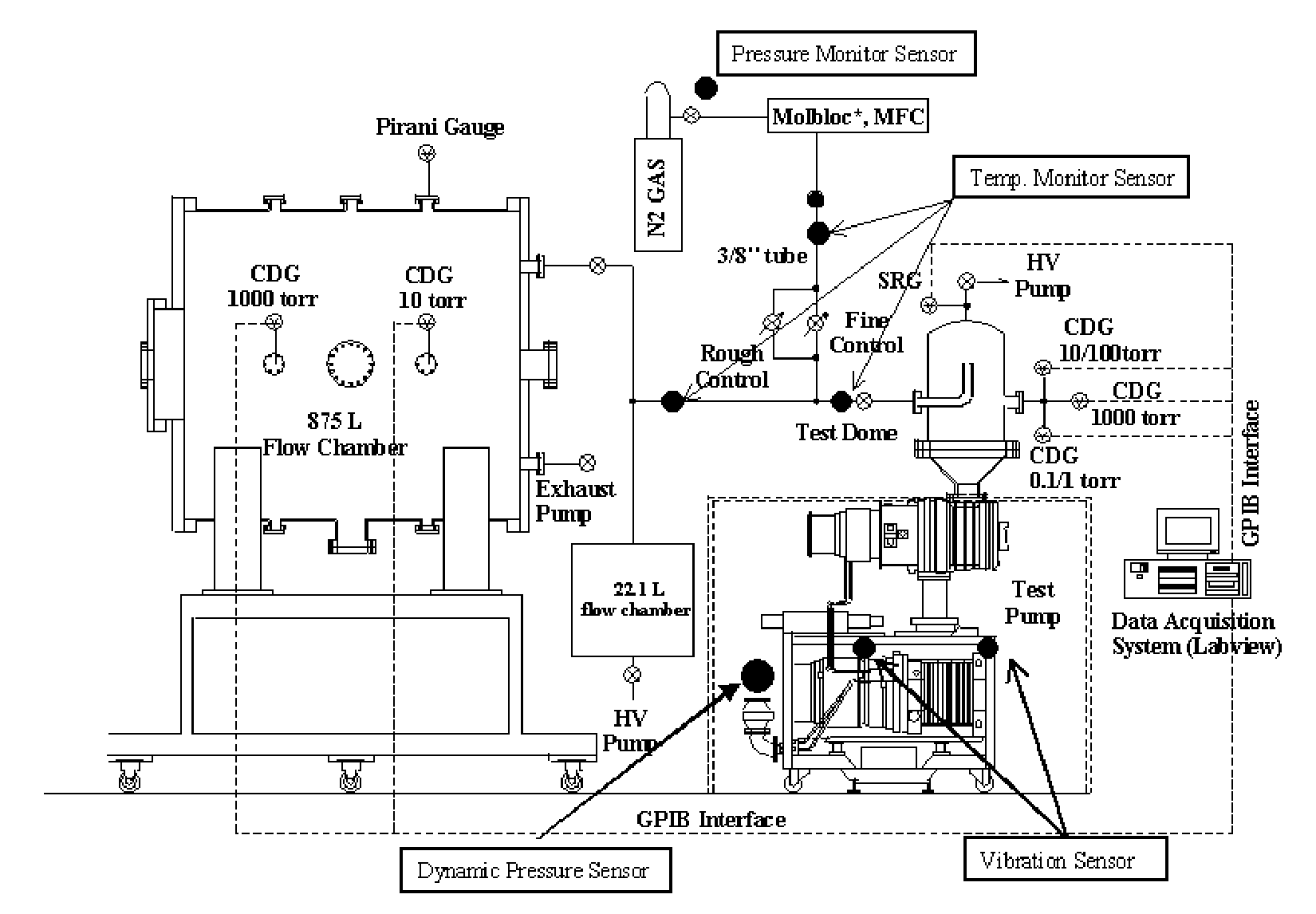
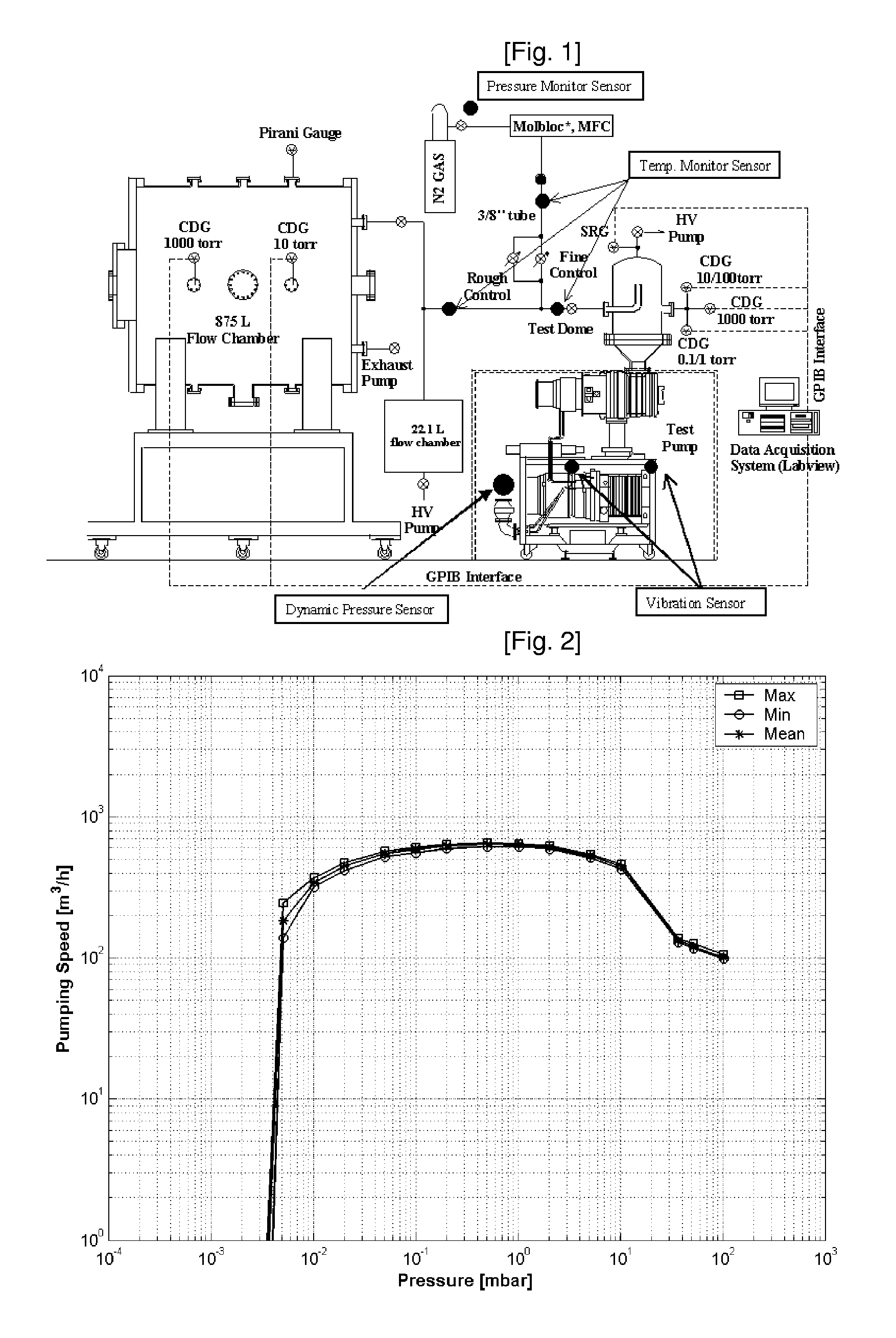
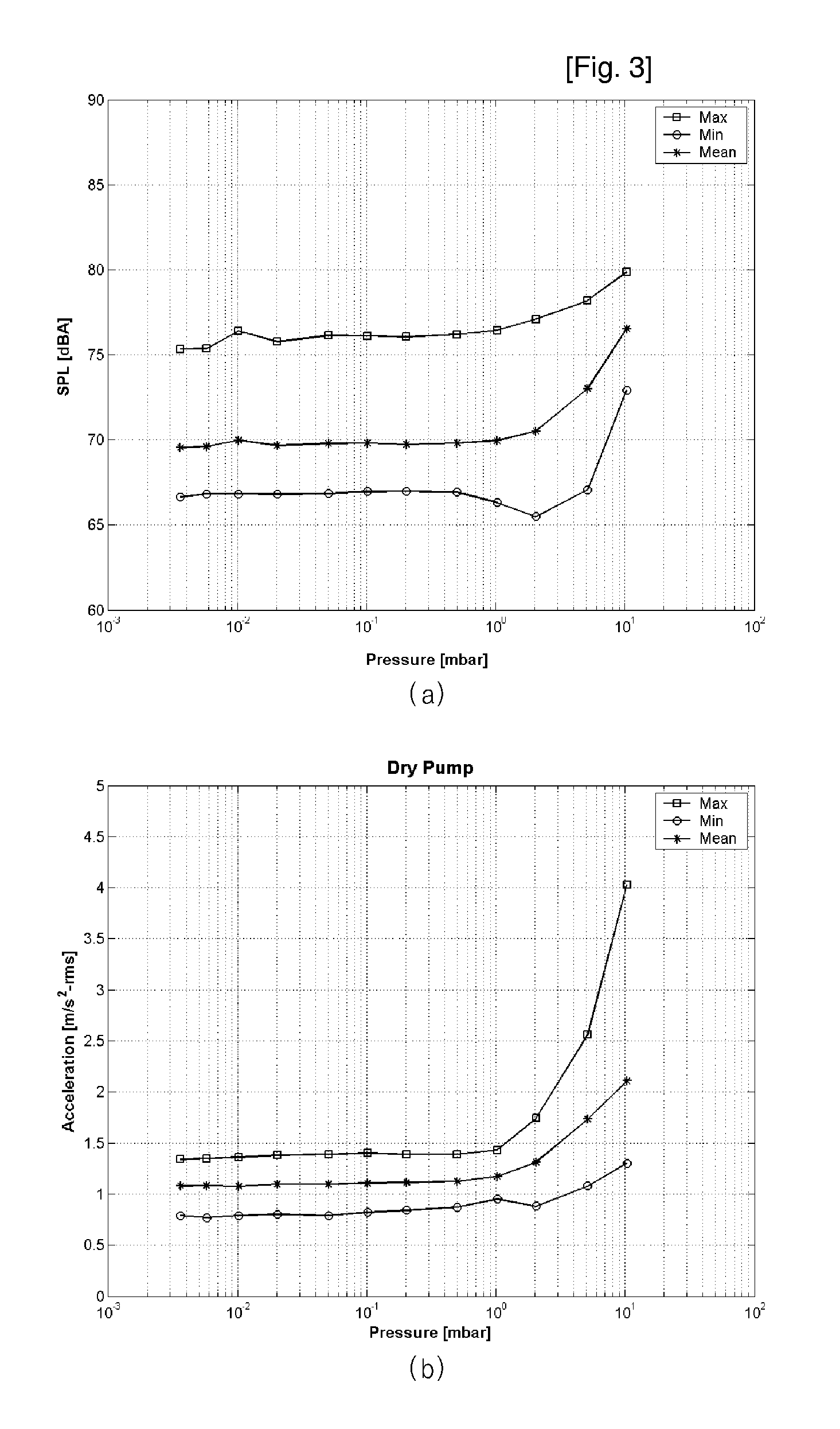
- A precision diagnostic method and system that uses a parametric model-based active algorithm to estimate pump operation characteristic values and evaluate performance indicators in-situ, employing a dedicated signal conditioning unit, high-speed data acquisition system, and dual-processed PC system to collect and analyze mechanical vibration, sound pressure, and electrical signals, enabling real-time monitoring and predictive maintenance.

Apparatus for predicting life of rotary machine and equipment using the same
PatentInactiveUS20040143418A1
Innovation
- A method and apparatus that include a load recipe input module, a characterizing feature input module, and a life expectancy prediction module to calculate the life expectancy of rotary machines by analyzing loading conditions and characterizing feature data, using a determination reference specific to each process condition and updating it based on historical data to accommodate varying process histories.


Industrial IoT Standards and Regulations for Equipment Monitoring
The implementation of predictive analytics for dry vacuum pump maintenance cycles operates within a complex regulatory framework that governs industrial IoT deployments. International standards such as IEC 62443 provide cybersecurity guidelines for industrial automation and control systems, establishing security zones and conduits that are essential when deploying IoT sensors on critical vacuum pump systems. These standards ensure that predictive maintenance data collection does not compromise operational security or create vulnerabilities in manufacturing environments.
Compliance with ISO 27001 information security management standards becomes crucial when handling sensitive operational data from vacuum pump monitoring systems. The standard mandates comprehensive risk assessments and security controls for data processing, storage, and transmission. Organizations must establish clear data governance protocols that address how pump performance metrics, failure patterns, and maintenance predictions are collected, processed, and shared across different organizational levels and external service providers.
Regional regulations significantly impact IoT implementation strategies for equipment monitoring. The European Union's General Data Protection Regulation affects how operational data is handled, particularly when maintenance analytics involve personal identifiers or location-specific information. Similarly, sector-specific regulations in pharmaceutical, semiconductor, and food processing industries impose additional constraints on data handling and system validation requirements for vacuum pump monitoring systems.
Industrial communication protocols must adhere to established standards such as OPC UA (IEC 62541) and MQTT, which provide secure and reliable data exchange mechanisms for IoT-enabled predictive maintenance systems. These protocols ensure interoperability between different vendor systems while maintaining data integrity and security. The implementation of these standards is particularly critical in multi-vendor environments where vacuum pumps from different manufacturers must integrate with centralized analytics platforms.
Emerging regulations around artificial intelligence and automated decision-making are beginning to influence predictive maintenance deployments. Organizations must consider algorithmic transparency requirements and establish audit trails for maintenance decisions generated by predictive analytics systems. This includes documenting model training data, decision logic, and maintaining human oversight capabilities for critical maintenance interventions on essential vacuum pump systems.
Compliance with ISO 27001 information security management standards becomes crucial when handling sensitive operational data from vacuum pump monitoring systems. The standard mandates comprehensive risk assessments and security controls for data processing, storage, and transmission. Organizations must establish clear data governance protocols that address how pump performance metrics, failure patterns, and maintenance predictions are collected, processed, and shared across different organizational levels and external service providers.
Regional regulations significantly impact IoT implementation strategies for equipment monitoring. The European Union's General Data Protection Regulation affects how operational data is handled, particularly when maintenance analytics involve personal identifiers or location-specific information. Similarly, sector-specific regulations in pharmaceutical, semiconductor, and food processing industries impose additional constraints on data handling and system validation requirements for vacuum pump monitoring systems.
Industrial communication protocols must adhere to established standards such as OPC UA (IEC 62541) and MQTT, which provide secure and reliable data exchange mechanisms for IoT-enabled predictive maintenance systems. These protocols ensure interoperability between different vendor systems while maintaining data integrity and security. The implementation of these standards is particularly critical in multi-vendor environments where vacuum pumps from different manufacturers must integrate with centralized analytics platforms.
Emerging regulations around artificial intelligence and automated decision-making are beginning to influence predictive maintenance deployments. Organizations must consider algorithmic transparency requirements and establish audit trails for maintenance decisions generated by predictive analytics systems. This includes documenting model training data, decision logic, and maintaining human oversight capabilities for critical maintenance interventions on essential vacuum pump systems.
Cost-Benefit Analysis of Predictive vs Reactive Maintenance
The economic evaluation of predictive versus reactive maintenance strategies for dry vacuum pumps reveals significant financial implications that extend beyond simple cost comparisons. Traditional reactive maintenance approaches typically result in higher total cost of ownership due to unplanned downtime, emergency repair expenses, and accelerated equipment degradation. Industry data indicates that reactive maintenance can cost 3-5 times more than planned maintenance activities when factoring in production losses and emergency service premiums.
Predictive analytics implementation requires substantial upfront investment in sensor infrastructure, data acquisition systems, and analytical software platforms. Initial capital expenditures typically range from $50,000 to $200,000 per pump system, depending on complexity and monitoring requirements. However, these investments are generally recovered within 18-24 months through reduced maintenance costs and improved operational efficiency.
The primary cost benefits of predictive maintenance include extended equipment lifespan, optimized spare parts inventory, and reduced labor costs through better maintenance scheduling. Predictive approaches can extend pump life by 20-30% while reducing maintenance labor requirements by up to 40%. Additionally, condition-based maintenance allows for bulk purchasing of replacement components and better workforce allocation.
Downtime cost analysis reveals the most compelling financial argument for predictive maintenance adoption. Unplanned vacuum pump failures in semiconductor manufacturing can result in production losses exceeding $100,000 per hour, while pharmaceutical applications may face regulatory compliance issues and batch losses. Predictive maintenance reduces unplanned downtime by 70-85%, translating to substantial operational savings.
Return on investment calculations consistently favor predictive maintenance strategies, with typical ROI ranging from 300-500% over five-year periods. The financial benefits become more pronounced in critical applications where pump reliability directly impacts production output and quality standards.
Predictive analytics implementation requires substantial upfront investment in sensor infrastructure, data acquisition systems, and analytical software platforms. Initial capital expenditures typically range from $50,000 to $200,000 per pump system, depending on complexity and monitoring requirements. However, these investments are generally recovered within 18-24 months through reduced maintenance costs and improved operational efficiency.
The primary cost benefits of predictive maintenance include extended equipment lifespan, optimized spare parts inventory, and reduced labor costs through better maintenance scheduling. Predictive approaches can extend pump life by 20-30% while reducing maintenance labor requirements by up to 40%. Additionally, condition-based maintenance allows for bulk purchasing of replacement components and better workforce allocation.
Downtime cost analysis reveals the most compelling financial argument for predictive maintenance adoption. Unplanned vacuum pump failures in semiconductor manufacturing can result in production losses exceeding $100,000 per hour, while pharmaceutical applications may face regulatory compliance issues and batch losses. Predictive maintenance reduces unplanned downtime by 70-85%, translating to substantial operational savings.
Return on investment calculations consistently favor predictive maintenance strategies, with typical ROI ranging from 300-500% over five-year periods. The financial benefits become more pronounced in critical applications where pump reliability directly impacts production output and quality standards.
Unlock deeper insights with PatSnap Eureka Quick Research — get a full tech report to explore trends and direct your research. Try now!
Generate Your Research Report Instantly with AI Agent
Supercharge your innovation with PatSnap Eureka AI Agent Platform!