
How to Prevent Lithium Dendrites in Solid-State Cells
OCT 10, 20268 MIN READ
Generate Your Research Report Instantly with AI Agent
Patsnap Eureka helps you evaluate technical feasibility & market potential.
Solid-State Battery Dendrite Prevention Background and Goals
Solid-state batteries represent a transformative advancement in energy storage technology, offering significant improvements over conventional lithium-ion batteries with liquid electrolytes. The replacement of flammable liquid electrolytes with solid-state electrolytes promises enhanced safety, higher energy density, and extended operational lifespan. However, the commercialization of solid-state batteries faces a critical technical barrier: the formation and growth of lithium dendrites at the anode interface during charging cycles.
Lithium dendrites are needle-like metallic structures that propagate through the solid electrolyte, potentially causing internal short circuits, capacity degradation, and catastrophic safety failures. Unlike liquid electrolyte systems where dendrite growth mechanisms are relatively well understood, solid-state environments present unique challenges due to the rigid nature of solid electrolytes and complex interfacial dynamics. The dendrite formation in solid-state cells is influenced by multiple factors including mechanical stress, electrochemical inhomogeneities, interfacial contact quality, and defects within the solid electrolyte structure.
The primary goal of dendrite prevention research is to develop comprehensive strategies that address both the fundamental mechanisms of dendrite nucleation and propagation pathways. This involves understanding the interplay between mechanical properties of solid electrolytes, electrochemical stability windows, and interfacial engineering approaches. Key objectives include achieving uniform lithium deposition, maintaining stable electrode-electrolyte interfaces throughout cycling, and designing solid electrolyte materials with sufficient mechanical strength to resist dendrite penetration.
From a technological perspective, the target is to enable solid-state batteries that can operate at practical current densities while maintaining cycle life exceeding 1000 cycles without dendrite-induced failure. This requires innovations spanning material science, interface engineering, cell architecture design, and manufacturing processes. Success in dendrite prevention will unlock the full potential of solid-state batteries for applications ranging from electric vehicles to grid-scale energy storage, representing a crucial milestone in next-generation energy storage technology development.
Market Demand for Safer Lithium Battery Technologies
The global battery market is experiencing unprecedented growth driven by the rapid expansion of electric vehicles, consumer electronics, and renewable energy storage systems. Within this landscape, safety concerns have emerged as a critical factor influencing technology adoption and market acceptance. Traditional lithium-ion batteries using liquid electrolytes have demonstrated inherent safety vulnerabilities, including thermal runaway, fire hazards, and explosion risks under mechanical damage or thermal stress conditions. These safety incidents have resulted in significant product recalls, regulatory scrutiny, and consumer hesitation, creating substantial market pressure for safer alternatives.
Solid-state battery technology represents a transformative solution addressing these safety challenges while offering enhanced energy density and longer cycle life. The market demand for safer lithium battery technologies is particularly pronounced in the automotive sector, where manufacturers face stringent safety regulations and consumer expectations for reliable, long-lasting electric vehicles. Major automotive companies have publicly committed to transitioning toward solid-state batteries, recognizing that safety improvements directly translate to competitive advantages and market differentiation.
The consumer electronics industry similarly demonstrates strong demand for safer battery solutions, especially following high-profile incidents involving smartphone and laptop battery failures. Manufacturers seek technologies that eliminate flammability risks while maintaining compact form factors and high performance standards. Additionally, the stationary energy storage market for grid applications and residential systems requires battery technologies with minimal fire risk, as these installations often operate in populated areas with limited supervision.
Regulatory frameworks worldwide are increasingly emphasizing battery safety standards, further accelerating market demand for solid-state technologies. Government initiatives promoting electric vehicle adoption are coupled with safety mandates that favor technologies demonstrating superior thermal stability and reduced hazard potential. Insurance companies and fleet operators are also driving demand by seeking battery solutions that minimize liability risks and operational disruptions.
The convergence of safety requirements, performance expectations, and regulatory pressures has created a substantial market opportunity for solid-state batteries that successfully address lithium dendrite formation. Market analysts project significant growth potential for manufacturers who can deliver commercially viable solid-state solutions, with early adopters positioned to capture premium market segments willing to pay for enhanced safety and reliability.
Current Dendrite Challenges in Solid-State Electrolytes
Lithium dendrite formation remains one of the most critical technical barriers preventing the widespread commercialization of solid-state batteries, despite their theoretical advantages over conventional liquid electrolyte systems. While solid electrolytes were initially expected to mechanically suppress dendrite growth through their rigid structure, experimental evidence has revealed that dendrites can still penetrate through various types of solid electrolytes, leading to internal short circuits and catastrophic battery failure.
The primary challenge stems from the heterogeneous nature of lithium deposition at the anode-electrolyte interface. Non-uniform current distribution, often caused by surface defects, grain boundaries, or interfacial voids, creates localized hotspots where lithium preferentially deposits. These initial nucleation sites evolve into dendrites that propagate through the electrolyte material. In ceramic electrolytes such as LLZO and sulfide-based materials like Li6PS5Cl, dendrites typically follow paths of least resistance, exploiting pre-existing microcracks, grain boundaries, or regions with lower mechanical strength.
The mechanical properties of solid electrolytes play a paradoxical role in dendrite formation. While the shear modulus theory suggested that materials with modulus exceeding twice that of lithium metal could prevent dendrite penetration, recent studies demonstrate this criterion is insufficient. Factors including interfacial contact quality, local stress concentrations, and electrochemical decomposition at the lithium-electrolyte interface significantly influence dendrite behavior. Poor interfacial contact creates voids where lithium can accumulate, generating sufficient pressure to crack the electrolyte.
Sulfide electrolytes face particular challenges due to their relatively soft mechanical properties and narrow electrochemical stability windows. These materials are susceptible to reduction at low potentials, forming mixed ionic-electronic conducting interphases that facilitate continued dendrite growth. Oxide electrolytes, while mechanically stronger, suffer from high interfacial resistance and brittleness, making them vulnerable to fracture under the volume changes associated with lithium plating and stripping.
Current density represents another critical factor, as higher rates amplify non-uniformities in lithium deposition. The critical current density—the maximum rate before dendrite formation occurs—varies significantly among different solid electrolyte systems and remains substantially lower than required for practical fast-charging applications. Temperature effects further complicate the challenge, as elevated temperatures may improve ionic conductivity but simultaneously reduce mechanical strength and accelerate interfacial degradation reactions.
Existing Dendrite Suppression Solutions and Mechanisms
01 Detection, prediction, and monitoring of lithium dendrites
Advanced methods and systems are utilized to predict, detect, monitor, and analyze the formation, growth, and precipitation of lithium dendrites in battery cells. These technologies provide early warnings, image recognition for safety assessment, and in-operando monitoring to evaluate safety risks and prevent cell failure.- Detection, early warning, and monitoring of lithium dendrites: Advanced methods and systems are utilized to predict, detect, and monitor the formation and propagation of lithium dendrites in battery cells. By employing techniques such as image recognition of dendrite morphology, intelligent sensor separators, and in-situ electrochemistry, these technologies provide early warnings, reduce potential safety hazards like thermal runaway, and enable precise battery safety assessments.
- Electrolyte and salt modifications for dendrite suppression: Optimizing electrolyte compositions, introducing specialized additives, and incorporating dendrite-inhibiting salts help stabilize the electrochemical environment in both solid-state and liquid systems. These approaches reduce polarization, maintain uniform lithium-ion flux, and enhance overall mechanical strength and toughness, effectively mitigating dendrite growth and extending battery cycle life.
- Anode interface modification and protective coatings: Application of functional protective films, artificial solid electrolyte interphase (SEI) layers, sub-nanometer porous carbon nanomembranes, and gradient neutralizers directly onto the lithium negative electrode. These structural layers isolate moisture and air, lower initial nucleation potential barriers, reduce interfacial impedance, and ensure uniform, dendrite-free lithium deposition.
- Solid-state electrolyte structures and physical separators: Designing solid-state cell structures, dendrite-resistant physical separators, and solid electrolyte frameworks offers high mechanical resistance against dendrite penetration. These structural engineering approaches physically block dendrite propagation across the cell, improving operational safety and structural stability in all-solid-state lithium metal batteries.
- In-operando healing, conditioning, and operational control: Implementation of active operational methodologies, conditioning processes, and dynamic electrochemical protocols allows in-operando healing and elimination of formed lithium dendrites. By controlling operational parameters and cell conditioning, these methods dissolve pre-existing dendrites, improve long-term circulation stability, and enhance overall cell safety.
02 Suppression of dendrites using solid electrolytes and barrier structures
Solid-state electrolyte compositions, porous nanomembranes, and specialized physical structures are employed to inhibit lithium dendrite growth. These designs enhance mechanical strength, improve interface stability, and provide dendrite-resistant solid electrolyte architectures for all-solid-state cells.Expand Specific Solutions03 Active suppression and neutralization techniques for dendrites
Innovative strategies such as gradient shell neutralizers, electrochemical healing, and targeted dendrite propagation control systems are implemented to eliminate or suppress dendrites actively. These techniques resolve intrinsic stress, heal formed dendrites, and control propagation during cell operation.Expand Specific Solutions04 Application of dendrite-inhibiting protective films and additives
The integration of protective coatings, artificial SEI layers, smart separators, and dendrite-inhibiting salt additives in electrolytes prevents dendrite formation. These components offer air- and moisture-isolation while delivering high chemical stability and uniform ion distribution across electrode interfaces.Expand Specific Solutions05 Electrode design and cell structural engineering
Modifications to solid-state cell structures, anode designs, and specialized conditioning processes facilitate uniform lithium deposition and minimize polarization. Incorporating structural innovations like lithium microspheres and optimized negative electrodes ensures long cycle life, low interface impedance, and dendrite-free operation.Expand Specific Solutions
Key Players in Solid-State Battery Development
The solid-state battery industry is rapidly evolving from early commercialization toward mainstream adoption, driven by the urgent need to eliminate lithium dendrite formation that compromises safety and cycle life. The global market demonstrates substantial growth potential as automotive giants like Toyota Motor Corp., Honda Motor Co., and BYD Co. compete alongside specialized battery manufacturers including LG Energy Solution Ltd., Contemporary Amperex Technology Co., and SVOLT Energy Technology. Technology maturity varies significantly across players: established corporations such as LG Chem Ltd. and PolyPlus Battery Co. leverage advanced protected lithium electrode technologies, while research institutions like Harbin Institute of Technology, Shanghai Jiao Tong University, and Brown University pioneer novel electrolyte compositions and interface engineering solutions. Emerging innovators including Hefei Jihui Innovation Intelligent Source Technology Co. focus specifically on next-generation solid electrolyte materials, positioning the competitive landscape as highly dynamic with convergence between traditional automotive manufacturers, battery specialists, and materials science innovators racing to solve dendrite challenges through diverse technical approaches.
LG Energy Solution Ltd.
Technical Solution: LG Energy Solution employs a multi-layered approach to prevent lithium dendrite formation in solid-state batteries. Their technology focuses on developing composite solid electrolytes with optimized ionic conductivity and mechanical properties to suppress dendrite penetration[1][4]. The company utilizes surface modification techniques on lithium metal anodes, including protective coating layers that create uniform lithium deposition interfaces[2][5]. Additionally, they implement stack pressure control systems (3-5 MPa) to maintain intimate contact between electrode and electrolyte while preventing dendrite growth pathways[3][7]. Their manufacturing process incorporates in-situ polymerization methods to form stable solid electrolyte interphase (SEI) layers that regulate lithium ion flux distribution[6][8].
Strengths: Comprehensive integration of material science and manufacturing engineering; proven scalability for mass production. Weaknesses: Higher production costs compared to liquid electrolyte systems; requires precise pressure control mechanisms.
Toyota Motor Corp.
Technical Solution: Toyota's solid-state battery technology emphasizes sulfide-based solid electrolyte systems with high ionic conductivity (>10 mS/cm) to enable uniform lithium ion distribution and prevent localized dendrite nucleation[1][3]. The company has developed proprietary interface engineering techniques that create buffer layers between the lithium anode and solid electrolyte, reducing interfacial resistance and stress concentration points[2][6]. Toyota implements advanced cell architecture with gradient composition electrolytes that progressively manage lithium ion flux from anode to cathode[4][9]. Their manufacturing approach includes controlled sintering processes and surface treatment protocols to eliminate defects and grain boundaries that could serve as dendrite initiation sites[5][8]. The technology targets commercial deployment in electric vehicles by 2027-2028[7].
Strengths: Sulfide electrolytes offer superior ionic conductivity; extensive automotive integration expertise and testing protocols. Weaknesses: Sulfide materials are moisture-sensitive requiring stringent manufacturing environments; long-term cycling stability still under validation.
Core Patents in Solid Electrolyte Interface Engineering
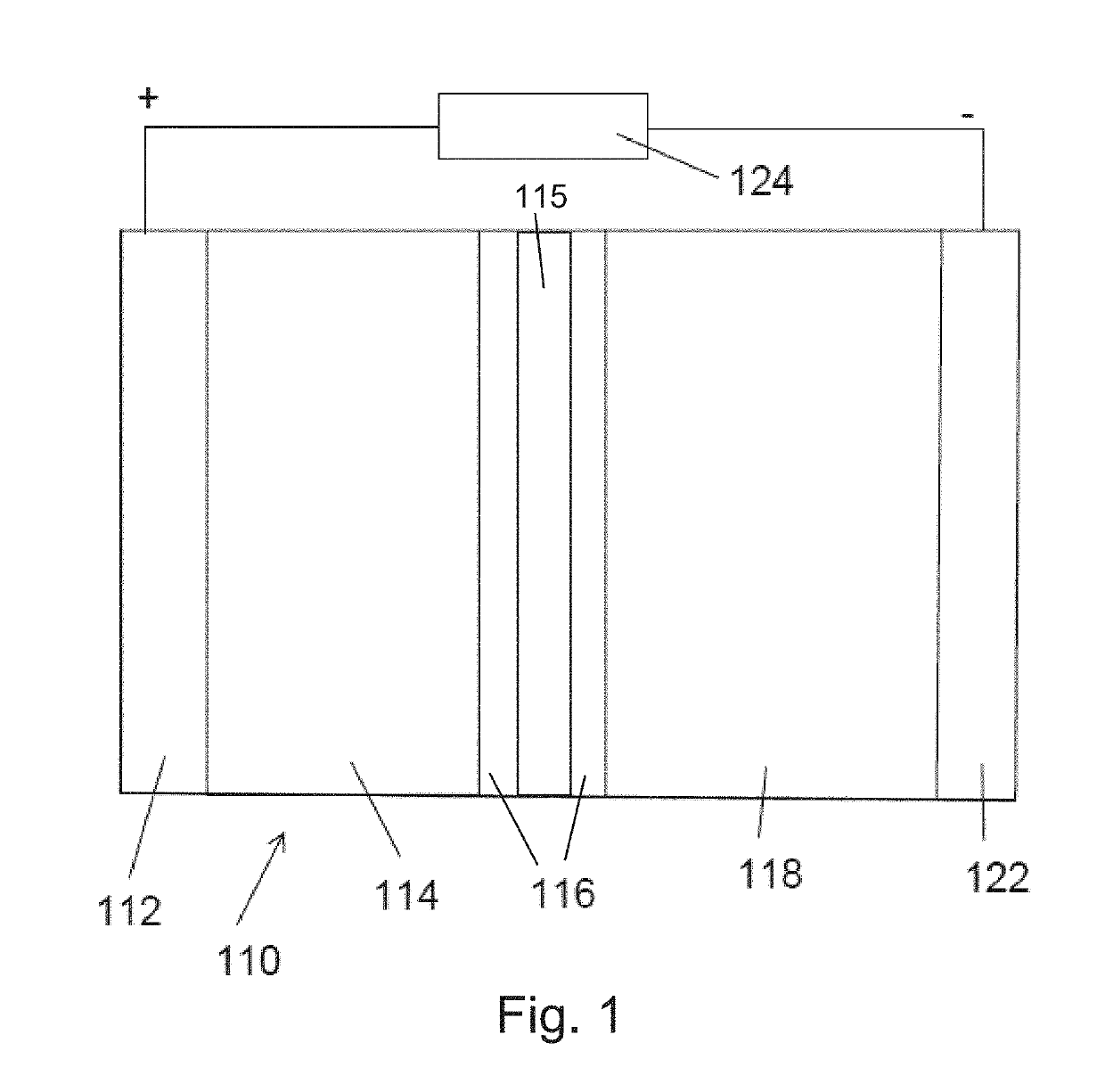
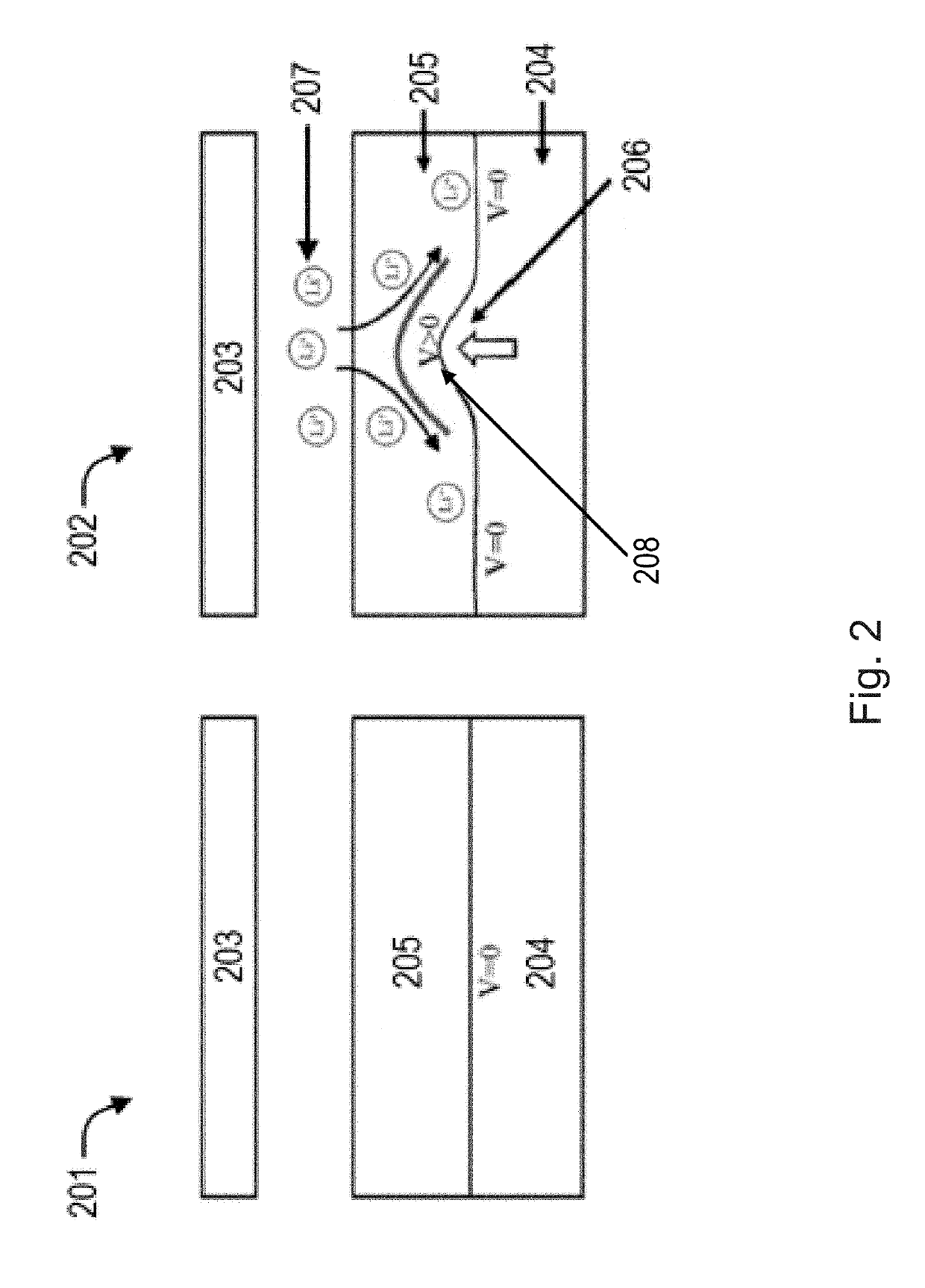
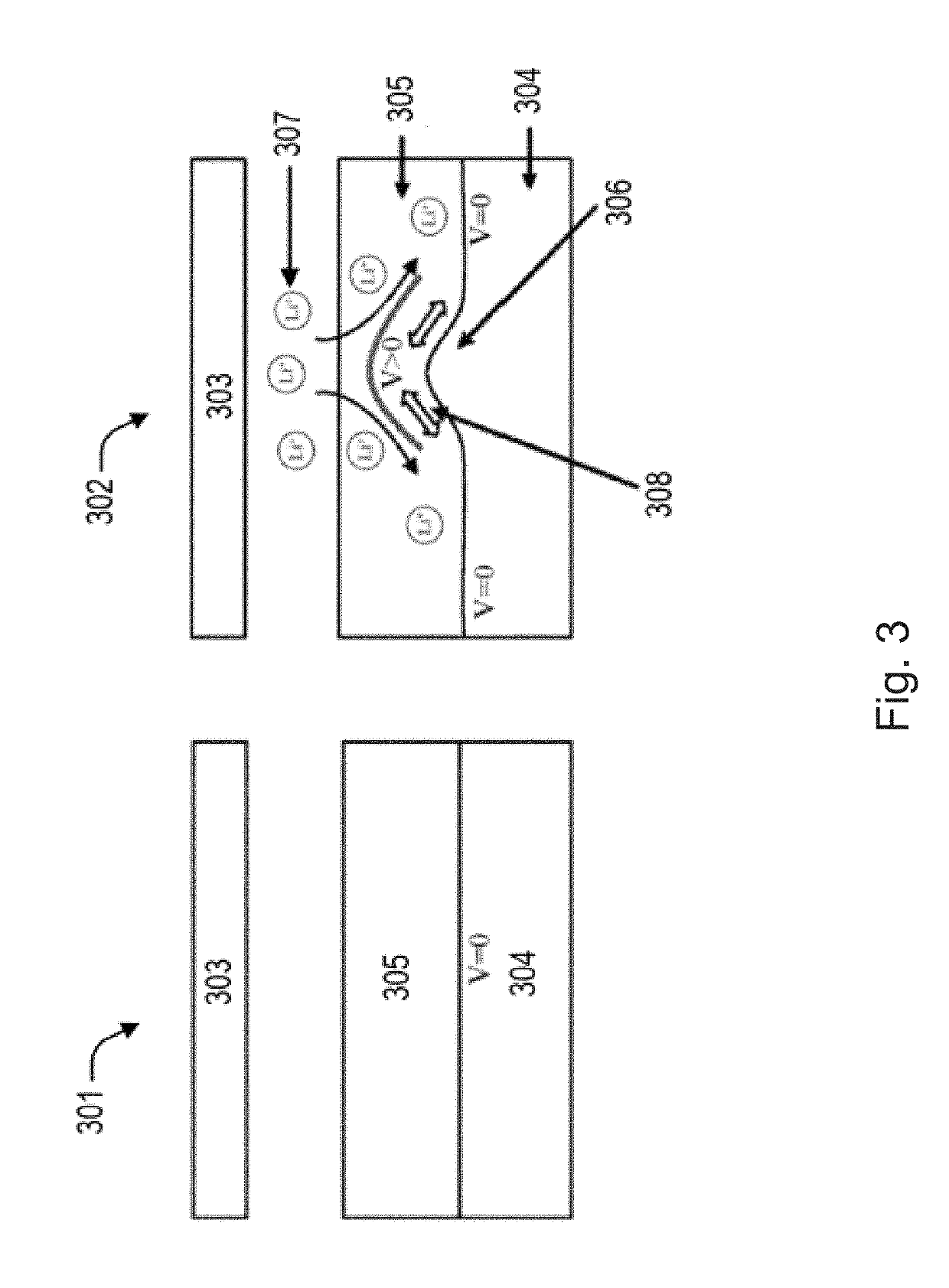
Dendrite-Free Lithium Metal Battery by Deformation-Induced Potential Shielding
PatentActiveUS20190165429A1
Innovation
- A protective layer capable of producing a voltage, either through piezoelectric effects, charge shifting, or local charge flow, is placed between the anode and cathode to deter ion deposition and promote uniform ion flux, thereby preventing dendrite growth.

Anti-dentrite functional separator for solid state batteries
PatentInactiveUS20210104747A1
Innovation
- Incorporating a dendrite absorber material that reacts with lithium dendrites via lithium fusion to form a lithium alloy, preventing further expansion and potential short-circuiting, alongside a ceramic separation layer for enhanced protection.


Material Selection and Interface Optimization Strategies
Material selection represents the foundational approach to mitigating lithium dendrite formation in solid-state batteries. The choice of solid electrolyte material directly influences interfacial stability and dendrite suppression capability. Ceramic electrolytes such as garnet-type Li7La3Zr2O12 (LLZO) and NASICON-type structures offer high mechanical strength that can theoretically resist dendrite penetration. However, their rigid nature creates challenges at the electrode-electrolyte interface. Polymer-based electrolytes provide better interfacial contact but typically exhibit lower mechanical modulus, making them more susceptible to dendrite growth under high current densities. Composite electrolytes combining ceramic fillers with polymer matrices have emerged as a promising middle ground, balancing mechanical strength with interfacial conformability.
Interface optimization strategies focus on establishing intimate contact and stable chemical environments between lithium metal anodes and solid electrolytes. Surface modification techniques, including thin-layer coatings of materials like Al2O3, ZnO, or lithiophilic metals, can homogenize lithium ion flux distribution and reduce interfacial resistance. These interlayers serve dual purposes: protecting the electrolyte from chemical reduction by lithium metal and providing preferential nucleation sites for uniform lithium deposition. The application of external pressure during cell assembly and operation has proven effective in maintaining interfacial contact and minimizing void formation where dendrites preferentially initiate.
Advanced interface engineering approaches involve creating three-dimensional structured interfaces that increase contact area and accommodate volume changes during cycling. Techniques such as atomic layer deposition enable precise control over interfacial layer composition and thickness, while in-situ polymerization methods can form seamless connections between electrodes and electrolytes. The synergistic combination of appropriate material selection with targeted interface optimization represents the most viable pathway toward achieving dendrite-free operation in solid-state lithium batteries, enabling both enhanced safety and improved electrochemical performance.
Manufacturing Scalability and Cost Considerations
The transition from laboratory-scale solid-state battery prototypes to mass production presents formidable challenges that directly impact the commercial viability of dendrite prevention strategies. Current manufacturing processes for solid-state cells with anti-dendrite features require precise control over material deposition, interface formation, and layer uniformity, which significantly increases production complexity compared to conventional lithium-ion batteries. The capital expenditure for establishing production lines capable of implementing advanced dendrite mitigation techniques, such as atomic layer deposition for protective coatings or high-pressure sintering for dense solid electrolytes, remains substantially higher than traditional battery manufacturing infrastructure.
Material costs constitute another critical barrier to widespread adoption. Many effective dendrite prevention approaches rely on expensive materials including garnet-type ceramics, sulfide-based electrolytes with specialized dopants, or precious metal interlayers. The current supply chain for these materials is underdeveloped, leading to price volatility and limited availability at industrial scales. Furthermore, the yield rates in manufacturing solid-state cells with integrated dendrite prevention mechanisms are typically lower than mature lithium-ion production, adding hidden costs through material waste and quality control requirements.
Process scalability issues emerge particularly in achieving uniform interfacial contact between solid electrolytes and electrodes across large-format cells. Techniques that work effectively in coin cells or small pouch cells often fail to maintain consistency when scaled to automotive-grade battery dimensions. The thermal management requirements during manufacturing also intensify, as many dendrite prevention strategies involve high-temperature processing steps that are energy-intensive and difficult to implement in continuous production environments.
Cost reduction pathways are being explored through alternative material systems, simplified processing techniques, and economies of scale. However, achieving cost parity with liquid electrolyte systems while maintaining effective dendrite suppression remains a significant hurdle that requires continued innovation in both materials science and manufacturing engineering. The timeline for reaching commercially competitive production costs is estimated to extend beyond the current decade without breakthrough developments in scalable manufacturing technologies.
Unlock deeper insights with Patsnap Eureka Quick Research — get a full tech report to explore trends and direct your research. Try now!
Generate Your Research Report Instantly with AI Agent
Supercharge your innovation with Patsnap Eureka AI Agent Platform!