

How to Prevent Plasma Dicing Delamination in Low-k Stack
MAY 9, 20269 MIN READ
Generate Your Research Report Instantly with AI Agent
PatSnap Eureka helps you evaluate technical feasibility & market potential.
Low-k Plasma Dicing Background and Technical Objectives
Low-k dielectric materials have become indispensable in advanced semiconductor manufacturing as the industry continues to scale down device dimensions following Moore's Law. These materials, characterized by dielectric constants typically below 3.0, were introduced to address the increasing challenges of parasitic capacitance and RC delay in interconnect structures. As copper interconnects became standard in the late 1990s, the integration of low-k dielectrics emerged as a critical enabler for maintaining signal integrity and power efficiency in high-performance integrated circuits.
The evolution of low-k materials has progressed through multiple generations, from dense low-k films with dielectric constants around 2.7-3.0 to ultra-low-k (ULK) materials with values as low as 2.2-2.5. This reduction in dielectric constant is primarily achieved through the incorporation of porosity, which introduces air voids within the dielectric matrix. However, this porosity enhancement comes at the cost of mechanical integrity, making these materials increasingly susceptible to processing-induced damage.
Plasma dicing has gained prominence as a preferred singulation method for advanced semiconductor devices due to its superior edge quality compared to traditional blade dicing. The process utilizes reactive plasma chemistry to etch through the wafer substrate and device layers, creating clean separation lines without the mechanical stress associated with physical sawing. This technique is particularly valuable for thin wafers, fragile devices, and applications requiring minimal chipping or cracking at die edges.
The fundamental challenge in plasma dicing of low-k stack structures lies in the inherent vulnerability of porous low-k materials to plasma-induced damage. During plasma exposure, energetic ions and reactive species can penetrate the porous network, leading to chemical modification of the dielectric matrix and physical degradation of the material structure. This interaction often results in delamination at critical interfaces, particularly between low-k layers and adjacent materials such as etch stop layers, copper barriers, or capping films.
Delamination in low-k stacks during plasma dicing manifests through several failure modes, including adhesive failure at material interfaces and cohesive failure within the low-k material itself. The root causes encompass plasma-induced surface modification, thermal stress from localized heating, chemical attack by reactive species, and mechanical stress concentration at porous regions. These factors collectively compromise the structural integrity of the dielectric stack, leading to reliability concerns and yield loss.
The technical objectives for preventing plasma dicing delamination in low-k stacks center on developing comprehensive solutions that address both material and process aspects. Primary goals include optimizing plasma chemistry and process parameters to minimize aggressive species interaction with low-k materials, implementing protective strategies such as surface treatments or barrier layers, and establishing process monitoring techniques for real-time damage detection and control.
The evolution of low-k materials has progressed through multiple generations, from dense low-k films with dielectric constants around 2.7-3.0 to ultra-low-k (ULK) materials with values as low as 2.2-2.5. This reduction in dielectric constant is primarily achieved through the incorporation of porosity, which introduces air voids within the dielectric matrix. However, this porosity enhancement comes at the cost of mechanical integrity, making these materials increasingly susceptible to processing-induced damage.
Plasma dicing has gained prominence as a preferred singulation method for advanced semiconductor devices due to its superior edge quality compared to traditional blade dicing. The process utilizes reactive plasma chemistry to etch through the wafer substrate and device layers, creating clean separation lines without the mechanical stress associated with physical sawing. This technique is particularly valuable for thin wafers, fragile devices, and applications requiring minimal chipping or cracking at die edges.
The fundamental challenge in plasma dicing of low-k stack structures lies in the inherent vulnerability of porous low-k materials to plasma-induced damage. During plasma exposure, energetic ions and reactive species can penetrate the porous network, leading to chemical modification of the dielectric matrix and physical degradation of the material structure. This interaction often results in delamination at critical interfaces, particularly between low-k layers and adjacent materials such as etch stop layers, copper barriers, or capping films.
Delamination in low-k stacks during plasma dicing manifests through several failure modes, including adhesive failure at material interfaces and cohesive failure within the low-k material itself. The root causes encompass plasma-induced surface modification, thermal stress from localized heating, chemical attack by reactive species, and mechanical stress concentration at porous regions. These factors collectively compromise the structural integrity of the dielectric stack, leading to reliability concerns and yield loss.
The technical objectives for preventing plasma dicing delamination in low-k stacks center on developing comprehensive solutions that address both material and process aspects. Primary goals include optimizing plasma chemistry and process parameters to minimize aggressive species interaction with low-k materials, implementing protective strategies such as surface treatments or barrier layers, and establishing process monitoring techniques for real-time damage detection and control.
Market Demand for Advanced Semiconductor Dicing Solutions
The semiconductor industry faces mounting pressure to develop advanced dicing solutions that can effectively handle low-k dielectric materials without compromising structural integrity. As integrated circuits continue to shrink and incorporate increasingly complex material stacks, traditional dicing methods have proven inadequate for maintaining the delicate balance between precision cutting and material preservation. The proliferation of low-k materials in advanced semiconductor manufacturing has created a substantial market opportunity for specialized dicing technologies that can prevent delamination and other structural failures.
Market demand for plasma dicing solutions has intensified significantly as semiconductor manufacturers transition to smaller process nodes and adopt more sophisticated packaging technologies. The automotive electronics sector, driven by electric vehicle adoption and autonomous driving systems, requires highly reliable semiconductor components that can withstand harsh operating conditions. Consumer electronics manufacturers similarly demand dicing solutions that ensure product longevity while maintaining cost-effectiveness in high-volume production environments.
The telecommunications infrastructure market, particularly with the deployment of 5G networks and emerging 6G research, has created substantial demand for advanced semiconductor components that require precise dicing without material degradation. Data center operators and cloud service providers increasingly rely on high-performance processors and memory devices that utilize low-k dielectric stacks, necessitating specialized dicing approaches to maintain signal integrity and thermal performance.
Advanced packaging technologies, including system-in-package and three-dimensional integration approaches, have further expanded the addressable market for sophisticated dicing solutions. These applications require extremely precise material removal while preserving the integrity of multiple material interfaces, creating opportunities for plasma-based dicing technologies that offer superior control compared to conventional mechanical methods.
The market landscape reflects growing recognition that traditional blade dicing approaches cannot adequately address the challenges posed by modern semiconductor material stacks. Manufacturers increasingly seek dicing solutions that can accommodate diverse material properties within single devices while maintaining production throughput requirements. This convergence of technical necessity and market demand has established a robust foundation for advanced plasma dicing technologies specifically designed to prevent delamination in low-k material systems.
Market demand for plasma dicing solutions has intensified significantly as semiconductor manufacturers transition to smaller process nodes and adopt more sophisticated packaging technologies. The automotive electronics sector, driven by electric vehicle adoption and autonomous driving systems, requires highly reliable semiconductor components that can withstand harsh operating conditions. Consumer electronics manufacturers similarly demand dicing solutions that ensure product longevity while maintaining cost-effectiveness in high-volume production environments.
The telecommunications infrastructure market, particularly with the deployment of 5G networks and emerging 6G research, has created substantial demand for advanced semiconductor components that require precise dicing without material degradation. Data center operators and cloud service providers increasingly rely on high-performance processors and memory devices that utilize low-k dielectric stacks, necessitating specialized dicing approaches to maintain signal integrity and thermal performance.
Advanced packaging technologies, including system-in-package and three-dimensional integration approaches, have further expanded the addressable market for sophisticated dicing solutions. These applications require extremely precise material removal while preserving the integrity of multiple material interfaces, creating opportunities for plasma-based dicing technologies that offer superior control compared to conventional mechanical methods.
The market landscape reflects growing recognition that traditional blade dicing approaches cannot adequately address the challenges posed by modern semiconductor material stacks. Manufacturers increasingly seek dicing solutions that can accommodate diverse material properties within single devices while maintaining production throughput requirements. This convergence of technical necessity and market demand has established a robust foundation for advanced plasma dicing technologies specifically designed to prevent delamination in low-k material systems.
Current Delamination Challenges in Low-k Stack Processing
Low-k dielectric materials have become increasingly susceptible to delamination during plasma dicing processes as semiconductor devices continue to scale down and integrate more complex multi-layer structures. The inherently weak mechanical properties of low-k materials, combined with their reduced adhesion strength compared to traditional silicon dioxide, create fundamental challenges in maintaining structural integrity during high-energy plasma exposure.
The primary delamination mechanism occurs at the interface between low-k dielectric layers and adjacent materials, particularly at copper-low-k interfaces and between different low-k film layers. Plasma-induced stress concentration develops due to differential thermal expansion coefficients and varying material responses to plasma bombardment. The porous nature of ultra-low-k materials further exacerbates this issue by creating stress concentration points that propagate into larger delamination areas.
Thermal management presents another critical challenge during plasma dicing of low-k stacks. The low thermal conductivity of these materials leads to localized heating and thermal gradients that exceed the material's thermal stability limits. This thermal stress, combined with the mechanical stress from plasma bombardment, creates a synergistic effect that significantly increases delamination probability.
Chemical degradation of low-k materials during plasma exposure represents an additional complexity. Reactive plasma species can alter the chemical composition of the dielectric, particularly affecting the organic components in carbon-doped oxide films. This chemical modification weakens the material structure and reduces interfacial adhesion strength, making the stack more prone to delamination.
Process-induced contamination and moisture absorption in low-k materials create additional failure modes. Contaminated interfaces exhibit reduced adhesion strength, while absorbed moisture can lead to explosive delamination when rapidly heated during plasma processing. The combination of these factors creates a complex failure landscape that requires comprehensive understanding for effective mitigation.
Current manufacturing constraints limit the available process parameter windows for plasma dicing, as aggressive optimization for throughput often conflicts with the gentle processing requirements needed to preserve low-k stack integrity. This creates a fundamental tension between manufacturing efficiency and product reliability that continues to challenge the semiconductor industry.
The primary delamination mechanism occurs at the interface between low-k dielectric layers and adjacent materials, particularly at copper-low-k interfaces and between different low-k film layers. Plasma-induced stress concentration develops due to differential thermal expansion coefficients and varying material responses to plasma bombardment. The porous nature of ultra-low-k materials further exacerbates this issue by creating stress concentration points that propagate into larger delamination areas.
Thermal management presents another critical challenge during plasma dicing of low-k stacks. The low thermal conductivity of these materials leads to localized heating and thermal gradients that exceed the material's thermal stability limits. This thermal stress, combined with the mechanical stress from plasma bombardment, creates a synergistic effect that significantly increases delamination probability.
Chemical degradation of low-k materials during plasma exposure represents an additional complexity. Reactive plasma species can alter the chemical composition of the dielectric, particularly affecting the organic components in carbon-doped oxide films. This chemical modification weakens the material structure and reduces interfacial adhesion strength, making the stack more prone to delamination.
Process-induced contamination and moisture absorption in low-k materials create additional failure modes. Contaminated interfaces exhibit reduced adhesion strength, while absorbed moisture can lead to explosive delamination when rapidly heated during plasma processing. The combination of these factors creates a complex failure landscape that requires comprehensive understanding for effective mitigation.
Current manufacturing constraints limit the available process parameter windows for plasma dicing, as aggressive optimization for throughput often conflicts with the gentle processing requirements needed to preserve low-k stack integrity. This creates a fundamental tension between manufacturing efficiency and product reliability that continues to challenge the semiconductor industry.
Existing Anti-Delamination Solutions for Low-k Stacks
01 Plasma dicing process optimization and control methods
Various techniques for optimizing plasma dicing processes to minimize delamination issues through precise control of plasma parameters, gas flow rates, and processing conditions. These methods focus on maintaining optimal plasma density and energy distribution to achieve clean cuts while preventing layer separation in semiconductor devices.- Plasma dicing process optimization and control methods: Various techniques for optimizing plasma dicing processes to minimize delamination issues through precise control of plasma parameters, gas flow rates, and processing conditions. These methods focus on maintaining optimal plasma density and energy distribution to achieve clean cuts while preventing layer separation in semiconductor devices.
- Substrate preparation and surface treatment techniques: Methods for preparing semiconductor substrates prior to plasma dicing to reduce delamination risks. These approaches include surface conditioning, adhesion enhancement treatments, and protective layer applications that strengthen interlayer bonding and improve structural integrity during the dicing process.
- Advanced plasma chamber design and equipment modifications: Specialized plasma chamber configurations and equipment designs that minimize delamination during dicing operations. These innovations include improved electrode arrangements, enhanced gas distribution systems, and modified chamber geometries that provide more uniform plasma exposure and reduce mechanical stress on processed materials.
- Multi-layer structure protection and bonding enhancement: Techniques specifically developed for protecting multi-layer semiconductor structures during plasma dicing processes. These methods involve strengthening interlayer adhesion, using intermediate protective films, and implementing gradual processing steps to prevent delamination in complex layered devices.
- Post-dicing treatment and quality control measures: Methods for treating diced semiconductor components after plasma processing to address potential delamination issues and ensure product quality. These approaches include post-process annealing, edge sealing techniques, and comprehensive inspection methods to detect and mitigate delamination-related defects.
02 Substrate preparation and surface treatment techniques
Methods for preparing semiconductor substrates prior to plasma dicing to reduce delamination risks. These approaches include surface conditioning, adhesion enhancement treatments, and protective layer applications that strengthen interlayer bonding and improve structural integrity during the dicing process.Expand Specific Solutions03 Equipment design and chamber configuration improvements
Innovations in plasma dicing equipment design focusing on chamber geometry, electrode configurations, and gas distribution systems to minimize delamination. These improvements ensure uniform plasma distribution and reduce mechanical stress on semiconductor wafers during processing.Expand Specific Solutions04 Multi-step dicing processes and sequential treatment methods
Advanced processing strategies involving multiple plasma treatment steps or combined plasma and mechanical dicing approaches to prevent delamination. These methods utilize staged processing with varying parameters to gradually separate layers while maintaining structural integrity.Expand Specific Solutions05 Quality monitoring and defect detection systems
Real-time monitoring and inspection systems designed to detect and prevent delamination during plasma dicing operations. These systems employ various sensing technologies and feedback control mechanisms to identify potential delamination issues and adjust processing parameters accordingly.Expand Specific Solutions
Key Players in Semiconductor Dicing Equipment Industry
The plasma dicing delamination prevention in low-k stacks represents a mature yet evolving semiconductor manufacturing challenge within the advanced packaging sector. The market demonstrates significant scale, driven by increasing demand for miniaturized electronics and 5G applications. Key equipment suppliers like Applied Materials, Tokyo Electron, and Lam Research have developed sophisticated plasma dicing solutions, while DISCO Corp. leads in precision cutting technologies. Major foundries including TSMC, Samsung Electronics, and GLOBALFOUNDRIES have implemented various mitigation strategies in their production lines. Technology maturity varies across companies, with established players like Intel and SK Hynix leveraging extensive R&D capabilities, while emerging foundries such as Shanghai Huali Microelectronics are rapidly adopting proven solutions. The competitive landscape shows consolidation around proven delamination prevention techniques, indicating a transitioning market from innovation-focused to optimization-driven approaches.
Applied Materials, Inc.
Technical Solution: Applied Materials has developed advanced plasma dicing solutions that incorporate optimized process parameters and chamber designs to minimize delamination in low-k dielectric stacks. Their approach focuses on controlled plasma chemistry using fluorine-based gases with precise power modulation to reduce mechanical stress at the interface between low-k materials and metal layers. The company's Producer platform integrates real-time monitoring systems that detect early signs of delamination through optical emission spectroscopy and adjust process parameters accordingly. Additionally, they employ multi-step etching processes with intermediate passivation layers to protect sensitive low-k materials during dicing operations, achieving delamination rates below 2% in production environments.
Strengths: Industry-leading equipment reliability and comprehensive process control capabilities. Weaknesses: High capital investment requirements and complex process optimization needs.
DISCO Corp.
Technical Solution: DISCO has pioneered laser-assisted plasma dicing technology specifically designed to address delamination issues in low-k semiconductor stacks. Their hybrid approach combines precision laser scribing with controlled plasma etching to create stress-relief channels before full separation, significantly reducing mechanical stress that leads to delamination. The company's proprietary KABRA process utilizes synchronized laser and plasma systems with adaptive power control based on real-time feedback from integrated sensors. Their solution includes specialized chuck designs with temperature control to maintain thermal stability during processing, and optimized gas flow patterns to ensure uniform plasma distribution across the wafer surface, resulting in delamination reduction of up to 85% compared to conventional methods.
Strengths: Innovative hybrid technology and excellent precision control for delicate structures. Weaknesses: Limited scalability for high-volume manufacturing and higher operational complexity.
Core Patents in Low-k Delamination Prevention Technologies
Plasma treatment and repair processes for reducing sidewall damage in low-k dielectrics
PatentActiveUS7741224B2
Innovation
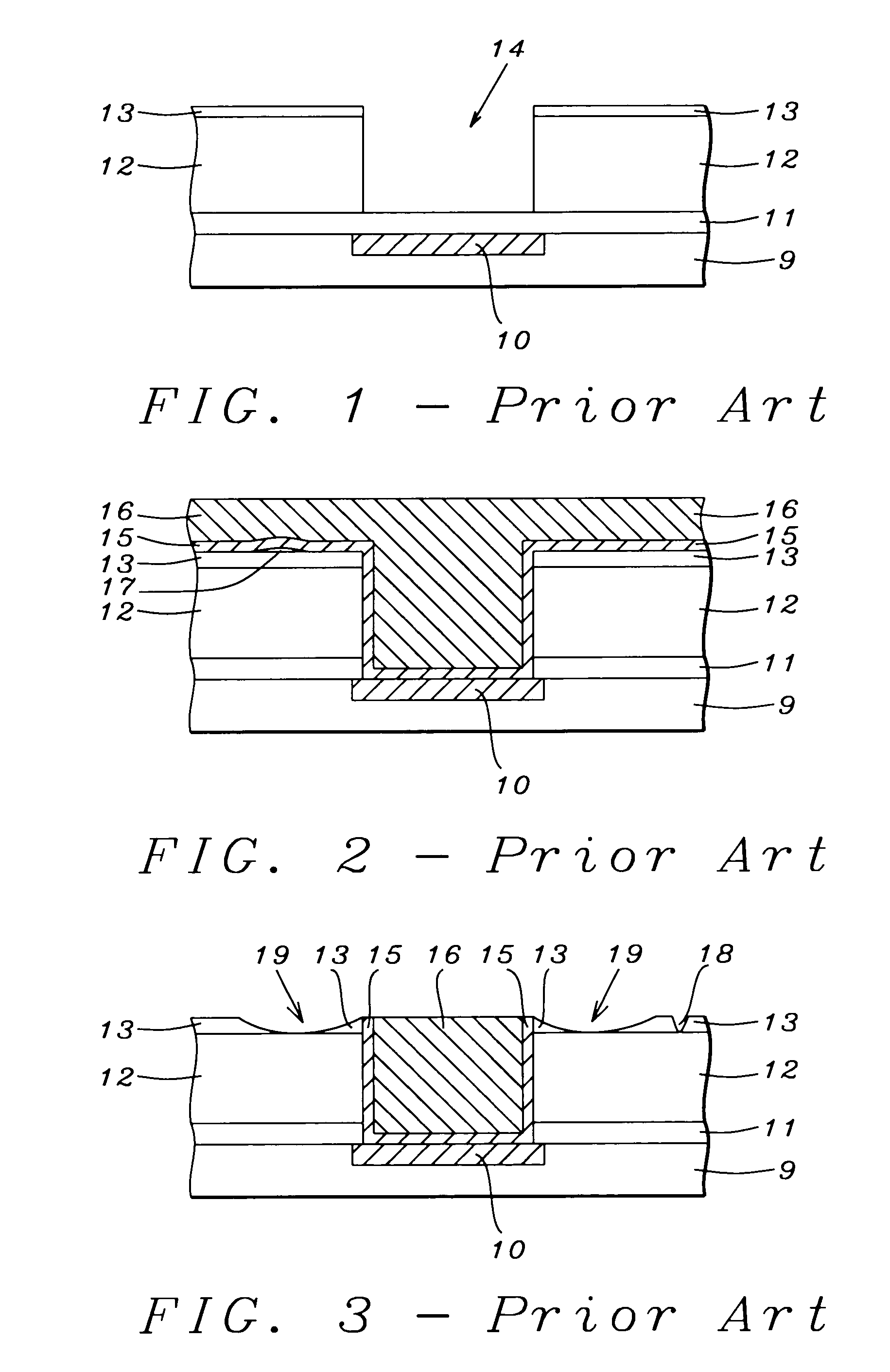
- A method involving in situ plasma processing in a plasma-based reactor, where a hydrocarbon is flowed to generate a plasma, with a mass flow rate of at least 0.1 sccm, is used to repair and protect low-k dielectric films during etching and ashing processes, thereby preventing damage and maintaining the low-k value.


SiOCH low k surface protection layer formation by CxHy gas plasma treatment
PatentInactiveUS6962869B1
Innovation
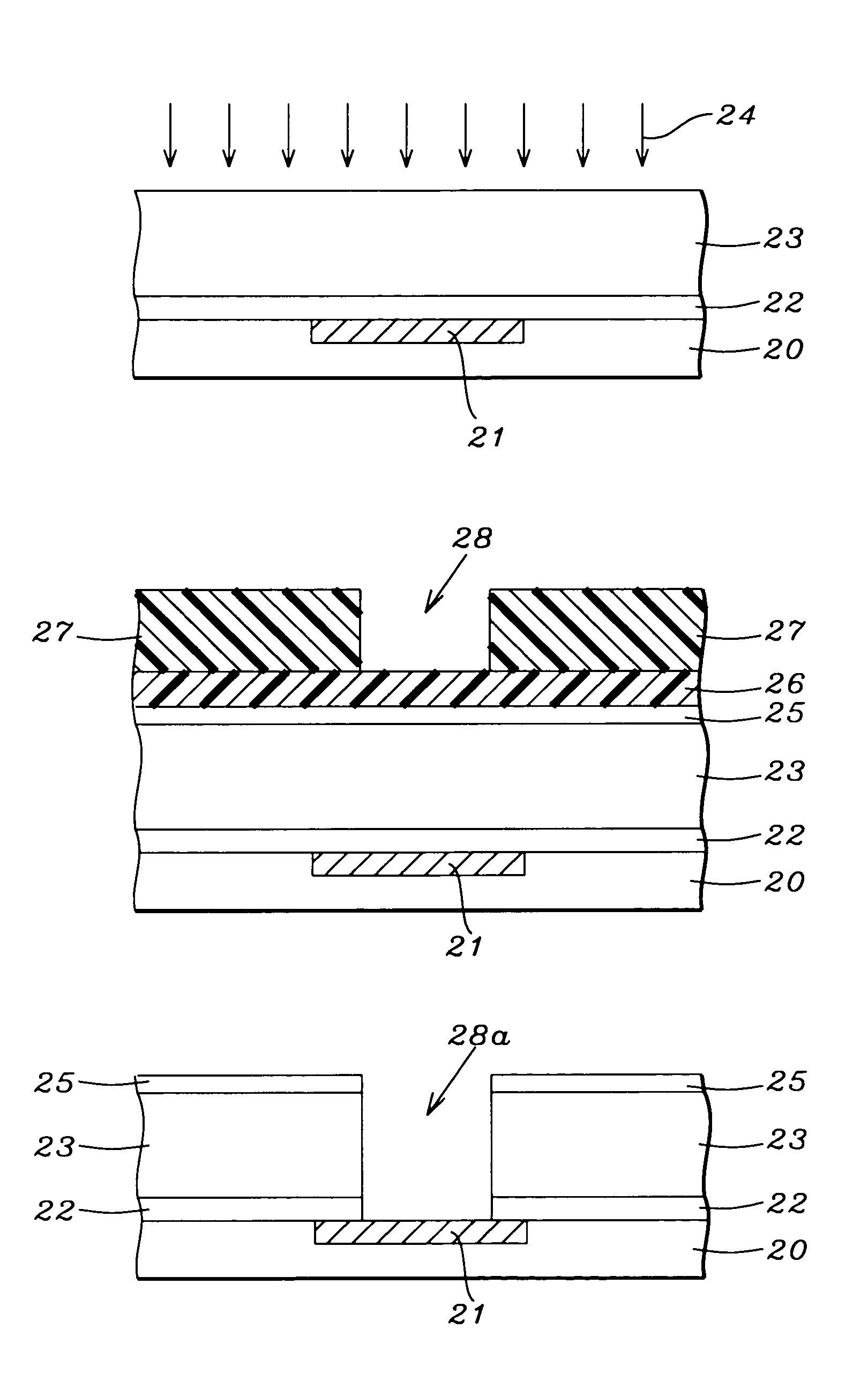
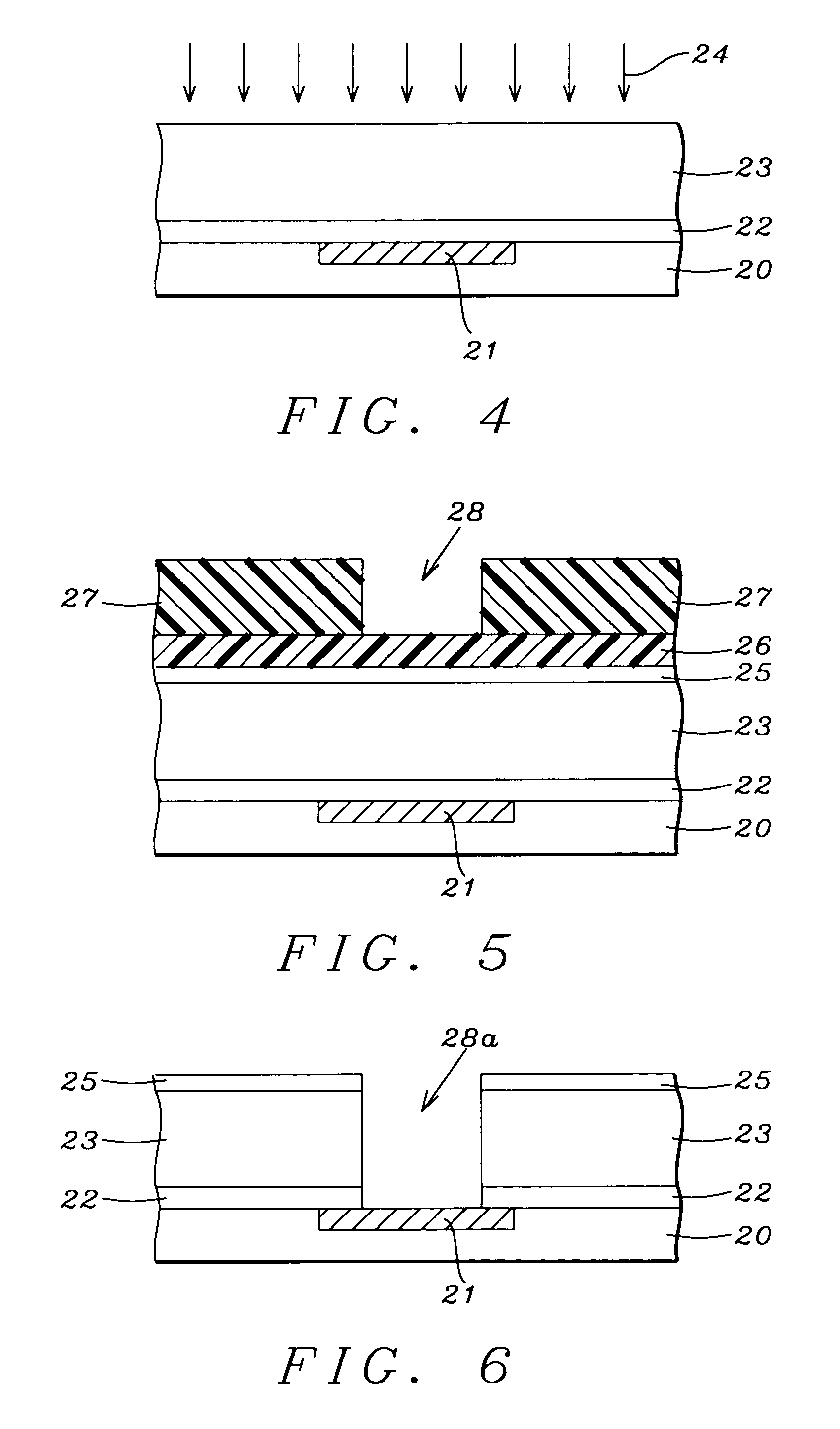
- A plasma treatment is applied to the low k dielectric layer, converting Si—O bonds to Si—C and Si—H bonds using hydrocarbon and hydrogen gases, improving adhesion to barrier metal layers and reducing the CMP rate, thereby preventing scratches and oxide recesses.

Semiconductor Manufacturing Quality Standards Impact
The semiconductor manufacturing industry operates under increasingly stringent quality standards that directly influence plasma dicing processes for low-k dielectric stacks. International standards such as JEDEC, SEMI, and IPC specifications establish critical parameters for delamination prevention, including maximum allowable stress levels, thermal cycling requirements, and adhesion strength thresholds. These standards mandate comprehensive testing protocols that evaluate interface integrity between low-k materials and adjacent layers throughout the dicing process.
Quality control frameworks specifically address plasma-induced damage mechanisms through standardized measurement techniques. Standards require monitoring of critical parameters including plasma power density, process uniformity, and etch selectivity to ensure consistent results across production batches. The implementation of statistical process control methodologies enables real-time detection of delamination precursors, allowing for immediate corrective actions before defective units reach subsequent manufacturing stages.
Compliance with automotive and aerospace quality standards, particularly AEC-Q100 and AS9100, introduces additional constraints on plasma dicing operations. These standards demand enhanced traceability systems that track individual wafer processing conditions and correlate them with final product reliability metrics. The documentation requirements extend to detailed process parameter logging, equipment calibration records, and operator certification maintenance.
Recent updates to quality standards emphasize predictive maintenance approaches for plasma dicing equipment. Standards now require implementation of advanced monitoring systems that continuously assess chamber conditions, gas flow stability, and electrode wear patterns. This proactive approach significantly reduces the likelihood of process drift that could lead to delamination issues in sensitive low-k structures.
The integration of Industry 4.0 principles into quality standards has revolutionized defect prevention strategies. Modern standards mandate the use of machine learning algorithms for pattern recognition in process data, enabling early identification of conditions that historically correlate with delamination failures. These intelligent systems continuously optimize plasma parameters based on real-time feedback from multiple sensors and historical performance data.
Quality standards also establish rigorous supplier qualification requirements for low-k materials and plasma dicing consumables. These specifications ensure that all materials meet strict purity levels, thermal stability criteria, and mechanical property requirements that directly impact delamination resistance during plasma processing operations.
Quality control frameworks specifically address plasma-induced damage mechanisms through standardized measurement techniques. Standards require monitoring of critical parameters including plasma power density, process uniformity, and etch selectivity to ensure consistent results across production batches. The implementation of statistical process control methodologies enables real-time detection of delamination precursors, allowing for immediate corrective actions before defective units reach subsequent manufacturing stages.
Compliance with automotive and aerospace quality standards, particularly AEC-Q100 and AS9100, introduces additional constraints on plasma dicing operations. These standards demand enhanced traceability systems that track individual wafer processing conditions and correlate them with final product reliability metrics. The documentation requirements extend to detailed process parameter logging, equipment calibration records, and operator certification maintenance.
Recent updates to quality standards emphasize predictive maintenance approaches for plasma dicing equipment. Standards now require implementation of advanced monitoring systems that continuously assess chamber conditions, gas flow stability, and electrode wear patterns. This proactive approach significantly reduces the likelihood of process drift that could lead to delamination issues in sensitive low-k structures.
The integration of Industry 4.0 principles into quality standards has revolutionized defect prevention strategies. Modern standards mandate the use of machine learning algorithms for pattern recognition in process data, enabling early identification of conditions that historically correlate with delamination failures. These intelligent systems continuously optimize plasma parameters based on real-time feedback from multiple sensors and historical performance data.
Quality standards also establish rigorous supplier qualification requirements for low-k materials and plasma dicing consumables. These specifications ensure that all materials meet strict purity levels, thermal stability criteria, and mechanical property requirements that directly impact delamination resistance during plasma processing operations.
Process Integration Challenges in Advanced Node Fabrication
Advanced node fabrication presents unprecedented challenges in process integration, particularly when dealing with low-k dielectric materials susceptible to plasma dicing delamination. The transition to sub-10nm technology nodes has intensified the complexity of manufacturing processes, where traditional approaches often fail to maintain structural integrity of delicate interconnect structures.
The integration of multiple process steps in advanced semiconductor manufacturing creates cumulative stress effects that significantly impact low-k stack reliability. Each processing stage, from metallization to passivation, introduces thermal and mechanical stresses that can compromise the adhesion between different material layers. The sequential nature of these processes means that early-stage defects or weaknesses can propagate and amplify throughout the fabrication flow.
Thermal budget management emerges as a critical integration challenge, as excessive temperature exposure during various process steps can degrade low-k material properties and interfacial adhesion. The need to balance performance requirements with thermal constraints forces manufacturers to optimize entire process sequences rather than individual steps. This holistic approach requires careful coordination between different fabrication modules to minimize cumulative thermal stress.
Material compatibility issues become increasingly complex at advanced nodes, where the introduction of new barrier materials, etch stop layers, and capping films must be carefully evaluated for their interaction with existing low-k structures. The chemical compatibility between different materials in the stack directly influences the susceptibility to delamination during plasma dicing operations.
Process window optimization represents another significant integration challenge, as the acceptable parameter ranges for individual process steps become increasingly narrow at advanced nodes. The overlap of viable process windows across multiple sequential steps often results in extremely tight control requirements, demanding sophisticated process monitoring and feedback systems.
Contamination control throughout the integration flow becomes critical, as even trace amounts of moisture, organic residues, or metallic contaminants can create weak points in the low-k stack that manifest as delamination during dicing. The extended process sequences typical of advanced node fabrication increase exposure opportunities for contamination, requiring enhanced cleanroom protocols and intermediate cleaning steps.
The integration of multiple process steps in advanced semiconductor manufacturing creates cumulative stress effects that significantly impact low-k stack reliability. Each processing stage, from metallization to passivation, introduces thermal and mechanical stresses that can compromise the adhesion between different material layers. The sequential nature of these processes means that early-stage defects or weaknesses can propagate and amplify throughout the fabrication flow.
Thermal budget management emerges as a critical integration challenge, as excessive temperature exposure during various process steps can degrade low-k material properties and interfacial adhesion. The need to balance performance requirements with thermal constraints forces manufacturers to optimize entire process sequences rather than individual steps. This holistic approach requires careful coordination between different fabrication modules to minimize cumulative thermal stress.
Material compatibility issues become increasingly complex at advanced nodes, where the introduction of new barrier materials, etch stop layers, and capping films must be carefully evaluated for their interaction with existing low-k structures. The chemical compatibility between different materials in the stack directly influences the susceptibility to delamination during plasma dicing operations.
Process window optimization represents another significant integration challenge, as the acceptable parameter ranges for individual process steps become increasingly narrow at advanced nodes. The overlap of viable process windows across multiple sequential steps often results in extremely tight control requirements, demanding sophisticated process monitoring and feedback systems.
Contamination control throughout the integration flow becomes critical, as even trace amounts of moisture, organic residues, or metallic contaminants can create weak points in the low-k stack that manifest as delamination during dicing. The extended process sequences typical of advanced node fabrication increase exposure opportunities for contamination, requiring enhanced cleanroom protocols and intermediate cleaning steps.
Unlock deeper insights with PatSnap Eureka Quick Research — get a full tech report to explore trends and direct your research. Try now!
Generate Your Research Report Instantly with AI Agent
Supercharge your innovation with PatSnap Eureka AI Agent Platform!