

How to Quantify Chemical Kinetics Using SPR-Based Plasmonic Systems
MAY 11, 20269 MIN READ
Generate Your Research Report Instantly with AI Agent
PatSnap Eureka helps you evaluate technical feasibility & market potential.
SPR Plasmonic Chemical Kinetics Background and Objectives
Surface Plasmon Resonance (SPR) technology has emerged as a pivotal analytical tool in chemical kinetics research since its commercial introduction in the 1990s. The technique exploits the optical phenomenon of surface plasmons, which are collective oscillations of electrons at metal-dielectric interfaces, to monitor real-time molecular interactions without requiring fluorescent labels or other markers.
The evolution of SPR-based plasmonic systems has been driven by the increasing demand for precise, real-time analysis of chemical reaction mechanisms. Traditional kinetic analysis methods often rely on endpoint measurements or require reaction termination at specific intervals, limiting the ability to capture transient intermediates and dynamic processes. SPR technology addresses these limitations by providing continuous monitoring capabilities with high temporal resolution.
Recent advances in plasmonic sensor design have significantly enhanced the sensitivity and applicability of SPR systems for chemical kinetics studies. The integration of nanostructured surfaces, advanced optical configurations, and sophisticated data processing algorithms has expanded the detection range and improved signal-to-noise ratios. These developments have enabled researchers to investigate increasingly complex chemical systems, including enzyme catalysis, protein-protein interactions, and small molecule binding events.
The primary objective of quantifying chemical kinetics using SPR-based plasmonic systems is to establish robust methodologies for real-time determination of reaction rate constants, binding affinities, and thermodynamic parameters. This involves developing standardized protocols for data acquisition, signal processing, and kinetic modeling that can accommodate various chemical systems and reaction conditions.
A critical goal is to enhance the accuracy and reliability of kinetic parameter extraction from SPR data. This requires addressing challenges related to mass transport effects, non-specific binding, and signal drift that can introduce systematic errors in kinetic measurements. Advanced mathematical models and computational approaches are being developed to deconvolute these effects and extract intrinsic kinetic parameters.
Furthermore, the objective extends to expanding the applicability of SPR-based kinetic analysis to previously inaccessible systems, including gas-phase reactions, heterogeneous catalysis, and multi-component reaction networks. This involves optimizing sensor surface chemistry, developing specialized flow cell designs, and implementing multiplexed detection schemes to simultaneously monitor multiple reaction pathways.
The evolution of SPR-based plasmonic systems has been driven by the increasing demand for precise, real-time analysis of chemical reaction mechanisms. Traditional kinetic analysis methods often rely on endpoint measurements or require reaction termination at specific intervals, limiting the ability to capture transient intermediates and dynamic processes. SPR technology addresses these limitations by providing continuous monitoring capabilities with high temporal resolution.
Recent advances in plasmonic sensor design have significantly enhanced the sensitivity and applicability of SPR systems for chemical kinetics studies. The integration of nanostructured surfaces, advanced optical configurations, and sophisticated data processing algorithms has expanded the detection range and improved signal-to-noise ratios. These developments have enabled researchers to investigate increasingly complex chemical systems, including enzyme catalysis, protein-protein interactions, and small molecule binding events.
The primary objective of quantifying chemical kinetics using SPR-based plasmonic systems is to establish robust methodologies for real-time determination of reaction rate constants, binding affinities, and thermodynamic parameters. This involves developing standardized protocols for data acquisition, signal processing, and kinetic modeling that can accommodate various chemical systems and reaction conditions.
A critical goal is to enhance the accuracy and reliability of kinetic parameter extraction from SPR data. This requires addressing challenges related to mass transport effects, non-specific binding, and signal drift that can introduce systematic errors in kinetic measurements. Advanced mathematical models and computational approaches are being developed to deconvolute these effects and extract intrinsic kinetic parameters.
Furthermore, the objective extends to expanding the applicability of SPR-based kinetic analysis to previously inaccessible systems, including gas-phase reactions, heterogeneous catalysis, and multi-component reaction networks. This involves optimizing sensor surface chemistry, developing specialized flow cell designs, and implementing multiplexed detection schemes to simultaneously monitor multiple reaction pathways.
Market Demand for Real-time Chemical Kinetics Analysis
The pharmaceutical and biotechnology industries represent the largest market segment for real-time chemical kinetics analysis using SPR-based plasmonic systems. Drug discovery processes require precise measurement of binding kinetics between potential therapeutic compounds and target proteins, where traditional endpoint assays fail to provide the temporal resolution necessary for understanding complex molecular interactions. The ability to monitor association and dissociation rates in real-time has become essential for lead compound optimization and mechanism-of-action studies.
Academic research institutions constitute another significant demand driver, particularly in biochemistry, molecular biology, and materials science departments. Universities and research centers increasingly require sophisticated analytical tools capable of studying enzyme kinetics, protein-protein interactions, and catalytic processes with high temporal resolution. The growing emphasis on understanding dynamic biological processes rather than static structures has intensified the need for real-time monitoring capabilities.
Environmental monitoring agencies and industrial quality control laboratories represent emerging market segments with substantial growth potential. These organizations require rapid detection and quantification of chemical reactions in complex matrices, including pollutant degradation studies, water treatment process optimization, and industrial catalyst performance evaluation. The regulatory push toward more stringent environmental standards has created additional demand for advanced analytical methodologies.
The diagnostics industry shows increasing interest in SPR-based kinetic analysis for developing point-of-care testing devices and improving existing immunoassay platforms. Real-time monitoring of antigen-antibody interactions enables more accurate diagnostic results and reduces analysis time compared to conventional methods. This application area is particularly relevant for infectious disease detection and therapeutic drug monitoring.
Chemical manufacturing companies are recognizing the value of real-time kinetics analysis for process optimization and catalyst development. Understanding reaction mechanisms and kinetic parameters in real-time allows for better process control, improved yield optimization, and reduced development timelines for new chemical processes. The trend toward continuous manufacturing in the chemical industry further amplifies this demand.
Market growth is driven by several factors including increasing research funding for fundamental studies, regulatory requirements for more comprehensive analytical data, and the need for faster analytical methods in competitive industries. The integration of artificial intelligence and machine learning with SPR-based systems is creating new opportunities for automated kinetic analysis and predictive modeling capabilities.
Academic research institutions constitute another significant demand driver, particularly in biochemistry, molecular biology, and materials science departments. Universities and research centers increasingly require sophisticated analytical tools capable of studying enzyme kinetics, protein-protein interactions, and catalytic processes with high temporal resolution. The growing emphasis on understanding dynamic biological processes rather than static structures has intensified the need for real-time monitoring capabilities.
Environmental monitoring agencies and industrial quality control laboratories represent emerging market segments with substantial growth potential. These organizations require rapid detection and quantification of chemical reactions in complex matrices, including pollutant degradation studies, water treatment process optimization, and industrial catalyst performance evaluation. The regulatory push toward more stringent environmental standards has created additional demand for advanced analytical methodologies.
The diagnostics industry shows increasing interest in SPR-based kinetic analysis for developing point-of-care testing devices and improving existing immunoassay platforms. Real-time monitoring of antigen-antibody interactions enables more accurate diagnostic results and reduces analysis time compared to conventional methods. This application area is particularly relevant for infectious disease detection and therapeutic drug monitoring.
Chemical manufacturing companies are recognizing the value of real-time kinetics analysis for process optimization and catalyst development. Understanding reaction mechanisms and kinetic parameters in real-time allows for better process control, improved yield optimization, and reduced development timelines for new chemical processes. The trend toward continuous manufacturing in the chemical industry further amplifies this demand.
Market growth is driven by several factors including increasing research funding for fundamental studies, regulatory requirements for more comprehensive analytical data, and the need for faster analytical methods in competitive industries. The integration of artificial intelligence and machine learning with SPR-based systems is creating new opportunities for automated kinetic analysis and predictive modeling capabilities.
Current SPR-Based Kinetics Quantification Challenges
SPR-based plasmonic systems face significant challenges in accurately quantifying chemical kinetics, primarily stemming from the complex interplay between optical phenomena and molecular interactions at the sensor surface. The fundamental limitation lies in the difficulty of establishing direct correlations between SPR signal changes and actual binding kinetics, as the measured refractive index variations reflect both specific molecular binding events and various interfering factors.
Mass transport limitations represent a critical challenge in SPR kinetics quantification. The diffusion of analytes to the sensor surface often becomes the rate-limiting step rather than the intrinsic binding kinetics, particularly at high analyte concentrations or with large molecular weight compounds. This transport-limited regime masks true kinetic parameters, leading to underestimation of association rates and overestimation of dissociation rates. The challenge is exacerbated in microfluidic systems where flow conditions significantly influence mass transport characteristics.
Surface heterogeneity poses another substantial obstacle to accurate kinetics quantification. Real SPR sensor surfaces exhibit variations in ligand density, orientation, and accessibility, creating multiple binding environments with distinct kinetic properties. This heterogeneity results in complex, multi-exponential binding curves that deviate from simple Langmuir kinetics models, making it difficult to extract meaningful kinetic constants. The challenge is particularly pronounced when dealing with immobilized proteins or complex biological surfaces.
Non-specific binding and bulk refractive index changes introduce systematic errors in kinetics measurements. Temperature fluctuations, buffer composition variations, and injection artifacts can generate signal drift that interferes with kinetic analysis. These effects are often comparable in magnitude to specific binding signals, especially for weak interactions or low-affinity binding events, compromising the reliability of extracted kinetic parameters.
Data analysis and modeling limitations further complicate kinetics quantification. Traditional fitting algorithms often struggle with complex binding mechanisms involving conformational changes, cooperative binding, or multi-step processes. The selection of appropriate kinetic models becomes challenging when dealing with real biological systems that deviate from ideal binding behavior. Additionally, the temporal resolution of SPR instruments may be insufficient to capture fast kinetic events, particularly rapid association phases.
Instrument-specific challenges include baseline stability, signal-to-noise ratio limitations, and calibration uncertainties. Long-term measurements required for slow dissociation kinetics are particularly susceptible to instrumental drift and environmental fluctuations. The sensitivity limitations of current SPR systems also restrict accurate quantification of weak binding interactions with dissociation constants in the millimolar range.
Mass transport limitations represent a critical challenge in SPR kinetics quantification. The diffusion of analytes to the sensor surface often becomes the rate-limiting step rather than the intrinsic binding kinetics, particularly at high analyte concentrations or with large molecular weight compounds. This transport-limited regime masks true kinetic parameters, leading to underestimation of association rates and overestimation of dissociation rates. The challenge is exacerbated in microfluidic systems where flow conditions significantly influence mass transport characteristics.
Surface heterogeneity poses another substantial obstacle to accurate kinetics quantification. Real SPR sensor surfaces exhibit variations in ligand density, orientation, and accessibility, creating multiple binding environments with distinct kinetic properties. This heterogeneity results in complex, multi-exponential binding curves that deviate from simple Langmuir kinetics models, making it difficult to extract meaningful kinetic constants. The challenge is particularly pronounced when dealing with immobilized proteins or complex biological surfaces.
Non-specific binding and bulk refractive index changes introduce systematic errors in kinetics measurements. Temperature fluctuations, buffer composition variations, and injection artifacts can generate signal drift that interferes with kinetic analysis. These effects are often comparable in magnitude to specific binding signals, especially for weak interactions or low-affinity binding events, compromising the reliability of extracted kinetic parameters.
Data analysis and modeling limitations further complicate kinetics quantification. Traditional fitting algorithms often struggle with complex binding mechanisms involving conformational changes, cooperative binding, or multi-step processes. The selection of appropriate kinetic models becomes challenging when dealing with real biological systems that deviate from ideal binding behavior. Additionally, the temporal resolution of SPR instruments may be insufficient to capture fast kinetic events, particularly rapid association phases.
Instrument-specific challenges include baseline stability, signal-to-noise ratio limitations, and calibration uncertainties. Long-term measurements required for slow dissociation kinetics are particularly susceptible to instrumental drift and environmental fluctuations. The sensitivity limitations of current SPR systems also restrict accurate quantification of weak binding interactions with dissociation constants in the millimolar range.
Existing SPR Methods for Chemical Kinetics Measurement
01 Surface plasmon resonance sensor design and optimization
Advanced sensor architectures and configurations for SPR-based systems that enhance sensitivity and detection capabilities for chemical kinetics measurements. These designs focus on optimizing the plasmonic response through improved surface structures, coupling mechanisms, and detection methodologies to achieve better quantification of molecular interactions and binding kinetics.- Surface plasmon resonance sensor design and configuration: Development of specialized sensor architectures and configurations for surface plasmon resonance detection systems. These designs focus on optimizing the optical setup, including prism coupling, waveguide structures, and metal film configurations to enhance sensitivity and accuracy in chemical kinetics measurements. The sensor configurations are engineered to provide real-time monitoring capabilities with improved signal-to-noise ratios.
- Plasmonic nanostructure enhancement techniques: Implementation of engineered nanostructures and plasmonic materials to amplify detection signals in chemical kinetics analysis. These techniques involve the use of metallic nanoparticles, nanoarrays, and structured surfaces that enhance the electromagnetic field at the sensor interface. The enhancement methods improve detection limits and enable quantification of low-concentration analytes in kinetic studies.
- Real-time kinetic measurement algorithms and data processing: Advanced computational methods and algorithms for processing surface plasmon resonance signals to extract kinetic parameters from chemical reactions. These approaches include signal filtering, baseline correction, curve fitting algorithms, and mathematical models that convert raw optical data into meaningful kinetic constants such as association and dissociation rates.
- Multi-channel and array-based detection systems: Development of multiplexed detection platforms that enable simultaneous monitoring of multiple chemical reactions or binding events. These systems incorporate array configurations, parallel detection channels, and integrated fluidics to perform high-throughput kinetic analysis. The multi-channel approach allows for comparative studies and increased experimental efficiency in chemical kinetics quantification.
- Microfluidic integration and sample handling: Integration of microfluidic systems with surface plasmon resonance sensors for precise control of sample delivery and reaction conditions during kinetic measurements. These integrated platforms provide controlled flow rates, temperature regulation, and mixing capabilities essential for accurate kinetic parameter determination. The microfluidic integration enables automated sample handling and reduces reagent consumption while maintaining measurement precision.
02 Real-time kinetic analysis and measurement techniques
Methods and systems for performing real-time monitoring and analysis of chemical reactions using SPR-based plasmonic platforms. These techniques enable continuous tracking of binding events, association and dissociation rates, and concentration changes during chemical processes, providing quantitative kinetic parameters for various molecular interactions.Expand Specific Solutions03 Signal processing and data analysis algorithms
Computational methods and algorithms specifically developed for processing SPR signals and extracting quantitative kinetic information from plasmonic measurements. These approaches include advanced data fitting techniques, noise reduction methods, and mathematical models that convert raw sensor data into meaningful kinetic parameters and concentration measurements.Expand Specific Solutions04 Nanostructured plasmonic substrates and materials
Development of specialized nanostructured surfaces and plasmonic materials that enhance the sensitivity and specificity of SPR-based chemical kinetics measurements. These substrates incorporate various nanoscale features, metallic nanoparticles, and engineered surface properties to amplify plasmonic effects and improve detection limits for kinetic analysis.Expand Specific Solutions05 Integrated microfluidic and detection systems
Complete analytical platforms that combine SPR-based plasmonic detection with microfluidic sample handling for automated chemical kinetics quantification. These integrated systems provide controlled reaction environments, precise sample delivery, and continuous monitoring capabilities for comprehensive kinetic studies of various chemical and biological processes.Expand Specific Solutions
Key Players in SPR and Plasmonic Sensor Industry
The SPR-based plasmonic systems for chemical kinetics quantification represent an emerging technology field in its early-to-mid development stage, with significant growth potential driven by increasing demand for real-time biomolecular interaction analysis. The market encompasses diverse applications from drug discovery to biosensing, with estimated values reaching hundreds of millions globally. Technology maturity varies considerably across players: established instrumentation companies like Agilent Technologies and Bruker Nano offer mature, commercialized SPR platforms with proven reliability, while specialized firms such as Nicoya Lifesciences and Biosensing Instrument focus on innovative, next-generation solutions. Research institutions including Max Planck Gesellschaft, University of Washington, and Centre National de la Recherche Scientifique drive fundamental advances in plasmonic sensing mechanisms. Pharmaceutical giants like Hoffmann-La Roche leverage these technologies for drug development applications. The competitive landscape shows a clear division between mature commercial solutions and cutting-edge research developments, indicating ongoing technological evolution toward more sensitive, accessible, and application-specific SPR systems.
Hoffmann-La Roche, Inc.
Technical Solution: Roche has developed SPR-based plasmonic systems specifically for pharmaceutical kinetics analysis, focusing on drug-target interaction studies. Their approach combines traditional SPR with plasmonic enhancement using metallic nanostructures to amplify the refractive index changes during chemical reactions. The system incorporates advanced algorithms for kinetic parameter extraction, including multi-exponential fitting for complex reaction mechanisms. Their platform enables quantification of binding kinetics, enzyme catalysis rates, and inhibition constants with nanomolar sensitivity. The technology integrates with their existing drug discovery pipeline, providing seamless workflow for pharmaceutical development.
Strengths: Pharmaceutical industry expertise, integrated drug discovery workflow, high sensitivity detection. Weaknesses: Limited availability for external users, focus primarily on pharmaceutical applications, proprietary system limitations.
Agilent Technologies, Inc.
Technical Solution: Agilent has developed advanced SPR-based biosensing platforms that integrate plasmonic nanostructures with real-time kinetic analysis capabilities. Their systems utilize gold nanoparticle-enhanced surface plasmon resonance to achieve enhanced sensitivity for chemical kinetics quantification. The platform incorporates automated data acquisition and analysis software that can determine association and dissociation rate constants (ka and kd) with high precision. Their technology enables label-free monitoring of molecular interactions in real-time, providing kinetic parameters essential for drug discovery and biochemical research. The system features temperature control and multiple flow channels for parallel kinetic measurements.
Strengths: Established market presence, comprehensive software integration, high precision measurements. Weaknesses: High cost, complex system requirements, limited customization options.
Core Innovations in SPR-Based Kinetics Quantification
Surface plasmon resonance and quartz crystal microbalance sensor
PatentInactiveUS7869013B2
Innovation
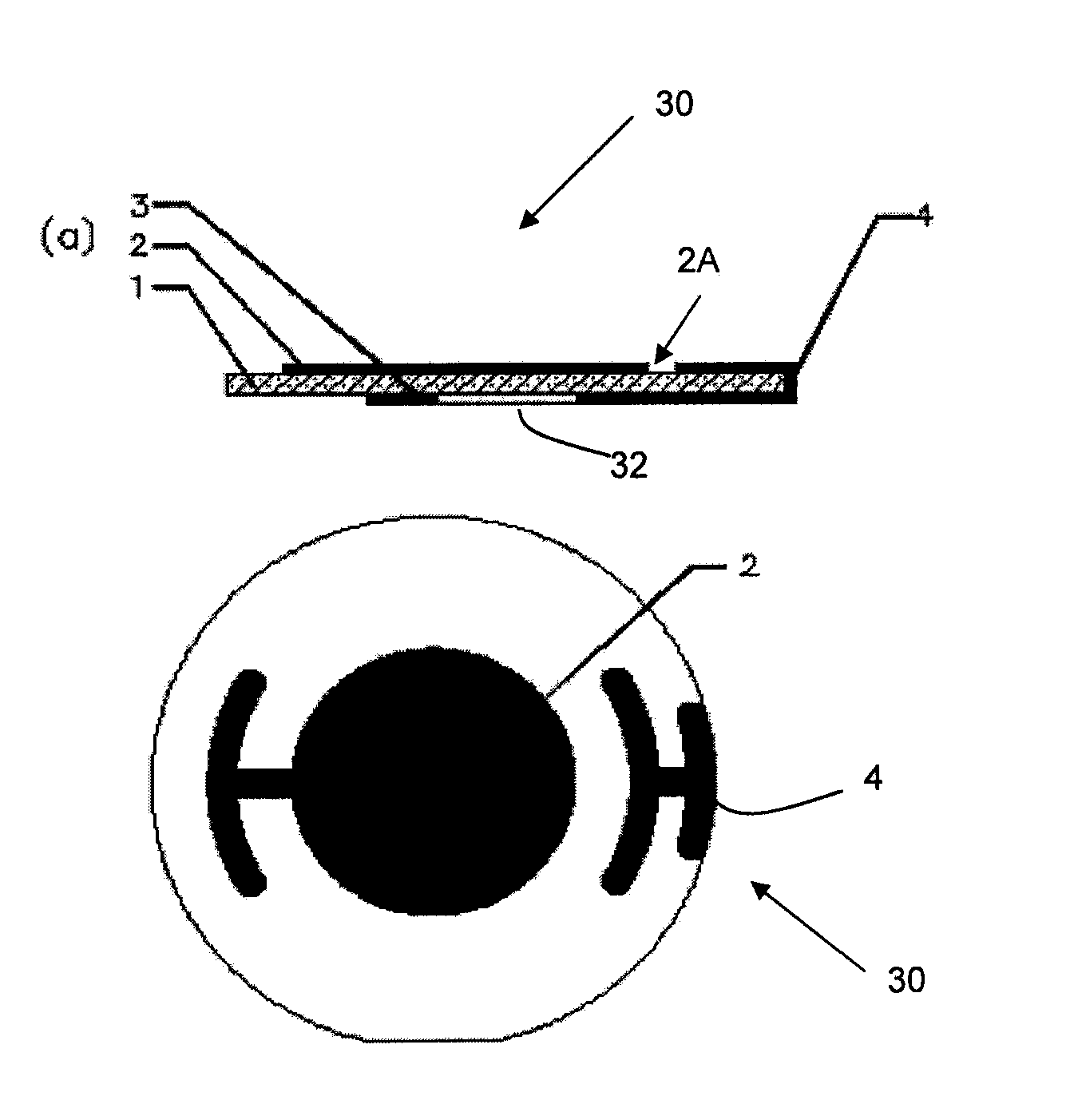
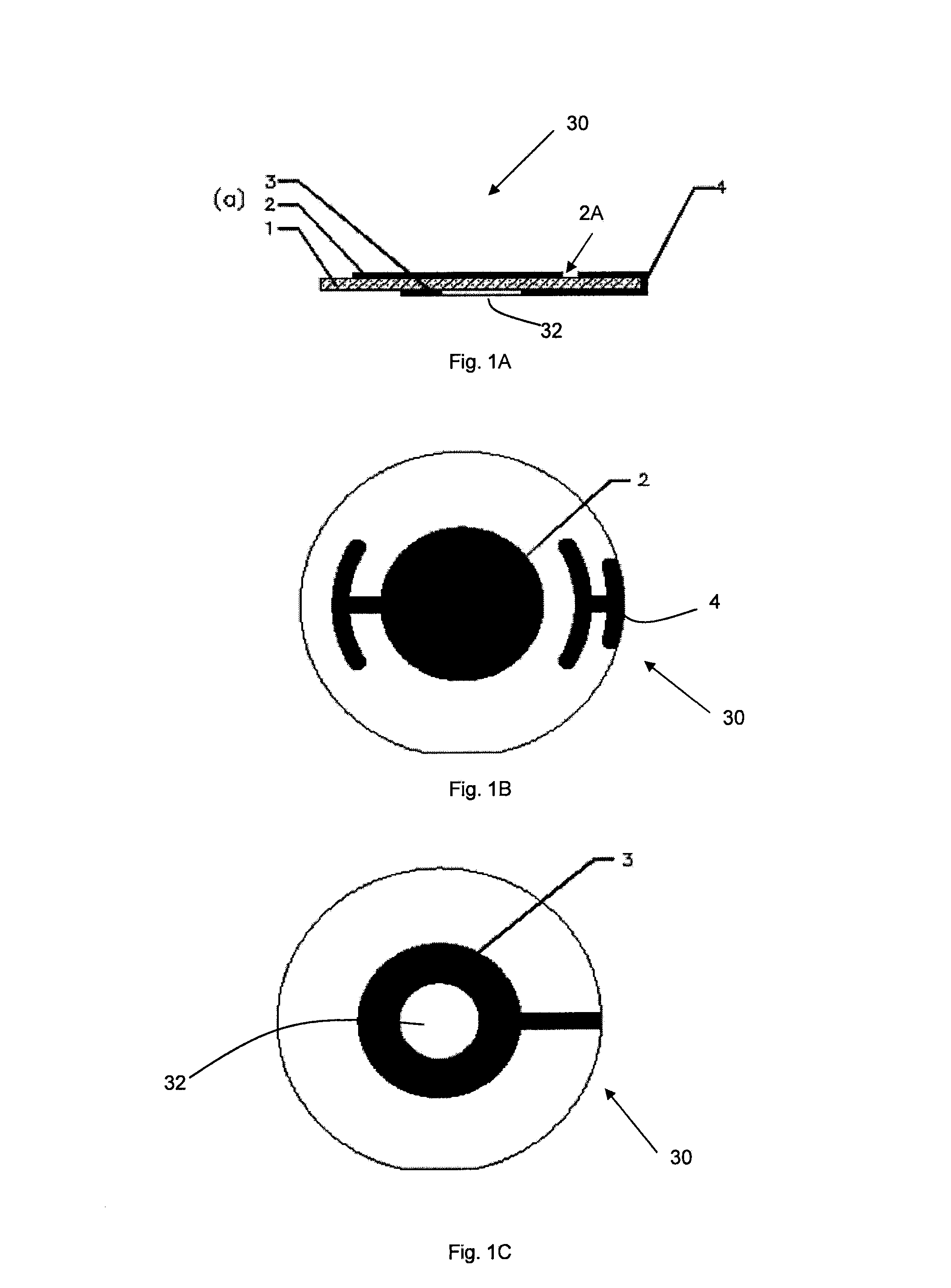
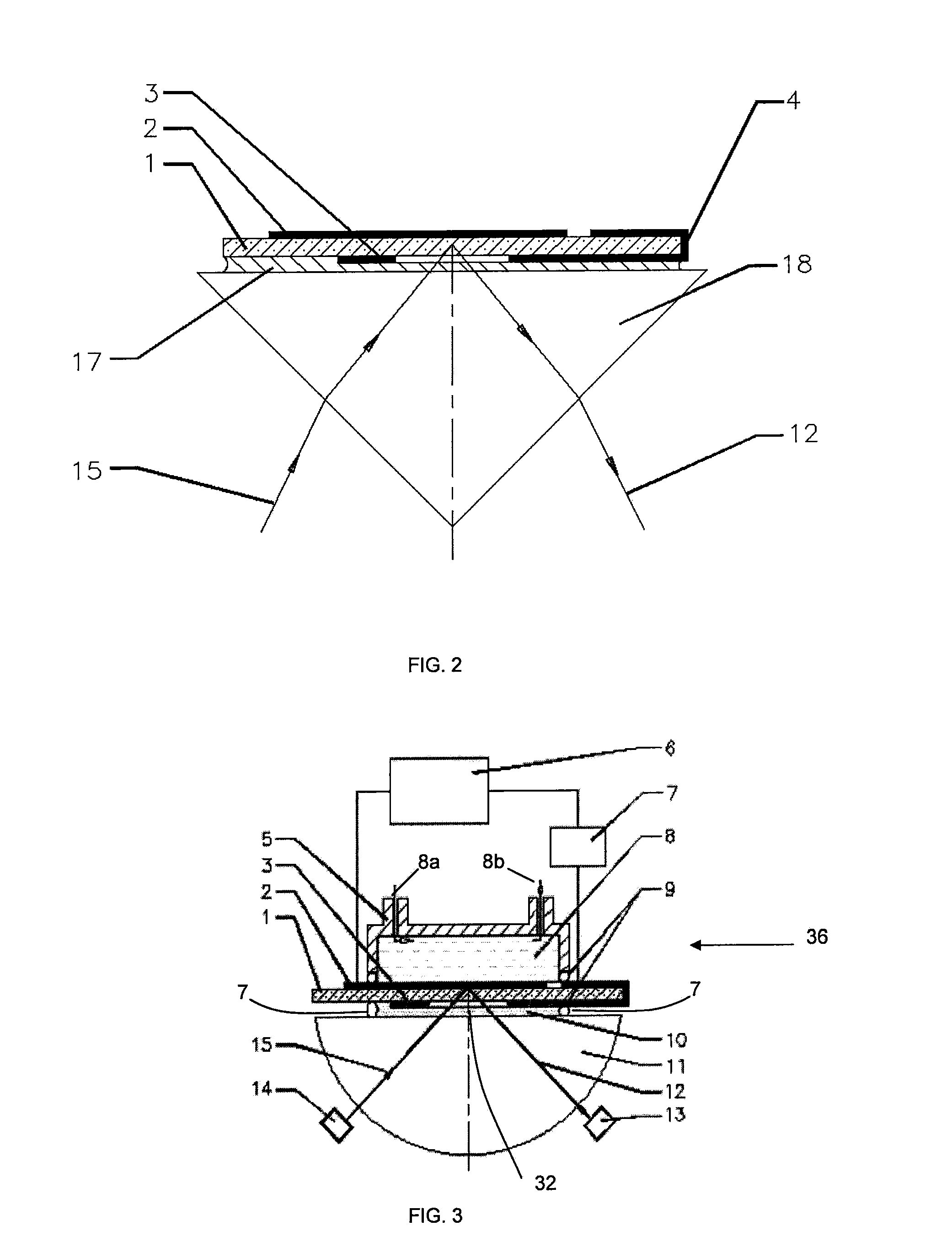
- A sensor chip assembly with a transparent piezoelectric substrate, thin film metal electrodes, and an attenuated total reflection (ATR) coupler, utilizing a light coupling medium with a refractive index matching the ATR coupler and substrate, allows for simultaneous SPR and gravimetric sensing without the need for optically transparent samples, enhancing signal quality.

Surface plasmon resonance (SRP) microscopy systems, method of fabrication thereof, and methods of use thereof
PatentInactiveUS20120154814A1
Innovation
- The development of an integrated microfluidic chip with an array of metal spots and an SPR imaging system that enables pressure-driven flow and label-free detection of target compounds, allowing for real-time monitoring of refractive index changes and reducing sample consumption through a compact, high-throughput design.


Standardization Requirements for SPR Kinetics Methods
The standardization of SPR kinetics methods requires comprehensive regulatory frameworks to ensure reproducibility and reliability across different laboratories and instrument platforms. Current standardization efforts focus on establishing unified protocols for sample preparation, measurement conditions, and data analysis procedures. International organizations such as ISO and ASTM are developing specific guidelines for SPR-based kinetic measurements, emphasizing the need for consistent experimental parameters including temperature control, buffer composition, and flow rate specifications.
Instrument calibration standards represent a critical component of SPR kinetics standardization. Reference materials with well-characterized binding kinetics must be established to enable cross-platform validation and inter-laboratory comparisons. These standards should encompass a range of kinetic parameters, from fast association rates to slow dissociation processes, ensuring comprehensive coverage of typical biomolecular interactions. The development of certified reference materials requires extensive collaborative efforts between instrument manufacturers, research institutions, and standardization bodies.
Data reporting standards are essential for meaningful comparison of kinetic results across different studies and platforms. Standardized formats should specify minimum required information including experimental conditions, instrument specifications, data processing methods, and uncertainty estimates. The implementation of standardized data formats facilitates the development of comprehensive kinetic databases and enables meta-analyses of binding interactions across different molecular systems.
Quality control measures must be integrated into standardized SPR kinetics protocols to ensure measurement reliability. These measures include regular system performance checks, blank subtraction procedures, and statistical validation of kinetic parameters. Standardized quality metrics should define acceptable ranges for baseline stability, signal-to-noise ratios, and fitting residuals, providing clear criteria for data acceptance or rejection.
Training and certification programs are necessary to ensure proper implementation of standardized SPR kinetics methods. These programs should cover theoretical principles, practical measurement techniques, and data analysis procedures, establishing competency standards for operators and analysts. Regular proficiency testing using standardized samples helps maintain measurement quality and identifies potential sources of systematic errors across different laboratories and user communities.
Instrument calibration standards represent a critical component of SPR kinetics standardization. Reference materials with well-characterized binding kinetics must be established to enable cross-platform validation and inter-laboratory comparisons. These standards should encompass a range of kinetic parameters, from fast association rates to slow dissociation processes, ensuring comprehensive coverage of typical biomolecular interactions. The development of certified reference materials requires extensive collaborative efforts between instrument manufacturers, research institutions, and standardization bodies.
Data reporting standards are essential for meaningful comparison of kinetic results across different studies and platforms. Standardized formats should specify minimum required information including experimental conditions, instrument specifications, data processing methods, and uncertainty estimates. The implementation of standardized data formats facilitates the development of comprehensive kinetic databases and enables meta-analyses of binding interactions across different molecular systems.
Quality control measures must be integrated into standardized SPR kinetics protocols to ensure measurement reliability. These measures include regular system performance checks, blank subtraction procedures, and statistical validation of kinetic parameters. Standardized quality metrics should define acceptable ranges for baseline stability, signal-to-noise ratios, and fitting residuals, providing clear criteria for data acceptance or rejection.
Training and certification programs are necessary to ensure proper implementation of standardized SPR kinetics methods. These programs should cover theoretical principles, practical measurement techniques, and data analysis procedures, establishing competency standards for operators and analysts. Regular proficiency testing using standardized samples helps maintain measurement quality and identifies potential sources of systematic errors across different laboratories and user communities.
Data Processing Algorithms for SPR Kinetics Quantification
The quantification of chemical kinetics in SPR-based plasmonic systems relies heavily on sophisticated data processing algorithms that can accurately extract kinetic parameters from complex optical signals. These algorithms must address the inherent challenges of SPR measurements, including signal noise, baseline drift, and non-specific binding effects that can obscure true kinetic behavior.
Real-time data acquisition in SPR systems generates continuous streams of refractive index changes, which must be processed through multi-stage algorithmic pipelines. Primary signal conditioning algorithms employ digital filtering techniques, including Savitzky-Golay smoothing and moving average filters, to reduce high-frequency noise while preserving the essential kinetic information. Advanced denoising methods utilize wavelet transforms and Kalman filtering to enhance signal quality without introducing artifacts that could compromise kinetic analysis accuracy.
Baseline correction algorithms represent a critical component of SPR data processing, as thermal drift and instrumental variations can significantly impact kinetic measurements. Polynomial fitting algorithms, combined with reference channel subtraction methods, effectively compensate for systematic variations. Machine learning approaches, particularly support vector regression and neural network-based correction models, have shown superior performance in handling complex baseline variations that traditional linear methods cannot address.
Kinetic parameter extraction algorithms form the core of SPR data analysis, employing non-linear curve fitting techniques to determine association and dissociation rate constants. The Levenberg-Marquardt algorithm remains the gold standard for fitting experimental data to theoretical kinetic models, including simple 1:1 binding, heterogeneous analyte models, and mass transport-limited interactions. Global fitting algorithms enable simultaneous analysis of multiple concentration series, improving parameter accuracy and reducing correlation between fitted variables.
Advanced algorithmic approaches incorporate machine learning methodologies to enhance kinetic quantification capabilities. Deep learning networks, particularly recurrent neural networks and transformer architectures, demonstrate exceptional performance in recognizing complex kinetic patterns and predicting binding parameters from raw SPR signals. These algorithms can automatically identify optimal fitting models and detect anomalous binding behaviors that might indicate experimental artifacts or novel interaction mechanisms.
Real-time processing algorithms enable continuous kinetic monitoring and adaptive experimental control. Edge computing implementations allow for on-chip data processing, reducing latency and enabling immediate feedback for experimental optimization. Cloud-based processing platforms provide scalable computational resources for complex kinetic modeling and large dataset analysis, facilitating high-throughput screening applications and multi-parameter optimization studies.
Real-time data acquisition in SPR systems generates continuous streams of refractive index changes, which must be processed through multi-stage algorithmic pipelines. Primary signal conditioning algorithms employ digital filtering techniques, including Savitzky-Golay smoothing and moving average filters, to reduce high-frequency noise while preserving the essential kinetic information. Advanced denoising methods utilize wavelet transforms and Kalman filtering to enhance signal quality without introducing artifacts that could compromise kinetic analysis accuracy.
Baseline correction algorithms represent a critical component of SPR data processing, as thermal drift and instrumental variations can significantly impact kinetic measurements. Polynomial fitting algorithms, combined with reference channel subtraction methods, effectively compensate for systematic variations. Machine learning approaches, particularly support vector regression and neural network-based correction models, have shown superior performance in handling complex baseline variations that traditional linear methods cannot address.
Kinetic parameter extraction algorithms form the core of SPR data analysis, employing non-linear curve fitting techniques to determine association and dissociation rate constants. The Levenberg-Marquardt algorithm remains the gold standard for fitting experimental data to theoretical kinetic models, including simple 1:1 binding, heterogeneous analyte models, and mass transport-limited interactions. Global fitting algorithms enable simultaneous analysis of multiple concentration series, improving parameter accuracy and reducing correlation between fitted variables.
Advanced algorithmic approaches incorporate machine learning methodologies to enhance kinetic quantification capabilities. Deep learning networks, particularly recurrent neural networks and transformer architectures, demonstrate exceptional performance in recognizing complex kinetic patterns and predicting binding parameters from raw SPR signals. These algorithms can automatically identify optimal fitting models and detect anomalous binding behaviors that might indicate experimental artifacts or novel interaction mechanisms.
Real-time processing algorithms enable continuous kinetic monitoring and adaptive experimental control. Edge computing implementations allow for on-chip data processing, reducing latency and enabling immediate feedback for experimental optimization. Cloud-based processing platforms provide scalable computational resources for complex kinetic modeling and large dataset analysis, facilitating high-throughput screening applications and multi-parameter optimization studies.
Unlock deeper insights with PatSnap Eureka Quick Research — get a full tech report to explore trends and direct your research. Try now!
Generate Your Research Report Instantly with AI Agent
Supercharge your innovation with PatSnap Eureka AI Agent Platform!