

How to Reduce Anchor Bolt Installation Time
FEB 12, 20269 MIN READ
Generate Your Research Report Instantly with AI Agent
PatSnap Eureka helps you evaluate technical feasibility & market potential.
Anchor Bolt Installation Background and Efficiency Goals
Anchor bolt installation represents a critical component in construction and infrastructure projects, serving as the fundamental connection between structural elements and their foundations. These fastening systems are essential for securing equipment, machinery, structural steel, and precast concrete elements to concrete foundations or existing structures. The installation process traditionally involves multiple labor-intensive steps including drilling, cleaning, positioning, grouting, and curing, which collectively consume significant project time and resources.
The construction industry has experienced mounting pressure to accelerate project timelines while maintaining stringent safety and quality standards. Traditional anchor bolt installation methods often require 24-48 hours for complete curing, creating bottlenecks in construction schedules. This extended timeline stems from conventional grouting materials that demand lengthy curing periods before structural loads can be applied, forcing contractors to sequence work around these constraints.
Modern construction projects increasingly demand faster turnaround times due to economic pressures, compressed project schedules, and the need to minimize disruption in operational environments. The ability to reduce anchor bolt installation time directly impacts project profitability, resource allocation efficiency, and overall construction productivity. Industries such as wind energy, telecommunications, and industrial manufacturing particularly benefit from accelerated installation processes due to their high-volume anchor bolt requirements.
Current efficiency goals focus on achieving same-day structural loading capabilities, reducing installation time from days to hours. The target benchmark involves completing the entire installation process within 2-4 hours while maintaining equivalent or superior holding strength compared to traditional methods. This acceleration would enable contractors to complete foundation work and proceed with structural assembly in a single work shift.
Advanced installation techniques aim to eliminate weather-dependent curing constraints that frequently delay projects. Temperature and humidity variations significantly impact traditional grouting materials, creating unpredictable installation schedules. Next-generation solutions target weather-independent performance, enabling consistent installation timelines regardless of environmental conditions.
The integration of prefabricated components and modular installation systems represents another efficiency objective. These approaches minimize field preparation time and reduce the skill level required for proper installation, addressing labor shortage challenges while improving installation consistency and quality control across diverse project sites.
The construction industry has experienced mounting pressure to accelerate project timelines while maintaining stringent safety and quality standards. Traditional anchor bolt installation methods often require 24-48 hours for complete curing, creating bottlenecks in construction schedules. This extended timeline stems from conventional grouting materials that demand lengthy curing periods before structural loads can be applied, forcing contractors to sequence work around these constraints.
Modern construction projects increasingly demand faster turnaround times due to economic pressures, compressed project schedules, and the need to minimize disruption in operational environments. The ability to reduce anchor bolt installation time directly impacts project profitability, resource allocation efficiency, and overall construction productivity. Industries such as wind energy, telecommunications, and industrial manufacturing particularly benefit from accelerated installation processes due to their high-volume anchor bolt requirements.
Current efficiency goals focus on achieving same-day structural loading capabilities, reducing installation time from days to hours. The target benchmark involves completing the entire installation process within 2-4 hours while maintaining equivalent or superior holding strength compared to traditional methods. This acceleration would enable contractors to complete foundation work and proceed with structural assembly in a single work shift.
Advanced installation techniques aim to eliminate weather-dependent curing constraints that frequently delay projects. Temperature and humidity variations significantly impact traditional grouting materials, creating unpredictable installation schedules. Next-generation solutions target weather-independent performance, enabling consistent installation timelines regardless of environmental conditions.
The integration of prefabricated components and modular installation systems represents another efficiency objective. These approaches minimize field preparation time and reduce the skill level required for proper installation, addressing labor shortage challenges while improving installation consistency and quality control across diverse project sites.
Market Demand for Faster Construction Installation Methods
The construction industry faces mounting pressure to accelerate project timelines while maintaining safety and quality standards. Traditional anchor bolt installation methods, which can consume substantial portions of construction schedules, have become a critical bottleneck in modern building projects. Market demand for faster installation techniques has intensified as developers seek to reduce labor costs, minimize project delays, and improve overall construction efficiency.
Infrastructure development projects worldwide are driving significant demand for expedited construction methodologies. Large-scale commercial buildings, industrial facilities, and transportation infrastructure require thousands of anchor bolts, making installation speed a crucial factor in project economics. The growing complexity of modern structures, combined with tighter construction schedules, has created an urgent need for innovative installation solutions that can dramatically reduce time requirements without compromising structural integrity.
Labor shortages in skilled construction trades have further amplified market demand for faster installation methods. As experienced installers become increasingly scarce, construction companies are actively seeking technologies and techniques that can enable less experienced workers to achieve comparable installation speeds. This workforce challenge has created substantial market opportunities for automated or semi-automated installation systems that can reduce dependency on highly skilled labor.
The prefabrication and modular construction sectors represent particularly strong demand drivers for rapid anchor bolt installation solutions. These manufacturing-oriented approaches to construction require precise, high-speed installation capabilities to maintain production efficiency. Modular construction facilities often install hundreds of anchor bolts daily, making even small improvements in installation speed translate to significant cost savings and productivity gains.
Safety regulations and quality assurance requirements continue to shape market demand patterns. Construction companies increasingly seek installation methods that not only reduce time but also minimize human error and improve installation consistency. This dual requirement for speed and reliability has created market opportunities for advanced installation technologies that can deliver both benefits simultaneously.
Emerging markets in developing economies are experiencing rapid urbanization and infrastructure expansion, creating substantial demand for efficient construction methods. These markets often face additional constraints including limited skilled labor availability and pressure to complete projects quickly to support economic development goals, further intensifying demand for faster installation solutions.
Infrastructure development projects worldwide are driving significant demand for expedited construction methodologies. Large-scale commercial buildings, industrial facilities, and transportation infrastructure require thousands of anchor bolts, making installation speed a crucial factor in project economics. The growing complexity of modern structures, combined with tighter construction schedules, has created an urgent need for innovative installation solutions that can dramatically reduce time requirements without compromising structural integrity.
Labor shortages in skilled construction trades have further amplified market demand for faster installation methods. As experienced installers become increasingly scarce, construction companies are actively seeking technologies and techniques that can enable less experienced workers to achieve comparable installation speeds. This workforce challenge has created substantial market opportunities for automated or semi-automated installation systems that can reduce dependency on highly skilled labor.
The prefabrication and modular construction sectors represent particularly strong demand drivers for rapid anchor bolt installation solutions. These manufacturing-oriented approaches to construction require precise, high-speed installation capabilities to maintain production efficiency. Modular construction facilities often install hundreds of anchor bolts daily, making even small improvements in installation speed translate to significant cost savings and productivity gains.
Safety regulations and quality assurance requirements continue to shape market demand patterns. Construction companies increasingly seek installation methods that not only reduce time but also minimize human error and improve installation consistency. This dual requirement for speed and reliability has created market opportunities for advanced installation technologies that can deliver both benefits simultaneously.
Emerging markets in developing economies are experiencing rapid urbanization and infrastructure expansion, creating substantial demand for efficient construction methods. These markets often face additional constraints including limited skilled labor availability and pressure to complete projects quickly to support economic development goals, further intensifying demand for faster installation solutions.
Current State and Time Challenges in Anchor Bolt Installation
Anchor bolt installation represents a critical bottleneck in construction projects worldwide, with traditional methods consuming substantial time and labor resources. Current industry practices typically require 15-45 minutes per bolt depending on substrate conditions, bolt specifications, and installation complexity. This timeframe encompasses drilling preparation, hole cleaning, adhesive application, bolt insertion, and curing verification processes.
The construction industry faces mounting pressure to accelerate project timelines while maintaining structural integrity standards. Anchor bolt installation delays frequently cascade through project schedules, affecting subsequent trades and overall completion dates. Labor costs associated with prolonged installation procedures significantly impact project economics, particularly in high-volume applications such as precast concrete connections, steel structure anchoring, and equipment mounting systems.
Traditional installation methods rely heavily on manual processes that introduce variability and inefficiency. Conventional drilling techniques often require multiple passes to achieve proper hole dimensions and cleanliness standards. Adhesive application methods frequently involve manual mixing and injection processes that consume additional time while creating potential for human error. These manual interventions contribute to inconsistent installation quality and extended completion times.
Environmental factors compound installation challenges across different project contexts. Cold weather conditions extend adhesive curing times significantly, while high temperatures accelerate working time limitations. Overhead installations present ergonomic difficulties that slow worker productivity and increase safety risks. Confined spaces and restricted access areas further complicate installation procedures, often requiring specialized equipment and additional safety measures.
Quality assurance requirements add substantial time overhead to installation processes. Current standards mandate specific hole preparation procedures, adhesive mixing verification, and pull-out testing protocols. These quality control measures, while essential for structural safety, contribute significantly to overall installation duration. Documentation requirements for critical applications further extend completion times through mandatory inspection and approval cycles.
Substrate variability presents ongoing challenges that affect installation predictability. Different concrete strengths, aggregate compositions, and reinforcement configurations require adjusted drilling parameters and installation techniques. Existing structure modifications often encounter unexpected conditions such as embedded utilities or structural elements that necessitate field modifications and extended installation times.
The industry currently lacks standardized automation solutions for anchor bolt installation, leaving most operations dependent on skilled manual labor. This dependency creates scheduling vulnerabilities due to labor availability constraints and skill level variations among installation crews. Training requirements for proper installation techniques add additional overhead to project planning and execution phases.
The construction industry faces mounting pressure to accelerate project timelines while maintaining structural integrity standards. Anchor bolt installation delays frequently cascade through project schedules, affecting subsequent trades and overall completion dates. Labor costs associated with prolonged installation procedures significantly impact project economics, particularly in high-volume applications such as precast concrete connections, steel structure anchoring, and equipment mounting systems.
Traditional installation methods rely heavily on manual processes that introduce variability and inefficiency. Conventional drilling techniques often require multiple passes to achieve proper hole dimensions and cleanliness standards. Adhesive application methods frequently involve manual mixing and injection processes that consume additional time while creating potential for human error. These manual interventions contribute to inconsistent installation quality and extended completion times.
Environmental factors compound installation challenges across different project contexts. Cold weather conditions extend adhesive curing times significantly, while high temperatures accelerate working time limitations. Overhead installations present ergonomic difficulties that slow worker productivity and increase safety risks. Confined spaces and restricted access areas further complicate installation procedures, often requiring specialized equipment and additional safety measures.
Quality assurance requirements add substantial time overhead to installation processes. Current standards mandate specific hole preparation procedures, adhesive mixing verification, and pull-out testing protocols. These quality control measures, while essential for structural safety, contribute significantly to overall installation duration. Documentation requirements for critical applications further extend completion times through mandatory inspection and approval cycles.
Substrate variability presents ongoing challenges that affect installation predictability. Different concrete strengths, aggregate compositions, and reinforcement configurations require adjusted drilling parameters and installation techniques. Existing structure modifications often encounter unexpected conditions such as embedded utilities or structural elements that necessitate field modifications and extended installation times.
The industry currently lacks standardized automation solutions for anchor bolt installation, leaving most operations dependent on skilled manual labor. This dependency creates scheduling vulnerabilities due to labor availability constraints and skill level variations among installation crews. Training requirements for proper installation techniques add additional overhead to project planning and execution phases.
Existing Solutions for Accelerating Anchor Bolt Installation
01 Quick-setting anchor bolt systems
Technologies that enable rapid installation of anchor bolts through the use of quick-setting materials, fast-curing adhesives, or mechanical expansion mechanisms. These systems significantly reduce the waiting time required before the anchor can bear loads, allowing for faster construction progress and improved efficiency in installation processes.- Quick-setting anchor bolt systems: Technologies that enable rapid installation of anchor bolts through the use of quick-setting materials, fast-curing adhesives, or mechanical expansion mechanisms. These systems significantly reduce the waiting time required before the anchor bolt can bear loads, allowing for faster construction progress and improved efficiency in installation processes.
- Pre-installed anchor bolt methods: Techniques involving anchor bolts that are pre-positioned or embedded during concrete pouring or formwork assembly. This approach eliminates separate installation time after concrete curing and ensures proper alignment and positioning. The method streamlines construction schedules by integrating anchor bolt placement into earlier construction phases.
- Adjustable anchor bolt installation systems: Systems that allow for adjustment of anchor bolt position during or after installation to accommodate alignment tolerances and field conditions. These systems provide flexibility in installation timing by allowing corrections without complete reinstallation, reducing overall installation time and minimizing errors that would require rework.
- Automated anchor bolt installation equipment: Mechanical devices and automated systems designed to streamline the anchor bolt installation process through mechanization. These tools reduce manual labor requirements and installation time by automating drilling, positioning, and fastening operations, improving consistency and speed of installation across multiple anchor points.
- Temporary support and curing acceleration methods: Techniques that provide temporary support for anchor bolts during installation and methods to accelerate the curing or setting process. These approaches include temporary fixtures, heat application, or chemical accelerators that reduce the time required before anchor bolts achieve sufficient strength for load bearing, enabling faster progression to subsequent construction activities.
02 Pre-installed anchor bolt assemblies
Methods involving anchor bolts that are pre-positioned or embedded during concrete pouring or formwork preparation. This approach eliminates separate installation time after concrete curing and ensures proper alignment and positioning from the initial construction phase, reducing overall project timeline and labor requirements.Expand Specific Solutions03 Adjustable timing anchor systems
Anchor bolt designs that allow for installation timing flexibility through adjustable positioning mechanisms or delayed setting features. These systems accommodate variations in construction schedules and enable corrections or adjustments after initial placement, providing greater adaptability in construction sequencing and reducing rework time.Expand Specific Solutions04 Automated anchor bolt installation equipment
Mechanical devices and automated systems designed to reduce manual installation time through powered drilling, positioning, and fastening mechanisms. These tools improve installation speed, consistency, and accuracy while minimizing labor intensity and human error in the anchor bolt installation process.Expand Specific Solutions05 Time-monitoring anchor installation methods
Techniques and systems that incorporate timing indicators, curing time sensors, or installation sequence tracking to optimize the anchor bolt installation schedule. These methods help ensure proper curing periods are observed and provide guidance on when anchors can safely bear loads, improving quality control and construction safety.Expand Specific Solutions
Key Players in Construction Fastening Industry
The anchor bolt installation market is experiencing significant growth driven by expanding construction and infrastructure sectors globally. The industry is in a mature development stage with established players dominating through technological innovation and automation solutions. Market leaders like Hilti AG and Mitsubishi Electric Corp. are advancing automated installation systems and smart fastening technologies, while construction giants including Shanghai Baoye Group, Kajima Corp., and Shimizu Corp. are implementing these solutions in large-scale projects. Technology maturity varies across segments, with companies like fischerwerke and Gripple Ltd. focusing on mechanical fastening innovations, while others such as China's metallurgical construction firms are integrating digital construction management systems. The competitive landscape shows a clear division between specialized fastening technology providers and large construction contractors seeking efficiency improvements through advanced installation methodologies and equipment automation.
Mitsubishi Electric Corp.
Technical Solution: Mitsubishi Electric has developed robotic anchor bolt installation systems that integrate precision drilling, positioning, and setting operations into automated workflows. Their industrial robot platforms can reduce installation time by 40-50% through continuous operation capabilities and elimination of manual positioning errors. The systems incorporate advanced sensor technology for automatic depth detection and torque control, ensuring consistent installation quality while minimizing setup time. Their programmable automation controllers enable batch processing of multiple anchor points with pre-programmed installation sequences, reducing operator intervention and accelerating project completion through systematic automated installation processes.
Strengths: Advanced robotics integration, high precision automation, scalable system architecture. Weaknesses: High capital investment requirements, complex programming and setup procedures.
fischerwerke Artur Fischer GmbH & Co. KG.
Technical Solution: Fischer has developed the FIS EM injection mortar system with accelerated curing technology that reduces anchor bolt installation time by eliminating extended waiting periods. Their system includes pre-mixed cartridges that cure in 45 minutes at 20°C compared to traditional 24-hour curing times. The company's FIS V injection system features automated mixing and dispensing technology that ensures consistent application while reducing manual preparation time. Fischer's modular anchor systems allow for batch installation processes where multiple anchors can be prepared and set simultaneously, optimizing workflow efficiency and reducing overall project timelines through systematic installation approaches.
Strengths: Fast-curing chemical systems, reliable batch processing capabilities, proven European market presence. Weaknesses: Limited automation compared to competitors, weather-dependent curing performance.
Core Innovations in Rapid Anchor Bolt Systems
One-piece drill bit for single-pass anchor bolting and single pass drilling apparatus
PatentInactiveUS20090285638A1
Innovation
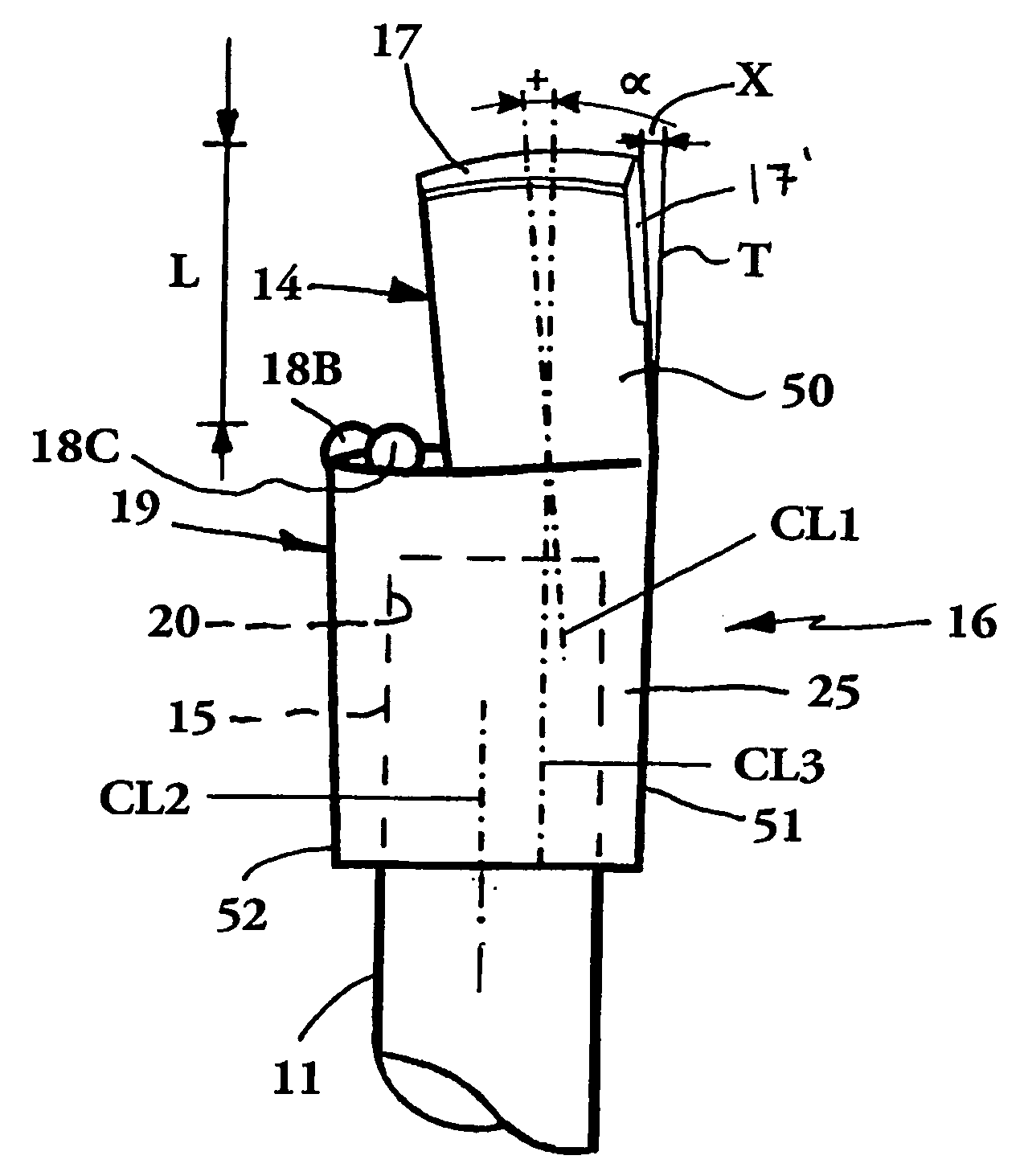
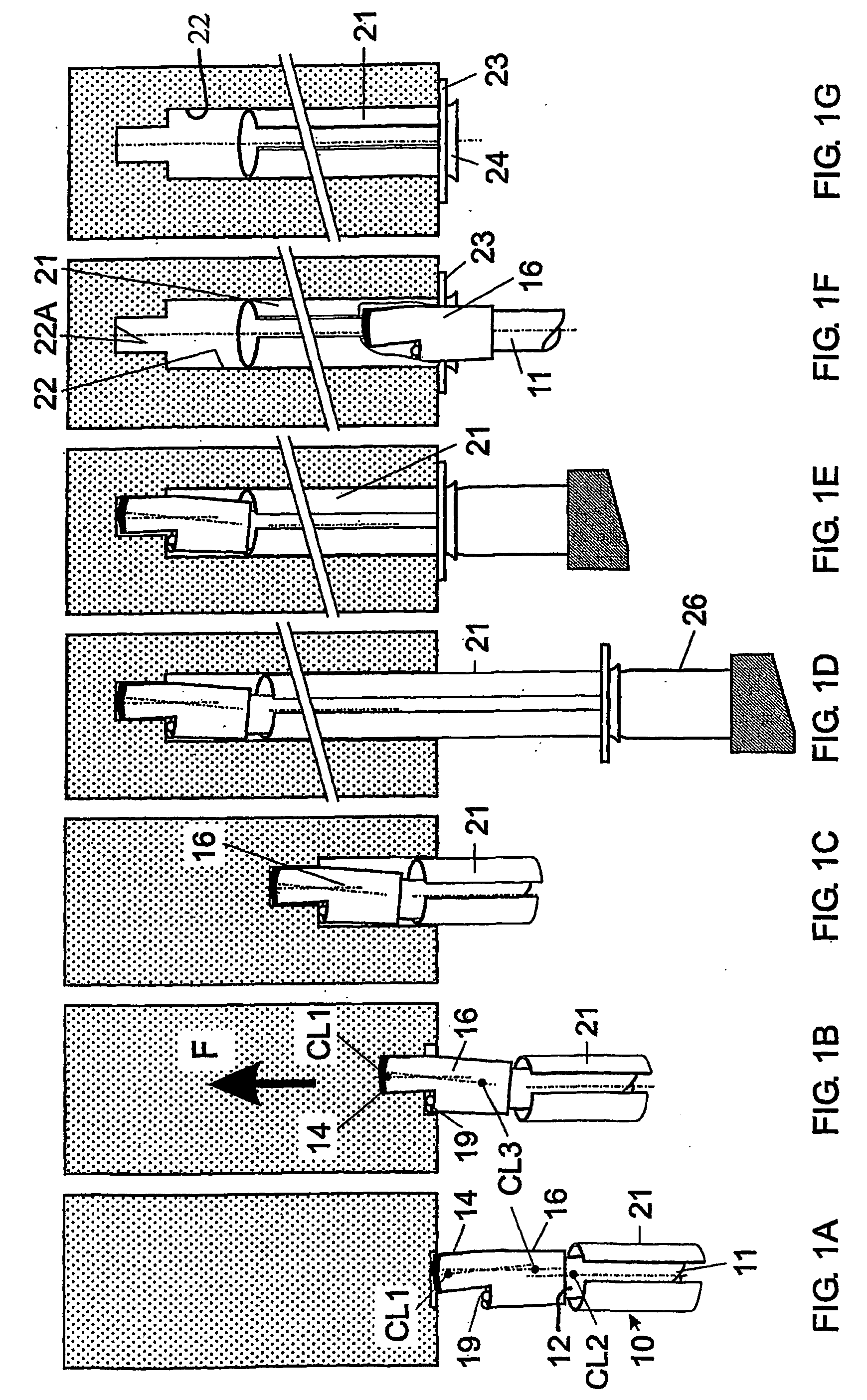
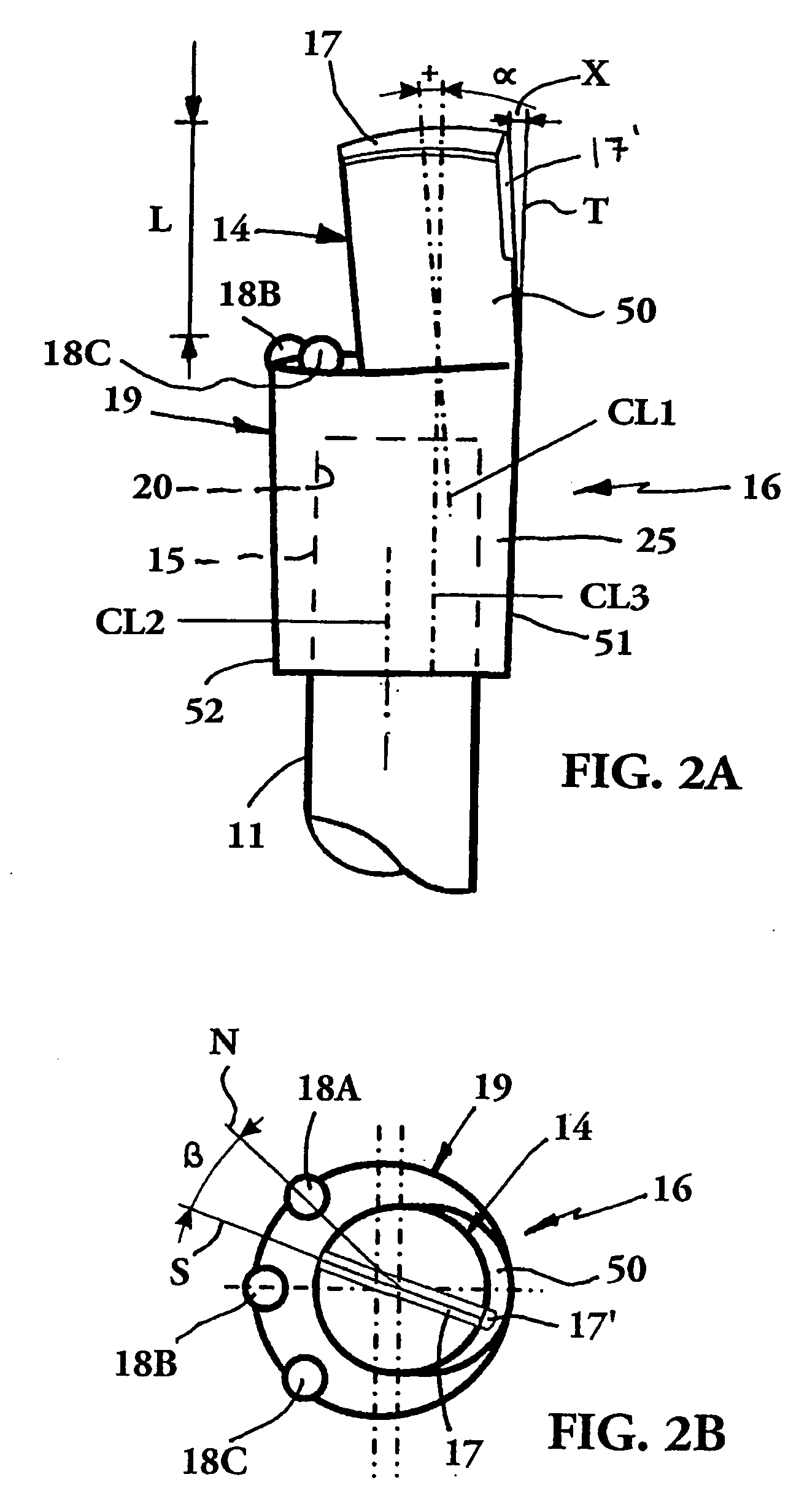
- A one-piece drill bit with a pilot part and a reamer part, connected via a thread or bayonet connection, designed for efficient drilling and retraction, utilizing cemented carbide chisels and buttons for enhanced wear resistance and capable of drilling through hard ground conditions, allowing for simultaneous drilling and bolt installation without losing the drill bit.

Auxiliary tool for anchor bolt, anchor bolt set, and installation method for anchor bolt
PatentActiveJP2016211180A
Innovation
- An auxiliary tool for anchor bolts is designed with an arc-shaped base and pair of legs that can be attached from a direction intersecting the shaft axis, allowing easy attachment and removal, and is made from a bendable metal wire rod to simplify manufacturing.


Safety Standards and Regulations for Anchor Systems
The safety landscape for anchor systems is governed by a comprehensive framework of international, national, and industry-specific standards that directly impact installation time considerations. The International Building Code (IBC) and American Concrete Institute (ACI) standards, particularly ACI 318 and ACI 355, establish fundamental requirements for anchor design, installation procedures, and quality assurance protocols. These regulations mandate specific installation sequences, torque specifications, and verification procedures that can significantly influence the time required for proper anchor bolt installation.
European standards, including EN 1992 (Eurocode 2) and ETAG guidelines, provide additional regulatory frameworks that emphasize installation quality over speed. These standards require detailed documentation of installation parameters, including hole preparation specifications, cleaning procedures, and curing time requirements for chemical anchors. The regulatory emphasis on traceability and quality control often extends installation timelines but ensures structural integrity and long-term performance.
Occupational safety regulations, such as OSHA standards in the United States and similar workplace safety directives globally, impose additional time considerations through mandatory safety protocols. These include requirements for personal protective equipment, fall protection systems, and hazardous material handling procedures when working with chemical anchoring systems. The integration of safety compliance into installation workflows necessitates careful planning to balance regulatory adherence with efficiency objectives.
Industry-specific standards, such as those established by the American Institute of Steel Construction (AISC) and International Association of Bridge and Structural Engineers (IABSE), provide sector-specific guidance that can streamline installation processes within defined parameters. These standards often include pre-approved installation methods and standardized procedures that, when properly implemented, can reduce decision-making time during installation while maintaining compliance.
The regulatory landscape also encompasses quality assurance requirements, including mandatory testing protocols and inspection procedures. Standards typically require pull-out testing, torque verification, and visual inspections that add time to the installation process but are essential for regulatory compliance. Understanding these requirements enables the development of optimized installation sequences that integrate safety and quality requirements efficiently.
Emerging regulatory trends focus on sustainability and environmental impact, introducing new considerations for anchor system selection and installation methods. These evolving standards may influence future installation practices and time requirements as the industry adapts to changing regulatory expectations.
European standards, including EN 1992 (Eurocode 2) and ETAG guidelines, provide additional regulatory frameworks that emphasize installation quality over speed. These standards require detailed documentation of installation parameters, including hole preparation specifications, cleaning procedures, and curing time requirements for chemical anchors. The regulatory emphasis on traceability and quality control often extends installation timelines but ensures structural integrity and long-term performance.
Occupational safety regulations, such as OSHA standards in the United States and similar workplace safety directives globally, impose additional time considerations through mandatory safety protocols. These include requirements for personal protective equipment, fall protection systems, and hazardous material handling procedures when working with chemical anchoring systems. The integration of safety compliance into installation workflows necessitates careful planning to balance regulatory adherence with efficiency objectives.
Industry-specific standards, such as those established by the American Institute of Steel Construction (AISC) and International Association of Bridge and Structural Engineers (IABSE), provide sector-specific guidance that can streamline installation processes within defined parameters. These standards often include pre-approved installation methods and standardized procedures that, when properly implemented, can reduce decision-making time during installation while maintaining compliance.
The regulatory landscape also encompasses quality assurance requirements, including mandatory testing protocols and inspection procedures. Standards typically require pull-out testing, torque verification, and visual inspections that add time to the installation process but are essential for regulatory compliance. Understanding these requirements enables the development of optimized installation sequences that integrate safety and quality requirements efficiently.
Emerging regulatory trends focus on sustainability and environmental impact, introducing new considerations for anchor system selection and installation methods. These evolving standards may influence future installation practices and time requirements as the industry adapts to changing regulatory expectations.
Cost-Benefit Analysis of Fast Installation Technologies
The economic evaluation of fast anchor bolt installation technologies reveals significant cost advantages across multiple operational dimensions. Traditional installation methods typically require 15-30 minutes per bolt, while advanced pneumatic and hydraulic systems can reduce this timeframe to 3-8 minutes per bolt. This efficiency gain translates to substantial labor cost savings, particularly in large-scale construction projects where hundreds or thousands of anchor bolts are required.
Initial capital investment for fast installation equipment ranges from $15,000 to $50,000 depending on system complexity and automation level. However, the payback period is remarkably short, typically 6-18 months for contractors handling medium to large projects. The return on investment becomes even more attractive when considering reduced project timelines and associated overhead cost savings.
Labor productivity improvements represent the most significant benefit category. Fast installation technologies can increase crew productivity by 200-400%, allowing the same workforce to complete substantially more installations per day. This productivity gain enables contractors to take on additional projects or complete existing projects ahead of schedule, generating additional revenue opportunities.
Quality-related cost benefits emerge from improved installation consistency and reduced rework requirements. Automated and semi-automated systems achieve torque specifications with greater precision, reducing the likelihood of installation failures that could result in costly remediation work. Field studies indicate a 60-80% reduction in installation-related quality issues when using advanced installation technologies.
Project schedule compression benefits extend beyond direct installation time savings. Faster anchor bolt installation often lies on the critical path of construction schedules, meaning installation time reductions directly translate to overall project timeline acceleration. This schedule compression can yield significant savings in project overhead costs, equipment rental fees, and potential early completion bonuses.
The total cost of ownership analysis demonstrates that despite higher upfront equipment costs, fast installation technologies deliver net positive returns within the first year of implementation for most commercial applications, with long-term savings continuing to accumulate throughout the equipment lifecycle.
Initial capital investment for fast installation equipment ranges from $15,000 to $50,000 depending on system complexity and automation level. However, the payback period is remarkably short, typically 6-18 months for contractors handling medium to large projects. The return on investment becomes even more attractive when considering reduced project timelines and associated overhead cost savings.
Labor productivity improvements represent the most significant benefit category. Fast installation technologies can increase crew productivity by 200-400%, allowing the same workforce to complete substantially more installations per day. This productivity gain enables contractors to take on additional projects or complete existing projects ahead of schedule, generating additional revenue opportunities.
Quality-related cost benefits emerge from improved installation consistency and reduced rework requirements. Automated and semi-automated systems achieve torque specifications with greater precision, reducing the likelihood of installation failures that could result in costly remediation work. Field studies indicate a 60-80% reduction in installation-related quality issues when using advanced installation technologies.
Project schedule compression benefits extend beyond direct installation time savings. Faster anchor bolt installation often lies on the critical path of construction schedules, meaning installation time reductions directly translate to overall project timeline acceleration. This schedule compression can yield significant savings in project overhead costs, equipment rental fees, and potential early completion bonuses.
The total cost of ownership analysis demonstrates that despite higher upfront equipment costs, fast installation technologies deliver net positive returns within the first year of implementation for most commercial applications, with long-term savings continuing to accumulate throughout the equipment lifecycle.
Unlock deeper insights with PatSnap Eureka Quick Research — get a full tech report to explore trends and direct your research. Try now!
Generate Your Research Report Instantly with AI Agent
Supercharge your innovation with PatSnap Eureka AI Agent Platform!