

How to Reduce Fouling in Plate Heat Exchangers
MAR 10, 20268 MIN READ
Generate Your Research Report Instantly with AI Agent
Patsnap Eureka helps you evaluate technical feasibility & market potential.
Plate Heat Exchanger Fouling Background and Objectives
Plate heat exchangers have emerged as critical components in industrial heat transfer applications since their commercial introduction in the 1930s. Originally developed for the dairy industry, these compact and efficient devices have evolved to serve diverse sectors including chemical processing, power generation, HVAC systems, and food processing. The fundamental design consists of multiple corrugated plates arranged in a frame, creating alternating channels for hot and cold fluids while maximizing heat transfer surface area within a minimal footprint.
The evolution of plate heat exchanger technology has been driven by continuous demands for enhanced thermal efficiency, reduced energy consumption, and improved operational reliability. Early designs focused primarily on achieving effective heat transfer, but operational experience revealed that fouling represents one of the most significant challenges affecting long-term performance. Fouling refers to the unwanted accumulation of deposits on heat transfer surfaces, which progressively reduces thermal efficiency and increases pressure drop across the system.
Contemporary industrial applications place increasingly stringent requirements on heat exchanger performance, particularly in terms of maintaining consistent thermal efficiency throughout extended operational periods. The challenge of fouling has become more pronounced as industries seek to optimize energy utilization and minimize maintenance downtime. Modern plate heat exchangers must operate reliably in diverse fluid environments, from clean water systems to highly fouling applications involving particulate-laden fluids, biological materials, and chemically reactive substances.
The primary objective of addressing fouling in plate heat exchangers encompasses multiple technical goals. The foremost aim is to maintain optimal thermal performance by preventing or minimizing deposit formation that impedes heat transfer. This involves developing strategies to preserve the designed heat transfer coefficient throughout the operational lifecycle, ensuring consistent energy efficiency and process performance.
Secondary objectives include extending operational intervals between cleaning cycles, thereby reducing maintenance costs and improving system availability. Additionally, the goal extends to developing predictive maintenance capabilities that enable proactive fouling management rather than reactive responses to performance degradation. These objectives collectively aim to enhance the economic viability and operational sustainability of plate heat exchanger installations across various industrial applications.
Market Demand for Fouling-Resistant Heat Exchange Solutions
The global market for fouling-resistant heat exchange solutions is experiencing robust growth driven by increasing industrial efficiency demands and stringent environmental regulations. Industries such as chemical processing, food and beverage, pharmaceuticals, and power generation are actively seeking advanced heat exchanger technologies that minimize fouling-related downtime and maintenance costs. The rising emphasis on energy efficiency and sustainability has created substantial demand for innovative solutions that can maintain optimal heat transfer performance over extended operational periods.
Chemical processing industries represent the largest market segment for fouling-resistant plate heat exchangers, where process fluids often contain particles, biological matter, or chemical precipitates that readily adhere to heat transfer surfaces. The food and beverage sector demonstrates particularly strong demand due to strict hygiene requirements and the need to prevent bacterial growth and protein deposition during thermal processing operations.
Market drivers include escalating energy costs, which make heat recovery systems more economically attractive, and increasingly stringent environmental regulations that mandate improved energy efficiency. The pharmaceutical industry's expansion, particularly in emerging markets, has created additional demand for specialized heat exchangers capable of handling sensitive biological products without contamination or fouling issues.
Technological advancement requirements are pushing market demand toward smart heat exchangers with integrated monitoring systems, self-cleaning capabilities, and advanced surface treatments. Industries are increasingly willing to invest in premium solutions that offer reduced total cost of ownership through decreased maintenance requirements and improved operational reliability.
The market shows strong regional variations, with developed economies focusing on replacement and upgrade of existing systems, while emerging markets drive demand for new installations. Industrial digitalization trends are creating opportunities for heat exchangers with predictive maintenance capabilities and real-time fouling monitoring systems.
Growing awareness of fouling-related energy losses, estimated to significantly impact industrial energy consumption globally, continues to drive investment in advanced anti-fouling technologies and surface modification techniques.
Current Fouling Issues and Technical Challenges
Plate heat exchangers face significant fouling challenges that substantially impact their operational efficiency and economic viability. The primary fouling mechanisms include crystallization fouling, where dissolved salts precipitate onto heat transfer surfaces as temperatures exceed solubility limits. Particulate fouling occurs when suspended particles in the fluid stream deposit on plate surfaces, particularly in areas with low fluid velocities or flow recirculation zones.
Biological fouling presents another critical challenge, especially in cooling water applications where microorganisms proliferate on heat transfer surfaces, forming biofilms that reduce thermal conductivity and increase pressure drop. Chemical reaction fouling emerges when chemical reactions at elevated temperatures produce deposits that adhere strongly to plate surfaces, creating persistent operational issues.
The corrugated geometry of plate heat exchangers, while enhancing heat transfer through turbulence promotion, simultaneously creates flow dead zones and areas of reduced shear stress where fouling deposits preferentially accumulate. These geometric constraints make mechanical cleaning access difficult compared to shell-and-tube designs, limiting maintenance options and increasing operational complexity.
Temperature polarization effects exacerbate fouling tendencies by creating localized hot spots on plate surfaces where fouling rates accelerate exponentially. The narrow channel gaps, typically 2-5mm, amplify the impact of even minimal deposit formation, causing dramatic increases in pressure drop and corresponding pumping power requirements.
Current technical challenges include developing accurate predictive models for fouling rate estimation under varying operational conditions. Existing correlations often fail to account for the complex interplay between fluid properties, flow patterns, and surface characteristics specific to plate heat exchanger geometries.
Material compatibility issues further complicate fouling mitigation strategies. While stainless steel plates offer corrosion resistance, their surface properties may promote certain types of fouling. Alternative materials and surface treatments show promise but require extensive validation for specific applications and operating conditions.
Cleaning protocol optimization remains challenging due to the balance required between effective deposit removal and gasket integrity preservation. Chemical cleaning agents must be sufficiently aggressive to dissolve deposits while avoiding damage to elastomeric seals and plate materials, creating narrow operational windows for maintenance procedures.
Existing Anti-Fouling Solutions for Plate Heat Exchangers
01 Design modifications to reduce fouling in plate heat exchangers
Plate heat exchangers can be designed with specific geometric features and surface modifications to minimize fouling accumulation. These design improvements include optimized plate patterns, corrugation angles, and flow channel configurations that reduce dead zones and promote turbulent flow. Enhanced surface treatments and coatings can also be applied to plates to reduce adhesion of fouling materials. Such structural modifications help maintain heat transfer efficiency and extend operational periods between cleaning cycles.- Plate design modifications to reduce fouling: Innovative plate geometries and surface patterns can be designed to minimize fouling accumulation in heat exchangers. Modified corrugation patterns, optimized flow channels, and specialized surface textures help reduce dead zones where fouling deposits typically form. These design improvements promote turbulent flow and self-cleaning effects, thereby reducing the frequency of maintenance and improving heat transfer efficiency over extended operating periods.
- Anti-fouling coatings and surface treatments: Application of specialized coatings and surface treatments on heat exchanger plates can significantly reduce fouling tendency. These treatments create low-energy surfaces that resist adhesion of fouling materials such as scale, biological matter, and particulates. Surface modification techniques include chemical treatments, plasma treatments, and application of hydrophobic or hydrophilic coatings depending on the fouling mechanism, which help maintain thermal performance and extend cleaning intervals.
- Cleaning systems and methods for fouled plates: Various cleaning technologies have been developed to remove fouling deposits from plate heat exchangers. These include chemical cleaning protocols, mechanical cleaning devices, and automated cleaning-in-place systems. Advanced methods incorporate optimized cleaning fluid circulation, ultrasonic cleaning, and sequential cleaning stages to effectively remove different types of fouling without damaging the plates. These systems can be integrated into the heat exchanger design for periodic or continuous cleaning operations.
- Monitoring and detection of fouling conditions: Real-time monitoring systems enable early detection of fouling in plate heat exchangers through measurement of key operational parameters. Sensors track pressure drop, temperature differentials, and flow rates to identify fouling onset before significant performance degradation occurs. Advanced monitoring incorporates predictive algorithms and data analytics to forecast fouling progression and optimize cleaning schedules, thereby minimizing downtime and maintaining efficient operation.
- Material selection for fouling resistance: Selection of appropriate materials for plate heat exchanger construction plays a crucial role in fouling mitigation. Corrosion-resistant alloys, specialized stainless steel grades, and composite materials with enhanced surface properties can reduce fouling propensity. Material selection considers the specific operating environment, fluid characteristics, and fouling mechanisms to provide long-term resistance to deposit formation while maintaining structural integrity and heat transfer performance.
02 Cleaning methods and systems for fouled plate heat exchangers
Various cleaning techniques have been developed to remove fouling deposits from plate heat exchangers. These include chemical cleaning methods using specialized cleaning agents, mechanical cleaning approaches, and automated cleaning-in-place systems. The cleaning systems can be integrated into the heat exchanger design to enable periodic or continuous cleaning without disassembly. Advanced cleaning protocols consider the type of fouling, operating conditions, and material compatibility to effectively restore heat transfer performance while minimizing downtime and equipment damage.Expand Specific Solutions03 Monitoring and detection systems for fouling in plate heat exchangers
Fouling monitoring systems utilize sensors and analytical methods to detect and quantify fouling accumulation in real-time. These systems measure parameters such as pressure drop, temperature differential, flow rate changes, and heat transfer coefficient variations to assess fouling severity. Advanced monitoring technologies employ predictive algorithms and data analytics to forecast fouling progression and optimize maintenance scheduling. Early detection capabilities enable timely intervention before significant performance degradation occurs.Expand Specific Solutions04 Anti-fouling coatings and surface treatments for heat exchanger plates
Specialized coatings and surface treatments can be applied to heat exchanger plates to prevent or reduce fouling deposition. These treatments modify surface properties such as roughness, hydrophobicity, and chemical reactivity to minimize adhesion of fouling substances. Various coating materials and application techniques are employed depending on the operating environment and type of fouling encountered. The anti-fouling surfaces maintain their effectiveness over extended periods while being compatible with the heat exchanger materials and operating fluids.Expand Specific Solutions05 Operational strategies and flow management to minimize fouling
Operating parameters and flow management strategies can be optimized to reduce fouling rates in plate heat exchangers. These approaches include controlling fluid velocity, temperature profiles, and flow distribution to minimize conditions favorable for fouling formation. Periodic flow reversal, pulsation techniques, and variable operating modes can be implemented to disrupt fouling layer development. Process optimization considers the balance between heat transfer efficiency, pressure drop, and fouling mitigation to achieve optimal long-term performance.Expand Specific Solutions
Key Players in Heat Exchanger and Anti-Fouling Industry
The plate heat exchanger fouling reduction market represents a mature industrial sector experiencing steady growth driven by increasing energy efficiency demands and stricter environmental regulations. The market spans multiple industries including petrochemicals, HVAC, food processing, and power generation, with significant opportunities in emerging markets and retrofit applications. Technology maturity varies considerably across the competitive landscape, with established players like Alfa Laval Corporate AB and ExxonMobil Technology & Engineering Co. leading through decades of R&D investment and proven solutions. Mid-tier companies such as BASF Corp., Robert Bosch GmbH, and Mitsubishi Electric Corp. contribute specialized coating technologies and advanced materials, while emerging players like SilcoTek Corp. focus on innovative anti-fouling surface treatments. Research institutions including Commissariat à l'énergie atomique demonstrate ongoing fundamental research, indicating continued technological evolution. The competitive dynamics reflect a consolidating market where established heat exchanger manufacturers are integrating advanced anti-fouling technologies to maintain market leadership.
ExxonMobil Technology & Engineering Co.
Technical Solution: ExxonMobil has developed proprietary fouling mitigation technologies focusing on chemical additives and surface modifications for plate heat exchangers in petrochemical applications. Their approach includes specialized anti-fouling coatings that resist hydrocarbon deposits and advanced monitoring systems that predict fouling onset. The company utilizes computational fluid dynamics modeling to optimize flow patterns and reduce dead zones where fouling typically initiates, combined with strategic placement of turbulence promoters.
Strengths: Deep expertise in petrochemical fouling mechanisms and large-scale industrial applications. Weaknesses: Solutions primarily focused on oil and gas industry with limited applicability to other sectors.
Alfa Laval Corporate AB
Technical Solution: Alfa Laval has developed comprehensive anti-fouling solutions for plate heat exchangers including advanced surface treatments, optimized plate designs with enhanced turbulence patterns, and specialized cleaning systems. Their AlfaClear technology incorporates micro-structured surfaces that reduce particle adhesion and promote self-cleaning effects. The company also offers automated cleaning-in-place (CIP) systems with optimized chemical dosing and temperature control to minimize fouling buildup while maintaining heat transfer efficiency.
Strengths: Market leader with extensive experience and proven track record in heat exchanger technology. Weaknesses: Higher initial investment costs compared to conventional solutions.
Core Innovations in Fouling Prevention Technologies
Reduction of fouling in heat exchangers
PatentInactiveUS20080073063A1
Innovation
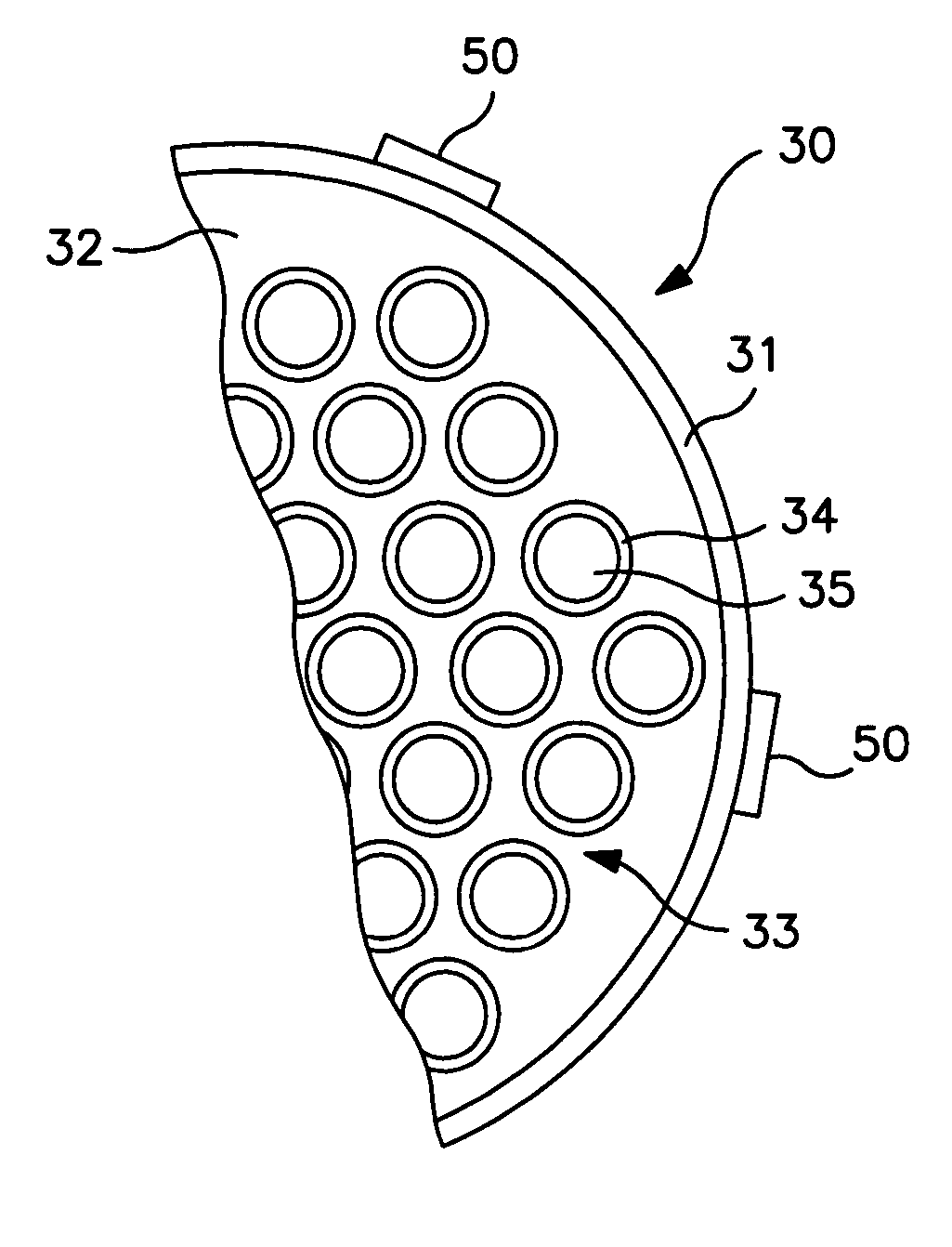
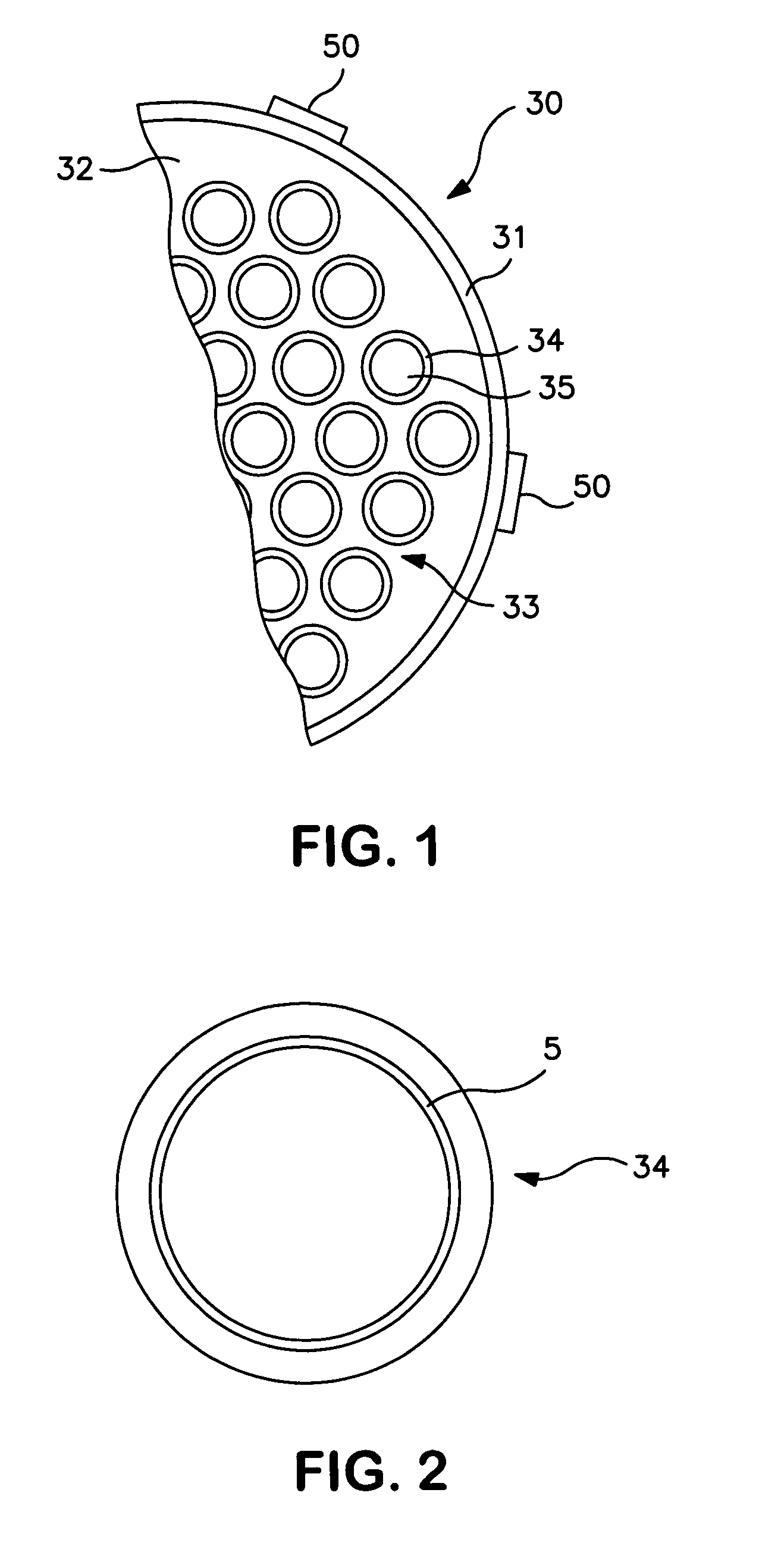
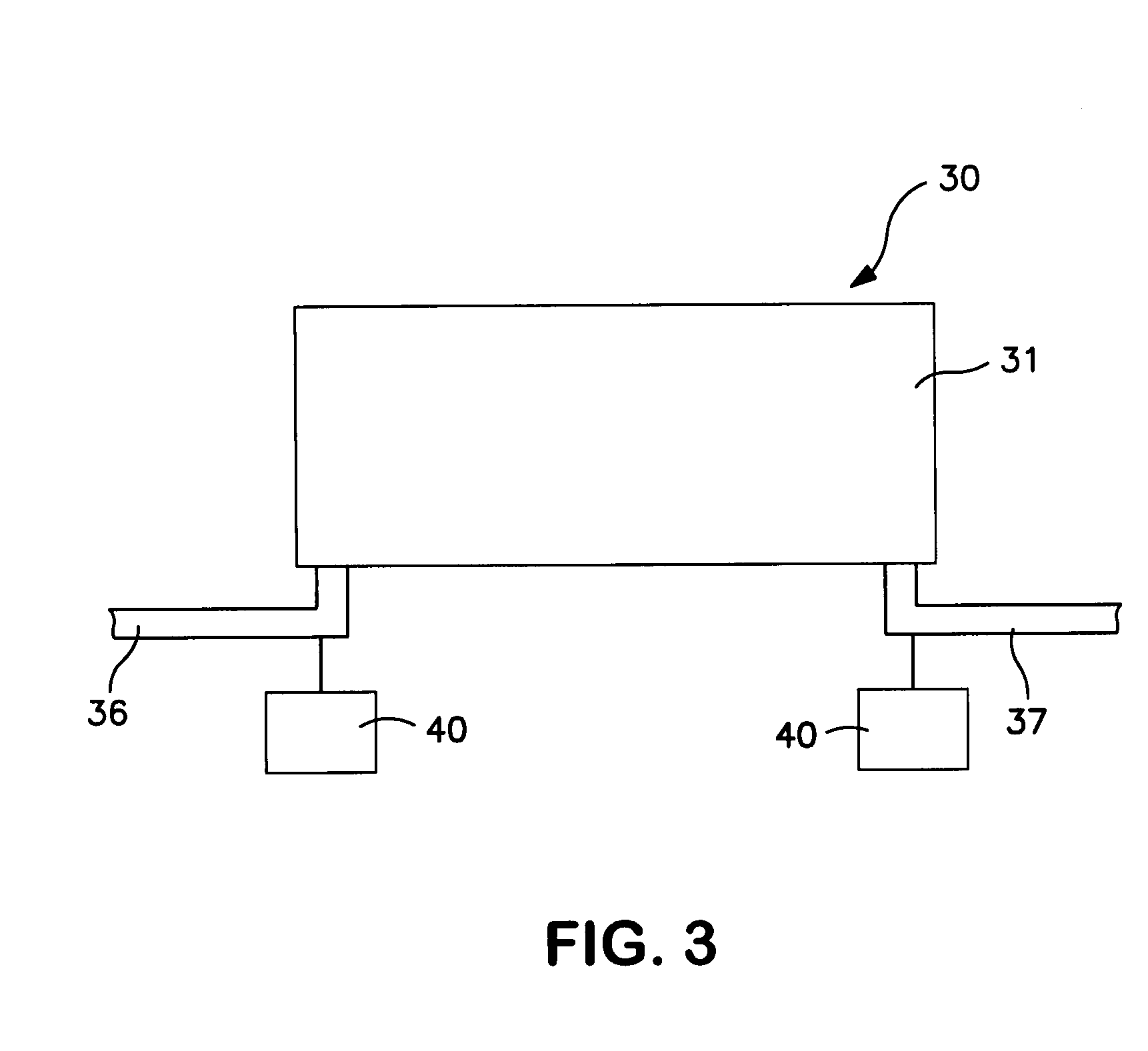
- Combining fluid pressure pulsations or vibration with low surface energy coatings on heat exchanger surfaces to reduce the viscous boundary layer and prevent foulant adhesion, effectively reducing fouling and improving heat transfer.

Reduction of fouling in heat exchangers
PatentWO2008002423A8
Innovation
- Combining fluid pressure pulsations or vibration with low surface energy coatings on heat exchanger surfaces to reduce the viscous boundary layer and prevent fouling, where pulsations create oscillating shear stresses to remove foulant particles and the coatings provide a non-adherent surface, thereby reducing fouling incidence and promoting heat transfer.


Environmental Regulations for Industrial Heat Exchange
Environmental regulations governing industrial heat exchange systems have become increasingly stringent worldwide, directly impacting fouling management strategies in plate heat exchangers. The regulatory landscape encompasses multiple jurisdictions with varying requirements for thermal efficiency, emissions control, and waste discharge standards. These regulations fundamentally shape how industries approach fouling prevention and mitigation technologies.
The European Union's Industrial Emissions Directive (IED) establishes comprehensive requirements for energy efficiency in industrial processes, mandating Best Available Techniques (BAT) for heat recovery systems. Under these regulations, excessive fouling that reduces heat transfer efficiency can result in non-compliance with energy performance standards. Similarly, the U.S. Environmental Protection Agency's Clean Air Act includes provisions that indirectly affect heat exchanger operations through energy efficiency requirements and emission limitations.
Water discharge regulations significantly influence fouling control strategies, particularly regarding chemical cleaning agents and biocides used in plate heat exchangers. The EU's Water Framework Directive and similar regulations in other jurisdictions restrict the types and concentrations of chemicals that can be discharged after cleaning operations. This has driven the development of environmentally friendly antifouling technologies and closed-loop cleaning systems.
Emerging regulations focus on circular economy principles, requiring industries to minimize waste generation and maximize resource recovery. These mandates encourage the adoption of advanced fouling monitoring systems and predictive maintenance approaches that reduce the frequency of chemical cleaning cycles. The regulatory trend toward real-time emissions monitoring also promotes the implementation of continuous fouling assessment technologies.
Regional variations in environmental standards create complex compliance challenges for multinational operations. While some jurisdictions emphasize energy efficiency metrics, others prioritize water conservation or chemical usage restrictions. This regulatory diversity has accelerated the development of adaptive fouling control systems that can meet varying environmental requirements across different operational locations.
The regulatory framework continues evolving toward more stringent environmental protection standards, with upcoming legislation likely to impose stricter limits on industrial water usage and chemical discharge. These anticipated changes are driving proactive investment in innovative fouling reduction technologies that align with future regulatory requirements while maintaining operational efficiency.
Energy Efficiency Standards and Fouling Impact Assessment
Energy efficiency standards in industrial heat exchange systems have become increasingly stringent across global markets, with regulations such as the EU's Energy Efficiency Directive and similar frameworks in North America and Asia mandating specific performance benchmarks. These standards typically require heat exchangers to maintain thermal efficiency levels above 85-90% during operational periods, with some applications demanding even higher performance thresholds.
Fouling significantly undermines compliance with these energy efficiency standards by creating thermal resistance barriers that reduce heat transfer effectiveness. Research indicates that even minimal fouling accumulation of 0.1-0.2mm thickness can decrease thermal efficiency by 15-25% in plate heat exchangers. This degradation directly impacts energy consumption, as systems must operate at higher temperatures and flow rates to compensate for reduced heat transfer performance.
The economic implications of fouling-induced efficiency losses are substantial, with studies showing that a 10% reduction in heat exchanger efficiency can increase operational energy costs by 20-30%. Industries such as food processing, chemical manufacturing, and HVAC systems face particular challenges in maintaining compliance while managing fouling-related performance degradation.
Assessment methodologies for fouling impact typically employ thermal resistance monitoring, pressure drop analysis, and overall heat transfer coefficient tracking. Advanced monitoring systems utilize real-time data analytics to quantify efficiency degradation rates and predict maintenance requirements. These assessment tools enable operators to maintain compliance with energy standards through proactive fouling management strategies.
Regulatory frameworks increasingly incorporate fouling considerations into efficiency calculations, requiring operators to demonstrate sustained performance over extended operational periods rather than peak efficiency measurements. This shift emphasizes the critical importance of effective fouling mitigation strategies in achieving long-term regulatory compliance and operational sustainability in plate heat exchanger applications.
Unlock deeper insights with Patsnap Eureka Quick Research — get a full tech report to explore trends and direct your research. Try now!
Generate Your Research Report Instantly with AI Agent
Supercharge your innovation with Patsnap Eureka AI Agent Platform!