

How to Reduce Plate Heat Exchanger Maintenance Costs
MAR 10, 20268 MIN READ
Generate Your Research Report Instantly with AI Agent
Patsnap Eureka helps you evaluate technical feasibility & market potential.
Heat Exchanger Maintenance Cost Reduction Background and Goals
Plate heat exchangers have emerged as critical components in industrial thermal management systems across diverse sectors including chemical processing, food and beverage, pharmaceuticals, and HVAC applications. These compact, efficient heat transfer devices have gained widespread adoption due to their superior thermal performance, space efficiency, and modular design flexibility compared to traditional shell-and-tube heat exchangers.
The evolution of plate heat exchanger technology spans over six decades, beginning with early brazed designs in the 1950s and progressing through gasketed configurations to modern welded and semi-welded variants. This technological advancement has been driven by increasing demands for energy efficiency, environmental sustainability, and operational cost optimization in industrial processes.
Contemporary industrial operations face mounting pressure to reduce operational expenditures while maintaining high reliability and performance standards. Maintenance costs represent a significant portion of total ownership expenses for plate heat exchangers, often accounting for 15-25% of the equipment's lifecycle costs. These expenses encompass routine inspections, gasket replacements, plate cleaning, pressure testing, and unplanned downtime associated with equipment failures.
The primary objective of maintenance cost reduction initiatives centers on extending equipment service intervals, minimizing unplanned shutdowns, and optimizing maintenance resource allocation. Key targets include reducing gasket replacement frequency from traditional 12-18 month cycles to 24-36 month intervals, decreasing cleaning-related downtime by 30-40%, and implementing predictive maintenance strategies to prevent catastrophic failures.
Advanced monitoring technologies, improved materials science, and data-driven maintenance approaches present unprecedented opportunities to achieve these cost reduction goals. The integration of IoT sensors, machine learning algorithms, and remote monitoring capabilities enables real-time performance assessment and predictive failure analysis, fundamentally transforming traditional reactive maintenance paradigms.
Strategic maintenance cost reduction also encompasses optimizing spare parts inventory, standardizing maintenance procedures across facilities, and developing comprehensive training programs for maintenance personnel. These initiatives aim to reduce emergency procurement costs, minimize human error-related failures, and enhance overall maintenance efficiency while ensuring compliance with safety and environmental regulations.
Market Demand for Cost-Effective Heat Exchanger Solutions
The global heat exchanger market is experiencing unprecedented growth driven by increasing energy efficiency regulations and rising operational cost pressures across multiple industries. Manufacturing facilities, chemical processing plants, power generation stations, and HVAC systems are actively seeking solutions that minimize total cost of ownership while maintaining optimal thermal performance. This demand surge reflects a fundamental shift from capital expenditure-focused procurement to lifecycle cost optimization strategies.
Industrial operators face mounting pressure to reduce maintenance expenditures as aging infrastructure requires more frequent interventions. Traditional plate heat exchanger maintenance practices often involve complete system shutdowns, extensive cleaning procedures, and frequent gasket replacements, resulting in substantial operational disruptions. The market increasingly values solutions that extend maintenance intervals, reduce downtime duration, and minimize labor-intensive servicing requirements.
Energy-intensive industries such as petrochemicals, food processing, and pharmaceutical manufacturing represent the largest demand segments for cost-effective heat exchanger solutions. These sectors operate under stringent efficiency mandates while managing tight profit margins, creating strong incentives for maintenance cost reduction technologies. The growing emphasis on sustainable operations further amplifies demand for solutions that enhance equipment longevity and reduce resource consumption during maintenance activities.
Emerging market trends indicate significant interest in predictive maintenance capabilities, automated cleaning systems, and advanced materials that resist fouling and corrosion. End users are increasingly willing to invest in higher upfront costs for technologies that demonstrate measurable reductions in long-term maintenance expenses. This market evolution creates substantial opportunities for innovative approaches to plate heat exchanger design and maintenance optimization.
The demand landscape is further shaped by skilled labor shortages in industrial maintenance sectors, driving preference for solutions that reduce technical complexity and specialized expertise requirements. Companies seek technologies that enable condition-based maintenance strategies, allowing maintenance teams to focus resources on equipment requiring immediate attention rather than following rigid preventive schedules.
Current Maintenance Challenges and Cost Factors in PHE
Plate heat exchangers face significant maintenance challenges that directly impact operational costs and system reliability. The primary maintenance issues stem from fouling, gasket degradation, and corrosion, each contributing to escalating expenses through different mechanisms. Fouling represents the most prevalent challenge, occurring when deposits accumulate on heat transfer surfaces, reducing thermal efficiency and increasing pressure drop across the system.
Gasket failure constitutes another critical maintenance concern, often resulting from thermal cycling, chemical exposure, and mechanical stress. When gaskets deteriorate, they compromise sealing integrity, leading to fluid leakage and cross-contamination between process streams. The replacement of gaskets requires system shutdown, disassembly, and careful reassembly, contributing significantly to maintenance costs through both material expenses and production downtime.
Corrosion presents a more severe long-term challenge, particularly in applications involving aggressive chemicals or high-temperature operations. Pitting corrosion, crevice corrosion, and stress corrosion cracking can develop on plate surfaces, necessitating plate replacement or complete unit refurbishment. The material costs for specialized corrosion-resistant plates are substantial, often representing 60-70% of the total equipment value.
The cost structure of PHE maintenance encompasses several key factors. Direct material costs include replacement gaskets, plates, and cleaning chemicals, typically accounting for 30-40% of total maintenance expenses. Labor costs represent another significant portion, particularly for skilled technicians required for proper disassembly and reassembly procedures. Indirect costs from production downtime often exceed direct maintenance costs, especially in continuous process industries where unplanned shutdowns can cost thousands of dollars per hour.
Cleaning frequency and methods significantly influence maintenance costs. Chemical cleaning requires specialized cleaning agents and disposal procedures, while mechanical cleaning demands careful handling to prevent plate damage. The frequency of cleaning cycles varies widely based on application conditions, ranging from weekly to annual intervals, directly correlating with operational costs and system availability.
Existing Maintenance Cost Reduction Solutions for PHE
01 Design improvements for easier disassembly and cleaning
Plate heat exchangers can be designed with features that facilitate easier disassembly and reassembly, reducing maintenance time and labor costs. Innovations include quick-release mechanisms, simplified plate removal systems, and modular designs that allow for individual plate replacement without complete unit disassembly. These design improvements minimize downtime and reduce the need for specialized tools or expertise during maintenance operations.- Design improvements for easier disassembly and cleaning: Plate heat exchangers can be designed with features that facilitate easier disassembly and reassembly, reducing maintenance time and labor costs. Innovations include quick-release mechanisms, simplified plate removal systems, and modular designs that allow for individual plate replacement without complete unit disassembly. These design improvements minimize downtime and reduce the need for specialized tools or extensive training for maintenance personnel.
- Anti-fouling and self-cleaning plate surface treatments: Surface treatments and coatings applied to heat exchanger plates can reduce fouling and scaling, thereby extending maintenance intervals and reducing cleaning frequency. These treatments may include hydrophobic or hydrophilic coatings, textured surfaces, or special material compositions that resist deposit formation. By minimizing fouling, these technologies reduce the frequency of chemical cleaning or mechanical maintenance, leading to lower operational costs and extended equipment lifespan.
- Monitoring and diagnostic systems for predictive maintenance: Integration of sensors and monitoring systems enables real-time assessment of heat exchanger performance, allowing for predictive maintenance strategies. These systems can detect early signs of fouling, corrosion, or mechanical wear through pressure drop monitoring, temperature differential analysis, or vibration sensing. Predictive maintenance approaches help optimize cleaning schedules, prevent unexpected failures, and reduce unnecessary maintenance interventions, ultimately lowering overall maintenance costs.
- Corrosion-resistant materials and protective measures: Selection of corrosion-resistant materials for plate construction and gaskets extends the service life of heat exchangers and reduces replacement frequency. Advanced materials such as specialized stainless steel alloys, titanium, or composite materials can withstand aggressive media and harsh operating conditions. Additionally, protective measures like cathodic protection or corrosion inhibitor systems can be implemented to further reduce degradation, minimizing the need for frequent component replacement and associated maintenance costs.
- Optimized gasket designs for extended service life: Gasket technology improvements focus on materials and designs that provide longer service life and easier replacement procedures. Advanced elastomers, composite gaskets, or metal-reinforced sealing systems can withstand higher temperatures, pressures, and chemical exposures while maintaining sealing integrity. Gasket designs that simplify replacement procedures reduce maintenance time and minimize the risk of improper installation, which can lead to leaks and unplanned shutdowns.
02 Fouling prevention and self-cleaning mechanisms
Technologies that prevent fouling and scaling on heat exchanger plates can significantly reduce maintenance frequency and costs. These include surface treatments, coatings, turbulence-inducing plate patterns, and integrated cleaning systems that operate during normal operation. By minimizing deposit buildup, these solutions extend the intervals between manual cleaning operations and maintain heat transfer efficiency longer.Expand Specific Solutions03 Durable materials and corrosion-resistant components
The use of advanced materials with enhanced corrosion resistance and durability extends the service life of plate heat exchangers and reduces replacement costs. These materials withstand aggressive media, high temperatures, and pressure fluctuations better than conventional materials. Improved gasket materials and plate coatings also contribute to longer maintenance intervals and reduced component replacement frequency.Expand Specific Solutions04 Monitoring and predictive maintenance systems
Integration of sensors and monitoring systems enables predictive maintenance strategies that optimize maintenance scheduling and prevent unexpected failures. These systems track parameters such as pressure drop, temperature differentials, and flow rates to detect performance degradation early. By enabling condition-based maintenance rather than time-based schedules, these technologies reduce unnecessary maintenance activities and prevent costly emergency repairs.Expand Specific Solutions05 Standardized components and modular construction
Standardization of plate dimensions, gasket types, and connection interfaces reduces inventory costs and simplifies spare parts management. Modular construction allows for capacity adjustments and partial replacements without replacing entire units. This approach lowers both initial investment and long-term maintenance costs by enabling incremental upgrades and repairs using readily available standardized components.Expand Specific Solutions
Key Players in Heat Exchanger Manufacturing and Services
The plate heat exchanger maintenance cost reduction market represents a mature industrial sector experiencing steady growth driven by increasing energy efficiency demands and operational cost pressures. The industry is in a consolidation phase with established players like Alfa Laval Corporate AB and Sulzer AG dominating through comprehensive service portfolios and global reach. Technology maturity varies significantly across market segments, with companies like A-HEAT Allied Heat Exchange Technology AG and API Schmidt-Bretten GmbH advancing specialized solutions, while traditional manufacturers such as MAHLE International GmbH and Modine Manufacturing Co. focus on automotive applications. Asian players including Midea Group and LG Electronics are expanding their thermal management capabilities, while specialized firms like Packinox SA and Cooltech Applications SAS drive innovation in niche applications. The market shows high technical maturity in conventional solutions but emerging opportunities in smart monitoring and predictive maintenance technologies.
MAHLE Thermal & Fluid Systems GmbH & Co. KG
Technical Solution: MAHLE has developed innovative maintenance cost reduction strategies through their Smart Thermal Management systems, incorporating self-diagnostic capabilities and wear prediction algorithms. Their plate heat exchangers feature corrosion-resistant coatings and optimized flow channel designs that reduce fouling accumulation by approximately 30%. The company's maintenance approach includes modular component replacement systems, allowing for quick part swapping without complete unit disassembly. They utilize advanced materials like titanium and specialized stainless steel alloys to extend operational life. MAHLE's digital maintenance platform provides real-time performance analytics and automated maintenance scheduling, reducing unplanned downtime significantly.
Strengths: Strong automotive industry expertise and advanced materials technology. Weaknesses: Limited presence in industrial applications compared to specialized heat exchanger manufacturers.
Alfa Laval Corporate AB
Technical Solution: Alfa Laval has developed advanced plate heat exchanger maintenance solutions including automated cleaning systems, predictive maintenance technologies using IoT sensors, and modular design concepts. Their AlfaCond and AlfaNova series feature enhanced gasket designs that extend service life by up to 40% compared to conventional models. The company implements condition monitoring systems that track performance parameters in real-time, enabling predictive maintenance scheduling. Their CleanTech technology reduces fouling through optimized plate patterns and surface treatments, while quick-release mechanisms minimize downtime during maintenance operations. Additionally, they offer comprehensive service packages including remote monitoring capabilities and preventive maintenance programs.
Strengths: Market leader with extensive service network and proven maintenance reduction technologies. Weaknesses: Higher initial investment costs for advanced monitoring systems.
Core Innovations in Predictive Maintenance for Heat Exchangers
Heat exchanger, exchanger plate, and method of construction
PatentInactiveEP4019874A1
Innovation
- A modular plate heat exchanger system with independently removable exchanger plate assemblies, featuring aluminum sheets and an inner flow channel frame structure sealed between the sheets, using rivets and epoxy bonding to prevent direct contact and eliminate the need for welding, allowing for easy maintenance and operation with water of any quality.


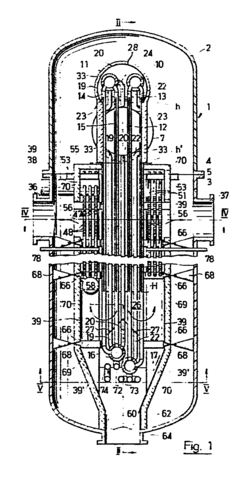
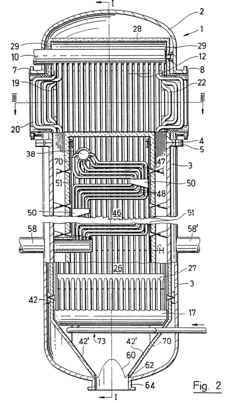
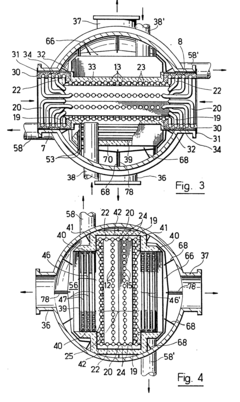
Heat-transfer apparatus for cooling gases contaminated with particles
PatentInactiveEP0085131A1
Innovation
- The design features a simpler structure allowing for easy access and maintenance by removing the chute for top and bottom viewing, using multiple riser shafts with flatter cross-sections, suspending chute walls for easy removal without upper pressure vessel separation, and dividing the heat exchanger into sections for easy inspection and repair, with sootblowers able to guide through pressure vessel walls.
Energy Efficiency Regulations Impact on PHE Maintenance
The global regulatory landscape for energy efficiency has undergone significant transformation over the past decade, fundamentally altering maintenance strategies for plate heat exchangers across industrial sectors. Stringent energy efficiency mandates, such as the EU's Energy Efficiency Directive and similar frameworks in North America and Asia-Pacific regions, have established minimum performance thresholds that directly influence PHE operational requirements and maintenance protocols.
These regulations typically mandate continuous monitoring of thermal performance, requiring operators to maintain heat transfer coefficients within specified ranges. When PHE units fall below regulatory efficiency benchmarks due to fouling, scaling, or gasket degradation, immediate corrective maintenance becomes legally mandated rather than discretionary. This regulatory pressure has shifted maintenance from reactive to predictive models, as non-compliance can result in substantial penalties and operational shutdowns.
Energy efficiency standards have also introduced mandatory documentation requirements for maintenance activities, compelling operators to implement comprehensive tracking systems for thermal performance metrics, cleaning frequencies, and component replacement schedules. These documentation mandates, while increasing administrative overhead, have inadvertently improved maintenance planning accuracy and reduced unexpected failures through better data visibility.
The regulatory emphasis on energy recovery and waste heat utilization has expanded PHE applications in industrial processes, particularly in sectors like chemical processing, food production, and HVAC systems. This broader deployment under regulatory frameworks has created economies of scale in maintenance operations, enabling specialized service providers to develop more cost-effective maintenance solutions tailored to compliance requirements.
Furthermore, regulations increasingly favor technologies that demonstrate measurable efficiency improvements, creating financial incentives for advanced PHE maintenance techniques such as automated cleaning systems, real-time fouling detection, and predictive analytics platforms. These regulatory-driven technology adoptions often qualify for tax credits or accelerated depreciation, effectively subsidizing maintenance cost reductions while ensuring compliance with evolving energy efficiency standards.
Lifecycle Cost Analysis Framework for Heat Exchanger Systems
A comprehensive lifecycle cost analysis framework for plate heat exchanger systems provides a systematic approach to evaluate total ownership expenses beyond initial capital investment. This framework encompasses acquisition costs, operational expenses, maintenance expenditures, energy consumption, and end-of-life disposal costs over the equipment's entire service period. By implementing such a framework, organizations can make informed decisions that minimize long-term financial commitments while optimizing system performance.
The framework begins with initial cost assessment, including equipment procurement, installation, commissioning, and associated infrastructure modifications. These upfront investments typically represent 20-30% of total lifecycle costs, making it crucial to balance initial quality with long-term reliability. Higher-grade materials and advanced designs may command premium prices but often deliver superior durability and reduced maintenance requirements.
Operational cost evaluation forms the largest component of lifecycle analysis, encompassing energy consumption, routine maintenance, cleaning procedures, and performance monitoring. Energy costs alone can account for 40-60% of total lifecycle expenses, emphasizing the importance of thermal efficiency optimization. Regular maintenance activities, including gasket replacement, plate cleaning, and system inspections, contribute significantly to operational expenditures but are essential for maintaining peak performance.
The framework incorporates predictive maintenance strategies that leverage condition monitoring technologies to optimize maintenance scheduling. By analyzing parameters such as pressure differentials, temperature variations, and fouling rates, operators can transition from reactive to proactive maintenance approaches. This shift typically reduces unplanned downtime by 35-50% while extending equipment lifespan.
Risk assessment within the lifecycle framework addresses potential failure modes and their associated costs. Critical factors include corrosion susceptibility, thermal stress impacts, and fouling propensity based on operating conditions. Understanding these risks enables appropriate material selection and maintenance strategy development.
Finally, the framework considers end-of-life costs including decommissioning, material recovery, and disposal expenses. Modern frameworks increasingly incorporate sustainability metrics, evaluating environmental impacts alongside financial considerations to support comprehensive decision-making processes that align with corporate sustainability objectives.
Unlock deeper insights with Patsnap Eureka Quick Research — get a full tech report to explore trends and direct your research. Try now!
Generate Your Research Report Instantly with AI Agent
Supercharge your innovation with Patsnap Eureka AI Agent Platform!