How to Stabilize Stack Pressure Rates In Reactive Environments
MAY 15, 20269 MIN READ
Generate Your Research Report Instantly with AI Agent
PatSnap Eureka helps you evaluate technical feasibility & market potential.
Reactive Stack Pressure Control Background and Objectives
Reactive environments in modern software systems present unique challenges for maintaining stable stack pressure rates, particularly as applications scale and handle increasing loads. Stack pressure, defined as the accumulation of computational tasks that can lead to stack overflow or performance degradation, has become a critical concern in reactive programming paradigms where asynchronous operations and event-driven architectures dominate.
The evolution of reactive systems began with the emergence of event-driven programming in the 1960s, progressing through object-oriented reactive frameworks in the 1990s, and culminating in today's sophisticated reactive streams and microservices architectures. This progression has consistently highlighted the need for effective stack pressure management as systems became more complex and interconnected.
Current reactive environments face unprecedented challenges due to the proliferation of cloud-native applications, serverless computing, and real-time data processing requirements. The traditional approaches to stack management, designed for synchronous execution models, prove inadequate when dealing with the non-blocking, asynchronous nature of reactive systems where callbacks, promises, and observables create complex execution chains.
The primary objective of stabilizing stack pressure rates in reactive environments centers on maintaining system responsiveness while preventing resource exhaustion. This involves developing mechanisms that can dynamically adjust to varying load conditions, implement effective backpressure strategies, and ensure graceful degradation under stress conditions. The goal extends beyond mere prevention of stack overflow to encompass optimal resource utilization and maintaining quality of service guarantees.
Key technical objectives include establishing predictable memory consumption patterns, implementing adaptive throttling mechanisms, and creating monitoring systems capable of early detection of pressure buildup. These objectives must be achieved while preserving the fundamental benefits of reactive programming, including improved scalability, better resource utilization, and enhanced user experience through non-blocking operations.
The strategic importance of this technology area continues to grow as organizations increasingly adopt reactive architectures for mission-critical applications, making stack pressure stabilization a fundamental requirement for enterprise-grade reactive systems.
The evolution of reactive systems began with the emergence of event-driven programming in the 1960s, progressing through object-oriented reactive frameworks in the 1990s, and culminating in today's sophisticated reactive streams and microservices architectures. This progression has consistently highlighted the need for effective stack pressure management as systems became more complex and interconnected.
Current reactive environments face unprecedented challenges due to the proliferation of cloud-native applications, serverless computing, and real-time data processing requirements. The traditional approaches to stack management, designed for synchronous execution models, prove inadequate when dealing with the non-blocking, asynchronous nature of reactive systems where callbacks, promises, and observables create complex execution chains.
The primary objective of stabilizing stack pressure rates in reactive environments centers on maintaining system responsiveness while preventing resource exhaustion. This involves developing mechanisms that can dynamically adjust to varying load conditions, implement effective backpressure strategies, and ensure graceful degradation under stress conditions. The goal extends beyond mere prevention of stack overflow to encompass optimal resource utilization and maintaining quality of service guarantees.
Key technical objectives include establishing predictable memory consumption patterns, implementing adaptive throttling mechanisms, and creating monitoring systems capable of early detection of pressure buildup. These objectives must be achieved while preserving the fundamental benefits of reactive programming, including improved scalability, better resource utilization, and enhanced user experience through non-blocking operations.
The strategic importance of this technology area continues to grow as organizations increasingly adopt reactive architectures for mission-critical applications, making stack pressure stabilization a fundamental requirement for enterprise-grade reactive systems.
Market Demand for Stable Reactive Process Control
The global chemical processing industry faces mounting pressure to enhance operational stability and safety standards, driving substantial demand for advanced reactive process control technologies. Chemical manufacturers across petrochemicals, pharmaceuticals, specialty chemicals, and fine chemicals sectors increasingly recognize that unstable stack pressure rates represent critical operational risks that can lead to equipment damage, production inefficiencies, and safety hazards.
Industrial facilities processing reactive materials encounter significant challenges when pressure fluctuations occur within reactor stacks and associated systems. These variations can trigger cascade failures, compromise product quality, and necessitate costly emergency shutdowns. The economic impact extends beyond immediate operational disruptions, encompassing regulatory compliance costs, insurance premiums, and potential liability exposure from safety incidents.
Market drivers for stable reactive process control solutions stem from multiple converging factors. Regulatory agencies worldwide have intensified scrutiny of chemical processing operations, mandating stricter safety protocols and environmental compliance measures. The implementation of Industry 4.0 principles has elevated expectations for real-time monitoring and predictive control capabilities, creating demand for sophisticated pressure stabilization systems that integrate seamlessly with digital infrastructure.
The pharmaceutical and specialty chemicals sectors demonstrate particularly strong demand for precision pressure control technologies. These industries require consistent processing conditions to maintain product specifications and regulatory compliance, making pressure stability a critical quality parameter rather than merely an operational consideration.
Emerging markets in Asia-Pacific and Latin America are experiencing rapid industrial expansion, creating substantial opportunities for advanced process control solutions. These regions often implement newer facilities with integrated safety systems from the outset, rather than retrofitting existing infrastructure. The growing emphasis on sustainable manufacturing practices further amplifies demand for efficient process control technologies that minimize waste and energy consumption.
The market landscape reveals increasing preference for integrated solutions that combine pressure monitoring, predictive analytics, and automated response systems. End users seek comprehensive platforms capable of managing complex reactive environments while providing actionable insights for continuous improvement initiatives.
Industrial facilities processing reactive materials encounter significant challenges when pressure fluctuations occur within reactor stacks and associated systems. These variations can trigger cascade failures, compromise product quality, and necessitate costly emergency shutdowns. The economic impact extends beyond immediate operational disruptions, encompassing regulatory compliance costs, insurance premiums, and potential liability exposure from safety incidents.
Market drivers for stable reactive process control solutions stem from multiple converging factors. Regulatory agencies worldwide have intensified scrutiny of chemical processing operations, mandating stricter safety protocols and environmental compliance measures. The implementation of Industry 4.0 principles has elevated expectations for real-time monitoring and predictive control capabilities, creating demand for sophisticated pressure stabilization systems that integrate seamlessly with digital infrastructure.
The pharmaceutical and specialty chemicals sectors demonstrate particularly strong demand for precision pressure control technologies. These industries require consistent processing conditions to maintain product specifications and regulatory compliance, making pressure stability a critical quality parameter rather than merely an operational consideration.
Emerging markets in Asia-Pacific and Latin America are experiencing rapid industrial expansion, creating substantial opportunities for advanced process control solutions. These regions often implement newer facilities with integrated safety systems from the outset, rather than retrofitting existing infrastructure. The growing emphasis on sustainable manufacturing practices further amplifies demand for efficient process control technologies that minimize waste and energy consumption.
The market landscape reveals increasing preference for integrated solutions that combine pressure monitoring, predictive analytics, and automated response systems. End users seek comprehensive platforms capable of managing complex reactive environments while providing actionable insights for continuous improvement initiatives.
Current Challenges in Stack Pressure Stabilization
Stack pressure stabilization in reactive environments faces numerous technical obstacles that significantly impact system performance and reliability. The primary challenge stems from the inherent unpredictability of reactive workloads, where sudden spikes in processing demands can overwhelm traditional pressure management mechanisms. Current systems often struggle to maintain consistent pressure rates when dealing with asynchronous event streams and cascading reactive operations.
Dynamic load fluctuations represent a critical bottleneck in existing implementations. Reactive environments frequently experience rapid transitions between low and high-intensity processing phases, creating pressure differentials that exceed the response capabilities of conventional stabilization algorithms. These fluctuations are particularly pronounced in microservices architectures where multiple reactive components interact simultaneously, leading to complex pressure propagation patterns that are difficult to predict and control.
Memory management constraints pose another significant challenge, as reactive systems must balance between maintaining adequate buffer capacity and preventing memory exhaustion. The asynchronous nature of reactive processing creates scenarios where memory allocation patterns become highly irregular, making it difficult to establish stable pressure thresholds. Traditional garbage collection mechanisms often interfere with pressure stabilization efforts, introducing additional latency spikes that compound the problem.
Backpressure propagation mechanisms in current systems exhibit limited effectiveness when dealing with multi-tier reactive architectures. The challenge lies in coordinating pressure signals across different processing layers while maintaining system responsiveness. Existing backpressure implementations often result in either over-aggressive throttling that reduces throughput unnecessarily, or insufficient pressure relief that leads to system instability.
Monitoring and measurement accuracy remains a persistent issue, as current instrumentation tools struggle to provide real-time visibility into pressure dynamics within reactive environments. The fast-changing nature of reactive workloads makes it difficult to establish reliable baseline measurements, hindering the development of effective stabilization strategies. Additionally, the overhead introduced by monitoring systems can itself contribute to pressure instability.
Integration complexity with existing infrastructure presents substantial implementation barriers. Many organizations face challenges when attempting to retrofit pressure stabilization solutions into legacy reactive systems, as these modifications often require significant architectural changes that can introduce new points of failure and performance degradation.
Dynamic load fluctuations represent a critical bottleneck in existing implementations. Reactive environments frequently experience rapid transitions between low and high-intensity processing phases, creating pressure differentials that exceed the response capabilities of conventional stabilization algorithms. These fluctuations are particularly pronounced in microservices architectures where multiple reactive components interact simultaneously, leading to complex pressure propagation patterns that are difficult to predict and control.
Memory management constraints pose another significant challenge, as reactive systems must balance between maintaining adequate buffer capacity and preventing memory exhaustion. The asynchronous nature of reactive processing creates scenarios where memory allocation patterns become highly irregular, making it difficult to establish stable pressure thresholds. Traditional garbage collection mechanisms often interfere with pressure stabilization efforts, introducing additional latency spikes that compound the problem.
Backpressure propagation mechanisms in current systems exhibit limited effectiveness when dealing with multi-tier reactive architectures. The challenge lies in coordinating pressure signals across different processing layers while maintaining system responsiveness. Existing backpressure implementations often result in either over-aggressive throttling that reduces throughput unnecessarily, or insufficient pressure relief that leads to system instability.
Monitoring and measurement accuracy remains a persistent issue, as current instrumentation tools struggle to provide real-time visibility into pressure dynamics within reactive environments. The fast-changing nature of reactive workloads makes it difficult to establish reliable baseline measurements, hindering the development of effective stabilization strategies. Additionally, the overhead introduced by monitoring systems can itself contribute to pressure instability.
Integration complexity with existing infrastructure presents substantial implementation barriers. Many organizations face challenges when attempting to retrofit pressure stabilization solutions into legacy reactive systems, as these modifications often require significant architectural changes that can introduce new points of failure and performance degradation.
Existing Stack Pressure Stabilization Solutions
01 Pressure measurement and monitoring systems in stack operations
Systems and methods for measuring and monitoring pressure rates in stack configurations, including sensors, gauges, and automated monitoring equipment that can detect pressure variations and provide real-time feedback for operational control and safety management.- Pressure measurement and monitoring systems in stack operations: Systems and methods for measuring and monitoring pressure rates in stack configurations, including sensors, gauges, and automated monitoring equipment that can detect pressure variations and provide real-time feedback for operational control and safety management.
- Stack pressure control mechanisms and regulation devices: Control systems and regulatory mechanisms designed to maintain optimal pressure rates within stack structures, including pressure relief valves, control circuits, and automated adjustment systems that respond to pressure fluctuations to ensure stable operation.
- Stack design optimization for pressure distribution: Engineering approaches and structural designs that optimize pressure distribution throughout stack systems, including geometric configurations, material selection, and internal flow patterns that minimize pressure losses and improve overall efficiency.
- Computational methods for stack pressure analysis: Mathematical models, simulation techniques, and computational algorithms used to analyze and predict pressure behavior in stack systems, including fluid dynamics calculations, pressure drop modeling, and performance optimization algorithms.
- Safety systems and pressure-related protection methods: Safety mechanisms and protection systems specifically designed to handle excessive pressure conditions in stack operations, including emergency shutdown procedures, pressure relief systems, and fail-safe mechanisms that prevent damage from pressure-related incidents.
02 Stack pressure control mechanisms and regulation devices
Control systems and regulatory mechanisms designed to maintain optimal pressure rates within stack structures, including pressure relief valves, control circuits, and automated adjustment systems that respond to pressure fluctuations to ensure stable operation.Expand Specific Solutions03 Stack design optimization for pressure distribution
Engineering approaches and structural designs that optimize pressure distribution throughout stack systems, including geometric configurations, material selections, and architectural features that enhance pressure flow characteristics and minimize pressure losses.Expand Specific Solutions04 Computational methods for stack pressure analysis
Mathematical models, simulation techniques, and computational algorithms used to analyze and predict stack pressure behaviors, including numerical methods for calculating pressure rates, flow dynamics, and performance optimization in various operating conditions.Expand Specific Solutions05 Safety systems and pressure rate management protocols
Safety mechanisms and operational protocols specifically designed to manage pressure rates in stack systems, including emergency shutdown procedures, pressure limiting devices, and fail-safe systems that prevent dangerous pressure conditions and ensure operational safety.Expand Specific Solutions
Key Players in Reactive Process Control Industry
The stabilization of stack pressure rates in reactive environments represents a mature technological challenge spanning multiple industrial sectors, with the market demonstrating significant scale across chemical processing, power generation, and automotive applications. The industry has evolved from early-stage research to advanced implementation phases, evidenced by the diverse ecosystem of established players. Technology maturity varies significantly across sectors, with chemical companies like Univation Technologies LLC and ExxonMobil Chemical Patents leading in polymer processing applications, while power sector entities including State Grid Corp. of China and CGN Power Co. Ltd. focus on nuclear and electrical grid stability. Automotive leaders such as Mercedes-Benz Group AG and Robert Bosch GmbH drive innovation in vehicle system pressure management. Research institutions like Tianjin University and Fraunhofer-Gesellschaft eV provide foundational technology development, while specialized firms like Applied Materials Inc. and HYDAC Systems & Services GmbH offer targeted solutions, creating a competitive landscape characterized by both horizontal integration and vertical specialization across reactive environment applications.
Univation Technologies LLC
Technical Solution: Univation Technologies specializes in gas-phase polymerization processes and has developed sophisticated pressure stabilization techniques for fluidized bed reactors. Their approach combines advanced distributor plate designs with dynamic pressure control systems that respond to changes in gas velocity and particle behavior. The technology includes multi-zone pressure monitoring with independent control systems for different reactor sections, allowing for localized pressure adjustments without affecting the entire system. Their solution incorporates machine learning algorithms that analyze historical pressure data to predict and prevent pressure instabilities, while maintaining optimal reaction conditions for consistent product quality.
Strengths: Deep expertise in gas-phase reactor technology and proven solutions for polymerization processes. Weaknesses: Technology may be specialized for specific polymer production applications, limiting broader industrial applicability.
ExxonMobil Chemical Patents, Inc.
Technical Solution: ExxonMobil has developed advanced pressure control systems for polymerization reactors that utilize real-time monitoring and adaptive control algorithms to maintain stable stack pressure rates in reactive environments. Their technology incorporates predictive modeling based on reaction kinetics and thermodynamics to anticipate pressure fluctuations before they occur. The system employs cascaded control loops with pressure sensors positioned at multiple stack levels, enabling precise pressure regulation through automated valve adjustments and flow rate modifications. Their proprietary catalyst management system also contributes to pressure stability by controlling reaction rates and heat generation, which directly impacts pressure variations in the reactor stack.
Strengths: Extensive experience in large-scale chemical processes and proven track record in industrial applications. Weaknesses: Solutions may be primarily focused on petrochemical applications with limited adaptability to other reactive environments.
Core Innovations in Reactive Environment Pressure Management
Proactive pressure stabilizing system and method
PatentInactiveSG11201604328SA
Innovation
- A Proactive Pressure Stabilizing System (PPSS) comprising a pressure stabilizer with a flexible membrane, a booster device, and a gas divider, controlled by a driver that senses membrane movement to maintain stable pressure in the receiving chamber, synchronizing gas flow with downstream systems, and recycling gas without environmental harm.


Stable high rate reactive sputtering
PatentInactiveUS6537428B1
Innovation
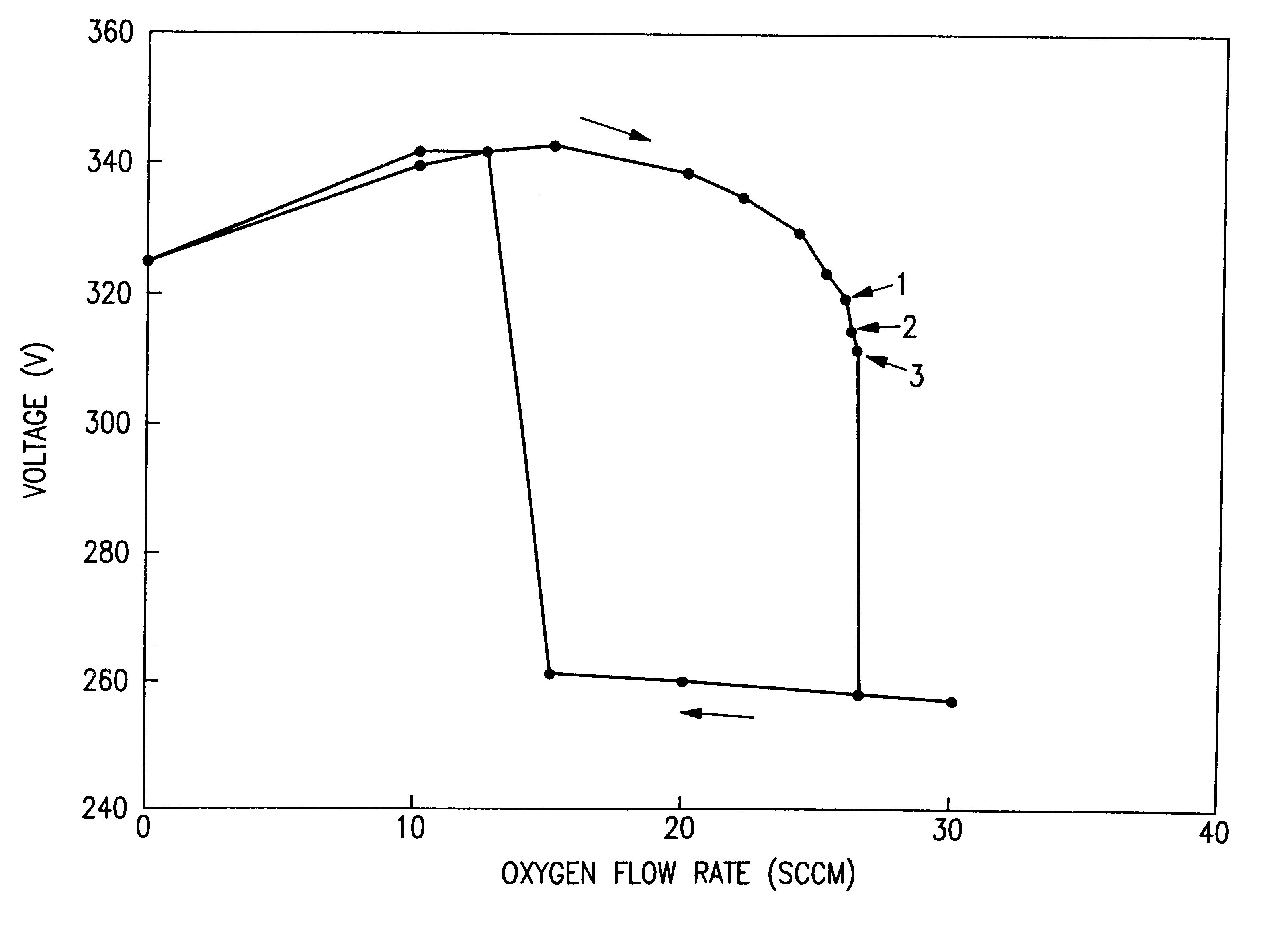
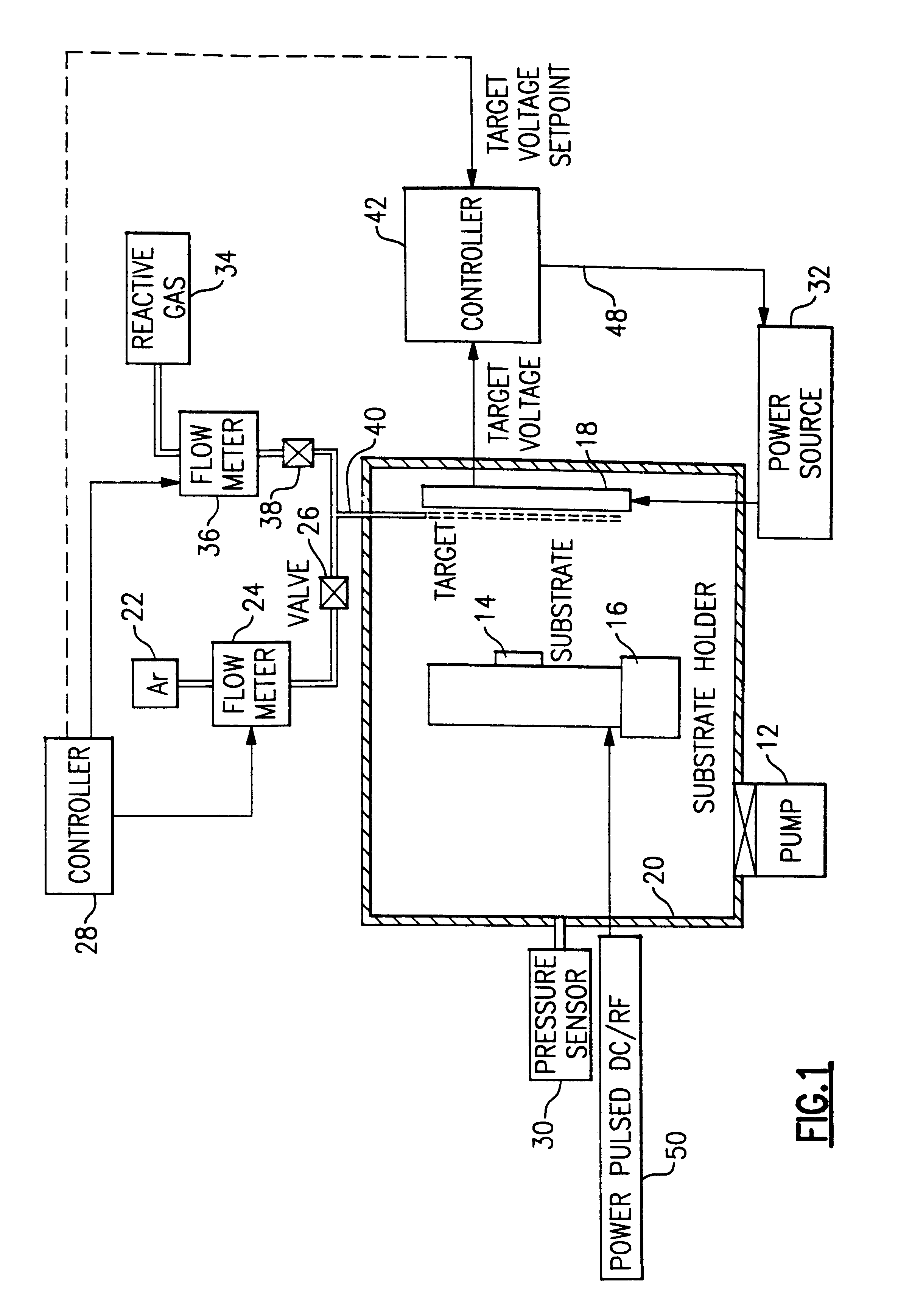
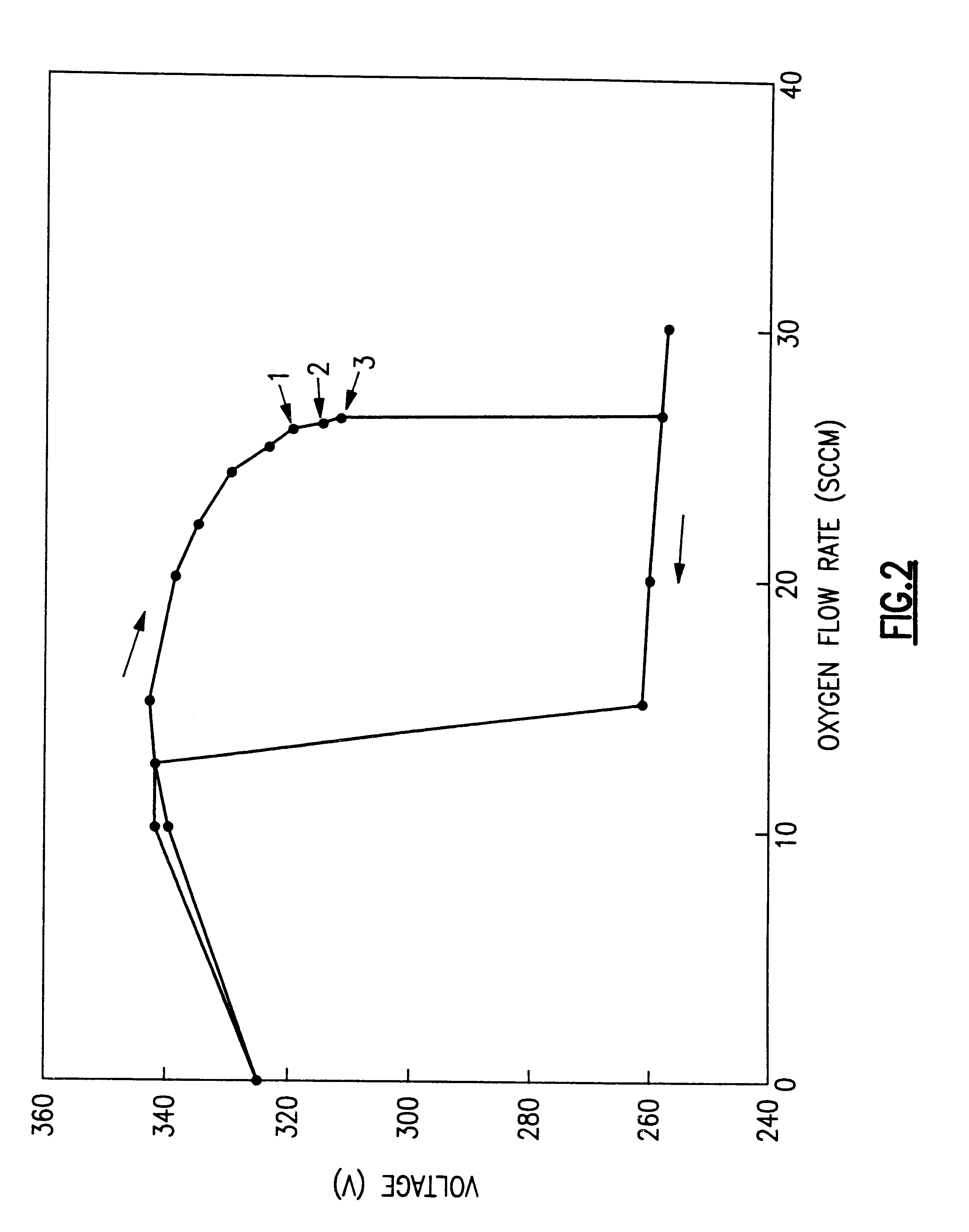
- A reactive sputtering system that controls the power supplied to the cathode to stabilize the cathode voltage, balancing the arrival and removal rates of reactive species by adjusting power based on measured cathode voltage and reactive gas flow rates, using a hysteresis curve to maintain operation near the high-rate deposition edge.

Safety Regulations for Reactive Process Operations
Safety regulations for reactive process operations form the cornerstone of industrial risk management, establishing comprehensive frameworks that govern the design, operation, and maintenance of systems handling reactive materials. These regulations have evolved significantly over the past decades, driven by major industrial incidents and advancing understanding of chemical process hazards. The regulatory landscape encompasses multiple jurisdictions, with agencies such as OSHA, EPA, and international bodies like IEC developing standards that specifically address pressure management in reactive environments.
The Process Safety Management (PSM) standard under OSHA 29 CFR 1910.119 mandates rigorous safety protocols for facilities handling highly hazardous chemicals. This regulation requires comprehensive process hazard analyses, mechanical integrity programs, and emergency response procedures that directly impact stack pressure stabilization strategies. Companies must demonstrate that their pressure control systems meet stringent safety criteria and undergo regular inspection cycles.
Environmental regulations, particularly EPA's Risk Management Program (RMP) under 40 CFR Part 68, establish additional requirements for pressure relief systems and stack operations. These regulations mandate worst-case scenario analyses that include pressure excursion events, requiring facilities to implement multiple layers of protection. The regulations specify minimum design standards for pressure relief devices, stack height calculations, and dispersion modeling requirements that influence overall system architecture.
International standards such as IEC 61511 for Safety Instrumented Systems (SIS) provide detailed guidance on implementing safety-critical pressure control systems. These standards define Safety Integrity Levels (SIL) requirements for pressure monitoring and control instrumentation, establishing reliability targets that must be achieved through systematic design approaches. The standards also specify testing frequencies and maintenance protocols essential for maintaining system integrity.
Recent regulatory developments have emphasized performance-based approaches rather than prescriptive requirements, allowing greater flexibility in achieving safety objectives while maintaining strict accountability for results. This shift has enabled innovative pressure stabilization technologies to gain regulatory acceptance, provided they demonstrate equivalent or superior safety performance through comprehensive validation studies and risk assessments.
Compliance with these evolving safety regulations requires continuous monitoring of regulatory updates, active participation in industry safety initiatives, and implementation of management systems that ensure ongoing adherence to all applicable requirements while supporting operational excellence in reactive process environments.
The Process Safety Management (PSM) standard under OSHA 29 CFR 1910.119 mandates rigorous safety protocols for facilities handling highly hazardous chemicals. This regulation requires comprehensive process hazard analyses, mechanical integrity programs, and emergency response procedures that directly impact stack pressure stabilization strategies. Companies must demonstrate that their pressure control systems meet stringent safety criteria and undergo regular inspection cycles.
Environmental regulations, particularly EPA's Risk Management Program (RMP) under 40 CFR Part 68, establish additional requirements for pressure relief systems and stack operations. These regulations mandate worst-case scenario analyses that include pressure excursion events, requiring facilities to implement multiple layers of protection. The regulations specify minimum design standards for pressure relief devices, stack height calculations, and dispersion modeling requirements that influence overall system architecture.
International standards such as IEC 61511 for Safety Instrumented Systems (SIS) provide detailed guidance on implementing safety-critical pressure control systems. These standards define Safety Integrity Levels (SIL) requirements for pressure monitoring and control instrumentation, establishing reliability targets that must be achieved through systematic design approaches. The standards also specify testing frequencies and maintenance protocols essential for maintaining system integrity.
Recent regulatory developments have emphasized performance-based approaches rather than prescriptive requirements, allowing greater flexibility in achieving safety objectives while maintaining strict accountability for results. This shift has enabled innovative pressure stabilization technologies to gain regulatory acceptance, provided they demonstrate equivalent or superior safety performance through comprehensive validation studies and risk assessments.
Compliance with these evolving safety regulations requires continuous monitoring of regulatory updates, active participation in industry safety initiatives, and implementation of management systems that ensure ongoing adherence to all applicable requirements while supporting operational excellence in reactive process environments.
Environmental Impact of Reactive Stack Emissions
Reactive stack emissions pose significant environmental challenges that extend far beyond immediate operational concerns. The unstable pressure rates characteristic of reactive environments directly correlate with increased pollutant discharge patterns, creating cascading effects throughout surrounding ecosystems. When pressure fluctuations occur, incomplete combustion and irregular chemical reactions generate elevated concentrations of nitrogen oxides, sulfur compounds, and particulate matter.
The atmospheric dispersion of these emissions follows complex patterns influenced by pressure instabilities. Sudden pressure drops can cause ground-level accumulation of toxic compounds, while pressure spikes may inject pollutants into higher atmospheric layers, contributing to regional air quality degradation. Studies indicate that facilities with unstable stack pressure experience 30-40% higher emission variability compared to stabilized systems.
Soil contamination represents another critical environmental consequence. Pressure-driven emission variations lead to uneven deposition patterns of heavy metals and acidic compounds across surrounding landscapes. Agricultural areas within a 5-kilometer radius of unstable reactive stacks show measurably higher concentrations of cadmium, lead, and sulfur-based contaminants, directly impacting crop yields and soil microorganism populations.
Water resource contamination occurs through both direct atmospheric deposition and surface runoff mechanisms. Pressure instabilities increase the likelihood of emergency venting events, which can introduce concentrated pollutant loads into nearby water bodies. Groundwater systems demonstrate particular vulnerability, as pressure-driven emission spikes often coincide with meteorological conditions that enhance contaminant infiltration rates.
Biodiversity impacts manifest through habitat degradation and species displacement. Fluctuating emission patterns create unpredictable exposure scenarios for wildlife populations, disrupting migration patterns and breeding cycles. Avian species show particular sensitivity to pressure-related emission variations, with documented population declines in areas surrounding unstable reactive facilities.
Long-term ecosystem resilience faces significant challenges from cumulative exposure effects. The irregular nature of pressure-driven emissions prevents natural adaptation mechanisms from developing, creating persistent environmental stress conditions that compromise ecosystem stability and recovery capacity.
The atmospheric dispersion of these emissions follows complex patterns influenced by pressure instabilities. Sudden pressure drops can cause ground-level accumulation of toxic compounds, while pressure spikes may inject pollutants into higher atmospheric layers, contributing to regional air quality degradation. Studies indicate that facilities with unstable stack pressure experience 30-40% higher emission variability compared to stabilized systems.
Soil contamination represents another critical environmental consequence. Pressure-driven emission variations lead to uneven deposition patterns of heavy metals and acidic compounds across surrounding landscapes. Agricultural areas within a 5-kilometer radius of unstable reactive stacks show measurably higher concentrations of cadmium, lead, and sulfur-based contaminants, directly impacting crop yields and soil microorganism populations.
Water resource contamination occurs through both direct atmospheric deposition and surface runoff mechanisms. Pressure instabilities increase the likelihood of emergency venting events, which can introduce concentrated pollutant loads into nearby water bodies. Groundwater systems demonstrate particular vulnerability, as pressure-driven emission spikes often coincide with meteorological conditions that enhance contaminant infiltration rates.
Biodiversity impacts manifest through habitat degradation and species displacement. Fluctuating emission patterns create unpredictable exposure scenarios for wildlife populations, disrupting migration patterns and breeding cycles. Avian species show particular sensitivity to pressure-related emission variations, with documented population declines in areas surrounding unstable reactive facilities.
Long-term ecosystem resilience faces significant challenges from cumulative exposure effects. The irregular nature of pressure-driven emissions prevents natural adaptation mechanisms from developing, creating persistent environmental stress conditions that compromise ecosystem stability and recovery capacity.
Unlock deeper insights with PatSnap Eureka Quick Research — get a full tech report to explore trends and direct your research. Try now!
Generate Your Research Report Instantly with AI Agent
Supercharge your innovation with PatSnap Eureka AI Agent Platform!