

How to Test Battery Isolator Functionality Using Multimeters
MAY 29, 20269 MIN READ
Generate Your Research Report Instantly with AI Agent
PatSnap Eureka helps you evaluate technical feasibility & market potential.
Battery Isolator Testing Background and Objectives
Battery isolators have emerged as critical components in modern electrical systems, particularly in automotive, marine, and recreational vehicle applications where multiple battery banks require independent operation while sharing common charging sources. The evolution of battery isolator technology spans several decades, beginning with simple mechanical switches and progressing through diode-based systems to sophisticated solid-state solutions incorporating MOSFETs and intelligent control circuits.
The historical development trajectory reveals a consistent drive toward improved efficiency, reduced voltage drop, and enhanced reliability. Early diode isolators, while simple and cost-effective, suffered from significant voltage losses of 0.6-0.7 volts per diode junction. This limitation prompted the development of FET-based isolators that virtually eliminated voltage drop while providing bidirectional current flow capabilities. Contemporary smart isolators integrate microprocessor control, enabling adaptive charging profiles and comprehensive system monitoring.
Current technological trends emphasize integration with battery management systems, wireless connectivity for remote monitoring, and compatibility with advanced battery chemistries including lithium-ion variants. The proliferation of electric and hybrid vehicles has accelerated innovation in isolator design, demanding higher current handling capabilities and improved thermal management solutions.
Testing methodologies for battery isolators have evolved alongside the technology itself. Traditional approaches relied primarily on basic continuity testing and visual inspection, which proved inadequate for detecting subtle performance degradations or intermittent failures. The introduction of multimeter-based testing protocols represents a significant advancement, enabling quantitative assessment of key performance parameters including isolation resistance, voltage drop characteristics, and switching behavior under various load conditions.
The primary objective of comprehensive battery isolator testing using multimeters encompasses verification of electrical isolation integrity, measurement of forward and reverse voltage characteristics, assessment of current handling capabilities, and validation of switching response times. These testing protocols aim to ensure optimal system performance, prevent battery cross-discharge, and identify potential failure modes before they compromise system reliability.
Advanced testing objectives include characterization of temperature-dependent behavior, evaluation of electromagnetic interference susceptibility, and assessment of long-term degradation patterns. Modern multimeter-based testing approaches leverage high-resolution measurement capabilities to detect minute changes in isolator performance that could indicate impending failure or suboptimal operation.
The strategic importance of robust testing methodologies extends beyond immediate functionality verification to encompass predictive maintenance capabilities, warranty validation, and compliance with industry standards. Effective testing protocols contribute to enhanced system reliability, reduced maintenance costs, and improved overall electrical system performance across diverse application environments.
The historical development trajectory reveals a consistent drive toward improved efficiency, reduced voltage drop, and enhanced reliability. Early diode isolators, while simple and cost-effective, suffered from significant voltage losses of 0.6-0.7 volts per diode junction. This limitation prompted the development of FET-based isolators that virtually eliminated voltage drop while providing bidirectional current flow capabilities. Contemporary smart isolators integrate microprocessor control, enabling adaptive charging profiles and comprehensive system monitoring.
Current technological trends emphasize integration with battery management systems, wireless connectivity for remote monitoring, and compatibility with advanced battery chemistries including lithium-ion variants. The proliferation of electric and hybrid vehicles has accelerated innovation in isolator design, demanding higher current handling capabilities and improved thermal management solutions.
Testing methodologies for battery isolators have evolved alongside the technology itself. Traditional approaches relied primarily on basic continuity testing and visual inspection, which proved inadequate for detecting subtle performance degradations or intermittent failures. The introduction of multimeter-based testing protocols represents a significant advancement, enabling quantitative assessment of key performance parameters including isolation resistance, voltage drop characteristics, and switching behavior under various load conditions.
The primary objective of comprehensive battery isolator testing using multimeters encompasses verification of electrical isolation integrity, measurement of forward and reverse voltage characteristics, assessment of current handling capabilities, and validation of switching response times. These testing protocols aim to ensure optimal system performance, prevent battery cross-discharge, and identify potential failure modes before they compromise system reliability.
Advanced testing objectives include characterization of temperature-dependent behavior, evaluation of electromagnetic interference susceptibility, and assessment of long-term degradation patterns. Modern multimeter-based testing approaches leverage high-resolution measurement capabilities to detect minute changes in isolator performance that could indicate impending failure or suboptimal operation.
The strategic importance of robust testing methodologies extends beyond immediate functionality verification to encompass predictive maintenance capabilities, warranty validation, and compliance with industry standards. Effective testing protocols contribute to enhanced system reliability, reduced maintenance costs, and improved overall electrical system performance across diverse application environments.
Market Demand for Reliable Battery Isolation Systems
The global automotive industry's transition toward electrification has created unprecedented demand for reliable battery isolation systems. Electric vehicles, hybrid vehicles, and advanced automotive electronics require sophisticated battery management solutions that ensure safe operation, prevent electrical faults, and maintain system integrity. Battery isolators serve as critical safety components that protect both vehicle occupants and expensive electronic systems from potential electrical hazards.
Marine and recreational vehicle sectors represent another significant market segment driving demand for battery isolation technology. Boat owners and RV enthusiasts increasingly rely on complex electrical systems that require multiple battery banks for different applications. These systems demand robust isolation solutions that can withstand harsh environmental conditions while maintaining reliable performance over extended periods.
Industrial applications continue to expand the market scope for battery isolation systems. Backup power systems, uninterruptible power supplies, and renewable energy storage installations require dependable isolation mechanisms to ensure operational continuity. The growing adoption of solar energy systems and grid-scale battery storage facilities has amplified the need for advanced isolation technologies that can handle high-voltage applications safely.
The telecommunications infrastructure sector presents substantial growth opportunities for battery isolation system manufacturers. Cell towers, data centers, and communication networks depend on reliable backup power systems that incorporate sophisticated battery isolation mechanisms. As 5G networks expand globally, the demand for robust power management solutions continues to accelerate.
Emergency services and public safety organizations increasingly recognize the importance of reliable battery isolation systems. Fire departments, ambulance services, and police vehicles utilize complex electrical systems that require dependable isolation solutions to ensure critical equipment remains operational during emergencies. These applications demand the highest levels of reliability and performance.
Testing methodologies for battery isolator functionality have become increasingly important as system complexity grows. Organizations require standardized testing procedures using accessible equipment like multimeters to verify isolator performance, validate safety compliance, and maintain operational reliability across diverse applications and environments.
Marine and recreational vehicle sectors represent another significant market segment driving demand for battery isolation technology. Boat owners and RV enthusiasts increasingly rely on complex electrical systems that require multiple battery banks for different applications. These systems demand robust isolation solutions that can withstand harsh environmental conditions while maintaining reliable performance over extended periods.
Industrial applications continue to expand the market scope for battery isolation systems. Backup power systems, uninterruptible power supplies, and renewable energy storage installations require dependable isolation mechanisms to ensure operational continuity. The growing adoption of solar energy systems and grid-scale battery storage facilities has amplified the need for advanced isolation technologies that can handle high-voltage applications safely.
The telecommunications infrastructure sector presents substantial growth opportunities for battery isolation system manufacturers. Cell towers, data centers, and communication networks depend on reliable backup power systems that incorporate sophisticated battery isolation mechanisms. As 5G networks expand globally, the demand for robust power management solutions continues to accelerate.
Emergency services and public safety organizations increasingly recognize the importance of reliable battery isolation systems. Fire departments, ambulance services, and police vehicles utilize complex electrical systems that require dependable isolation solutions to ensure critical equipment remains operational during emergencies. These applications demand the highest levels of reliability and performance.
Testing methodologies for battery isolator functionality have become increasingly important as system complexity grows. Organizations require standardized testing procedures using accessible equipment like multimeters to verify isolator performance, validate safety compliance, and maintain operational reliability across diverse applications and environments.
Current Testing Challenges and Multimeter Limitations
Testing battery isolator functionality with multimeters presents several significant challenges that limit the effectiveness of traditional measurement approaches. The primary constraint lies in the multimeter's inability to accurately simulate real-world operating conditions, particularly the dynamic load variations that battery isolators encounter in automotive and marine applications. Standard multimeters can only provide static voltage and resistance measurements, which fail to capture the isolator's performance under varying current loads and temperature fluctuations.
Voltage drop measurements using multimeters often yield inconsistent results due to the inherent limitations in measurement precision. Most consumer-grade multimeters lack the resolution required to detect subtle voltage variations across isolator diodes, especially when measuring drops as small as 0.3 to 0.7 volts. This precision deficit becomes more pronounced when testing silicon-controlled rectifier isolators or MOSFET-based units, where voltage characteristics differ significantly from traditional diode isolators.
Current measurement capabilities represent another critical limitation in multimeter-based testing. While multimeters can measure current flow, they cannot simultaneously apply the high-current loads necessary to properly evaluate isolator performance under operational stress. Battery isolators typically handle currents ranging from 50 to 200 amperes, far exceeding the safe measurement range of standard multimeters. This limitation prevents comprehensive assessment of isolator efficiency and thermal performance characteristics.
Temperature dependency poses additional testing challenges that multimeters cannot adequately address. Battery isolator performance varies significantly with temperature changes, affecting both forward voltage drop and reverse leakage current. Multimeters lack integrated temperature compensation features, making it difficult to correlate electrical measurements with thermal conditions during testing procedures.
The inability to perform dynamic testing represents perhaps the most significant limitation. Real-world battery isolator operation involves rapid switching between charging and discharging states, load transients, and varying source impedances. Multimeters provide only instantaneous measurements and cannot capture the isolator's response to these dynamic conditions, potentially missing intermittent failures or performance degradation that occurs only under specific operational scenarios.
Furthermore, multimeter testing cannot effectively evaluate the isolator's ability to prevent reverse current flow under all conditions. While basic continuity testing can verify general functionality, it cannot simulate the complex electrical environments where isolators must maintain proper isolation while managing multiple battery banks with different charge states and capacities.
Voltage drop measurements using multimeters often yield inconsistent results due to the inherent limitations in measurement precision. Most consumer-grade multimeters lack the resolution required to detect subtle voltage variations across isolator diodes, especially when measuring drops as small as 0.3 to 0.7 volts. This precision deficit becomes more pronounced when testing silicon-controlled rectifier isolators or MOSFET-based units, where voltage characteristics differ significantly from traditional diode isolators.
Current measurement capabilities represent another critical limitation in multimeter-based testing. While multimeters can measure current flow, they cannot simultaneously apply the high-current loads necessary to properly evaluate isolator performance under operational stress. Battery isolators typically handle currents ranging from 50 to 200 amperes, far exceeding the safe measurement range of standard multimeters. This limitation prevents comprehensive assessment of isolator efficiency and thermal performance characteristics.
Temperature dependency poses additional testing challenges that multimeters cannot adequately address. Battery isolator performance varies significantly with temperature changes, affecting both forward voltage drop and reverse leakage current. Multimeters lack integrated temperature compensation features, making it difficult to correlate electrical measurements with thermal conditions during testing procedures.
The inability to perform dynamic testing represents perhaps the most significant limitation. Real-world battery isolator operation involves rapid switching between charging and discharging states, load transients, and varying source impedances. Multimeters provide only instantaneous measurements and cannot capture the isolator's response to these dynamic conditions, potentially missing intermittent failures or performance degradation that occurs only under specific operational scenarios.
Furthermore, multimeter testing cannot effectively evaluate the isolator's ability to prevent reverse current flow under all conditions. While basic continuity testing can verify general functionality, it cannot simulate the complex electrical environments where isolators must maintain proper isolation while managing multiple battery banks with different charge states and capacities.
Existing Multimeter-Based Testing Solutions
01 Solid-state battery isolator circuits
Battery isolators utilizing solid-state switching components such as MOSFETs or diodes to control current flow between multiple battery systems. These circuits provide reliable isolation without mechanical wear, offering improved durability and faster switching capabilities for automotive and marine applications.- Solid-state battery isolator circuits: Battery isolators utilizing solid-state switching components such as MOSFETs or diodes to control current flow between multiple battery systems. These circuits provide reliable isolation without mechanical contacts, offering improved durability and faster switching capabilities for automotive and marine applications.
- Intelligent battery management and monitoring: Advanced battery isolator systems incorporating microprocessor-based control units that monitor battery voltage, current, and temperature parameters. These systems provide automated switching decisions, fault detection, and communication capabilities to optimize battery performance and prevent damage in multi-battery configurations.
- Bi-directional power flow control: Battery isolator designs that enable controlled bidirectional current flow between battery banks, allowing for load balancing and charge sharing. These systems incorporate sophisticated control algorithms to manage power distribution based on battery state of charge and system requirements.
- High-voltage isolation for electric vehicles: Specialized battery isolator systems designed for high-voltage applications in electric and hybrid vehicles. These systems provide galvanic isolation between high-voltage battery packs and low-voltage systems, ensuring safety while maintaining efficient power management and emergency disconnect capabilities.
- Mechanical and electromechanical isolation switches: Traditional battery isolator designs using mechanical relays, contactors, or manual disconnect switches to physically separate battery circuits. These systems provide complete electrical isolation for maintenance, emergency shutdown, and system protection applications with high reliability and low cost implementation.
02 Intelligent battery management and monitoring
Advanced battery isolator systems incorporating microprocessor-based control units that monitor battery voltage, current, and temperature parameters. These systems provide automated switching, fault detection, and diagnostic capabilities to optimize battery performance and prevent damage from overcharging or deep discharge conditions.Expand Specific Solutions03 Multi-battery charging and distribution systems
Battery isolator configurations designed to manage charging and power distribution across multiple battery banks in vehicles, boats, or backup power systems. These systems ensure proper charging priority, load balancing, and prevent cross-discharge between battery groups while maintaining system reliability.Expand Specific Solutions04 High-voltage battery isolation for electric vehicles
Specialized battery isolator systems designed for electric and hybrid vehicle applications, capable of handling high-voltage battery packs. These systems provide safety isolation, emergency disconnect functionality, and protection against electrical faults in automotive traction battery systems.Expand Specific Solutions05 Wireless and remote-controlled battery isolation
Battery isolator systems incorporating wireless communication capabilities and remote control functionality. These advanced systems allow for remote monitoring, control, and diagnostics of battery isolation status, enabling users to manage battery systems from a distance and integrate with smart vehicle or facility management systems.Expand Specific Solutions
Key Players in Battery Isolator and Testing Equipment
The battery isolator testing market represents a mature yet evolving segment within the broader automotive and electrical systems industry. Currently in a growth phase driven by increasing electric vehicle adoption and complex multi-battery systems, the market demonstrates strong demand for reliable testing methodologies. The industry spans from traditional automotive applications to emerging EV infrastructure, with market size expanding alongside electrification trends. Technology maturity varies significantly across key players: established companies like Fluke Corp. and Yokogawa Electric lead in precision multimeter technology, while automotive giants including Robert Bosch GmbH, Toyota Motor Corp., BMW, and Mercedes-Benz Group drive application-specific requirements. Battery specialists such as Samsung SDI, LG Energy Solution, and BYD Co. contribute deep electrochemical expertise, while test equipment manufacturers like Chroma ATE and AVL List provide specialized validation solutions. This diverse ecosystem reflects the technology's transition from conventional automotive maintenance to sophisticated EV system diagnostics.
Robert Bosch GmbH
Technical Solution: Bosch has developed integrated battery management and testing solutions that incorporate multimeter-based isolator verification within their automotive battery systems. Their approach combines traditional multimeter measurements with smart diagnostic algorithms to assess isolator performance in real-time vehicle applications. The system performs automated voltage differential measurements across isolator circuits, monitors current flow patterns during charging and discharging cycles, and provides diagnostic feedback through connected test equipment. Bosch's methodology emphasizes systematic testing procedures that verify isolator functionality under various load conditions and temperature ranges, ensuring reliable battery system operation in automotive applications.
Strengths: Integrated automotive expertise, comprehensive system-level testing approach, proven reliability in harsh environments. Weaknesses: Primarily focused on automotive applications, may require proprietary test equipment.
Samsung SDI Co., Ltd.
Technical Solution: Samsung SDI has developed battery management testing protocols that include isolator functionality verification using precision multimeters integrated with their battery pack testing systems. Their methodology focuses on ensuring proper isolation between battery cells and modules during charging and discharging operations. The testing approach involves systematic measurement of isolation resistance, voltage differential analysis across isolator components, and verification of proper switching behavior under various operational conditions. Samsung SDI's testing procedures emphasize safety validation and performance consistency, incorporating temperature cycling tests and long-term reliability assessment to ensure isolator functionality throughout the battery system lifecycle in energy storage and electric vehicle applications.
Strengths: Extensive battery system expertise, focus on safety and reliability, proven track record in large-scale applications. Weaknesses: Primarily internal testing protocols, limited availability of testing equipment to external users.
Core Testing Techniques for Battery Isolator Validation
An improved battery isolator unit
PatentActiveAU2009243458B2
Innovation
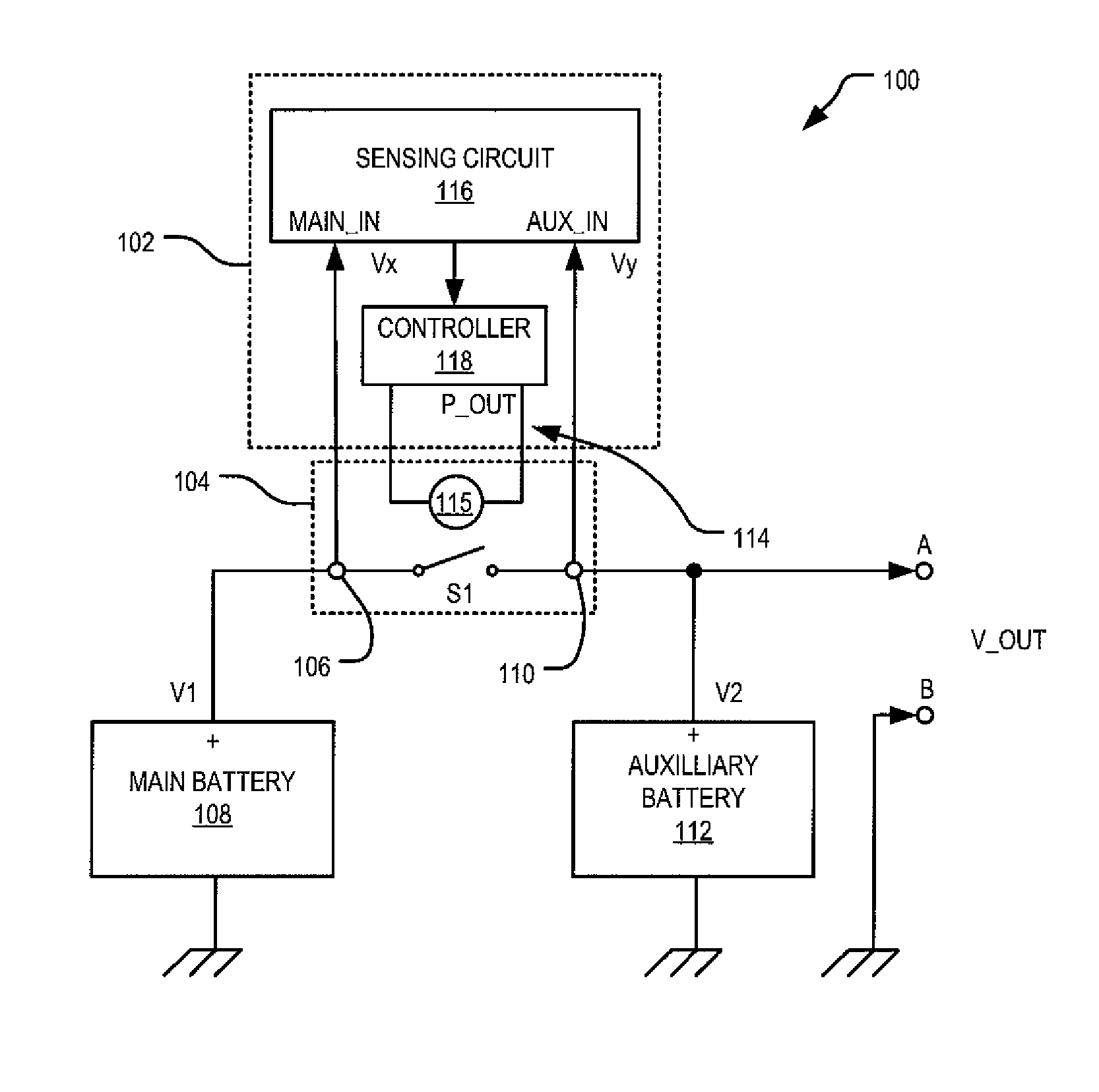
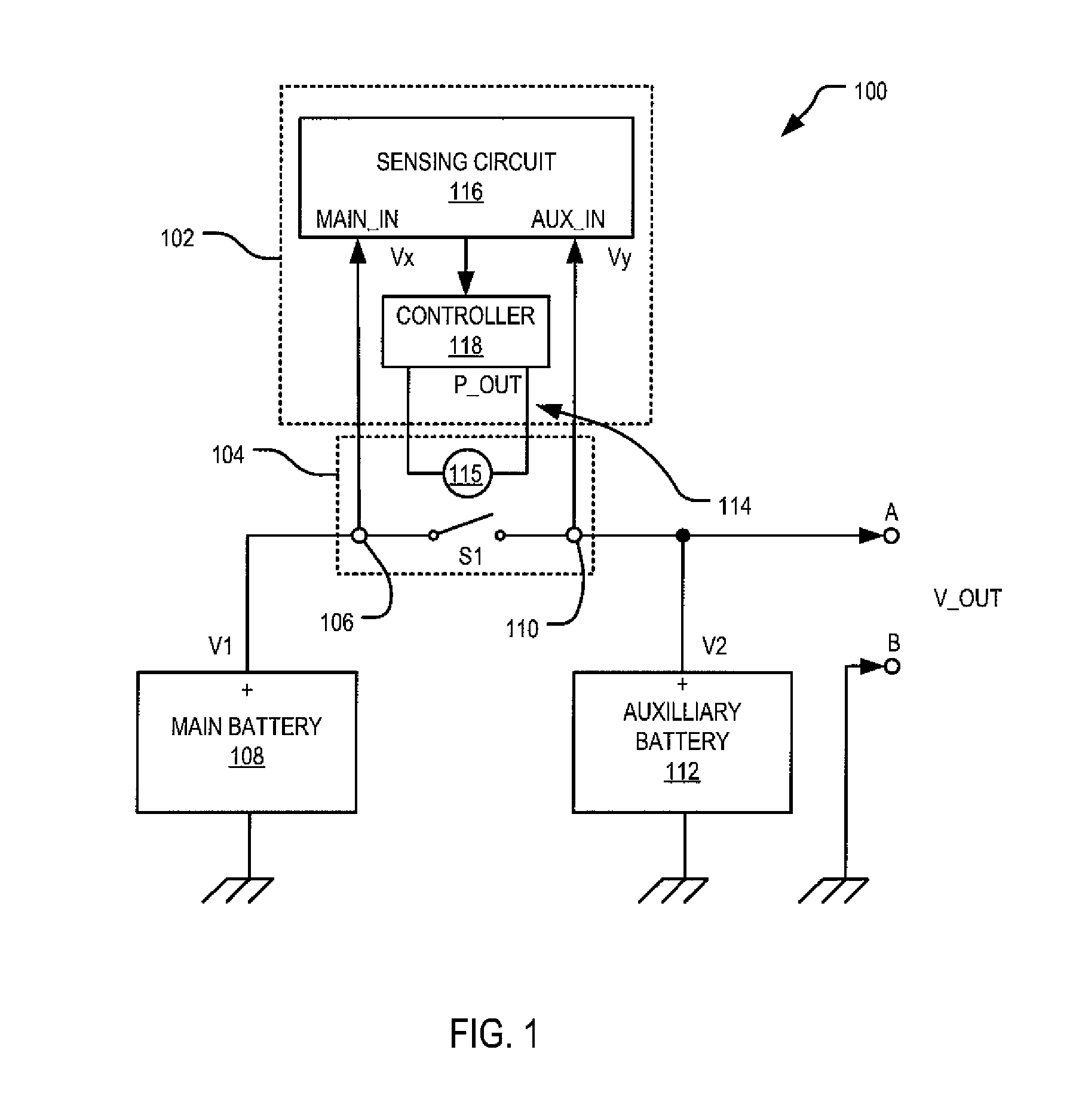
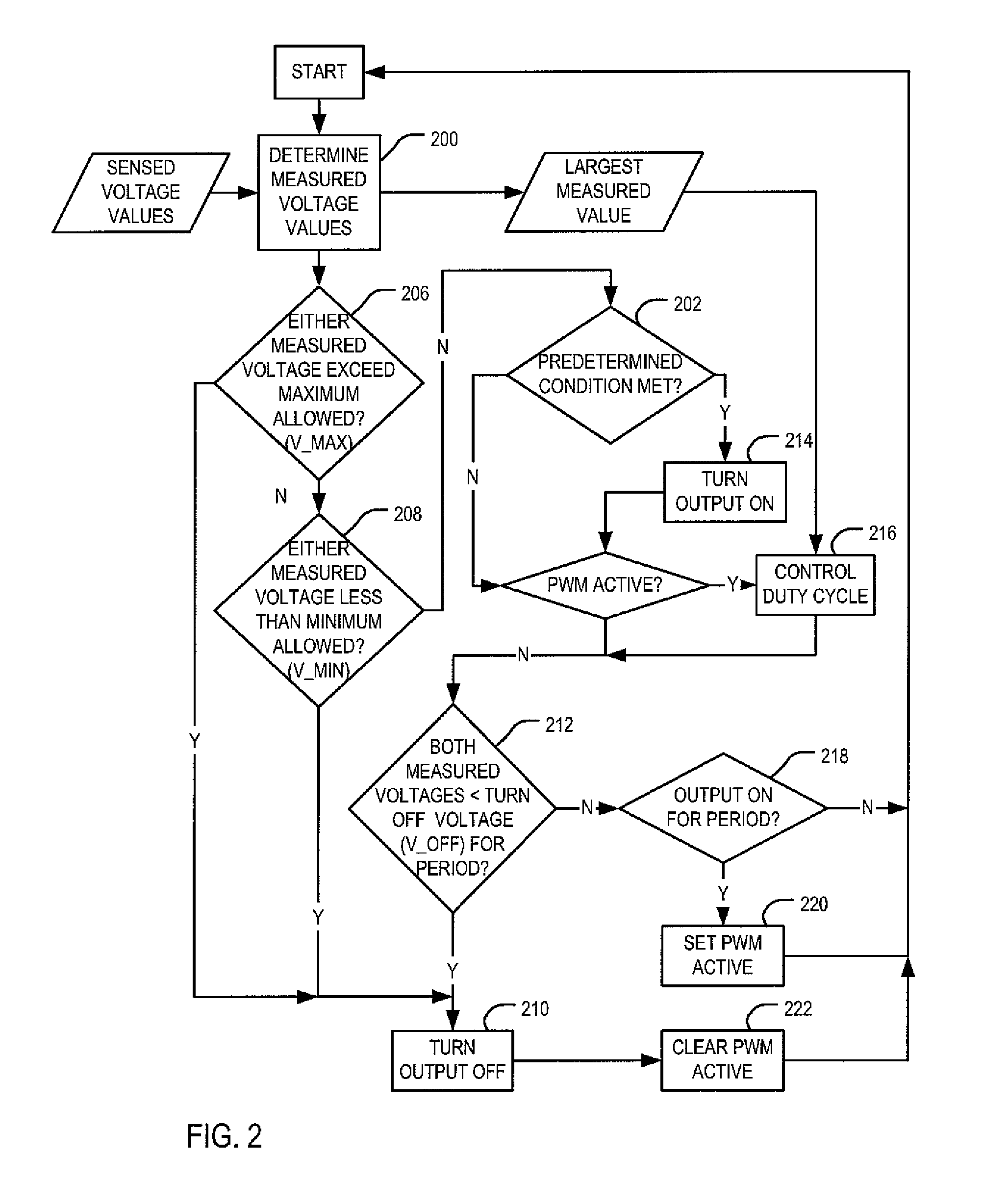
- A battery isolator unit with a sensing circuit and switch controller that periodically determines terminal voltage values of main and auxiliary batteries, using statistical means to control a switching mechanism, reducing the power needed to maintain the switch in a closed position through pulse width modulation of the control signal, thereby minimizing self-heating and power consumption.


Battery isolator unit
PatentActiveUS8390145B2
Innovation
- A battery isolator unit with a sensing circuit that periodically determines terminal voltage values of main and auxiliary batteries, and a switch controller that adjusts the bias of a switching element based on the difference between these values, using a pulse width modulated signal to minimize power consumption and reduce self-heating by optimizing the energization of the switching element.

Safety Standards for Battery System Testing
Battery system testing requires adherence to comprehensive safety standards to prevent electrical hazards, equipment damage, and personal injury. The primary safety framework encompasses international standards such as IEC 62133, UL 2054, and IEEE 1725, which establish fundamental requirements for battery testing procedures. These standards mandate specific protocols for voltage measurements, current flow analysis, and isolation testing that directly apply to battery isolator functionality verification.
Personal protective equipment represents a critical safety component during multimeter-based testing. Technicians must utilize insulated gloves rated for the system voltage, safety glasses, and flame-resistant clothing. The testing environment should maintain proper ventilation to prevent accumulation of potentially hazardous gases, particularly when working with lead-acid or lithium-ion battery systems where isolator failure could lead to thermal events.
Electrical safety protocols require systematic de-energization procedures before initiating isolator testing. The lockout-tagout (LOTO) methodology ensures that all energy sources are properly isolated and verified using appropriate multimeter settings. Ground fault circuit interrupters should be employed when AC-powered test equipment interfaces with DC battery systems, preventing dangerous ground loops that could compromise isolator functionality assessment.
Multimeter selection and calibration standards mandate the use of Category III or IV rated instruments for battery system applications. These devices must demonstrate current certification and calibration within manufacturer specifications. The measurement leads require proper insulation ratings exceeding the maximum system voltage by appropriate safety margins, typically 150% of nominal operating voltage.
Emergency response procedures form an integral component of battery testing safety standards. Testing facilities must maintain appropriate fire suppression systems compatible with electrical fires, including Class C fire extinguishers and emergency shutdown procedures. Personnel conducting isolator functionality tests require training in emergency response protocols, including proper procedures for electrical shock incidents and battery thermal runaway scenarios.
Documentation requirements under safety standards mandate comprehensive record-keeping of all testing procedures, equipment calibration status, and safety incident reporting. These records ensure traceability and compliance with regulatory requirements while supporting continuous improvement of safety protocols for battery isolator testing methodologies.
Personal protective equipment represents a critical safety component during multimeter-based testing. Technicians must utilize insulated gloves rated for the system voltage, safety glasses, and flame-resistant clothing. The testing environment should maintain proper ventilation to prevent accumulation of potentially hazardous gases, particularly when working with lead-acid or lithium-ion battery systems where isolator failure could lead to thermal events.
Electrical safety protocols require systematic de-energization procedures before initiating isolator testing. The lockout-tagout (LOTO) methodology ensures that all energy sources are properly isolated and verified using appropriate multimeter settings. Ground fault circuit interrupters should be employed when AC-powered test equipment interfaces with DC battery systems, preventing dangerous ground loops that could compromise isolator functionality assessment.
Multimeter selection and calibration standards mandate the use of Category III or IV rated instruments for battery system applications. These devices must demonstrate current certification and calibration within manufacturer specifications. The measurement leads require proper insulation ratings exceeding the maximum system voltage by appropriate safety margins, typically 150% of nominal operating voltage.
Emergency response procedures form an integral component of battery testing safety standards. Testing facilities must maintain appropriate fire suppression systems compatible with electrical fires, including Class C fire extinguishers and emergency shutdown procedures. Personnel conducting isolator functionality tests require training in emergency response protocols, including proper procedures for electrical shock incidents and battery thermal runaway scenarios.
Documentation requirements under safety standards mandate comprehensive record-keeping of all testing procedures, equipment calibration status, and safety incident reporting. These records ensure traceability and compliance with regulatory requirements while supporting continuous improvement of safety protocols for battery isolator testing methodologies.
Quality Assurance in Battery Isolator Testing
Quality assurance in battery isolator testing represents a critical framework that ensures the reliability and safety of electrical systems across automotive, marine, and industrial applications. The implementation of rigorous QA protocols during multimeter-based testing procedures establishes standardized methodologies that minimize measurement errors and enhance diagnostic accuracy.
The foundation of effective quality assurance lies in establishing comprehensive testing protocols that encompass pre-test equipment calibration, environmental condition monitoring, and systematic documentation procedures. These protocols must address the inherent variability in multimeter accuracy, temperature coefficients, and measurement repeatability to ensure consistent results across different testing scenarios and operators.
Calibration management forms a cornerstone of QA implementation, requiring regular verification of multimeter accuracy against certified reference standards. This process involves establishing traceability chains to national measurement standards and implementing calibration intervals based on equipment usage patterns and environmental exposure. The calibration protocol must encompass both DC voltage measurements and resistance measurements, as these parameters are fundamental to battery isolator functionality assessment.
Operator competency validation represents another essential QA component, ensuring that personnel conducting battery isolator tests possess adequate technical knowledge and practical skills. This includes understanding of electrical safety procedures, proper probe placement techniques, and interpretation of measurement results within acceptable tolerance ranges. Regular training updates and competency assessments help maintain consistent testing quality across different operators.
Environmental control measures significantly impact measurement reliability, particularly in field testing scenarios where temperature fluctuations and electromagnetic interference can affect multimeter readings. QA protocols must establish acceptable environmental ranges and specify corrective actions when conditions exceed these limits. This includes temperature compensation procedures and electromagnetic compatibility considerations.
Documentation and traceability systems ensure that all testing activities are properly recorded and can be audited for compliance verification. These systems must capture test parameters, measurement results, equipment identification, and operator information to enable comprehensive quality tracking and trend analysis.
Statistical process control methods enable continuous monitoring of testing performance through control charts and capability studies. These tools help identify systematic measurement drift, operator variability, and equipment degradation before they compromise testing accuracy. Implementation of statistical controls provides objective evidence of testing system stability and measurement capability.
The foundation of effective quality assurance lies in establishing comprehensive testing protocols that encompass pre-test equipment calibration, environmental condition monitoring, and systematic documentation procedures. These protocols must address the inherent variability in multimeter accuracy, temperature coefficients, and measurement repeatability to ensure consistent results across different testing scenarios and operators.
Calibration management forms a cornerstone of QA implementation, requiring regular verification of multimeter accuracy against certified reference standards. This process involves establishing traceability chains to national measurement standards and implementing calibration intervals based on equipment usage patterns and environmental exposure. The calibration protocol must encompass both DC voltage measurements and resistance measurements, as these parameters are fundamental to battery isolator functionality assessment.
Operator competency validation represents another essential QA component, ensuring that personnel conducting battery isolator tests possess adequate technical knowledge and practical skills. This includes understanding of electrical safety procedures, proper probe placement techniques, and interpretation of measurement results within acceptable tolerance ranges. Regular training updates and competency assessments help maintain consistent testing quality across different operators.
Environmental control measures significantly impact measurement reliability, particularly in field testing scenarios where temperature fluctuations and electromagnetic interference can affect multimeter readings. QA protocols must establish acceptable environmental ranges and specify corrective actions when conditions exceed these limits. This includes temperature compensation procedures and electromagnetic compatibility considerations.
Documentation and traceability systems ensure that all testing activities are properly recorded and can be audited for compliance verification. These systems must capture test parameters, measurement results, equipment identification, and operator information to enable comprehensive quality tracking and trend analysis.
Statistical process control methods enable continuous monitoring of testing performance through control charts and capability studies. These tools help identify systematic measurement drift, operator variability, and equipment degradation before they compromise testing accuracy. Implementation of statistical controls provides objective evidence of testing system stability and measurement capability.
Unlock deeper insights with PatSnap Eureka Quick Research — get a full tech report to explore trends and direct your research. Try now!
Generate Your Research Report Instantly with AI Agent
Supercharge your innovation with PatSnap Eureka AI Agent Platform!