
How to Troubleshoot Event Camera Data Transmission Issues
APR 13, 20269 MIN READ
Generate Your Research Report Instantly with AI Agent
Patsnap Eureka helps you evaluate technical feasibility & market potential.
Event Camera Data Transmission Background and Objectives
Event cameras, also known as neuromorphic or dynamic vision sensors, represent a paradigm shift from traditional frame-based imaging systems. These bio-inspired sensors detect changes in pixel intensity asynchronously, generating sparse event streams that capture motion and temporal dynamics with microsecond precision. Unlike conventional cameras that capture full frames at fixed intervals, event cameras produce data only when visual changes occur, resulting in significantly reduced data volumes and enhanced temporal resolution.
The evolution of event camera technology traces back to neuromorphic engineering principles developed in the 1980s, with the first practical implementations emerging in the early 2000s. Key milestones include the development of the first silicon retina by Carver Mead, followed by commercial breakthroughs with sensors like the Dynamic Vision Sensor (DVS) and Advanced Vision Sensor (ATIS). Recent advances have focused on improving pixel density, reducing noise, and enhancing integration capabilities with standard computer vision pipelines.
Current technological trends indicate a strong push toward higher resolution sensors, improved dynamic range, and better integration with artificial intelligence frameworks. The technology has progressed from laboratory prototypes to commercial applications in robotics, autonomous vehicles, surveillance systems, and industrial automation. Modern event cameras achieve temporal resolutions exceeding 1 MHz while maintaining power consumption levels significantly lower than traditional imaging systems.
The primary technical objectives for event camera data transmission systems center on maintaining the temporal precision and sparse nature of event data while ensuring reliable, low-latency communication. Key goals include preserving microsecond-level timestamps during transmission, implementing efficient data compression algorithms that exploit event sparsity, and developing robust protocols that can handle variable data rates inherent to event-driven sensing.
Additional objectives encompass establishing standardized communication interfaces that support real-time processing requirements, minimizing transmission latency to preserve the temporal advantages of event cameras, and ensuring data integrity across various transmission mediums. The ultimate aim is to create seamless data pipelines that fully leverage the unique characteristics of event-based vision while maintaining compatibility with existing computer vision infrastructure and enabling new applications in time-critical scenarios.
The evolution of event camera technology traces back to neuromorphic engineering principles developed in the 1980s, with the first practical implementations emerging in the early 2000s. Key milestones include the development of the first silicon retina by Carver Mead, followed by commercial breakthroughs with sensors like the Dynamic Vision Sensor (DVS) and Advanced Vision Sensor (ATIS). Recent advances have focused on improving pixel density, reducing noise, and enhancing integration capabilities with standard computer vision pipelines.
Current technological trends indicate a strong push toward higher resolution sensors, improved dynamic range, and better integration with artificial intelligence frameworks. The technology has progressed from laboratory prototypes to commercial applications in robotics, autonomous vehicles, surveillance systems, and industrial automation. Modern event cameras achieve temporal resolutions exceeding 1 MHz while maintaining power consumption levels significantly lower than traditional imaging systems.
The primary technical objectives for event camera data transmission systems center on maintaining the temporal precision and sparse nature of event data while ensuring reliable, low-latency communication. Key goals include preserving microsecond-level timestamps during transmission, implementing efficient data compression algorithms that exploit event sparsity, and developing robust protocols that can handle variable data rates inherent to event-driven sensing.
Additional objectives encompass establishing standardized communication interfaces that support real-time processing requirements, minimizing transmission latency to preserve the temporal advantages of event cameras, and ensuring data integrity across various transmission mediums. The ultimate aim is to create seamless data pipelines that fully leverage the unique characteristics of event-based vision while maintaining compatibility with existing computer vision infrastructure and enabling new applications in time-critical scenarios.
Market Demand for Reliable Event Camera Systems
The market demand for reliable event camera systems has experienced substantial growth across multiple industries, driven by the unique advantages these neuromorphic sensors offer over traditional frame-based cameras. Event cameras provide microsecond temporal resolution, high dynamic range, and low power consumption, making them particularly valuable in applications requiring real-time processing and extreme operating conditions.
Autonomous vehicle manufacturers represent one of the largest market segments demanding reliable event camera systems. These companies require robust data transmission capabilities to ensure safety-critical applications function without interruption. The automotive industry's stringent reliability standards have pushed event camera manufacturers to develop more sophisticated transmission protocols and error correction mechanisms.
Industrial automation and robotics sectors have emerged as significant consumers of event camera technology. Manufacturing facilities operating continuous production lines cannot tolerate data transmission failures that could halt operations or compromise quality control processes. This demand has driven the development of industrial-grade event cameras with enhanced transmission reliability and built-in diagnostic capabilities.
The surveillance and security market has shown increasing interest in event cameras due to their ability to detect motion with minimal power consumption. Security applications require uninterrupted data streams to maintain continuous monitoring capabilities, creating demand for systems with redundant transmission pathways and automatic failover mechanisms.
Scientific research institutions and medical device manufacturers constitute a specialized but growing market segment. These applications often involve precise measurements and data collection where transmission errors could invalidate experimental results or compromise patient safety. This has led to demand for event cameras with advanced error detection and correction features.
Consumer electronics manufacturers are beginning to integrate event cameras into smartphones and augmented reality devices. These applications require miniaturized systems with reliable wireless transmission capabilities, driving innovation in low-power transmission protocols and compact antenna designs.
The aerospace and defense sectors demand event cameras capable of operating in harsh electromagnetic environments while maintaining reliable data transmission. This has created a niche market for radiation-hardened event cameras with specialized transmission systems designed to function in extreme conditions.
Autonomous vehicle manufacturers represent one of the largest market segments demanding reliable event camera systems. These companies require robust data transmission capabilities to ensure safety-critical applications function without interruption. The automotive industry's stringent reliability standards have pushed event camera manufacturers to develop more sophisticated transmission protocols and error correction mechanisms.
Industrial automation and robotics sectors have emerged as significant consumers of event camera technology. Manufacturing facilities operating continuous production lines cannot tolerate data transmission failures that could halt operations or compromise quality control processes. This demand has driven the development of industrial-grade event cameras with enhanced transmission reliability and built-in diagnostic capabilities.
The surveillance and security market has shown increasing interest in event cameras due to their ability to detect motion with minimal power consumption. Security applications require uninterrupted data streams to maintain continuous monitoring capabilities, creating demand for systems with redundant transmission pathways and automatic failover mechanisms.
Scientific research institutions and medical device manufacturers constitute a specialized but growing market segment. These applications often involve precise measurements and data collection where transmission errors could invalidate experimental results or compromise patient safety. This has led to demand for event cameras with advanced error detection and correction features.
Consumer electronics manufacturers are beginning to integrate event cameras into smartphones and augmented reality devices. These applications require miniaturized systems with reliable wireless transmission capabilities, driving innovation in low-power transmission protocols and compact antenna designs.
The aerospace and defense sectors demand event cameras capable of operating in harsh electromagnetic environments while maintaining reliable data transmission. This has created a niche market for radiation-hardened event cameras with specialized transmission systems designed to function in extreme conditions.
Current State and Challenges in Event Camera Data Transmission
Event camera data transmission represents a rapidly evolving technological domain that has gained significant momentum in recent years. These neuromorphic sensors, also known as dynamic vision sensors (DVS), fundamentally differ from traditional frame-based cameras by capturing pixel-level brightness changes asynchronously. This paradigm shift generates sparse, event-driven data streams that offer microsecond temporal resolution and high dynamic range capabilities.
The current technological landscape reveals substantial progress in event camera hardware development, with leading manufacturers achieving pixel arrays exceeding 1280×720 resolution and temporal precision below 1 microsecond. However, the unique characteristics of event data present unprecedented challenges for transmission systems. Unlike conventional video streams with predictable frame rates, event cameras generate highly variable data rates that can fluctuate from near-zero during static scenes to several gigabits per second during high-activity scenarios.
Contemporary transmission architectures predominantly rely on USB 3.0, Ethernet, and specialized high-speed serial interfaces. The asynchronous nature of event data creates significant bottlenecks in existing communication protocols, which were originally designed for synchronous, frame-based data structures. Current implementations often struggle with buffer management, as the unpredictable burst characteristics of event streams can overwhelm traditional buffering strategies.
Latency optimization remains a critical challenge, particularly for real-time applications such as autonomous navigation and robotics. Existing transmission systems frequently introduce delays ranging from several milliseconds to tens of milliseconds, which can compromise the inherent low-latency advantages of event cameras. The geographic distribution of technological expertise shows concentration in European research institutions and emerging commercial development in North American and Asian markets.
Data compression and encoding present additional complexities, as traditional video compression algorithms prove ineffective for sparse event data. Current approaches include delta compression, run-length encoding, and specialized event-based compression schemes, yet standardization remains limited. Power consumption during transmission also poses constraints, especially for mobile and embedded applications where energy efficiency is paramount.
Synchronization challenges emerge when multiple event cameras operate simultaneously, requiring precise temporal alignment across different data streams. Existing solutions often lack robust mechanisms for handling clock drift and ensuring consistent timestamping across distributed sensor networks.
The current technological landscape reveals substantial progress in event camera hardware development, with leading manufacturers achieving pixel arrays exceeding 1280×720 resolution and temporal precision below 1 microsecond. However, the unique characteristics of event data present unprecedented challenges for transmission systems. Unlike conventional video streams with predictable frame rates, event cameras generate highly variable data rates that can fluctuate from near-zero during static scenes to several gigabits per second during high-activity scenarios.
Contemporary transmission architectures predominantly rely on USB 3.0, Ethernet, and specialized high-speed serial interfaces. The asynchronous nature of event data creates significant bottlenecks in existing communication protocols, which were originally designed for synchronous, frame-based data structures. Current implementations often struggle with buffer management, as the unpredictable burst characteristics of event streams can overwhelm traditional buffering strategies.
Latency optimization remains a critical challenge, particularly for real-time applications such as autonomous navigation and robotics. Existing transmission systems frequently introduce delays ranging from several milliseconds to tens of milliseconds, which can compromise the inherent low-latency advantages of event cameras. The geographic distribution of technological expertise shows concentration in European research institutions and emerging commercial development in North American and Asian markets.
Data compression and encoding present additional complexities, as traditional video compression algorithms prove ineffective for sparse event data. Current approaches include delta compression, run-length encoding, and specialized event-based compression schemes, yet standardization remains limited. Power consumption during transmission also poses constraints, especially for mobile and embedded applications where energy efficiency is paramount.
Synchronization challenges emerge when multiple event cameras operate simultaneously, requiring precise temporal alignment across different data streams. Existing solutions often lack robust mechanisms for handling clock drift and ensuring consistent timestamping across distributed sensor networks.
Existing Solutions for Event Camera Data Transmission Issues
01 Event-driven data compression and encoding techniques
Event cameras generate asynchronous data streams that require specialized compression and encoding methods to reduce bandwidth requirements during transmission. These techniques include temporal compression, delta encoding, and event-based coding schemes that exploit the sparse nature of event data. Advanced algorithms can achieve significant data reduction while preserving the temporal precision and information content of the original event stream.- Event-driven data compression and encoding methods: Event cameras generate asynchronous data streams that require specialized compression and encoding techniques to reduce bandwidth requirements during transmission. These methods include temporal compression, delta encoding, and event-based coding schemes that exploit the sparse nature of event data. Advanced algorithms can achieve significant data reduction while preserving the temporal precision and information content of the original event stream.
- Wireless transmission protocols for event camera data: Specialized wireless communication protocols and systems are designed to handle the unique characteristics of event camera data streams. These protocols optimize for low latency, high temporal resolution, and efficient bandwidth utilization. Implementation includes adaptive transmission rates, priority-based packet scheduling, and error correction mechanisms tailored to asynchronous event data.
- Hardware architectures for event data processing and transmission: Dedicated hardware architectures and processing units are developed to efficiently handle event camera data before and during transmission. These include specialized buffers, event processors, and transmission controllers that can manage high-speed asynchronous data flows. The architectures often incorporate parallel processing capabilities and optimized data pathways to minimize latency and maximize throughput.
- Network infrastructure and routing for event-based vision systems: Network infrastructure solutions address the challenges of transmitting event camera data across various network topologies. These include routing algorithms, network protocols, and quality-of-service mechanisms specifically designed for event-based data streams. The systems ensure reliable delivery while managing network congestion and maintaining temporal coherence of event sequences.
- Integration of event cameras with existing video transmission systems: Methods and systems for integrating event camera outputs with conventional video transmission infrastructure enable hybrid approaches that combine traditional frame-based and event-based data. These solutions include format conversion, synchronization mechanisms, and multiplexing techniques that allow event data to be transmitted alongside or within existing video streams. The integration facilitates backward compatibility while leveraging the advantages of event-based sensing.
02 Wireless transmission protocols for event camera data
Specialized wireless communication protocols and methods are designed to handle the unique characteristics of event camera data streams. These protocols optimize for low latency, high temporal resolution, and efficient bandwidth utilization. Implementation strategies include adaptive transmission rates, priority-based event streaming, and wireless standards optimized for asynchronous data patterns.Expand Specific Solutions03 Hardware architectures for event data transmission
Dedicated hardware architectures and circuit designs facilitate efficient transmission of event camera data. These include specialized interfaces, buffer management systems, and data routing mechanisms that handle the asynchronous nature of event streams. Hardware solutions may incorporate parallel processing elements, dedicated transmission channels, and optimized memory structures to minimize latency and maximize throughput.Expand Specific Solutions04 Network infrastructure and routing for event-based vision systems
Network architectures and routing strategies are specifically designed to support event camera data transmission across distributed systems. These solutions address challenges such as network congestion, packet loss, and synchronization across multiple event sensors. Methods include adaptive routing algorithms, quality-of-service mechanisms, and network protocols that prioritize time-critical event data.Expand Specific Solutions05 Real-time processing and transmission integration
Integrated systems combine real-time event processing with transmission capabilities to enable immediate data delivery and analysis. These approaches incorporate edge computing, preprocessing filters, and intelligent data selection mechanisms that determine which events to transmit based on relevance and bandwidth constraints. The integration reduces overall system latency and enables responsive applications such as robotics and autonomous systems.Expand Specific Solutions
Key Players in Event Camera and Data Transmission Industry
The event camera data transmission troubleshooting market represents an emerging yet rapidly evolving sector within the broader computer vision and sensor technology landscape. Currently in its early growth phase, the market is characterized by significant technological advancement driven by specialized players like iniVation AG, which provides dedicated neuromorphic vision systems, alongside major technology conglomerates including Samsung Electronics, Huawei Technologies, and Apple who are integrating event camera capabilities into their broader product ecosystems. The technology maturity varies considerably across market participants, with established surveillance companies like Hikvision and Dahua Technology leveraging their existing infrastructure expertise, while telecommunications giants such as China Mobile and NTT provide critical data transmission backbone support. Research institutions including Tsinghua University and University of Electronic Science & Technology of China contribute foundational research, indicating strong academic-industry collaboration in advancing event camera data transmission solutions and troubleshooting methodologies.
Huawei Technologies Co., Ltd.
Technical Solution: Huawei provides comprehensive telecommunications and networking solutions that address event camera data transmission challenges through advanced network optimization technologies. Their approach includes intelligent traffic management systems that can prioritize event camera data streams, ensuring low-latency transmission critical for real-time applications. They offer sophisticated network diagnostic tools that can identify and resolve transmission bottlenecks, implement quality of service (QoS) protocols, and optimize bandwidth allocation for event-based data streams. Their solutions feature advanced error correction mechanisms, adaptive routing protocols, and network redundancy systems that ensure reliable data transmission even in adverse conditions. The company's troubleshooting methodology includes comprehensive network analysis tools, real-time performance monitoring systems, and automated problem resolution capabilities. Additionally, they provide specialized networking hardware optimized for high-speed data transmission requirements of event cameras, including low-latency switches and intelligent network processors designed for time-sensitive applications.
Strengths: Extensive telecommunications expertise with advanced networking infrastructure and global deployment capabilities. Weaknesses: Less specialized focus on event camera technology compared to dedicated neuromorphic vision companies.
Prophesee Solutions Pvt Ltd.
Technical Solution: Prophesee specializes in neuromorphic vision technology and provides comprehensive solutions for event camera data transmission troubleshooting. Their approach includes advanced event-based data processing algorithms that optimize bandwidth usage by transmitting only pixel-level changes rather than full frames. They implement adaptive compression techniques specifically designed for asynchronous event streams, reducing data transmission overhead by up to 90% compared to traditional frame-based systems. Their diagnostic tools include real-time event stream analyzers that can identify transmission bottlenecks, packet loss detection mechanisms, and automatic error correction protocols. The company also provides specialized software development kits (SDKs) that include built-in debugging capabilities for event camera integration, enabling developers to monitor data flow, detect transmission anomalies, and implement corrective measures in real-time applications.
Strengths: Industry-leading expertise in neuromorphic vision with proven event-based processing algorithms. Weaknesses: Limited market presence compared to traditional camera manufacturers, potentially higher implementation costs.
Core Innovations in Event Data Streaming and Processing
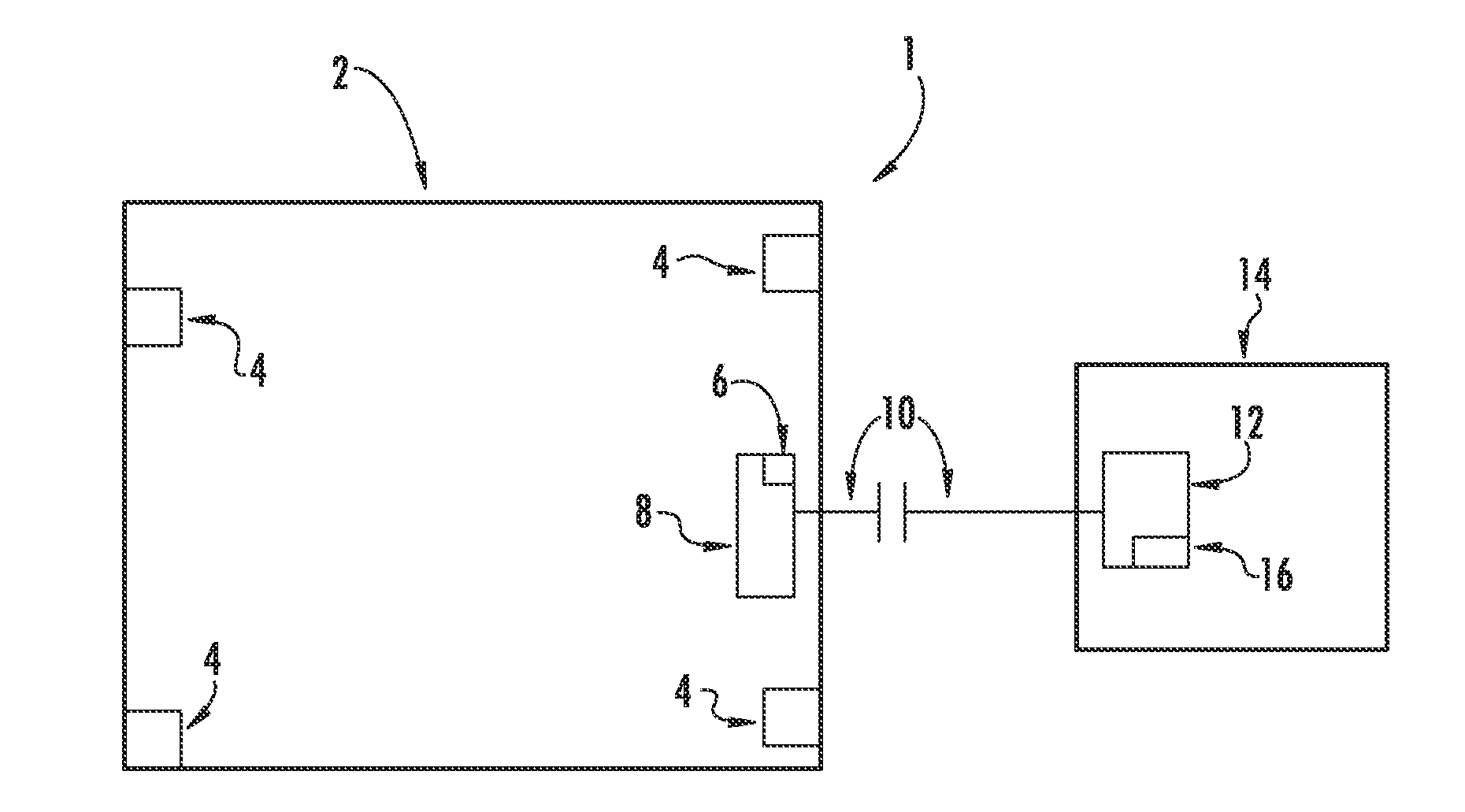
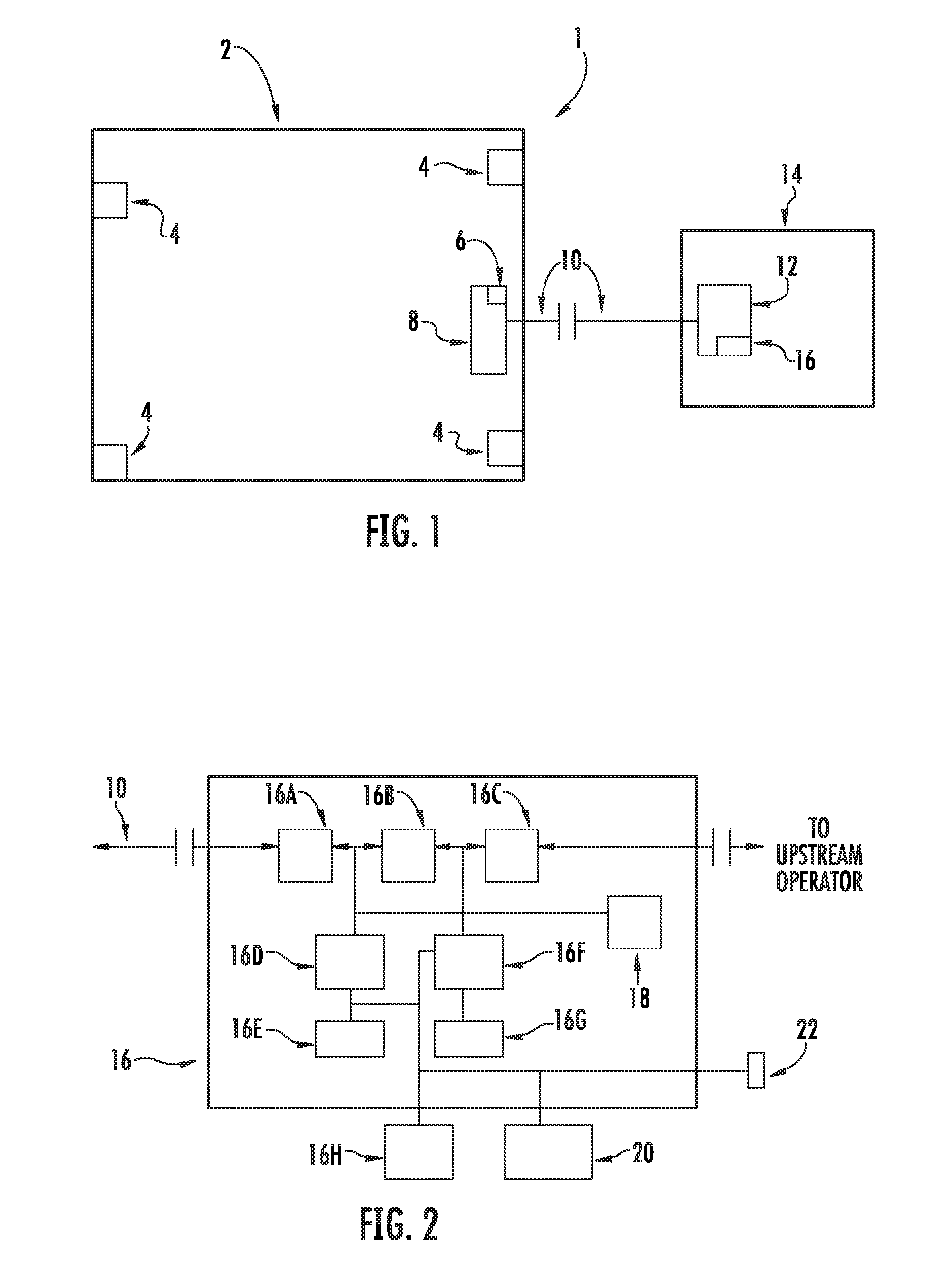
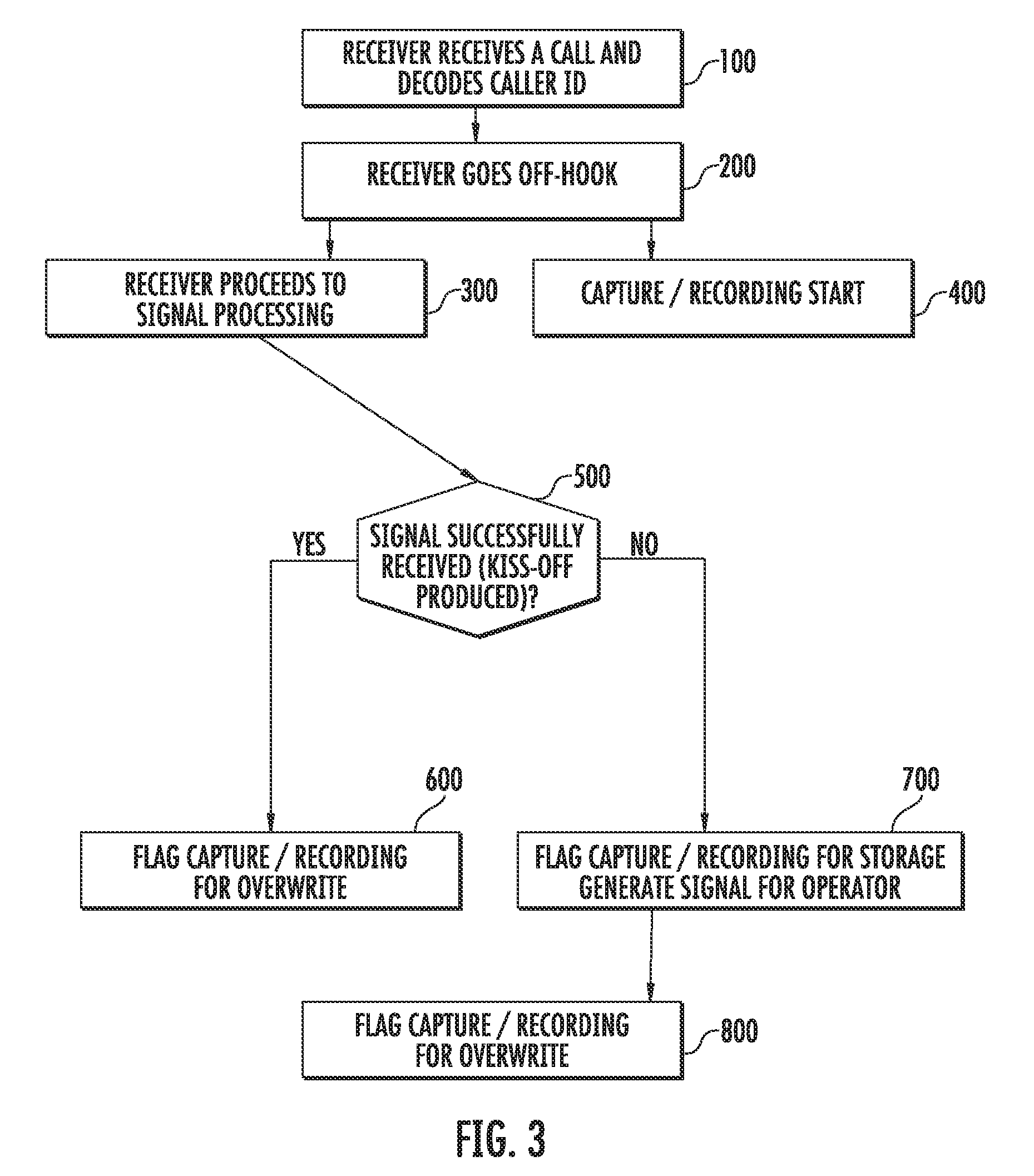
System and method for analyzing faulty event transmissions
PatentActiveUS8077027B2
Innovation
- A system that automatically records and processes event signal data at the receiver, determining conformance to predefined parameters, saving faulty data for review, and providing indications for operators, while eliminating the need for additional recording equipment and ensuring detection of receiver-related issues.
Transmission of an event stream through a MIPI camera serial interface
PatentPendingEP4478718A1
Innovation
- A method to transmit event streams by assigning a fixed period to frames and packets, filling packets with events within that period, and using padding events to maintain compatibility with MIPI CSI-2 standards, ensuring a constant frame rate and efficient data transmission.


Standardization and Compatibility Requirements for Event Cameras
Event camera data transmission issues often stem from the lack of unified standards across different manufacturers and platforms. The absence of comprehensive standardization frameworks creates significant compatibility challenges when integrating event cameras into existing systems or when attempting to establish reliable data pipelines between different hardware components.
Current standardization efforts primarily focus on data format specifications, with emerging protocols attempting to define universal event stream structures. The most prominent standardization initiatives include the development of common event representation formats, standardized communication protocols, and unified timing synchronization mechanisms. These standards aim to ensure consistent data interpretation across different processing platforms and software environments.
Compatibility requirements for event cameras encompass multiple technical dimensions, including hardware interface standards, software API specifications, and data encoding protocols. Hardware compatibility demands adherence to established connection standards such as USB 3.0, GigE Vision, or Camera Link interfaces, while ensuring proper power delivery and signal integrity. Software compatibility requires standardized driver architectures and consistent programming interfaces that enable seamless integration with various operating systems and development frameworks.
Timing synchronization represents a critical compatibility requirement, as event cameras generate asynchronous data streams that must maintain precise temporal relationships. Standardized timestamp formats and synchronization protocols are essential for multi-camera setups and sensor fusion applications. These requirements include nanosecond-level timing accuracy, consistent clock reference systems, and standardized trigger mechanisms for coordinated data capture.
Data bandwidth and latency specifications form another crucial aspect of compatibility requirements. Standards must define minimum performance thresholds for data transmission rates, maximum acceptable latency values, and standardized quality-of-service parameters. These specifications ensure predictable system behavior and enable proper resource allocation in complex processing pipelines.
Interoperability testing frameworks and certification processes are becoming increasingly important for ensuring compliance with established standards. These frameworks define comprehensive test suites that validate compatibility across different hardware configurations, software environments, and operational conditions, ultimately reducing troubleshooting complexity and improving system reliability.
Current standardization efforts primarily focus on data format specifications, with emerging protocols attempting to define universal event stream structures. The most prominent standardization initiatives include the development of common event representation formats, standardized communication protocols, and unified timing synchronization mechanisms. These standards aim to ensure consistent data interpretation across different processing platforms and software environments.
Compatibility requirements for event cameras encompass multiple technical dimensions, including hardware interface standards, software API specifications, and data encoding protocols. Hardware compatibility demands adherence to established connection standards such as USB 3.0, GigE Vision, or Camera Link interfaces, while ensuring proper power delivery and signal integrity. Software compatibility requires standardized driver architectures and consistent programming interfaces that enable seamless integration with various operating systems and development frameworks.
Timing synchronization represents a critical compatibility requirement, as event cameras generate asynchronous data streams that must maintain precise temporal relationships. Standardized timestamp formats and synchronization protocols are essential for multi-camera setups and sensor fusion applications. These requirements include nanosecond-level timing accuracy, consistent clock reference systems, and standardized trigger mechanisms for coordinated data capture.
Data bandwidth and latency specifications form another crucial aspect of compatibility requirements. Standards must define minimum performance thresholds for data transmission rates, maximum acceptable latency values, and standardized quality-of-service parameters. These specifications ensure predictable system behavior and enable proper resource allocation in complex processing pipelines.
Interoperability testing frameworks and certification processes are becoming increasingly important for ensuring compliance with established standards. These frameworks define comprehensive test suites that validate compatibility across different hardware configurations, software environments, and operational conditions, ultimately reducing troubleshooting complexity and improving system reliability.
Real-time Performance Optimization for Event Data Transmission
Real-time performance optimization for event camera data transmission represents a critical technical domain that directly impacts the effectiveness of neuromorphic vision systems. Event cameras generate asynchronous data streams with highly variable temporal characteristics, creating unique challenges for maintaining consistent real-time performance. The optimization process must address multiple layers of the transmission pipeline, from hardware-level buffer management to application-layer data processing protocols.
The fundamental challenge in optimizing event data transmission lies in managing the inherently bursty nature of event streams. Unlike traditional frame-based cameras that produce predictable data volumes, event cameras can generate sparse outputs during static scenes or overwhelming data floods during high-motion scenarios. This variability demands adaptive transmission strategies that can dynamically adjust bandwidth allocation, buffer sizes, and processing priorities based on real-time event density measurements.
Hardware-level optimizations focus on implementing efficient Direct Memory Access (DMA) controllers and specialized event packaging algorithms. Modern event camera systems employ multi-level buffering architectures that separate event capture from transmission processes, allowing for continuous data flow even during peak event generation periods. Advanced implementations utilize dedicated hardware accelerators for event compression and filtering, reducing the raw data volume before transmission begins.
Protocol-level optimizations involve developing specialized communication frameworks tailored for event data characteristics. Traditional video streaming protocols prove inadequate for event streams due to their frame-centric design assumptions. Optimized event transmission protocols implement adaptive packet sizing, priority-based event queuing, and intelligent data aggregation techniques that maintain temporal precision while maximizing throughput efficiency.
Software optimization strategies encompass multi-threaded processing architectures, lock-free data structures, and predictive resource allocation algorithms. These implementations leverage parallel processing capabilities to handle simultaneous event capture, preprocessing, and transmission operations without introducing significant latency penalties. Advanced systems incorporate machine learning-based prediction models that anticipate transmission requirements based on scene analysis and historical event patterns.
Network-level optimizations address Quality of Service (QoS) requirements specific to event data applications. This includes implementing adaptive bitrate control mechanisms, intelligent error correction protocols, and network congestion management strategies that prioritize critical event information during bandwidth-constrained scenarios. Edge computing integration further enhances performance by processing and filtering event data closer to the source, reducing transmission overhead for downstream applications.
The fundamental challenge in optimizing event data transmission lies in managing the inherently bursty nature of event streams. Unlike traditional frame-based cameras that produce predictable data volumes, event cameras can generate sparse outputs during static scenes or overwhelming data floods during high-motion scenarios. This variability demands adaptive transmission strategies that can dynamically adjust bandwidth allocation, buffer sizes, and processing priorities based on real-time event density measurements.
Hardware-level optimizations focus on implementing efficient Direct Memory Access (DMA) controllers and specialized event packaging algorithms. Modern event camera systems employ multi-level buffering architectures that separate event capture from transmission processes, allowing for continuous data flow even during peak event generation periods. Advanced implementations utilize dedicated hardware accelerators for event compression and filtering, reducing the raw data volume before transmission begins.
Protocol-level optimizations involve developing specialized communication frameworks tailored for event data characteristics. Traditional video streaming protocols prove inadequate for event streams due to their frame-centric design assumptions. Optimized event transmission protocols implement adaptive packet sizing, priority-based event queuing, and intelligent data aggregation techniques that maintain temporal precision while maximizing throughput efficiency.
Software optimization strategies encompass multi-threaded processing architectures, lock-free data structures, and predictive resource allocation algorithms. These implementations leverage parallel processing capabilities to handle simultaneous event capture, preprocessing, and transmission operations without introducing significant latency penalties. Advanced systems incorporate machine learning-based prediction models that anticipate transmission requirements based on scene analysis and historical event patterns.
Network-level optimizations address Quality of Service (QoS) requirements specific to event data applications. This includes implementing adaptive bitrate control mechanisms, intelligent error correction protocols, and network congestion management strategies that prioritize critical event information during bandwidth-constrained scenarios. Edge computing integration further enhances performance by processing and filtering event data closer to the source, reducing transmission overhead for downstream applications.
Unlock deeper insights with Patsnap Eureka Quick Research — get a full tech report to explore trends and direct your research. Try now!
Generate Your Research Report Instantly with AI Agent
Supercharge your innovation with Patsnap Eureka AI Agent Platform!