

Implementing Lithium Battery Wear Leveling Algorithms
FEB 12, 20268 MIN READ
Generate Your Research Report Instantly with AI Agent
PatSnap Eureka helps you evaluate technical feasibility & market potential.
Lithium Battery Wear Leveling Background and Objectives
Lithium-ion batteries have become the dominant energy storage solution across diverse applications, from consumer electronics to electric vehicles and grid-scale energy systems. This widespread adoption stems from their superior energy density, declining costs, and improving performance characteristics. However, the operational lifespan and reliability of lithium battery systems remain critical concerns, as individual cells within battery packs exhibit varying degradation rates due to manufacturing inconsistencies, thermal gradients, and usage patterns. This non-uniform aging phenomenon leads to capacity imbalance, reduced overall system performance, and premature failure of entire battery packs when the weakest cells reach end-of-life conditions.
The concept of wear leveling, originally developed for flash memory management, has emerged as a promising approach to address lithium battery degradation challenges. By intelligently distributing charge-discharge cycles and operational stress across multiple cells or battery modules, wear leveling algorithms aim to equalize the aging process and extend the functional lifespan of the entire battery system. This technology represents a shift from passive battery management to active longevity optimization, offering significant economic and environmental benefits through reduced replacement frequency and improved resource utilization.
The primary objective of implementing lithium battery wear leveling algorithms is to maximize the operational lifetime of battery systems while maintaining performance standards and safety requirements. This involves developing sophisticated algorithms capable of real-time monitoring of individual cell health parameters, predicting degradation trajectories, and dynamically adjusting power distribution strategies to minimize stress on aging cells. Secondary objectives include optimizing energy efficiency during the wear leveling process, ensuring seamless integration with existing battery management systems, and maintaining cost-effectiveness for commercial deployment.
Achieving these objectives requires addressing multiple technical dimensions, including accurate state-of-health estimation methodologies, computationally efficient optimization algorithms suitable for embedded systems, and robust control strategies that account for the complex electrochemical dynamics of lithium-ion cells. The ultimate goal is to create adaptive systems that can intelligently balance immediate performance demands with long-term durability considerations, thereby unlocking the full potential of lithium battery technology across various application domains.
The concept of wear leveling, originally developed for flash memory management, has emerged as a promising approach to address lithium battery degradation challenges. By intelligently distributing charge-discharge cycles and operational stress across multiple cells or battery modules, wear leveling algorithms aim to equalize the aging process and extend the functional lifespan of the entire battery system. This technology represents a shift from passive battery management to active longevity optimization, offering significant economic and environmental benefits through reduced replacement frequency and improved resource utilization.
The primary objective of implementing lithium battery wear leveling algorithms is to maximize the operational lifetime of battery systems while maintaining performance standards and safety requirements. This involves developing sophisticated algorithms capable of real-time monitoring of individual cell health parameters, predicting degradation trajectories, and dynamically adjusting power distribution strategies to minimize stress on aging cells. Secondary objectives include optimizing energy efficiency during the wear leveling process, ensuring seamless integration with existing battery management systems, and maintaining cost-effectiveness for commercial deployment.
Achieving these objectives requires addressing multiple technical dimensions, including accurate state-of-health estimation methodologies, computationally efficient optimization algorithms suitable for embedded systems, and robust control strategies that account for the complex electrochemical dynamics of lithium-ion cells. The ultimate goal is to create adaptive systems that can intelligently balance immediate performance demands with long-term durability considerations, thereby unlocking the full potential of lithium battery technology across various application domains.
Market Demand for Battery Longevity Solutions
The global shift toward electrification across consumer electronics, electric vehicles, and renewable energy storage systems has intensified the demand for battery longevity solutions. Lithium-ion batteries, despite their widespread adoption, face inherent degradation challenges that directly impact device lifespan, user experience, and total cost of ownership. As battery replacement costs remain significant and environmental concerns around electronic waste escalate, end-users and manufacturers alike are prioritizing technologies that extend operational life and maintain performance consistency.
In the consumer electronics sector, smartphones, laptops, and wearable devices represent a substantial market where battery degradation directly influences replacement cycles. Users increasingly expect devices to maintain adequate battery capacity beyond traditional two-year upgrade periods, creating pressure on manufacturers to implement advanced battery management strategies. The automotive industry presents even more critical demands, as electric vehicle batteries constitute a major portion of vehicle cost and their degradation directly affects resale value and consumer confidence in electric mobility.
Energy storage systems for residential and commercial applications further amplify this demand. Grid-scale and home battery installations require decade-long operational lifespans with minimal capacity fade to ensure return on investment. Utilities and energy companies are actively seeking solutions that optimize battery utilization while preventing premature degradation, making wear leveling algorithms economically attractive.
Market research indicates that battery management system technologies, including wear leveling implementations, are experiencing accelerated adoption. Regulatory pressures in major markets are also driving this trend, with emerging standards requiring minimum battery health retention over specified periods. The European Union's battery regulations and similar initiatives in other regions mandate improved durability and recyclability, indirectly promoting advanced battery management technologies.
The convergence of economic incentives, environmental regulations, and consumer expectations has created a robust market environment for battery longevity solutions. Companies that successfully implement effective wear leveling algorithms gain competitive advantages through extended warranty offerings, reduced warranty costs, and enhanced brand reputation for reliability and sustainability.
In the consumer electronics sector, smartphones, laptops, and wearable devices represent a substantial market where battery degradation directly influences replacement cycles. Users increasingly expect devices to maintain adequate battery capacity beyond traditional two-year upgrade periods, creating pressure on manufacturers to implement advanced battery management strategies. The automotive industry presents even more critical demands, as electric vehicle batteries constitute a major portion of vehicle cost and their degradation directly affects resale value and consumer confidence in electric mobility.
Energy storage systems for residential and commercial applications further amplify this demand. Grid-scale and home battery installations require decade-long operational lifespans with minimal capacity fade to ensure return on investment. Utilities and energy companies are actively seeking solutions that optimize battery utilization while preventing premature degradation, making wear leveling algorithms economically attractive.
Market research indicates that battery management system technologies, including wear leveling implementations, are experiencing accelerated adoption. Regulatory pressures in major markets are also driving this trend, with emerging standards requiring minimum battery health retention over specified periods. The European Union's battery regulations and similar initiatives in other regions mandate improved durability and recyclability, indirectly promoting advanced battery management technologies.
The convergence of economic incentives, environmental regulations, and consumer expectations has created a robust market environment for battery longevity solutions. Companies that successfully implement effective wear leveling algorithms gain competitive advantages through extended warranty offerings, reduced warranty costs, and enhanced brand reputation for reliability and sustainability.
Current Challenges in Battery Cell Balancing
Battery cell balancing remains one of the most critical technical challenges in implementing effective wear leveling algorithms for lithium-ion battery systems. The fundamental difficulty stems from the inherent manufacturing variations among individual cells, which result in capacity mismatches ranging from two to five percent even within the same production batch. These discrepancies become amplified over operational cycles, leading to progressive performance degradation and reduced overall pack longevity.
The primary constraint lies in the accuracy and speed of voltage measurement systems. Current sensing technologies struggle to achieve the precision required for real-time state-of-charge estimation across all cells simultaneously, particularly in large-scale battery packs containing hundreds of cells. Measurement errors as small as ten millivolts can translate into significant miscalculations in balancing decisions, potentially accelerating rather than mitigating wear patterns.
Thermal management presents another substantial obstacle. Temperature gradients within battery packs create non-uniform aging rates, with cells in hotter regions degrading faster than those in cooler areas. Existing balancing algorithms often fail to adequately account for these thermal variations, as temperature sensors typically provide only localized readings rather than comprehensive thermal mapping of individual cells.
The computational complexity of optimal balancing strategies poses significant implementation barriers. Advanced algorithms that consider multiple parameters including state-of-charge, state-of-health, temperature, and historical usage patterns require substantial processing power and memory resources. This computational burden conflicts with the cost and space constraints of battery management systems, forcing compromises between algorithm sophistication and practical feasibility.
Energy efficiency during the balancing process itself represents a persistent challenge. Passive balancing methods waste energy as heat, while active balancing circuits introduce conversion losses and additional complexity. The energy consumed during balancing operations can offset the benefits gained from improved wear leveling, particularly in applications requiring frequent balancing interventions.
Dynamic load conditions further complicate balancing efforts. Real-world applications subject batteries to highly variable charge and discharge profiles, making it difficult to execute balancing operations without interrupting normal functionality. The algorithms must balance the competing demands of maintaining system availability while performing necessary cell equalization procedures.
The primary constraint lies in the accuracy and speed of voltage measurement systems. Current sensing technologies struggle to achieve the precision required for real-time state-of-charge estimation across all cells simultaneously, particularly in large-scale battery packs containing hundreds of cells. Measurement errors as small as ten millivolts can translate into significant miscalculations in balancing decisions, potentially accelerating rather than mitigating wear patterns.
Thermal management presents another substantial obstacle. Temperature gradients within battery packs create non-uniform aging rates, with cells in hotter regions degrading faster than those in cooler areas. Existing balancing algorithms often fail to adequately account for these thermal variations, as temperature sensors typically provide only localized readings rather than comprehensive thermal mapping of individual cells.
The computational complexity of optimal balancing strategies poses significant implementation barriers. Advanced algorithms that consider multiple parameters including state-of-charge, state-of-health, temperature, and historical usage patterns require substantial processing power and memory resources. This computational burden conflicts with the cost and space constraints of battery management systems, forcing compromises between algorithm sophistication and practical feasibility.
Energy efficiency during the balancing process itself represents a persistent challenge. Passive balancing methods waste energy as heat, while active balancing circuits introduce conversion losses and additional complexity. The energy consumed during balancing operations can offset the benefits gained from improved wear leveling, particularly in applications requiring frequent balancing interventions.
Dynamic load conditions further complicate balancing efforts. Real-world applications subject batteries to highly variable charge and discharge profiles, making it difficult to execute balancing operations without interrupting normal functionality. The algorithms must balance the competing demands of maintaining system availability while performing necessary cell equalization procedures.
Existing Wear Leveling Algorithm Solutions
01 Dynamic wear leveling algorithms for memory cells
Dynamic wear leveling techniques distribute write and erase cycles across memory cells to prevent premature failure of specific cells. These algorithms monitor usage patterns and dynamically relocate data to less-used cells, ensuring uniform wear distribution. The methods track erase counts and implement intelligent data migration strategies to extend the overall lifespan of the storage system.- Dynamic wear leveling algorithms for memory cells: Wear leveling algorithms that dynamically distribute write and erase cycles across memory cells to prevent premature degradation of specific cells. These algorithms monitor usage patterns and redistribute data to ensure uniform wear across all available storage locations. The techniques involve tracking write counts and implementing intelligent data migration strategies to extend the overall lifespan of the battery management system's memory components.
- Static wear leveling with block rotation: Implementation of static wear leveling techniques that periodically rotate data blocks regardless of their modification frequency. This approach ensures that even infrequently modified data is moved to different physical locations, preventing certain memory blocks from remaining static while others experience heavy usage. The method helps achieve more balanced wear distribution across the entire memory array.
- Wear leveling with erase count tracking: Systems that maintain detailed erase count statistics for each memory block to guide wear leveling decisions. By tracking the number of program and erase cycles for individual blocks, the algorithm can identify blocks with lower wear and prioritize them for new write operations. This data-driven approach enables precise control over wear distribution and helps predict remaining lifespan of memory components.
- Adaptive wear leveling based on temperature and usage patterns: Advanced wear leveling algorithms that incorporate environmental factors such as temperature and real-time usage patterns to optimize memory cell longevity. These adaptive systems adjust their wear leveling strategies based on operating conditions, recognizing that temperature variations and usage intensity affect degradation rates. The algorithms dynamically modify their behavior to provide optimal protection under varying operational scenarios.
- Hybrid wear leveling with hot and cold data separation: Wear leveling strategies that classify data as hot or cold based on access frequency and apply different management policies accordingly. Hot data that is frequently updated is handled separately from cold data that remains relatively static. This segregation allows for more efficient wear leveling by applying aggressive rotation to frequently accessed areas while managing static data differently to achieve overall balance.
02 Static wear leveling with block management
Static wear leveling approaches focus on managing memory blocks by periodically moving static data that remains unchanged for long periods. This prevents certain blocks from being under-utilized while others experience excessive wear. The technique involves tracking block usage statistics and implementing swap operations to balance wear across all available storage blocks, including those containing infrequently modified data.Expand Specific Solutions03 Wear leveling with erase count tracking and management
These methods implement sophisticated erase count tracking mechanisms to monitor the usage history of each memory block or cell. The system maintains counters that record the number of program and erase cycles, using this information to make intelligent decisions about data placement. When thresholds are reached, the algorithm triggers reallocation operations to distribute wear more evenly across the memory array.Expand Specific Solutions04 Adaptive wear leveling based on temperature and usage patterns
Advanced wear leveling algorithms incorporate environmental factors such as temperature and real-time usage patterns to optimize cell longevity. These adaptive systems adjust their wear leveling strategies based on operating conditions, recognizing that temperature variations and usage intensity affect degradation rates. The algorithms dynamically modify data placement policies to account for these variables and maximize battery lifespan.Expand Specific Solutions05 Hybrid wear leveling combining multiple strategies
Hybrid approaches integrate multiple wear leveling techniques to achieve optimal performance and longevity. These systems combine elements of both static and dynamic wear leveling, along with predictive algorithms that anticipate future usage patterns. The methods employ multi-tiered strategies that can switch between different modes based on system state, workload characteristics, and remaining cell life, providing comprehensive wear management.Expand Specific Solutions
Key Players in Battery Management Systems
The lithium battery wear leveling algorithm landscape represents a maturing technology sector at the intersection of battery management systems and semiconductor storage optimization. The market is experiencing robust growth driven by electric vehicle proliferation and energy storage demands, with major players spanning semiconductor manufacturers (Micron Technology, Samsung Electronics, Phison Electronics), automotive giants (Toyota Motor Corp., Mercedes-Benz Group AG, Geely), battery specialists (LG Chem Ltd., Murata Manufacturing), and technology conglomerates (Apple Inc., Siemens AG). Technology maturity varies significantly across segments, with companies like Samsung Electronics and Micron Technology leveraging advanced wear leveling expertise from NAND flash applications, while automotive manufacturers and battery producers are integrating these algorithms into next-generation battery management systems, indicating a convergent evolution toward sophisticated lifecycle optimization solutions.
Samsung Electronics Co., Ltd.
Technical Solution: Samsung has implemented hierarchical wear leveling algorithms in their battery systems that operate at both cell and module levels. Their technology features a multi-objective optimization framework that balances wear leveling with energy efficiency and thermal management. The system uses electrochemical impedance spectroscopy (EIS) data to assess individual cell health in real-time, enabling precise identification of weaker cells. Samsung's algorithm employs dynamic cell rotation strategies where charge/discharge paths are algorithmically varied to distribute stress evenly across all cells. The approach includes a novel "virtual cell" concept that groups cells with similar degradation characteristics for coordinated management. Their patents describe adaptive threshold adjustment mechanisms that modify balancing triggers based on pack age and usage history, achieving up to 15% improvement in cycle life uniformity across cells in large-scale energy storage systems.
Strengths: Multi-level optimization approach provides comprehensive wear management; strong integration with their semiconductor expertise for efficient implementation. Weaknesses: Complexity may increase system cost; requires sophisticated sensing infrastructure for optimal performance.
Apple, Inc.
Technical Solution: Apple has developed proprietary wear leveling algorithms specifically optimized for consumer electronics applications with space-constrained battery configurations. Their approach focuses on software-driven cell balancing that minimizes additional hardware requirements while maximizing battery longevity. The system implements intelligent charge scheduling that distributes charging cycles across battery cells based on usage pattern analysis and predictive user behavior modeling. Apple's algorithm incorporates iOS-level power management integration, allowing application-aware charging strategies that reduce peak stress on individual cells. Their technology features adaptive learning that personalizes wear leveling parameters based on individual device usage over time. The system also implements temperature-compensated balancing that adjusts strategies based on ambient conditions and device thermal state. Apple's patents describe techniques for minimizing balancing energy losses while achieving effective wear distribution, particularly important for mobile devices where efficiency directly impacts user experience.
Strengths: Seamless software-hardware integration; highly optimized for power efficiency in mobile applications; extensive real-world deployment data. Weaknesses: Primarily focused on smaller battery systems; limited applicability to large-scale industrial or automotive applications.
Core Patents in Cell Balancing Techniques
Wear-leveling in non-volatile storage systems
PatentInactiveUS6985992B1
Innovation
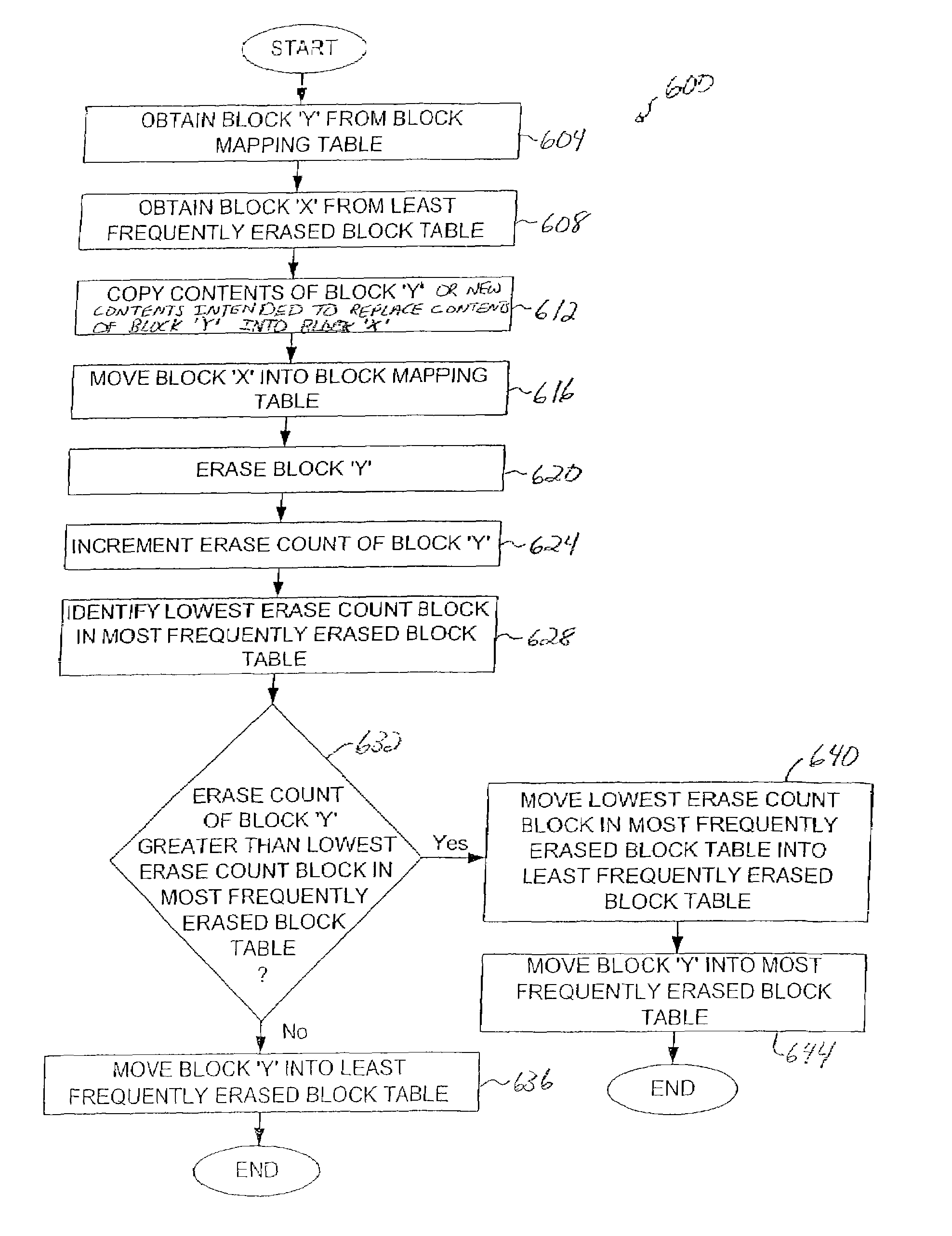
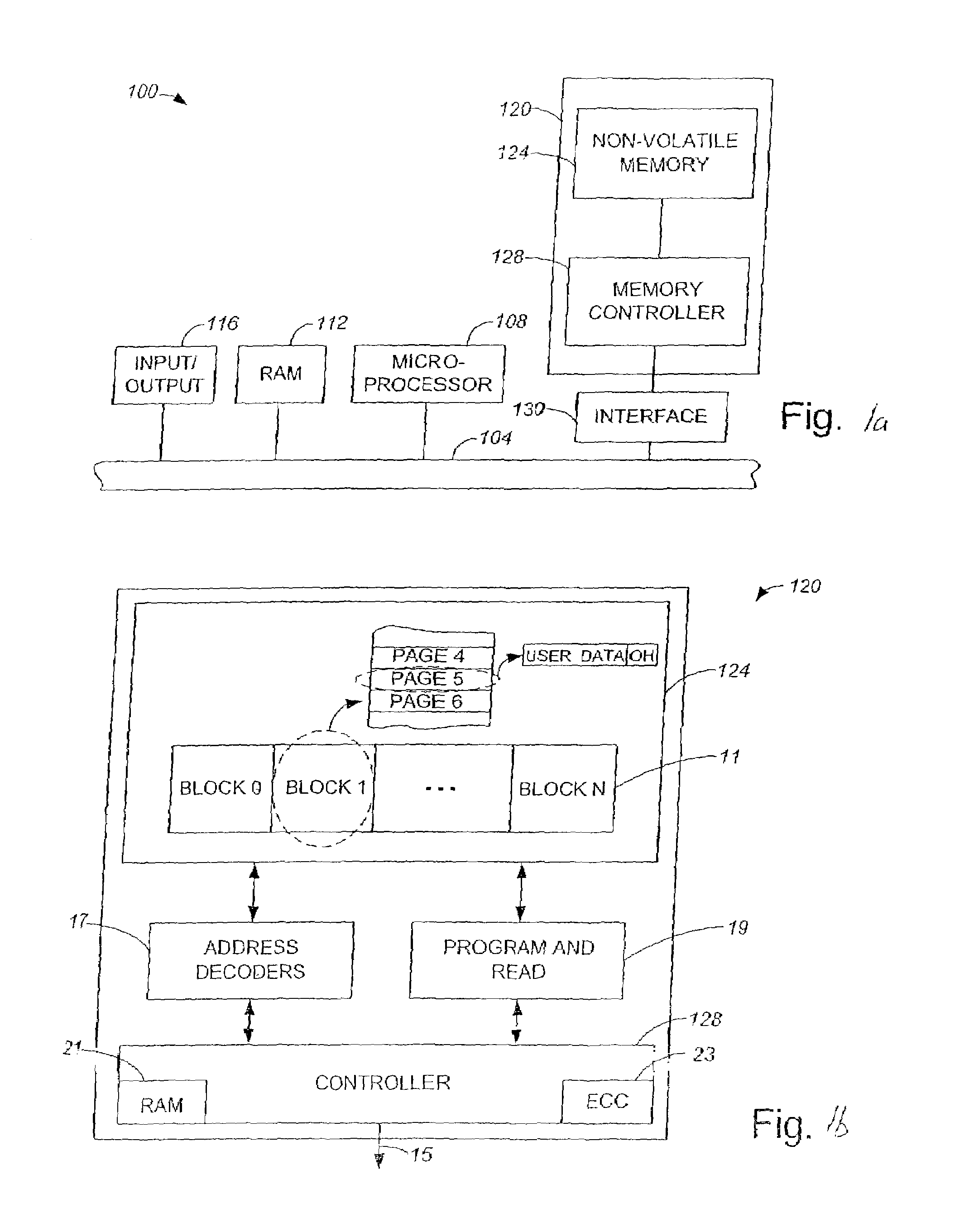
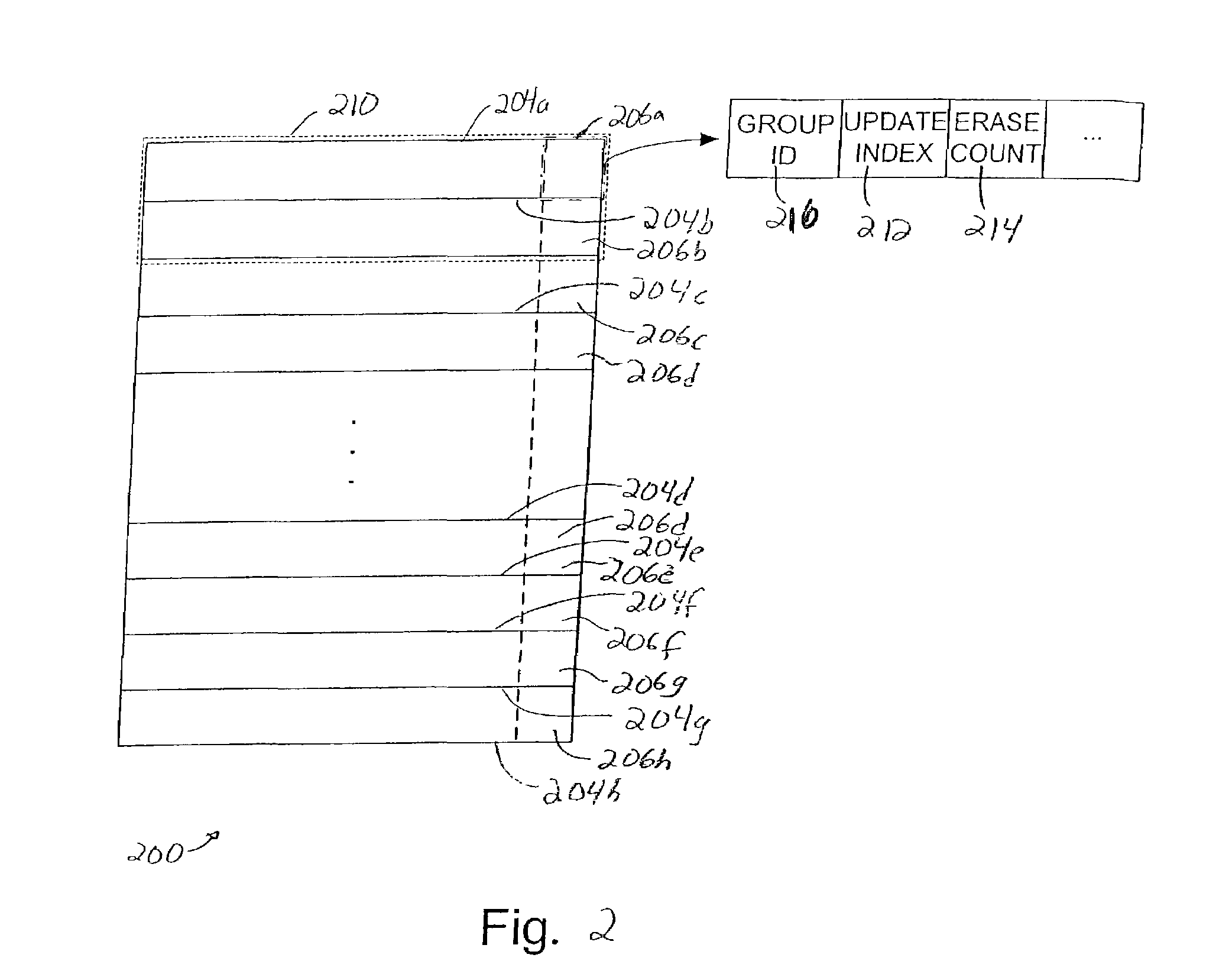
- A method of grouping non-volatile memory blocks based on their erase count to manage wear by swapping blocks between groups of low and high wear, using tables to track and redistribute data, thereby extending the lifespan of the memory system without significant performance impact.

Methods and devices for wear leveling
PatentActiveUS20220011943A1
Innovation
- The method involves using the voltage level required for erase operations as a metric to redistribute non-volatile memory cells by associating them with host addresses in a lookup table, allowing for more efficient wear leveling without the need for extensive cycle counting.


Safety Standards for Battery Management Systems
Safety standards for battery management systems (BMS) play a critical role in ensuring the reliable and secure operation of lithium battery wear leveling algorithms. These standards establish comprehensive frameworks that govern the design, implementation, and operational parameters of BMS to prevent hazardous conditions such as thermal runaway, overcharging, and cell imbalance that could compromise both system performance and user safety.
International standards such as IEC 62619, UL 2580, and ISO 26262 provide foundational requirements for BMS safety in various applications. IEC 62619 specifically addresses secondary lithium cells and batteries for industrial applications, defining safety requirements and test procedures. UL 2580 focuses on battery systems used in electric vehicles, establishing criteria for electrical, mechanical, and environmental safety. ISO 26262 extends functional safety requirements to automotive electrical and electronic systems, including BMS implementations that incorporate wear leveling algorithms.
Compliance with these standards necessitates rigorous validation of wear leveling algorithms under diverse operating conditions. Safety protocols mandate that algorithms must maintain cell voltage within specified limits, prevent excessive current flow during balancing operations, and ensure thermal management remains effective throughout the leveling process. Additionally, standards require fail-safe mechanisms that can detect algorithm malfunctions and initiate protective measures to prevent cascading failures.
Certification processes typically involve extensive testing protocols including accelerated aging tests, fault injection scenarios, and environmental stress screening. These evaluations verify that wear leveling implementations do not introduce new failure modes or compromise existing safety barriers. Documentation requirements under these standards also mandate traceability of algorithm decisions, enabling post-incident analysis and continuous improvement of safety measures.
Emerging standards are increasingly addressing cybersecurity concerns, recognizing that sophisticated wear leveling algorithms may be vulnerable to malicious manipulation. This includes requirements for secure communication protocols, authentication mechanisms, and intrusion detection capabilities within BMS architectures. As battery systems become more interconnected and intelligent, adherence to evolving safety standards ensures that wear leveling innovations enhance rather than compromise overall system integrity.
International standards such as IEC 62619, UL 2580, and ISO 26262 provide foundational requirements for BMS safety in various applications. IEC 62619 specifically addresses secondary lithium cells and batteries for industrial applications, defining safety requirements and test procedures. UL 2580 focuses on battery systems used in electric vehicles, establishing criteria for electrical, mechanical, and environmental safety. ISO 26262 extends functional safety requirements to automotive electrical and electronic systems, including BMS implementations that incorporate wear leveling algorithms.
Compliance with these standards necessitates rigorous validation of wear leveling algorithms under diverse operating conditions. Safety protocols mandate that algorithms must maintain cell voltage within specified limits, prevent excessive current flow during balancing operations, and ensure thermal management remains effective throughout the leveling process. Additionally, standards require fail-safe mechanisms that can detect algorithm malfunctions and initiate protective measures to prevent cascading failures.
Certification processes typically involve extensive testing protocols including accelerated aging tests, fault injection scenarios, and environmental stress screening. These evaluations verify that wear leveling implementations do not introduce new failure modes or compromise existing safety barriers. Documentation requirements under these standards also mandate traceability of algorithm decisions, enabling post-incident analysis and continuous improvement of safety measures.
Emerging standards are increasingly addressing cybersecurity concerns, recognizing that sophisticated wear leveling algorithms may be vulnerable to malicious manipulation. This includes requirements for secure communication protocols, authentication mechanisms, and intrusion detection capabilities within BMS architectures. As battery systems become more interconnected and intelligent, adherence to evolving safety standards ensures that wear leveling innovations enhance rather than compromise overall system integrity.
Thermal Management Integration Strategies
Thermal management integration represents a critical consideration when implementing lithium battery wear leveling algorithms, as the effectiveness of cell balancing strategies is intrinsically linked to temperature distribution and heat dissipation capabilities. The synergy between thermal control systems and wear leveling mechanisms directly influences battery longevity, performance consistency, and safety margins across operational scenarios.
Advanced wear leveling implementations must account for thermal gradients within battery packs, as temperature variations of even 5-10°C between cells can significantly impact charge acceptance rates and degradation patterns. Integration strategies typically employ real-time thermal monitoring to dynamically adjust balancing currents, preventing localized hotspots that could accelerate capacity fade in specific cells. This approach requires sophisticated sensor networks and thermal modeling algorithms that predict heat generation during balancing operations.
Passive thermal management integration focuses on optimizing heat dissipation pathways during wear leveling cycles. Strategic placement of thermal interface materials and heat spreaders ensures that energy redistributed between cells does not create thermal imbalances. Contemporary designs incorporate phase change materials positioned adjacent to high-activity balancing circuits, absorbing transient heat spikes during intensive equalization periods.
Active cooling integration presents more complex implementation challenges, requiring coordination between battery management systems and thermal control units. Liquid cooling channels can be selectively activated in regions undergoing active balancing, maintaining optimal temperature ranges for charge transfer efficiency. Some advanced systems employ predictive thermal management, pre-cooling target cells before initiating wear leveling operations to maximize balancing current thresholds without exceeding thermal limits.
The integration strategy must also address thermal runaway prevention, incorporating fail-safe mechanisms that suspend wear leveling operations when temperature thresholds are exceeded. Multi-layered thermal monitoring with redundant sensors provides critical safety margins, while thermal fuses and circuit breakers offer hardware-level protection against thermal events triggered by balancing malfunctions.
Advanced wear leveling implementations must account for thermal gradients within battery packs, as temperature variations of even 5-10°C between cells can significantly impact charge acceptance rates and degradation patterns. Integration strategies typically employ real-time thermal monitoring to dynamically adjust balancing currents, preventing localized hotspots that could accelerate capacity fade in specific cells. This approach requires sophisticated sensor networks and thermal modeling algorithms that predict heat generation during balancing operations.
Passive thermal management integration focuses on optimizing heat dissipation pathways during wear leveling cycles. Strategic placement of thermal interface materials and heat spreaders ensures that energy redistributed between cells does not create thermal imbalances. Contemporary designs incorporate phase change materials positioned adjacent to high-activity balancing circuits, absorbing transient heat spikes during intensive equalization periods.
Active cooling integration presents more complex implementation challenges, requiring coordination between battery management systems and thermal control units. Liquid cooling channels can be selectively activated in regions undergoing active balancing, maintaining optimal temperature ranges for charge transfer efficiency. Some advanced systems employ predictive thermal management, pre-cooling target cells before initiating wear leveling operations to maximize balancing current thresholds without exceeding thermal limits.
The integration strategy must also address thermal runaway prevention, incorporating fail-safe mechanisms that suspend wear leveling operations when temperature thresholds are exceeded. Multi-layered thermal monitoring with redundant sensors provides critical safety margins, while thermal fuses and circuit breakers offer hardware-level protection against thermal events triggered by balancing malfunctions.
Unlock deeper insights with PatSnap Eureka Quick Research — get a full tech report to explore trends and direct your research. Try now!
Generate Your Research Report Instantly with AI Agent
Supercharge your innovation with PatSnap Eureka AI Agent Platform!