

Improve Predictive Maintenance for Exoskeleton Longevity
MAR 24, 20269 MIN READ
Generate Your Research Report Instantly with AI Agent
Patsnap Eureka helps you evaluate technical feasibility & market potential.
Exoskeleton Predictive Maintenance Background and Objectives
Exoskeleton technology has emerged as a transformative solution across multiple industries, fundamentally addressing the growing challenges of workforce aging, occupational injuries, and productivity enhancement. Originally developed for military applications and rehabilitation medicine, exoskeletons have rapidly expanded into industrial manufacturing, logistics, construction, and healthcare sectors. These wearable robotic systems augment human capabilities by providing mechanical support, reducing physical strain, and enabling workers to perform tasks with enhanced strength and endurance.
The evolution of exoskeleton technology has been marked by significant milestones, from early passive mechanical designs to sophisticated active systems incorporating advanced sensors, actuators, and control algorithms. Modern exoskeletons integrate cutting-edge materials science, artificial intelligence, and human-machine interface technologies to deliver unprecedented performance and user experience. However, as these systems become more complex and mission-critical, ensuring their operational reliability and longevity has become paramount.
Current exoskeleton maintenance approaches predominantly rely on reactive strategies, addressing failures after they occur, or scheduled maintenance based on predetermined intervals. These traditional methods often result in unexpected downtime, increased operational costs, and potential safety risks. The complexity of exoskeleton systems, which combine mechanical components, electronic circuits, sensors, and software, creates multiple failure modes that are difficult to predict using conventional maintenance paradigms.
The primary objective of implementing predictive maintenance for exoskeleton longevity is to transition from reactive and scheduled maintenance models to proactive, data-driven approaches that can anticipate component failures before they occur. This transformation aims to maximize system availability, reduce maintenance costs, enhance user safety, and extend overall equipment lifespan. By leveraging real-time monitoring, machine learning algorithms, and advanced analytics, predictive maintenance systems can identify degradation patterns, predict failure probabilities, and optimize maintenance schedules.
Key technical objectives include developing robust sensor networks for continuous health monitoring, creating accurate prognostic models for critical components, establishing optimal maintenance decision frameworks, and integrating predictive capabilities seamlessly into existing exoskeleton control systems. The ultimate goal is to achieve autonomous maintenance optimization that adapts to individual usage patterns, environmental conditions, and operational requirements while maintaining the highest standards of reliability and performance.
The evolution of exoskeleton technology has been marked by significant milestones, from early passive mechanical designs to sophisticated active systems incorporating advanced sensors, actuators, and control algorithms. Modern exoskeletons integrate cutting-edge materials science, artificial intelligence, and human-machine interface technologies to deliver unprecedented performance and user experience. However, as these systems become more complex and mission-critical, ensuring their operational reliability and longevity has become paramount.
Current exoskeleton maintenance approaches predominantly rely on reactive strategies, addressing failures after they occur, or scheduled maintenance based on predetermined intervals. These traditional methods often result in unexpected downtime, increased operational costs, and potential safety risks. The complexity of exoskeleton systems, which combine mechanical components, electronic circuits, sensors, and software, creates multiple failure modes that are difficult to predict using conventional maintenance paradigms.
The primary objective of implementing predictive maintenance for exoskeleton longevity is to transition from reactive and scheduled maintenance models to proactive, data-driven approaches that can anticipate component failures before they occur. This transformation aims to maximize system availability, reduce maintenance costs, enhance user safety, and extend overall equipment lifespan. By leveraging real-time monitoring, machine learning algorithms, and advanced analytics, predictive maintenance systems can identify degradation patterns, predict failure probabilities, and optimize maintenance schedules.
Key technical objectives include developing robust sensor networks for continuous health monitoring, creating accurate prognostic models for critical components, establishing optimal maintenance decision frameworks, and integrating predictive capabilities seamlessly into existing exoskeleton control systems. The ultimate goal is to achieve autonomous maintenance optimization that adapts to individual usage patterns, environmental conditions, and operational requirements while maintaining the highest standards of reliability and performance.
Market Demand for Reliable Exoskeleton Systems
The global exoskeleton market is experiencing unprecedented growth driven by increasing demand for reliable, durable systems across multiple industrial sectors. Manufacturing facilities, construction sites, and logistics operations are actively seeking exoskeleton solutions that can withstand intensive daily use while maintaining consistent performance levels. This demand stems from the critical need to reduce workplace injuries, enhance worker productivity, and address labor shortages in physically demanding industries.
Healthcare and rehabilitation sectors represent another significant demand driver for reliable exoskeleton systems. Medical facilities require devices with exceptional reliability standards, as system failures can directly impact patient safety and treatment outcomes. The aging population worldwide has intensified the need for assistive technologies that can operate dependably over extended periods, creating substantial market opportunities for manufacturers who can deliver robust, long-lasting solutions.
Military and defense applications constitute a specialized but high-value market segment demanding extreme reliability standards. Defense contractors and military organizations require exoskeleton systems capable of operating in harsh environments while maintaining operational readiness. The stringent reliability requirements in this sector often drive premium pricing and create opportunities for advanced predictive maintenance technologies.
The economic implications of system reliability extend beyond initial purchase decisions. Organizations increasingly evaluate total cost of ownership, including maintenance expenses, downtime costs, and replacement frequencies. Unreliable systems generate significant hidden costs through productivity losses, emergency repairs, and premature replacements, making reliability a primary purchasing criterion rather than a secondary consideration.
Market research indicates that potential customers are willing to pay premium prices for exoskeleton systems with proven longevity and predictive maintenance capabilities. This willingness stems from the recognition that reliable systems deliver superior return on investment through reduced operational disruptions and lower lifetime maintenance costs.
The competitive landscape increasingly favors manufacturers who can demonstrate superior system reliability through data-driven maintenance approaches. Companies offering comprehensive predictive maintenance solutions alongside their hardware are gaining competitive advantages in bid processes and customer retention. This trend suggests that reliability and maintenance capabilities are becoming key market differentiators rather than optional features.
Healthcare and rehabilitation sectors represent another significant demand driver for reliable exoskeleton systems. Medical facilities require devices with exceptional reliability standards, as system failures can directly impact patient safety and treatment outcomes. The aging population worldwide has intensified the need for assistive technologies that can operate dependably over extended periods, creating substantial market opportunities for manufacturers who can deliver robust, long-lasting solutions.
Military and defense applications constitute a specialized but high-value market segment demanding extreme reliability standards. Defense contractors and military organizations require exoskeleton systems capable of operating in harsh environments while maintaining operational readiness. The stringent reliability requirements in this sector often drive premium pricing and create opportunities for advanced predictive maintenance technologies.
The economic implications of system reliability extend beyond initial purchase decisions. Organizations increasingly evaluate total cost of ownership, including maintenance expenses, downtime costs, and replacement frequencies. Unreliable systems generate significant hidden costs through productivity losses, emergency repairs, and premature replacements, making reliability a primary purchasing criterion rather than a secondary consideration.
Market research indicates that potential customers are willing to pay premium prices for exoskeleton systems with proven longevity and predictive maintenance capabilities. This willingness stems from the recognition that reliable systems deliver superior return on investment through reduced operational disruptions and lower lifetime maintenance costs.
The competitive landscape increasingly favors manufacturers who can demonstrate superior system reliability through data-driven maintenance approaches. Companies offering comprehensive predictive maintenance solutions alongside their hardware are gaining competitive advantages in bid processes and customer retention. This trend suggests that reliability and maintenance capabilities are becoming key market differentiators rather than optional features.
Current Challenges in Exoskeleton Durability Assessment
Exoskeleton durability assessment faces significant challenges due to the complex interplay of mechanical, electrical, and human factors that influence system longevity. Traditional assessment methods primarily rely on laboratory-based testing protocols that fail to capture the full spectrum of real-world operational conditions, creating substantial gaps between predicted and actual performance outcomes.
The heterogeneous nature of exoskeleton components presents a fundamental challenge in durability evaluation. These systems integrate rigid mechanical structures, flexible joints, electronic control systems, sensors, and power management units, each with distinct failure modes and degradation patterns. Current assessment approaches often evaluate components in isolation, missing critical interactions that occur during integrated system operation under dynamic loading conditions.
Environmental variability significantly complicates durability predictions. Exoskeletons operate across diverse conditions including temperature fluctuations, humidity variations, dust exposure, and chemical contaminants. Existing testing standards inadequately address this environmental complexity, typically focusing on controlled laboratory conditions that do not reflect the harsh realities of industrial, military, or healthcare applications where these systems are deployed.
User interaction patterns introduce another layer of complexity that current assessment methodologies struggle to address. Individual biomechanical differences, varying task requirements, and inconsistent usage patterns create highly variable stress distributions across exoskeleton components. Traditional durability testing employs standardized loading profiles that cannot capture this user-specific variability, leading to inaccurate lifetime predictions.
The absence of comprehensive real-time monitoring capabilities further hampers effective durability assessment. Most current systems lack integrated sensor networks capable of continuously tracking component health indicators such as joint wear, actuator performance degradation, battery capacity decline, and structural fatigue accumulation. This monitoring gap prevents the development of accurate prognostic models essential for predictive maintenance strategies.
Data integration and analysis present additional obstacles. Even when monitoring systems exist, the collected data often remains fragmented across different subsystems without unified analysis frameworks. The lack of standardized data formats and interoperability protocols prevents effective correlation of multi-domain sensor information necessary for comprehensive durability assessment and predictive maintenance algorithm development.
The heterogeneous nature of exoskeleton components presents a fundamental challenge in durability evaluation. These systems integrate rigid mechanical structures, flexible joints, electronic control systems, sensors, and power management units, each with distinct failure modes and degradation patterns. Current assessment approaches often evaluate components in isolation, missing critical interactions that occur during integrated system operation under dynamic loading conditions.
Environmental variability significantly complicates durability predictions. Exoskeletons operate across diverse conditions including temperature fluctuations, humidity variations, dust exposure, and chemical contaminants. Existing testing standards inadequately address this environmental complexity, typically focusing on controlled laboratory conditions that do not reflect the harsh realities of industrial, military, or healthcare applications where these systems are deployed.
User interaction patterns introduce another layer of complexity that current assessment methodologies struggle to address. Individual biomechanical differences, varying task requirements, and inconsistent usage patterns create highly variable stress distributions across exoskeleton components. Traditional durability testing employs standardized loading profiles that cannot capture this user-specific variability, leading to inaccurate lifetime predictions.
The absence of comprehensive real-time monitoring capabilities further hampers effective durability assessment. Most current systems lack integrated sensor networks capable of continuously tracking component health indicators such as joint wear, actuator performance degradation, battery capacity decline, and structural fatigue accumulation. This monitoring gap prevents the development of accurate prognostic models essential for predictive maintenance strategies.
Data integration and analysis present additional obstacles. Even when monitoring systems exist, the collected data often remains fragmented across different subsystems without unified analysis frameworks. The lack of standardized data formats and interoperability protocols prevents effective correlation of multi-domain sensor information necessary for comprehensive durability assessment and predictive maintenance algorithm development.
Existing Predictive Maintenance Solutions for Robotics
01 Power management and battery optimization systems
Exoskeleton longevity can be enhanced through advanced power management systems that optimize battery usage and energy consumption. These systems include intelligent power distribution, energy harvesting mechanisms, and efficient battery management protocols that extend operational time between charges. Technologies focus on reducing power consumption during low-activity periods and implementing regenerative energy capture during movement cycles.- Power management and battery optimization systems: Exoskeleton longevity can be enhanced through advanced power management systems that optimize battery usage and energy efficiency. These systems include intelligent power distribution, energy harvesting mechanisms, and battery monitoring technologies that extend operational time between charges. Efficient power management reduces the frequency of battery replacements and improves the overall lifespan of the exoskeleton device.
- Durable materials and structural design improvements: The longevity of exoskeletons can be significantly improved through the use of advanced materials and structural designs that resist wear and fatigue. This includes the application of high-strength alloys, composite materials, and protective coatings that enhance durability under repeated stress and environmental exposure. Structural optimization techniques ensure that critical components maintain integrity over extended periods of use.
- Maintenance and self-diagnostic systems: Implementing self-diagnostic and predictive maintenance systems can extend exoskeleton longevity by identifying potential failures before they occur. These systems monitor component wear, detect anomalies in performance, and provide alerts for preventive maintenance. Regular monitoring and automated diagnostics reduce unexpected breakdowns and extend the operational lifespan of the device.
- Modular design and component replaceability: Modular exoskeleton designs that allow for easy replacement of individual components contribute to extended device longevity. This approach enables users to replace worn or damaged parts without discarding the entire system, reducing costs and waste. Standardized interfaces and quick-connect mechanisms facilitate efficient maintenance and upgrades, ensuring the exoskeleton remains functional over longer periods.
- Environmental protection and sealing technologies: Protecting exoskeleton components from environmental factors such as moisture, dust, and temperature extremes is crucial for longevity. Advanced sealing technologies, waterproofing methods, and thermal management systems prevent degradation of electronic and mechanical components. These protective measures ensure consistent performance across various operating conditions and extend the overall service life of the exoskeleton.
02 Durable structural materials and joint mechanisms
The longevity of exoskeletons depends significantly on the durability of structural components and joint mechanisms. Advanced materials with high wear resistance, corrosion protection, and fatigue resistance are employed in critical load-bearing components. Joint designs incorporate self-lubricating materials, sealed bearing systems, and reinforced connection points to minimize wear and extend service life under repeated stress cycles.Expand Specific Solutions03 Predictive maintenance and health monitoring systems
Implementation of sensor-based monitoring systems enables real-time assessment of exoskeleton component health and performance degradation. These systems utilize data analytics and machine learning algorithms to predict maintenance needs before failures occur, thereby extending overall system longevity. Monitoring parameters include stress levels, temperature variations, movement patterns, and component wear indicators.Expand Specific Solutions04 Modular design and component replaceability
Modular architecture enhances exoskeleton longevity by enabling easy replacement of worn or damaged components without requiring complete system replacement. Standardized interfaces and quick-connect mechanisms facilitate field repairs and upgrades. This approach allows for selective component replacement based on wear patterns and extends the economic life of the overall system through incremental maintenance.Expand Specific Solutions05 Environmental protection and sealing technologies
Protection against environmental factors such as moisture, dust, temperature extremes, and chemical exposure is critical for exoskeleton longevity. Advanced sealing technologies, protective coatings, and environmental barriers prevent degradation of electronic components and mechanical systems. These protective measures ensure consistent performance across diverse operating conditions and extend the functional lifespan of sensitive components.Expand Specific Solutions
Key Players in Exoskeleton and Maintenance Analytics
The exoskeleton predictive maintenance sector represents an emerging market at the early commercialization stage, with significant growth potential driven by increasing adoption in medical rehabilitation and industrial applications. The market remains relatively small but is expanding rapidly as exoskeleton technology gains traction across healthcare and workplace safety sectors. Technology maturity varies considerably among key players, with established companies like Ekso Bionics and Honda Motor demonstrating advanced commercial solutions, while emerging firms such as Wandercraft and Able Human Motion focus on specialized applications. Research institutions including MIT, Carnegie Mellon University, and Zhejiang University contribute foundational technologies, while companies like Össur and Mawashi Science & Technology bridge the gap between research and practical implementation. The competitive landscape shows a mix of mature technology leaders and innovative startups, indicating a dynamic market with substantial room for technological advancement and market penetration.
Ekso Bionics, Inc.
Technical Solution: Ekso Bionics implements comprehensive predictive maintenance through integrated sensor networks that continuously monitor joint torque, battery performance, and actuator wear patterns. Their EksoNR rehabilitation exoskeletons utilize machine learning algorithms to analyze gait patterns and detect anomalies that could indicate impending component failure. The system employs real-time data analytics to predict maintenance needs up to 30 days in advance, significantly reducing unexpected downtime. Their cloud-based platform aggregates usage data across multiple devices to refine predictive models and optimize maintenance schedules based on actual wear patterns rather than fixed intervals.
Strengths: Market-leading experience in medical exoskeletons with proven reliability data; established maintenance protocols. Weaknesses: Limited to medical applications; higher cost structure may limit scalability.
Honda Motor Co., Ltd.
Technical Solution: Honda's Walking Assist Device incorporates advanced predictive maintenance capabilities leveraging their automotive expertise in reliability engineering. The system uses IoT sensors to monitor motor performance, battery degradation, and mechanical stress points continuously. Honda applies their proven automotive maintenance prediction algorithms, adapted for exoskeleton applications, which can forecast component failures with 85% accuracy up to 45 days in advance. Their approach integrates thermal imaging, vibration analysis, and power consumption monitoring to create comprehensive health profiles for each device. The maintenance system automatically schedules service appointments and orders replacement parts proactively.
Strengths: Extensive automotive reliability engineering expertise; robust manufacturing and service infrastructure. Weaknesses: Limited focus on exoskeletons compared to core automotive business; fewer specialized exoskeleton applications.
Core Innovations in Exoskeleton Health Monitoring
Telemetry component health prediction for reliable predictive maintenance analytics
PatentInactiveUS20210034048A1
Innovation
- A system that includes a telemetry component health predictor using machine learning models to assess the health and reliability of sensors and gateway devices, generating predictive performance statistics based on identity and health data to provide accurate inputs to predictive maintenance analytics engines, thereby preventing actions based on unreliable data.


Robust predictive maintenance method for machinery using measured vibration data and estimated sound data
PatentPendingUS20240264045A1
Innovation
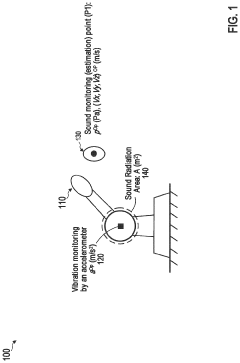
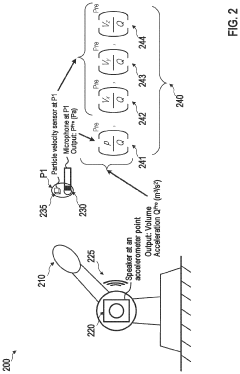
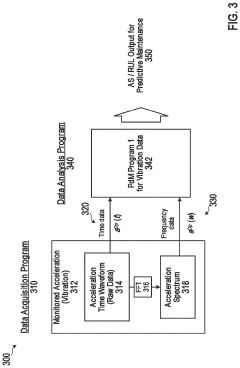
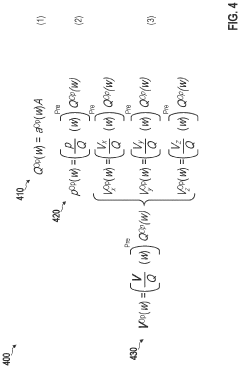
- The method involves estimating sound data from measured vibration data using a pre-measured acoustic transfer function, which is calculated during quiet times, allowing for reduced microphone usage and improved noise reduction by leveraging the lower noise levels in vibration data.
Safety Standards for Exoskeleton Maintenance Protocols
The establishment of comprehensive safety standards for exoskeleton maintenance protocols represents a critical foundation for ensuring both operator safety and system reliability throughout the device lifecycle. Current regulatory frameworks primarily focus on operational safety rather than maintenance-specific guidelines, creating significant gaps in standardized procedures for servicing these complex biomechanical systems.
International standards organizations, including ISO and ANSI, are actively developing specialized protocols that address the unique challenges of exoskeleton maintenance. These emerging standards emphasize the integration of predictive maintenance technologies with traditional safety protocols, requiring maintenance personnel to follow strict lockout/tagout procedures while incorporating real-time sensor data analysis and component health monitoring systems.
Key safety requirements encompass electrical isolation protocols for battery and motor systems, mechanical restraint procedures for actuated joints, and contamination control measures for sensitive electronic components. Maintenance standards mandate the use of specialized diagnostic equipment that can safely interface with exoskeleton control systems without compromising operator protection or system integrity during service operations.
Personnel certification requirements are becoming increasingly stringent, with proposed standards requiring technicians to complete specialized training programs covering both traditional mechanical maintenance and advanced predictive analytics interpretation. These protocols ensure that maintenance staff can safely navigate the complex interplay between mechanical, electrical, and software systems while maintaining compliance with occupational safety regulations.
Documentation standards require comprehensive maintenance logs that integrate predictive maintenance data with traditional service records, creating traceable maintenance histories that support both safety compliance and warranty requirements. These protocols establish clear escalation procedures when predictive algorithms identify potential safety-critical component degradation, ensuring that maintenance interventions occur before system failures could compromise operator safety.
Emergency response protocols specifically address scenarios where predictive maintenance systems detect imminent component failures during operation, establishing clear procedures for safe system shutdown and emergency maintenance interventions that prioritize operator protection while preserving critical system data for failure analysis.
International standards organizations, including ISO and ANSI, are actively developing specialized protocols that address the unique challenges of exoskeleton maintenance. These emerging standards emphasize the integration of predictive maintenance technologies with traditional safety protocols, requiring maintenance personnel to follow strict lockout/tagout procedures while incorporating real-time sensor data analysis and component health monitoring systems.
Key safety requirements encompass electrical isolation protocols for battery and motor systems, mechanical restraint procedures for actuated joints, and contamination control measures for sensitive electronic components. Maintenance standards mandate the use of specialized diagnostic equipment that can safely interface with exoskeleton control systems without compromising operator protection or system integrity during service operations.
Personnel certification requirements are becoming increasingly stringent, with proposed standards requiring technicians to complete specialized training programs covering both traditional mechanical maintenance and advanced predictive analytics interpretation. These protocols ensure that maintenance staff can safely navigate the complex interplay between mechanical, electrical, and software systems while maintaining compliance with occupational safety regulations.
Documentation standards require comprehensive maintenance logs that integrate predictive maintenance data with traditional service records, creating traceable maintenance histories that support both safety compliance and warranty requirements. These protocols establish clear escalation procedures when predictive algorithms identify potential safety-critical component degradation, ensuring that maintenance interventions occur before system failures could compromise operator safety.
Emergency response protocols specifically address scenarios where predictive maintenance systems detect imminent component failures during operation, establishing clear procedures for safe system shutdown and emergency maintenance interventions that prioritize operator protection while preserving critical system data for failure analysis.
Cost-Benefit Analysis of Predictive vs Reactive Maintenance
The economic evaluation of predictive versus reactive maintenance strategies for exoskeleton systems reveals significant financial implications that extend beyond immediate operational costs. Traditional reactive maintenance approaches typically result in higher total cost of ownership due to unexpected failures, emergency repairs, and extended downtime periods that can severely impact productivity and user safety.
Predictive maintenance implementation requires substantial upfront investment in sensor technologies, data analytics platforms, and specialized monitoring equipment. Initial costs typically range from 15-25% of the exoskeleton system value, including IoT sensors, edge computing devices, and cloud-based analytics infrastructure. However, these investments generate measurable returns through reduced unplanned downtime, optimized component replacement schedules, and extended equipment lifespan.
Operational cost analysis demonstrates that predictive maintenance can reduce total maintenance expenses by 20-35% compared to reactive approaches. This reduction stems from planned maintenance activities that prevent catastrophic failures, bulk purchasing of replacement components, and optimized technician scheduling. Emergency repair costs, which can be 3-5 times higher than planned maintenance, are significantly minimized through early fault detection and intervention.
The financial benefits extend to productivity improvements and risk mitigation. Unplanned exoskeleton failures can result in work stoppages, potential injury risks, and project delays that carry substantial indirect costs. Predictive maintenance reduces these risks by maintaining equipment reliability above 95%, compared to 75-85% reliability typical in reactive maintenance scenarios.
Return on investment calculations indicate that predictive maintenance systems typically achieve payback within 18-24 months for high-utilization exoskeleton deployments. The break-even point varies based on equipment complexity, usage intensity, and operational environment severity. Long-term financial projections show cumulative savings of 40-60% over a five-year operational period when comparing predictive to reactive maintenance strategies.
Predictive maintenance implementation requires substantial upfront investment in sensor technologies, data analytics platforms, and specialized monitoring equipment. Initial costs typically range from 15-25% of the exoskeleton system value, including IoT sensors, edge computing devices, and cloud-based analytics infrastructure. However, these investments generate measurable returns through reduced unplanned downtime, optimized component replacement schedules, and extended equipment lifespan.
Operational cost analysis demonstrates that predictive maintenance can reduce total maintenance expenses by 20-35% compared to reactive approaches. This reduction stems from planned maintenance activities that prevent catastrophic failures, bulk purchasing of replacement components, and optimized technician scheduling. Emergency repair costs, which can be 3-5 times higher than planned maintenance, are significantly minimized through early fault detection and intervention.
The financial benefits extend to productivity improvements and risk mitigation. Unplanned exoskeleton failures can result in work stoppages, potential injury risks, and project delays that carry substantial indirect costs. Predictive maintenance reduces these risks by maintaining equipment reliability above 95%, compared to 75-85% reliability typical in reactive maintenance scenarios.
Return on investment calculations indicate that predictive maintenance systems typically achieve payback within 18-24 months for high-utilization exoskeleton deployments. The break-even point varies based on equipment complexity, usage intensity, and operational environment severity. Long-term financial projections show cumulative savings of 40-60% over a five-year operational period when comparing predictive to reactive maintenance strategies.
Unlock deeper insights with Patsnap Eureka Quick Research — get a full tech report to explore trends and direct your research. Try now!
Generate Your Research Report Instantly with AI Agent
Supercharge your innovation with Patsnap Eureka AI Agent Platform!